How Worn Wheel Bearings Cause Uneven 4Runner Tire Wear
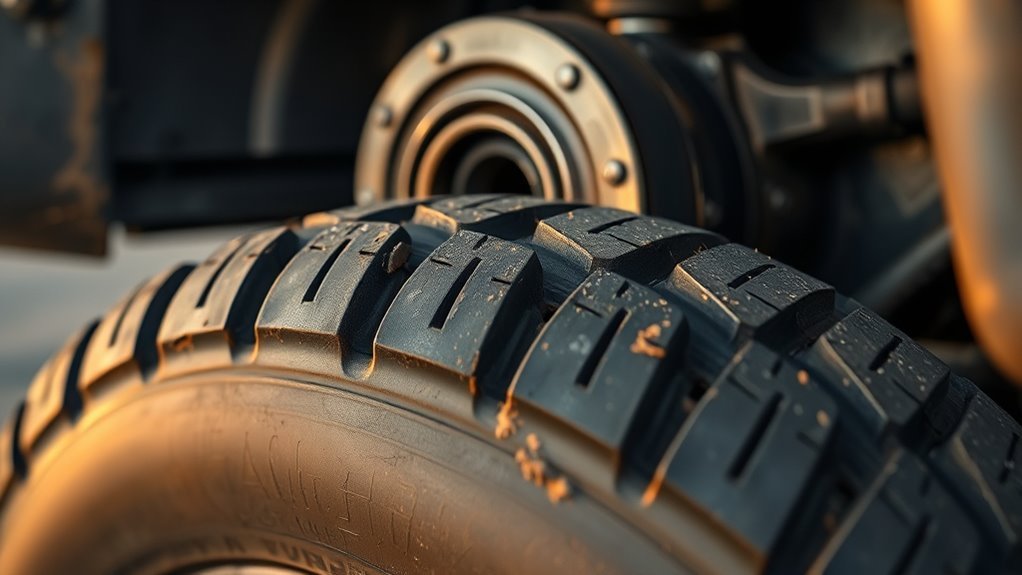
A bad wheel bearing can cause uneven tire wear on a Toyota 4Runner, but it is not the first thing to blame. Tire pressure, alignment, worn shocks, worn suspension parts, and bent wheels are more common causes. The clue is the combination of uneven tread wear with bearing symptoms such as humming, grinding, wheel play, heat at one hub, steering looseness, or an ABS warning light.
Quick Answer
Yes, a worn 4Runner wheel bearing can cause uneven tire wear if it has enough looseness to let the wheel wobble under load. Look for cupping, scalloping, feathered edges, or one tire wearing faster than the others, especially when paired with humming, grinding, vibration, or wheel play.
Key Takeaways
- A bad bearing can contribute to uneven tire wear, but alignment, tire pressure, shocks, and suspension parts are more common causes.
- Bearing-related tire wear usually appears with other symptoms: humming, grinding, wobble, steering looseness, excess hub heat, or ABS issues.
- Do not pay for an alignment until wheel bearing play and loose suspension parts are fixed first.
- If the wheel has obvious play, grinding, smoke, heat, or a severe wobble, stop driving and have the 4Runner towed or inspected immediately.
Warning: Never rely on a jack alone when checking a wheel bearing. Park on level ground, chock the opposite wheels, use rated jack stands, and keep your hands clear of pinch points. If you are not comfortable lifting the vehicle safely, have a shop inspect it.
Is Your 4Runner’s Uneven Tire Wear Caused by a Bad Wheel Bearing?
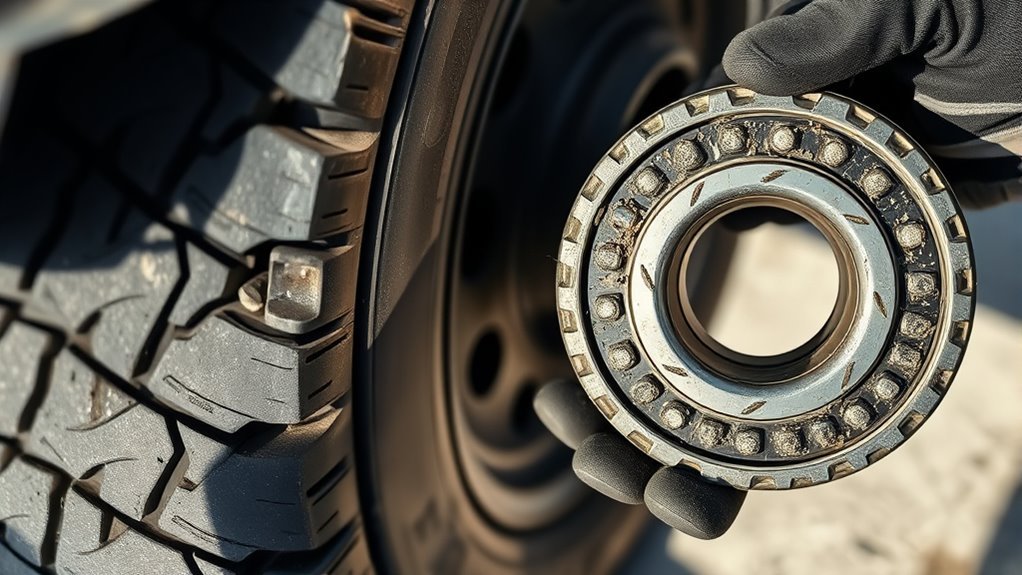
A bad wheel bearing can cause uneven tire wear, but usually only after the bearing becomes loose or rough enough to let the wheel move outside its normal path. That movement can change the tire contact patch while the 4Runner is driving, which may create scalloping, cupping, feathered tread blocks, or faster wear on one tire.
The important word is can. According to Timken wheel hub bearing guidance, abnormal tire wear is most commonly tied to worn or damaged suspension parts, misalignment, and improper tire inflation or tire selection. Extreme bearing wear or looseness can cause abnormal tire wear, but it is often part of a larger front-end problem.
That means the best diagnosis is not “replace the bearing because the tire looks bad.” The better approach is to check tire pressure, inspect tread depth, look for suspension looseness, test the hub for play, and then align the vehicle after any loose parts are fixed.
Note: The 4Runner generation matters. Many modern hub/bearing assemblies are replaced as a unit when they fail. Older serviceable tapered bearings may be cleaned, inspected, greased, and adjusted if the bearing surfaces are still good. Always follow the repair manual for your exact year.
6 Signs Your 4Runner Has a Worn Wheel Bearing
A worn bearing usually gives more than one clue. If your uneven tire wear appears with any of the symptoms below, the bearing deserves a closer look.
- Humming, rumbling, or growling that changes with speed: Bearing noise often rises with road speed and may sound like aggressive tire noise.
- Grinding while turning or under load: A grinding noise during turns can point to bearing race or roller damage, especially when the sound changes as vehicle weight shifts.
- Wheel vibration or wobble: A rough or loose hub can send vibration through the steering wheel, floor, or seat.
- Loose or vague steering feel: Excess play at the hub can make the 4Runner feel less precise, especially at highway speed.
- Uneven tread wear on one tire: Cupping, scalloping, feathering, or one tire wearing much faster than the others can appear when a bearing is loose enough to disturb the tire’s contact patch.
- ABS, traction, or stability warning lights: Severe bearing end play can disturb the relationship between the wheel speed sensor and tone ring or encoder, causing a bad wheel-speed signal.
Timken lists humming, rumbling, growling, grinding, wheel vibration, and wheel wobble as possible wheel hub bearing symptoms, while also noting that some vibration or tire wear may come from tire, wheel, suspension, or alignment issues instead.
How to Test Your 4Runner’s Wheel Bearings at Home
At a Glance
| Time Required | 20–45 minutes for a basic driveway check |
| Difficulty | Moderate; lifting the vehicle safely is the hardest part |
| Tools Needed | Tire-pressure gauge, tread-depth gauge, floor jack, jack stands, wheel chocks, flashlight, gloves, and optionally a mechanic’s stethoscope |
| Cost | $0 if you already have tools; about $10–$25 for a tire-pressure gauge and tread-depth gauge |
Use these checks to decide whether the bearing is suspicious. They do not replace a professional inspection, especially if the wheel has severe play or the noise is loud.
1. Listen for Noise on a Safe Road Test
Drive on a quiet, smooth road at low to moderate speed. Listen for a humming, growling, rumbling, or grinding noise that changes with vehicle speed. Then make gentle lane changes or wide turns where safe. If the sound gets louder when weight shifts to one side, the loaded bearing may be the noisy one.
- A bad right front bearing may get louder during a gentle left turn because the right side is loaded.
- A bad left front bearing may get louder during a gentle right turn.
- Tire cupping can sound similar, so do not diagnose by noise alone.
2. Check Wheel Play
After parking on level ground and securing the 4Runner on jack stands, hold the tire at the 12 and 6 o’clock positions. Rock it in and out firmly. Then repeat at 3 and 9 o’clock.
- Play at 12 and 6: Possible wheel bearing, ball joint, or suspension looseness.
- Play at 3 and 9: Possible wheel bearing, tie rod, steering rack, or suspension looseness.
- Clunking with visible hub movement: Strong reason to stop driving and have the hub inspected.
Have a helper watch the hub, ball joints, and tie rods while you rock the tire. If the tire moves but the steering knuckle and suspension do not, the bearing or hub assembly is more suspicious.
3. Spin the Wheel and Check for Roughness or Heat
Spin the lifted wheel by hand. A healthy bearing should rotate smoothly and quietly. A rough bearing may feel gritty, notchy, or noisy. After a short drive, compare hub temperature side to side without touching hot brake parts. One hub that is much hotter than the matching side may have bearing or brake drag issues.
Pro Tip: Before blaming the bearing, check tire pressure and tread depth on all four tires. The National Highway Traffic Safety Administration recommends regular tire checks, and uneven wear is one of the signs you should inspect.
How to Spot Wheel Bearing Damage on Your 4Runner’s Tires
Look at all four tires in good light. Measure tread depth at the inner edge, center, and outer edge of each tire. Do not rely only on a glance from the outside shoulder.
| Wear Pattern | Common Causes | Bearing Clue |
| Cupping or scalloping | Worn shocks, tire imbalance, loose suspension, bad bearing | More likely if the same wheel also hums, wobbles, or has play |
| Feathered tread blocks | Toe misalignment, loose steering parts, bearing play | Possible if toe changes because the hub moves under load |
| Inside or outside edge wear | Camber or toe misalignment, worn control-arm bushings, ball joints | Bearing is possible if edge wear appears with looseness or rumbling |
| Both edges worn | Underinflation or overloading | Usually not a bearing-first pattern |
| Center worn faster | Overinflation or tire/load mismatch | Usually not a bearing-first pattern |
All DOT-regulated tires have treadwear indicators, often called wear bars. Bridgestone’s tire replacement guidance notes that tires should have at least 2/32 inch of tread depth and should be free of irregular wear for safety. If one 4Runner tire is badly cupped or below the safe limit, fixing the bearing will not make that tire safe again.
Why Worn 4Runner Wheel Bearings Throw Off Your Alignment
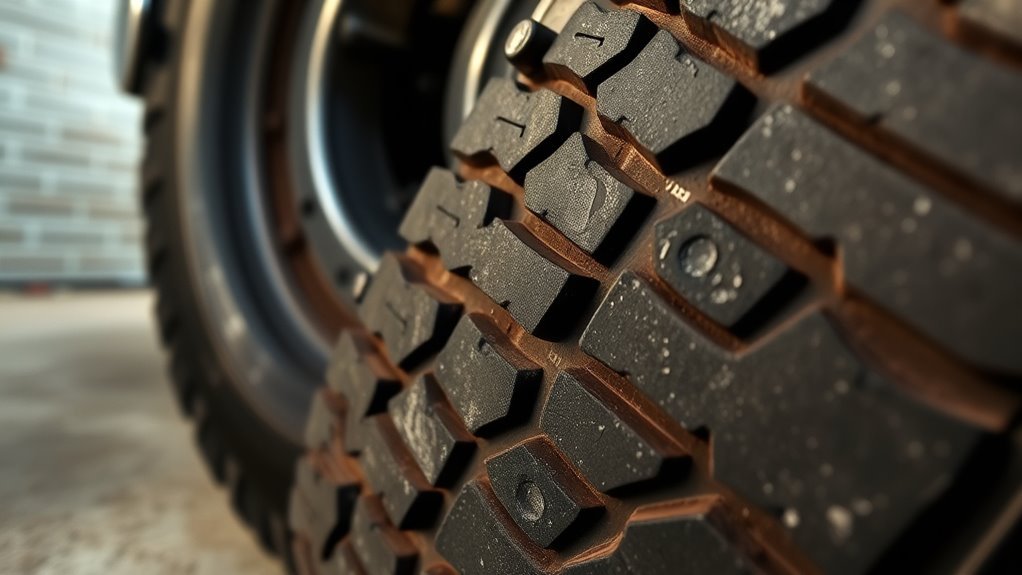
An alignment machine measures the wheel while the vehicle is sitting on the rack. A loose wheel bearing can behave differently once the 4Runner is moving, braking, turning, or hitting bumps. That is why a bearing problem can make a fresh alignment seem to “go bad” quickly.
When the bearing has excess end play or radial play, the hub can shift slightly. That movement may change camber and toe while driving. The tire then scrubs instead of rolling cleanly, which can create feathering, cupping, or fast edge wear.
This is also why shops usually inspect the front end before aligning a vehicle. If a wheel bearing, ball joint, tie rod, control-arm bushing, or shock is loose, the alignment numbers may not stay stable.
Why Alignment Fixes Won’t Solve Bearing-Related Tire Wear
An alignment adjusts wheel angles. It does not remove looseness from a bearing. If the hub is moving, the tire can still change angle on the road after the alignment is done.
Use this repair order:
- Inspect all tires: Check pressure, tread depth, age, visible damage, and uneven wear.
- Check for loose parts: Test the wheel bearing, ball joints, tie rods, control-arm bushings, and shocks.
- Repair mechanical looseness first: Replace or service the bad bearing or suspension part before alignment.
- Align the 4Runner: Align after the hub and suspension are tight.
- Rotate or replace damaged tires: A badly cupped or worn tire may stay noisy even after the bearing is fixed.
If the tire is wearing unevenly and the wheel has play, fix the looseness first. Alignment is the final adjustment, not the cure for a moving hub.
When to Replace vs. Repair: 4Runner Wheel Bearing Costs
For many Toyota 4Runner repairs, a worn sealed bearing or hub assembly is replaced rather than “repaired.” Some older serviceable tapered bearings can be cleaned, inspected, repacked with grease, and adjusted, but only if the bearing races and rollers are not pitted, blued, rough, or damaged.
Current RepairPal estimates for Toyota 4Runner wheel bearing replacement average about $462–$816. That range excludes taxes, fees, location differences, and related repairs. Costs can rise if the hub, ABS sensor, brake parts, CV axle, or damaged tire also needs attention.
Do not delay a noisy or loose bearing to “get more miles out of it.” A failing bearing can damage the hub, tire, brake components, ABS sensor parts, and nearby suspension pieces. If the bearing is significantly worn, the safest repair is prompt replacement or proper service according to the 4Runner repair manual.
Why Front 4Runner Wheel Bearings Often Work Harder Than Rear Bearings
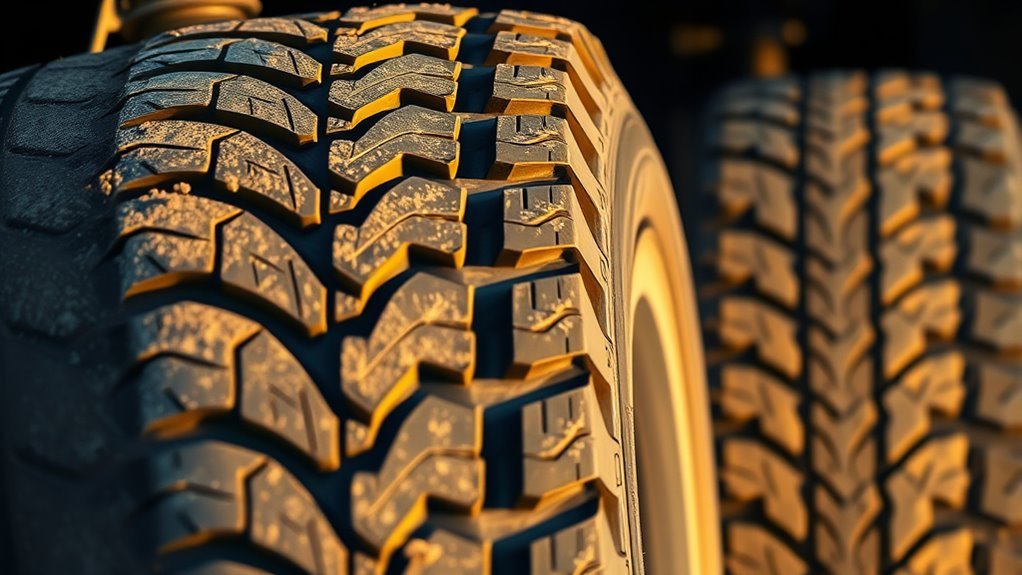
Front 4Runner wheel bearings often see harsher service than the rears because they handle more than simple rolling load. They also deal with steering force, braking force, front-end weight, pothole impacts, water, mud, and road debris.
- Steering load: Front wheels pivot and carry side loads during turns.
- Braking load: The front axle handles much of the braking work during normal stops.
- Vehicle weight: Engine and front suspension weight add load to the front hubs.
- Off-road impact: Rocks, ruts, water crossings, and mud can shorten bearing and seal life.
This does not mean rear bearings cannot fail. If the noise, heat, or tire wear is at the rear, inspect the rear hub, axle bearing, brake, and tire just as carefully.
4Runner Wheel Bearing Maintenance: Protect Your Tires
The best way to protect your tires is to catch bearing and suspension problems before they create severe tread damage. Make these checks part of your normal maintenance routine:
- Check tire pressure monthly: Use the pressure listed on the tire placard or owner’s manual, not the number molded into the tire sidewall.
- Inspect tread monthly: Look for uneven wear, cracks, bulges, punctures, and exposed wear bars.
- Rotate tires on schedule: Rotation helps reveal one wheel wearing faster than the others.
- Listen after tire rotation: If a noise stays at one corner instead of following the tire, suspect the hub, brake, or suspension.
- Inspect after impacts: Potholes, curb hits, trail impacts, and water crossings can damage bearings, wheels, tires, and suspension parts.
- Use correct torque: Wheel lugs, axle nuts, and bearing retainers must be tightened to factory specs. Incorrect torque can shorten bearing life.
Note: A bad tire can mimic a bad bearing, and a bad bearing can ruin a tire. If the diagnosis is not clear, have a technician road-test the 4Runner, inspect the tires, and check the hub with the vehicle lifted.
Frequently Asked Questions
How long do 4Runner wheel bearings last?
There is no single mileage that fits every 4Runner. Many sealed wheel bearings can last 100,000 miles or more, but off-road use, water crossings, oversized tires, impacts, improper installation, and incorrect torque can shorten life. Older serviceable tapered bearings may need periodic cleaning, inspection, grease, and adjustment.
Can I drive 50 miles with a bad wheel bearing?
It depends on severity, but driving on a clearly bad bearing is risky. Do not drive if there is grinding, smoke, hub heat, obvious wheel play, wobble, brake warning lights, or the tire is wearing rapidly. A mildly noisy bearing should still be inspected as soon as possible, and a severely worn bearing should not be driven.
What is the most common cause of uneven tire wear?
The most common causes are improper tire pressure, wheel misalignment, worn shocks, worn suspension or steering parts, tire imbalance, and tire rotation neglect. A bad wheel bearing is possible, but it is more convincing when uneven wear appears with bearing noise, wheel play, vibration, or hub heat.
Should I get an alignment before or after replacing a wheel bearing?
Get the bearing or loose suspension part fixed first, then align the 4Runner. If the hub has play, the alignment readings may not stay stable on the road.
Will new wheel bearings fix already-cupped tires?
No. New bearings can stop the cause of the wear if the bearing was the problem, but they will not restore damaged tread. A cupped tire may stay noisy and may need rotation or replacement depending on tread depth and severity.
Conclusion
A bad wheel bearing can cause uneven tire wear on a 4Runner, but it should be diagnosed with the whole wheel-end system in mind. Check tire pressure, tread depth, alignment clues, shocks, steering parts, and suspension parts before blaming the bearing alone. If the tire wear comes with humming, grinding, heat, wobble, wheel play, or ABS warnings, inspect the hub right away. Fix the mechanical looseness first, then align the 4Runner and replace any tire that is no longer safe.
Sources
- Timken — Symptoms of a Worn Wheel Hub Bearing — supports bearing symptoms, abnormal tire wear nuance, and ABS sensor concerns.
- Timken — Bearing Damage Analysis Reference Guide — supports bearing damage causes, maintenance, handling, and safety warnings.
- NHTSA TireWise — supports tire safety, tire ratings, and tire maintenance awareness.
- NHTSA Tire Safety Checklist — supports monthly tire-pressure checks and inspection for uneven wear.
- Bridgestone Tire Replacement Guidance — supports tread-depth, wear-bar, irregular-wear, and tire replacement guidance.
- RepairPal Toyota 4Runner Wheel Bearing Replacement Cost — supports current cost range, symptoms, and replacement/service notes.

Related Articles
When Is a Tire Too Old to Safely Use on a 4Runner
Find out why your 4Runner's tires expire at six years—and the hidden danger that could strike without warning.
Read More
How to Read Tire Wear Patterns and What They Reveal
How to interpret tire wear patterns can reveal vital insights about your vehicle's health and performance; discover what your tires are telling you.
Read More
7 Ways to Extend the Life of Your 4Runner Tires
Just seven simple maintenance habits can double your 4Runner tire life—but the third one surprises even veteran owners.
Read More