
Toyota Camry Winter Tire Guide: Everything You Need to Know for Cold Weather
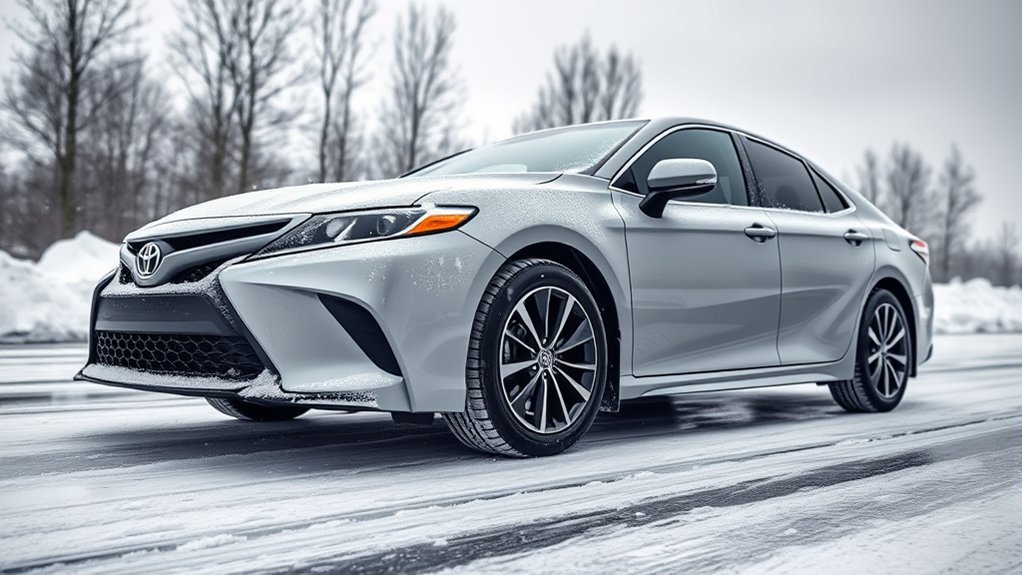
Winter tires are vital for your Toyota Camry, ensuring safety and performance when temperatures drop below 7°C (45°F). These tires feature special rubber compounds and tread designs that enhance grip and reduce stopping distances by up to 30%. It’s essential to install them before the first major snowstorm, with a minimum tread depth of 4.8 mm. Regular maintenance is key, and knowing the right tires for your driving style can make all the difference. Discover what else you should know!
Why Winter Tires Are Essential for Your Camry
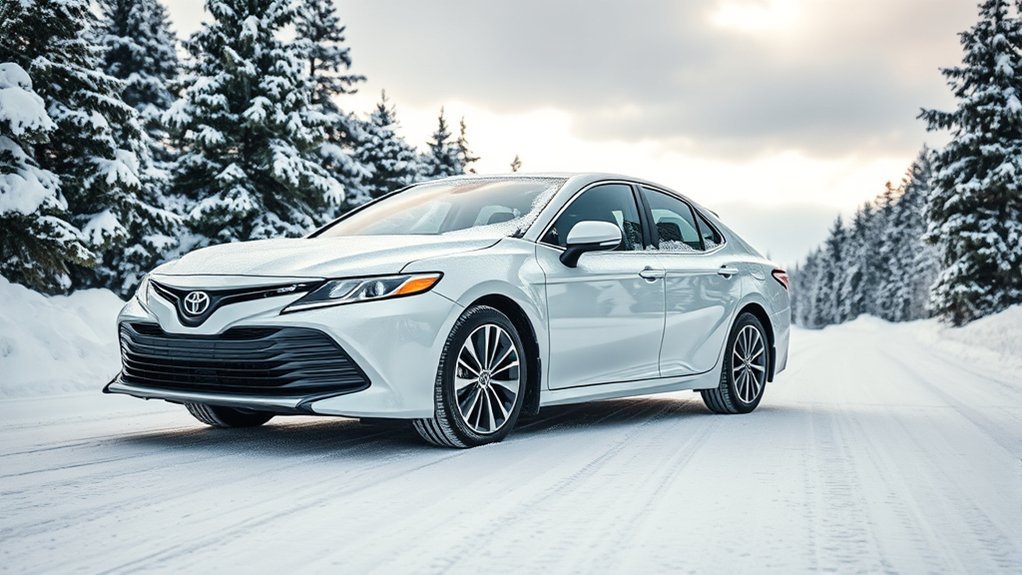
When winter hits, you want your Toyota Camry to perform at its best, and that’s where winter tires come into play. Designed with softer rubber compounds that stay flexible below 7°C, these tires enhance tire performance on icy and snowy roads. With a recommended tread depth of at least 4.8 mm, winter tires greatly improve braking effectiveness, reducing stopping distances by up to 30%. This is essential for winter safety, especially in slippery conditions.
Their unique tread patterns channel slush and snow, minimizing hydroplaning and boosting overall handling. Even if your Camry has all-wheel drive, winter tires provide added stopping power and control. By choosing winter tires, you’re not just enhancing your vehicle’s capability; you’re also investing in your safety and freedom on the road. Embrace the winter season with confidence, knowing your Camry is equipped for whatever the weather throws at you.
When to Switch to Winter Tires: Timing for Safety
Preparing your Toyota Camry with winter tires requires timely action to guarantee safety on the road. Switch to winter tires when temperatures consistently drop below 7°C (45°F) for maximum grip. Installing them before the first major snowstorm guarantees you’re ready and avoids last-minute delays. Keep an eye on weather patterns as winter approaches to plan your tire change effectively.
| Action | Timing |
|---|---|
| Switch to Winter Tires | Below 7°C (45°F) |
| Install Before Snowstorm | Ideally two weeks prior |
| Tread Depth Check | Minimum 4.8 mm |
Incorporate these tire maintenance tips and winter driving techniques to enhance your safety. Consult tire experts to tailor your timing based on your driving conditions. Being proactive not only guarantees a smoother ride but also empowers your winter driving experience.
How to Know When to Replace Your Winter Tires?
Knowing when to replace your winter tires is essential for maintaining safety on icy roads. Keep an eye on the tread depth; if it dips below 4 mm or shows visible damage like cracks or bulges, it’s time for a change. Additionally, if your tires are over six years old, consulting a tire expert can help guarantee peak performance this winter.
Tread Depth Assessment
Evaluating your winter tires’ tread depth is essential for maintaining ideal safety and performance during cold weather. The minimum tread depth for winter tires is 4 mm, but aiming for at least 4.8 mm guarantees optimal grip on snow and ice. You can assess tread depth using specialized measurement tools or even a simple quarter. Just insert it into the tread grooves; if you can see above the quarter, it’s time for a change. Insufficient tread depth can greatly increase stopping distances and reduce traction, putting you at risk. Regularly check your tires’ performance based on wear from the previous winter season, and consult dealership tire experts for a professional assessment to determine if replacement is necessary.
Visible Damage Signs
Winter tires are essential for safe driving in cold conditions, but knowing when to replace them can be tricky. Regular tire maintenance and damage assessment can help you stay safe on the road. Here are key signs to watch for:
| Visible Damage Signs | Action Required |
|---|---|
| Tread depth ≤ 4 mm | Replace tires |
| Cracks or bulges | Replace tires |
| Uneven wear patterns | Check alignment/inflate |
If you frequently lose air pressure, consider replacing your tires, as this may indicate internal damage. Additionally, if your tires are over six years old, it’s wise to replace them—even if they look fine—since rubber compounds degrade over time. Stay vigilant to guarantee your winter driving is secure!
Performance During Winter Conditions
As temperatures drop and snow begins to accumulate, your winter tires’ performance becomes a top priority. Knowing when to replace them guarantees peak tire traction in cold weather. Here are four key indicators:
- Tread Depth: Replace tires when tread depth falls below 4 mm; aim for at least 4.8 mm for snowy conditions.
- Visible Damage: Look for cracks, bulges, or uneven wear that can compromise safety and grip.
- Age of Tires: If your tires have been in use for more than six seasons, consider replacing them regardless of tread depth.
- Performance Issues: Notice decreased traction during acceleration or longer stopping distances? It’s time for new tires.
Regular checks keep you safe and enhance your driving experience this winter.
Understanding Tread Depth: The Minimum You Need
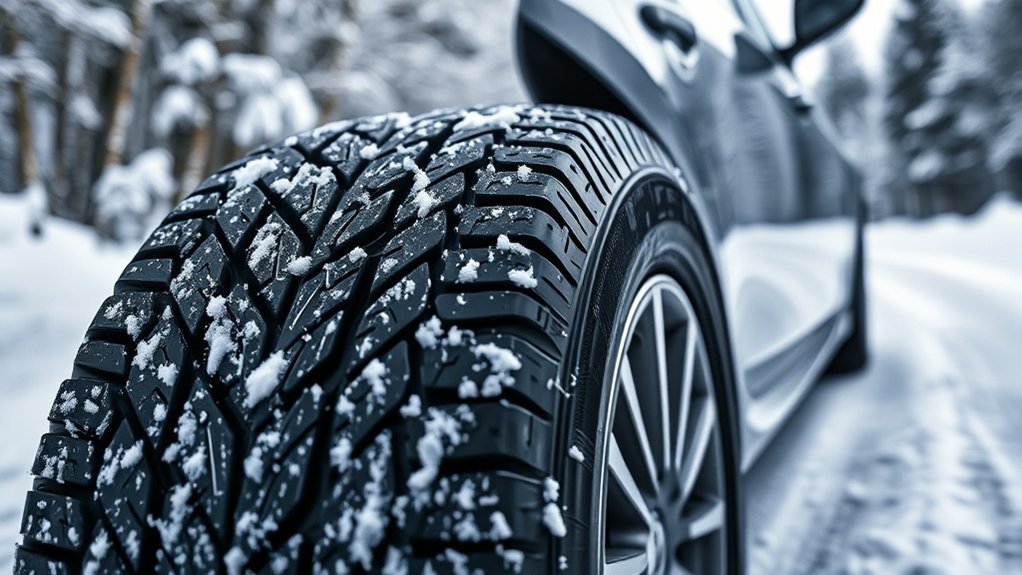
When it comes to winter driving, understanding tread depth is vital for maintaining safety on icy roads. The minimum tread depth for winter tires, as mandated by Transport Canada, is 4 mm. However, for peak performance, aim for at least 4.8 mm before the season kicks off. Insufficient tread depth can greatly increase stopping distances and reduce grip, putting you at risk.
To check your tire’s condition, you can use specialized measurement tools, a quarter, or built-in tire indicators. Regularly inspecting your tread depth guarantees you’re prepared for winter’s challenges. By keeping an eye on this important measurement, you empower yourself to navigate snowy and icy conditions confidently. Don’t underestimate the significance of proper tread depth; it’s your first line of defense against winter hazards. Stay safe and liberate your driving experience with the right tire maintenance!
Best Winter Tires for Your Toyota Camry
Choosing the right winter tires for your Toyota Camry is crucial for guaranteeing safety and performance in icy conditions. The right tires can enhance grip, reduce braking distances, and keep you safe on snow-covered roads. Here are some top winter tire options to evaluate:
- Bridgestone Blizzak WS90 – Known for excellent traction and handling on ice.
- Michelin X-Ice Xi3 – Offers long-lasting performance and low road noise.
- Goodyear Ultra Grip Ice WRT – Designed for superior winter safety and stability.
- Nokian Hakkapeliitta R3 – Features a softer rubber compound for enhanced grip.
When selecting winter tires, verify a tread depth of at least 4.8 mm and contemplate sizes like 215/60R16 or 225/45R18 to maintain your Camry’s tire performance. Winter tires greatly reduce the risk of sliding, making them a must-have for northern states.
All-Season vs. Winter Tires: Key Differences
Understanding the differences between all-season and winter tires can help you make an informed decision for your Toyota Camry. All-season tires handle light winter conditions but lose grip below 7°C (45°F). In contrast, winter tires are specifically designed to excel in cold, icy, and snowy environments.
Winter tires feature softer rubber compounds that stay flexible in low temperatures, greatly enhancing tire performance on slippery surfaces. Their aggressive tread patterns manage snow and slush far better than the compromise offered by all-season tires.
When it comes to winter safety, dedicated winter tires can reduce braking distances by up to 30%, providing vital control on icy roads. Choosing the right winter tires tailored to your driving conditions is essential, as they deliver superior handling and stability compared to all-season options during harsh winter weather.
How to Choose Winter Tires for Your Driving Style

How do you guarantee your Toyota Camry is equipped with the right winter tires for your driving style? The key lies in understanding your typical driving conditions and preferences. Here’s how to choose wisely:
- Snowy or Icy Roads: Opt for dedicated winter tires for superior traction and handling.
- Aggressive Driving: Performance winter tires offer enhanced grip and responsiveness on slick surfaces.
- Daily Commuting: Touring winter tires strike a balance between comfort and performance, assuring safety in cold weather.
- Hybrid or Electric Vehicles: Select low rolling resistance winter tires to maintain efficiency while providing necessary traction.
Always consult tire experts at your dealership to align your choice with your specific Toyota Camry model and local winter weather conditions. This way, you’ll guarantee ideal tire performance tailored to your driving style, keeping you safe and confident on the road.
How to Get Your Camry Ready for Winter
As winter approaches, preparing your Toyota Camry is essential for maintaining safety and performance on icy roads. Start by installing winter tires before temperatures consistently drop below 7°C. Make certain your tires have a minimum tread depth of 4.8 mm for effective traction in snow and ice. Regularly check tire pressure, as it can drop in cold weather, affecting performance.
Schedule an appointment for tire installation ahead of the first major snowstorm. Consulting with tire experts at your dealership can help you select the best tires for your specific model and local conditions.
Here’s a quick checklist to get your Camry winter-ready:
| Task | Frequency |
|---|---|
| Install winter tires | Before first snowfall |
| Check tire pressure | Monthly |
| Inspect tread depth | Before winter season |
| Replace worn tires | As needed |
| Schedule maintenance check | Before winter season |
Maintaining Your Winter Tires Throughout the Season
To guarantee your winter tires perform at their best, regular inspections are essential. Check for tread depth, tire pressure, and any visible damage to maintain safety on icy roads. Additionally, proper storage techniques when not in use can greatly extend their lifespan and effectiveness throughout the winter season.
Regular Inspections Required
Regular inspections of your winter tires are essential for guaranteeing peak performance and safety throughout the season. Keeping your tires in top shape can greatly enhance winter tire longevity. Here are some valuable tire inspection tips:
- Tread Depth: Aim for a minimum of 4 mm, ideally 4.8 mm, to maintain ideal grip.
- Tire Pressure: Check monthly, as cold weather can lower pressure and impact handling.
- Wear and Damage: Inspect for uneven wear or visible damage that could compromise safety.
- Rotation: Rotate your tires every 6,000 to 8,000 kilometers to promote even wear.
If you notice any performance issues or have driven in harsh conditions, schedule a professional assessment to guarantee your safety on icy roads.
Proper Storage Techniques
When storing your winter tires, it’s important to take the right steps to guarantee their longevity and performance. Start by cleaning them thoroughly to remove dirt and moisture, which can cause deterioration. Store your tires in a cool, dry place, away from direct sunlight. Vertical stacking or hanging on a rack helps maintain their shape and prevents deformation. Using tire covers or bags offers additional protection against dust and environmental elements. Regularly inspect your stored tires for signs of cracking or bulging, confirming they’re ready for the next winter season. Here’s a quick reference for proper storage:
| Step | Action | Purpose |
|---|---|---|
| Clean | Remove dirt & moisture | Prevent deterioration |
| Store | Keep in cool, dry place | Control humidity |
| Position | Stack vertically or hang | Maintain tire shape |
| Cover | Use bags or covers | Protect from dust |
| Inspect | Check for damage | Confirm readiness |
Common Mistakes to Avoid When Installing Winter Tires
Installing winter tires isn’t just about swapping out your wheels; it requires attention to detail to guarantee safety and performance. Avoid these common mistakes to make certain your Toyota Camry is winter-ready:
- Timing: Don’t wait until temperatures drop below 7°C to install your winter tires. Early installation secures better grip and braking.
- Tread Depth: Ignoring the minimum tread depth of 4.8 mm can compromise your safety on icy roads. Always check before installation.
- Correct Size: Overlooking your specific tire size can lead to poor handling and reduced fuel efficiency. Double-check your Camry’s requirements.
- Seek Expert Advice: Not consulting tire experts can result in unsuitable tire choices. Use their knowledge for tailored installation tips and peak performance.
Frequently Asked Questions
How to Put a Toyota Camry in Snow Mode?
To engage snow mode in your Toyota Camry, simply press the “Snow” button on the center console. This enhances traction and stability, making driving in slippery conditions safer and more controlled. Remember to deactivate it later!
What Should Tire Pressure Be in Winter on a Toyota Camry?
Isn’t it vital to keep your tires in top shape? For winter performance, guarantee your Toyota Camry’s tire pressure is between 32 to 35 PSI. Regular tire maintenance boosts safety and enhances your driving experience.
Conclusion
As winter’s chill embraces the road, equipping your Camry with the right winter tires guarantees a safe journey through frosty terrain. You’re not just enhancing traction; you’re embracing peace of mind. By heeding the signs for replacement and maintaining those tires with care, you’ll glide through the season’s challenges with confidence. So, don’t let winter catch you off guard—prepare, equip, and enjoy the drive, knowing you’ve got the best protection on your side.

Related Articles

All-Season vs. Winter Tires on a Toyota Camry: When to Use Each
On the fence about all-season versus winter tires for your Toyota Camry? Discover which option truly enhances your safety and performance this winter.
Read More
When to Put Snow Tires on a Toyota Camry: Timing, Signs & Tips
A timely switch to snow tires on your Toyota Camry can enhance safety—discover the signs and tips you need to know before winter hits.
Read More
When to Switch to Winter Tires on a Toyota Camry: Temperature Guide
Are you ready for winter driving? Discover when to switch to winter tires on your Toyota Camry for optimal safety and performance.
Read More