Toyota Camry Tire Age Limit Guide: When to Replace by Age, Not Just Tread
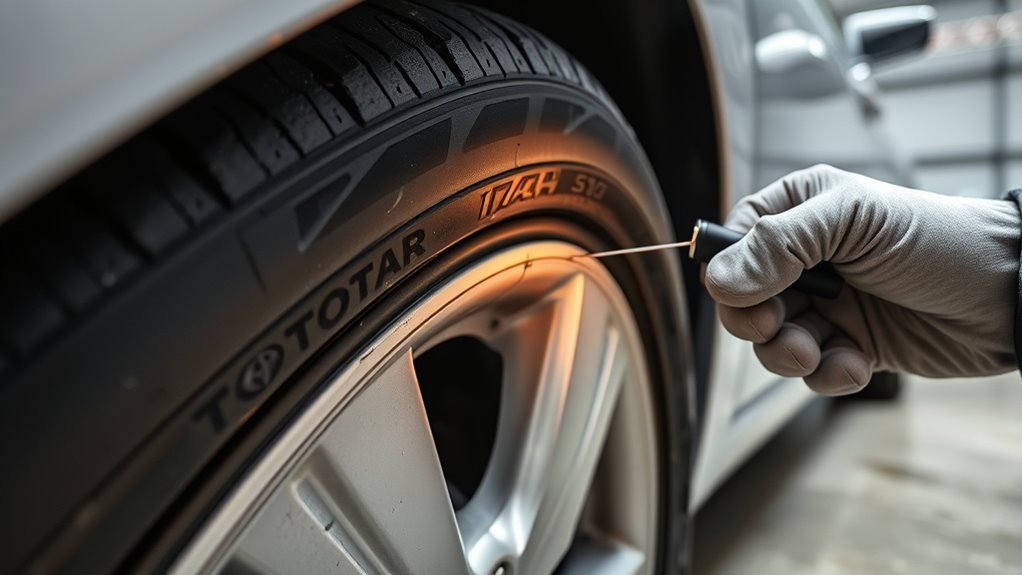
For your Toyota Camry, plan to replace tires at 6 years old, and inspect them closely after year 5, even if tread still looks good. Rubber degrades from heat, UV, and humidity, so old tires can crack, harden, or fail suddenly. Check the DOT code on the sidewall to verify age. If you keep driving on aging tires, safety and handling drop fast, and the next details show exactly what to watch for.
How Old Are Toyota Camry Tires?
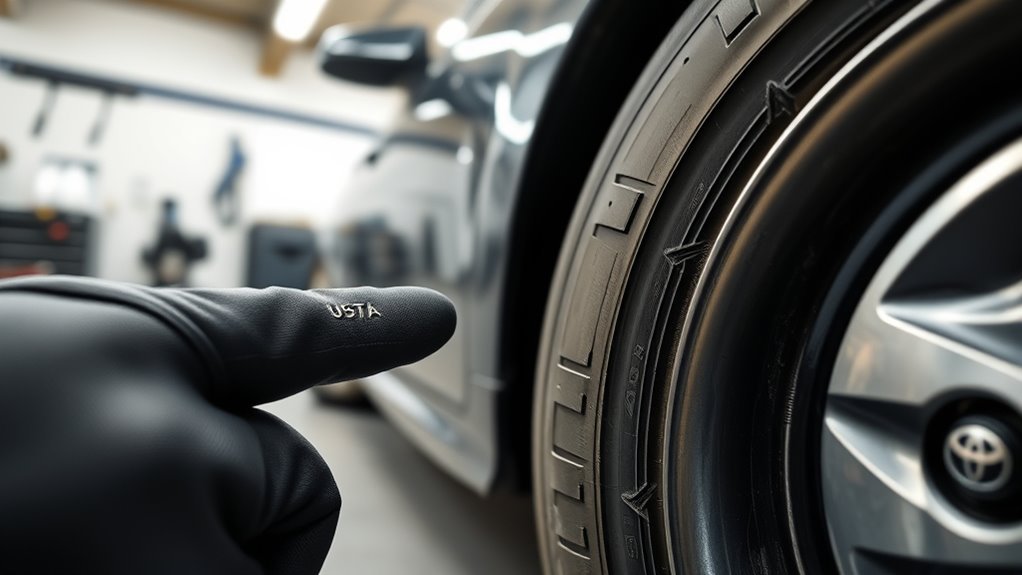
How old is too old for your Toyota Camry tires? You should treat 5 to 7 years as the practical replacement window, even if the tread still looks usable. That range reflects key tire lifespan factors, including time, storage, heat, and road exposure. The NTSB recommends replacement after 6 years, while Michelin says you shouldn’t keep any tire beyond 10 years from its manufacture date. Check the DOT code on the sidewall to find that date, then compare it to today. Start inspecting your tires closely after year five, because aging can quietly reduce reliability before you notice it.
Use tire maintenance tips that support informed choices: inspect sidewalls, watch for cracks or bulges, and schedule professional checks during routine service. When you read the date and act early, you keep control over safety, handling, and braking.
Why Do Tires Age Before the Tread Wears Out?
Tread depth isn’t the only factor that determines whether your Toyota Camry tires are safe to use. Over time, tire material degradation breaks down rubber and chemical compounds inside the casing, so you can lose grip, handling, and structural strength even when tread looks fine. Heat, UV exposure, and humidity speed this process up, and the environmental impact shows up as cracking, dry rot, and harder sidewalls. NHTSA recommends replacement after six years because age can weaken internal bonds before wear bars ever appear. Even premium tires can lose key safety performance after ten years, according to manufacturers like Michelin. You should inspect your tires regularly and treat age as a hard limit, not a suggestion. When you understand this, you protect your freedom to drive with confidence instead of waiting for visible tread wear to tell you what aging has already changed.
How Do You Check a Tire’s DOT Date Code?
You’ll find the DOT marking on the tire’s sidewall, usually near the bead, and it identifies the tire’s manufacturing date. Read the last four digits of the code: the first two show the week and the last two show the year, so “3520” means the 35th week of 2020. Make sure the full code is visible and legible before you assess the tire’s age.
Locate DOT Marking
Check the tire’s sidewall for the DOT marking, then read the last four digits of that code to find the manufacturing date. You’ll usually find the DOT location on one side of the Tire sidewall, near the bead or rim area. If the full code isn’t visible, inspect the opposite sidewall. The DOT code tells you when the tire left the factory, which matters because age can weaken rubber even when tread looks fine. For a Toyota Camry, that detail helps you decide replacement based on condition, not myth or guesswork. Check every tire regularly and compare the code to the calendar. If a tire is nearing 10 years, plan ahead. That habit protects your freedom to drive safely and independently.
Read Week And Year
The last four digits of the DOT code show the tire’s week and year of manufacture, so a code ending in 3520 means the tire was made in the 35th week of 2020. You’ll find this code on the sidewall. Read it as two numbers: the first pair gives the production week, and the second pair gives the year. If you see 1122, the tire came from week 11 of 2022. Check every tire, including the spare, because tire lifespan factors depend on age as much as mileage. Aging rubber raises safety implications even when tread looks fine. Replace tires at ten years from manufacture, sooner if damage, storage, or heat exposure accelerates aging. Knowing the code lets you decide freely and keep your Camry roadworthy.
What Are the Warning Signs of Aging Camry Tires?
You should check Camry tires for tread wear indicators, since tread depth at 2/32 inch means replacement is due. Inspect the sidewalls for cracks, bulges, or blisters, because those defects point to structural damage and can fail without warning. If you feel persistent vibration or notice changed handling, you should have the tires inspected right away for internal damage or uneven wear.
Tread Wear Indicators
Treadwear indicators, or wear bars, are built into your Camry’s tires and show when the tread has worn down to the legal minimum of 2/32 inch (1.6 mm), which means it’s time for immediate replacement. When the bars sit flush with the tread, your tread depth is no longer safe, and your tire maintenance should move from monitoring to action. Check all four tires monthly with a visual inspection and the penny test. If your Camry starts to lose grip, needs longer braking distances, or feels less stable, age-related wear may be reducing performance even before the bars appear. Don’t ignore unusual vibrations or uneven wear; they can signal internal damage. Stay autonomous on the road by replacing tires before they compromise control, safety, and stopping power.
Sidewall Cracks And Bulges
Cracks and bulges on a Camry tire’s sidewall are red flags for structural damage and tire failure, so they call for immediate inspection and, in most cases, replacement. You should treat any cut, blister, or bubble as a threat to tire integrity, not a cosmetic flaw. During routine sidewall inspections, look closely for aging-related splits, ozone cracking, and localized swelling. Sidewall damage isn’t repairable, and it can fail suddenly under load or at highway speed. If your tires are over 10 years old, replace them even if tread still looks acceptable, because internal degradation can hide in the rubber. Keep inflation correct to reduce sidewall stress and slow crack formation. Your safety, control, and mobility depend on decisive action.
Vibrations And Handling Changes
Beyond visible sidewall damage, aging Camry tires often announce themselves through changes you can feel on the road. If you notice vibration causes you can’t explain, don’t dismiss them; internal tire damage can hide under acceptable tread depth and still degrade tire performance.
- Vibration at speed: Have a shop inspect the tire immediately.
- Pulling or dull steering: Uneven wear or structural aging may be reducing control.
- Wet-road grip loss: Your tires may still pass a tread check, but they’ve lost capability.
After five years, inspect your tires regularly. If they’re over ten years old, replace them regardless of appearance. You deserve a Camry that responds cleanly, tracks straight, and frees you from avoidable risk.
When Do Camry Tires Need Annual Inspections?
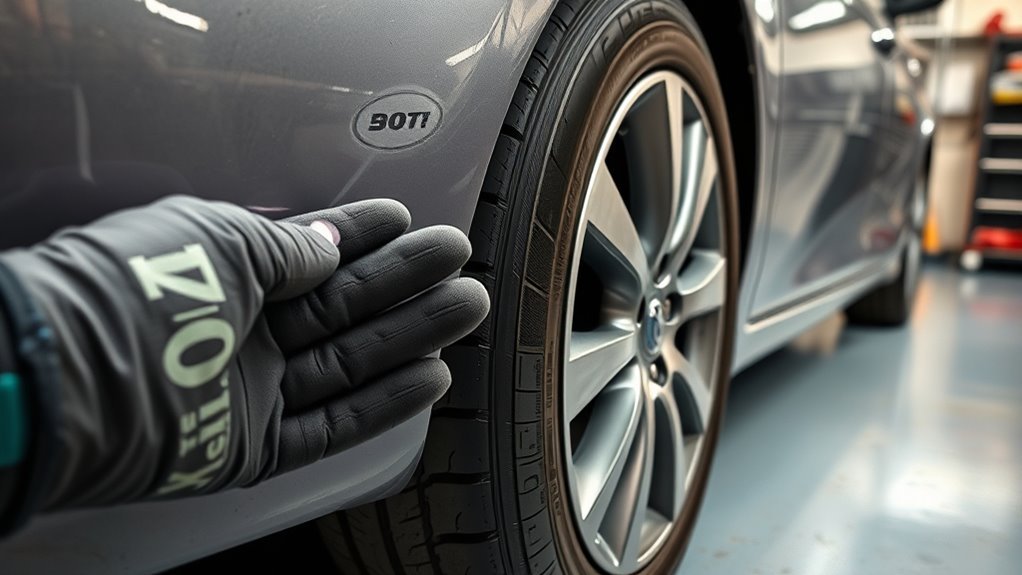
You should schedule annual tire inspections for your Toyota Camry once the tires reach about five years of age, because aging damage can develop before it becomes obvious. Set your tire inspection frequency to once per year, and add seasonal tire checks if you drive through heat, cold, or long storage periods. A trained technician can verify the DOT code, confirm the manufacture date, and evaluate tread wear, sidewall cracking, bulges, and general performance decline.
| Inspection item | Why it matters |
|---|---|
| DOT date | Confirms tire age |
| Tread depth | Shows wear progress |
| Sidewalls | Reveals cracking or cuts |
| Spare tire | Keeps emergency backup ready |
Inspect the spare too; it ages even when unused. Follow Toyota’s maintenance guidance closely so you keep control of your own mobility. Annual checks help you catch age-related defects early, before they limit reliability or force an unplanned replacement.
How Do Old Tires Affect Camry Safety?
Once your Camry’s tires start aging, safety can decline even if the tread still looks acceptable. Rubber compounds harden, sidewalls weaken, and tire performance drops, so you can’t rely on tread depth alone. That creates real safety concerns in everyday driving.
- Blowout risk rises: Tires older than ten years face a much higher chance of sudden failure, which can strip away control at speed.
- Grip falls in wet roads: Aging tires lose traction, so stopping distances grow and skidding becomes more likely when you need precision.
- Structural damage shows up: Cracks, bulges, or dry rot signal internal deterioration, and you should treat them as warnings, not cosmetic flaws.
NHTSA recommends replacement at six years because age-related degradation can affect handling before tread is gone. Inspect your tires regularly, read the date code, and replace worn-out rubber on your terms, not after it compromises your freedom on the road.
Do You Need to Replace All Four Tires?
Replacing all four tires is often the safest choice for a Toyota Camry, because matched tread depth and wear help preserve predictable handling, braking balance, and stability. You’ll usually get the best tire replacement benefits from a full set, since mismatched tires can reduce control and upset handling stability in emergency maneuvers. If you replace only two, match the new pair to the existing tires as closely as possible in tread type and wear. Install the new tires on the rear axle, not the front, to improve stability and reduce oversteer. That setup helps you keep the car composed when you’re changing lanes, braking hard, or cornering on wet pavement. Check your owner’s manual for any staggered fitment rules; some Camry configurations require all four tires to be replaced together. When you choose the right approach, you protect performance, extend consistency, and keep your freedom to drive with confidence.
Do Tire Brands Age Differently on a Camry?

Yes—tire brands can age differently on a Toyota Camry because rubber compounds, construction, and aging inhibitors vary by manufacturer. In a brand comparison, you’ll see different rates of hardening, cracking, and loss of tire performance even under the same mileage and climate. Premium lines, such as Michelin, often use advanced materials that slow degradation, while budget tires may reach age-related limits sooner.
Tire brands age differently on a Camry, with premium compounds often resisting hardening and cracking longer.
- Compound quality: better polymers usually resist ozone and heat better.
- Design intent: performance tires may need earlier replacement despite usable tread.
- Environment: UV, humidity, and temperature still affect every brand.
You shouldn’t rely on tread alone. Inspect sidewalls, check date codes, and follow the brand’s age guidance when it’s stricter than general advice. On a Camry, that gives you a precise, practical way to keep control, protect ride quality, and avoid waiting for visible damage before acting.
How Can You Make Camry Tires Last Longer?
Even if a tire brand ages well on your Camry, you can still slow wear and extend service life with consistent maintenance. Keep tire maintenance disciplined: check pressure monthly and before long trips, because correct inflation reduces heat buildup, improves efficiency, and limits shoulder wear. Rotate all four tires every 5,000 to 7,500 miles so the load spreads evenly across the tread. Schedule alignment checks if the car pulls, the steering wheel sits off-center, or after hitting a curb or pothole; misalignment will erase tread fast. Inspect sidewalls and tread for cuts, bulges, or embedded debris each month, and replace damaged tires promptly. Choose high-quality tires matched to your climate and commuting demands, not just price. Finally, refine your driving habits: avoid hard launches, sudden stops, and high-speed cornering. Smooth inputs reduce scrub, preserve tread, and keep your Camry freer, longer.
Frequently Asked Questions
Should You Replace Tires Based on Age or Mileage?
You should replace tires by age, not just mileage, because tire longevity degrades with time and safety concerns rise from aging materials. Check the DOT code, inspect regularly, and replace most tires around six to ten years.
When to Replace Toyota Camry Tires?
Replace your Toyota Camry tires at 5–7 years; Maria’s sedan lost grip in rain after six. Check DOT codes, inspect for tire deterioration signs, and coordinate seasonal tire changes. Don’t wait for tread alone to decide.
Conclusion
So, do Camry tires really “wear out” before the tread is gone? Often, yes. Rubber oxidizes, hardens, and loses grip with age, even if the tread looks fine. Check the DOT date, inspect tires yearly after six years, and replace most tires by 10 years, sooner if you see cracking or vibration. If you stay ahead of age, not just tread depth, you’ll keep your Camry safer, steadier, and more predictable.

Related Articles

Toyota Camry Tires and Fuel Economy: How Your Tires Affect Your MPG
Camry tires can quietly sap MPG, but the right choice may surprise you—discover which tire factors matter most.
Read More
Toyota Camry Plus-Size Tire Fitment Guide: What Fits Without Rubbing
Buckle up for the ultimate guide on fitting plus-size tires on your Toyota Camry; discover which sizes prevent rubbing while enhancing your ride!
Read More
Toyota Camry Wheel Alignment Specs: Camber, Caster and Toe Angles Explained
Need Toyota Camry alignment specs? Discover camber, caster, and toe targets that could transform your ride and solve hidden wear issues.
Read More