
Why Are Toyota Camry Rear Tires Wearing Faster Than the Front?
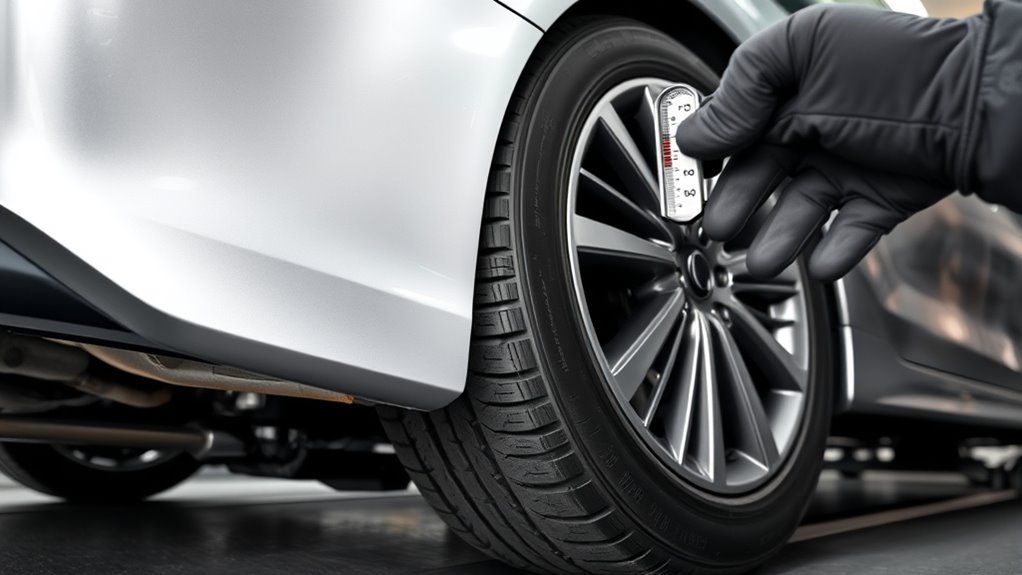
If your Toyota Camry’s rear tires are wearing faster than the front, you likely have an alignment or suspension problem. Even small camber or toe errors can make the rear wheels scrub the road, especially after pothole or curb impacts. Worn control arms, bushings, ball joints, or a bent subframe can also push angles out of spec. Check tire pressure, load, and rotation history, then inspect wear patterns closely—there’s more to uncover.
Why Camry Tires Wear Unevenly
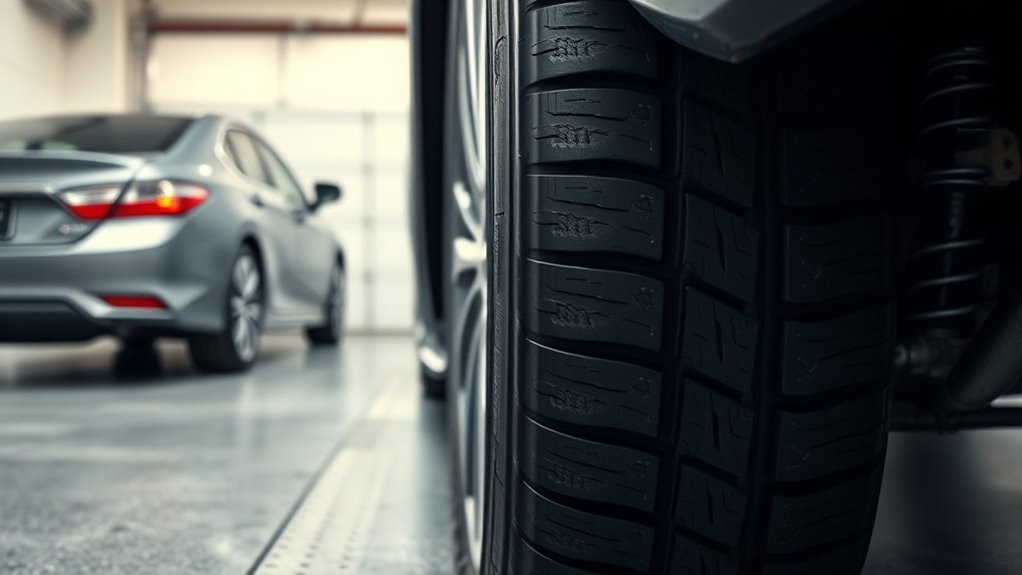
Camry tires wear unevenly when alignment, suspension, and rotation habits are off. On your front-wheel-drive Camry, the front tires usually carry more load and handle steering and power, so they can wear about 2.5 times faster than the rears. If you hit a pothole or curb, you can bend suspension parts and shift wheel angles, which drives uneven wear. Worn control arms or ball joints can do the same, making the rear tires scrub on the road instead of rolling cleanly. You can reduce this drift with tire maintenance tips: rotate tires every 5,000 to 7,500 miles, inspect for damage after impacts, and keep pressure correct. Your driving habits matter too; smooth braking, gentle turns, and avoiding potholes help preserve tread. When you stay disciplined, you cut waste, keep control, and resist the hidden cost of premature tire replacement.
Check Camry Alignment First
Start by inspecting your Camry’s alignment angles, especially camber and toe, because small errors can wear the rear tires fast. Check the suspension for worn bushings, bent components, or shift after pothole impacts, since those problems can throw alignment off. Then measure the tire wear pattern on each wheel so you can confirm whether the wear matches a toe-out or negative-camber condition.
Inspect Alignment Angles
Even a small alignment error can make your Camry chew through tires, especially if rear angles are off. Use alignment tools and proven alignment techniques to check camber and toe, because excessive negative camber or toe out can wear rear tires faster than the fronts. Don’t assume the front end is the only concern; inspect both axles, since a rear setting out of spec can shorten tire life and dull handling. Even tiny deviations matter over time, so recheck alignment after pothole hits or any suspension work. If you can’t verify the numbers yourself, book a professional alignment service and demand factory specifications. That keeps your Camry tracking straight, frees you from repeat tire costs, and protects performance.
Check Suspension Wear
If your Camry’s rear tires are wearing faster than the fronts, check alignment first, then inspect the suspension for worn control arms, bushings, and other parts that can pull angles out of spec. You’re looking for play that lets the rear wheels run with excess negative camber or toe-out, both of which grind inner edges fast. Good suspension maintenance means catching looseness early, before it turns into costly tire loss and unstable tracking. After any repair, get a full alignment so every angle matches Toyota specs. If the wear keeps returning, don’t assume the tires are the problem; the chassis may be asking for attention. Thoughtful suspension upgrades can restore precision, but only after you verify the base hardware is sound and settled.
Measure Tire Wear Patterns
Measure tread depth at all four corners and compare the front and rear tires; on a Camry, the fronts usually wear faster because they handle steering, braking, and drive force. Check tire tread with a gauge, then inspect wear indicators for uneven edges, cupping, or feathering. If rear tread is lower, suspect toe or camber error and verify rotation history.
| Reading | Meaning |
|---|---|
| 10/32 rear, 9/32 front | Slightly normal |
| Rear edges worn fast | Alignment issue |
| Wear bars nearly exposed | Immediate service |
A 5,000–7,500 mile rotation should balance wear, but a bad pattern can worsen it. Don’t guess—get a full alignment check and correct camber and toe so each tire works free, equal, and long.
Inspect Control Arms, Bushings, and Subframe
Start by inspecting the control arms, bushings, and subframe for wear, damage, or bending, since any of these can throw off suspension geometry and increase tire wear. During control arm inspection, look for cracked bushings, loose joints, rust, and shifted mounting points. Worn bushings let the arm move too far, so the tire won’t track cleanly and wear speeds up. If you find play, schedule bushing replacement before the problem spreads. Check the subframe for bends, impact marks, or distorted bolt holes; even small damage can change alignment enough to chew up rear tires.
Inspect control arms, bushings, and subframe for damage early to prevent alignment issues and tire wear.
- You’ll catch hidden faults before they steal your freedom on the road.
- You’ll stop vague handling from becoming costly tire loss.
- You’ll keep the Camry stable, predictable, and ready to roll.
A thorough inspection gives you the facts you need to act, not guess. Regular checks help you protect tire life, handling, and safety.
Compare Tire Pressure and Load
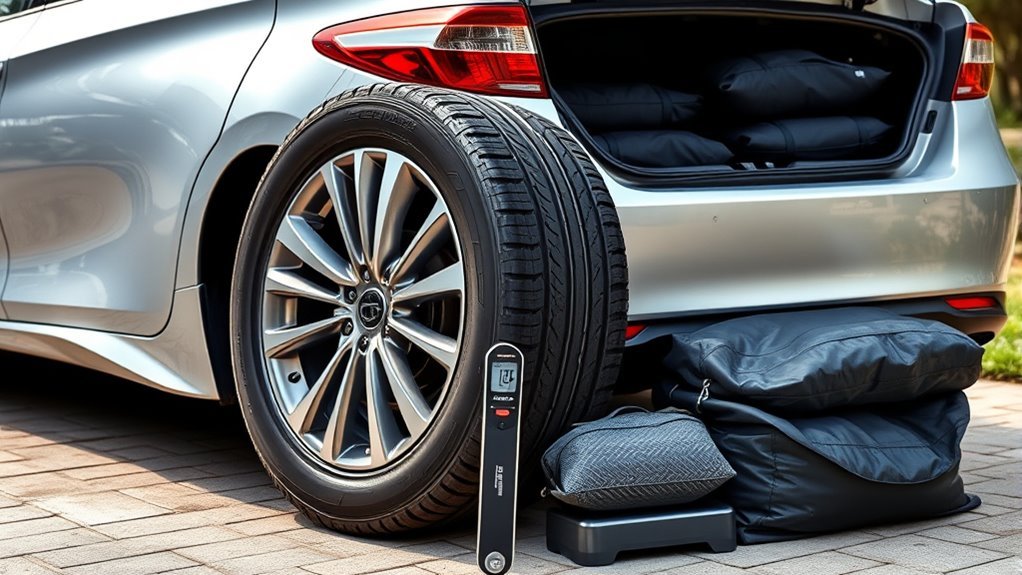
After checking the suspension hardware, compare tire pressure and load to see whether the rear tires are being asked to do more than they should. Measure tire pressure cold at all four corners and match each reading to Toyota’s spec. If the rear tires run low, they flex more, build heat, and wear faster. If front and rear pressures differ too much, you’ll also upset handling and scrub the tread unevenly. In a Camry, the rear axle usually carries less weight, so a correct load distribution should leave the rear tires working lightly, not punishingly. If you haul passengers, cargo, or tools in the back, check whether you’re overloading the rear and forcing those tires to carry extra stress. Correct any imbalance, inflate to the recommended tire pressure, and recheck after changes in cargo. Tight control here gives you cleaner wear, steadier road feel, and more freedom from premature tire replacement.
Verify Tire Rotation History
If the tire wear pattern still looks uneven, verify the rotation history before chasing deeper faults. You need proof that tire maintenance happened on schedule, because a missed rotation frequency lets rear tires on a Camry wear faster than the fronts. Check service records, invoices, and sticker notes. Ask the technician which pattern they used; front tires should move rearward, and the rear pair should come forward unless a specific tread setup demands otherwise. Marking each tire before service helps you confirm the work and spot mistakes fast.
- Relief comes when the facts match the wear.
- Frustration grows when no one documented the rotation.
- Confidence returns when you control the records.
If the history is vague, treat the wear as a warning sign. Missing rotations can force early replacement and make later diagnosis harder. Demand clear documentation so you stay in charge of the car’s tire life and performance.
Look for Bent Frame Damage
Look for bent frame signs like uneven body-panel gaps, misaligned wheels, or rear tires wearing faster than the fronts. If you’ve hit a pothole or curb hard, you should check chassis alignment because a bent frame can add toe or camber error and scrub tires unevenly. When you suspect damage, get a professional alignment and frame inspection to confirm the structure and restore proper tracking.
Bent Frame Signs
A bent frame can throw off weight distribution and make one or more tires wear faster than the others, especially the rear tires. During frame inspection, you can spot damage detection clues fast: uneven rear tread, body-panel gaps, and panels that sit off-center. If your Camry took a hard pothole hit or another impact, don’t ignore it. Bent structure changes how load moves through the car, and that can punish the rear tires first.
- You may feel stuck when the wear keeps coming back.
- You can lose confidence in safe handling.
- You deserve a car that rolls straight and free.
Look for these bent frame signs early, then get a professional check and repair before the damage spreads.
Chassis Alignment Checks
When a Camry’s frame is bent, the chassis can sit out of alignment and start wearing tires unevenly, with the rear tires often taking the hit first. You should check for frame damage whenever rear tread wears faster than the front. Even a small bend can create excessive negative camber or toe error, scrubbing one tire edge hard. Inspect after potholes, curbs, or other impacts, because road conditions can shift the chassis without obvious warning. A proper alignment check confirms suspension angles, while wheel balancing only corrects mass imbalance, not bent structure. If the rear tires show one-sided wear, don’t just rotate them and move on. Measure, verify, and repair the cause so your Camry tracks straight, lasts longer, and stays free from avoidable tire waste.
Frequently Asked Questions
Which Tires Wear Faster, Left or Right Toyota?
Either side can wear faster on your Toyota, depending on tire alignment issues and weight distribution factors. You’ll usually see the left or right tire suffer more when camber, toe, or road crown isn’t balanced.
Should Tires With More Wear Be on Front or Back?
You should put tires with more wear on the rear for better stability. During tire rotation, inspect wear patterns and move the less-worn tires back. That keeps you safer, especially in rain or corners.
Conclusion
If your Toyota Camry’s rear tires wear faster than the front, you need to check the alignment first. Then inspect control arms, bushings, and the subframe for wear or damage. Make sure tire pressure is correct and the load is balanced, and confirm the tires have been rotated on schedule. If the wear still returns, look for bent frame damage. Don’t ignore it—your Camry shouldn’t feel like a carriage on cobblestones.

Related Articles

Toyota Camry Front Tires Wearing on Inside Edge: Causes and Fixes
Stopping your Camry’s inside-edge tire wear could save your tires, but the hidden cause may surprise you.
Read More
How to Replace a Toyota Camry TPMS Sensor: What the Process Involves
Prepare to master the process of replacing a Toyota Camry TPMS sensor and discover essential tips that can save you time and hassle.
Read More
Toyota Camry Tire Bubble or Bulge: What Causes It and Is It Dangerous?
Misleading tire bulges on your Toyota Camry can spell trouble—find out what causes them, why they’re dangerous, and when to replace the tire.
Read More