
Touring vs Performance Tires for Hyundai Sonata: Which to Choose
Choosing between touring and performance tires for your Hyundai Sonata comes down to how you actually drive. If your Sonata is mainly a commuter, family sedan, or road-trip car, touring tires are usually the better fit. If you want sharper steering, stronger cornering grip, and a sportier feel, performance tires can make the car more engaging—but they usually trade away some comfort, tread life, and winter usefulness.
Quick Answer
For most Hyundai Sonata drivers, touring or grand touring all-season tires are the best choice because they prioritize comfort, quietness, tread life, and everyday wet/dry traction. Choose performance tires only if you value sharper handling and are comfortable with a firmer ride, faster wear, and more seasonal limitations.
Key Takeaways
- Touring tires are best for daily commuting, highway comfort, lower road noise, and longer treadwear-focused warranties.
- Performance tires improve steering response and cornering grip, but they can ride firmer and may wear faster.
- Before choosing any tire type, match your Sonata’s required tire size, load index, and speed rating from the door placard or owner’s manual.
- If you regularly drive in cold, snow, or ice, consider winter tires or all-weather tires instead of relying only on standard all-season tires.
What Are Touring Tires and Their Benefits for Your Hyundai Sonata?
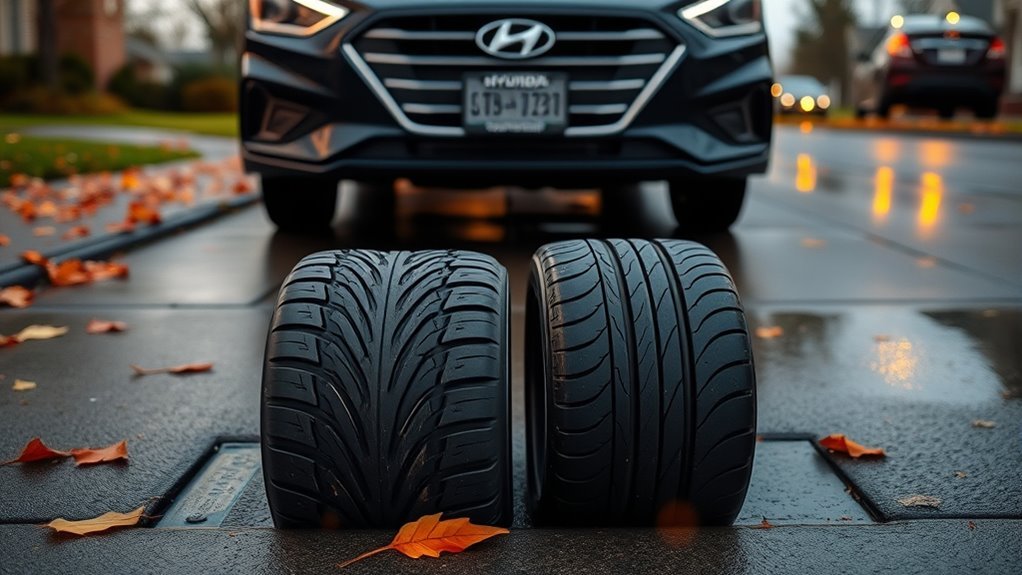
Touring tires are built for drivers who want a smooth, quiet, predictable ride. On a Hyundai Sonata, that makes them a strong match for commuting, family driving, highway trips, and mixed city use.
Compared with more aggressive performance tires, touring tires usually focus on comfort, lower road noise, even tread wear, and longer mileage warranties. Tire categories vary by brand, but Tire Rack describes touring all-season tires as a category that generally delivers a smoother ride, reasonable wet and dry traction, better winter traction than summer tires, and longer tread life.
That does not mean every touring tire is the same. A basic touring tire, a grand touring all-season tire, and a premium touring tire can feel different on the same Sonata. Look at the tire’s warranty, wet-braking reputation, noise reviews, UTQG rating, and whether it matches your exact tire size.
Pro Tip: Touring tires are the safest default for most Sonata owners, but do not choose by category alone. Compare the exact tire model in your Sonata’s size because tread life, wet traction, and road noise can vary widely.
[Products Worth Considering]

The Continental Grand Prix 5000 is an allround road bike tire engineered for faster rolling, improved ride comfort, and enhanced puncture protection. It features a Vectran Breaker cut-protection layer, Lazer Grip micro-profile tread for confident cornering control, and Active Comfort Technology to damp vibration for smoother rides. BlackChili compound optimizes grip and speed for everyday performance and long-lasting confidence.

Keep your tires properly inflated with this analog VONDIOR tire pressure gauge, designed for fast, easy readings without batteries. The swiveling, two-axis hose and large glow dial help you measure at any tire angle with instant visibility. Built with a protective rubber shield, it supports durable, low-maintenance use for cars and trucks.

The SAFELIFE dial tire tread depth gauge measures tread depth in 1/32 inch increments with clear, easy-to-read 2-inch dial face. Color zones using a traffic light system help you quickly judge whether tread is low, marginal, or ample for safer driving. Built with a durable zinc cast body and a metal detect probe for precise, comfortable use across cars, motorcycles, trucks, and buses.
What Are the Key Benefits of Performance Tires?
Performance tires are made for drivers who want quicker steering response, stronger cornering grip, and a more connected road feel. They can make a Sonata feel more responsive, especially on curvy roads or during quick lane changes.
Enhanced Traction and Grip
Performance tires often use tread patterns, rubber compounds, and sidewall designs that favor grip and responsiveness. That can improve dry-road handling and make the car feel more precise. Many high-performance all-season tires also perform well in rain, but the exact result depends on the tire model.
The biggest caution is temperature and season. A summer performance tire is not the same as a performance all-season tire. Summer tires are designed for warm-weather grip and should not be treated as winter tires. The NHTSA TireWise guide notes that summer tires are not designed for freezing temperatures, snow, or ice.
Improved Handling and Control
Performance tires may use stiffer construction and larger tread blocks to reduce squirm during cornering. On a Sonata, that can mean quicker turn-in, a sportier feel, and more confidence during spirited driving.
The tradeoff is that you may notice more road noise, a firmer ride, and shorter tread life compared with comfort-focused touring tires. If your Sonata spends most of its time on highways, rough pavement, or stop-and-go commutes, those tradeoffs may not be worth it.
Warning: Never install tires that do not match your Sonata’s required size, load index, and speed rating. Check the driver-side door placard, the current tire sidewall, and the owner’s manual before buying.
Touring vs Performance Tires: Main Differences
Both tire types can work on a Hyundai Sonata, but they are built around different priorities. Use this comparison to decide which direction fits your driving style.
| Category | Touring Tires | Performance Tires |
| Ride comfort | Usually smoother and quieter | Usually firmer and more road-focused |
| Handling | Stable and predictable | Sharper steering and stronger cornering feel |
| Tread life | Often longer mileage warranties | Often shorter tread life, especially with spirited driving |
| Road noise | Usually lower | Can be louder depending on tread design |
| Best for | Daily driving, commuting, road trips, comfort | Sportier driving, quick response, warm-weather grip |
Choosing Tires Based on Your Driving Habits
Your driving habits should guide the decision more than the tire label alone. Here is the simplest way to choose:
- Choose touring tires if you want a quiet ride, long tread life, good value, and reliable daily comfort.
- Choose grand touring tires if you want touring comfort with a slightly more refined feel and better highway manners.
- Choose performance all-season tires if you want sharper handling but still need year-round flexibility in mild climates.
- Choose summer performance tires only if you drive in warm conditions and understand they are not for freezing weather, snow, or ice.
- Choose winter tires if you regularly drive through snow, ice, or sustained cold temperatures.
- Choose all-weather tires if you want a one-set compromise for wet roads, dry roads, and occasional winter conditions.
For a Hyundai Sonata used as a family sedan, touring or grand touring all-season tires will satisfy most owners. For a Sonata N Line or a driver who enjoys sharper handling, performance all-season tires can be a better match.
Check Tire Size, Load Index, and Speed Rating First
Before comparing tire categories, confirm the tire specs your Sonata actually needs. Hyundai Sonata tire sizes can vary by model year and trim, so do not assume one Sonata tire fits every Sonata.
Check three places before buying:
- Driver-side door placard: This lists the recommended tire size and cold tire pressure for your vehicle.
- Current tire sidewall: This shows the tire size, load index, and speed rating currently installed.
- Owner’s manual: Use Hyundai’s official guidance for tire maintenance and replacement information.
Note: If your Sonata has larger wheels, such as a sport or N Line trim, performance tires may feel natural but can ride firmer. Smaller-wheel trims often pair better with touring tires for comfort and pothole resistance.
How Do Touring and Performance Tires Compare in Cost?
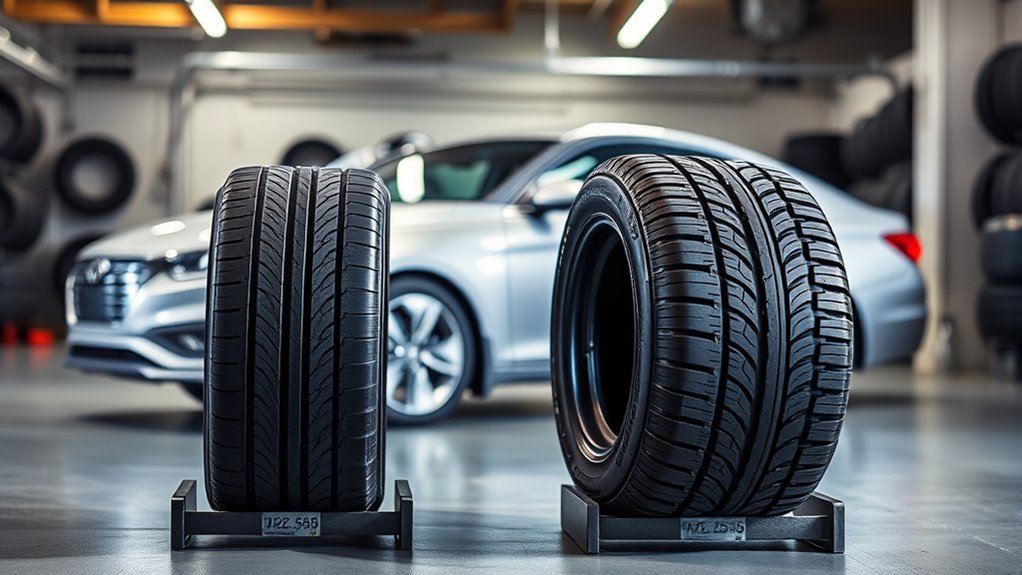
Touring tires often cost less over time because they commonly focus on longer tread life and comfort. Performance tires may cost more upfront and may need replacement sooner, especially if you drive aggressively or choose a softer, grip-focused compound.
Instead of shopping by price alone, compare the total cost per mile:
- Purchase price for the full set
- Installation, balancing, valve stems, and disposal fees
- Mileage warranty and warranty conditions
- Expected tread life for your driving style
- Fuel economy impact from rolling resistance
- Rotation and alignment habits
For example, the Bridgestone Turanza EverDrive is an all-season touring tire with an 80,000-mile limited mileage warranty. That does not mean every touring tire lasts 80,000 miles, but it shows why touring tires often appeal to Sonata owners who want long-term value.
[Products Worth Considering]

Monitor tire tread wear with a smart, color-coded depth gauge that shows clear condition ranges at a glance. The bar is range marked for fast, easy readings, helping you maintain safer traction and performance. Each gauge is portable with a pocket clip, and the set includes 20 units for daily use and sharing.

Add style while helping protect your tire valve stems with handmade crystal rhinestone caps and a durable plastic insert. These caps resist corrosion and help keep out rain, snow, and muddy water, extending tire life. Textured non-slip design makes them easy to grip for quick install and removal when checking tire pressure.
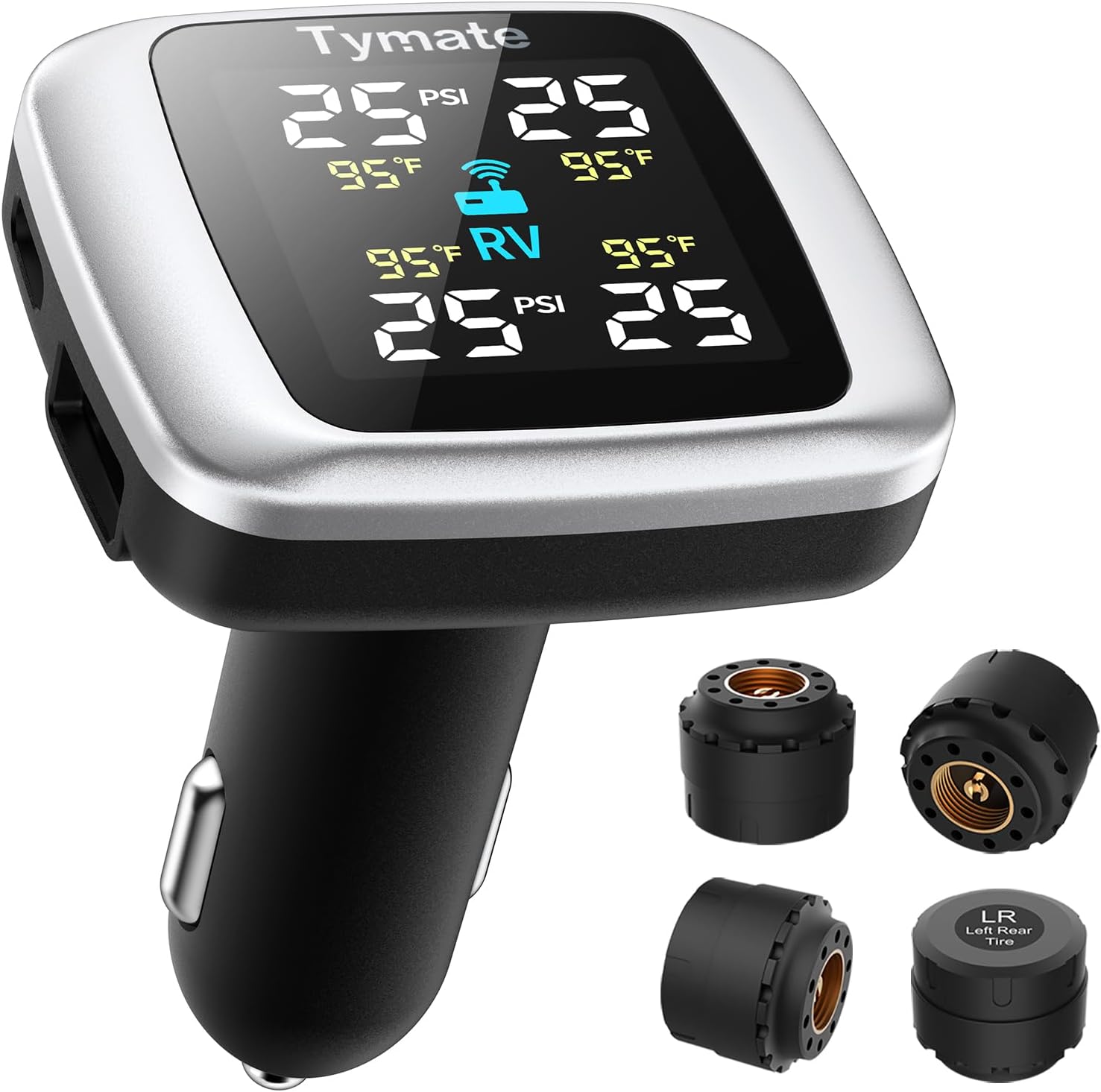
Tymate TM7 is a wireless tire pressure monitoring system that delivers real-time pressure and temperature readings for safer driving. It includes four external sensors, a bright color LCD display with adjustable backlight, and six alarm modes for high/low pressure, fast leakage, high temperature, and sensor signal or battery issues. The system covers a wide 0–144 PSI range and plugs into your vehicle’s cigarette lighter socket for quick DIY setup.
Purchase Price Differences
Performance tires often use more grip-focused designs, and premium models can cost more than standard touring tires in the same size. However, exact pricing changes by tire size, brand, retailer, promotions, and availability.
If your Sonata has larger wheels, your tire choices may also be more expensive. A larger wheel with a lower-profile tire can improve steering feel, but it may also reduce ride comfort and increase replacement cost.
Long-Term Cost Analysis
The cheapest tire is not always the best value. A touring tire with a strong mileage warranty, low road noise, and good wet traction may save money over time. A performance tire may be worth the extra cost if it improves the way you enjoy driving the car.
For most daily drivers, the better long-term value is usually a high-quality touring or grand touring all-season tire. For drivers who prioritize handling, a performance all-season tire may be worth the tradeoff.
When Should You Switch to Seasonal Tires for Your Sonata?
If your area gets real winter weather, seasonal tire choice matters as much as touring vs performance. Winter tires are designed for cold weather, ice, and snow, and they are commonly recommended when temperatures are consistently below about 45°F.
- Use winter tires if you regularly drive on snow, ice, slush, or very cold roads.
- Use all-weather tires if you want one set of tires with better winter capability than typical all-seasons.
- Use all-season touring tires if your winters are mild and you mostly face rain, dry roads, and occasional light snow.
- Avoid summer performance tires in freezing temperatures, snow, or ice.
When temperatures rise and winter conditions are over, switch back to all-season, all-weather, or summer tires depending on your setup. Driving winter tires through warm weather can wear them faster and reduce the crisp handling you may expect from your Sonata.
Tire Maintenance Tips for Better Safety and Longer Life
The right tire type only works well if you maintain it. For Hyundai vehicles, Hyundai recommends rotating tires every 7,500 miles or sooner if irregular wear appears.
- Check tire pressure monthly when the tires are cold, using the pressure listed on the door placard.
- Rotate tires regularly to help even out tread wear.
- Inspect tread depth and replace unsafe tires before they become a hazard.
- Watch for uneven wear, which can point to alignment, balance, pressure, or suspension problems.
- Do not overload the car beyond the vehicle and tire load limits.
- Replace damaged tires if you see bulges, deep cuts, exposed cords, or repeated air loss.
The federal tire tread-depth rule uses 2/32 inch as the minimum tread threshold. That is a legal minimum, not a comfort or performance target. If your Sonata feels less stable in rain or snow, inspect the tires even if they have not reached the wear bars yet.
The best tire for your Hyundai Sonata is not simply the sportiest or the longest-lasting one. It is the tire that matches your car’s required specs, your climate, and the way you drive every week.
Frequently Asked Questions
Are touring or performance tires better for a Hyundai Sonata?
Touring tires are better for most Hyundai Sonata drivers because they focus on comfort, quietness, tread life, and everyday value. Performance tires are better if you want sharper steering and stronger cornering grip and do not mind a firmer ride or shorter tread life.
Are touring tires good for highway driving?
Yes. Touring tires are a strong choice for highway driving because they usually prioritize ride comfort, low road noise, stability, and longer tread life. That makes them a good match for Sonata owners who commute or take long trips.
What is the difference between touring and sport tires?
Touring tires focus on comfort, quietness, and longer tread life. Sport or performance tires focus on grip, steering response, and cornering control. Sport tires can make a Sonata feel more responsive, but they may ride firmer and wear faster.
Are performance tires good for everyday driving?
Performance all-season tires can work for everyday driving if you want a sportier feel. For the smoothest and quietest daily drive, touring or grand touring tires are usually better. Avoid summer performance tires if you drive in freezing temperatures, snow, or ice.
Do Hyundai Sonata tires need to be rotated?
Yes. Regular rotation helps even out tread wear. Hyundai’s owner guidance recommends rotating tires every 7,500 miles or sooner if irregular wear develops. Always follow the guidance for your specific model year and tire setup.
Can I use winter tires on my Hyundai Sonata?
Yes. Winter tires are a good choice if you regularly drive in snow, ice, slush, or sustained cold temperatures. If your area has mild winters, a quality touring all-season or all-weather tire may be enough.
Conclusion
If your Hyundai Sonata is your everyday commuter or family car, touring tires are usually the smartest choice. They offer the comfort, quietness, tread life, and value most Sonata owners want. If you enjoy a more responsive drive and accept the tradeoffs, performance all-season tires can add sharper handling and stronger grip.
Whatever you choose, start with the correct tire size, load index, speed rating, and seasonal fit. A great performance tire in the wrong season—or a comfortable touring tire in the wrong size—is not the right tire for your Sonata.
Sources
- Hyundai Owner’s Manual: Tire Rotation — supports tire rotation interval and uneven-wear checks.
- NHTSA TireWise — supports tire safety, maintenance, tire categories, labeling, and seasonal tire cautions.
- 49 CFR § 570.9 Tires — supports the 2/32-inch tread-depth minimum.
- Tire Rack: Tire Categories and Types — supports touring tire category characteristics.
- Tire Rack: Winter / Snow Tires — supports winter tire temperature and cold-weather guidance.
- Bridgestone Turanza EverDrive — supports the 80,000-mile limited mileage warranty example.
[Products Worth Considering]

Measure tire tread depth quickly and accurately with this LUMITECO dial gauge that reads in 1/32" increments up to 14/32". The color-coded green/yellow/red zones make it easy to judge tire wear and know when replacement is needed. A rugged, compact design with a protective pouch helps keep the gauge ready for use on cars, trucks, motorcycles, and more.

Milton S-921 pencil tire pressure gauge helps you maintain optimal tire pressure for passenger cars with accurate readings in PSI and kPa. It features a built-in deflator valve for convenient pressure adjustments, plus a single chuck head and nylon indicator bar for easy use on the go. Built from durable plated brass and designed for reliable performance, it’s a practical road trip and cold-weather maintenance tool.

Vigorder rubber cement glue delivers superior adhesion and cures quickly within about 30 seconds for seamless rubber bonding. Once cured, it helps provide a strong, durable, waterproof seal that holds up to vehicle weight, pressure, and heat. Suitable for cars, motorcycles, trucks, bicycles, and off-road tires, it’s designed for emergency patch and maintenance repairs.

Related Articles

Danger of Using Summer Tires in Winter on a Hyundai Sonata
Potentially perilous, using summer tires in winter on your Hyundai Sonata can compromise safety—discover the hidden dangers that await you on icy roads.
Read More
Can You Mix Nitrogen and Air in Hyundai Sonata Tires? Answered
Discover the implications of mixing nitrogen and air in your Hyundai Sonata tires—are the benefits worth the risks? Explore the answer inside!
Read More
How to Tell If Hyundai Sonata Tires Are Too Old to Use Safely
Understand how to assess the age of your Hyundai Sonata tires and discover crucial signs of deterioration that could compromise your safety on the road.
Read More