
305 Tire Size Explained: How Big Is It?

A 305 tire is about 305 mm wide, or roughly 12 inches across, measured from sidewall to sidewall. Its actual height depends on the aspect ratio and wheel diameter, so a 305/35R20, for example, is much taller than a 305/25R20. You’ll usually need a 10- to 12-inch wheel, with 11 inches often fitting best. It offers strong grip and stability, but fitment, clearance, and ride quality matter too, and there’s more to compare if you keep going.
Key Takeaways
- A 305 tire is about 305 millimeters wide, or roughly 12 inches, measured from sidewall to sidewall.
- Its actual height depends on the aspect ratio, such as 305/35R20, which has about a 4.2-inch sidewall.
- Overall tire diameter equals two sidewalls plus the wheel diameter.
- 305 tires usually fit 10- to 12-inch-wide wheels, with 11 inches often being ideal.
- Compared with 285s, 305s are wider and can improve grip, but may require more clearance.
[Products Worth Considering]

The Chemical Guys Gerbil Wheel & Rim Brush is designed to safely clean wheels, rims, exhaust tips, tires, and engine bay components without scratching delicate finishes. Its soft natural bristles help lift brake dust, grime, and buildup while conforming to tight spaces and intricate contours. A comfort grip handle delivers control for extended detailing sessions.

These ultra-soft microfiber applicator pads apply wax, sealants, dressings, and conditioners with smooth, even coverage while helping protect delicate finishes from streaks and marring. The plush microfiber wrapped around a flexible foam core promotes consistent product distribution across curves and contours, and the ergonomic grip reduces hand fatigue during longer sessions. Reusable and machine washable, they’re ideal for both interior and exterior detailing uses such as tire dressing, leather conditioner, trim restorer, and interior protectants.
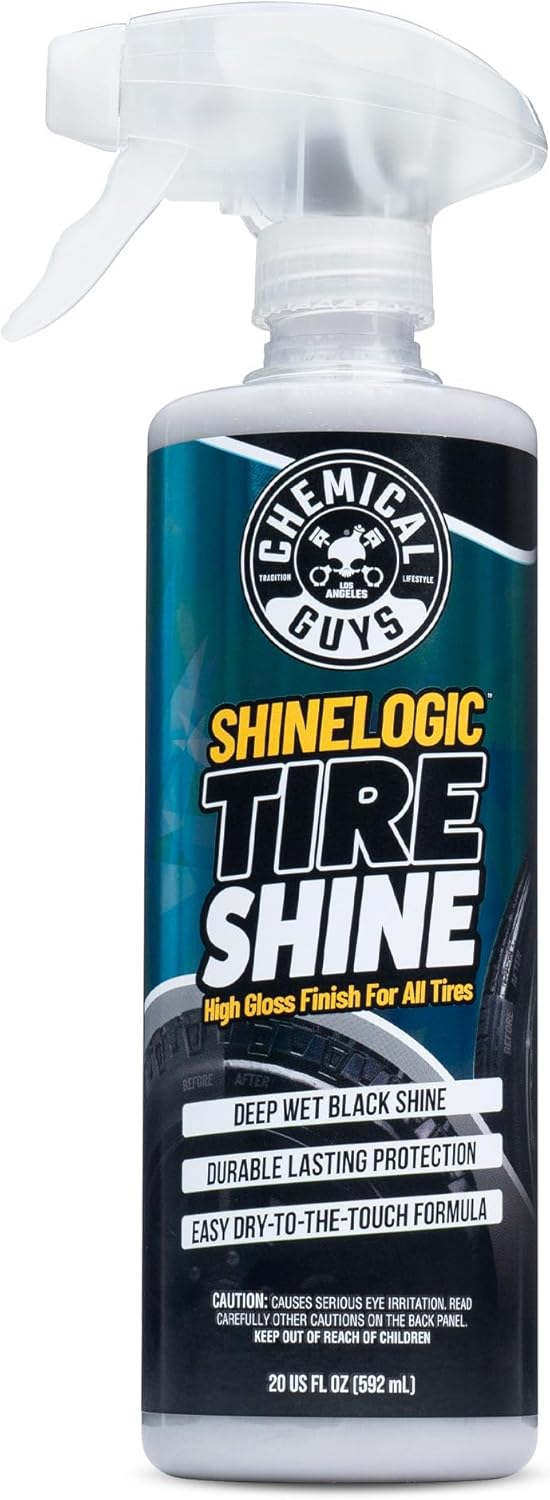
Chemical Guys ShineLogic Tire Shine delivers a deep wet black, high-shine finish for rubber tires with a sleek look. It’s designed for durable, one-step application with minimal drips, streaks, or runs, and it helps produce effortless, long-lasting shine. Choose aerosol or trigger spray for easy use on cars, trucks, motorcycles, RVs, and more.
What Does a 305 Tire Size Mean?

A 305 tire size means the tire’s section width is about 305 millimeters when mounted and properly inflated. You read this figure as the nominal width of the tire body, measured from sidewall to sidewall, not the actual contact patch.
In sizing systems, that number helps you compare fitment and predict tire performance. A larger section width can support more grip, while tread patterns and rubber compound still shape handling, braking, and wet-road behavior.
You’ll also see 305 used as a shorthand size label, so it tells you the approximate width class before you check other dimensions. Because manufacturers can vary slightly, the exact measured width may differ by wheel width and inflation pressure.
If you’re evaluating a tire, use the 305 designation as a precise starting point for fit, clearance, and performance decisions, not as the full story.
How Wide and Tall Is a 305 Tire?
A 305 tire is about 305 millimeters wide, so you’re looking at a tread width of roughly 12.0 inches.
Its overall height depends on the aspect ratio, because that second number determines the sidewall and, in turn, the tire’s diameter.
You can use the size format to calculate both dimensions precisely for your specific 305 tire.
305 Tire Width
A 305 tire is defined by a section width of 305 millimeters, which is about 12.0 inches measured from sidewall to sidewall on the recommended rim width.
You’ll notice that width gives your vehicle a broad contact patch, which can improve tire performance in straight-line traction and cornering stability. It also affects how tread patterns meet the road, since a wider footprint spreads load across more rubber.
- 305 mm = 12.0 in nominal width
- Wider stance = more grip potential
- Rim width must match spec for accurate fit
You should check wheel clearance, offset, and suspension space before you buy. A 305 tire won’t fit every setup, and the actual measured width can vary slightly by manufacturer and rim width.
305 Tire Height
A 305 tire isn’t just wide; its overall height depends on the tire’s aspect ratio, which you’ll see in the full size code.
You calculate total diameter by doubling sidewall height and adding rim diameter. For example, a 305/35R20 tire uses a 35% tire aspect, so each sidewall measures about 106.8 mm, or 4.2 inches. That gives an overall diameter near 34.4 inches.
If you choose a taller aspect ratio, the height impact increases quickly, raising ride height and altering gearing, speedometer accuracy, and wheelwell clearance.
If you choose a shorter aspect ratio, you lower the tire’s overall height while keeping the same 305 mm tread width.
Always check the complete size, because width alone doesn’t tell you how tall the tire will be.
What Wheels Fit a 305 Tire?
For a 305 tire, wheel fitment typically starts at a 10-inch rim width and can extend to 12 inches, with 11 inches often giving the most balanced sidewall shape and contact patch.
You need to match wheel compatibility to the tire’s measured section width and your vehicle’s intended use. Most rim sizes in this range support proper bead seating without overstretching or pinching the sidewall.
Match wheel width to the tire’s section width and intended use for proper bead seating and stable performance.
- 10-inch rim: Use it when you want a slightly taller sidewall profile and a more compliant ride.
- 11-inch rim: Choose it for the best all-around fit, stable handling, and even tread placement.
- 12-inch rim: Select it when you want a wider stance and sharper response, provided your setup supports it.
Always verify brake clearance, offset, and suspension travel before mounting.
A correct wheel choice keeps the tire stable, preserves tread wear, and maintains predictable cornering under load.
305 Tire Size Compared With Common Options
When you compare 305 tires with 285s, you’ll notice the 305 is wider and typically offers a larger contact patch, which can affect grip, steering feel, and fitment.
Compared with 315s, a 305 is slightly narrower, so it usually clears a bit easier while still delivering similar performance characteristics.
Against 35-inch tires, a 305 refers to section width, not overall diameter, so you need to check actual tire dimensions before you assume they’re equivalent.
[Products Worth Considering]
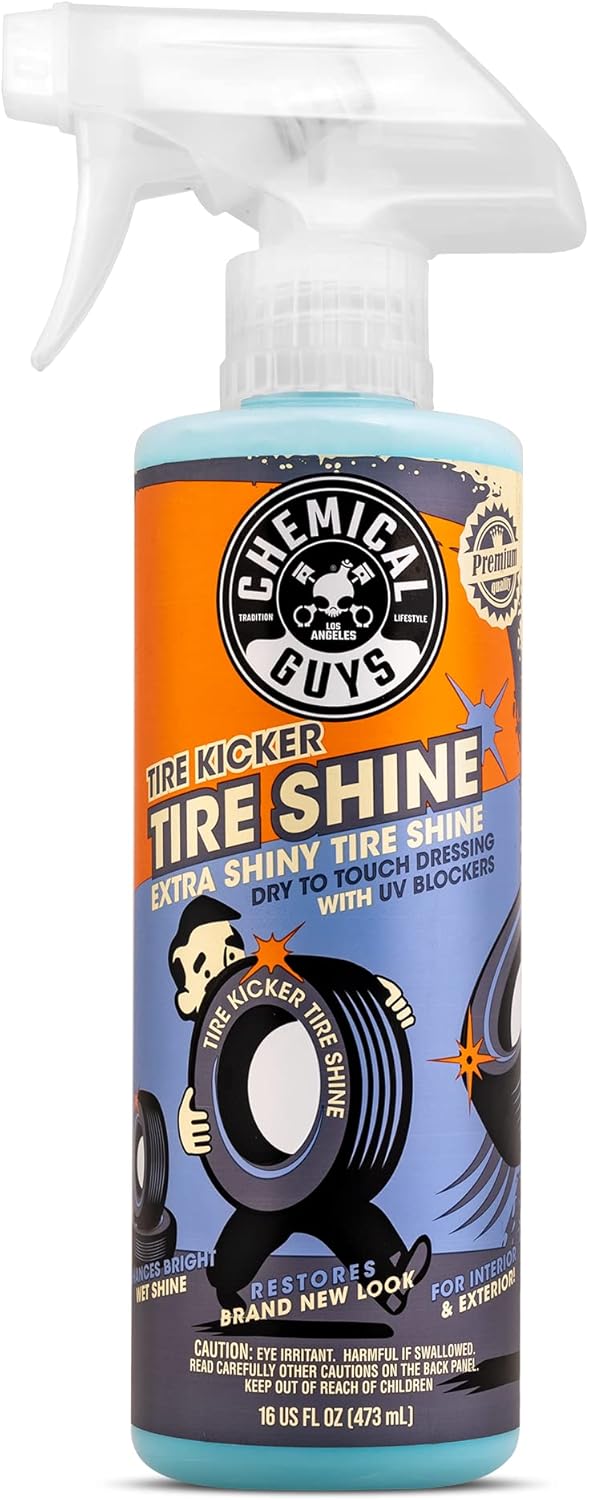
Chemical Guys Tire Kicker Sprayable Extra Glossy Tire Shine restores a deep, wet look on tires, rubber, vinyl, and plastic trim. It delivers a rich showroom shine that enhances color and luster while helping protect against fading, cracking, and discoloration. The spray application dries to the touch with a streak-free finish and no greasy sling, for fast results on cars, trucks, motorcycles, RVs, and boats.

Chemical Guys VRP Vinyl, Rubber & Plastic Dressing restores a rich, deep satin look to tires, trim, dashboards, and weatherstripping without a greasy feel. It dries to the touch for a clean finish that helps resist fading, cracking, and discoloration from harsh sun exposure. Apply with an applicator or microfiber towel, then wipe off excess for an even, freshly detailed appearance.

The Chemical Guys Wonder Wave Durafoam tire shine applicator pads deliver even, streak-free coverage while helping reduce drips and mess. Their contoured wave design hugs tire sidewalls and holds the right amount of product for faster, cleaner application. Reusable and durable, these pads work with tire dressings, protectants, and exterior detailing products for trucks and SUVs.
305 Vs 285 Tires
Compared with 285 tires, 305 tires are noticeably wider, which usually means a larger contact patch, more grip potential, and a more aggressive stance.
You’ll also notice the 305’s extra section width can change steering feel and may require more careful wheel fitment.
In practical use, compare them like this:
- 305 tires spread weight over a broader footprint.
- 285 tires often fit tighter clearances and can reduce rubbing risk.
- Your choice should match tread patterns, load capacity, and driving goals.
If you prioritize cornering stability and traction, the 305 usually wins.
If you want lighter steering effort and easier packaging, the 285 can be the better everyday option.
Always verify rim width and vehicle specifications before you decide.
305 Vs 315 Tires
305 and 315 tires are close in size, but the 315 is wider and usually delivers a larger contact patch, more traction potential, and a more aggressive look.
You’ll notice this extra width can improve tire performance in dry cornering and hard acceleration, especially if your vehicle supports the added section width.
The 305 often steers a bit lighter and may fit more easily in tighter wheel wells, so you can choose it when clearance matters.
The traction differences between these sizes usually come from width, not diameter, because both can share similar overall height depending on aspect ratio.
If you’re balancing grip, fitment, and responsiveness, the 315 favors maximum traction, while the 305 offers a slightly narrower, more manageable setup for everyday driving and precise handling.
305 Vs 35-Inch Tires
While a 305 tire and a 35-inch tire can seem similar in purpose, they’re often very different in actual dimensions, fitment, and driving behavior. You should treat them as a performance comparison, not an equal swap.
A 305 tire usually measures about 12.0 inches wide, while a true 35-inch tire focuses on overall diameter, which can vary by brand. That difference affects gearing, clearance, and speedometer accuracy.
- 305: Wider stance, often better highway stability.
- 35-inch: Taller profile, usually stronger off road capability.
- Fitment: 35s may need more lift, trimming, or offset adjustment.
If you want maximum traction and obstacle clearance, 35s often win. If you want predictable handling and less modification, a 305 can fit your setup better.
How 305 Tires Affect Ride and Handling
A 305 tire can noticeably change how your vehicle rides and responds because its wider contact patch, greater mass, and typically lower-profile fitment alter sidewall flex, steering feel, and road absorption.
You’ll usually notice sharper initial turn-in and more precise lane changes because the tire resists squirm under load. That extra footprint can improve handling stability in corners, especially when you push harder through sweepers or quick shifts.
At the same time, ride comfort often drops a bit, since less sidewall travel means the tire transmits more bumps, expansion joints, and pavement texture into the cabin. The wider tread can also increase steering effort at low speeds, and the heavier assembly may make suspension reactions feel slightly less enthusiastic.
Ride comfort often drops, with less sidewall flex transmitting more road texture, while steering effort can feel slightly heavier at low speeds.
If your setup already runs firm damping, the effect becomes more pronounced. Overall, 305 tires favor control and grip over compliance, so you’ll feel a sportier, more connected chassis response.
What to Check Before Buying 305 Tires
Before you buy 305 tires, verify that your wheels, suspension, and fender clearance can actually support the size without rubbing under compression or steering lock.
Check the tire’s section width, recommended rim width, and overall diameter against your vehicle’s specs to confirm tire compatibility. Measure backspacing and offset, because a small change can push the sidewall into control arms or liners.
Review load index and speed rating so the tire matches your vehicle’s weight and intended use.
- Confirm wheel width and offset match the 305’s mounting range.
- Inspect suspension travel, lift, and camber settings for clearance at full articulation.
- Match tread compound and load rating to your driving conditions.
Also consider brake clearance, TPMS fitment, and how your driving conditions affect heat buildup and wear.
If you tow, carry heavy cargo, or drive aggressively, select a construction that handles the extra stress without distortion.
Frequently Asked Questions
Can 305 Tires Fit on Stock Suspension?
Not usually; you’ll need wheel clearance checks first. If your offsets, backspacing, and fender space aren’t ideal, 305 tires can rub on stock suspension. You may need suspension modifications, especially during steering, compression, and full travel.
Are 305 Tires Good for Daily Driving?
Yes, you can daily-drive 305 tires, but you’ll trade some fuel economy and ride comfort. You’ll gain performance benefits and stronger traction capabilities, especially in dry conditions, yet you should expect more road noise and wear.
Do 305 Tires Hurt Fuel Economy?
Yes, they usually do. You’ll typically see lower fuel efficiency because greater tire width increases rolling resistance and aerodynamic drag, so your engine works harder. Proper inflation and alignment can help reduce the loss.
How Much Do 305 Tires Usually Cost?
You’ll usually pay $200 to $500 per tire, but premium 305s can climb higher. You should compare tire performance, tread patterns, and load ratings; the right choice can surprise you with lasting value.
Are 305 Tires Available in All-Season Tread?
Yes, you can get 305 tires with all-season tread patterns, though selection’s limited. You’ll find options balancing wet, dry, and light snow weather performance, but you should verify load rating, speed rating, and vehicle fitment first.
Conclusion
A 305 tire is more than a number on the sidewall; it’s a broad footprint that can change how your vehicle grips the road. When you choose one, you’re balancing width, height, wheel fitment, and clearance like tuning a precise instrument. If you measure carefully and match the tire to your wheels, you’ll get the traction and stability you’re after without rubbing or ride issues. In short, size matters, and precision keeps you moving confidently.
[Products Worth Considering]

This chemical vulcanizing cement cures rubber at room temperature, creating a strong bond for reliable tire patch and plug repairs. The fast-drying formula helps reduce vulcanization time, while the built-in brush makes application quick and even. Suitable for car, motorcycle, and bicycle tires, it supports repairs for tubeless tires, outer tires, and inner tubes.

This chemical vulcanizing cement promotes rubber vulcanization at room temperature, helping create durable tire repairs without heat. The included brush makes application easy, and the quick-drying formula with accelerators helps the repair cure faster for reliable patch or plug sealing. It’s suitable for cars, motorcycles, and bikes, supporting repairs for both inner tubes and outer tires.

CircleRoad RV wheel chocks are designed to be installed between two tires to prevent wheel movement and improve parking stability. Built with a rust-proof finish for weather resistance, they help keep your tire position secure during travel trailer and motorhome stops. The package includes a multi-functional ratchet wrench and hex socket for fast installation.

Related Articles
Tire Ply Rating Explained: What the Numbers Mean
Tire ply ratings reveal more than numbers, hinting at strength, load capacity, and hidden tradeoffs you’ll want to understand before choosing.
Read More
2 Ply Vs 4 Ply Tires: What’s the Real Difference?
I’ll explain the real difference between 2-ply and 4-ply tires, and the choice may surprise you depending on where you drive.
Read More
Will a 235 Tire Fit a 6-Inch Wide Wheel?
On a 6-inch wheel, a 235 tire may fit, but the tradeoffs could surprise you.
Read More