
Can You Drive Studded Tires in Summer? Legal Rules
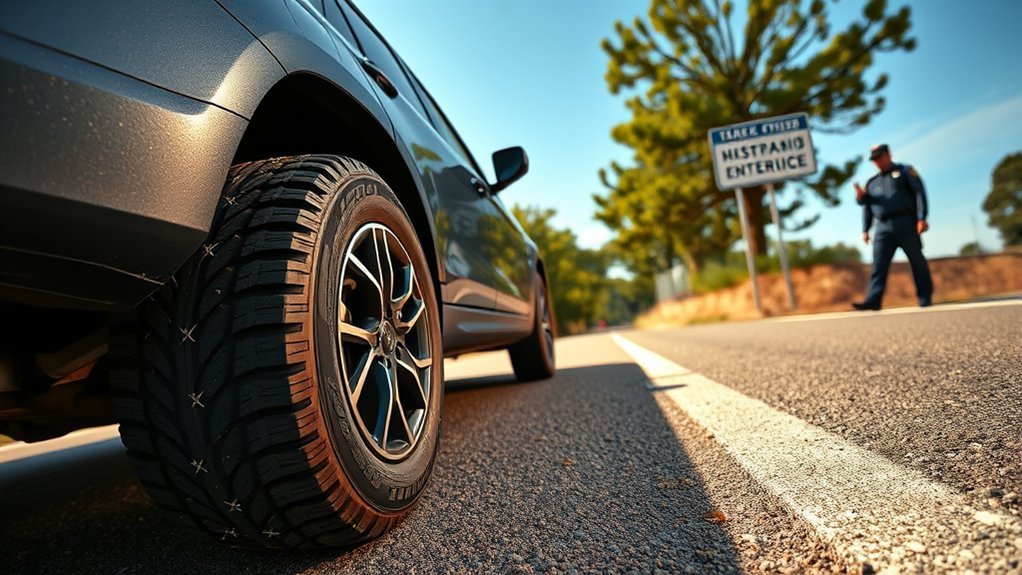
You usually can’t drive studded tires in summer unless your state or province specifically allows it, because many jurisdictions limit them to winter months or set fixed removal dates. If you keep them on after the legal season, you may face citations, fines, or inspection problems. Studded tires also wear faster and grip poorly in hot weather. Check local transportation rules, then switch to summer or all-season tires if you want the safer, lawful option.
Key Takeaways
- Studded tire use in summer is often illegal, but rules vary by state, province, and local road authority.
- Check the exact legal season before driving, since neighboring jurisdictions may have different studded-tire restrictions.
- Hot weather softens rubber and wears studs faster, reducing traction, increasing stopping distance, and shortening tire life.
- Switch to summer or all-season tires when temperatures stay above freezing, and inspect replacement tires for size and pressure.
- Keep documentation of the applicable rules and remove studded tires promptly to avoid fines, penalties, or compliance issues.
[Products Worth Considering]

Monitor tire tread wear with a smart, color-coded depth gauge that shows clear condition ranges at a glance. The bar is range marked for fast, easy readings, helping you maintain safer traction and performance. Each gauge is portable with a pocket clip, and the set includes 20 units for daily use and sharing.

Measure tire tread depth quickly and accurately with this LUMITECO dial gauge that reads in 1/32" increments up to 14/32". The color-coded green/yellow/red zones make it easy to judge tire wear and know when replacement is needed. A rugged, compact design with a protective pouch helps keep the gauge ready for use on cars, trucks, motorcycles, and more.

Steelman white tire marking crayons provide high-contrast, semi-permanent marks for repairing and inspecting tires and equipment. They write on wet or dry, smooth or coarse surfaces including rubber, metal, glass, and wood, making them ideal for puncture location and damage outlining. The lead- and zinc-free crayons resist weather and fading yet wipe away when you no longer need the marks.
Are Studded Tires Legal in Summer?

Whether studded tires are legal in summer depends on your state or province, because most jurisdictions restrict their use to specific seasonal dates or weather conditions.
You should check local tire regulations before you drive, since the law may allow studs only during winter months or when road conditions justify them. If you keep them on after the permitted period, you can face citations, fines, or inspection failures.
Some places also limit stud length, vehicle type, or roadway access. For summer safety, confirm whether your area requires removal once the season ends, and verify any exceptions for mountainous routes or emergency conditions.
You can’t assume neighboring jurisdictions follow the same rules, so review both registration and travel-state requirements.
When in doubt, contact your motor vehicle agency or municipal authority and ask for the current rule in writing. That way, you reduce legal risk and keep your vehicle compliant.
Why Studded Tires Wear Out Faster in Summer
When you run studded tires in summer, heat softens the rubber compound and reduces its resistance to wear.
You also subject the tread and studs to hard road abrasion on dry pavement, which accelerates deterioration.
As a result, you can expect faster wear, reduced performance, and a shorter service life.
Heat Softens Rubber
Heat can soften tire rubber, which makes studded tires wear faster in summer driving. When you operate them in high temperatures, the compound loses stiffness, and that reduction in rubber durability can change tire performance.
You should expect the tread to flex more than intended, and the studs may no longer sit as firmly in the casing. That condition can accelerate wear and shorten service life.
From a practical and legal-risk standpoint, you ought to treat heat as a material factor in tire suitability. If you continue driving, you’re using equipment outside its intended seasonal range, and you may reduce safety margins.
Check manufacturer guidance, because it often specifies temperature limits and seasonal use. Replace or store the tires before heat exposure causes avoidable deterioration.
Hard Road Abrasion
Hard pavement increases abrasion, and studded tires are built for snow and ice, not prolonged contact with dry summer roads. When you drive on hot asphalt, the studs grind against the surface and you lose tread faster than you’d in winter.
That wear depends on tire composition, but all studded models suffer when road conditions are dry, warm, and abrasive. You also risk scuffing the rubber around each stud, which can loosen retention and reduce performance.
If you keep using them, inspect them often for uneven wear, exposed metal, and damaged blocks. In legal and practical terms, you should treat summer use as accelerated deterioration.
If your jurisdiction allows it, the law won’t stop the wear; physics will.
How Studded Tires Affect Hot-Weather Grip
In hot weather, you’ll find that the rubber in studded tires softens, which can reduce predictable grip.
The metal studs also don’t engage dry pavement as intended, so they can limit traction rather than improve it.
As a result, you should expect longer stopping distances and a need for greater caution.
Heat And Rubber Softening
As temperatures rise, the rubber compound in studded tires can soften, which reduces tread stiffness and weakens hot-weather grip on dry pavement. You should treat this as a tire performance issue tied to rubber composition, because heat changes how the tread supports steering and braking loads.
| Factor | Effect | Advisory |
|---|---|---|
| High ambient heat | Softer tread | Drive cautiously |
| Repeated heat cycles | Less stability | Inspect frequently |
| Extended summer use | Faster wear | Limit mileage |
| Warm pavement | Reduced precision | Increase following distance |
You should review your tires’ condition before each trip and verify they still meet safe operating standards. If heat-related softening becomes noticeable, you should reduce use and consider seasonal replacement to preserve control and legal compliance.
Metal Studs On Dry Pavement
Metal studs on dry pavement can reduce predictable grip by concentrating load onto small contact points. You may notice shorter stopping margins, sharper surface noise, and less consistent steering feel on hot roads. You should treat that behavior as a condition of use, not a defect.
On dry asphalt, the studs can skate slightly, and the tire carcass may transmit more vibration into the cabin. For legal and maintenance purposes, you should inspect wear regularly, because metal stud durability declines when you run them outside their intended season.
That decline can also affect studded tire performance, especially during cornering and lane changes. If you keep driving in summer, you should document tread condition and confirm that your tires still meet local equipment rules before continued use.
Longer Stopping Distances
| Condition | Effect |
|---|---|
| Dry pavement | Reduced bite |
| Hot asphalt | Softer tread |
| Braking | Longer distance |
| Cornering | Less control |
| Emergency stop | Higher risk |
You may notice earlier ABS activation, but that doesn’t restore lost grip. If you drive with studded tires in summer, you should increase following distance, reduce speed, and brake earlier than usual. In legal terms, you remain responsible for maintaining safe vehicle control, and poor stopping performance can expose you to liability if a crash occurs.
Check Local Studded Tire Rules
Before you drive on studded tires in summer, you should check your local laws, because many jurisdictions restrict or prohibit their use outside specific winter months. You can’t assume one state’s tire regulations apply elsewhere, so verify the exact rules where you’ll operate the vehicle.
Some areas allow studs only during defined dates, while others require a permit or impose fines for noncompliance.
- Confirm the legal season for studded tires in your city, county, and state.
- Review any exemptions for emergency, commercial, or rural travel.
- Keep written proof of the rule you relied on, if available.
You should also check transportation department guidance and municipal ordinances, not just general summaries online.
If the law is unclear, call the clerk’s office or a licensed attorney. By confirming local laws before you drive, you reduce citation risk and avoid making a mistaken assumption about legality.
When to Remove Studded Tires
Once you’ve confirmed local rules, remove studded tires as soon as winter conditions and legal allowances end, since driving on them in warm weather can damage roads, reduce traction, and accelerate tire wear. You should treat this as a compliance and safety deadline, not a preference. Inspect tread, sidewalls, and studs before removal, then schedule replacement with season-appropriate tires without delay.
| Action | Purpose |
|---|---|
| Check forecast | Confirm sustained warmth |
| Review local dates | Verify legal use period |
| Remove promptly | Limit road and tire harm |
| Document condition | Support maintenance records |
| Arrange studded tire storage | Preserve equipment for next season |
For summer tire maintenance, keep the replacement tires properly inflated, balanced, and rotated as required. Store studded tires in a cool, dry place, away from sunlight, solvents, and heavy loads. If you delay removal, you increase exposure to avoidable wear and compliance risk.
[Products Worth Considering]
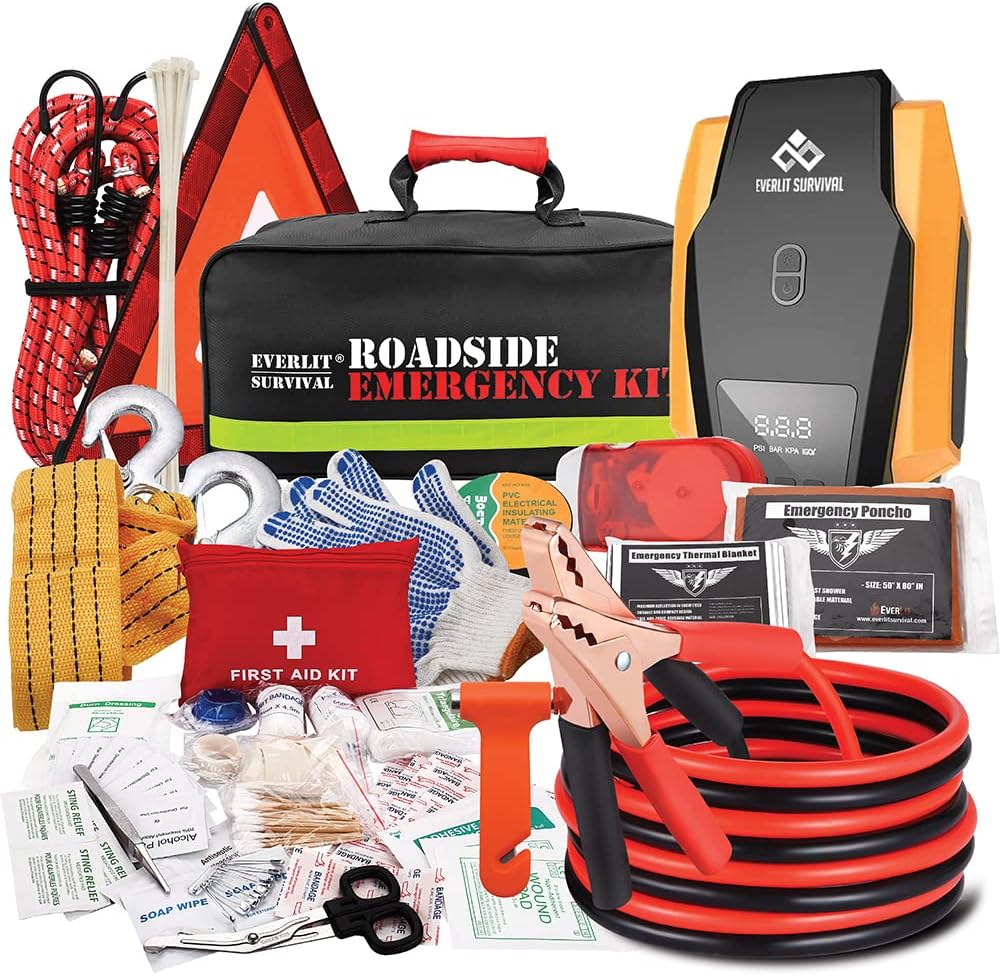
The Everlit Road Guardian emergency kit is designed for roadside breakdowns, combining essential safety gear and roadside tools in one compact bag. It includes a digital 12V auto tire inflator with preset and auto shutoff, plus 12-foot 8-gauge jumper cables to get you moving again. You also get a full 108-piece first aid kit, reflective warning tools, safety gloves, and emergency convenience items for safer travel.

The SAFELIFE dial tire tread depth gauge measures tread depth in 1/32 inch increments with clear, easy-to-read 2-inch dial face. Color zones using a traffic light system help you quickly judge whether tread is low, marginal, or ample for safer driving. Built with a durable zinc cast body and a metal detect probe for precise, comfortable use across cars, motorcycles, trucks, and buses.

Accurately measure tire tread depth with a calibrated gauge marked from 0 to 1 inch in 1/32 inch increments. The color-coded bar helps you quickly identify tread condition ranges, supporting safe driving for trucks, motorcycles, automobiles, and passenger vehicles.
Fines for Driving on Studded Tires
If you keep studded tires on past the legal season, you can face fines, citations, and, in some areas, inspection or registration issues. Your penalty often follows a fines structure that scales with repeat offenses, local ordinances, and whether officers treat the violation as equipment-related or seasonal.
You should check the exact rule before you drive, because enforcement challenges can lead to uneven roadside treatment and delayed notices.
- First offense: you may get a warning or a modest citation.
- Repeat offense: you can face higher fines and mandatory compliance deadlines.
- Administrative consequences: you may lose inspection clearance or trigger registration holds.
You shouldn’t assume non-enforcement means permission. Authorities may verify tire type during routine stops, crash investigations, or inspections.
If you receive a ticket, review the citation date, location, and governing statute immediately. Prompt response can reduce added penalties and keep your record cleaner.
Switch to Summer Tires
To reduce wear, noise, and braking risk, you should switch to summer tires as soon as temperatures stay consistently above freezing.
You’ll protect tire performance by removing studs before hot pavement accelerates tread damage and lengthens stopping distances.
Check local rules, because some jurisdictions limit studded tire use by date, by weather, or by road authority order. If a statute or regulation sets a deadline, you should comply even if conditions still feel mild.
You should also inspect the replacement tires for proper size, load rating, and inflation pressure, because a mismatch can affect handling and seasonal safety.
Document the change if your insurer, employer, or fleet policy requires proof of compliance. If you delay, you increase legal exposure and reduce control in emergency maneuvers.
For best results, schedule the swap promptly and retain the removed tires in a cool, dry place until winter returns.
Best Alternatives for Warm-Weather Driving
For warm-weather driving, you should use non-studded seasonal tires that match the road and your vehicle’s load requirements, such as summer tires or all-season tires rated for higher temperatures.
You should verify load index, speed rating, and tread depth before you drive, because these factors directly affect tire performance and driving safety.
Verify load index, speed rating, and tread depth before driving; they directly affect tire performance and safety.
If you need a practical option, consider:
- Summer tires for maximum dry and wet grip in heat.
- All-season tires for balanced use when temperatures vary.
- Performance-oriented touring tires for comfort, longevity, and stable handling.
You should also check inflation pressure monthly, since heat can raise pressure and alter braking distance.
If you tow, carry heavy cargo, or drive aggressively, you should select a tire with a higher load capacity and heat tolerance.
You must avoid worn, cracked, or mismatched tires, because they can create legal exposure if they contribute to a collision or unsafe vehicle condition.
Frequently Asked Questions
Do Studded Tires Damage Dry Pavement?
Yes, you can expect studded tires to damage dry pavement; they increase pavement wear and reduce tire performance on warm surfaces. You should avoid prolonged use, because the studs scrape asphalt and accelerate road deterioration.
Can Studded Tires Void My Vehicle Warranty?
Maybe—they can if you ignore your warranty coverage. You should check your owner’s manual and local tire regulations, because misuse, damage, or nonapproved modifications may let the manufacturer deny related claims.
Are Studded Tires Louder Than All-Season Tires?
Yes, you’ll usually hear more tire noise from studded tires than all-season tires, with higher sound levels on dry pavement. You should expect increased road noise, especially at speed, and may want to verify local regulations.
How Do I Store Studded Tires in Summer?
Store them cool, clean, and covered. You should clean each tire, check pressure, and keep them away from sun, heat, and chemicals. Proper tire maintenance and seasonal storage help preserve tread, studs, and sidewalls.
Can I Use Studded Tires on a Track?
You can’t usually use studded tires on a track; many sanctioning bodies prohibit them because they damage surfaces and reduce track performance. Check rules first, since tire grip may also suffer, affecting safety and compliance.
Conclusion
In summer, you should not treat studded tires as a year-round solution. You may face legal restrictions, faster tread wear, reduced hot-weather grip, and possible fines, depending on local rules. Before the season changes, check your jurisdiction’s dates and requirements, then remove studded tires and switch to summer or all-season tires. Like Icarus flying too close to the sun, you’ll risk trouble if you ignore the heat and the law.
[Products Worth Considering]

Slip the Powerbuilt tire step over your vehicle’s tire to reach roof racks, engine bays, truck boxes, and more without overreaching. Its adjustable, universal design fits tires with a cross tread width up to 13 inches, including car, truck, RV, and semi tires. The non-slip cheesegrater surface and anti-slip tape provide secure grip while the open design lets mud and debris pass through. Fold-flat storage with rubber bumpers helps keep your tire and the step protected between uses.

Measure tyre tread depth precisely with a digital gauge that reads in both MM and inches, helping you monitor safe driving conditions. The large LCD screen is easy to operate, and the compact tool fits for cars, trucks, and motorcycles. It provides high accuracy with a 0-25.4mm range and includes a 1-year warranty for added peace of mind.

This 1/2-inch drive breaker bar delivers powerful leverage for loosening and tightening stubborn lug nuts and automotive fasteners. The 180-degree flex head helps you reach tight spaces at the angle you need, making tire and brake jobs easier. A spring-loaded ball detent design holds 1/2-inch sockets securely while the chrome-moly head provides durable strength for everyday use.

Related Articles
How Much Do Winter Tires Cost? Price Guide
Keen to know winter tire costs? Discover price ranges, hidden fees, and money-saving tips before you buy.
Read More
Are All-Terrain Tires Good in Snow? Winter Performance
Snow traction varies more than you think, and all-terrain tires can surprise you on winter roads, but ice changes everything.
Read More
What Should Tire Pressure Be in Winter?
How should tire pressure change in winter to keep you safe and save wear?
Read More