
Wheel Spacers vs Adapters: Sizes, Fitment, and Safety
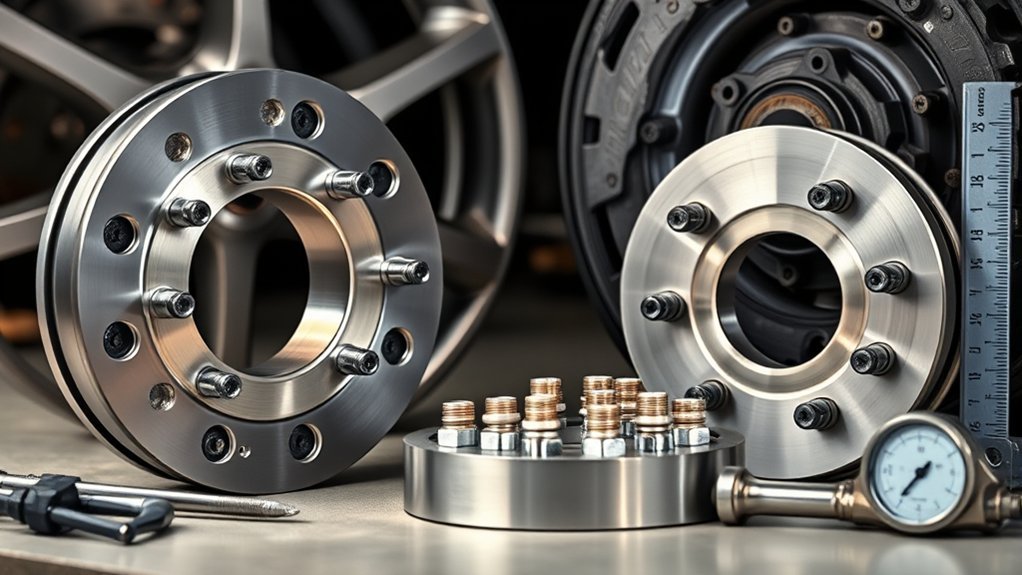
Wheel spacers slide over your existing studs to push the wheel outward, while adapters also change the bolt pattern. You’ll usually see spacers from 3 to 50 mm for fitment corrections, and adapters often start around 1 inch. Choose hub-centric, forged T6 or AL7075-T6 aluminum parts, verify bolt pattern, thread engagement, and torque, and recheck fasteners after 50 to 100 miles. The right size, offset, and clearance can prevent rub and vibration, and there’s more to compare.
Key Takeaways
- Wheel spacers increase track width without changing bolt pattern, while adapters also change bolt pattern and wheel compatibility.
- Spacer sizes typically range from 3 mm to 50 mm, with 12–20 mm often used for a flush fit.
- Adapters usually start around 1 inch and are used when a different bolt pattern is needed.
- Use high-strength hub-centric aluminum parts to reduce vibration, improve centering, and support safe load distribution.
- Verify fitment, torque specs, and clearance, then recheck fasteners after 50–100 miles to prevent rubbing or loosening.
[Products Worth Considering]

Upgrade your wheels with MIKKUPPA closed-end lug nuts designed for reliable fit and corrosion resistance. The one-piece, cold-forged and heat-treated steel construction helps resist rust and stripping, while the integrated finish delivers a durable black appearance. Built to OEM standards with a conical 60-degree seat, these nuts provide a secure solution for compatible Ford, Honda, Jeep, and Chevrolet models.

These M14x1.5 closed-end chrome lug nuts are a one-piece replacement designed for secure fitment on compatible GM, Ford, and select Chrysler/Dodge models. Featuring a 60-degree conical seat and anti-rust chrome plating, they help resist corrosion and maintain a bright look for everyday driving. Built for long-term durability, they include OEM-style part references and are backed by 12 months of support.

Upgrade your wheels with MIKKUPPA M12x1.5 mag seat lug nuts built for secure, corrosion-resistant performance. These closed-end chrome lug nuts are a direct replacement for select Toyota models, including Camry, Corolla, RAV4, Sienna, Avalon, Highlander, Matrix, Venza, and Prius. Triple-chromium plating and cold-forged, heat-treated steel help deliver strength for daily driving and replacement needs.
What Is a Wheel Spacer?
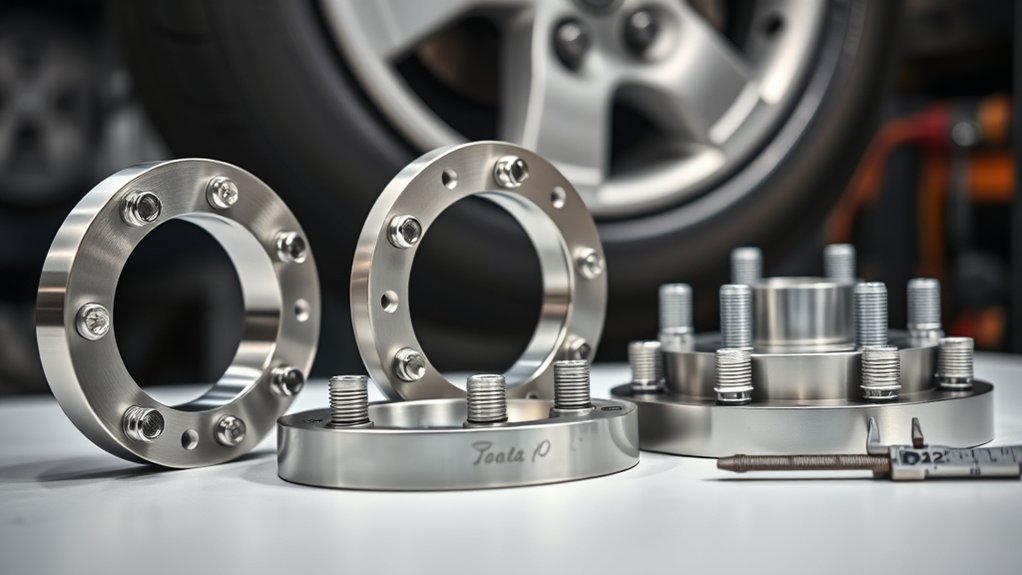
A wheel spacer is a metal disc that fits between your vehicle’s hub and the wheel to push the wheel outward and increase track width. You use wheel spacers to fine-tune fitment, clear suspension or brake parts, and change stance without altering the wheel itself.
Most spacers use high-strength aluminum for low weight and corrosion resistance. You’ll see two main types: slip-on spacers, which slide over existing studs, and bolt-on spacers, which bolt to the hub and supply their own studs.
Most spacers use high-strength aluminum, with slip-on and bolt-on designs to suit different fitment needs.
Thickness usually ranges from 3 mm to 50 mm, so the part matches your spacing needs. Proper installation matters because incorrect torque or poor centering can create safety issues, wheel vibration, and extra stress on suspension components.
Thicker spacers may also require longer studs or special lug nuts to maintain secure clamping and safe operation under load.
What Is a Wheel Adapter?
Wheel adapters serve a different purpose than spacers: they not only move the wheel outward, but also change the bolt pattern so you can mount wheels with a different lug configuration on your vehicle.
You use a wheel adapter when you need broader wheel compatibility, such as converting a 5-lug hub to fit 6-lug wheels. Most adapters are machined from high-strength aluminum to handle high stress while preserving safety and durability.
A quality adapter often includes a hub-centric design, which centers the wheel accurately, improves load distribution, and helps protect suspension components from uneven forces.
Because the adapter changes both spacing and bolt pattern, you must verify fit wheels, thread engagement, and torque values before driving.
Proper installation matters: if you under-torque or over-torque the hardware, you can cause vibration, loosening, or failure.
When selected correctly, a wheel adapter lets you fit wheels without replacing your existing set.
What’s the Difference Between Wheel Spacers and Adapters?
Although they may look similar at a glance, wheel spacers and adapters do different jobs: spacers are metal discs that sit between the hub and wheel to push the wheel outward without changing the bolt pattern, while adapters both create additional offset and convert one lug pattern to another.
Wheel spacers mainly increase track width and clearance, and their spacer thickness usually ranges from 3mm to 50mm for a mild change or an aggressive stance.
Wheel adapters are thicker, often starting near 1 inch, because they must bridge two patterns and re-center the wheel.
- Wheel spacers: keep your existing bolt pattern.
- Wheel adapters: change the bolt pattern for fitment.
- Both: need high-quality materials and proper installation.
You should choose forged parts or high-strength aluminum alloys, since cheap cast versions can’t handle load as well.
Torque them correctly so you preserve safety and fitment.
[Products Worth Considering]

This car D-wheel lock nut key provides an anti-theft solution for D-shaped wheel lock bolts, helping keep your wheels secure. It features a flower-shaped internal pattern that resists micro-adjustment theft while allowing removal and mounting of compatible locking nuts. Made for reliable performance under high torque, it’s easy to use with standard socket wrench turning for quick tire maintenance and emergency repairs.
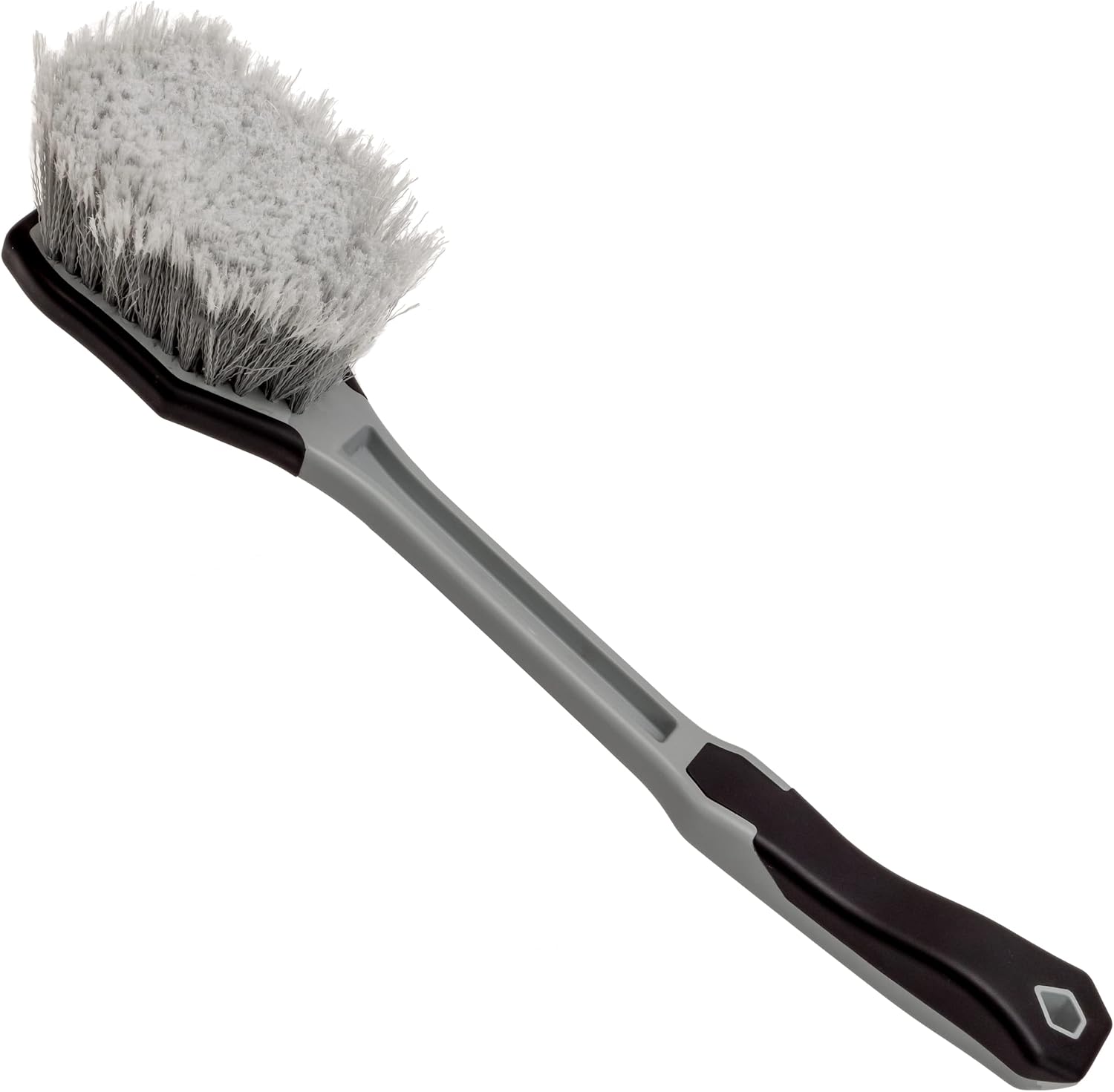
Clean grills, fenders, fender flares, bumpers, and wheel wells with a long-handled brush built for detailed car washing. The soft, triple-flagged bristles and dense scrub coverage help lift dirt gently while making coverage fast and easy. Use it with your favorite car wash soap for tires and exterior surfaces, and it also works for bike, motorcycle, boat, or RV cleaning.

Keep your RV, travel trailer, or fifth wheel securely in place with these heavy-duty X-shaped wheel chock stabilizers. Designed to clamp between tires, they reduce side-to-side movement for a steadier, level camping setup. The package includes a ratchet wrench, socket adapter, gloves, and a storage bag for easy installation and transport.
Are Wheel Spacers and Adapters Safe?
When you choose quality parts and install them correctly, wheel spacers and adapters can be safe for street or track use.
To keep wheel spacers safe, you need high-quality wheel spacers made from forged T6 or AL7075-T6 aluminum, because these materials resist cracking and handle added stress better than cheap cast parts. Proper installation matters: you must follow torque specifications, recheck fasteners, and use the correct hardware for your bolt patterns.
Hub-centric spacers also help by centering the wheel, which reduces vibration and supports vehicle stability at speed.
If you ignore fitment, loose hardware, or poor machining, you increase the chance of failure. You should also consider legal considerations, since some regions limit spacer thickness or adapter use.
When selected carefully, these parts give you flexibility in wheel offset and brake clearance without compromising safety.
How Do You Choose the Right Size and Fitment?
To choose the right spacer or adapter size, you need to match thickness and fitment to your vehicle’s wheel offset, suspension geometry, and fender clearance. Start by checking your existing wheel offset and vehicle specifications so you can narrow wheel spacers and adapters to suitable thickness options.
- Measure fender clearance and the current wheel position to avoid tire rubbing under compression and steering lock.
- Choose 12-20mm if you want a flush stance on most vehicles while preserving stable cornering; use 3mm for minor correction or up to 50mm for larger track width changes.
- For adapters, verify the bolt pattern and follow fitment guidance exactly, because the adapter must change the pattern safely and keep alignment correct.
After installation, recheck torque after 50 to 100 miles. Inspect for wear, corrosion, or movement.
Careful sizing protects safety, maintains handling, and keeps the wheels properly centered.
Frequently Asked Questions
Are Wheel Adapters Safer Than Wheel Spacers?
Yes, you’ll often find adapters safer when you choose quality material quality, vehicle compatibility, and follow installation tips; their adapter benefits can outweigh spacer drawbacks, though alignment concerns, load bearing, performance impact, aesthetic enhancements, and legal regulations still matter.
Is It Safe to Drive With Wheel Adapters?
Yes—if you follow adapter installation carefully. Studies show 80% of vibration complaints come from improper fitment. You’ll need quality spacer materials, vehicle compatibility checks, correct torque specifications, and legal regulations awareness to preserve driving stability and load distribution.
How Big of a Wheel Spacer Is Safe?
You’re safest with 3–10mm wheel spacers; 12–20mm can work if you verify wheel spacer materials, spacer compatibility checks, and spacer safety standards. Follow spacer installation tips, consider vehicle handling effects, and re-torque after 50–100 miles.
Is It Safe to Run 1/2 Inch Wheel Spacers?
Yes—if you choose quality spacer materials, verify vehicle compatibility, and follow installation tips, 1/2 inch spacers can work safely. You’ll improve handling characteristics and tire clearance, with modest performance impact, alignment effects, weight distribution, and aesthetic changes.
Conclusion
In the end, you can think of wheel spacers as a tiny stance tweak and adapters as a much bigger transformation. If you choose the wrong thickness, bolt pattern, or hub fit, you can turn a simple upgrade into a spectacularly bad idea. You should match the part to your exact vehicle, torque it correctly, and verify clearance before driving. When you do it right, you get improved fitment, safer operation, and a setup that feels engineered, not improvised.
[Products Worth Considering]

The Trivd Frol 1/2" air impact wrench delivers high performance torque up to 1500 ft-lbs with a twin hammer impact mechanism for strong, balanced blows. It features an ergonomic grip, compact lightweight design, and quick-stop control with 3 forward speeds up to 8000 RPM plus a reverse speed. Built for demanding automotive repair and tire shop work, the rear exhaust helps keep debris away from the surface.

This professional wheel and rim cleaning brush set lifts brake dust, grime, and dirt with soft, scratch-free microfiber and synthetic wool fibers. The rim brush bends up to 360 degrees for easy access to hard-to-reach areas around spokes, lips, and faces. Ideal for thorough cleaning of car, truck, motorcycle, bicycle, RV, and more wheel and tire surfaces.

The SEESII cordless impact wrench delivers high tightening and loosening power for fast wheel bolt and industrial bolt work. Its brushless motor and variable-speed 3 forward/2 reverse modes help you control precision installs and stubborn nut removal. A dual-battery system with rapid charging and an included storage case make it ready for home, car, and jobsite use.

Related Articles
How Oversized Tires Affect Your Transmission
Oversized tires strain your transmission more than you think, but the real damage they cause may surprise you.
Read More
Weight on Wheels Meaning: Why Unsprung Weight Matters
C**urious how weight on wheels affects speed, grip, and ride quality? Discover why unsprung weight can make or break your setup.
Read More
Caster, Camber, and Toe: Wheel Alignment Explained
I’m breaking down caster, camber, and toe—three tiny alignment angles that can transform your car’s handling, but one of them may surprise you.
Read More