
Tire Repair Kit for Toyota RAV4: Safe Flat Fix
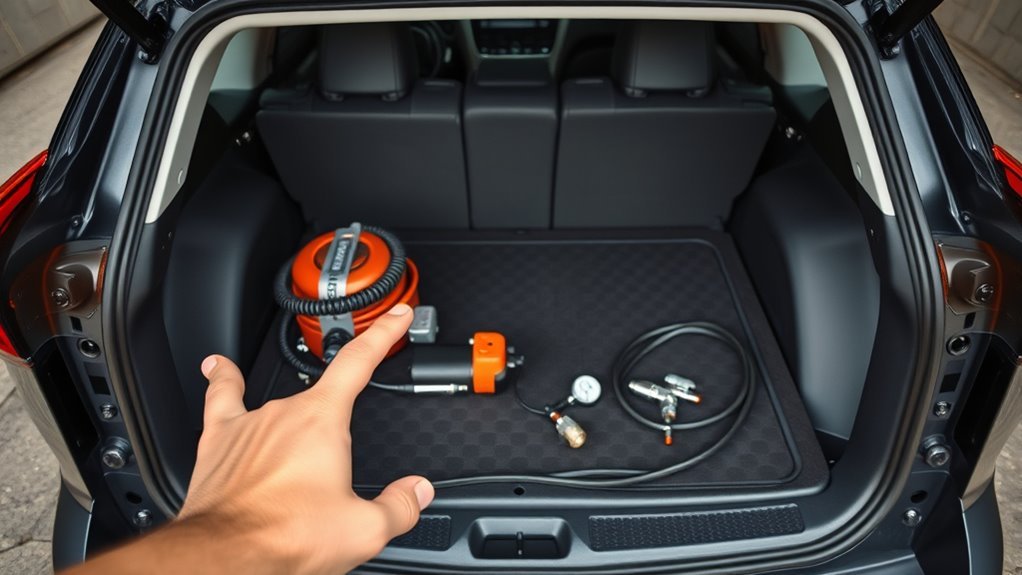
A tire puncture can turn a simple drive into a stressful roadside stop. With the right tire repair kit in your Toyota RAV4, you can handle many small tread punctures long enough to reach a tire shop safely. This guide explains what to keep in your kit, how to use it, when not to repair a tire, and how to stay safe while you work.
Quick Answer
Use a Toyota RAV4 tire repair kit only for small punctures in the tread area. Remove the object, clean the hole, insert the repair cord, inflate the tire to the pressure shown on your driver-side door placard, and check for leaks. Do not repair sidewall, shoulder, or large tire damage on the roadside.
Key Takeaways
- Use a tire repair kit only for small punctures in the tire tread.
- Keep repair cords, pliers, a probe tool, an insert tool, and an air compressor in your kit.
- Check tire pressure after every repair and inspect the area for leaks.
- Replace the tire instead of repairing damage on the sidewall or shoulder.
- Drive carefully after a roadside repair and get the tire checked by a professional.
Why You Need a Tire Repair Kit for Your Toyota RAV4

When you own a Toyota RAV4, a tire repair kit gives you a practical way to handle minor tread punctures. It can help you avoid waiting on the roadside when the tire damage is small and safe to repair.
A repair kit does not replace a proper tire inspection. It gives you a temporary fix so you can restore tire pressure and reach a safe location or tire shop.
Check your kit often. Sealant, plugs, cords, and compressor parts can wear out, dry out, or expire. Keep the kit easy to reach so you can use it quickly during an emergency.
[Products Worth Considering]

This tire repair kit provides fast emergency puncture repair without removing the tire from the rim, helping you get back on the road quickly. Its screw plug system is designed for punctures in both tread and sidewall and includes a complete patch plug tool set with essential accessories. A portable storage bag makes it easy to carry for cars, trucks, SUVs, motorcycles, and heavy-duty applications.

This tire repair patch tool kit helps you quickly seal small punctures using upgraded mushroom plugs and a built-in roller system that presses for even penetration. The tungsten buffing wheel and HSS twist drill bits prepare the damaged surface for stronger adhesion, while the crown-angle friendly plugs are designed to keep water and debris out. Ideal for puncture repairs on many vehicle types, from cars and trucks to bikes and scooters.

This portable cordless tire inflator delivers up to 160 PSI with fast 17 L/min airflow to help you quickly top up tires and get back on the road. It features dual power mode, running on a 21V rechargeable battery or a 12V DC adapter for convenient roadside use. An automatic shut-off with digital pressure gauge helps prevent overinflation, and a built-in LED light improves visibility in low-light conditions.
Before You Begin: What to Check First
Estimated total time: about 15 to 30 minutes, depending on the puncture and your tools.
Park on a flat, safe surface before you inspect the tire. Turn on your hazard lights and set your parking brake.
Only repair a small puncture in the tread area. If the damage sits on the sidewall or shoulder, replace the tire or call roadside help.
Warning: Do not use a plug or sealant on sidewall damage, shoulder damage, a blowout, or a tire that will not hold air.
Must-Have Items in Your Tire Repair Kit
When you assemble your tire repair kit for the Toyota RAV4, focus on tools that help you remove debris, seal the puncture, and restore tire pressure. A compact kit saves space and keeps everything in one place.
Keep these items together so you can reach them fast:
- T-handle insert tool for placing the repair cord.
- T-handle spiral probe for cleaning and widening the puncture hole.
- Needle nose pliers for pulling out nails, screws, or small debris.
- High-quality repair cords, often called tire plugs or worms.
- Portable air compressor or battery-powered air pump.
- Tire pressure gauge for checking the final pressure.
- Gloves, safety vest, flashlight, and warning triangles.
Essential Tools Overview
A well-equipped tire repair kit for your Toyota RAV4 should include tools that support a clean, secure repair. Use a T-Handle Insert Tool for plug insertion and a T-Handle Spiral Probe to clean the puncture hole.
Needle Nose Pliers help you remove the object that caused the puncture. Quality repair cords help seal small tread punctures, but they still need a proper inspection after the repair.
Keep your tools clean and dry. Replace missing or worn parts before you need them on the road.
Recommended Repair Materials
Good repair materials help you make a safer roadside fix. Start with strong repair cords that match your kit, and keep extras in a sealed pack so they do not dry out.
Add a tire gauge so you can check pressure after inflation. Use the tire pressure listed on your Toyota RAV4 driver-side door placard, not the maximum pressure printed on the tire sidewall.
If your kit uses tire sealant, check the label for storage rules and expiration dates. Replace sealant after use or when it expires.
How to Use Your Tire Repair Kit Like a Pro
Find the puncture location before you open the repair tools. If you cannot find the leak or the tire looks badly damaged, stop and call for help.
- Park in a safe place, turn on your hazard lights, and set warning triangles if you have them.
- Inspect the tire and confirm the puncture sits in the tread area.
- Remove the nail, screw, or debris with needle nose pliers.
- Clean and ream the puncture with the T-handle spiral probe.
- Thread the repair cord through the T-handle insert tool.
- Push the repair cord into the hole until enough cord remains outside the tread.
- Pull the insert tool straight out so the cord stays in place.
- Trim excess cord if your kit instructions recommend it.
- Inflate the tire to the pressure listed on the driver-side door placard.
- Spray soapy water on the repair area and watch for bubbles.
If bubbles appear, the tire still leaks. Do not keep driving on a tire that loses pressure after a repair.
Pro tip: Keep a small spray bottle of soapy water in your kit so you can test for leaks fast.
What to Do After a Roadside Tire Repair
A roadside plug or sealant repair should help you reach a safe place, not replace a full tire inspection. Drive slowly, avoid hard braking, and stop if the tire pressure drops again.
Check the repaired tire with a gauge after a few minutes of driving. Get the tire inspected by a tire professional as soon as you can.
If your Toyota RAV4 has a tire pressure monitoring system (TPMS), watch for a warning light. The light may stay on until the tire reaches the right pressure and the system updates.
[Products Worth Considering]

This AUTOWN flat tire repair kit is designed for quick, reliable puncture repairs using a plug kit and spiral probe tool to simplify installation. Built for durability and safe handling, it offers strong adhesion and flexibility to help maintain tire air tightness. With a portable storage case and a multi-vehicle approach, it’s suitable for cars, motorcycles, ATVs, tractors, lawn mowers, RVs, jeeps, and trucks.
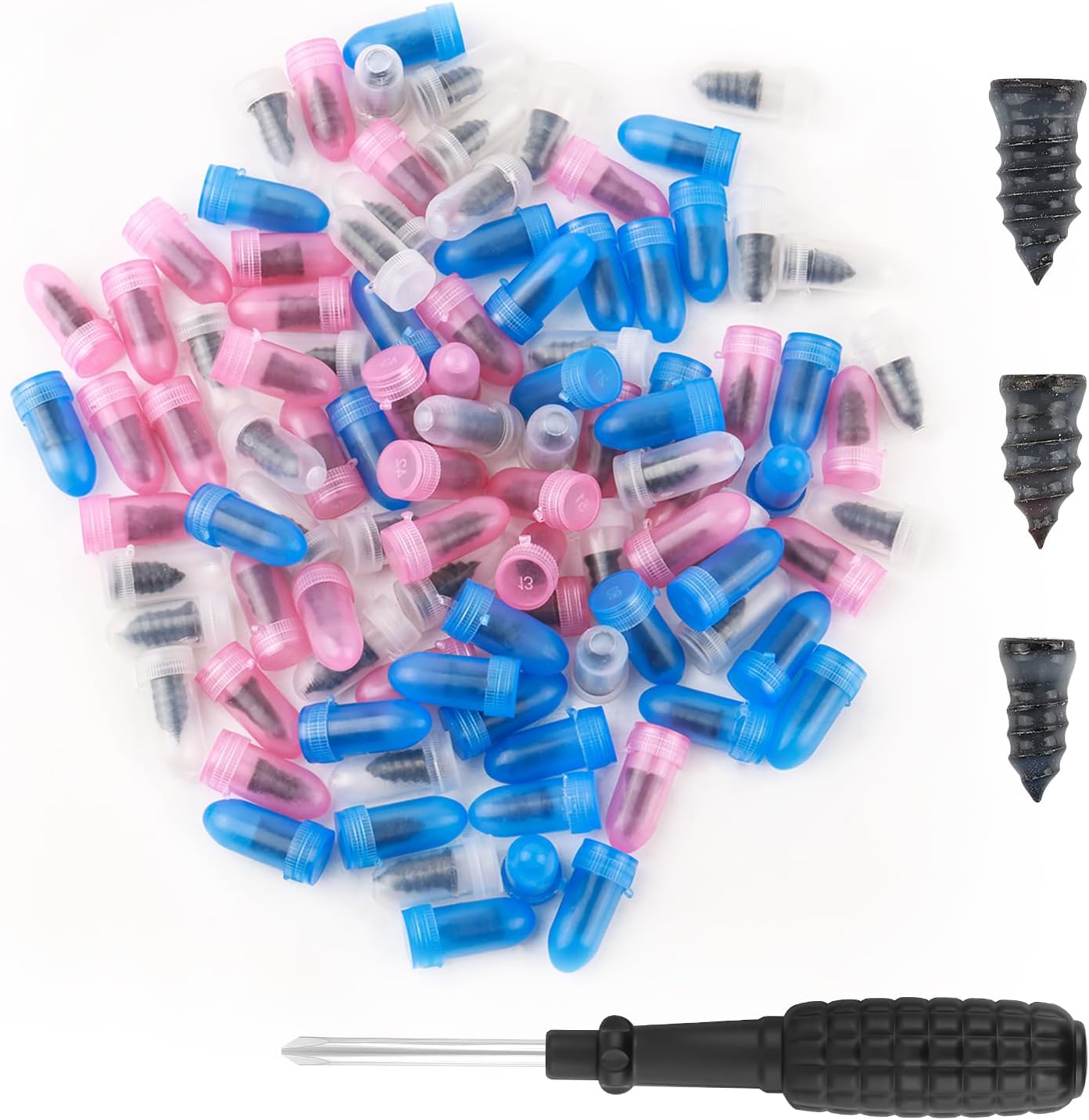
This 100-piece tire repair screw plug kit provides a fast, self-service solution for punctures on the road. Choose the correct plug size, insert it into the break, and screw it in to help seal the puncture and temporarily restore tire pressure. Thickened threads and rubber-wrapped plugs improve bite and sealing while remaining compact and easy to carry.
Troubleshooting Common Tire Repair Issues
Even with the right steps for tire repair, problems can come up during the process. Start with a careful puncture assessment. If the damage affects the shoulder or sidewall, replace the tire instead of trying a roadside repair.
Check the repair kit before you use it. Expired sealant, dried repair cords, or a weak compressor can make the repair fail.
If you use sealant, tell the tire shop before they inspect the tire. Sealant can make professional repair work harder if the technician does not know it is inside the tire.
When you inflate the repaired tire, test for leaks with soapy water. Bubbles show that air still escapes and the repair needs more attention.
If the compressor does not work, check the power plug, battery level, or fuse before you try again. If the tire will not inflate, call roadside help.
Safety Tips for Roadside Repairs

Roadside tire repairs can put you close to moving traffic. Your safety matters more than saving the tire.
Before you work, move your Toyota RAV4 as far from traffic as you safely can. Use lights, warning gear, and clear signals so other drivers can see you.
Wear Safety Gear
Wear the right safety gear before you start roadside repairs. Bright, reflective gear helps other drivers see you sooner.
- High-visibility safety vest: Helps oncoming drivers spot you.
- Reflective triangles or flares: Creates a visible warning area around your vehicle.
- Gloves: Protects your hands from sharp objects and tire debris.
- Safety goggles: Shields your eyes from dust and loose material.
- Sturdy, non-slip footwear: Helps you keep traction while you work.
Choose Safe Location
Choose a safe location before you repair the tire. Move to a well-lit area away from traffic when you can do so safely.
Use a flat, stable surface so the vehicle does not shift while you work. Keep your hazard lights on and stay aware of traffic at all times.
If you cannot reach a safe place, do not attempt the repair. Call roadside help instead.
Use Warning Signals
Set up warning signals before you work near a road. These signals help other drivers react early and move around you safely.
- Turn on your hazard lights.
- Wear a reflective safety vest.
- Place warning triangles behind your vehicle when it is safe to do so.
- Keep a safe distance from moving traffic.
- Keep a roadside assistance number saved in your phone.
Check your surroundings before you kneel near the tire. Look for traffic, broken glass, sharp metal, and uneven ground.
How to Ensure Your Tire Repair Kit Is Always Ready
To keep your tire repair kit ready for emergencies, inspect it every few months. Check the sealant, repair cords, air compressor, tire gauge, gloves, and warning gear.
Replace items after you use them. Also replace parts that expire, dry out, crack, or stop working.
Store the kit in an easy-to-reach location inside your Toyota RAV4. Keep a short printed checklist in the kit so you can inspect it fast.
Review the instructions that came with your specific kit. Tool designs vary, and your kit may require a slightly different repair method.
Frequently Asked Questions
What Is the Toyota Tire Mobility Kit?
The Toyota Tire Mobility Kit is a compact emergency kit designed to help with certain flat tires. Many kits use sealant and an air compressor to help you inflate the tire and drive to a safe service location.
Can You Use a RAV4 Tire Repair Kit on Any Flat Tire?
No. Use a tire repair kit only on small tread punctures that your kit instructions allow. Do not use it on sidewall damage, shoulder damage, large cuts, blowouts, or tires that have been driven while flat.
How Far Can You Drive After Using a Tire Repair Kit?
Follow the limits printed in your kit instructions or owner information. Treat the repair as temporary, drive carefully, and get the tire inspected as soon as possible.
Does Tire Sealant Affect Future Tire Repairs?
It can. Sealant may coat the inside of the tire, so tell the tire technician that you used it. The technician can inspect the tire and decide whether a safe repair remains possible.
Safety Disclaimer: This article is for informational purposes only and does not replace your Toyota owner information, tire manufacturer guidance, or help from a qualified tire professional. If you feel unsafe or the tire damage looks severe, call roadside assistance.
Conclusion
A tire repair kit can help you handle a small tread puncture in your Toyota RAV4 and reach help safely. Keep the kit stocked, inspect it often, and learn how each tool works before an emergency happens.
Most of all, know when to stop. If the damage is large, on the sidewall, or unsafe to repair, replace the tire or call for help. A prepared driver protects the trip, the vehicle, and everyone inside it.

Related Articles

Toyota RAV4 TPMS Reset: Easy Steps That Work
Unlock the secrets to resetting your Toyota RAV4's TPMS effortlessly—discover the essential steps to ensure your tires are always safe.
Read More
Toyota RAV4 Tire Rotation: DIY Steps & Pattern
Take control of your Toyota RAV4's tire maintenance with our simple DIY rotation guide—discover the best steps for optimal performance and longevity!
Read More
Mix Tire Brands on a Toyota RAV4? Expert Guide
Keeping your RAV4 safe? Learn when mixing tire brands risks traction, ABS/TCS and AWD damage — and what exact matches you must insist on.
Read More