
How Long Can a Tire Be Stored? Lifespan & Storage Guide
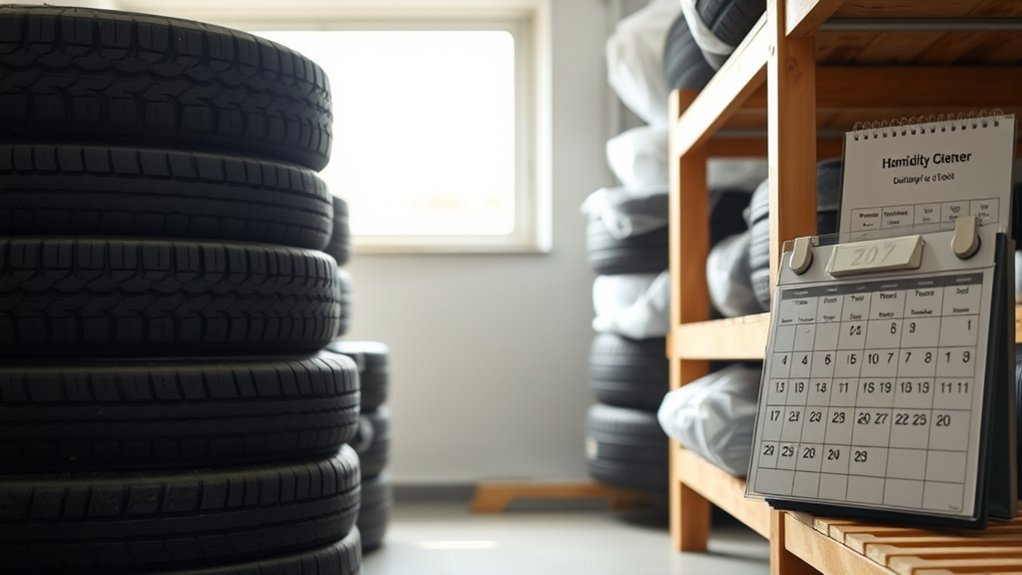
You can store tires for several years, but storage does not pause rubber aging. A tire’s usable life depends on its DOT manufacture date, storage conditions, previous use, tire type, and visible condition. Keep tires clean, dry, sealed, and away from sunlight, heat, ozone, moisture, and chemicals. Before reinstalling stored tires, check the DOT date code, tread depth, sidewalls, bead area, pressure retention, and any signs of cracking or deformation.
Reviewed for accuracy · Last updated July 2026
Quick Answer
Stored tires can remain usable for years when they are clean, dry, sealed, and kept in a cool, dark indoor space. Tire age still starts from the DOT manufacture date, not the purchase date. Many tire and vehicle manufacturers recommend replacement at 6 to 10 years, even when tread looks good.
Key Takeaways
- Storage can slow tire aging, but it cannot stop it. Age starts from the DOT manufacture date.
- The last four digits of the DOT Tire Identification Number show the week and year the tire was made.
- Store tires indoors in a cool, dry, dark place, ideally in opaque airtight bags after cleaning and drying them.
- Keep tires away from furnaces, sump pumps, electric motors, generators, battery chargers, solvents, fuels, and direct sunlight.
- Replace stored tires if you see cracks, bulges, exposed cords, tread separation, bead damage, lasting flat spots, or repeated pressure loss.
At a Glance
| Time Required | 20 to 30 minutes for a set of four tires |
| Difficulty | Easy |
| Tools Needed | Mild soap, water, tire brush, towels, opaque airtight bags, tape, tire pressure gauge, and marker |
| Cost | Low if you already have basic cleaning supplies; higher if you buy storage bags, racks, totes, or professional seasonal storage |
How Long Do Tires Last in Storage?
Tires can last for years in storage, but they do not last forever. Rubber and internal tire materials continue to change with time, even when the tire is not rolling on the road. That is why tire age, storage conditions, and inspection results matter more than tread depth alone.
The safest way to judge stored tires is to start with the DOT manufacture date, then inspect the tire’s condition. The National Highway Traffic Safety Administration explains that tire aging happens as rubber and other tire components change over time due to service, storage, and environmental conditions. NHTSA also notes that some vehicle and tire manufacturers recommend replacing tires that are 6 to 10 years old, regardless of treadwear.
Use the table below as a practical starting point. The tire or vehicle manufacturer’s guidance always comes first, especially for performance tires, spare tires, RV tires, trailer tires, and vehicles that sit for long periods.
| Tire Age | What to Do Before Reuse |
| Under 5 years | Inspect tread, sidewalls, bead area, and pressure. Use only if there is no damage and storage conditions were good. |
| 5 to 6 years | Inspect carefully and watch for cracking, vibration, pressure loss, or hardening. Consider a tire-shop inspection before longer trips. |
| 6 to 10 years | Have the tires inspected by a qualified tire professional. Replace them if the tire or vehicle maker recommends replacement in this age range. |
| 10 years or older | Replacement is usually the safer choice, even if the tread looks deep. Follow any stricter vehicle or tire manufacturer rule. |
| Unknown age | Find the full DOT code before use. If you cannot confirm age or condition, have the tire inspected or replace it. |
Warning: Do not rely on tread depth alone. An old stored tire can look usable but still have age-related weakness, cracking, hardening, or internal damage that makes it unsafe.
[Products Worth Considering]

Keep RV, trailer, or truck dual-axle tires protected with waterproof, UV-resistant covers that help guard against sunlight, snow, rust, and dirt. The dual tire covers are easy to install with a rope/bungee fastener for a stable fit that won’t easily slip. Designed for 27–30 inch diameter wheels, they help maintain tire condition through harsh weather.

The Kurgo Seasonal Tire Tote helps protect your car interior, clothes, and garage from tire grime, brake dust, and residue during seasonal tire changes. Its universal design fits most passenger tires between 22" and 31" in diameter, making storage and transport simpler with less mess. Built for rugged, repeated use, it’s machine washable for easy care and comes with a lifetime warranty.

RVMATE dual-axle RV tire covers help shield your tires from sunlight, snow, rust, and dirt to keep them in better condition in harsh weather. Made with heavy-duty waterproof, UV-resistant 420D Oxford fabric, they provide strong shading and help reduce wear. They install easily by placing the cover on the wheel and fastening the rope for a stable fit.
How to Read the DOT Date Code
Every tire has a Tire Identification Number, often called the DOT code, molded into the sidewall. The last four digits show when the tire was made. The first two digits show the week, and the last two digits show the year.
For example, a tire code ending in 2519 means the tire was made in the 25th week of 2019. A code ending in 0424 means the tire was made in the fourth week of 2024. Tire age starts from this manufacture date, not from the day you bought the tire or placed it in storage.
Check both sides of the tire if you do not see the full DOT code right away. On some tires, the complete code appears on only one sidewall. If the tire is mounted on the vehicle and the full code faces inward, ask a tire shop to help confirm the date safely.
Pro Tip: Before storage, write each tire’s position and DOT year on a piece of tape or a storage tag. For example, mark “Front Left, DOT 2022” so you can rotate and inspect the set more easily later.
What Causes Tires to Age in Storage?
Tires age in storage because rubber keeps reacting with the environment. Heat, oxygen, sunlight, ozone, moisture, and chemical exposure can all speed up the process. These factors can make rubber harder, drier, and more likely to crack.
Sunlight is a major problem because ultraviolet light and radiant heat are harsh on rubber. Tire Rack recommends keeping tires out of direct sunlight whenever possible and storing them in a cool, dry location. Heat and large temperature swings can also shorten storage life, especially in hot garages, sheds, attics, and outdoor storage areas.
Ozone is another hidden issue. Equipment with electric motors, such as furnaces, sump pumps, generators, compressors, battery chargers, and some power tools, can create ozone that contributes to rubber cracking. Keep stored tires away from these sources, especially when tires will sit unused for months.
Storage can slow tire aging, but it cannot stop it. Treat stored tires as safety equipment with an age limit, not as permanent spare parts.
How Should You Store Tires Properly?
To store tires properly, clean them, dry them, seal them, and keep them in a stable indoor space. The goal is to reduce exposure to heat, sunlight, air, moisture, ozone, and chemicals while helping the tires keep their shape.
- Clean each tire first. Use mild soap, water, and a tire brush to remove brake dust, dirt, road grime, and salt.
- Remove stones and debris. Check tread grooves before storage so trapped debris does not stay pressed into the rubber.
- Let the tires dry completely. Do not seal moisture inside the bag because trapped moisture can encourage corrosion on wheels and create poor storage conditions.
- Skip tire dressings. Do not apply glossy tire shine or dressing before storage. Clean, dry rubber is better for long-term storage.
- Use opaque airtight bags. Place each tire in its own large plastic bag, remove as much air as practical, then tape the bag shut.
- Choose the right location. Store tires indoors in a cool, dry, dark place with stable temperatures.
- Keep tires away from chemicals. Avoid fuels, solvents, lubricants, pesticides, and harsh cleaning chemicals.
- Inspect before reuse. Check the tire date, tread, sidewalls, bead area, and pressure before mounting or driving.
Note: Tire totes are useful for carrying and organizing tires, but most fabric totes are not airtight. For better storage, seal each clean tire in an airtight plastic bag first, then place the bagged tire inside the tote.
Mounted vs. Unmounted Tire Storage
The best storage position depends on whether the tires are mounted on wheels. Good storage also depends on how long the tires will sit and whether they are stored at home or in a professional tire rack system.
- Tires mounted on wheels: Stack them flat or hang them from proper wheel hooks. Check tire pressure before storage and again before reuse.
- Unmounted tires at home: Store them upright on the tread and rotate their position every few weeks if practical. Do not hang unmounted tires because hanging can stress and distort the bead area.
- Unmounted tires in rack storage: Professional storage racks may use approved sidewall-to-sidewall methods. The surface should be smooth, clean, dry, and free of sharp edges.
- Vehicle stored on tires: Avoid leaving a vehicle parked with full weight on the same tire contact patches for a long time. If possible, remove weight from the tires, move the vehicle occasionally, or follow the vehicle manufacturer’s storage instructions.
If you are storing a full tire-and-wheel set for winter or summer, label each position before removal. This makes rotation easier when you reinstall the tires next season.
Where Is the Best Place to Store Tires?
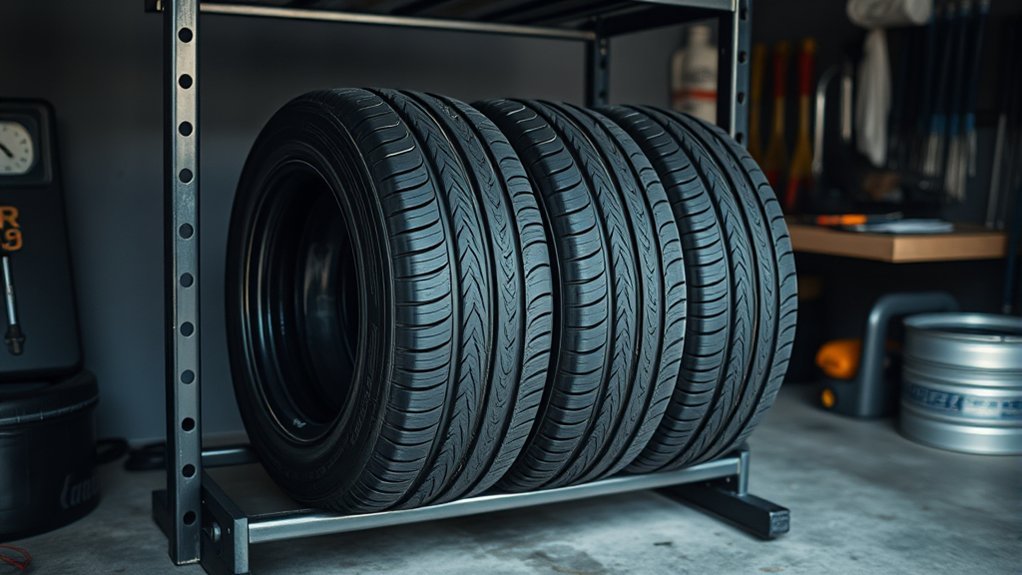
The best place to store tires is an indoor, cool, dry, dark, climate-controlled space. A dry basement, utility room, or climate-controlled workshop is usually better than a hot garage, damp shed, attic, balcony, or outdoor storage area.
A standard garage can work for short seasonal storage if it stays dry, shaded, and away from ozone sources. It is less ideal when it gets very hot, freezes for long periods, has direct sun through windows, or contains fuel, solvents, generators, compressors, battery chargers, or other equipment that can expose tires to heat, chemicals, or ozone.
Avoid direct sunlight, standing water, damp concrete, black asphalt, reflective surfaces, and large temperature swings. If the floor gets damp, place tires on a clean wooden pallet, shelf, or tire rack. Keep them away from heat sources, electric motors, furnaces, generators, sump pumps, and air compressors.
Outdoor storage is a poor long-term choice. If outdoor storage is unavoidable for a short time, raise the tires off the ground and use an opaque, waterproof cover with vent openings so you do not create a trapped-heat or trapped-moisture space. For seasonal swaps, a professional tire storage service is often safer than leaving tires outside.
Storage Mistakes to Avoid
Small storage mistakes can shorten tire life. Avoid these common problems:
- Storing tires in direct sun or near windows with strong sunlight.
- Leaving tires uncovered outdoors, on black asphalt, or in a damp shed.
- Sealing wet tires inside plastic bags.
- Using tire dressing before storage.
- Keeping tires near gasoline, oil, solvents, lubricants, pesticides, or harsh cleaning products.
- Keeping tires near electric motors, battery chargers, generators, compressors, furnaces, sump pumps, or welding equipment.
- Stacking heavy items on top of stored tires.
- Hanging unmounted tires from hooks.
- Driving on stored tires without checking the DOT date code and condition first.
[Products Worth Considering]
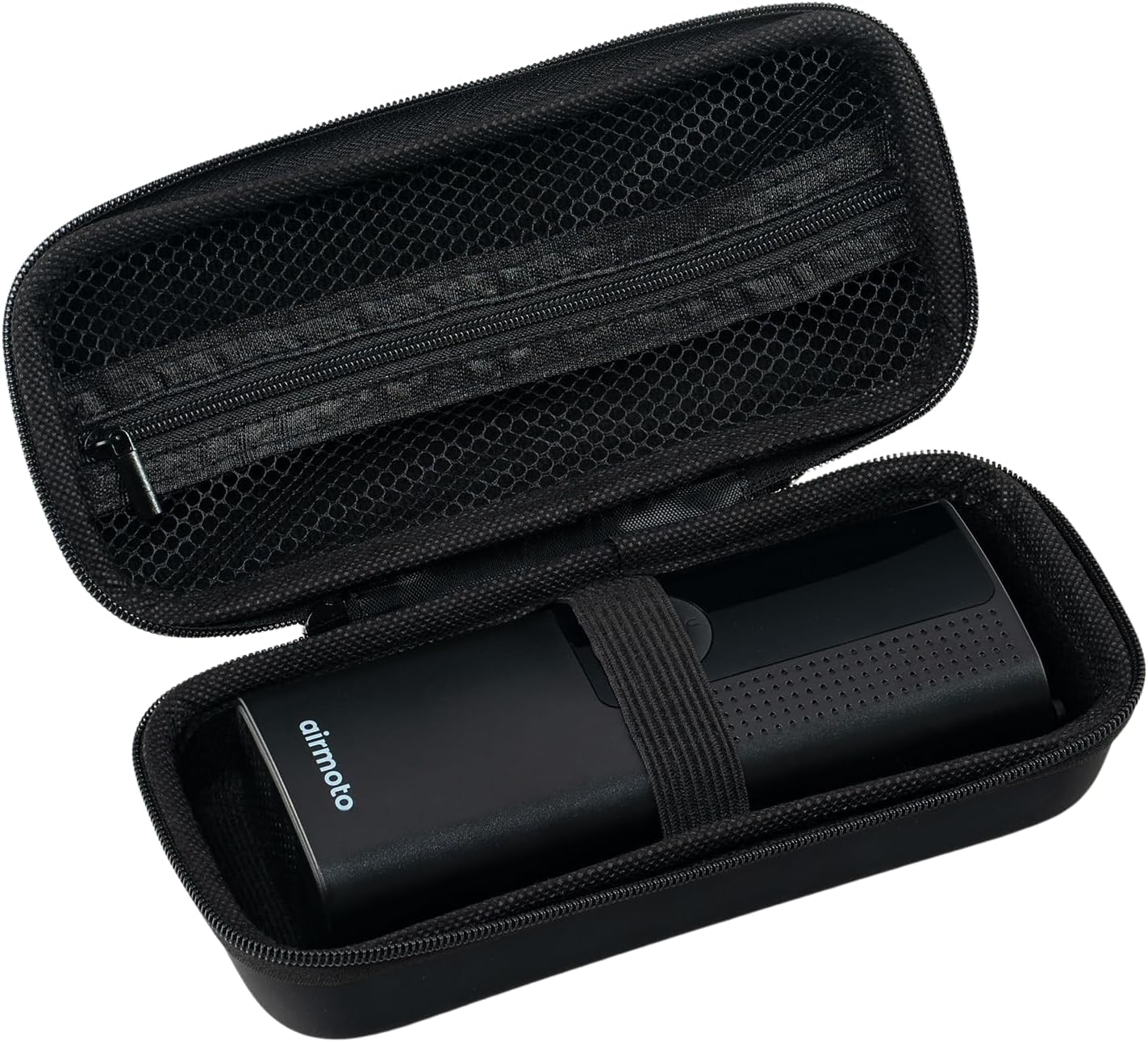
Protect and organize your Airmoto tire inflator with a purpose-designed carrying case made for a precise fit. The durable polyurethane shell and soft interior help guard against cuts, tears, and road wear, while a mesh pocket stores connectors and accessories. This travel box measures 7.5*3.5*2.8 inches and can work with most handheld portable air compressor models; this listing includes the case only.
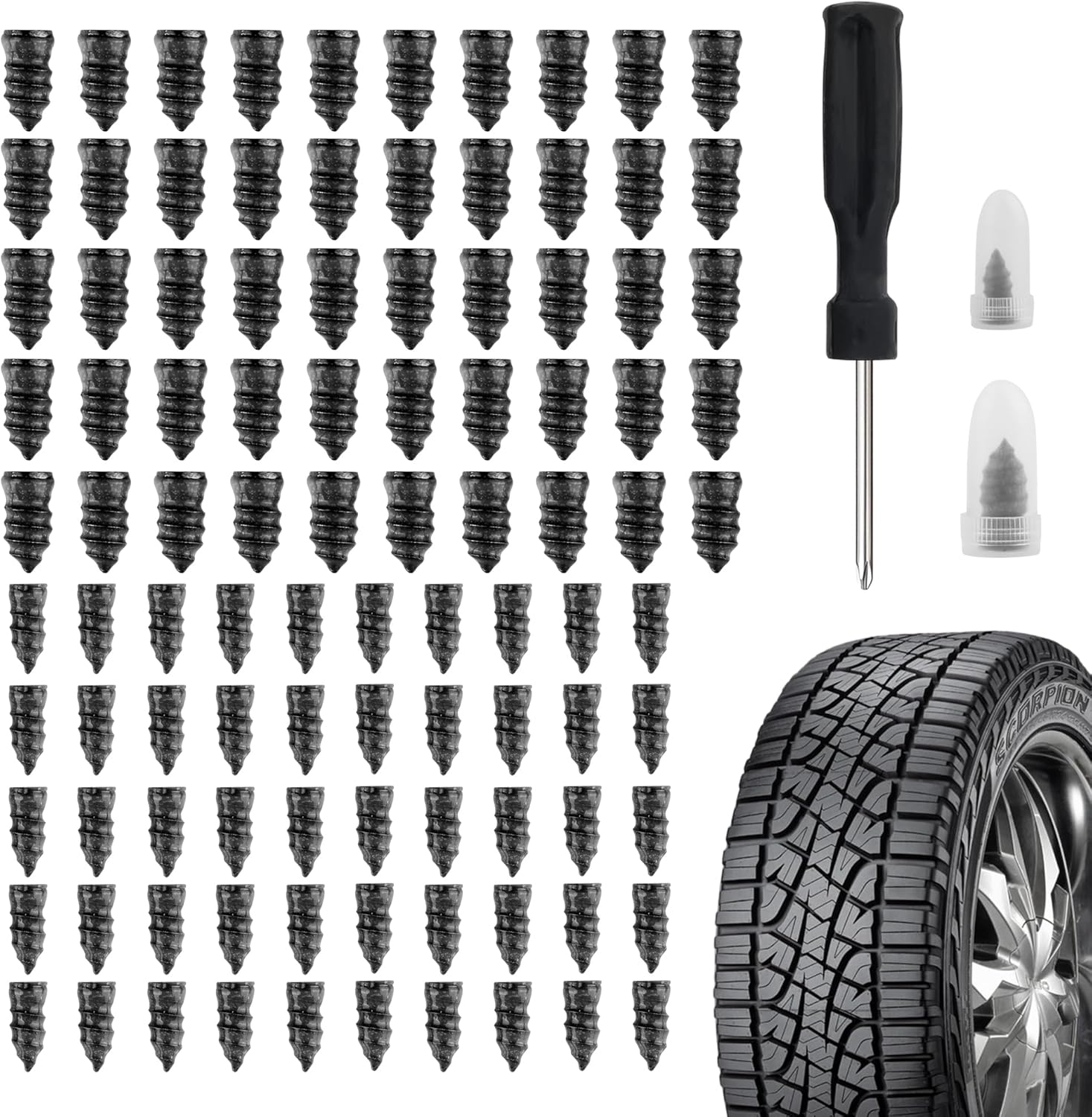
Salior’s tire plug kit provides a fast, reliable self-service fix for punctured or leaking tires without the need for flaring tools. Choose the correct plug size, then screw the nail into the puncture using the included screwdriver for an enhanced seal. The set is durable and convenient for on-the-go maintenance across multiple vehicle types.
How to Inspect Stored Tires Before Reuse
Always inspect stored tires before you reinstall them. NHTSA recommends regular tire checks that include inflation pressure, treadwear, and damage. It also warns that tire aging cannot always be detected simply by looking at the tire.
Use this checklist before putting stored tires back on a vehicle:
- Check the DOT date code. Confirm the tire’s manufacture week and year.
- Inspect the sidewalls. Look for cracks, cuts, bulges, bubbles, exposed cords, weather checking, or severe discoloration.
- Check the tread. Replace tires when tread reaches 2/32 inch, or sooner if wet traction has become poor.
- Inspect the bead area. Look for torn rubber, corrosion on mounted wheels, or damage where the tire seals against the rim.
- Look for flat spots. Minor flat spotting may disappear after driving, but severe vibration or lasting deformation needs professional inspection.
- Check pressure cold. Inflate tires to the vehicle manufacturer’s recommended cold pressure, not the maximum pressure molded on the tire sidewall.
- Watch for vibration or noise. If the vehicle shakes, pulls, or makes unusual tire noise after installation, stop using the tires and have them inspected.
When Should Stored Tires Be Replaced?
You should replace stored tires when age, condition, or performance makes them unsafe. Age alone can be enough to justify replacement, especially once tires reach the manufacturer’s recommended service limit.
Replace stored tires immediately if you find sidewall cracking, bulges, exposed cords, tread separation, bead damage, severe flat spots, or repeated pressure loss. Also replace any tire that has been stored near chemicals, soaked in water, exposed to long-term sunlight, or used after obvious cracking appears.
If a tire is more than 6 years old, inspect it carefully and consider a professional evaluation before use. If a tire is 10 years old or older, replacement is usually the safer choice, even if the tread looks deep. Spare tires follow the same aging logic because they can become unsafe from time, heat, and poor storage even when they have never been used.
What About Spare Tires?
Spare tires age even when they are rarely used. Trunk-mounted spares can face heat buildup, and underbody spares can face moisture, road grime, salt, and temperature swings. Check the spare tire’s DOT date, pressure, tread, and sidewalls at least when you check the rest of your tires.
Do not treat a full-size spare as a long-term replacement for a worn tire unless it is the correct size, correct type, properly inflated, and within safe age and condition limits. Compact temporary spares have their own speed, distance, and pressure limits, so follow the vehicle owner’s manual and the spare tire label.
Special Note for Performance Summer Tires
Performance summer tires can need extra care in cold storage because some compounds are more sensitive to low temperatures. Tire Rack advises that certain extreme performance summer tires should be stored indoors above 20°F and allowed to warm gradually to at least 40°F for at least 24 hours before they are flexed, mounted, adjusted, rolled, or driven if they were exposed to 20°F or lower.
Always check the tire manufacturer’s instructions for your exact tire model. When manufacturer guidance is stricter than general storage advice, follow the manufacturer’s instructions.
Frequently Asked Questions
Are 20 year old tires still good?
No. You should not use 20-year-old tires on the road. Rubber, belts, and internal components can weaken with age, even if the tread looks deep. Replace them instead of trying to drive on them.
Do tires go bad sitting in storage?
Yes. Tires can go bad while sitting in storage because rubber continues to age. Heat, sunlight, ozone, moisture, chemicals, and poor storage conditions can speed up cracking, hardening, and deformation.
Is it okay to use 7 year old tires?
A 7-year-old tire should not be used without a careful inspection. Check the DOT date code, tread depth, sidewalls, bead area, pressure retention, and any signs of cracking or bulging. If you are unsure, have a tire professional inspect it before driving.
How long do tires expire if not used?
Tires do not have one universal expiration date, but age still matters. Many tire and vehicle manufacturers recommend replacing tires at 6 to 10 years, regardless of treadwear. Use the DOT date code and condition check to decide when replacement is needed.
Should tires be stored inflated on rims?
Yes. If the tires are mounted on wheels, keep them inflated near the vehicle manufacturer’s recommended pressure and check them before reuse. Mounted tires can be stacked flat or hung from proper wheel hooks.
Can you store tires in plastic bags?
Yes. Opaque airtight plastic bags are a good storage method when the tires are clean and completely dry first. Remove as much air as practical, seal the bags tightly, and keep them in a cool, dry, dark indoor space.
Can I store tires in a garage?
A garage can work for seasonal storage if it stays dry, shaded, and away from heat, chemicals, and ozone sources. A climate-controlled basement, utility room, or workshop is usually better than a hot garage, damp shed, or attic.
Should tires be stacked or stored upright?
Mounted tire-and-wheel assemblies can usually be stacked flat or hung from wheel hooks. Unmounted tires are best stored upright at home and rotated occasionally. Do not hang unmounted tires from hooks because the bead area can distort.
How long can tires sit before dry rot?
There is no exact dry-rot timer because storage conditions matter. Tires stored in heat, sunlight, ozone, moisture, or chemical exposure can crack much faster than tires stored clean, dry, sealed, and indoors. Inspect stored tires before every reuse.
Conclusion
You can store tires safely only when you control the storage environment and respect the tire’s age. Clean and dry each tire, seal it in an opaque airtight bag, and store it indoors away from heat, sunlight, ozone, moisture, and chemicals. Before reuse, check the DOT date code, tread depth, sidewalls, bead area, pressure, and overall condition. If a stored tire is cracked, bulging, deformed, losing air, too old, or outside the tire or vehicle manufacturer’s guidance, replace it before you drive.
Sources
- NHTSA TireWise — tire aging, DOT date code, tread depth, tire pressure, spare tire aging, and replacement warning signs.
- U.S. Tire Manufacturers Association: TISB 23 No. 6 Tire Storage Recommendations — indoor/outdoor storage, ozone-source warnings, vehicle storage, flat spotting, and placing stored tires back in service.
- Tire Rack: How Do I Store Tires? — cleaning, drying, airtight bags, tire totes, cool dry storage, sunlight, and ozone-source guidance.
- Tire Rack: Performance Summer Tire Cold Storage — cold-storage cautions for certain extreme performance summer tires.
- Michelin: Storing My Tires — indoor storage, mounted vs. unmounted storage positions, ozone sources, outdoor short-term cautions, and tire position labeling.
- Continental Tires: Storing Tires — airtight bagging, no dressing, sun avoidance, chemical exposure, and storage location guidance.

Related Articles

Tire Balancing Weights: Types, Cost, and Why You Need Them
Precisely chosen tire balancing weights reduce vibration and wear, but which type fits your wheels and what it really costs may surprise you.
Read More
Tire Repair Kits: What’s Inside and How to Use One
Get the essentials of tire repair kits, learn how each tool works, and discover the simple steps that can save your trip.
Read More
How to Get More Miles Out of Your Tires: 10 Proven Tips
Maximize tire life with 10 proven tips that save money and boost safety—discover the simple habits that can add many more miles.
Read More