
Can You Repatch a Tire in the Same Spot? What Repair Rules Say
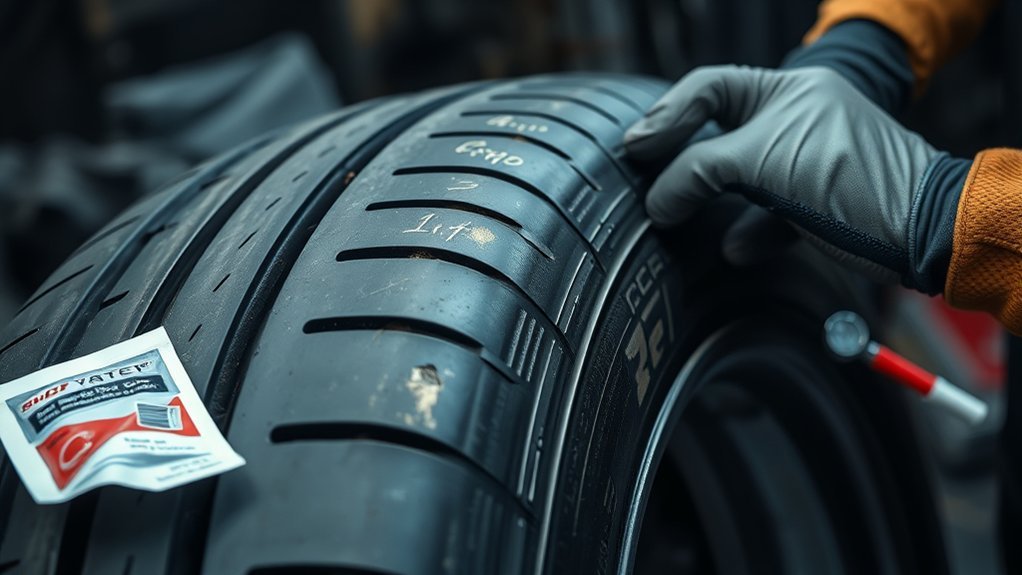
You generally should not repatch a tire in the same spot. A previous repair marks that puncture area as a weak point, and a second patch over the same injury can hide casing damage, leak again, or fail under heat and load. If the tire has a new puncture in a different part of the tread, a shop may be able to repair it only after removing the tire from the wheel and inspecting the inside.
Quick Answer
You usually cannot safely repatch a tire in the same spot. A tire may be repaired again only when the new puncture is separate, in the repairable tread area, no larger than 1/4 inch or 6 mm, and approved after an internal inspection. If the damage overlaps an old repair, replace the tire.
Key Takeaways
- Do not patch over an old patch, plug, or plug-patch repair.
- A tire can sometimes have more than one repair, but only in separate, non-overlapping tread punctures.
- Most passenger and light-truck tire puncture repairs are limited to the tread area and a puncture no larger than 1/4 inch or 6 mm.
- Sidewall damage, shoulder damage, bulges, exposed cords, and run-flat damage usually mean replacement, not repair.
- A permanent repair requires the tire to be removed from the wheel and inspected from the inside.
- If the old repair leaks, bulges, or sits near new damage, treat the tire as unsafe until a qualified technician checks it.
At a Glance
| Time Required | 10–20 minutes for a basic exterior check; longer if a tire shop removes and inspects the tire. |
| Difficulty | Basic for spotting leaks or bulges; professional service required for a proper internal repair decision. |
| Tools Needed | Tire pressure gauge, tread depth gauge, soapy water, flashlight, chalk or tape, and a tire shop inspection for internal damage. |
| Cost | Varies by shop, repair type, tire size, tire condition, and whether the tire must be replaced. |
Warning: Do not keep driving on a tire that leaks from an old repair, has a sidewall cut, shows a bulge, exposes cords, or was driven flat. Install the spare or call roadside help, then have the tire inspected before it goes back into service.
Can You Patch the Same Tire Twice?
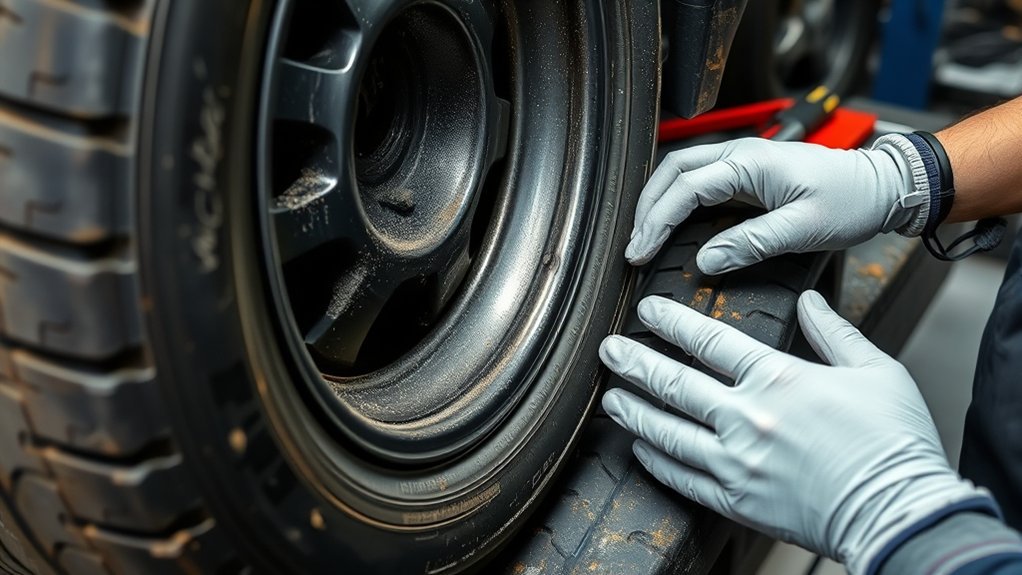
Yes, the same tire can sometimes be patched more than once, but not in the same puncture area. A second repair is only a possible option when the new puncture is in a separate part of the repairable tread, does not overlap an older repair, and the inside of the tire still looks sound.
The safer question is not just “Can this tire be patched again?” It is “Can this exact injury be repaired without weakening the tire?” A tire shop should remove the tire from the wheel, inspect the inner liner, check the repair location, and confirm that the puncture does not sit in the shoulder, sidewall, belt edge, or a previously repaired area.
For a lasting repair, many tire professionals use a combination plug-and-patch repair. That method fills the puncture channel and seals the inner liner. A quick external plug may slow a leak in an emergency, but it does not replace a proper internal inspection.
[Products Worth Considering]

This tire repair kit provides fast emergency puncture repair without removing the tire from the rim, helping you get back on the road quickly. Its screw plug system is designed for punctures in both tread and sidewall and includes a complete patch plug tool set with essential accessories. A portable storage bag makes it easy to carry for cars, trucks, SUVs, motorcycles, and heavy-duty applications.

This tire repair patch tool kit helps you quickly seal small punctures using upgraded mushroom plugs and a built-in roller system that presses for even penetration. The tungsten buffing wheel and HSS twist drill bits prepare the damaged surface for stronger adhesion, while the crown-angle friendly plugs are designed to keep water and debris out. Ideal for puncture repairs on many vehicle types, from cars and trucks to bikes and scooters.
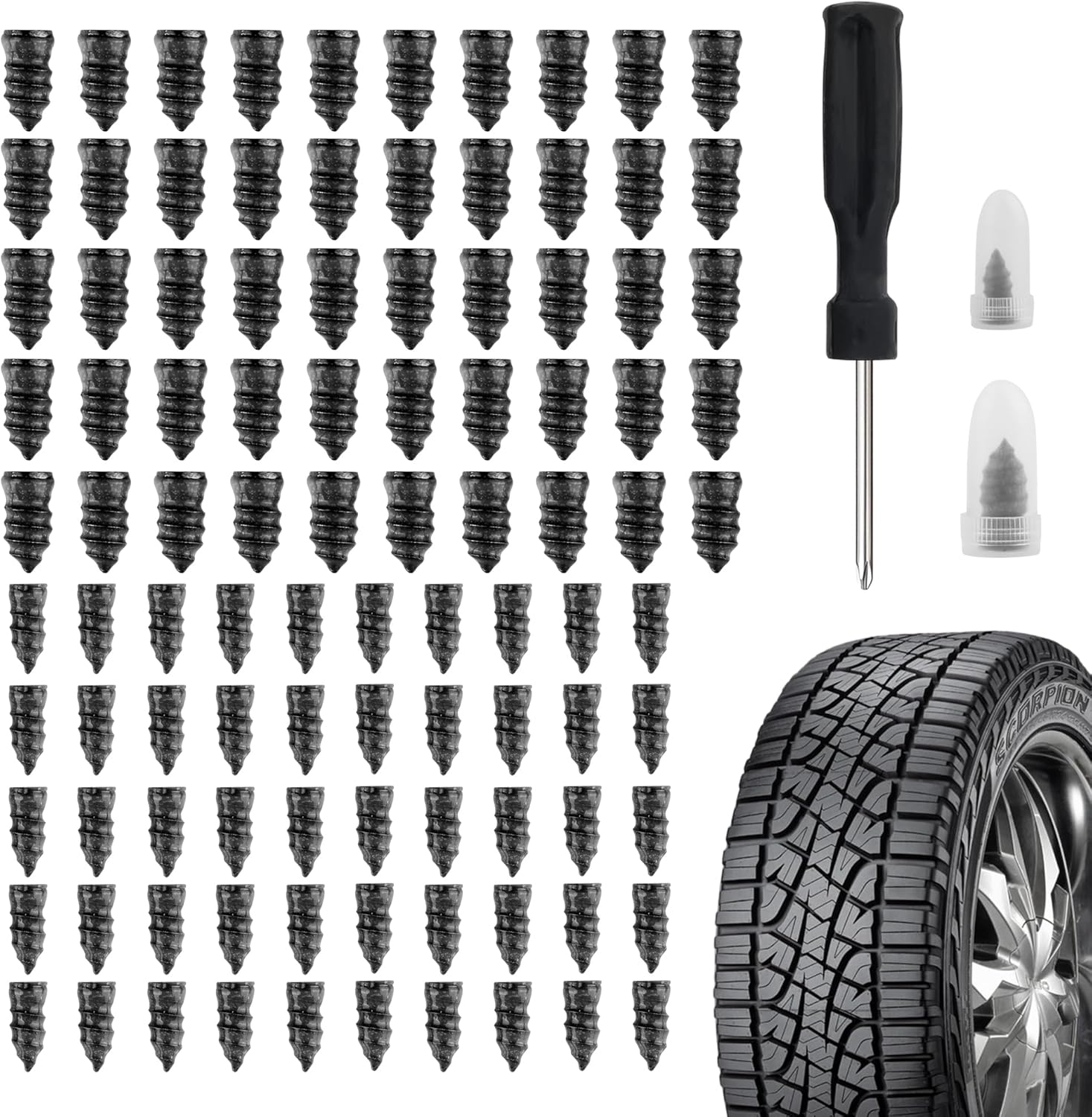
Salior’s tire plug kit provides a fast, reliable self-service fix for punctured or leaking tires without the need for flaring tools. Choose the correct plug size, then screw the nail into the puncture using the included screwdriver for an enhanced seal. The set is durable and convenient for on-the-go maintenance across multiple vehicle types.
What Counts as the Same Spot?
The “same spot” does not mean only the exact pinhole you can see from outside. It also includes any new injury that touches, crosses, crowds, or overlaps the old repair area inside the tire. If the new repair materials would sit on top of an old patch, plug, or plug-patch stem, the tire should not be repaired again.
Two punctures can also be too close even when they look separate from the tread side. The inner liner needs enough clean, undamaged surface for the repair unit to bond. If a technician cannot create a clean, non-overlapping repair area, replacement is the safer choice.
Tire Repair Rules Shops Use
Professional tire repair decisions follow more than a simple “does it hold air?” test. The U.S. Tire Manufacturers Association says tire repairs should be considered only when the damage is limited to the tread area and the puncture injury is no greater than 1/4 inch or 6 mm. The tire must also be removed from the rim so the inside can be inspected.
- Location: The puncture must be in the repairable tread area, not the shoulder, belt edge, or sidewall.
- Size: The puncture should not be larger than 1/4 inch or 6 mm for typical passenger and light-truck repair guidance.
- Overlap: The new repair must not overlap an old repair.
- Inspection: The tire must be removed from the wheel so the inner liner, casing, and old repair can be checked.
- Repair method: A proper permanent repair usually uses a stem to fill the injury channel and a patch to seal the inner liner.
- Tire policy: Some run-flat tires, speed-rated tires, and specialty tires have manufacturer-specific repair restrictions.
Note: If the tire was repaired with an outside-in string plug and never inspected from the inside, treat that repair as temporary until a qualified shop checks the tire.
Why You Shouldn’t Patch the Same Spot Twice
Patching the same spot twice stacks damage in one small area. The old repair can hide cracks, separated cords, exposed steel, or liner damage that you cannot see from the outside. Even if the tire holds air for a short time, the casing may no longer handle normal heat, speed, and load safely.
Same-Spot Damage Risks
A tire is built with layers of rubber, belts, cords, and an inner liner. When a nail, screw, or sharp object enters the tread, it cuts through those layers. A proper repair seals the injury, but it does not make that section brand new again. If air starts leaking from that repaired area later, the tire may have hidden movement, liner failure, or structural damage around the old repair.
- A second patch can fail to bond cleanly over the old repair area.
- Hidden belt or cord damage can spread beyond the visible puncture.
- Air can travel between tire layers and create a slow leak or separation.
- Moisture can enter the puncture channel and damage steel belts if the injury is not filled correctly.
- Heat and flexing can make a weak repair fail faster at highway speed.
Overlap Repair Limits
A repair should not overlap another repair. If the new injury touches the old patch, plug, or plug-patch area, the tire should be treated as unsafe for another repair. The same rule applies when two punctures sit so close that the repair materials would crowd each other or weaken the same section of tread.
Do not guess by looking only at the outside of the tire. The inner liner tells the real story. If a technician finds scuffing, cracks, loosened repair material, exposed cords, or liner separation, replacement is the safer choice.
Replace Instead of Repatch
Replacement is the right move when the damage overlaps an old repair, the old repair leaks, or the tire shows signs of internal weakness. A second patch in the same spot can give you false confidence while the casing continues to break down.
Note: If the tire lost a lot of pressure or was driven while flat, the inside may be damaged even when the outside looks normal.
When a Repaired Tire Is No Longer Safe
A repaired tire is no longer safe when the repair area leaks again, the puncture sits outside the repairable tread area, or the casing shows damage. You should also avoid repair when the tire is worn out, aged, badly cracked, or has already been damaged by underinflation.
Damage Outside the Repairable Tread Area
The repairable area is the central tread area, sometimes called the tire crown. It does not include the shoulder, belt edge, outer tread edge, or sidewall. The sidewall flexes constantly as you drive, and the shoulder carries heavy stress near the tread edge. A patch in those areas cannot restore the tire’s original strength.
Old Repair Leaks or Bulges
If you see bubbles from soapy water at an old repair, do not add another patch over it. A leak at the repair area can mean the bond failed, the puncture channel reopened, or air is moving through damaged layers. A bulge is even more serious because it can point to internal separation.
Multiple Punctures or Repeat Air Loss
Multiple repairs are not automatically unsafe, but they need careful spacing and inspection. If repair materials would overlap, the tire has several injuries in one small section, or the tire keeps losing pressure after repair, replacement is the safer choice.
Worn Tread or Old Tires
A tire near the wear bars is a poor repair candidate. NHTSA says tires should be replaced when the tread is worn down to 2/32 inch. Even before that point, severe cracking, uneven wear, exposed cords, or age-related rubber damage can make replacement safer than another repair.
How to Inspect a Repaired Tire for Hidden Damage
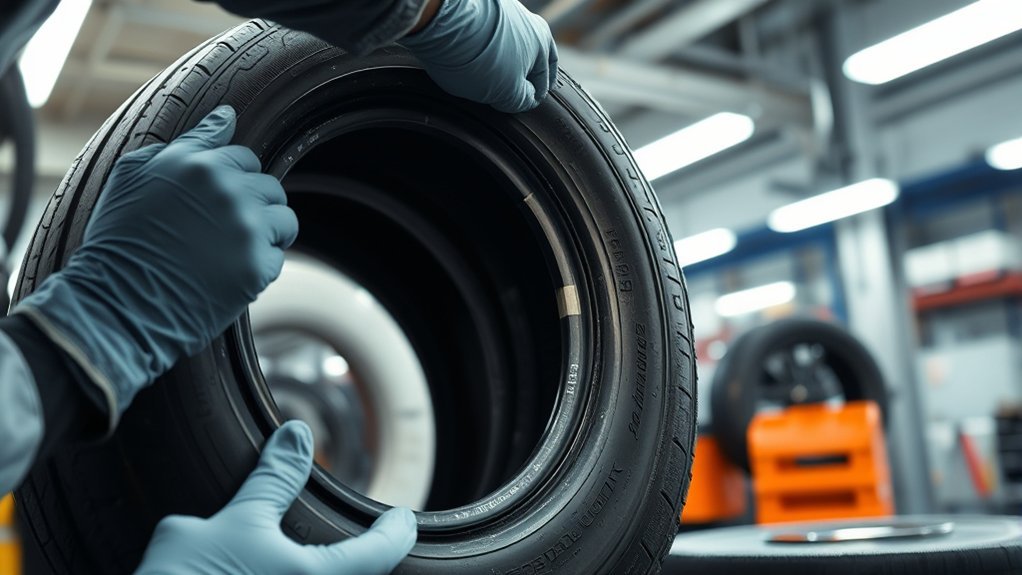
You can do a basic outside check at home, but a real repair decision needs an internal inspection. A qualified technician should remove the tire from the wheel so the inner liner, belts, and old repair can be checked closely.
- Check air pressure cold. Compare the reading with the vehicle placard, not the maximum pressure molded on the tire sidewall.
- Look for bubbles. Spray soapy water around the old repair, valve stem, bead, and suspected puncture area.
- Inspect the tread. Look for nails, screws, cuts, uneven wear, and any puncture close to the old repair.
- Check the sidewall and shoulder. Replace the tire if you see cuts, cracks, bulges, or impact damage in these areas.
- Measure tread depth. A tire near the legal wear limit is a poor repair candidate.
- Check the old repair history. Tell the shop whether the tire was repaired with a plug, patch, plug-patch, or roadside sealant.
- Ask for an internal inspection. The technician should check the inner liner for separation, exposed cords, loosened repair material, and run-flat damage.
Pro Tip: Mark the leak location with chalk or tape before you drive to the shop. That helps the technician compare the new leak with the old repair location.
What to Ask the Tire Shop Before a Second Repair
A second tire repair is a safety decision, not just a leak fix. Before you approve the work, ask clear questions so you know the shop checked the repair history and the inside of the tire.
- Will you remove the tire from the wheel and inspect the inner liner?
- Is the new puncture fully inside the repairable tread area?
- Is the puncture no larger than 1/4 inch or 6 mm?
- Does the new repair overlap or crowd the old repair?
- Will the repair fill the injury channel and seal the inner liner?
- Does this tire have run-flat, speed-rating, or manufacturer repair restrictions?
- Will you leak-test the repair before reinstalling the tire?
If the shop cannot answer these questions clearly, get another inspection. A proper repair should be based on what the technician sees inside the tire, not only on whether the tread leak can be plugged from the outside.
When a Tire Repatch Fails Inspection
A tire fails inspection when the new damage overlaps the old repair, sits outside the repairable tread area, or exposes deeper structural damage. At that point, another patch is not a safe fix.
- Replace the tire if the repair overlaps an old patch, plug, or plug-patch.
- Replace the tire if the puncture is in the shoulder, sidewall, or near the tread edge.
- Replace the tire if the puncture is larger than 1/4 inch or 6 mm.
- Replace the tire if the inner liner has cracks, separation, exposed cords, or heat damage.
- Replace the tire if the old repair leaks again after proper inflation.
- Replace the tire if it was driven flat long enough to damage the sidewall or inner liner.
- Replace the tire if the manufacturer’s repair policy does not allow the repair, especially on some run-flat or specialty tires.
Do not treat a failed repair as a small inconvenience. A tire that cannot hold pressure or maintain casing strength can fail suddenly, especially at highway speed or under heavy load.
[Products Worth Considering]
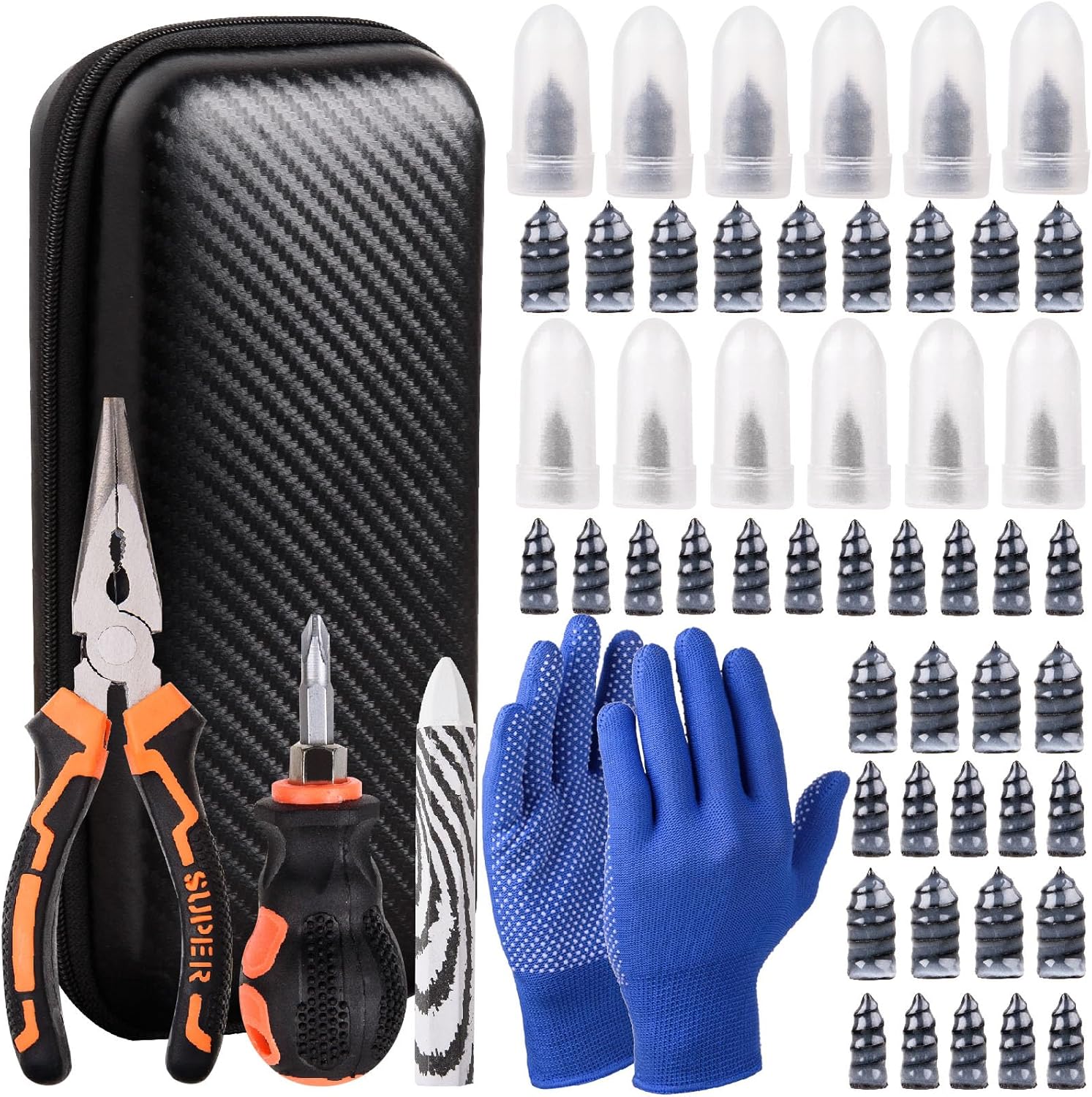
This tire sidewall puncture repair kit fixes flats fast without removing the tire, helping you get back on the road in minutes. It includes self-tapping repair nails, essential tools, gloves, and a portable storage bag for convenient roadside use. Designed for tubeless tires, it helps create a tight, leak-resistant seal for cars, motorcycles, trucks, SUVs, and ATVs.

Wykodra tire plugs provide quick vulcanizing repairs for tubeless tires, helping you seal punctures and get back on the road. The industrial-strength rubber creates a long-lasting, leak-resistant bond and is designed for emergency fixes without removing the tire. Choose between two standard plug sizes with color-matched options for small to larger damage across many vehicles and off-road uses.
Plug, Patch, or Replace: What to Choose
Your best option depends on the puncture location, puncture size, tire condition, and repair history. When the tire has already been repaired, the old repair location becomes part of the decision. The Tire Industry Association explains that a plug by itself or a patch by itself is not an acceptable permanent repair because each one solves only part of the problem.
| Option | Use It When | Avoid It When |
|---|---|---|
| External plug | You need a short-term emergency seal to reach a safe repair location. | You need a permanent repair, the tire has sidewall damage, or the old repair is leaking. |
| Patch-only repair | A technician is explaining why the inner liner must be sealed as part of the repair. | You need a complete permanent repair, because a patch alone does not fill the puncture channel. |
| Plug-patch combination | The puncture is in the repairable tread area, no larger than 1/4 inch or 6 mm, separate from old repairs, and the tire passes internal inspection. | The puncture is in the sidewall, shoulder, old repair zone, or damaged casing. |
| Replacement | The tire has overlapping damage, sidewall damage, bulges, exposed cords, run-flat damage, or repeat repair failure. | Only avoid replacement when a qualified inspection confirms the tire is safely repairable. |
If you are choosing between a second repair and a new tire, choose replacement whenever the repair history is unclear. A documented, inspected repair is very different from guessing over an old patch.
After a Second Approved Repair
If a qualified technician approves a separate second repair, monitor the tire closely afterward. Check cold tire pressure the next morning, then check it again after a few days. Use soapy water if you suspect a slow leak around the repair, valve stem, or bead.
A properly repaired tire may return to normal daily service, but avoid treating it like a brand-new tire. Before a long highway trip, confirm that pressure stays stable, no bubbles appear, no bulge forms, and tread depth is healthy. If the tire is speed-rated, remember that some manufacturers do not confirm that a repaired tire keeps its original high-speed capability. Tire Rack also advises against using repaired street tires for track events.
When Replacement Is the Safer Option
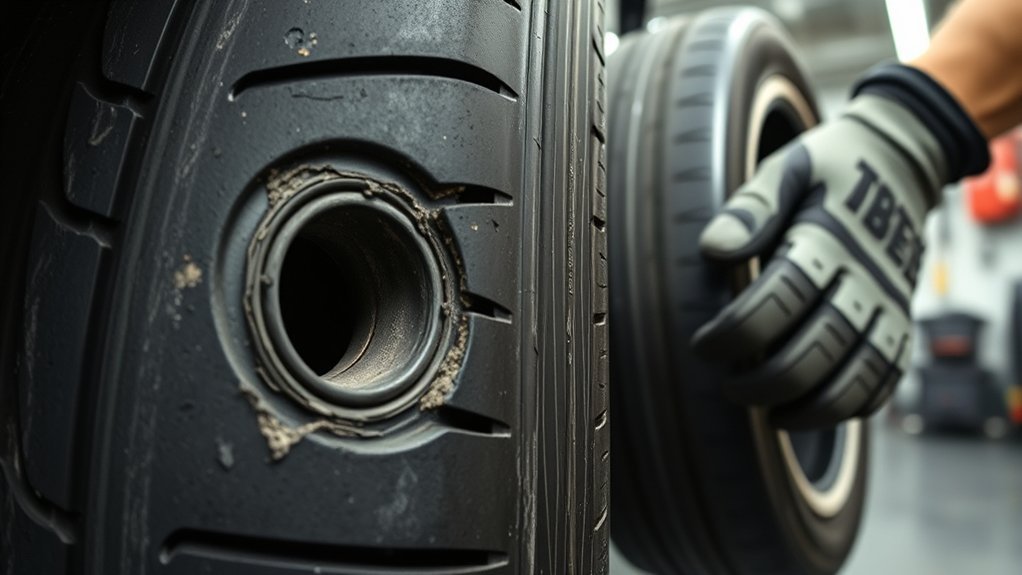
Replacement is safer when the tire has damage near an existing repair, a sidewall injury, a shoulder puncture, internal liner damage, exposed cords, or evidence that it was driven while flat. These problems affect the tire’s structure, not just its ability to hold air.
Also replace the tire if it is too worn, has weather cracking, shows a bulge, or keeps losing pressure after repair. A tire can look acceptable from the outside and still be damaged inside, so do not rely on appearance alone.
A tire that leaks from an old repair is not asking for another patch. It is asking for inspection.
Frequently Asked Questions
Can you patch a tire twice in the same spot?
No. You should not patch a tire twice in the same spot. Overlapping repair material can hide damage, weaken the old repair area, and fail to seal the puncture properly. If the same spot leaks again, replace the tire or have a qualified technician inspect it before any decision.
Can you repatch a tire that has already been patched?
Sometimes, but only when the new puncture is separate from the old repair, stays in the repairable tread area, is no larger than 1/4 inch or 6 mm, and passes an internal inspection. You should not repatch over an old patch, plug, or plug-patch.
How many times can one tire be repaired?
There is no safe universal number because the decision depends on spacing, puncture size, tire condition, and manufacturer policy. More than one repair may be possible only when every repair is separate, non-overlapping, inside the repairable tread area, and approved after internal inspection.
How far from an old patch does a new puncture need to be?
The key rule is that the repair units must not overlap or crowd each other. A technician needs to inspect the inside of the tire and confirm there is enough clean, undamaged liner area for a proper bond. If the repairs would overlap, replace the tire.
Is it safe to repatch a tire?
It is safe only when a trained tire technician confirms that the new damage is repairable and does not overlap a previous repair. Same-spot repatching, sidewall damage, shoulder damage, exposed cords, bulges, and run-flat damage are strong signs that replacement is safer.
Can you drive 400 miles on a patched tire?
You should not judge a patched tire by mileage alone. A properly repaired tire that passes inspection may be usable for normal driving, but a tire with an old leak, repeated repair, sidewall damage, pressure loss, or unclear repair history should not be trusted for a long trip.
Is a plug enough for a permanent tire repair?
No. A plug alone may help in an emergency, but it does not replace a full internal inspection or a complete repair. A proper permanent repair usually seals the inner liner and fills the puncture channel, which is why many shops use a combination plug-and-patch repair for repairable tread punctures.
Can a run-flat tire be repatched?
Maybe, but it depends on the tire manufacturer’s repair policy and how far the tire was driven with low or zero pressure. Many run-flat tires need extra caution because pressure-loss driving can damage the inner liner and sidewall. Ask the shop to follow the tire maker’s repair rules.
Should you pull the nail or screw out before going to the shop?
Usually, no. Pulling the object can make the tire lose air faster. If the tire is still holding pressure, mark the location and drive slowly to a nearby repair shop. If pressure is low or falling quickly, install the spare or call roadside help.
What should you do if an old tire patch starts leaking?
Stop treating it as a simple slow leak. Check pressure, avoid high-speed driving, and have the tire removed from the wheel for inspection. If the old repair area is leaking, bulging, cracked, or close to new damage, replacement is the safer choice.
Sources
- U.S. Tire Manufacturers Association: Tire Repair Basics — repairable tread-area limits, internal inspection, no-overlap rule, and plug-plus-patch guidance.
- U.S. Tire Manufacturers Association: Puncture Repair Procedures for Passenger and Light Truck Tires — 1/4-inch repair limit, shoulder and belt-edge warnings, and repair procedure details.
- Tire Industry Association: Tire Repair — technician inspection, temporary plug warning, repairable crown area, and 2/32-inch tread-depth repair warning.
- National Highway Traffic Safety Administration: TireWise — tire pressure, tread depth, tire condition, and replacement guidance.
- Tire Rack: Can Flat Tires Be Repaired? — internal inspection, plug-patch repair method, sidewall restrictions, and speed-rated tire cautions.
- Discount Tire: Tire Repair — practical repairability checklist, inside-and-out inspection, and non-repairable damage examples.
Conclusion
You can sometimes patch the same tire more than once, but you should not repatch a tire in the same spot. A second repair must be separate, non-overlapping, inside the repairable tread area, no larger than 1/4 inch or 6 mm, and approved after an internal inspection. If the old repair leaks, the sidewall is damaged, cords are exposed, or the tire was driven flat, replace the tire. A tire repair should restore safe air retention and casing strength, not just hide a leak for a few more miles.

Related Articles
Tire Balancing Weights: Types, Cost, and Why You Need Them
Precisely chosen tire balancing weights reduce vibration and wear, but which type fits your wheels and what it really costs may surprise you.
Read More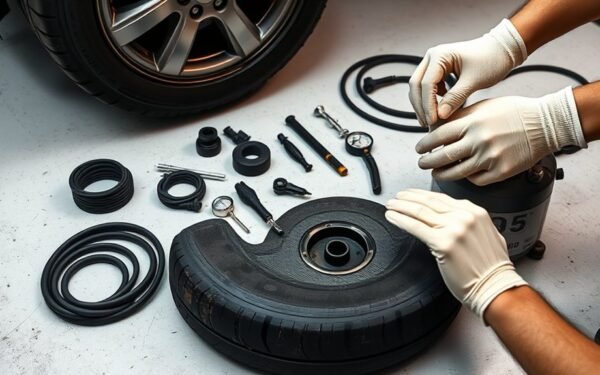
Tire Repair Kits: What’s Inside and How to Use One
Get the essentials of tire repair kits, learn how each tool works, and discover the simple steps that can save your trip.
Read More
How to Get More Miles Out of Your Tires: 10 Proven Tips
Maximize tire life with 10 proven tips that save money and boost safety—discover the simple habits that can add many more miles.
Read More