
Are Tire Caps Necessary? Why Every Tire Needs a Valve Cap
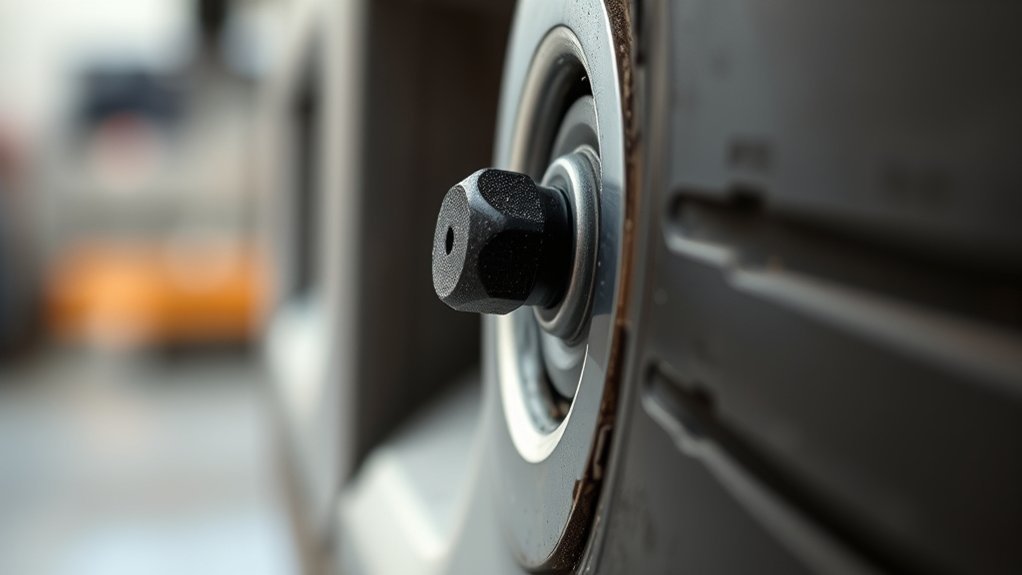
Yes, tire valve caps are necessary, but not because they are the main part holding air in your tire. The valve core does that job. The cap protects the valve core from dirt, moisture, grit, and road salt, which helps reduce the chance of contamination, corrosion, and slow pressure loss over time.
Quick Answer
Tire valve caps are necessary because they keep dirt and moisture out of the valve stem. The valve core holds air, while the cap protects that core and can act as a backup seal if the core starts leaking. Replace missing caps promptly.
Key Takeaways
- Tire valve caps keep dirt, moisture, grit, and road salt away from the valve core.
- The valve core is the primary air seal; the cap is protection and backup sealing support.
- A missing cap will not instantly flatten a healthy tire, but it raises the risk of contamination and slow leaks.
- Plastic sealing caps are usually the safest everyday choice, especially on many TPMS valve stems.
- Check caps whenever you check tire pressure, after tire service, and before long trips.
Last updated: July 7, 2026
At a Glance
| Time Required | 30 seconds to check all four caps; 1 to 2 minutes to replace missing caps |
| Difficulty | Very easy |
| Tools Needed | Replacement valve caps and a reliable tire pressure gauge |
| Cost | Low; basic replacement caps are inexpensive and widely available |
What Do Tire Valve Caps Actually Do?
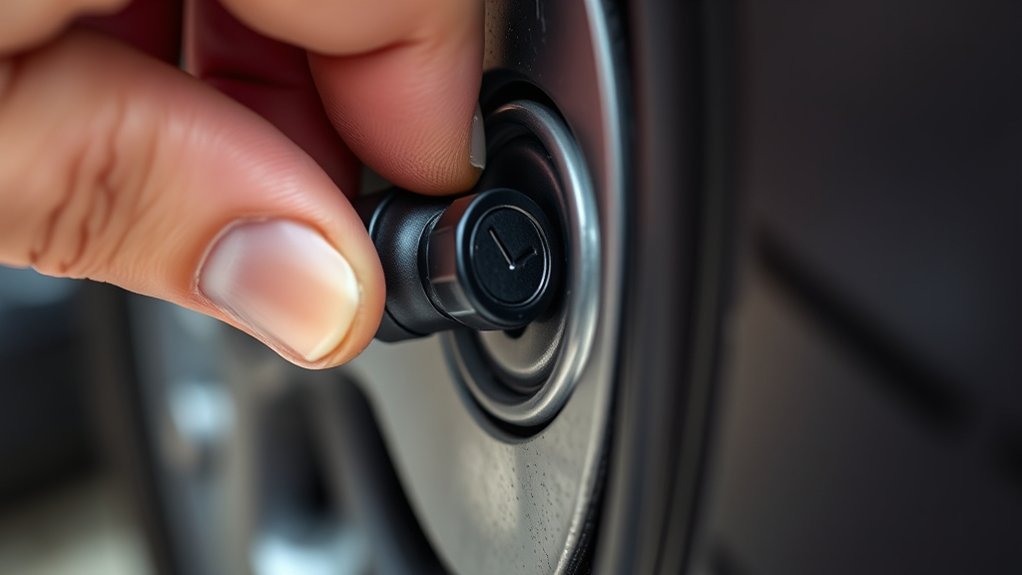
Tire valve caps cover the threaded end of the valve stem. Their main job is to keep dirt, dust, grit, moisture, and road salt away from the valve core. Michelin describes a tire valve as the part that lets air in or out, with a valve cap to keep out dirt and moisture and a valve core to prevent air from escaping.
That distinction matters. The valve core is the primary seal. The cap is a protective cover that helps the valve core keep doing its job. When the cap has a rubber washer or O-ring, it can also work as a secondary seal if the valve core starts to leak slightly.
Without the cap, debris can collect around the valve pin. Moisture can also reach the metal parts inside the stem. Over time, that contamination can make pressure checks harder, encourage corrosion, or contribute to slow air loss.
Valve caps also make routine tire care easier. When the valve opening stays clean, you can check pressure with less risk of pushing grit into the valve core. If you need a gauge, this related guide to tire pressure tools can help you compare common options.
[Products Worth Considering]

Upgrade your tires with authentic 40mm caliber bullet-shaped stem caps designed to help keep inflation consistent and secure. The patented insert helps protect TPMS and the lacquer coating resists tarnishing for a stylish look. Easy to install on standard Schrader valve stems, these caps fit cars, trucks, SUVs, motorcycles, BMX and bicycles.
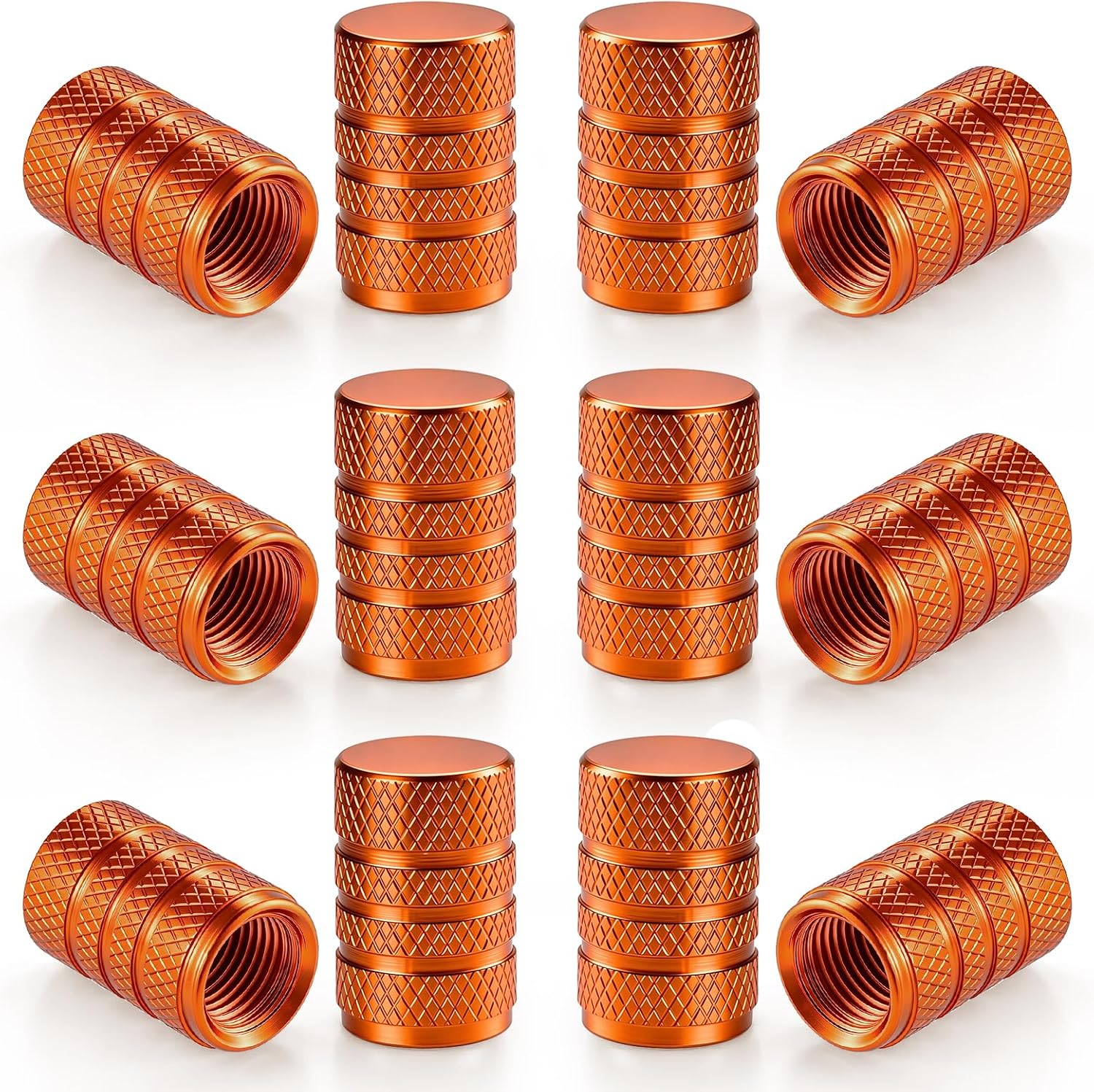
Upgrade your vehicles with these universal aluminum alloy tire valve stem caps designed to help keep dust out and maintain stable tire pressure. Each cap features an internal rubber seal for long-lasting leak protection and features an easy screw-on installation that won’t damage the valve stem threads. Suitable for cars, trucks, motorcycles, and bicycles, they also add a personalized decorative touch to your wheels.

Upgrade your ride with Tactilian American Flag tire valve stem caps featuring a subdued USA design and matte black aluminum look. The set of four includes rubber O-rings for a leakproof fit and is suitable for cars, trucks, bikes, motorcycles, and other wheels. Show patriotism while keeping valve caps secure and stylish.
Are Tire Valve Caps Necessary for Safe Driving?
Yes, tire valve caps are necessary for good tire maintenance and safer driving. A missing cap will not usually cause an instant flat tire if the valve core is healthy. Still, it leaves the valve exposed to the exact dirt and moisture that caps are meant to block.
That matters because tire pressure affects vehicle safety, tire wear, and fuel use. The National Highway Traffic Safety Administration says underinflated tires reduce fuel economy, and proper inflation can help tires last longer. Valve caps support that maintenance by protecting the valve stem and valve core from contamination.
Think of the cap as a small part with a protective job. It does not replace pressure checks. It does not repair a puncture. It does not fix a bad valve core. But it does reduce avoidable exposure, which helps your tire system stay cleaner and easier to maintain.
Note: If one tire keeps losing pressure, do not assume a new cap will solve it. Have the tire, valve core, valve stem, wheel, and bead area checked by a tire professional.
What Happens When Tire Valve Caps Go Missing?
When valve caps go missing, the valve stem is exposed. Dirt can build up around the valve pin, moisture can reach the valve core, and road salt can speed up corrosion in harsh climates. That exposure increases the risk of slow leaks and future valve service problems.
A healthy valve core can still hold air without a cap for a short time. That is why a missing cap does not always create an emergency. The risk grows when the valve remains uncovered for days, weeks, or winter driving conditions.
You may notice one tire needing air more often than the others. You may also see corrosion, a stuck valve cap on another wheel, or a TPMS warning if pressure drops far enough. In those cases, replace the missing cap and check pressure with an accurate gauge.
Proper tire inflation is not just a comfort issue. NHTSA links proper inflation with fuel savings, longer tire life, and safer tire maintenance.
Do Tire Valve Caps Hold Air In?
The valve core holds air in the tire. The cap helps protect the valve core and may provide backup sealing support, especially if it has an internal rubber washer or O-ring. This is why a quality cap is better than a loose, cracked, or missing one.
Tire Rack notes that valve cores should be protected from grit, sand, and moisture because contamination can interfere with sealing. It also notes that caps with rubber washers or O-rings can seal the valve more completely.
Still, you should not rely on a cap to compensate for a bad valve core. If you hear air escaping, see bubbling during a leak test, or lose pressure repeatedly, the tire needs inspection. A new cap can protect the valve, but it cannot make a damaged valve core safe.
How Do Tire Valve Caps Help Keep Pressure Stable?
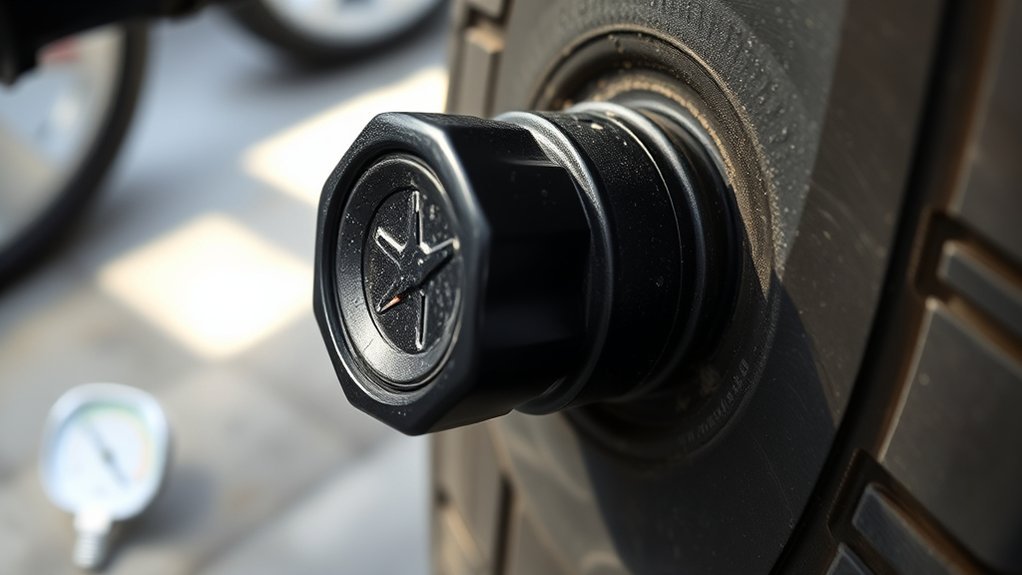
Tire valve caps help keep pressure stable by protecting the valve core from contamination. Clean valve parts are less likely to develop sealing problems caused by grit, moisture, corrosion, or road debris.
That pressure stability supports better tire care. Properly inflated tires roll more efficiently, wear more evenly, and respond more predictably. Underinflation can increase heat buildup and tire stress, so regular pressure checks still matter even when every cap is installed.
For best results, check pressure when tires are cold. Bridgestone recommends using the vehicle maker’s recommended cold PSI, usually found on the driver-side door jamb or in the owner’s manual. After checking or adding air, reinstall each cap snugly by hand.
Which Tire Valve Caps Should You Buy?
The best tire valve caps for most drivers are simple plastic sealing caps that fit standard Schrader tire valves. They are lightweight, corrosion-resistant, and safe for everyday use on most cars, SUVs, trucks, and motorcycles.
Look for caps with an internal rubber seal or O-ring. That small gasket improves the cap’s backup sealing role and helps keep moisture away from the valve core. A universal Schrader fit is usually correct for passenger vehicles, but always match the cap to your valve type.
Metal caps can be durable and attractive, but they need more care. On vehicles with aluminum TPMS valve stems, the wrong metal cap can seize or contribute to galvanic corrosion. Schrader TPMS specifically recommends a securely tightened plastic sealing valve cap to help prevent valve damage and galvanic corrosion on vulnerable valve stems.
Warning: Avoid cheap metal caps on aluminum TPMS valve stems unless the cap is designed for that application. If a cap feels stuck, do not force it with pliers because you can damage the stem or TPMS sensor.
If you want a low-risk choice, buy a small pack of black plastic sealing caps and keep a few extras in the glove box. If you prefer styled caps, choose corrosion-resistant caps with a proper inner seal and check them often. This related page on inner liners or O-rings may help you understand the features to compare.
[Products Worth Considering]

These JUSTTOP valve stem caps help protect your tire valves from water, dust, and sand to support leak prevention and safer driving. They are easy to install by hand and feature a durable, enhanced-seal design to reduce air leakage. Universal fit makes them suitable for cars, SUVs, trucks, motorcycles, and bicycles.

Upgrade your Toyota tire setup with these corrosion-resistant, leak-proof valve stem caps designed to help protect the valve core from water, snow, and road grime. The caps feature a snug rubber seal and durable copper alloy construction to resist rust and oxidation while maintaining stable tire pressure. Ideal for replacing worn original caps and keeping your wheels looking clean and stylish.
How to Replace a Missing Tire Valve Cap
Replacing a missing tire valve cap is simple, but you should still do it carefully. Use the steps below so you do not trap grit inside the valve area.
- Park safely on level ground and let the tires cool if you plan to check pressure.
- Inspect the valve stem for dirt, cracks, corrosion, or signs of damage.
- Clear loose debris gently from around the valve opening. Do not push dirt into the valve core.
- Check tire pressure with a reliable gauge and adjust to the vehicle maker’s recommended cold PSI.
- Install the cap by hand until it is snug. Do not overtighten it.
- Repeat on all tires, including the spare tire if it has an accessible valve stem.
Pro Tip: Keep four spare plastic sealing caps in your glove box. If a cap disappears after an air-pressure check or tire service, you can replace it immediately.
What Tire Valve Caps Cannot Fix
A tire valve cap is useful, but it is not a repair part for every pressure problem. It cannot fix a nail puncture, cracked rim, leaking bead, damaged valve stem, failed TPMS seal, or worn valve core.
Do not ignore repeat pressure loss just because the cap is installed. Michelin advises having the tire, wheel, and valve checked if you need to add air every few days. Slow leaks need diagnosis, not just a new cap.
Also, do not use decorative caps that are too heavy or poorly fitted. Continental advises using appropriate valve caps and not attaching extra weight to the valve mouth or cap. A cap should protect the valve, not stress it.
What Should You Check After Tire Service?
After tire service, do a quick inspection before you drive away. Check that every tire has a valve cap and that each cap is snug by hand. Also inspect the valve stems for cracks, bends, or corrosion.
Next, check tire pressure with a reliable gauge. Confirm each tire matches the recommended cold PSI on the vehicle placard or owner’s manual. If the tires are hot after driving, follow the tire maker’s guidance and recheck when cold.
Look at the rims for fresh dents, scratches, or bead-area damage. Make sure the TPMS light is off after service. If the light flashes or stays on, ask the shop to confirm that the sensors were serviced, relearned, or repaired correctly.
A portable inflator can make pressure corrections easier after seasonal temperature changes or long trips. If you need one, this related guide to a portable tire inflator may help you compare common features.
Frequently Asked Questions
Is it okay to not have tire caps?
You can usually drive a short time without a tire valve cap if the valve core is healthy, but you should replace the cap as soon as possible. The cap keeps dirt and moisture away from the valve core and helps reduce the chance of corrosion, contamination, and slow leaks.
What is the 3 tire rule?
The “3 tire rule” is not a standard tire-maintenance rule for valve caps. You should have caps on all four road tires, not just three. Also check the spare tire if it has an accessible valve stem. If one cap is missing, replace it instead of treating three caps as good enough.
How long can a tire go without a cap?
A tire with a healthy valve core may hold air for days or longer without a cap, but leaving it uncovered is not smart. Dirt, water, grit, and salt can reach the valve core. Replace the cap promptly, especially in rain, snow, mud, or salty winter conditions.
What happens if the tire pressure caps are missing off of a tire?
If the tire pressure caps are missing, the valve stem is exposed. Dirt and moisture can collect around the valve core, which can contribute to corrosion or slow air leaks. Check the tire pressure, install a new cap, and monitor that tire for repeat pressure loss.
Are plastic or metal tire valve caps better?
Plastic sealing caps are usually best for everyday driving because they resist corrosion and are safe for many TPMS valve stems. Metal caps can work if they are designed for your valve type and include a rubber seal, but the wrong metal cap can seize on some aluminum stems.
Can a valve cap stop a tire leak?
A sealing valve cap may slow a very small leak from a weak valve core, but it should not be treated as the repair. If a tire keeps losing air, have the tire, valve core, valve stem, wheel, and bead seal inspected by a qualified tire technician.
Conclusion
Tire valve caps are small, cheap, and easy to overlook, but they do an important job. They protect the valve core from dirt, moisture, salt, and grit. That protection helps reduce avoidable valve problems and supports more reliable tire-pressure maintenance.
Use plastic sealing caps for most daily driving, be careful with metal caps on TPMS stems, and replace missing caps right away. Then keep checking tire pressure with a reliable gauge. A valve cap is not the whole tire-safety system, but it is a simple part you should not ignore.
Sources
- Michelin Tire Glossary — supports the difference between the valve cap and valve core.
- Michelin FAQs — supports keeping valve caps on tires and checking valves during tire inspections.
- NHTSA: Safety and Savings Ride on Your Tires — supports tire-pressure safety, fuel-economy, and tire-life claims.
- Bridgestone: How to Check Tire Pressure — supports cold-PSI checking and pressure-gauge guidance.
- Schrader TPMS: Serviceable vs. Replaceable TPMS Components — supports TPMS valve-stem exposure, corrosion, and plastic sealing-cap guidance.
- Tire Rack: Tire Valve Stem Types, Components, and Uses — supports valve core, valve cap, O-ring, and contamination details.

Related Articles
Slashed Tire or Blowout? How to Tell the Difference
A slashed tire or blowout? Spot the clues fast, but one subtle sign could change everything.
Read More
How to Break a Car Window in an Emergency Safely
After an emergency, a few simple moves can break a car window safely—but one crucial choice could change everything.
Read More
How to Buy Car Insurance: Coverage Guide for Beginners
Choose the right car insurance coverage and compare smarter to avoid costly gaps—discover the key details beginners often miss.
Read More