
How Tall Is a 245 75R17 Tire? Exact Height, Width & Dimensions
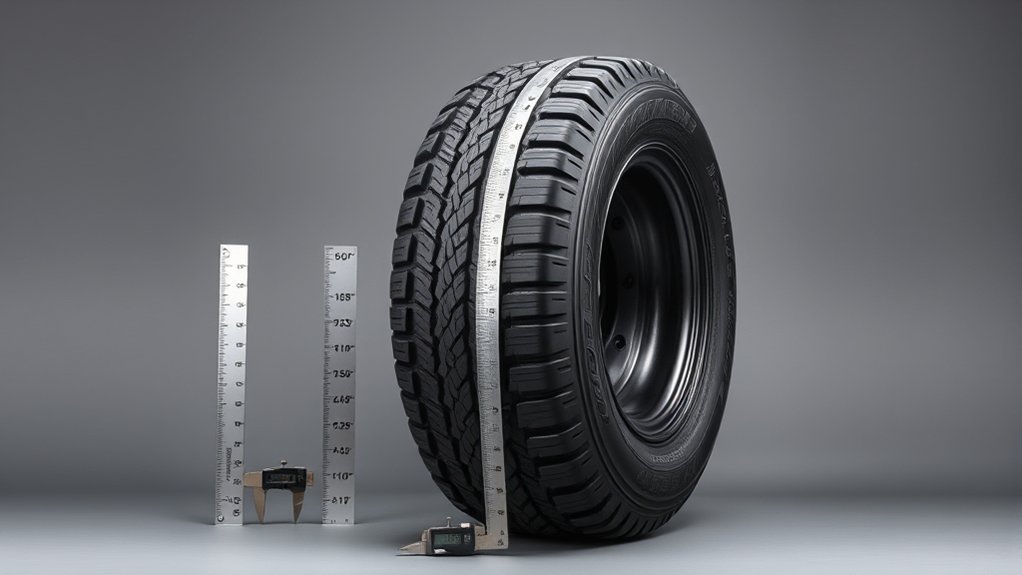
A 245/75R17 tire is about 31.5 inches tall, 9.6 inches wide, and built for a 17-inch wheel. Its sidewall is roughly 7.2 inches tall because the 75 aspect ratio means the sidewall height equals 75% of the 245 mm section width. Those numbers make this size common on trucks, SUVs, and light-truck applications, but exact fitment still depends on your vehicle, wheel width, load rating, and clearance.
Quick Answer
A 245/75R17 tire is about 31.5 inches tall, 9.6 inches wide, and has a 7.2-inch sidewall. It fits a 17-inch wheel and has a nominal circumference of about 98.8 to 98.9 inches, or roughly 641 revolutions per mile.
Key Takeaways
- A 245/75R17 tire is about 31.5 inches tall overall.
- Its section width is 245 mm, or about 9.6 inches.
- Its sidewall height is about 183.75 mm, or roughly 7.2 inches.
- It mounts on a 17-inch wheel, but the approved rim-width range can vary by tire model and LT/P-metric construction.
- Before installing this size, check wheel-well clearance, load index, speed rating, and the tire pressure listed on your vehicle’s placard.
245/75R17 Specs at a Glance
At a Glance
| Overall Diameter | About 31.5 inches / 799 mm |
| Section Width | 245 mm / about 9.6 inches |
| Sidewall Height | About 7.2 inches / 183.75 mm |
| Wheel Diameter | 17 inches |
| Circumference | About 98.8 to 98.9 inches |
| Revolutions Per Mile | About 641 nominal revs/mile |
[Products Worth Considering]

Secure bicycle wheels with these adjustable bike rack straps designed to keep tires from spinning during transportation and storage. The nylon straps provide dependable grip with slip resistance, while the durable hook and buckle help maintain a snug fit. Each set includes four 24-inch straps and offers flexible use for other gear like ropes, hoses, mats, and more.

These cute duck tire valve caps glow in the dark after absorbing sunlight, adding a fun, personalized look to your ride. Made with titanium alloy and resin for durability, they help protect the valve core by isolating air and shielding against dust, water, and oil. Universal fit makes them suitable for cars, motorcycles, trucks, and bicycles.

This professional wheel and tire cleaning brush kit helps you scrub rims, hubs, spokes, and tires with scratch-free, ultra-fine bristles. The brushes can bend 360 degrees for deep reach into crevices, bolts, and intricate wheel details, while the kit supports both wet washing with cleaners and dry dust removal. Easy to rinse, quick to air-dry, and designed for convenient maintenance with hanging holes.
How Tall Is a 245/75R17 Tire?
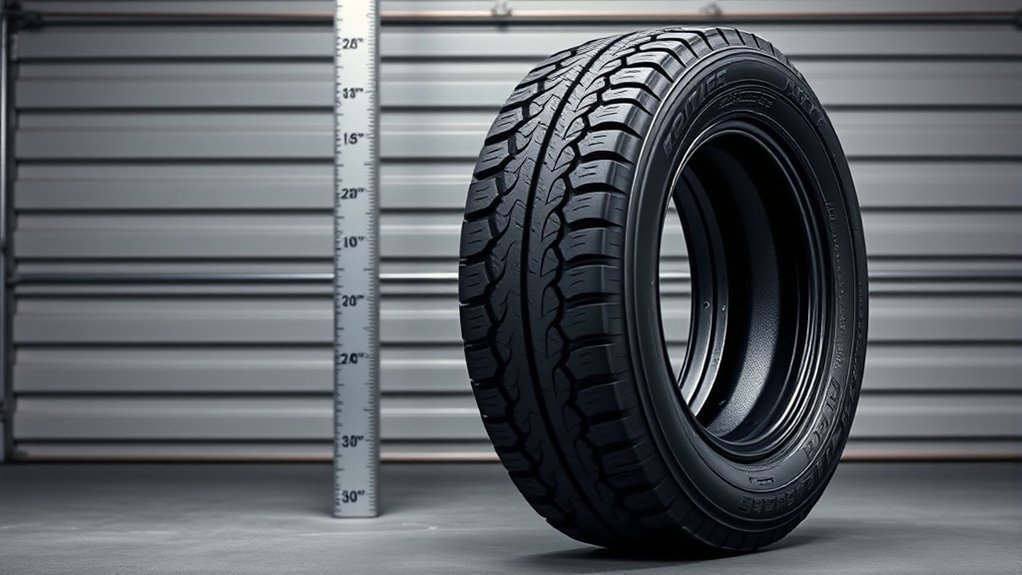
A 245/75R17 tire stands about 31.5 inches tall, or roughly 799 to 800 mm. That overall diameter is the main number to check when you are comparing ground clearance, wheel-well space, speedometer change, and gearing feel.
The math is straightforward. The tire is 245 mm wide, and the sidewall is 75% of that width:
- Sidewall height: 245 mm × 0.75 = 183.75 mm
- Sidewall in inches: 183.75 mm ÷ 25.4 = 7.23 inches
- Wheel diameter: 17 inches
- Overall diameter: 17 + 7.23 + 7.23 = 31.46 inches
So, the practical published size is usually rounded to 31.5 inches tall. Tire Rack explains this same sizing method: section width is measured in millimeters, aspect ratio gives sidewall height as a percentage of width, and overall diameter equals two sidewalls plus the wheel diameter. Tire Rack also notes that these are nominal calculations, so actual measured height can vary by brand, tread design, load range, and measuring rim.
Note: A tire’s advertised size is a sizing code, not a promise that every tire model will measure exactly the same. Always confirm the manufacturer’s spec sheet if you have tight clearance.
What Does 245/75R17 Mean?
The 245/75R17 code tells you the tire’s width, sidewall ratio, construction, and wheel diameter. It breaks down like this:
| 245 | Section width in millimeters. This tire is 245 mm wide, or about 9.6 inches. |
| 75 | Aspect ratio. The sidewall height is 75% of the section width. |
| R | Radial construction, the standard construction type for modern passenger and light-truck tires. |
| 17 | Wheel diameter in inches. This tire fits a 17-inch rim. |
Michelin explains that tire sidewall markings identify the tire type, size, construction, load rating, speed rating, and other technical details. That means the full sidewall service description matters, not just the 245/75R17 size. Michelin’s tire marking guide is a useful reference if you need to decode load index, speed rating, LT markings, date codes, or winter symbols.
245/75R17 in Inches and Millimeters
You can convert the 245/75R17 size into inches and millimeters by separating width, sidewall, wheel diameter, overall diameter, and circumference.
Tire Size Breakdown
| Measurement | Approx. Inches | Approx. Millimeters |
|---|---|---|
| Overall diameter | 31.5 in | 799 mm |
| Section width | 9.6 in | 245 mm |
| Sidewall height | 7.2 in | 183.75 mm |
| Wheel diameter | 17 in | 431.8 mm |
| Circumference | 98.8–98.9 in | 2,511 mm |
Inches and Millimeters
The easiest way to read this tire is: 245 mm wide, 75-series sidewall, radial construction, 17-inch wheel. In inch terms, that gives you a tire about 31.5 inches tall and about 9.6 inches wide. The sidewall is about 7.2 inches from the rim edge to the tread.
Key Dimension Conversions
For fitment and comparison work, these are the numbers that matter most:
- Diameter: about 31.5 inches
- Radius: about 15.7 inches
- Width: about 9.6 inches
- Sidewall: about 7.2 inches
- Revs per mile: about 641 nominal revolutions per mile
A 245/75R17 is a 31.5-inch tire in practical fitment terms, but always check the exact tire model’s published specs before buying when clearance is tight.
245/75R17 Tire Width and Sidewall
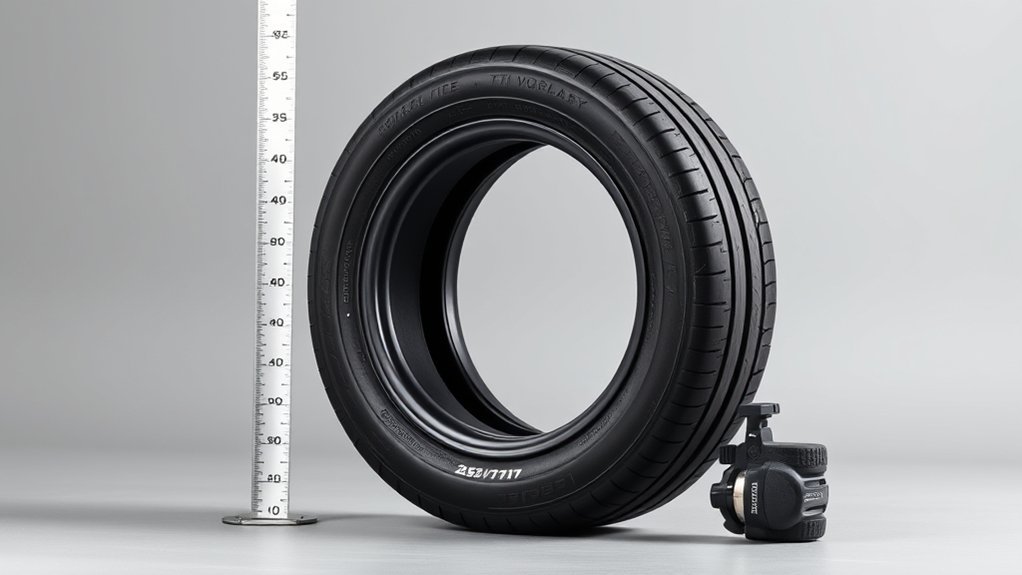
The tire width is 245 mm, or about 9.6 inches. That number is the section width, which is the tire’s widest sidewall-to-sidewall measurement when mounted on its measuring rim.
Tire Width Basics
A 245 mm tire is not extremely wide by truck/SUV standards, but it is tall because of the 75-series sidewall. That combination gives the tire a relatively narrow, tall profile compared with wider sizes like 265/70R17.
| Measure | Value |
|---|---|
| Section width | 245 mm / about 9.6 inches |
| Aspect ratio | 75% |
| Wheel diameter | 17 inches |
Sidewall Height Calculation
To calculate sidewall height, multiply the width by the aspect ratio:
245 mm × 0.75 = 183.75 mm
Then convert to inches:
183.75 mm ÷ 25.4 = 7.23 inches
That taller sidewall can help cushion rough roads and off-road surfaces, but it can also slightly soften steering response compared with a lower-profile tire.
Wheel Fitment Range
Many 245/75R17 tires are approved for wheels in the 6.5- to 8-inch range, while some LT versions may list a narrower approved range. TireSize lists 245/75R17 at 17 x 6.5–8 inches for many passenger versions and 6.5–7.5 inches for LT tires. Check the exact tire model’s published rim-width range before installation.
Pro Tip: If your wheel is much narrower or wider than the tire maker’s approved range, the tread shape, steering feel, wear pattern, and sidewall support can all change.
Will a 245/75R17 Fit Your Vehicle?
A 245/75R17 may fit many trucks and SUVs, but fitment depends on more than the tire code. You need to check wheel-well clearance, wheel width, offset, suspension travel, steering lock, brake clearance, load index, and speed rating.
Warning: Do not choose a replacement tire only because the rim diameter matches. The tire must meet or exceed the vehicle manufacturer’s required load index and speed rating, and it must clear the vehicle at full steering lock and full suspension compression.
Use this checklist before installing 245/75R17 tires:
- Door placard: Check the original tire size, load index, speed rating, and cold inflation pressure.
- Owner’s manual: Look for approved alternate tire sizes.
- Wheel width: Confirm your wheel is inside the tire maker’s approved rim-width range.
- Clearance: Check front and rear clearance at full lock, full compression, and with cargo loaded.
- Offset and backspacing: A different wheel offset can cause rubbing even when the tire size seems reasonable.
- Spare storage: Make sure the larger tire fits the spare-tire location if you plan to carry a full-size spare.
- Speedometer: A taller tire travels farther per rotation, so the speedometer may read lower than actual speed.
- Towing and payload: Match load index and load range to your real use, especially if you tow or carry heavy cargo.
NHTSA advises choosing the same tire size as the original tire or another size recommended by the vehicle manufacturer. It also says the correct tire pressure is the vehicle manufacturer’s cold inflation pressure on the tire/loading label or in the owner’s manual, not the maximum pressure printed on the tire sidewall. Use NHTSA’s tire safety guidance as a baseline before changing sizes.
245/75R17 Vs 245/70R17
The 245/75R17 is about 1 inch taller than a 245/70R17 while keeping the same 245 mm section width. The extra height comes from the taller 75-series sidewall.
| Size | Diameter | Width | Sidewall | Difference |
|---|---|---|---|---|
| 245/75R17 | 31.5 in | 9.6 in | 7.2 in | Taller |
| 245/70R17 | 30.5 in | 9.6 in | 6.8 in | About 1 inch shorter |
[Products Worth Considering]

These 4 prank tire valve stem caps glow in the dark to catch attention and create a fun reaction, making an ideal gag gift for friends or coworkers. Simply place them over existing valve stems for a quick, lossless installation without removing the original caps. Beyond the prank, the caps help block water, dust, and sand while supporting reliable tire protection.
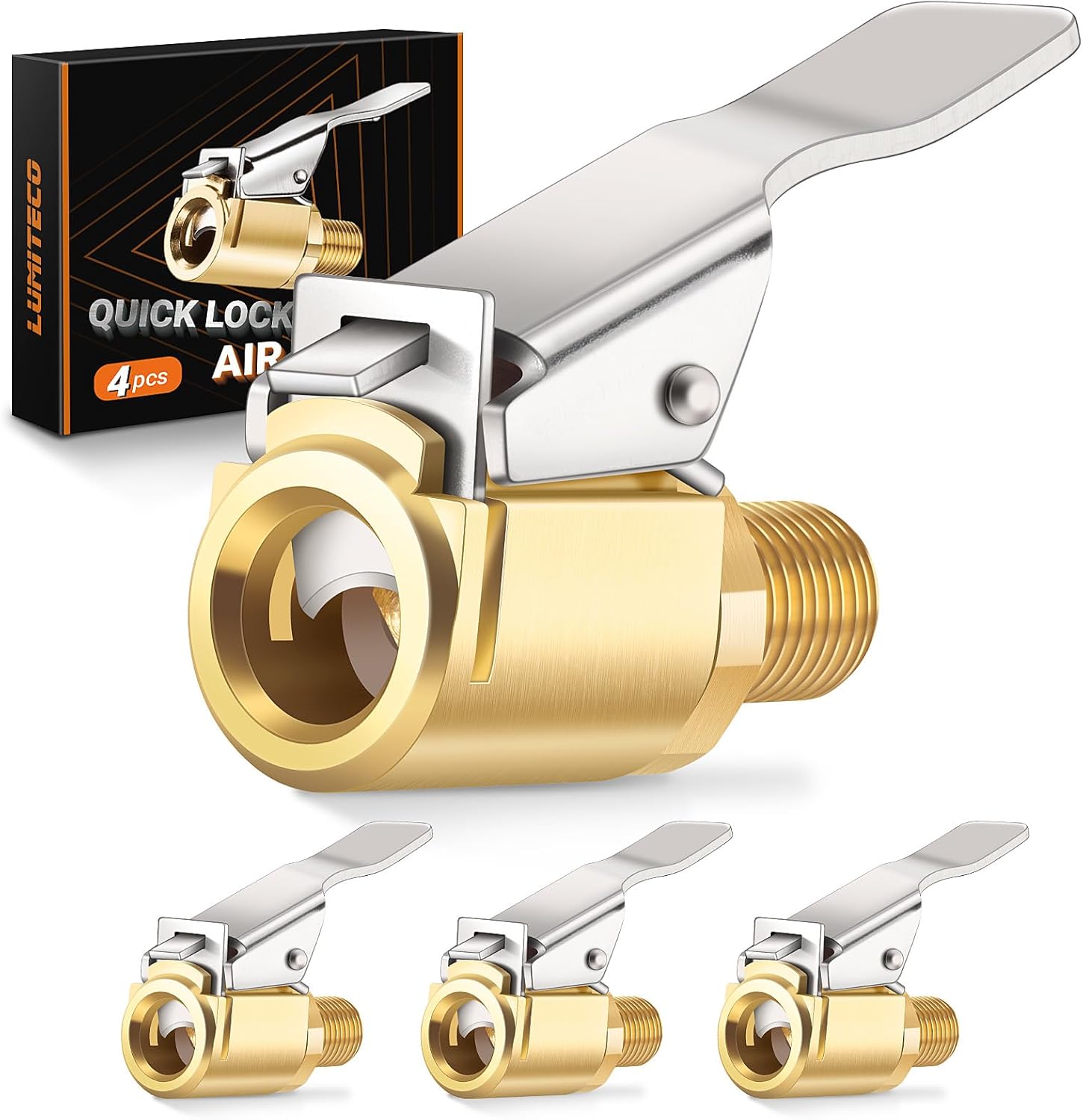
This brass air chuck adapter converts a screw-on inflator connection into a lock-on quick connect for hands-free, no-leak tire inflation. Clip the chuck onto Schrader valve stems and lock it in place to simplify inflating car, bike, and motorcycle tires. Built for durability with a corrosion-resistant brass body and strong quick operation.

This 4-pack kit converts Presta bike valves to standard Schrader valves so you can inflate with any regular pump or air compressor. The solid brass adapters include an O-ring for a tight, leak-proof seal and provide a simple screw-on setup. Compatible with road bikes, mountain bikes, e-bikes, and e-scooters, it’s designed for convenient, everyday carry readiness.
Overall Size Difference
The 245/75R17 is about 3.2% larger in diameter than a 245/70R17. That extra diameter can raise the vehicle slightly and reduce revolutions per mile.
Sidewall Height Change
The 245/75R17 adds about 0.48 inch of total sidewall height per side compared with a 245/70R17. That can improve ride cushioning and ground clearance, but it may also increase the chance of rubbing on a vehicle designed around the smaller tire.
Fitment and Performance
If you replace 245/70R17 tires with 245/75R17 tires, your actual road speed may be about 3.2% higher than the speedometer reading. For example, when the speedometer shows 60 mph, actual speed may be about 62 mph, depending on the vehicle and tire model.
Note: A small tire-size change can affect ABS, traction control, transmission shift behavior, odometer readings, and driver-assistance systems on some vehicles. Check your owner’s manual before changing from the OE size.
245/75R17 Vs 265/70R17
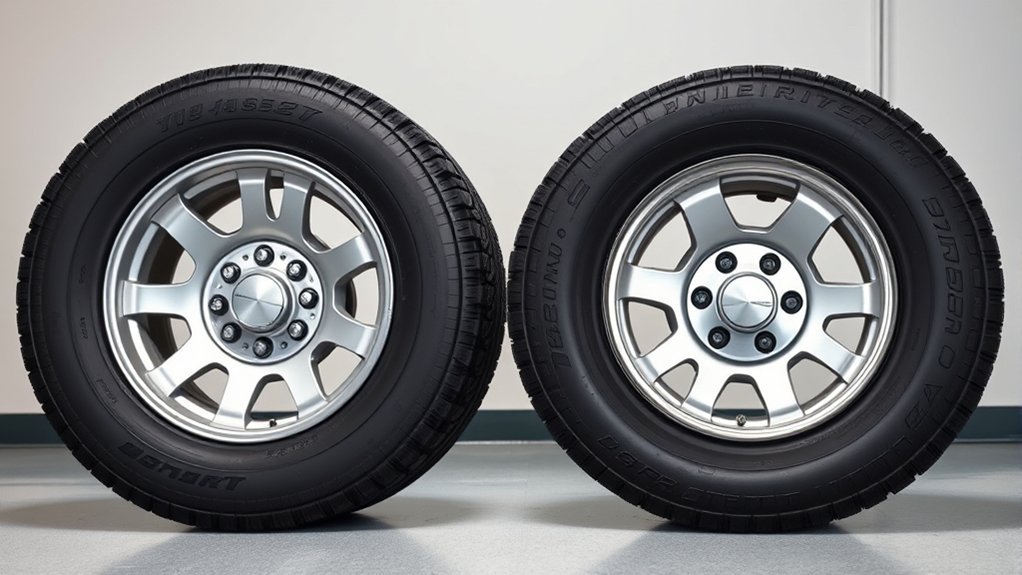
The 245/75R17 and 265/70R17 are close in overall height, but the 265/70R17 is wider. That makes the 265/70R17 a common comparison size for drivers who want a broader stance without a major diameter change.
| Size | Diameter | Width | Sidewall | Main Difference |
|---|---|---|---|---|
| 245/75R17 | 31.5 in | 9.6 in | 7.2 in | Narrower |
| 265/70R17 | 31.6 in | 10.4 in | 7.3 in | Wider |
Choose the 245/75R17 if you want a narrower tire that may fit tighter wheel wells more easily. Choose the 265/70R17 only if your wheels, fenders, suspension, and steering clearance can handle the extra width.
Best Tire Types for 245/75R17
The best 245/75R17 tire type depends on how you drive. The size itself only tells you the dimensions; tread design, load range, compound, sidewall construction, and winter rating determine how the tire performs.
| Driving Need | Best Tire Type | Why It Fits |
|---|---|---|
| Daily highway driving | Highway terrain / H/T | Usually quieter, smoother, and longer-wearing on pavement. |
| Mixed pavement and dirt | All-terrain / A/T | Balances road manners with gravel, trail, and light off-road traction. |
| Rocks, mud, ruts, and jobsite use | Rugged terrain or mud terrain | Offers more aggressive tread and stronger sidewall options, often with more road noise. |
| Snowy climates | 3PMSF-rated all-weather or winter tire | The Three-Peak Mountain Snowflake mark indicates tested snow traction. |
| Towing and heavy loads | LT tire with proper load range | Can provide higher load capacity when matched to the vehicle and properly inflated. |
Top 245/75R17 Tire Picks
Instead of choosing a tire by size alone, pick the model that matches your route, weight, climate, and noise tolerance. A good 245/75R17 highway tire can be the wrong choice for mud, and an aggressive off-road tire can be loud and inefficient for highway commuting.
| Use Case | What to Look For |
|---|---|
| Best for quiet commuting | Highway tread, strong wet braking reviews, good treadwear warranty, correct load rating. |
| Best for mixed use | All-terrain tread, stone ejectors, reinforced sidewall, and acceptable road noise. |
| Best for rough off-road use | Rugged or mud-terrain tread, stronger casing, deep voids, and damage-resistant sidewalls. |
| Best for winter confidence | 3PMSF marking, winter-focused compound, and proven snow/ice performance. |
Before buying, compare the exact service description. Some 245/75R17 tires are P-metric or metric tires with one load index, while LT245/75R17 tires can have higher load ratings and different inflation requirements. The Tire Industry Association advises drivers to follow the vehicle placard and owner’s manual when selecting replacement tires and to consult a tire professional for custom tire and wheel packages. That guidance is especially important when changing tire size, load range, or wheel offset.
Does Tire Pressure Change 245/75R17 Size?
Yes, tire pressure can slightly change the effective rolling diameter of a 245/75R17 tire. Underinflation lets the tire flatten more under load, which can reduce effective diameter, increase heat, hurt fuel economy, and accelerate wear. Overinflation can stiffen the tread center and reduce ride comfort or traction.
Do not use the tire sidewall’s maximum pressure as your normal driving pressure unless your vehicle or tire maker specifically calls for it. Use the cold inflation pressure listed on the vehicle’s door placard or in the owner’s manual. NHTSA says the vehicle manufacturer’s recommended cold tire pressure is the proper pressure, and tires should be checked cold when possible.
Warning: Load capacity depends on inflation pressure. If you switch from a P-metric tire to an LT tire, or from one load range to another, ask a tire professional to confirm the correct pressure for your vehicle and load.
Frequently Asked Questions
What size is a 33-inch tire on a 17-inch rim?
Common 33-inch tire options for a 17-inch rim include 285/70R17, which is about 32.7 inches tall, and 33×12.50R17, which is designed as a nominal 33-inch flotation size. A 285/75R17 is closer to 33.8 inches tall, so it may be too large for vehicles with limited clearance.
What is the difference between 245/75R17 and 245/70R17?
Both sizes are about 9.6 inches wide and fit 17-inch wheels, but the 245/75R17 is about 31.5 inches tall while the 245/70R17 is about 30.5 inches tall. The 245/75R17 has a taller sidewall, slightly more ground clearance, and a larger rolling circumference.
Which tire size is taller, 70 or 75?
With the same width and wheel diameter, a 75-series tire is taller than a 70-series tire. For example, a 245/75R17 is about 1 inch taller overall than a 245/70R17 because its sidewall is 75% of 245 mm instead of 70%.
What is the height of a 245/75 tire?
A 245/75 tire on a 17-inch wheel is about 31.5 inches tall. If the wheel diameter changes, the total tire height changes too. For example, the sidewall stays about 7.2 inches, but the wheel diameter is added between the two sidewalls.
Is 245/75R17 the same as a 32-inch tire?
It is close, but it is usually considered a 31.5-inch tire, not a true 32-inch tire. Some manufacturers may round marketing descriptions, but the nominal calculated diameter is about 31.5 inches.
Will 245/75R17 tires affect my speedometer?
They can if they replace a smaller tire. For example, switching from 245/70R17 to 245/75R17 increases tire diameter by about 3.2%, so your actual speed may be slightly higher than what the speedometer shows.
What rim width works for 245/75R17?
Many 245/75R17 tires fit wheels around 6.5 to 8 inches wide, but LT versions and specific tire models can have different approved ranges. Use the tire manufacturer’s spec sheet as the final answer.
Conclusion
A 245/75R17 tire is about 31.5 inches tall, 9.6 inches wide, and has a sidewall height of about 7.2 inches. It fits a 17-inch wheel and has a nominal circumference near 98.8 to 98.9 inches. That makes it a useful tall tire size for many trucks and SUVs, but fitment should never be guessed. Check your vehicle placard, owner’s manual, wheel width, load index, speed rating, tire pressure requirements, and real-world clearance before mounting it.
Sources
- Tire Rack — How Do I Calculate Tire Dimensions? — backs up the tire-size formula and nominal-dimension caveat.
- Tire Rack — How Do I Read My Tire Size On My Sidewall? — backs up section width, aspect ratio, radial construction, wheel diameter, and service description.
- Michelin — Tire Markings Explained — backs up sidewall markings, load rating, speed rating, pressure markings, and tire date code basics.
- NHTSA TireWise — Tire Safety Ratings and Awareness — backs up replacement-size, tire-pressure, and vehicle placard guidance.
- Tire Industry Association — Tire Replacement — backs up load-index and professional-fitment guidance for custom tire/wheel packages.
- TireSize.com — 245/75R17 Tires — backs up nominal 245/75R17 dimensions, circumference, revs per mile, and common rim-width ranges.
[Products Worth Considering]

Replace worn or missing TPMS sensors with a pre-programmed 4-pack designed for compatible GM vehicles. These 315MHz sensors provide real-time tire pressure monitoring and alert you if pressure is too high, too low, or if a rapid air leak occurs. Most installations are ready with minimal relearn effort after mounting, helping improve safety and driving confidence.

Replace worn or malfunctioning GM TPMS sensors with this 433MHz pre-programmed sensor set designed for compatibility with many Chevrolet, Buick, GMC, and Cadillac models. It includes guidance for proper OBDII relearning/pairing after installation and supports reliable long-term operation with a high-performance CR2032 battery. Quality tested for durability and performance to help restore accurate tire pressure monitoring.

Add a sparkling, diamond-look upgrade to your vehicle with these bling rhinestone tire valve caps. They help protect valve stems from dirt, grime, and dust while offering a smooth, comfortable touch. Suitable for cars, SUVs, trucks, motorcycles, and bicycles, they’re quick to install by hand for an easy custom style.

Related Articles

Wheel Spacers vs Adapters: Sizes, Fitment, and Safety
Wheel spacers or adapters? Discover the right sizes, fitment, and safety checks before your next upgrade—and what most drivers miss.
Read More
Smart Tire Technology: What’s Coming Next for Tires
Leading tire innovation is revealing smarter, tougher, AI-powered designs that could transform safety, efficiency, and performance in ways you won’t expect.
Read More
How Do Rivian Brakes Work? Regenerative Braking Explained
Learn how Rivian brakes blend regeneration and friction, because the real trick changes with battery state, and there’s more beneath the pedal.
Read More