
How Heavy Is a Car Tire: Complete Guide, Tips & Expert Advice
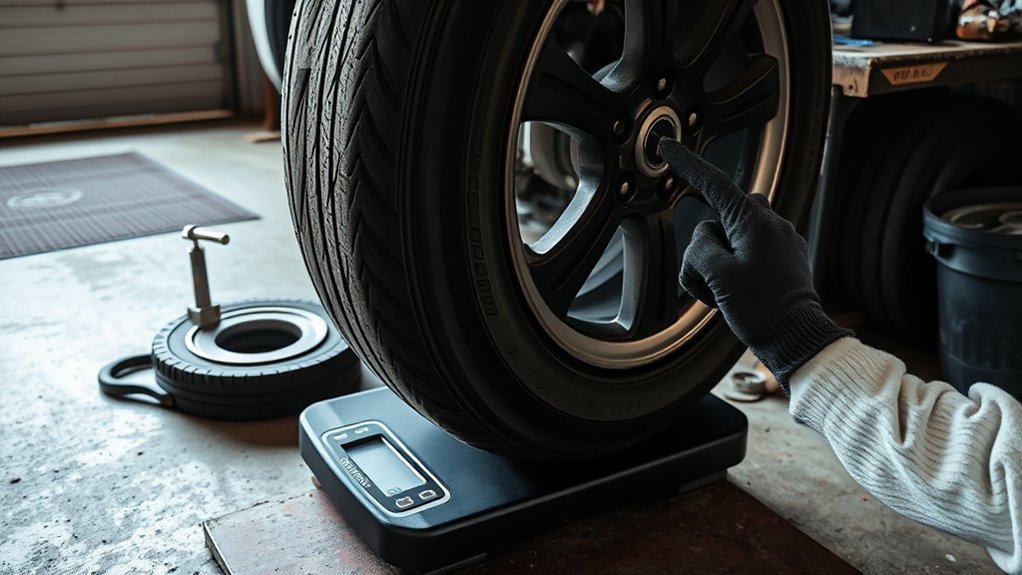
A car tire usually weighs 15 to 25 pounds, though SUV and light truck tires can reach 45 to 100 pounds. You’ll see weight change with tire size, tread depth, materials, and load rating, so bigger, tougher tires are heavier. That extra mass can raise rolling resistance and slightly reduce fuel economy, acceleration, and braking. If you compare tire types, weigh them at home, and check load index, you’ll make a safer, more efficient choice and uncover the details that matter most.
Key Takeaways
- Passenger car tires typically weigh 15–25 pounds, while SUV and light truck tires often weigh 45–100 pounds.
- Tire weight increases with size, width, tread depth, and added reinforcement materials like steel.
- Heavier tires can reduce fuel economy, slow acceleration, and slightly worsen braking performance.
- When replacing tires, match the original size, load index, and weight as closely as possible for safety and performance.
- You can weigh a tire at home using a calibrated bathroom scale, but professional scales give the most accurate results.
How Much Does a Car Tire Weigh?
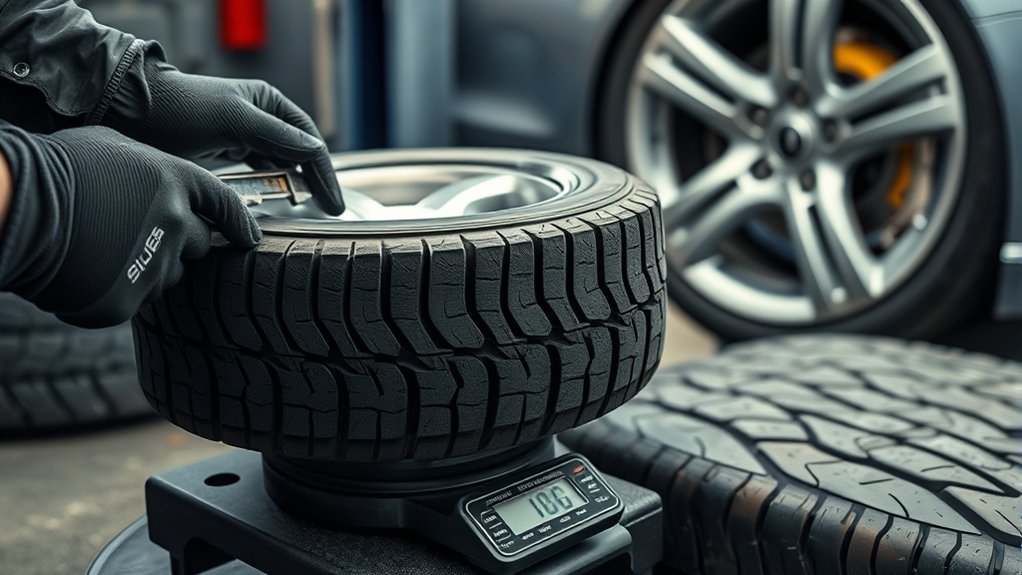
A standard passenger car tire typically weighs between 15 and 25 pounds, though the exact figure depends on its size and construction. You can treat that tire weight as a baseline when comparing passenger car tires with SUV tires and light truck tires, which commonly reach 45 to 100 pounds because they’re engineered for higher load capacity. That added mass affects tire performance: it raises rolling resistance, can lower fuel efficiency, and changes vehicle handling under acceleration, braking, and cornering. You’ll also notice that tire maintenance matters more as weight rises, since wear patterns and pressure sensitivity can shift. By contrast, motorcycle tires stay far lighter for agility, while specialty tires can exceed any road-vehicle norm. When you choose tires, you’re not just buying rubber; you’re shaping how freely your vehicle moves, how efficiently it uses energy, and how precisely it responds to your control. Additionally, the tire performance features directly influence safety and comfort in various driving conditions.
What Makes a Tire Heavier or Lighter?
When you compare tires, size and width drive weight upward because larger footprints use more material. You’ll also see mass rise with the tire’s materials and tread design, since more rubber, steel, fabric, and deeper patterns add reinforcement and bulk. As a result, compact sedan tires usually weigh far less than SUV or light truck tires. Additionally, the choice of all-season tires can influence overall weight, as they often feature reinforced sidewalls and specialized tread designs for versatility.
Tire Size And Width
Tire size is one of the biggest drivers of weight, because larger tires use more rubber, steel, and fabric. When you compare tire size, you’ll see that compact passenger vehicles often use tires around 15-25 pounds, while SUV tires can reach 45-100 pounds. The width of a tire, shown by the first number in the sidewall code, directly raises tire weight because wider casings need more reinforcement. In tire shopping, you should also account for material composition, since different rubber compounds and internal structures change mass. Tire types vary too: a narrow performance tire won’t weigh like a broad utility model. Tread design adds another variable, but size and width usually set the baseline. If you want better control, read the spec sheet before you buy.
Materials And Tread Design
Beyond size and width, a tire’s weight also depends on what it’s made of and how its tread is built. You’ll see that tire composition matters: natural rubber, synthetic rubber, carbon black, steel, and fabric each add mass differently. Heavier materials raise weight, and a deeper, more aggressive tread design uses more rubber and reinforcement, so the tire gets heavier. If you choose puncture resistance layers, you add more material again, which can improve durability but increase mass. On your vehicle, that extra weight can hurt performance, lower fuel efficiency, and increase rolling resistance. Heavier tires can also slow acceleration and reduce responsiveness. By comparing materials and tread design carefully, you can make a more liberated, informed choice that balances grip, protection, and efficiency.
Car Tire Weight by Vehicle Type
Car tire weight varies considerably by vehicle type, with the mass increasing as load demands and durability requirements rise. You’ll see compact and sedan tires usually at 15-25 pounds, and recent car tire weight averages lean closer to 25 pounds because manufacturers use more material for stronger carcasses and tread. For passenger tires on SUVs and light trucks, expect 45-100 pounds, reflecting higher load capacity and tougher construction. Motorcycle tires stay far lighter, typically 8-30 pounds, since tire types there prioritize agility over carrying volume. Golf cart and lawn mower tires often weigh just 5-10 pounds, so you can handle them easily during a tire purchase. At the extreme, monster truck tires can reach 800-900 pounds each. When you compare options, check tire pressure and proper tire inflation against the maker’s specification; weight alone doesn’t tell the full story, but it does define what you’re lifting and why. Additionally, the durability of all-season tires plays a crucial role in determining the overall weight and performance characteristics.
How Tire Weight Affects Fuel Economy and Handling
When you add tire mass, you raise rolling resistance, and fuel economy can drop by about 1–2% for every extra 10 pounds. That same weight increase can slow acceleration and reduce braking performance, while a 12-pound reduction in wheel weight can trim 0-60 mph time by roughly 0.29 seconds. Lighter tires also improve suspension response and grip, so you get faster load transfer and more consistent contact with the road. Additionally, tread life ratings play a crucial role in determining the long-term performance and cost-effectiveness of your tires.
Fuel Economy Impact
Tire weight has a measurable impact on fuel economy and handling because heavier assemblies increase rolling resistance and rotational inertia. You’ll usually see fuel efficiency drop about 1-2% for every extra 10 pounds of tire weight, so tire selection matters. Lower rolling resistance tires cut drag, helping your vehicle performance while protecting your budget. Lighter tires also sharpen suspension response, keeping contact patches more stable and reducing wasted energy over rough pavement. That translates into better fuel economy without forcing you to sacrifice control. If you want a cost-effective option, compare tread compounds, construction, and load ratings before you buy. Small reductions in unsprung mass can also support braking performance and handling precision, giving you more freedom from unnecessary fuel use and less mechanical burden over time.
Acceleration And Braking
Because tire weight changes both rotational inertia and unsprung mass, it directly affects how quickly your vehicle accelerates and how effectively it slows down. When you reduce tire weight, you cut the effort needed to spin each wheel, so your acceleration improves; dropping 12 pounds of wheel mass can trim 0-60 mph time by about 0.29 seconds. Heavier tires also raise rolling resistance, which can reduce fuel efficiency by 1-2% for every extra 10 pounds. On braking, added mass works against you: braking performance can fall by about 1% per 10 pounds. Lighter setups sharpen handling, improve suspension response, and help maintain tire contact. In practical tire dynamics, lighter tire weight frees vehicle performance and gives you more precise control.
Suspension And Grip
Suspension response and grip change measurably with tire weight: heavier tires add unsprung mass, forcing the suspension to work harder to control wheel movement and maintain contact with the road. You’ll notice slower suspension response, more compliance loss, and less precise tire contact over rough surfaces. As tire weight rises, rolling resistance also climbs, cutting fuel efficiency by about 1-2% for every 10 pounds added. That extra mass can reduce brake performance too, lowering stopping power roughly 1% per 10 pounds. Lighter tires free your vehicle dynamics, sharpening cornering, improving stability, and giving you cleaner handling in spirited driving. If you remove 12 pounds of wheel weight, you can gain measurable acceleration benefit, but the bigger payoff here is controlled grip, quicker reactions, and more efficient movement.
Does Tire Size Change Tire Weight?
Certainly! Here’s the revised content following your instructions:
—
Yes—tire size directly changes tire weight, and the relationship is usually straightforward: larger and wider tires use more rubber and internal material, so they’re heavier. You can see the pattern in typical tire size ranges below.
| Tire type | Typical tire weight |
|---|---|
| Compact tires | 15–25 lb |
| Sedan tires | 18–28 lb |
| SUV tires | 45–100 lb |
Tire construction also matters: deeper tread design and aggressive patterns add rubber, raising mass. When you compare compact tires with larger tires, the difference isn’t just physical; it can alter fuel efficiency and vehicle performance. Flotation tires may deviate from standard metric sizes, but they still reflect the same basic engineering tradeoff: more material, more weight. For tire replacements, you should match size carefully and account for added unsprung mass. If you want more freedom in handling and economy, choose the lightest tire that still meets your load and use requirements. Additionally, consider the performance metrics when selecting tires, as these can influence the overall weight and handling characteristics of your vehicle.
How to Weigh a Car Tire at Home
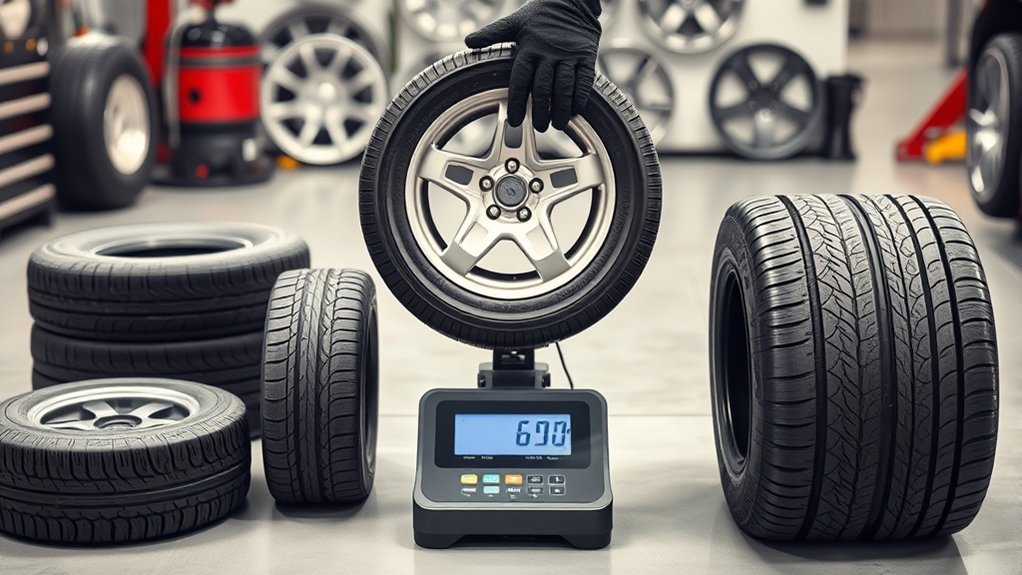
You can weigh a car tire at home with a bathroom scale by placing the tire upright on the scale and reading the result directly. Keep the tire centered so the load sits evenly and the scale can deliver an accurate measurement. Before you start, confirm the bathroom scale is calibrated and zeroed out; otherwise, the reading can drift. If you need higher precision, use professional corner scales, which show weight distribution across each tire and help you compare data without guesswork. When you weigh multiple tires, record weight separately for each tire so you can analyze differences in condition or construction. Tire size and type strongly affect mass, and standard vehicle tires commonly range from 15 to 100 pounds. By measuring carefully, you get a clear, honest baseline for your tire, free from unnecessary dependence on shops or assumptions. Additionally, consider the weight of spare tire kits that may be stored in your vehicle, as they can impact overall vehicle handling and performance.
How to Choose a Replacement Tire by Weight and Size
Choosing a replacement tire starts with matching the vehicle’s original weight, size, and load index, because those specifications directly affect handling, safety, and performance. You should compare tire weight against your vehicle specifications, since larger tires usually weigh more and can change ideal handling and fuel efficiency.
| Check | What to verify |
|---|---|
| Size | Match diameter and width |
| Weight | Stay close to original tire weight |
| Load index | Equal or higher than OEM |
Use the manufacturer’s specifications on the tire’s sidewall or website to confirm compatibility. A compact sedan tire may weigh 15-25 pounds, while SUV and light truck tires can reach 45-100 pounds. Don’t ignore the load index; it tells you whether the replacement tire can safely support your load capacity and performance requirements. When you choose within these limits, you keep control sharp, preserve efficiency, and avoid unnecessary compromises. Additionally, ensuring that the load index meets vehicle requirements will enhance your driving experience and safety.
Frequently Asked Questions
How Heavy Is a Full Tire?
A full tire usually weighs 15–25 pounds for a passenger car, but you’ll see major weight variation across tire types. Tire composition, tire design, and tire brands all affect mass, and seasonal tires can add weight too. You should also consider tire pressure, load capacity, tire maintenance, and tire lifespan, since all shape performance. Larger SUV, truck, and specialty tires can weigh far more, sometimes 45–900 pounds.
What Is the 3% Rule for Tires?
The 3% rule says you shouldn’t change your tire’s overall diameter by more than 3% from stock. You’ll protect tire pressure accuracy, tread depth wear patterns, tire rotation balance, alignment checks, and tire longevity. It also matters when you switch to winter tires, performance tires, eco friendly tires, or different tire brands during seasonal changes. Larger deviations can distort handling, traction systems, and speedometer readings, so you’ve gotta calculate carefully.
What Is the 105% Rule on Tires?
The 105% rule on tires says you shouldn’t load a tire above 105% of its load index at full Tire pressure. You use it to protect Tire longevity, avoid heat buildup, and preserve Tire tread. Check Tire maintenance, Tire rotation, Tire alignment, and Tire types, especially Seasonal tires. Don’t ignore Tire warranty or Tire repair limits. This rule lets you carry more, safely, without surrendering control.
What Is the 7 7 Rule for Tires?
Like a watchtower guarding your freedom, the 7-7 rule says you should replace tires at seven years or when tread depth drops below 7/32 inch, whichever comes first. You’ll use tire maintenance to track wear indicators, tire pressure, inflation guidelines, tire alignment, tire rotation, load capacity, performance ratings, and seasonal changes. This rule helps you preserve grip, reduce stopping distances, and avoid failure before your tires lose safe performance.
Conclusion
To sum up, you should expect a car tire to weigh roughly 20 to 45 pounds, but your exact number depends on size, construction, and vehicle type. If you replace a 32-pound OEM tire with a 38-pound all-terrain model, you’ll likely notice a small drop in fuel economy and slightly slower steering response. By checking tire weight before you buy, you can match performance, load capacity, and efficiency more accurately.

Related Articles
How to Find the Biggest Tire That Will Fit Your Vehicle
Learn how to find the biggest tire that fits your vehicle without rubbing, and discover the crucial measurements that can make or break your upgrade.
Read More
Are Fat Tire Bikes Harder to Pedal? Speed vs. Traction Compared
Fat tire bikes feel slower on pavement, but are they worth the extra effort for unmatched traction and control?
Read More
What Is a Steer Tire? Complete Guide & Best Options
Just what makes a steer tire different from the rest, and which options deliver the best control, grip, and durability?
Read More