
What Does 235 Mean on a Tire? Load, Speed & Rating Guide

235 on a tire means the tire’s nominal section width is 235 millimeters, measured across the tire from sidewall to sidewall. In a size like 235/55R18 94V, the 235 tells you width, 55 tells you sidewall height as a percentage of that width, R means radial construction, 18 is the wheel diameter in inches, 94 is the load index, and V is the speed rating.
Quick Answer
The number 235 on a tire means the tire is about 235 millimeters wide from sidewall to sidewall. It does not tell you the wheel size, load capacity, or speed rating by itself. To choose a safe replacement, read the full tire code and match your vehicle placard.
Key Takeaways
- 235 is the tire’s nominal section width in millimeters, not the wheel diameter.
- A 235 tire is 10 mm wider than a 225 tire, but fitment still depends on wheel width, offset, clearance, and overall diameter.
- In 235/55R18 94V, 55 is the aspect ratio, R means radial, 18 is wheel diameter, 94 is load index, and V is speed rating.
- Load index 94 supports 1,477 lb per tire when properly inflated, and V-rated tires are rated up to 149 mph under specified conditions.
- Wider tires can improve dry grip, but tread design, tire pressure, compound, and weather matter more than width alone.
What Does 235 Mean on a Tire?
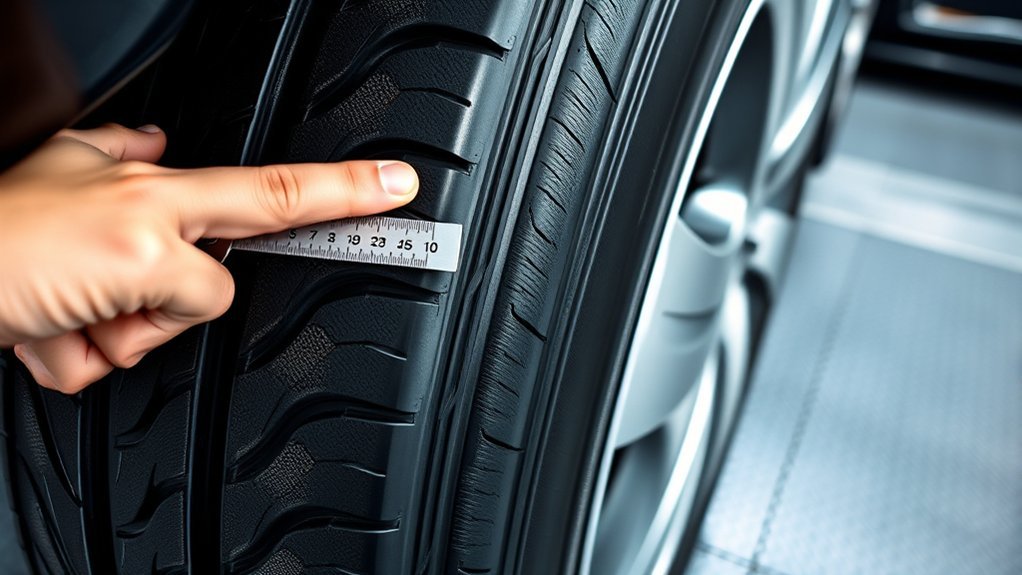
The number 235 on a tire refers to its section width, which is the tire’s nominal width in millimeters from one sidewall to the other. Tire makers use this three-digit number as part of the standard sidewall size code. For example, Michelin explains tire width as the first number in a metric tire size.
A 235-width tire is about 9.25 inches wide because 235 millimeters equals roughly 9.25 inches. That does not mean the tread itself is exactly 9.25 inches wide. Tread width can vary by tire model, tread design, and measuring method. The 235 number is best understood as the tire’s size category, not a ruler-perfect tread measurement.
Pro Tip: When comparing tire sizes, do not look at 235 alone. Compare the full size, including aspect ratio and wheel diameter, because those numbers control sidewall height and overall tire diameter.
A 235 tire can give your vehicle a wider footprint than a 225 tire, which may improve dry-road grip and steering feel when the tire is properly matched to the wheel and vehicle. Still, tire width is only one part of performance. Compound, tread pattern, inflation pressure, alignment, vehicle weight, and road surface all matter.
[Products Worth Considering]

EVOULTES heavy duty tire inflator with an integrated gauge delivers accurate pressure readings from 10–120 PSI, helping you inflate, deflate, and check tires in one tool. The 16.5-inch extended dual-head air chuck with swivel base reaches hard-to-access dual wheel valves on trucks and RVs. A brass trigger core and side-mounted air release valve make operation smooth, with standard 1/4" NPT threading and quick-connect compatibility for easy setup.

Adam’s Pro Tire Hex Grip applicators are molded foam sponges designed for precise, even tire dressing application. The ergonomic grip helps you spread product without overapplying, reducing sling that can splash onto paint and helping keep your hands clean during wheel and trim detailing. They’re durable, washable, and reusable for repeated detailing sessions.

Cristal Products Untouchable Tire Shine Spray delivers a deep, wet-look gloss that enhances your vehicle’s tires. It’s quick-drying and spreads smoothly for consistent, streak-free coverage, while forming a protective coating against UV rays, road grime, and weather. Suitable for all tire types, it helps restore dull, faded tires to a showroom-quality finish.
How to Read a Tire Size Code
A tire code tells you the tire’s size, structure, load rating, and speed rating. In the example 235/55R18 94V, each part has a specific job.
| Code Part | Meaning | Why It Matters |
|---|---|---|
| 235 | Section width in millimeters | Affects clearance, footprint shape, steering feel, and fitment |
| 55 | Aspect ratio | Sidewall height equals 55% of the tire width |
| R | Radial construction | The common construction type for modern passenger tires |
| 18 | Wheel diameter in inches | Must match the wheel diameter |
| 94V | Load index and speed rating | Confirms carrying capacity and rated speed limit |
After the size, always check the load index and speed rating. Michelin explains load and speed ratings as the service description that helps match a tire to a vehicle’s requirements. Choosing the correct tire ensures optimal traction and performance in various driving conditions.
What Does 235/55R18 94V Mean?
A size like 235/55R18 94V gives you more than width. It also lets you estimate the tire’s sidewall height and overall diameter.
- Width: 235 mm, or about 9.25 inches.
- Sidewall height: 235 × 0.55 = 129.25 mm, or about 5.09 inches.
- Wheel diameter: 18 inches.
- Approximate overall diameter: 18 + 5.09 + 5.09 = about 28.2 inches.
- Service description: 94V, meaning load index 94 and speed rating V.
This is why two tires can both start with 235 but fit very differently. A 235/40R18 has a much shorter sidewall than a 235/55R18, even though both are 235 mm wide.
235 Vs. 225 Tires: What Changes?
Compared with a 225 tire, a 235 tire is 10 millimeters wider. That small difference can change the way a vehicle feels, but it does not automatically make the tire better. The result depends on the tire model, wheel size, alignment, suspension, and how much clearance your vehicle has.
| Factor | 225 Tire | 235 Tire |
|---|---|---|
| Width | Narrower by 10 mm | Wider by 10 mm |
| Dry grip | Often lighter steering feel | Can feel more planted if properly matched |
| Fuel economy | May have lower rolling resistance | May increase rolling resistance |
| Rain and snow | Can cut through water or slush more easily in some setups | Needs strong tread design and proper pressure to manage water |
| Fitment | More likely to clear tight wheel wells | Needs more side clearance |
If you want a tire that emphasizes road presence and dry handling, 235 may fit your goals. If you value economy, lower cost, and nimble response, 225 is often the smarter choice. Additionally, tire performance ratings can provide insights into how different tire sizes handle various road conditions.
How 235 Tires Affect Grip and Handling
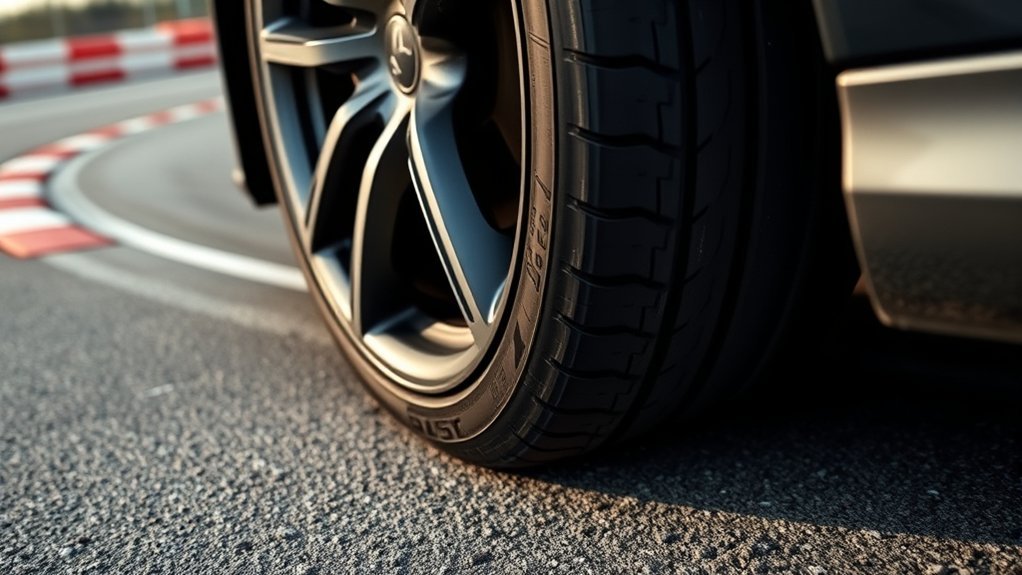
A 235 tire’s 235-millimeter width can create a broader footprint than a narrower tire in the same tire family. On dry pavement, that can help with steering response, braking confidence, and cornering stability when the tire is properly fitted and inflated.
The benefit is not automatic. A high-quality 225 tire can outperform a low-quality 235 tire. A 235 tire can also feel worse if it is mounted on the wrong wheel width, rubs the suspension, has poor alignment, or uses a tread compound that does not match your driving conditions.
Wider tires can also add weight and rolling resistance. That may slightly reduce fuel economy or ride comfort. If your vehicle came with 235 tires from the factory, staying with the factory size is usually the simplest option. If you are changing from another size, compare the full dimensions first.
Additionally, wider tires like 235s may provide enhanced wet weather traction only when the tread design, tread depth, rubber compound, and tire pressure are suited to wet roads.
How 235 Tires Handle Rain and Snow
In rain and snow, the tire’s width is only one part of the story. Tread depth, tread pattern, rubber compound, tire pressure, speed, road temperature, and water depth can matter more than whether the tire is a 225 or a 235.
On wet pavement, a 235 tire with deep grooves and a strong wet-weather design can feel stable. But a wider tire with worn tread or poor water channels may hydroplane more easily because it has more surface area to push through standing water. In snow, 235 tires can work well if they are true winter tires, but a narrower winter tire may bite better in deep snow or slush.
Additionally, using winter tires designed for severe conditions can significantly improve traction and handling in snowy environments.
Wet Road Grip
On wet pavement, 235 tires can deliver solid grip if the tread channels water well and the tire has enough tread depth. The tire’s wet traction grade, compound, and groove design are important because wet braking depends on how well the tire keeps rubber in contact with the road.
Do not assume a wider tire is always safer in rain. If the tread is worn, the tire is underinflated, or water is deep, any tire can lose contact with the road. Check pressure when the tires are cold and replace worn tires before they become unsafe.
Hydroplaning Resistance
Hydroplaning happens when a tire rides on water instead of gripping the pavement. A 235 tire needs enough tread depth and strong circumferential grooves to move water away from the contact patch. Proper inflation also matters because an underinflated tire can flatten out and make water evacuation harder.
Warning: Tire width does not overcome worn tread, low pressure, or unsafe speed. In heavy rain, slow down, avoid sudden steering, and make sure your tires meet the size, load, speed, and pressure requirements listed by your vehicle maker.
Snow Traction Benefits
A 235 tire can feel stable on packed snow if it has a winter-rated tread pattern and cold-weather compound. But in deep snow, a narrower tire may cut through snow more easily and create more bite. This is why tire type matters more than width alone in winter.
For snow and ice, choose tires marked for winter use when your climate requires them. All-season tires may handle light snow, but winter tires are usually better in deep snow and freezing conditions.
What Does the Load Index Mean?
The load index is a numerical code that tells you the maximum weight a tire can carry when it is properly inflated. For example, a load index of 94 supports 1,477 pounds per tire. If you’re replacing tires, match or exceed the load index specified by your vehicle manufacturer unless the owner’s manual says otherwise.
Additionally, choosing tires with a suitable UTQG rating can help you compare treadwear, traction, and temperature grades, but UTQG does not replace the required load index.
[Products Worth Considering]

The JACO FlowPro Tire Inflator measures, inflates, and airs down tires up to 100 PSI with battery-free operation and ±2% accuracy after calibration. It features a glowing pressure dial for night visibility, a heavy-duty steel build with a hybrid hose, and a precision push-to-inflate thumb trigger. The patented Lightning Air Chuck locks on for a secure seal, and the kit includes quick-connect hardware for easy inline use with your air compressor.

This 100-piece tire repair screw plug kit provides a fast, self-service solution for punctures on the road. Choose the correct plug size, insert it into the break, and screw it in to help seal the puncture and temporarily restore tire pressure. Thickened threads and rubber-wrapped plugs improve bite and sealing while remaining compact and easy to carry.
Load Index Basics
When you look at a tire’s sidewall, the load index appears near the end of the size code. In 235/55R18 94V, the 94 is the load index. You need a chart to convert that number into pounds or kilograms.
- Read the load index on the tire sidewall.
- Match it to a reliable load index chart.
- Check your vehicle’s required rating on the tire placard or in the owner’s manual.
- Use a replacement tire with the required load rating or higher, unless the vehicle maker gives different instructions.
A higher load index does not increase your vehicle’s legal or mechanical payload. The vehicle’s axle ratings, suspension, brakes, and manufacturer limits still control how much weight you can safely carry.
Interpreting Load Capacity
Here are common load index examples for passenger and light truck tires:
| Load Index | Maximum Load Per Tire | Common Note |
|---|---|---|
| 80 | 992 lb | Small passenger tire example |
| 90 | 1,323 lb | Common passenger tire range |
| 94 | 1,477 lb | Seen in sizes such as 235/55R18 94V |
| 104/101 | 1,984/1,819 lb | Dual-service light truck example |
If you tow or carry heavy cargo, do not guess. Check the vehicle placard, axle rating, tire sidewall, and owner’s manual before choosing a different tire size.
What Do Speed Rating Letters Mean?
Speed rating letters tell you the maximum speed a tire is designed to sustain under specified load and inflation conditions. In 235/55R18 94V, the V means the tire is rated up to 149 mph when used within its limits.
| Speed Rating | Maximum Speed | Typical Use |
|---|---|---|
| S | 112 mph | Everyday passenger use |
| T | 118 mph | Touring tires |
| H | 130 mph | Higher-speed passenger tires |
| V | 149 mph | Performance-oriented tires |
| W | 168 mph | High-performance tires |
| Y | 186 mph | Ultra-high-performance tires |
Replacement tires should meet or exceed the speed rating listed by your vehicle manufacturer unless your owner’s manual or tire professional confirms an allowed exception. This is especially important because speed ratings also reflect heat resistance and tire construction, not just top speed.
Additionally, understanding your tire’s load index and speed rating is essential for maintaining safe performance.
Can You Change Tire Sizes Safely?
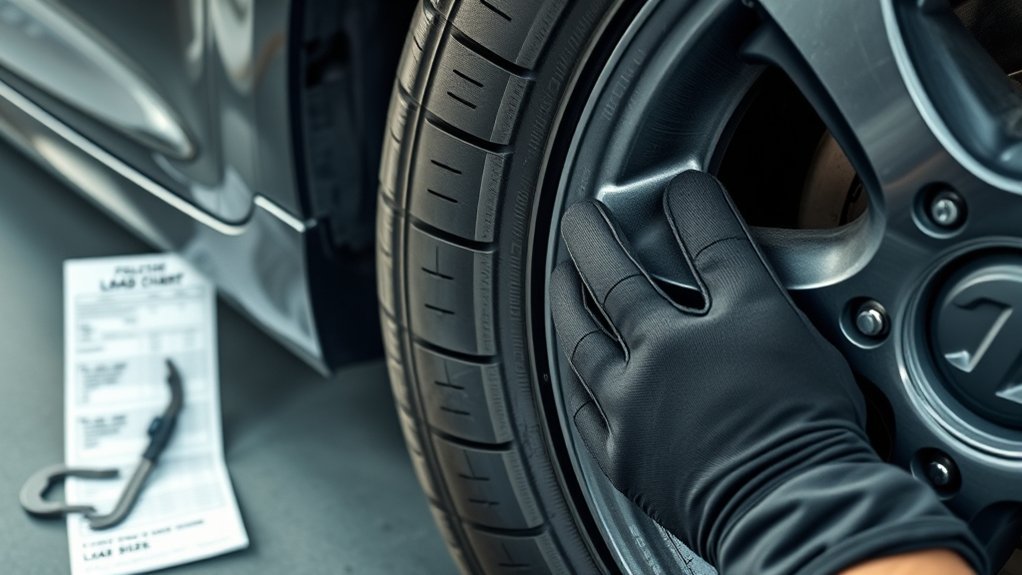
Yes, you can change tire sizes safely, but only if the new tire stays within your vehicle and wheel requirements. Your first source should be the Tire and Loading Information Label on the driver-side door area or the vehicle owner’s manual. That label lists the factory tire size and recommended inflation pressure.
When changing to or from 235 tires, check these items before buying:
- Overall diameter: Keep it close to the original size to protect speedometer accuracy, ABS, traction control, and gearing.
- Wheel width: Make sure the tire manufacturer approves the tire for your wheel width.
- Wheel offset: A different offset can push the tire toward the fender or suspension.
- Load index: Do not go below the vehicle’s required load rating.
- Speed rating: Match or exceed the required rating unless a permitted winter-tire exception applies.
- Clearance: Check for rubbing at full steering lock, over bumps, and under load.
- Pressure: Use the correct cold inflation pressure for the vehicle and tire setup.
Note: A tire with a higher load index can carry more weight as a tire, but it does not increase the vehicle’s payload rating. Your vehicle’s manufacturer ratings still apply.
Will 235 Tires Fit Your Vehicle?
The “235” in a tire size means 235-millimeter section width, so whether it fits your vehicle depends on the wheel, suspension, brakes, fender clearance, and overall tire diameter. You should verify your vehicle specifications before you choose 235 tires.
A 235 tire may fit perfectly on one vehicle and rub on another. The full tire size, wheel width, offset, and vehicle clearance decide fitment.
- Check the tire size on the driver-side placard and in the owner’s manual.
- Check wheel width and offset to see if the 235 tire will sit correctly.
- Measure wheel-well and suspension clearance so the tire will not rub under load or steering.
- Match aspect ratio and wheel size because they set overall diameter.
- If you are moving from narrower tires, plan for possible alignment checks or suspension clearance changes.
A 235 tire can improve grip, stability, and handling when it is the correct size for the vehicle. It can also increase rolling resistance and slightly reduce fuel efficiency. Additionally, consider the tread depth of your chosen tires, as it affects wet grip, snow traction, braking, and overall safety.
Replacement Checklist Before Buying 235 Tires
Before you buy 235 tires, use this checklist to avoid fitment, safety, and ride problems:
- Confirm the exact factory size: Check the tire placard, not just the old tire.
- Compare the full size: A 235/45R18 and 235/55R18 are not the same height.
- Check load index: Match or exceed the required load rating.
- Check speed rating: Match or exceed the required speed rating unless your vehicle maker allows otherwise.
- Check wheel width range: Use the tire maker’s approved rim-width range.
- Check rubbing points: Inspect struts, fenders, liners, control arms, and mud flaps.
- Check tire pressure: Use the recommended cold inflation pressure for your vehicle setup.
- Replace in full sets when needed: On many AWD vehicles, mismatched tire diameter can strain drivetrain parts.
Frequently Asked Questions
Can I put 245 tires instead of 235?
Yes, you can often fit 245 tires instead of 235s, but only if your vehicle, wheels, and clearance allow it. A 245 tire is 10 mm wider than a 235, so it may improve dry grip but can also increase rolling resistance, rubbing risk, and steering weight. Check wheel width, offset, load rating, speed rating, and overall diameter before making the switch.
Which is better, 225 or 235 tires?
225 tires are often better if you want lower rolling resistance, lighter steering, and more clearance. 235 tires are often better if your vehicle supports the size and you want a wider footprint for dry-road stability. The better choice depends on your vehicle specs, climate, driving style, and the exact tire model.
What is a 235 tire equivalent to?
A 235 tire is about 235 millimeters wide, or roughly 9.25 inches across at the section width. It is not equivalent to one exact tire size by itself because the aspect ratio and wheel diameter also matter. A 235/45R18, 235/50R18, and 235/55R18 all have the same nominal width but different sidewall heights and overall diameters.
Can I put 225 tyres instead of 235?
Yes, you can often fit 225 tyres instead of 235 if your vehicle specs allow it. A 225 tyre is 10 mm narrower, so it may improve clearance, fuel economy, and snow or slush bite in some setups. It may also reduce dry-road grip or change steering feel. Check load rating, speed rating, wheel width, and overall diameter first.
Does 235 mean tire width or tread width?
235 means nominal section width, measured from sidewall to sidewall in millimeters. It does not mean the tread itself is exactly 235 mm wide. Tread width can vary by tire brand, model, pattern, and approved measuring rim.
Are 235 tires good in snow?
235 tires can work well in snow if they are proper winter tires with the right tread pattern and cold-weather compound. Width alone does not make a tire good in snow. In deep snow or slush, a narrower winter tire may bite better, while a 235 winter tire may feel stable on packed snow.
Conclusion
When you see 235 on a tire, you are reading the tire’s nominal width in millimeters. That number helps you compare footprint, fitment, and handling, but it is only one piece of the tire-size code. Before you swap sizes, check the full code, load index, speed rating, wheel width, overall diameter, and your vehicle’s tire placard. If the full setup matches your vehicle’s requirements, a 235 tire can be a safe and confident choice.
Sources
- Michelin: Tire Markings Explained — backs up tire width, aspect ratio, radial construction, wheel diameter, and sidewall markings.
- Michelin: Tire Load Rating and Speed Rating — backs up load rating, speed rating, V-rated speed, and replacement guidance.
- NHTSA Tire Safety — backs up tire placard guidance, inflation pressure, tire maintenance, wet traction, and winter tire safety context.
- Tire Rack: How to Read Tire Size on a Sidewall — backs up section width, aspect ratio, construction, wheel diameter, and service description.
- Tire Rack: What Is Load Index? — backs up common load index values, including load index 94 at 1,477 lb.

Related Articles
305 Tire Size Explained: How Big Is It?
I explain how big a 305 tire really is—and why the exact fit can surprise you.
Read More
Tire Ply Rating Explained: What the Numbers Mean
Tire ply ratings reveal more than numbers, hinting at strength, load capacity, and hidden tradeoffs you’ll want to understand before choosing.
Read More
2 Ply Vs 4 Ply Tires: What’s the Real Difference?
I’ll explain the real difference between 2-ply and 4-ply tires, and the choice may surprise you depending on where you drive.
Read More