How to Read a Tire’s Year Code: Finding the DOT Date Explained
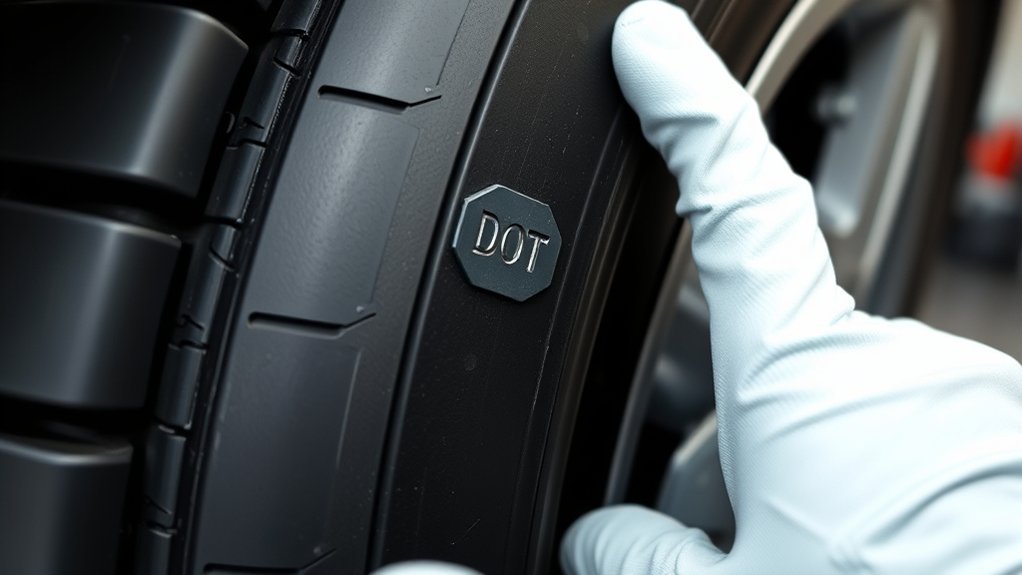
You can read a tire’s year code from the last four digits of the DOT number on the sidewall. The first two digits show the week it was made, and the last two show the year, so 2319 means the 23rd week of 2019. On older tires, a three-digit code uses the first two digits for the week and the last digit for the decade year. Check the full code, because safety details matter and more follows.
Key Takeaways
- Find the DOT code on the tire sidewall; the last four digits show the manufacture week and year.
- Read the first two of those digits as the production week and the last two as the year, like 2319 for week 23 of 2019.
- Some older tires use a three-digit date code, where the last digit indicates the year in the decade.
- Check tire age regularly, since tires older than six years may lose reliability and performance.
- Replace tires over ten years old or showing cracking, bulging, or hardening, and consult a tire professional if unsure.
What Is a Tire Date Code?

A tire date code is a four-digit number on the sidewall that tells you when the tire was made. This Tire Date Code sits within the DOT code and shows the production week and production year, so you can judge tire age with precision. For tires manufactured after January 1, 2000, the first two digits identify the production week, and the last two digits identify the production year; for example, 1023 means the 10th week of 2023. Tires made before 2000 use a three-digit format, with the first two digits for the week and the last digit for the year in that decade. You should read this code to spot safety concerns early, because tires older than six years can lose reliability. Checking regular maintenance is crucial to ensure tire longevity and safety. Check both sides of the tire sidewall to confirm the code and track the tire correctly.
Where to Find the DOT Number
You’ll find the DOT number on the tire sidewall, usually printed on both sides for easy inspection. The full marking starts with “DOT” and continues with 10 to 13 characters that identify the plant, tire size, brand details, and manufacture date. For tires made after January 1, 2000, the last four digits show the production week and year, so you can check tire age quickly. Additionally, understanding tire longevity and maintenance is crucial for ensuring optimal performance and safety on the road.
Sidewall Code Location
The DOT code is stamped on the tire sidewall, where you’ll usually find it on both sides for easier inspection. You should scan the full circumference, because the date code can hide in plain sight. Look for the DOT marking, then read the last four digits; they show the week and year of manufacture. That’s your fastest check on tire age and tire safety. If you can’t see it clearly, rotate the wheel and inspect again.
| Check | Why it matters |
|---|---|
| Sidewall | Locates the DOT |
| Last four digits | Reveal week and year |
| Legible marking | Supports tire registration |
| Complete circle | Confirms manufacturer data |
| Clear code | Helps you act freely |
Keep the tire clean, note the code, and verify it before buying, mounting, or using the tire.
Full DOT Marking
When you inspect a tire for its full DOT marking, start on the sidewall and look for the letters “DOT” followed by a string of 10 to 13 characters. This DOT number is your tire identification number, and it tells you more than size alone. Check both sidewalls, because the code must appear on at least one sidewall, but not always both. On tires made since 2000, the last four digits in the tire date codes show the week and year of manufacture, so you can gauge tire age quickly. Older tires use a three-digit format: the first two digits show production week, and the last digit shows the decade year. Reading these characters helps you verify safety standards and make informed, self-directed choices.
How to Read a Tire Year Code
To read a tire year code, look at the last four digits of the DOT code; the first two digits show the week of manufacture, and the last two show the year. With a Tire DOT Code, those last four digits tell you the tire date code you need to assess tire’s age. For example, 2319 means the tire was built in the 23rd week of 2019. Tires made after January 1, 2000, use this four-digit format; older tires may use a three-digit code. You should inspect the code directly, not guess from tread depth or appearance. This check helps you judge tire age and decide on replacement before hidden degradation takes control. As tires get older, safety and performance can drop: traction can fade, and failure risk can rise. For that reason, treat any tire older than six years as a candidate for replacement, even if it still looks serviceable. Additionally, consider the tire’s treadwear warranty to gauge its lifespan and performance expectations.
How to Decode 7- to 12-Character TINs
A 7- to 12-character TIN starts with the plant code, which identifies the manufacturer and location. The next one or two characters show the tire size code, and up to four optional characters can specify construction details. You’ll find the date code in the last four digits, where the first two digits give the production week and the last two give the year. Understanding the UTQG rating can help you assess the tire’s performance and longevity.
7-12 Character Breakdown
On a 7- to 12-character Tire Identification Number (TIN), you’ll read the code from left to right: the plant code comes first and identifies where the tire was made, followed by one or two characters for the tire size code and up to four optional characters for specific construction details. The Tire Identification Number shows a clear TIN structure you can use to verify origin and specs. At the end, the date code appears as four digits: the first two digits mark the week of manufacture, and the last two digits show the year. For example, 1319 means the 13th week of 2019. Reading the plant code, tire size code, and date code helps you judge tire age and meet safety requirements with confidence.
Date Code Location
After you’ve identified the plant code and tire size code in a 7- to 12-character TIN, look to the last four digits for the date code. You’ll find it on the Tire sidewall after the DOT mark. Read it like this:
| TIN length | Date code | Meaning |
|---|---|---|
| 7–12 chars | 1319 | 13th week, 2019 |
| 13 chars | 1023 | 10th week, 2023 |
| Pre-2000 | 3-digit code | Week plus last year digit |
For modern Tires, the last four digits state the manufacturing date in week and year. That lets you judge tire age quickly and act without dependence on guesswork. If the code shows old production, don’t let it stay in service past six years. Check every DOT date code on the sidewall, confirm the TIN, and choose safety on your own terms.
How to Read 13-Character TINs
A 13-character Tire Identification Number, or TIN, starts with three characters for the manufacturer’s plant code, followed by six characters that identify the tire size and type. You’ll see this Tire Identification Number on the sidewall as part of the DOT code, and it gives you the data you need for tracking and safety. Read the last four digits as the manufacturing date: the first two digits show the production week, and the last two digits show the year. For example, 2910 means the 29th week of 2010. This lets you check tire age quickly and verify compliance with current rules. Tires made after April 13, 2025, must use this full 13-character format, so inspect the sidewall before you buy or install. When you decode the tire size and date together, you can judge condition, plan replacement, and keep control over your ride without depending on guesswork. Additionally, understanding tire treadwear warranties can help you make informed decisions about longevity and performance when selecting new tires.
What Pre-2000 Tire Codes Mean
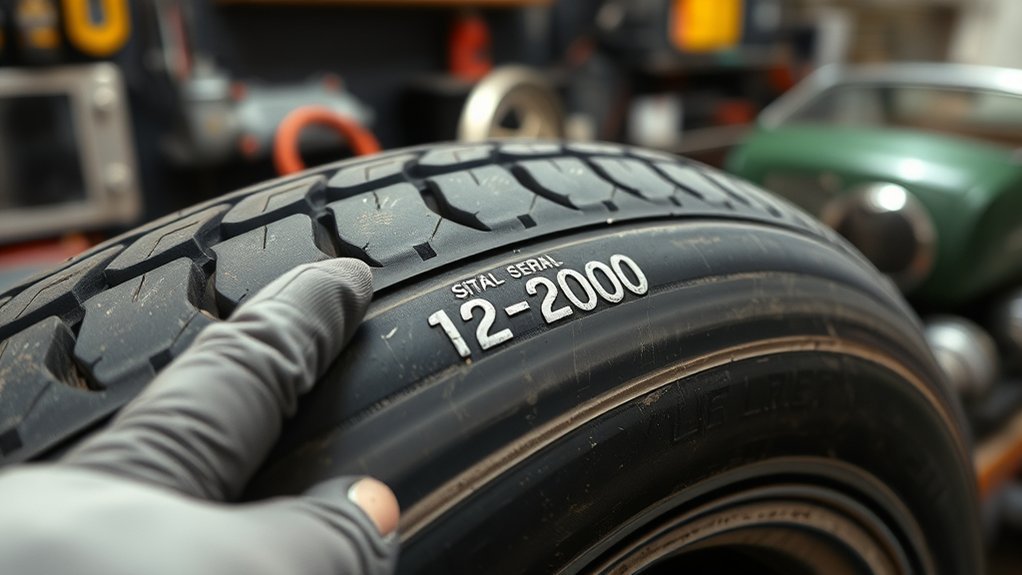
Pre-2000 tires use a three-digit date code, with the first two digits showing the production week and the last digit showing the year within that decade. You’ll read pre-2000 tire codes by matching that date code to the tire’s age, but you must also identify the decade from the surrounding context. For example, 439 means the tire came from the 43rd week of 1999, not 1989 or 2009. Because these tire codes don’t name the full century year, you can’t rely on the number alone.
Check older tires regularly. When a tire passes six years, inspect it for safety concerns, reduced performance, or loss of integrity, then plan replacement if needed. This practical habit helps you judge usable life without guesswork. By reading the date code carefully, you keep control over the condition of your tires and avoid letting age decide your mobility. Regular inspections can help you maintain consistent tread life and ensure your tires perform safely.
Why the DOT Code Matters for Safety
The DOT code does more than identify a tire; it tells you when it was made, which helps you judge whether it’s still safe to use. You read the four-digit code to find the week and year of manufacture, so you can measure tire age with precision. The U.S. Department of Transportation requires this marking, which supports recall tracking and safety checks. Additionally, understanding tire performance ratings can further assist in evaluating the safety and suitability of your tires.
| DOT code | Meaning | Action |
|---|---|---|
| 4714 | 47th week of 2014 | Verify condition |
| 1209 | 12th week of 2009 | Review age |
| 3320 | 33rd week of 2020 | Monitor use |
| 0518 | 5th week of 2018 | Inspect carefully |
| 0000 | Invalid example | Recheck marking |
As tires age, deterioration can reduce performance and increase failure risk. You don’t need guesswork; the code gives you facts. If the tire’s date of manufacture shows extended service time, you can make informed tire replacement decisions and keep control of your safety.
When to Replace an Aged Tire
Once a tire reaches about six years of use, you should replace it even if the tread still looks acceptable, because rubber degrades with age and can lose reliability. Check the tire’s DOT code on the sidewall and read the last four digits: the first two show the week, and the last two show the year of manufacture. If the tire is at the six-year mark, plan to replace it before failure pressures your mobility. Inspect for visible signs like cracking, bulging, or hardening, because these defects signal rising safety risks. Don’t keep a tire in service once it’s ten years old; that age is beyond prudent use. If you’re unsure, ask a tire professional to assess the tire’s condition and advise whether replacement is necessary. This approach protects your freedom to travel without avoidable risk. Additionally, choosing dedicated winter tires can significantly enhance safety and performance in winter conditions.
Getting Help With Tire DOT Codes

If you’re unsure how to read a tire’s DOT date code, a local Goodyear service center or qualified tire specialist can help you interpret it correctly. You can find the DOT code on the sidewall, then focus on the last four digits. Those digits show the year of manufacture: the first two identify the week, and the last two identify the year. For example, 1023 means the tire was built in the 10th week of 2023. Older tires may use a three-digit date code, where the final digit marks the year within the decade. Tire specialists can verify the code, estimate tire age, and explain whether you should replace the tire for safety and performance. That guidance matters when you need confidence, not guesswork. Use Goodyear service centers to confirm readings, compare conditions, and make a clear, informed decision about your tires. Additionally, having a reliable spare tire kit ensures you’re prepared for emergencies while on the road.
Frequently Asked Questions
How to Read a 3 Digit Dot Code?
You read a 3-digit DOT code by taking the first two digits as the production week and the last digit as the year’s final digit; for example, 229 means week 22, year ending in 9. You can’t confirm the century, so use tire maintenance tips, tire safety checks, understanding tread wear, seasonal tire changes, tire inflation importance, tire rotation schedules, tire pressure monitoring, eco friendly tires, tire storage methods, and tire warranty details to judge replacement.
How Long Are Tires Good for After a Dot Date?
You’ve got about six years from the DOT date, even if the tread looks fine. Tire lifespan factors, Tire safety guidelines, and Tire maintenance habits all matter, but age still wins. Check Signs of tire aging, Tire replacement indicators, and the Importance of tread depth. Seasonal tire recommendations, Tire storage tips, Tire warranty information, and Environmental tire impact also shape decisions. After ten years, replace them.
What Is the Difference Between 3 Digit and 4 Digit Dot Tire Date Codes and Their Meaning?
3-digit DOT tire date codes mean your tire was built before 2000: the first two digits show the week, and the last digit shows the year in that decade. 4-digit codes mean post-2000 tires: first two digits are the week, last two the year. You should check tire longevity, seasonal tires, tire maintenance, tread depth, tire pressure, performance tires, tire warranties, road conditions, tire storage, and safety inspections.
How to Check Tire Age by Dot Number?
You check a tire’s age by finding the DOT code on the sidewall and reading the last four digits; they show the week and year of manufacture. Inspect both sides. Then compare that date with tire maintenance tips, tire inspection importance, safe driving practices, tire pressure monitoring, seasonal tire changes, tire tread wear, tire replacement signs, tire storage guidelines, tire warranty information, and tire buying tips. Replace older tires promptly.
Conclusion
Now you can read a tire’s DOT date code in seconds and spot an old tire before it becomes a road hazard. You check the last four digits, decode the week and year, and instantly see whether the tire is fresh or basically ancient. That tiny code can make the difference between safe driving and a blowout waiting to happen. If you’re unsure, double-check the TIN or ask a tire professional before you roll out.

Related Articles
How to Measure Tire Wear: Tread Depth Check Guide
Get the simple tire wear checks that reveal when your tread is dangerously low and what most drivers miss until it’s too late.
Read More
How to Make Homemade Tire Shine: DIY Recipes That Work
Keen to learn easy DIY tire shine recipes that actually work and last?
Read More
How to Get Tire Marks Off Clothes: Stain Removal That Works
Overwhelmed by tire marks on clothes? Discover the simple stain-removal tricks that can save your fabric before the grime wins.
Read More