What Is a Snow Tire? Complete Guide & Best Options
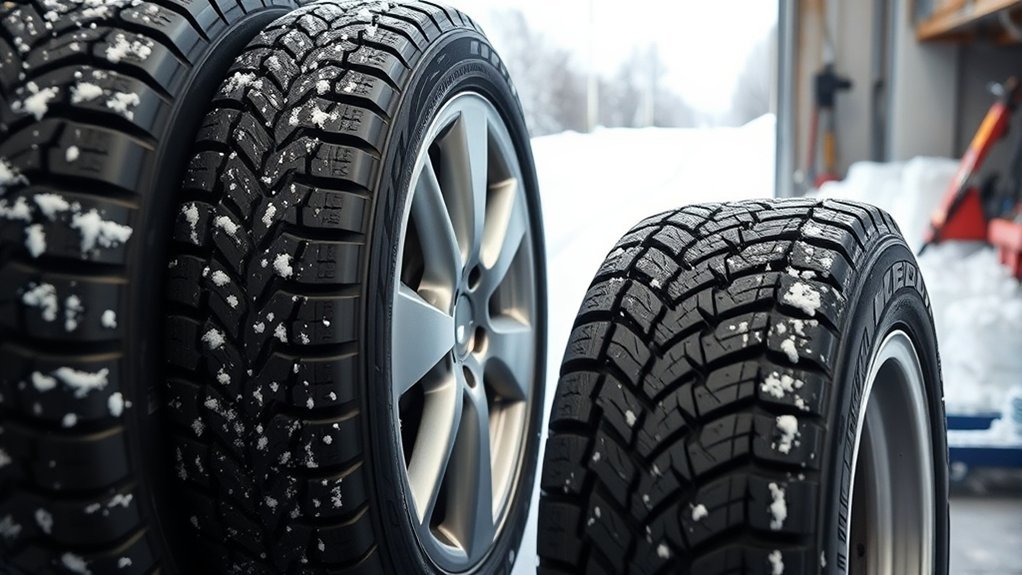
A snow tire, or winter tire, is designed to give you better grip, braking, and control when temperatures drop below 45°F, on snow, slush, and ice. You’ll get deeper tread, more biting edges, and a softer rubber compound that stays flexible in cold weather. For the best balance, mount four winter tires, not just two. Studless, studdable, and studded options each suit different conditions, and the right choice depends on your climate and driving needs.
Key Takeaways
- Snow tires, or winter tires, are made for cold weather and perform best below 45°F.
- They use deeper tread, sipes, and flexible rubber to improve grip on snow, slush, and ice.
- Winter tires shorten braking distances and improve control, especially when all four tires are installed together.
- Common types include studless, studdable, and studded tires, with 3PMSF marking severe snow performance.
- Switch to snow tires before temperatures stay below 45°F, and check local laws for winter tire and stud requirements.
What Is a Winter Tire?
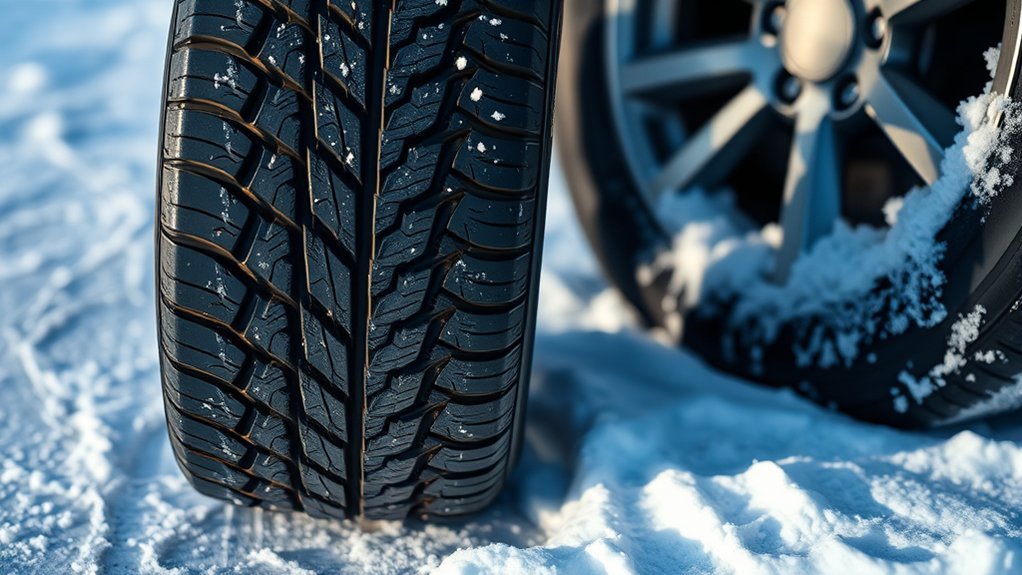
A winter tire, often called a snow tire, is engineered to give you better grip and control in cold conditions, especially when temperatures drop below 45°F (7°C). You’ll see winter tires built with tread patterns that use deeper grooves and extra biting edges to improve traction and reduce skidding on slick roads. Their rubber compounds stay flexible in cold weather, so you keep stronger contact with the pavement and more predictable handling. Many models carry 3PMSF and Ice Grip markings, which tell you they’re tested for severe winter use. To get balanced traction, you should equip all four corners with the same snow tires, not just two. That choice helps you maintain stability, steer with confidence, and protect your freedom of movement when the road turns harsh. Additionally, prioritizing dedicated winter tires is crucial for optimal performance on untreated roads and deep snow.
How Winter Tires Work on Ice and Snow
Winter tires work by combining tread design and rubber chemistry to keep you moving on ice and snow. When you drive on icy or snowy roads, winter tires use deeper tread patterns and biting edges to create traction on snow and help you steer with more control. Their rubber compounds that remain flexible below 45°F keep the contact patch pliable, so the tire can grip instead of harden and slide. This flexibility also helps you brake shorter on slick pavement, reducing skid risk and giving you more freedom to keep moving.
Winter tires combine deep tread and flexible rubber to help you grip, steer, and brake on snow and ice.
- Deep grooves move slush and water away
- Sipes add extra biting edges on glare ice
- Flexible rubber improves road contact
- Tread channels help resist hydroplaning
- Mountain Snowflake markings signal tested winter performance
You’ll usually get the best results when you choose winter tires rated for severe conditions, especially where cold, packed snow, and icy roads dominate. Additionally, selecting tires with 3-Peak Mountain Snowflake certification ensures optimal performance in harsh winter weather.
Winter Tire Rubber and Tread Design
You’ll get better cold-weather grip from winter tire rubber because it stays flexible below 45°F, instead of hardening like standard compounds. Deeper tread patterns help you bite into snow and move slush and water away from the contact patch, which improves traction and control. Sipes add extra biting edges, so your tire can grip ice and packed snow more effectively. Additionally, 3PMSF certification ensures that the tire meets strict performance standards for severe winter conditions.
Rubber Flexibility
Unlike all-season and summer tires, winter tires use specialized rubber compounds that stay flexible below 45°F, so they keep gripping effectively on cold pavement, ice, and packed snow. You get flexible rubber that resists hardening, so your contact patch stays planted in harsh weather conditions. During snow tire installation, check that the tread design pairs with rubber compounds that remain soft in freezing conditions. That combo delivers optimized grip and stronger traction on icy roads.
- Better cold-weather compliance
- More reliable braking
- Improved steering response
- Shorter stopping distances
- Less sliding on black ice
Hydrophilic additives help the rubber shed moisture, boosting control on wet slush. For you, that means safer, freer winter driving with less wasted momentum and more confidence when roads turn hostile.
Deep Tread Patterns
Snow-ready tread matters because deep patterns with a high void ratio help pack and eject snow while clearing slush from the contact patch. With winter tires, you get deep tread patterns that raise traction in snow and keep grip when roads turn slick. Their tread design uses larger channels and specialized shoulder blocks to bite into packed snow, while a narrower aspect ratio helps the tire move through deep snow with less drag.
| Feature | Effect | Benefit |
|---|---|---|
| High void ratio | Moves snow | Better traction |
| Deep grooves | Eject slush | Cleaner contact patch |
| Shoulder blocks | Increase snow contact | Stronger grip |
| Winter rubber compounds | Stay flexible | Consistent performance |
| Proper depth | Limits hydroplaning | Safer braking |
Choose winter tires with healthy tread depth, and you keep control, freedom, and confidence when conditions drop.
Sipes And Biting Edges
Sipes are the tiny cuts in winter tire tread that create dozens of extra biting edges, letting the tire grip ice and packed snow more effectively. You get better traction on icy surfaces because each sipe flexes and acts like a claw. In winter tires, more sipes usually mean stronger control, shorter braking distances, and less skidding. Flexible rubber compounds keep these tread patterns working below 45°F, when standard tires stiffen.
- More biting edges increase road contact
- Better grip improves steering precision
- Sipes help shorten stopping distances
- Tread patterns shed slush and water
- Winter tires stay effective in cold conditions
Use this design to move freely through winter roads with confidence.
Why You Need Four Winter Tires
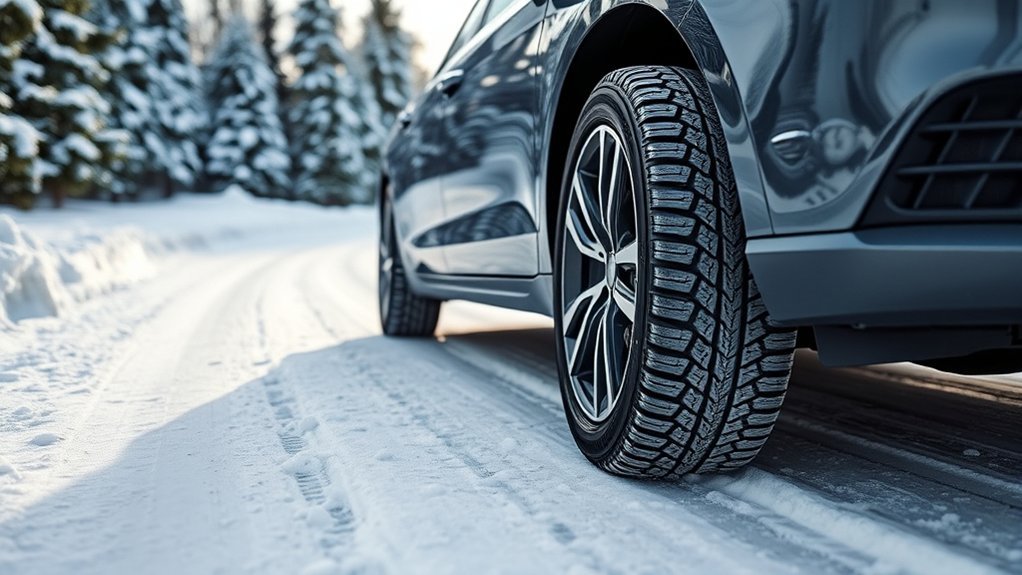
For balanced winter traction, you need all four winter tires installed, not just two. When you equip four winter tires, you keep traction even across acceleration, steering, and braking, so your vehicle responds predictably on ice and snow. If you fit only two, the mismatched grip can upset the chassis, especially at the rear, and you can lose control during cornering or lane changes. That’s a serious safety issue. In rear-wheel drive vehicles, the front tires steer while the rear tires drive the car, so all four corners must match to preserve stability. Mixed tire types also create uneven stopping distances, which makes emergency maneuvers less reliable. A full set gives you consistent grip, sharper steering response, and better confidence when road conditions turn hostile. For the best result, switch to four winter tires before winter weather arrives, so you’re ready to move freely and safely when traction matters most. Additionally, using studded tires can significantly enhance grip on icy surfaces, ensuring better control in harsh winter conditions.
When to Switch to Winter Tires
The best time to switch to winter tires is before cold weather fully sets in, not after the roads are already slick. You should mount winter tires when temperatures consistently drop below 45°F (7°C), because rubber in all-season tires hardens and cuts traction in cold conditions. A practical cue is seeing your breath outdoors; that signals the season is turning. Installing them before the first snowfall gives you control when roads turn snowy or icy.
Switch to winter tires before the first snowfall, when temperatures consistently fall below 45°F for safer traction.
- Watch daily temperatures, not just forecasts.
- Change over when mornings stay cold.
- Don’t wait for the first storm.
- Use separate wheels for faster swaps.
- Remove winter tires in warmer months.
This timing lets you stay free from avoidable risk while protecting tire life. If you run winter tires on dry roads during warm weather, they wear faster and lose performance. Acting early keeps your vehicle ready for winter’s sharpest conditions, ensuring your tires maintain effective traction on packed snow.
Winter Tire Types: Studless, Studdable, and Studded
Winter tires come in several types, and the right choice depends on your vehicle, local conditions, and how much ice you face. A snow tire can be studless, studdable, or studded. Studless ice and snow tires use advanced tread designs and rubber compounds to deliver strong winter traction on snow and ice without metal. If you drive a car, performance winter tires add sharper handling while still improving cold-weather control. For bigger rigs, light truck and SUV studless models keep stability and grip intact. Studdable winter tires let you add studs for packed snow and glare ice, so you can tune traction to harsh routes. Studded tires give maximum bite on hard ice, but they can wear roads, so check local rules before you commit. You want control, not compromise, and these choices let you match traction to your needs. Additionally, winter tires are specifically designed to enhance traction, braking, and handling in winter conditions.
Winter Tire Ratings, Symbols, and Legal Rules
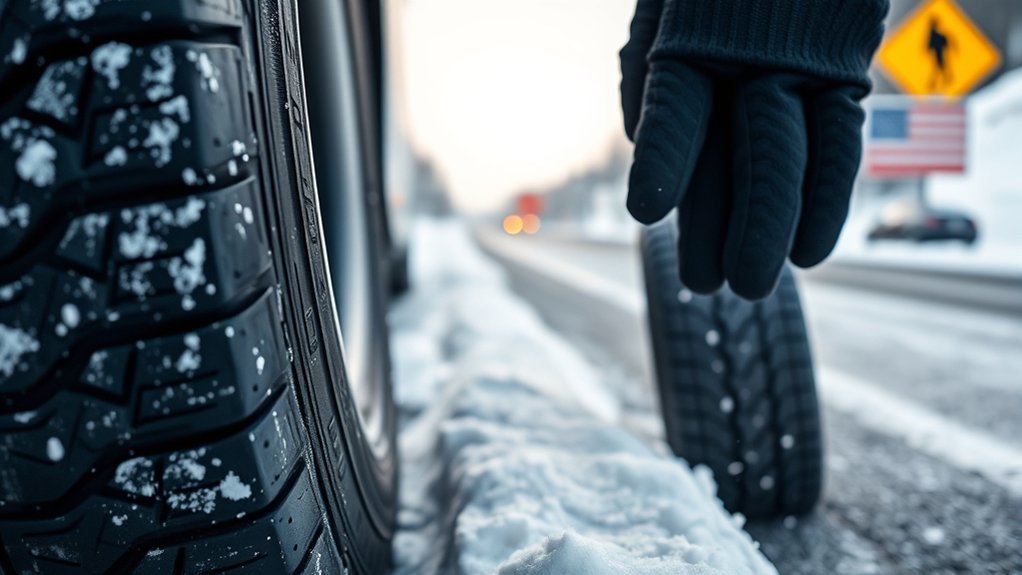
You should read winter tire markings carefully: the 3PMSF symbol means a tire has met severe-snow performance criteria, while M+S alone doesn’t guarantee true winter capability. If you use studded tires, you’ll need to check local rules, since some regions restrict or label them to limit road wear. Winter tire laws also vary by region, and you may be required to use winter tires or carry chains in icy conditions. Additionally, choosing tires with 3-Peak Mountain Snowflake certification ensures optimal performance in harsh winter conditions.
3PMSF And M+S Symbols
Decoding tire sidewall symbols can make a big difference in winter safety: the 3PMSF (Three-Peak Mountain Snowflake) mark means a tire has passed standardized severe-snow performance tests, including braking on packed snow, while M+S (Mud and Snow) is a looser designation that doesn’t guarantee the same level of winter traction. When you drive in cold climates, choose 3PMSF for ideal traction.
- 3PMSF = verified winter performance
- M+S = basic mud-and-snow design
- severe snow testing checks tire traction
- regional rules may require specific markings
- compliance supports safer winter mobility
You’ll get more reliable control on icy roads with 3PMSF-rated tires. M+S can help, but it’s not a substitute for certified winter capability. Check the sidewall before you buy.
Studded Tire Regulations
Studded tires can improve grip on packed snow and ice, but because the metal studs can damage road surfaces, many regions regulate or restrict their use. When you choose studded winter tires, check for the STUDDED marking on the sidewall; that label helps you verify legal compliance. You’ll also want to understand ratings: the 3PMSF symbol means the tire passed performance tests for severe snow and braking in winter conditions. M+S only shows a mud-and-snow design, not proven severe-snow performance. In North America, regulations vary by state or province, so you must inspect local rules before you drive. If you want traction without unnecessary limits, use the right symbol, confirm the markings, and match the tire to your route and climate.
Regional Winter Tire Laws
Once you’ve sorted out studded tire use, the next step is checking the regional rules that govern winter tires, symbols, and legal compliance. You need to verify local regulations before you drive. Many regions in Europe and North America require winter tires from December to March to improve road safety. Use the 3PMSF symbol, not just M+S, when laws demand severe-snow performance. Check tread depth, because Japan and other jurisdictions set minimum limits and may require chains on icy roads. Quebec mandates winter tires from December 1 to March 15. – Confirm dates
- Read tire markings
- Measure tread depth
- Review studded tires rules
- Carry chains when required
In the U.S., NHTSA recognizes 3PMSF tires for compliance, so you can choose freely and stay legal.
Frequently Asked Questions
What Is the Difference Between a Regular Tire and a Snow Tire?
A regular tire uses a harder rubber composition and flatter tire tread, so you get decent wear resistance and everyday handling dynamics. A snow tire uses softer rubber, deeper tread, and more sipes, so it stays flexible below 45°F and boosts traction capabilities. You’ll also get better temperature performance, braking efficiency, and control on ice, snow, and slush. Regular tires can’t match that winter grip when conditions turn severe.
Do Snow Tires Actually Make a Difference?
Yes—snow tires can make a real difference: studies show they can cut stopping distances on icy roads by up to 30%. You’ll get stronger performance benefits from softer rubber compounds and a tread design built for bite, water evacuation, and slush handling. That temperature response keeps traction improvement high below 45°F, which supports driving safety in winter conditions. If you want control, run a full set for balanced grip.
How Do I Tell if I Have Snow Tires?
You can tell by checking tire markings on the sidewall for the 3PMSF symbol. Then inspect tread depth, deeper grooves, and lots of sipes. A cold-flexible rubber compound below 45°F signals winter use, and those performance indicators usually mean better handling characteristics in snow. M+S alone isn’t enough. If you’re unsure, compare installation tips in the owner’s guide or ask a tire shop to confirm.
How Much Do 4 Snow Tires Cost?
Four snow tires usually cost you $400 to $1,200, and the numbers tighten fast as you compare. In snow tire pricing, brand performance, tread patterns, and warranty options shift the total. You’ll often see mid-range seasonal tire comparison sets at $400 to $800, while premium choices climb higher. Add installation costs of $50 to $150. For tire longevity, choose wisely, and you’ll keep control, freedom, and traction longer.
Conclusion
In winter, your tires are your first safety system. When you switch to true snow tires, you give your vehicle better grip, shorter stopping distances, and more control on ice and packed snow. Choose the right type for your climate, and install four matching winter tires for balanced handling. Check the snowflake symbol, follow local rules, and swap them in before temperatures drop. That simple step can feel as steady as a handrail in a storm.

Related Articles

What Is a All Season Tire? Complete Guide & Best Options
One guide reveals what all-season tires really do—and which best options could keep you guessing until the final recommendation.
Read More
What Are Tire Socks? Snow Traction Alternative Explained
Keen to know if tire socks beat chains on snow and ice, this quick guide explains why they’re easier and when they actually work.
Read More
What Are Tire Chains? How They Work & When to Use Them
Tire chains boost traction on snow and ice, but when should you use them and what happens if you don’t?
Read More