
How Big Is a 285 Tire? Full Size Breakdown & Dimensions
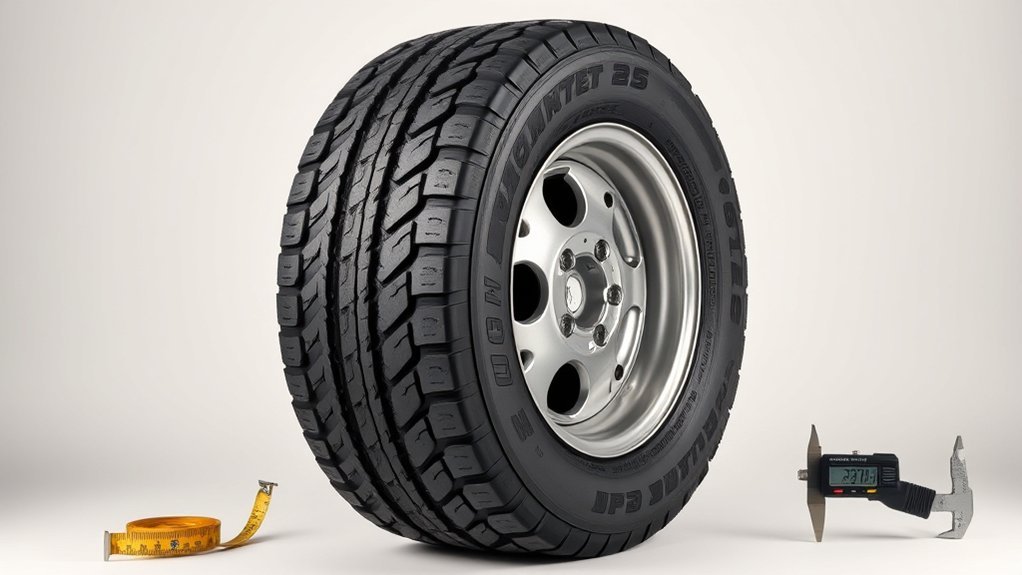
A 285 tire is about 11.2 inches wide, and a common size like 285/70R17 is roughly 32.8 inches tall with a sidewall near 7.85 inches. You get about 20 mm more width than a 265, plus a slightly taller stance and a larger contact patch. Fitment depends on wheel width, offset, and clearance, so some trucks need adjustments. If you keep going, you’ll see how those numbers affect fit, stance, and performance.
Key Takeaways
- A 285 tire is 285 mm wide, or about 11.2 inches across.
- A common 285/70R17 tire is about 32.8 inches tall, with a 7.85-inch sidewall.
- Compared with a 265 tire, a 285 is about 0.79 inches wider and roughly 2.2 inches taller.
- Wider 285 tires improve traction and stability, but may slightly reduce fuel economy.
- Fitment usually requires checking wheel width, offset, and available clearance to prevent rubbing.
How Big Is a 285 Tire in Inches?
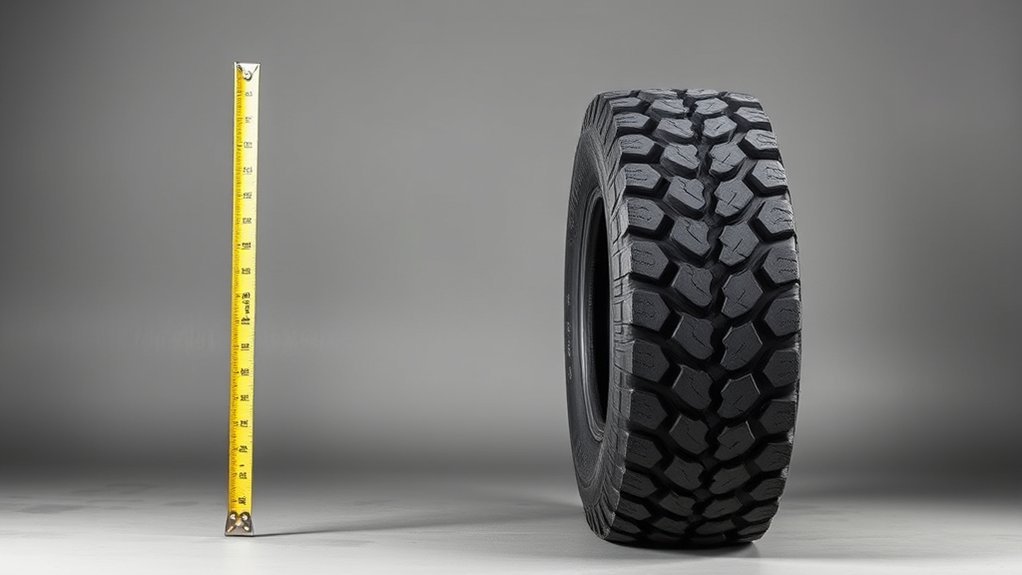
A 285 tire is typically about 11.2 inches wide, since its 285-millimeter section width converts to roughly 11.2 inches. When you assess tire size, that figure gives you a direct inch-based measure for comparing tire sizes without guesswork. In common fitments like 285/70R17, you’ll also see an overall diameter of about 32.8 inches, which helps you judge clearance, gearing, and stance. The 70 aspect ratio means the sidewall height equals 70% of the width, so the tire’s full package stays proportioned and predictable.
You should expect minor tread-width differences between manufacturers, but the nominal width remains stable enough for accurate comparisons. Against a 265 tire, a 285 adds about 0.79 inches of width, or 20 millimeters, which can improve traction and stability. If you want room, grip, and control, this tire size gives you a measurable step up while keeping tire sizes easy to evaluate. Additionally, selecting all-season tires can enhance safety, comfort, and efficiency year-round.
285 Tire Width, Sidewall, and Diameter
A 285 tire has a section width of 285 millimeters, or about 11.2 inches, so you’re working with a particularly wide footprint. Its sidewall height depends on the aspect ratio; for example, a 285/70R17 has a sidewall of about 199.5 millimeters, or 7.85 inches. That same size measures roughly 32.7 inches in overall diameter, which increases ground clearance and affects fitment on rims typically 8.0 to 11.0 inches wide. Additionally, tires like the Fullway HP108 offer reliable traction year-round, making them a practical choice for various driving conditions.
285 Width Specs
The 285 tire’s section width is 285 millimeters, or about 11.2 inches, so you’re dealing with a noticeably wider footprint than a 265 tire. That extra 20 millimeters, or 0.79 inches, helps you put more rubber on the road, improving traction and stability when you’re pushing for control. Tire manufacturers design this width to fit rim widths from 8.0 to 11.0 inches, so check your wheel spec before you buy. A wider Tire can add rolling resistance, which may affect Fuel Economy, but it also gives you a more assertive contact patch. If you want capability without giving up precision, the 285 width delivers a balanced, technical upgrade that supports confident driving and a freer, more capable build.
Sidewall And Diameter
With the 285 mm section width established, the next measurement that shapes fitment and performance is the sidewall. In a 285/70R17, the 70% aspect ratio gives you a sidewall height of about 199.5 millimeters, or 7.85 inches. That taller sidewall lets your tire flex over rocks, absorb impacts, and keep the tread pattern working with more confidence on loose terrain. When you combine that with the tire’s 32.7-inch overall diameter, you get a package that favors clearance, traction, and load control. You’ll notice a broader contact patch and steadier behavior when towing or airing down off-road. For best results, match it to an 8.0 to 11.0-inch rim width so the tire can perform freely.
285 Tire Sizes by Wheel Diameter
When you match a 285 tire to the right wheel diameter, the most common fitment is 285/70R17, which measures about 32.7 inches in overall diameter and roughly 11.2 inches in section width. You get a 70-series sidewall, so the tire’s height supports ride comfort while preserving sharp handling. For wheel compatibility, check that your rim selection falls within the 8.0 to 11.0 inch range; that keeps the beads seated correctly and the footprint consistent under load. A 285 is about 20 mm wider than a 265, so you’ll notice more traction and lateral stability on dirt, rock, and pavement. Your tire inflation also matters: proper pressure helps maintain the intended contact patch and protects the sidewall from excess flex. If you’re building for capability and self-reliance, a 285 on the correct wheel diameter gives you a precise, liberated balance of clearance, grip, and control. Additionally, selecting tires with an aggressive tread design can further enhance traction in challenging off-road conditions.
Will 285 Tires Fit Stock Wheels?
A 285 tire can fit many stock wheels, but you’ve got to match the rim width and clearance correctly. For tire compatibility, check that your wheel sits within the 8.0 to 11.0-inch rim range. Most stock truck wheels do, yet the 32.8-inch diameter of a 285/70R17 can change fitment on some setups.
| Check | Spec | Result |
|---|---|---|
| Rim width | 8.0–11.0 in | Fits |
| Tire width | 285 mm | ~11.2 in |
| Diameter | 32.8 in | Verify |
You may need slight wheel alignment or offset changes if the tire sits too far inward or outward. Some trucks also need suspension modifications, like a lift or cab mount chop, to keep the tire from interfering with factory bodywork. Don’t guess—use your vehicle maker’s specs and ask a tire expert before you buy. That way, you keep control, avoid costly mistakes, and roll with confidence. Additionally, consider the all-terrain tire options available for enhanced grip and versatility in various conditions.
How Much Clearance Do 285s Need?
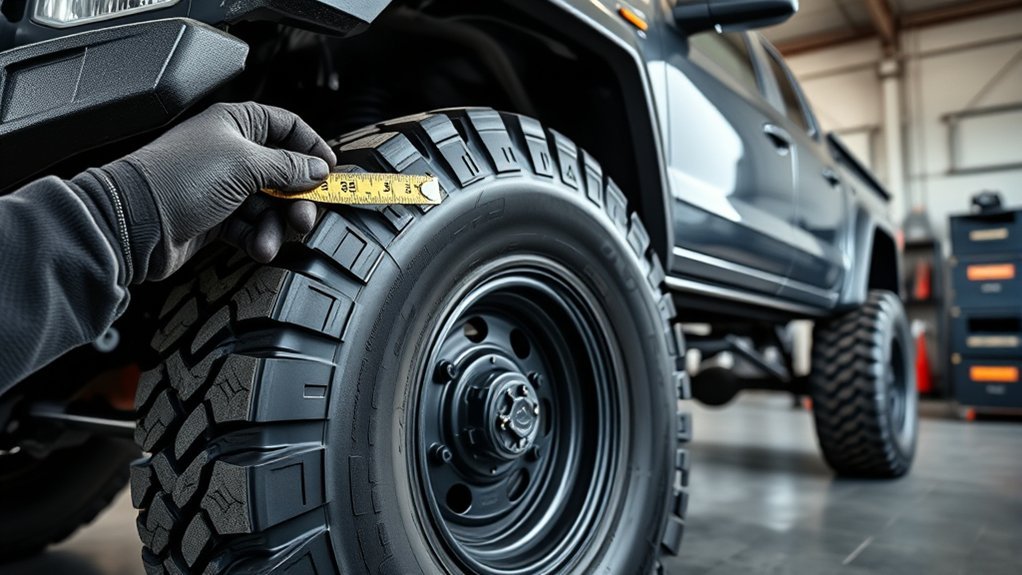
How much clearance do 285s need? You should plan for at least 2 inches of extra wheel well space when you mount a 285 tire. At roughly 32.8 inches tall, it needs enough room to avoid rubbing the fender, inner liner, or suspension at full lock and during compression. Your vehicle’s clearance requirements can vary, so check the factory specs before you buy. If you’re close to the limit, suspension modifications may be necessary; a lift kit can create space and keep the tire from contacting components under load. That matters when you’re pushing into rough terrain and claiming more control over your route. A 285 also raises ground clearance by about 1 inch versus a narrower tire, giving you real off-road advantages over rocks, ruts, and ledges. Fitment isn’t universal, but when you respect the measurements, you gain safer articulation and better trail capability without sacrificing mechanical reliability. Additionally, ensure that your tires have a suitable load index and speed rating to maintain performance and safety on various terrains.
How 285 Tires Change Truck Stance
That extra width changes your truck’s posture fast: a 285 tire measures about 285 mm wide, or roughly 11.2 inches, so it pushes the tires farther outward and gives the vehicle a broader, more planted stance. You’ll usually see about an inch of added visual height with a 285/70R17, and that stance impact reads as a sharper, more aggressive profile. The wider contact patch also creates real handling improvements because the tire loads the pavement and dirt more evenly, which helps stability in corners and on uneven trails. On the road, you get a stronger, more confident feel; off-road, you get better bite and control. This is a practical aesthetic upgrade, not just a style move. Just remember that the extra volume can demand suspension lift or wheel-well adjustments to keep everything clear and free. Additionally, choosing the right all-terrain tires can enhance your off-road performance significantly.
285 Vs 265 Tires: What’s the Difference?
A 285 tire measures 285 mm across, so it’s 20 mm, or 0.79 inches, wider than a 265 tire, and that size gap stays consistent across common fitments like 285/70R17 and 265/70R17. You’ll get a larger contact patch with 285s, which improves off-road traction and stability, but you’ll also add rolling resistance that can reduce fuel economy by about 1–2 MPG. You’ll also need to check fitment more carefully, because 265s usually install more easily, while 285s may require suspension changes or wider rims to avoid rubbing. Additionally, tire durability features play a crucial role in maximizing performance and longevity.
Size And Width Difference
Compared with a 265 tire, a 285 tire is 20 mm wider in section width, which is about 0.79 inches, so you get a noticeably larger contact patch and a broader stance. That extra width changes tire performance by spreading load over more rubber, which can improve grip on loose surfaces and give you clear traction benefits in mud, sand, and rocks. You also get a taller overall package: a typical 285/70R17 measures about 33.8 inches in diameter, versus 31.6 inches for a 265/70R17, so the 285 stands roughly 2.2 inches taller. The tradeoff is fuel efficiency, since the wider tire creates more rolling resistance and can cost you about 1-2 MPG.
Fitment And Performance
When you step up from 265s to 285s, you’re not just adding width—you’re changing how the vehicle fits and drives. That extra 20 mm builds a larger contact patch, so you gain traction, cornering stability, and firmer handling dynamics. You’ll usually need to verify rim width, because 265s fit 7.5-9.5 inch rims, while 285s demand 8.0-11.0 inches, and that can mean lift, trimming, or other fitment changes. Expect a 1-2 MPG hit from added weight and rolling resistance. Adjust tire pressure carefully: too low can blur steering, too high can cut grip. For off road performance, 285s give you better flotation and control, while 265s stay lighter, more agile, and easier to manage on tight trails.
Which Trucks Fit 285 Tires Best?
If you’re looking for trucks that handle 285 tires well, the Ford F-150, Chevrolet Silverado, Ram 1500, and Toyota Tundra are among the best-fit options because their wheel wells and suspension setups commonly accommodate this size with 17- to 20-inch rims. You’ll still want to verify backspacing and offset, since 285s measure about 285 mm wide and can reach 32.8 to 33.8 inches tall. That extra footprint improves off road capabilities and highway stability, while higher load ratings can add roughly 300 pounds over narrower 265s. If you want zero compromise, check for rubbing at full lock and compression. Many setups need suspension modifications like lift kits or wheel spacers to clear fenders and suspension components. When you choose a truck with the right geometry, you get freer, more capable movement on rough terrain without sacrificing daily drivability. Additionally, opting for all-terrain tires can enhance your vehicle’s versatility in various driving conditions.
285 Tires or 35s?
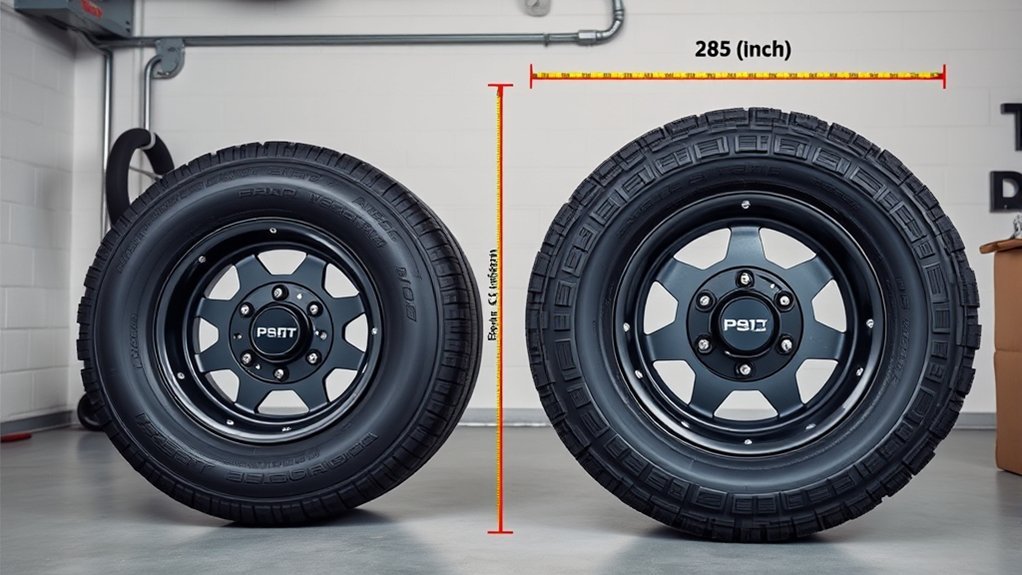
Choosing between 285 tires and 35s comes down to how much size, clearance, and performance you need. A 285 tire measures about 33.0 inches tall and 11.2 inches wide, so you get a broad contact patch without the mass of a true 35. That usually improves fuel efficiency, acceleration, and steering response on pavement. If you want stronger off-road capabilities, 35s deliver more ground clearance, with many options measuring 34.9 to 35.5 inches in diameter. That extra height can clear obstacles and reduce underbody strikes, but it also adds weight and may demand a lift or trimming to stop rubbing at full lock or under load. In tire performance terms, 285s favor balance and daily drivability, while 35s favor maximum clearance and towing stability thanks to higher load ratings. Choose 285s for liberation through efficiency; choose 35s when trail control matters most. Additionally, selecting the right tire involves evaluating tread design to ensure optimal performance in various conditions.
Frequently Asked Questions
Is a 285 Tire a 33 or 35?
A 285 tire is closer to a 33 than a 35, so you’re looking at a 33-inch class tire, not a true 35. Its tire width is about 11.2 inches, and that size can improve off road performance with a broader footprint. You’ll still want to check load capacity and exact sidewall ratio, because 285s vary by model. Manufacturers may label them differently, but dimensions don’t lie.
Is a 285 Taller Than a 265 Tire?
Yes, a 285 tire is taller than a 265, and you’ll notice it like two doors opening at once. In a tire width comparison, the 285’s extra 20 mm adds about 1.4 inches of diameter. The aspect ratio impact usually stays similar, so width drives the gain. Tread pattern differences can slightly affect real-world height, but the 285 still gives you more clearance, stability, and off-road freedom.
Is a 285 a 31 Inch Tire?
No, you usually can’t call a 285 a 31-inch tire. You’re dealing with tire measurements that typically produce about 32.8 inches in diameter for a 285/70R17, though size variations change that. A 285/75R16 grows to roughly 33.8 inches, so it’s clearly larger. For off road performance, you may still choose it because you want more ground clearance and a stronger stance without accepting misleading labels.
What Is a 285 Tire Comparable To?
A 285 tire compares closely to a 33-inch tire, especially in 285/70R17 form, and it’s wider than a 265 by about 20 mm. You’ll notice the difference instantly: more rubber, more stance, more grip. That tire width comparison affects off road performance, giving you a larger contact patch and better bite. Depending on tread pattern differences, it can feel more aggressive, stable, and freer when you need traction.
Conclusion
So, if you’re sizing up 285 tires, you’re really looking at a wider footprint, a taller sidewall, and a more aggressive stance that can change your truck’s whole attitude. They’re not a bolt-on fit for every setup, so you need to check wheel width, clearance, and suspension travel before you commit. Compared with 265s, 285s bring more muscle, but they also ask for more room to breathe.

Related Articles
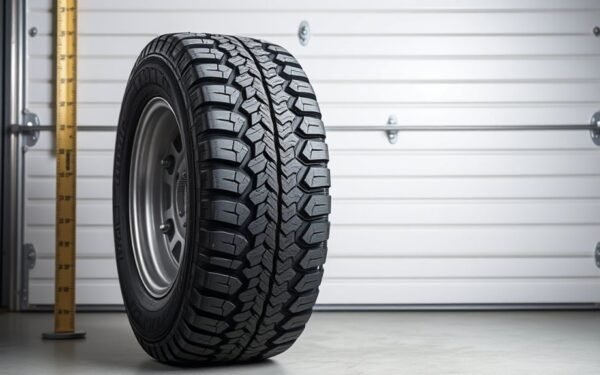
How Big Is a 285 70R17 Tire? Full Size Breakdown & Dimensions
Bigger than it looks, a 285/70R17 tire’s true dimensions may surprise you—discover the full breakdown before you choose the wrong fit.
Read More
How Big Is a 275 55R20 Tire? Full Size Breakdown & Dimensions
A 275/55R20 tire’s size may surprise you—discover the full dimensions and fitment details before you choose the wrong one.
Read More
What Is a Bsw Tire? Complete Guide & Best Options
Clean and practical, a BSW tire offers hidden benefits, but which models and specs are best for your vehicle?
Read More