
How Wide Is a 315 Tire? Exact Width & Fitment Guide
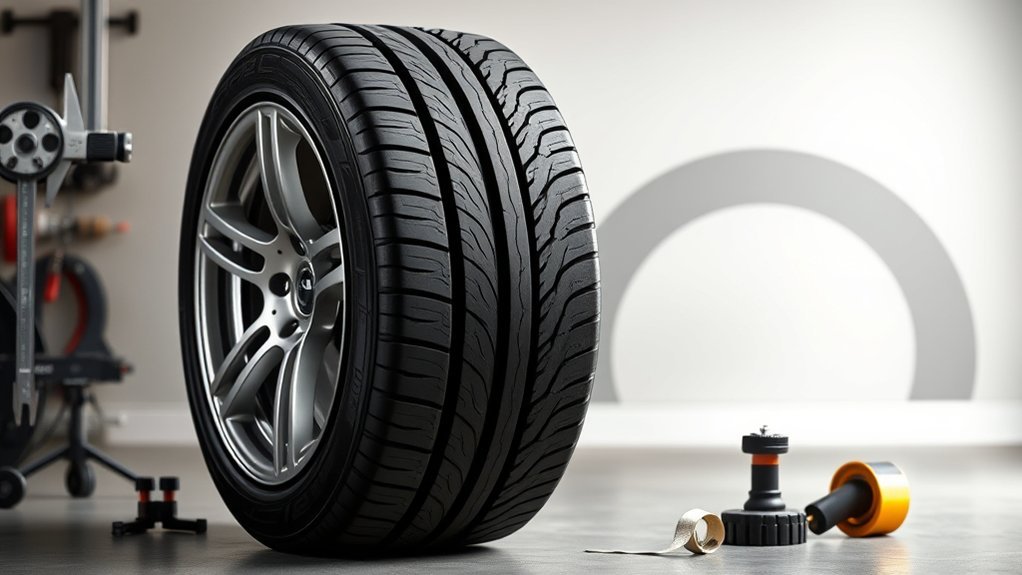
A 315 tire is about 13.2 inches wide nominally, but you’ll see variation based on tire model, wheel width, and inflation. On a proper 10- to 12-inch wheel, a 315’s section width can look narrower or wider than the label suggests. Fitment matters because wheel width affects sidewall shape, handling, and clearance. Before you mount one, verify your rim and wheel well space so you can avoid rubbing and get the full picture.
Key Takeaways
- A 315 tire is about 315 mm wide nominally, or roughly 13.2 inches, but actual width varies by brand and wheel size.
- Mounted section width depends on the rim; a P315/60R15 can measure about 13.2 inches on a suitable 10-inch wheel.
- Manufacturer specs matter because advertised width is a fitment reference, not a fixed measurement.
- Most 315 tires fit best on 10- to 12-inch-wide wheels, with 10 inches often ideal for balanced performance.
- Verify clearance before installation, since wheel width, inflation, and suspension changes can affect rubbing and handling.
How Wide Is a 315 Tire?
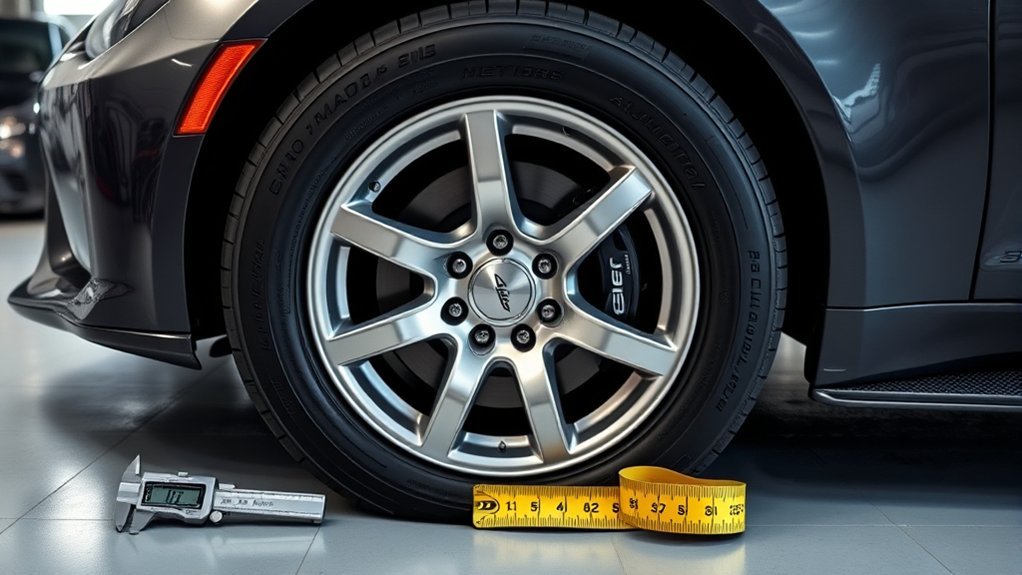
A 315 tire is wide, but the exact measurement depends on the tire model and the wheel it’s mounted on. For the P315/60R15, you’ll see an inflated section width of 13.2 inches on a suitable wheel. Mickey Thompson also lists this Tire Size at 11.5 inches when you mount it on a 10-inch wheel, which shows how wheel width changes the reading. You need to treat advertised width as a fitment reference, not a fixed truth. If you want predictable handling, safety, and performance, match the tire to the recommended 10-inch wheel and verify compatibility before installation. Discrepancies in perceived width happen often, so check the manufacturer’s specs instead of guessing. When you measure correctly, you take control of fitment and avoid mismatched setups that can limit your vehicle’s potential. Understanding tire size specifications is crucial for optimal performance.
315 Tire Section Width Explained
You’ll see section width listed as the tire’s nominal width, but that number can change once the tire’s mounted and inflated. For example, a P315/60R15 can measure about 13.2 inches inflated, even though a 315 tire may be advertised near 11.5 inches on a 10-inch wheel. Wheel size also affects the final measurement, so you need to match the rim range to get the width and handling you expect. It’s crucial to consider tire fitment guidelines to ensure optimal performance and safety.
Section Width Basics
Tire section width is the tire’s width measured in millimeters when it’s mounted and inflated, and for a 315 tire that nominal size translates to about 13.2 inches of actual width. You should treat that number as a baseline, not a fixed promise. Manufacturers, including Mickey Thompson, often list section width differently; MT shows 11.5 inches for a 315 on a 10-inch wheel. Wheel width changes the reading, and wider wheels usually spread the tire wider. That matters because tire performance, tread patterns, and load capacity all depend on the fit you choose. Check the maker’s specs before you buy, since advertised and actual widths can diverge. When you verify section width, you protect fitment, preserve control, and keep your setup free to perform as intended.
Mounted Width Measurements
Mounted width is where the spec sheet meets the wheel, and that’s where a 315 tire’s real footprint becomes clearer. A 315/60R15 can advertise 13.2 inches inflated, yet MT confirms 11.5 inches on a 10-inch wheel. You need manufacturer data because tread patterns, carcass shape, and tire pressure all shift measured section width.
| Tire | Mounted width | Wheel |
|---|---|---|
| 315/60R15 | 13.2 in | advertised |
| MT 315 | 11.5 in | 10 in |
| Your setup | verify spec | match fitment |
Read performance metrics from the mounted tire, not assumptions. When you measure accurately, you choose with freedom, avoid mismatch, and keep handling honest.
Wheel Size Effects
Wheel size changes how a 315 tire’s section width presents itself on the vehicle, because the same carcass spreads differently depending on the rim it’s mounted on. On a proper wheel, a P315/60R15 measures about 13.2 inches inflated, but that figure can shift if you mount it on a 10-inch rim instead of the recommended range. Mickey Thompson rates this tire for 8.5 to 9.5 inches of rim width, so your wheel size impact isn’t cosmetic; it changes tire performance and safety. Check fitment considerations carefully:
- Too wide a rim can flatten the sidewall
- Too narrow a rim can pinch the tread
- Incorrect sizing can hurt handling and clearance
Match tire width to your vehicle specs so you keep control and keep rolling free.
Why 315 Tires Look Wider on Some Wheels
You’ll notice a 315 tire can look wider when you mount it on a wheel that changes how the sidewalls spread, because wheel width directly affects section width. For example, MT’s 315 ET Street Radial Pro is 11.5 inches wide on a 10-inch wheel, but it can measure 13.2 inches inflated on a 15-inch wheel, so the mounting width changes both the measurement and the visual profile. That’s why the same tire can appear broader on one setup than another, especially when the tread design adds to the effect. Additionally, tire fitment plays a crucial role in ensuring compatibility with your vehicle’s specifications.
Wheel Width Effects
A 315 tire can look noticeably wider or narrower depending on the wheel it’s mounted on, because rim width changes how the sidewalls and tread sit. On a narrower wheel, such as 9 inches, you’ll see tire bulging effects that can enhance the aggressive stance, but they also change contact patch shape. That matters for aesthetic considerations and performance implications alike.
- A 315 often measures about 13.2 inches mounted.
- Around 10 inches is typically the max rim width, preserving the tire’s intended profile.
- Too wide a wheel can stretch the sidewall, hurt handling, and accelerate wear.
You’ll also notice tread design and sidewall height can shift visual width between brands. For freer, safer fitment, match the wheel to the tire’s spec sheet.
Section Width Variations
Even within the same nominal size, section width can change with rim width and manufacturer specs, so a 315 doesn’t always look identical from one setup to the next. You may see a Mickey Thompson ET Street Radial Pro advertised at 11.5 inches on a 10-inch wheel, yet the same size can measure differently elsewhere. A 315/60R15 can show 13.2 inches inflated section width, which explains the confusion. Tire pressure, tread design, and carcass shape all affect how wide it looks and measures. Different brands also build to slightly different tolerances, so you shouldn’t assume every 315 shares one exact profile. Match wheel size carefully to the maker’s spec so you get the intended load capacity, predictable handling, and the widest, cleanest footprint your setup can support.
Mounting And Appearance
Mounting can change how wide a 315 tire looks and measures, especially when the wheel width doesn’t match the manufacturer’s target. If you mount it on a narrower wheel, sidewalls can arch outward, creating tire bulge effects that shift visual perception. That’s why a 315 may look fatter on one setup than another, even when the actual section width stays within spec.
- On a 15-inch wheel, one model may show 13.2 inches inflated.
- On a 10-inch wheel, the same tire can measure 11.5 inches.
- Wheel design and construction influence aesthetic considerations and fitment.
You should always check manufacturer data, because the real width depends on both tire design and mounting width. That gives you freer, more accurate choices.
Will a 315 Tire Fit Your Wheel Well?
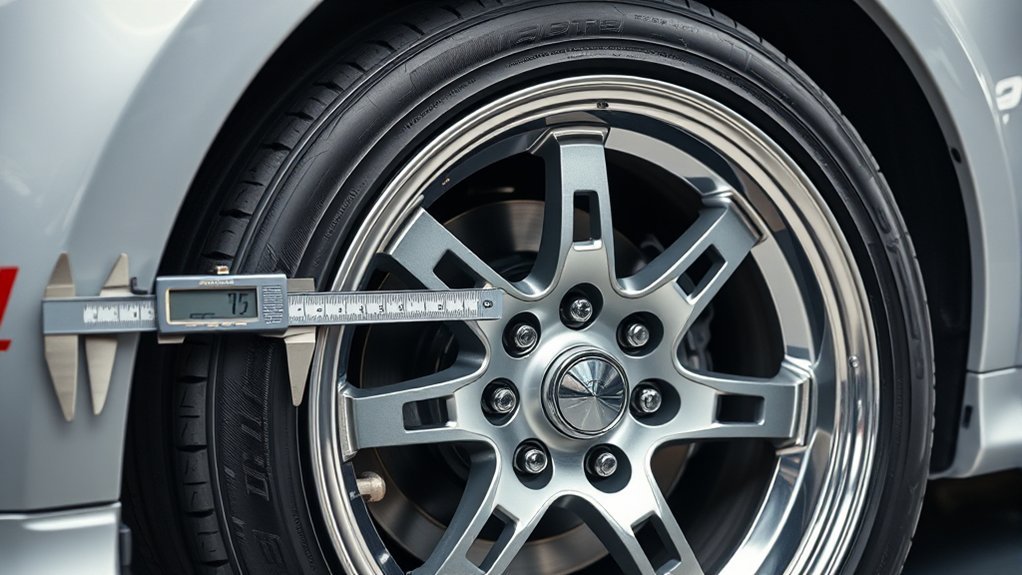
Will a 315 tire fit your wheel well? You’ll need to verify several tire clearance considerations before you commit. Mickey Thompson confirms an advertised width of 11.5 inches when the 315 is mounted on a 10-inch wheel, but actual width can vary after inflation and load. Measure the tire after mounting, then compare that measurement with your wheel well space at full lock and full compression. A 315 works best on wheels 10 to 12 inches wide, so rim compatibility matters too. Do a vehicle specifications review before installation because factory data tells you the limits you’re working with. Then assess the suspension modifications’ impact, since lifts, drops, camber changes, or altered control arms can change clearances fast. Because 315s are often used in performance setups, you can’t guess; you need to confirm there’s enough room to avoid rubbing during turns, bumps, and compression, so your ride stays free and functional. Additionally, ensure that your tire selection balances off-road capability with on-road comfort for optimal performance.
Best Wheel Width for 315 Tires
For a 315 tire, the best wheel width is typically 10 to 12 inches, with a 10-inch wheel often delivering the most balanced fit and performance. You get the best wheel compatibility in this range because the tire’s inflated width is about 13.2 inches, so the bead seats correctly and the sidewall works as intended. If you go narrower than 10 inches, you can create poor fitment that hurts handling and safety.
- 10-inch wheels: balanced street and track use
- 11- to 12-inch wheels: firmer response, more support
- Under 10 inches: avoid unless the manufacturer specifically approves it
When you choose wheels, check the tire maker’s recommendations and follow proven mounting techniques. That keeps the tire seated properly and protects performance impact in racing, off-road, or other demanding setups. With the right wheel width, you free the tire to deliver stable traction, sharp control, and reliable grip. Additionally, ensuring proper fitment can enhance tire longevity and maintenance, allowing for a smoother driving experience.
How to Mount 315 Tires Safely
To mount 315 tires safely, you need the right wheel, the right pressure, and careful setup from the start. Use tire mounting techniques that match the tire’s design, and fit it on a compatible 10-inch wheel for a 315 like the Mickey Thompson ET Street Radial Pro. When mounted correctly, you should see about 13.2 inches of inflated section width. Additionally, ensure you choose a tire with a UTQG rating that meets your driving needs for optimal performance.
| Step | What to check | Why it matters |
|---|---|---|
| Wheel fit | 10-inch width | Stable bead seating |
| Inflation | Manufacturer spec | Correct load and handling |
| Alignment | Set to spec | Even wear and control |
Follow every safety precaution: inspect the bead, seat the tire evenly, and verify pressure after mounting. Then confirm alignment considerations before driving. Check wear patterns regularly and keep inflation consistent. If the tire sits wrong, handles oddly, or wears unevenly, stop and correct it. Proper setup protects your freedom to drive hard without compromising control or tire life.
Frequently Asked Questions
Is a 315 Tire Equal to a 35?
No, you shouldn’t treat a 315 tire as exactly equal to a 35. In tire conversion, 315 usually means about 12.4 inches wide, while 35 refers to overall diameter, not width. You’ll see similar diameters on some models, but tread patterns, sidewall height, and performance impact vary by brand. For fitment, measure the exact spec, not the label, so you keep control and avoid costly clearance mistakes.
Are 315 Tires the Same as 33?
No, you shouldn’t treat 315 tires as the same as 33s. You’re comparing different tire measurements: 315 usually means about 315 mm of width, while 33 refers to overall diameter. A 315 can be near 33 inches tall, but tread patterns and section width still differ. For safe fitment, you’ll need to check wheel width, clearance, and suspension geometry before you commit.
What Is the Actual Size of a 315 Tire?
A 315 tire’s actual size isn’t just 315 mm wide; you can see up to 13.2 inches of inflated section width on a 315/60R15, even though MT lists about 11.5 inches on a 10-inch wheel. You should check tire measurements, tread patterns, and performance factors before you mount it. That way, you choose fitment that serves your ride, your control, and your freedom on the road.
How Wide of a Wheel for a 315 Tire?
You should run a 315 tire on a 10- to 12-inch wheel, with 10 inches as the minimum for proper Tire compatibility. A 10.5- or 11-inch wheel often gives you the best balance of tread support and sidewall shape. Check Wheel offset carefully, because it affects clearance and fitment. Too-narrow wheels hurt handling and increase Performance impact, while wider rims can sharpen response if your chassis allows it.
Conclusion
In short, a 315 tire is about 315 mm wide at its section width, but your actual fit depends on wheel width, offset, and suspension clearance. You’ll get the best results by matching the tire to the recommended wheel range and checking your wheel well before mounting. If you push fitment too far, you risk rubbing and poor handling. Think of it like fitting armor in a medieval suit: every dimension has to align.

Related Articles
What Does R Mean on a Tire? Load, Speed & Rating Guide
Meaning of “R” on a tire unlocks load, speed, and rating clues you need—discover what they reveal before choosing the wrong fit.
Read More
Is a 285 Tire the Same as a 33-Inch? Size Conversion Guide
Bigger than it sounds, a 285 isn’t quite a true 33-inch tire—discover the key differences before choosing the wrong fit.
Read More
How Wide Is a 255 Tire? Exact Width & Fitment Guide
B**reak down the exact width of a 255 tire, learn what rims fit best, and discover the fitment details you need before choosing one.
Read More