What Does 115T Mean on a Tire? Load, Speed & Rating Guide
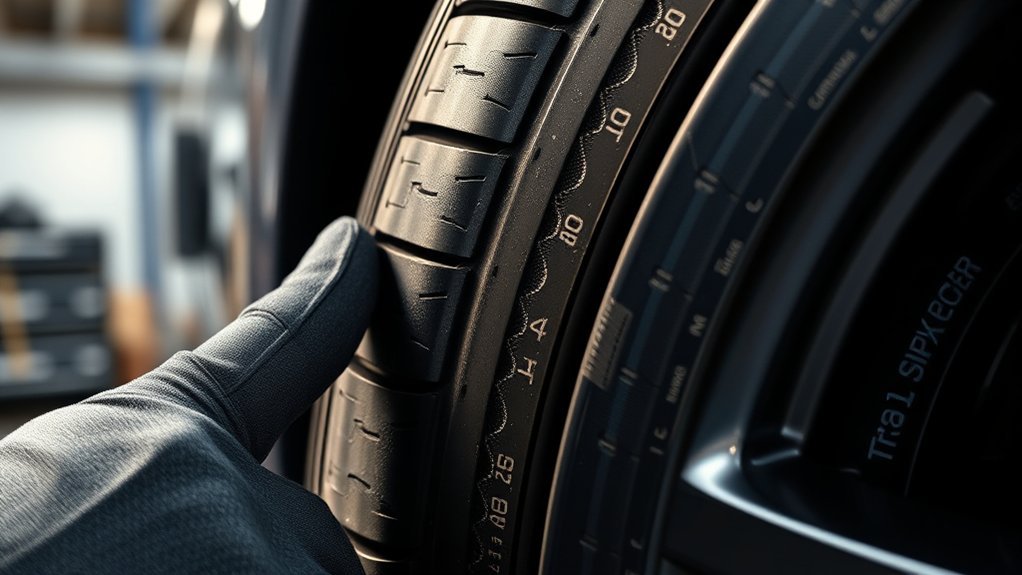
115T on a tire means you’re looking at a load index of 115 and a speed rating of T. That means each tire can carry up to 2,679 pounds and is safe at speeds up to 118 mph. You’ll usually see it after the tire size on the sidewall, like 265/70R17 115T. It’s a practical rating for everyday driving, but you should still match it to your vehicle’s load needs, and there’s more to compare.
Key Takeaways
- 115 is the tire’s load index, meaning it can support up to 2,679 pounds when properly inflated.
- T is the speed rating, indicating a maximum safe speed of 118 mph.
- Together, 115T shows the tire’s load and speed limits, which must match your vehicle’s requirements.
- You can find 115T after the tire size marking, such as 265/70 R17 115T.
- 115T is common on passenger vehicles and light trucks for normal driving, not high-speed performance.
What Does 115T Mean on a Tire?
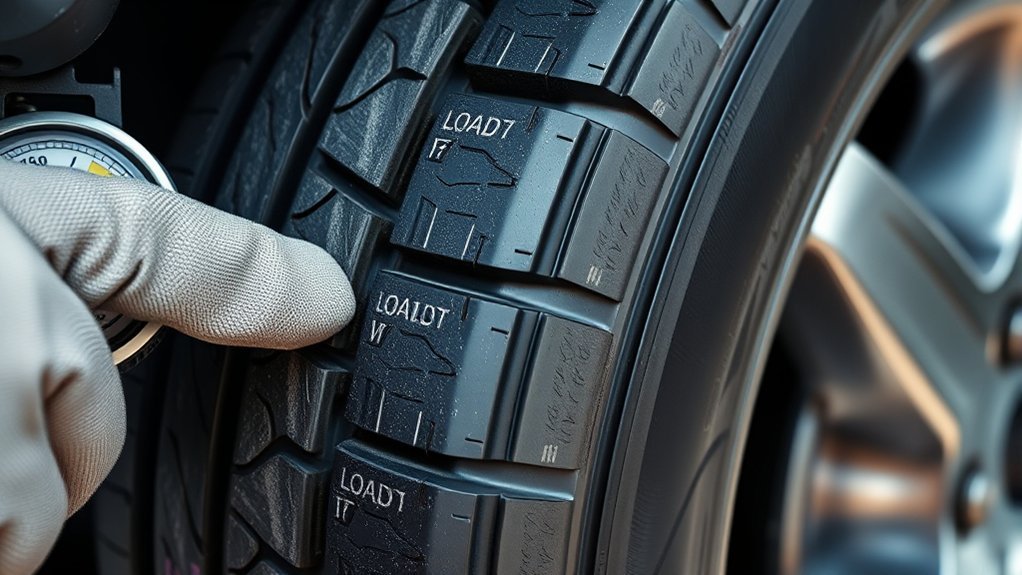
A tire marked 115T tells you two key things: the 115 is the load index, which means the tire can support up to 2,679 pounds, and the T is the speed rating, indicating a maximum safe speed of 118 mph. You use the load index to judge tire capacity, and you use the speed rating to match the tire to your vehicle’s demands. Together, these ratings tell you how the tire should carry weight, handle road forces, and maintain durability. A 115 load index usually fits passenger vehicles and light trucks, giving you a balanced mix of comfort and performance. When you choose tires, you shouldn’t guess; you need specs that align with your vehicle and how you drive. If you want safe, efficient mobility, read both numbers as a single system, not separate labels. That clarity helps you select tires that support freedom on the road without compromising control or safety. Additionally, selecting tires with consistent traction year-round can enhance your driving experience under varying conditions.
Where to Find 115T on the Sidewall
- Read the size first, like 265/70 R17.
- Look immediately after it for 115T.
- Confirm the load index is 115.
- Confirm the speed rating is T.
That marking means the tire can carry 2,679 pounds and handle speeds up to 118 mph. You should verify both values before fitting the tire to your vehicle. If the code doesn’t match your requirements, don’t install it. Reading 115T correctly helps you choose a tire that supports safe, capable, and uncompromised driving. Additionally, consider the tire’s performance features to ensure it meets your driving needs.
How Tire Load Index Works
The load index tells you how much weight a tire can safely carry when it’s properly inflated. You read it as a numerical code, and higher numbers mean greater load capacity. For a 115 load index, each tire supports 2,679 pounds. That tire rating matters because you need enough capacity for your vehicle’s GVWR, passengers, and cargo. Selecting tires with good durability ratings can also enhance safety and performance.
| Load Index | Load Capacity |
|---|---|
| 100 | 1,764 lb |
| 110 | 2,337 lb |
| 115 | 2,679 lb |
Check the sidewall, confirm the load index, and match it to your vehicle’s demands. If you exceed it, you’re stressing the casing, accelerating wear, and raising blowout risk. When you choose the right tire rating, you keep control over your vehicle’s working limits instead of letting overload decide for you.
What the T Speed Rating Means

The T speed rating tells you the tire’s maximum safe speed: 118 mph, or 190 km/h. When you choose a tire, you should match its speed rating to your vehicle’s original spec so you don’t reduce handling or safety. If you exceed that limit, you can shorten tire life and raise the risk of failure. Additionally, selecting tires with a suitable load rating ensures they can handle your vehicle’s weight and driving needs effectively.
T Rating Speed Limit
A T speed rating means the tire is certified to handle sustained speeds up to 118 mph (190 km/h) when it’s properly inflated and carrying the correct load. You get a practical tire speed limit that suits most passenger vehicles without sacrificing comfort. This speed rating comes from standardized testing, where the tire endures controlled higher speeds to verify stability and integrity.
- Stay at or below 118 mph.
- Keep inflation at spec.
- Match the original speed rating.
- Replace tires that no longer meet it.
If you drive beyond the T rating, heat builds fast and can weaken the casing, reduce grip, and compromise safety. Choose a tire that respects your vehicle’s requirements, and you keep control on your own terms.
Speed Rating Basics
When you see a T speed rating, it means the tire has been tested and certified for sustained speeds up to 118 mph (190 km/h) under proper inflation and load. You should read this speed rating as part of the tire’s full service envelope, not a standalone claim. Your vehicle’s capability depends on the lowest-rated tire on the set, so mismatched tires can limit overall performance. A T-rated tire sits below H and V ratings, reflecting an earlier balance between durability and speed as vehicles evolved. If you carry a higher load, verify the tire’s load index separately; speed and load are different ratings. When tire questions come up, check the placard and sidewall together. That keeps your choices precise, practical, and aligned with your own mobility goals.
Performance And Safety
With a T speed rating, your tire is certified for sustained speeds up to 118 mph (190 km/h) under ideal conditions, so it can handle normal highway driving safely when properly inflated and loaded. You get practical performance for passenger vehicles that value comfort and durability over aggressive handling. Match the rating to your load and driving habits to keep control tight and stable.
- Speed: stay within 118 mph.
- Load: don’t exceed the tire’s capacity.
- Performance: expect balanced grip, not race-level cornering.
- Safety: avoid mixing mismatched ratings on one axle.
Higher ratings can add grip, but they may wear faster. When you choose the right T tire, you protect freedom on the road without sacrificing dependable everyday motion.
Is 115T Enough for Your Vehicle?
To know whether 115T is enough, you need to check the load index first: 115 supports 2,679 lbs per tire, so it has to match your vehicle’s GVWR and any towing or cargo demands. The T speed rating caps the tire at 118 mph, which is fine for normal road use but not for higher-speed performance needs. If your load or speed requirements exceed those limits, you’ll need a higher-rated tire. Additionally, it’s essential to consider tire lifespan as it can significantly affect your overall driving experience and safety.
Load Index Capacity
The 115 in 115T is the load index, and each tire can carry up to 2,679 pounds. You need to match that load carrying capacity to your vehicle’s GVWR and your tire size, not guess. A 115 load index usually fits passenger cars and light crossovers, but it can fall short on heavier SUVs or trucks, especially when you tow or haul.
- Check the placard on your door jamb.
- Divide vehicle weight across all tires.
- Add cargo, passengers, and hitch load.
- Replace any tire that can’t meet demand.
If you overload a 115 tire, you’ll get faster wear, less stability, and a higher blowout risk. The speed rating matters too, but your first job is making sure the load index gives you enough margin for safe, independent driving.
Speed Rating Limits
Even if the 115 load index meets your vehicle’s weight needs, the T speed rating still caps each tire at 118 mph, so it only makes sense for normal street use. You can rely on it for commuting, but you shouldn’t treat it as a universal fit. If your car calls for a higher speed rating, use that spec; lowering it can reduce stability, braking control, and safety at speed. Keep tire pressure correct, because underinflation can raise heat and stress the casing. For everyday driving, 115T gives you solid load support and predictable handling. For performance tuning, towing, or sustained high-speed runs, choose a tire with a higher speed rating. Liberation starts with informed choice: match the load and speed rating to your real driving demands.
115T vs LT Tires
A 115T tire is built for passenger-vehicle use, with a load index of 2,679 lbs per tire and a speed rating of 118 mph, while an LT tire such as LT265/70 R17 121S carries a higher load index of 3,195 lbs and serves light-truck applications. You get a smoother ride with 115T tires because their construction favors daily commuting, city travel, and highway comfort. LT tires use heavier sidewalls, so they’re better when you need towing strength, off-road traction, and stronger puncture resistance. Choose based on your vehicle’s demands, not assumptions.
115T tires favor comfort and commuting, while LT tires deliver stronger load capacity and tougher durability.
- 115T: lighter-duty passenger tire
- LT: heavier-duty truck tire
- 115T: 118 mph speed rating
- LT: higher durability for load work
If you want freer, more capable handling, match the tire to your load needs and terrain. Good all-season grip will help protect performance, stability, and control.
Can You Mix 115T With Other Ratings?
You can mix a 115T tire with other ratings, but you shouldn’t do it without checking how the change affects load capacity and speed capability. Your tires’ overall performance is only as strong as the lowest speed rating in the set, so one slower tire limits the whole vehicle. A 115T load index means each tire can carry up to 2,679 lbs; if you pair it with tires carrying a lower load index, you risk overload and heat buildup. For safer handling, fit lower speed-rated tires on the front axle when you must mix ratings, because that can reduce oversteer. Even then, mixed tires can change steering response, ride comfort, and stability under load. When you tow, haul, or off-road, uniform ratings on all four corners are the cleanest, most capable setup. Additionally, consider the tread life of your tires, as it varies by compound and can affect overall performance.
Frequently Asked Questions
Which Is Better, T or H Speed Rating?
H is better if you want stronger performance differences, sharper handling, and safer high-speed capability; T is fine for calmer driving conditions and can support better tire longevity. You should match the rating to your vehicle’s spec, not just chase a higher letter. If you drive mostly city or highway miles, T may be practical. If you demand more control, H gives you more margin and confidence.
What Load Range Is 115?
115 means a load index of 2,679 pounds per tire, so you’re looking at a strong passenger-car or light-truck load capacity, not a load range letter. You should check vehicle compatibility against your GVWR and tire size, because that load capacity directly affects tire performance under real-world use. If you overload it, you’ll reduce tire performance and invite damage. Match all four tires correctly to stay safe and efficient.
What Is the Difference Between 113T and 115T?
113T and 115T mainly differ in load capacity: you get 2,535 lbs per tire with 113T and 2,679 lbs with 115T, so 115T gives you 144 lbs more. Both share the same T speed rating, so you don’t get speed advantages there. You’ll notice better tire performance and a bigger safety margin with 115T if you haul, tow, or carry heavier loads. Always match your vehicle’s specs.
What Is the Difference Between 115T and 116T Tires?
115T and 116T tires differ only in load index: you get 2,679 pounds per tire with 115T and 2,755 pounds with 116T, so 116T supports 76 pounds more. You’ll keep the same speed rating, but tire performance under towing or hauling improves with 116T. Check your GVWR and rating accuracy, and match tread design to your use. If you carry heavy loads, 116T gives you more margin.
Conclusion
So, when you see 115T on your tire, you’re looking at a load index of 115 and a T speed rating. That means the tire can support up to 2,679 pounds at the proper inflation pressure and is rated for speeds up to 118 mph. Since the U.S. tire market ships millions of replacement tires each year, it pays to verify both numbers before you buy. Always match your vehicle’s requirements for safe, reliable performance.

Related Articles
What Does a Low Tire Look Like? How to Spot an Underinflated Tire
A low tire looks flattened and sagging, but subtle signs can reveal more—learn what else to watch before it becomes a bigger problem.
Read More
How to Tell If a Tire Is Good: Tread, Age & Wear Check Guide
Learn how to spot a good tire by checking tread, age, and damage—then discover the warning signs most drivers miss.
Read More
What Does 91H Mean on a Tire? Load, Speed & Rating Guide
What does 91H mean on a tire, and why does it matter for safety, handling, and replacement choices?
Read More