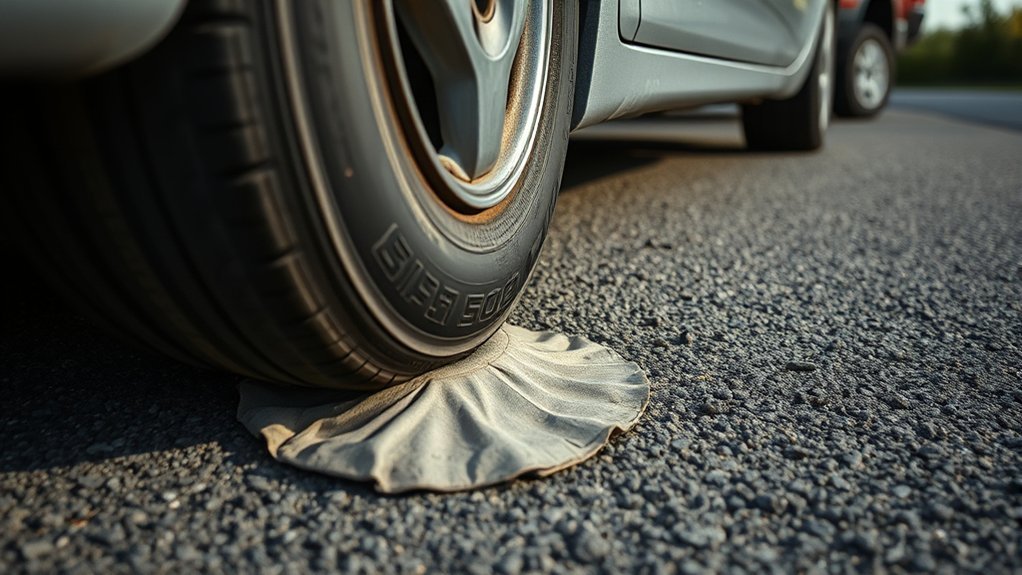
A low tire often looks slightly flatter than the others, especially at the bottom where it meets the road. You may see a sagging sidewall, a wider contact patch, or uneven shoulder wear. Still, appearance alone can fool you, so the safest check is simple: measure all tires with a gauge when they are cold and compare the readings with the pressure listed on your vehicle’s door placard.
Quick Answer
A low tire usually looks flatter at the bottom than the other tires, with a wider footprint and sometimes a sidewall bulge. You may also notice pulling, sluggish steering, extra sway, uneven edge wear, or a TPMS warning light. Always confirm with a tire pressure gauge.
Key Takeaways
- A low tire may look flatter, wider at the road, or slightly bulged at the sidewall.
- Low pressure often causes outer-shoulder tread wear because the tire edges carry more load.
- Pulling, vague steering, flapping noises, or extra body sway can point to an underinflated tire.
- Check pressure when tires are cold and use the vehicle placard, not the sidewall maximum, as your target.
- Do not keep driving on a visibly flat tire, a sidewall bulge, or a tire that keeps losing air.
At a Glance
| Time Required | 5–10 minutes |
| Difficulty | Easy |
| Tools Needed | Tire pressure gauge, air compressor or tire inflator, and your vehicle’s tire placard |
| Cost | Usually free to a few dollars for air; about $5–$20 for a basic gauge |
What a Low Tire Looks Like
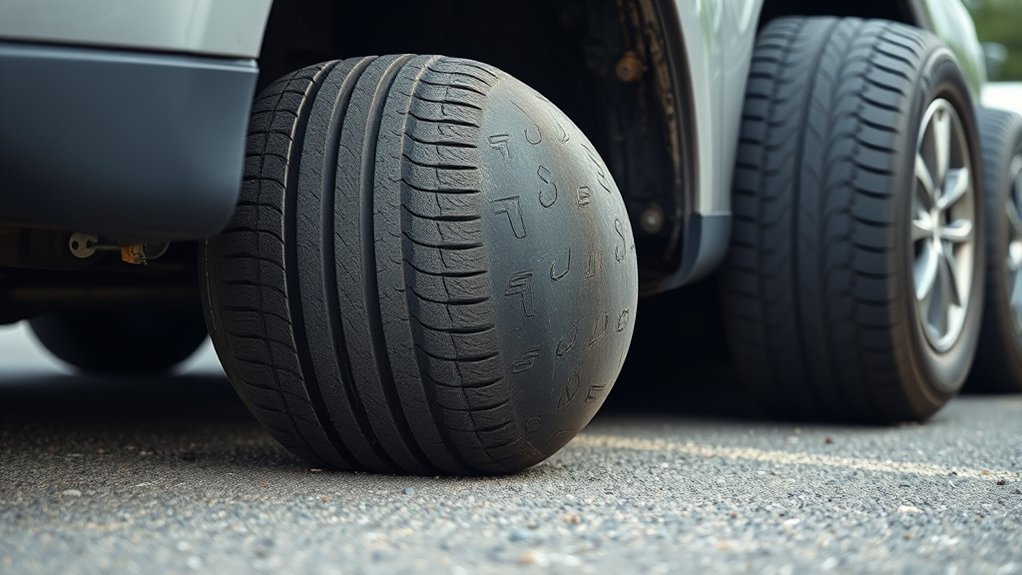
A low tire usually looks flatter than the other tires. The bottom of the tire may sag, the sidewall may bulge outward, and the tread may spread wider where it touches the pavement. The difference can be subtle, so compare all four tires from the same distance while the vehicle is parked on level ground.
Look for these visual clues:
- Flatter bottom profile: the tire looks slightly squashed where it meets the road.
- Wider contact patch: more rubber appears to touch the pavement than on the other tires.
- Sidewall bulge: the lower sidewall bows outward more than normal.
- Outer-edge wear: the inner and outer shoulders wear faster than the center of the tread.
- One tire sitting lower: the vehicle may lean slightly toward the low tire.
Note: Modern tires can hide low pressure well. A tire may look normal and still be several psi below the recommended cold pressure, so a gauge is more reliable than eyesight.
How to Tell Which Tire Is Low
If one tire looks suspicious, do not guess. Use this quick check:
- Park on level ground. A sloped driveway can make one tire look lower than it really is.
- Step back and compare all four tires. Look at the bottom sidewall and the width of the contact patch.
- Check for damage. Look for nails, screws, cuts, cracks, or a bulge in the sidewall.
- Measure each tire with a gauge. Check when the tires are cold, before driving or after the vehicle has been parked for several hours.
- Compare the readings with the tire placard. Use the cold psi listed on the driver’s door jamb, door edge, fuel door, glove box, or owner’s manual.
- Recheck after adding air. Add air in small bursts, then measure again until the tire reaches the placard pressure.
The federal TPMS owner-manual language says tires, including the spare if provided, should be checked monthly when cold and inflated to the vehicle manufacturer’s recommended pressure on the tire placard or tire inflation label.
Signs of Low Tire Pressure on the Road
Low tire pressure can show up in the way the vehicle feels before it becomes obvious by eye. A front tire with low air may make the vehicle pull to one side or feel slow to respond when you steer. A rear tire with low air may make the vehicle feel loose or unstable in turns.
Warning: Do not keep driving on a tire that looks flat, makes a flapping sound, has a sidewall bulge, or causes sudden pulling. Pull over safely, turn on your hazard lights, and use a spare, inflator, or roadside assistance.
Common driving symptoms include:
- Pulling left or right while driving straight.
- Sluggish steering or delayed response when turning.
- Extra body sway in curves or lane changes.
- Dull flapping, thumping, or slapping noise from one wheel area.
- TPMS warning light on the dashboard.
- Longer stopping distance or less predictable braking, especially in wet weather.
A tire can be dangerously low before it looks obviously flat. When handling changes, pressure checks should come before guesswork.
How to Check Tire Pressure With a Gauge
To check tire pressure accurately, use a reliable tire pressure gauge. Pencil-style, dial, and digital gauges can all work if they are in good condition. Do not rely only on the built-in gauge attached to a gas-station air hose, because it may be worn, dropped, or inaccurate.
- Find the recommended cold pressure. Check the tire placard or owner’s manual.
- Check the tires cold. Measure before driving or after the vehicle has been parked long enough for the tires to cool.
- Remove the valve cap. Keep it in your pocket so it does not roll away.
- Press the gauge squarely onto the valve stem. If you hear air escaping, reseat the gauge and try again.
- Read the pressure. Write down the number if you are checking all four tires.
- Add air if the reading is below spec. Add a little at a time and recheck.
- Replace the valve cap. It helps keep dirt and moisture out of the valve stem.
Pro Tip: Keep a small gauge in your glove box. Pressure should be checked at least monthly and before long trips, especially when temperatures change.
[Products Worth Considering]

The SAFELIFE dial tire tread depth gauge measures tread depth in 1/32 inch increments with clear, easy-to-read 2-inch dial face. Color zones using a traffic light system help you quickly judge whether tread is low, marginal, or ample for safer driving. Built with a durable zinc cast body and a metal detect probe for precise, comfortable use across cars, motorcycles, trucks, and buses.

This tire inflator with pressure gauge delivers long-lasting performance with a durable rubber-protected gauge and sturdy build. The longer hose and 360 swivel air chuck help you seal the valve securely and keep your hands free while measuring, inflating, or deflating. It’s battery-free for reliable use and provides ±2 PSI accuracy in the mid-range for most typical tires, with universal compatibility for 1/4 NPT compressor outputs.

Milton S-921 pencil tire pressure gauge helps you maintain optimal tire pressure for passenger cars with accurate readings in PSI and kPa. It features a built-in deflator valve for convenient pressure adjustments, plus a single chuck head and nylon indicator bar for easy use on the go. Built from durable plated brass and designed for reliable performance, it’s a practical road trip and cold-weather maintenance tool.
How to Find the Right Tire Pressure
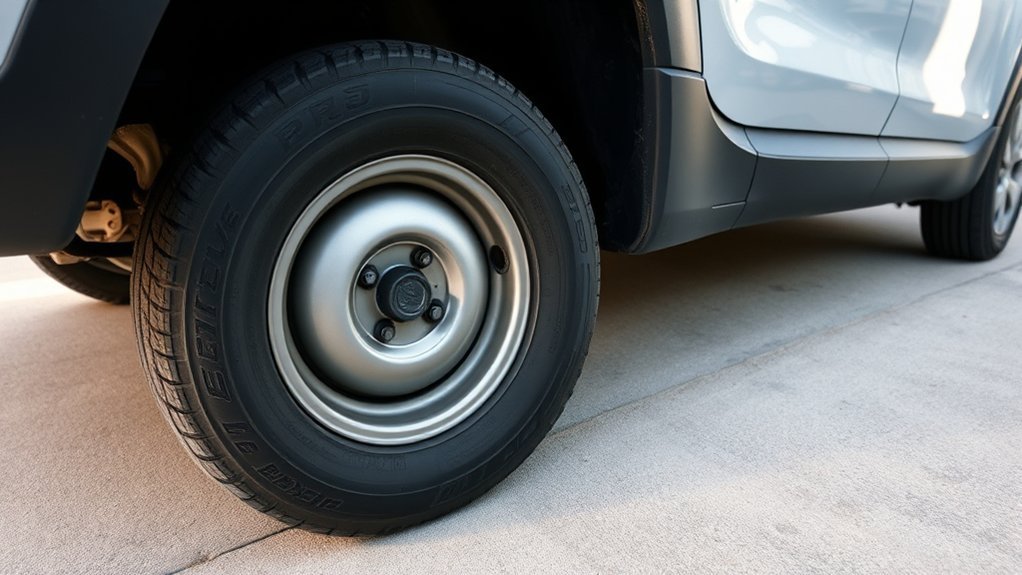
The right pressure is the cold tire pressure listed by your vehicle manufacturer, not the number molded into the tire sidewall. The placard pressure is matched to your vehicle’s weight, suspension, handling, tire size, and load rating. You can usually find it on the driver’s side door jamb, door edge, glove box, fuel door, or in the owner’s manual.
FuelEconomy.gov says the proper tire pressure is usually found on the driver’s side door jamb sticker or in the owner’s manual, and drivers should not use the maximum pressure printed on the tire sidewall as the normal setting.
Check the Tire Placard
Your vehicle’s tire placard may list different pressures for front and rear tires. It may also include separate information for tire size, load limits, or spare-tire pressure. Use the value that matches your tire size and normal driving load.
- Check pressure when the tires are cold.
- Use the front and rear values exactly as shown.
- Do not use the sidewall maximum as your target pressure.
- Check the spare tire if your vehicle has one.
- Recheck after adding air.
Use a Quality Gauge
A quality gauge helps you avoid overinflation and underinflation. Digital gauges are easy to read, dial gauges are durable, and pencil-style gauges are inexpensive. Whichever type you use, press it straight onto the valve stem so the reading is clean and repeatable.
Underinflated tires waste fuel, wear faster, and can run hotter. FuelEconomy.gov reports that underinflated tires can lower gas mileage by about 0.2% for every 1 psi drop in the average pressure of all tires.
What Causes a Tire to Look Low?
A tire can look low for several reasons. Some are normal and easy to correct. Others mean the tire needs repair or replacement.
- Temperature drop: air pressure falls as outside temperature drops.
- Slow puncture: a nail, screw, or small object can let air escape gradually.
- Valve stem leak: a cracked or loose valve stem can leak even when the tread is fine.
- Bead or rim leak: corrosion, dirt, or wheel damage can let air escape where the tire seals to the wheel.
- Impact damage: potholes and curbs can damage the sidewall, bead, or wheel.
- Normal air loss: tires can lose small amounts of air over time.
- Heavy load: a loaded vehicle can make tires look more compressed even when pressure is correct.
If one tire keeps losing air after you fill it, assume it has a leak until proven otherwise. A technician can inspect the tread, valve stem, bead seat, and wheel for damage.
How Weather Changes Tire Pressure
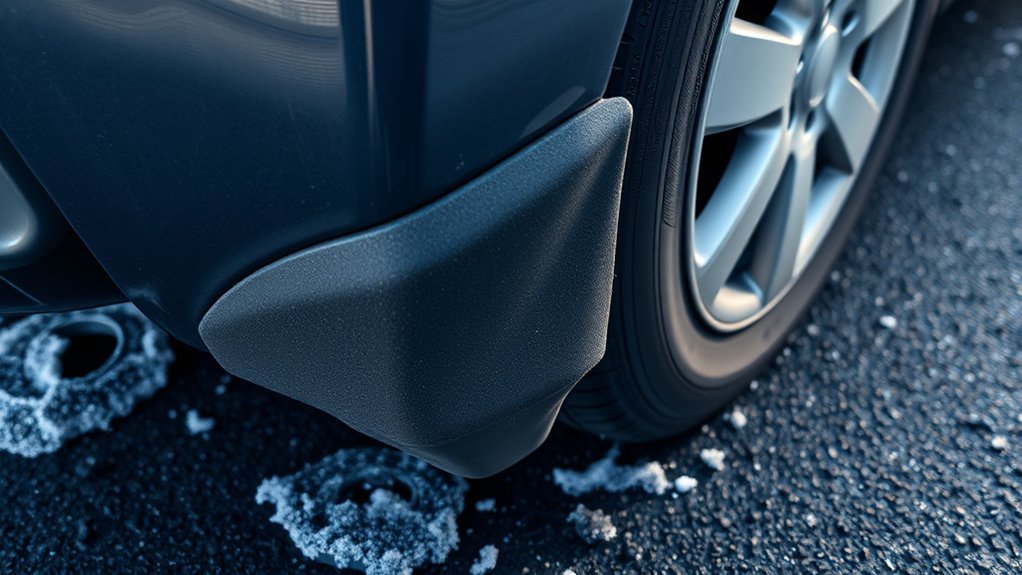
Weather changes tire pressure quickly. As air gets colder, it contracts and pressure drops. As air gets warmer, pressure rises. Tire Rack explains that standard passenger tires typically change by about 1 psi for every 10°F change in air temperature.
That is why a tire that was correct in warm weather may trigger a warning light after a cold night. Do not ignore the light, and do not assume the tire is fine just because it was filled recently.
- Check pressure before long drives.
- Recheck after cold snaps or heat waves.
- Measure in the morning before the sun warms one side of the vehicle.
- Adjust to the placard pressure, not to a guess.
- Do not bleed air from warm tires just because the reading is slightly high after driving.
Signs of Uneven or Worn Tire Tread
Low pressure changes how the tire contacts the road. When a tire is underinflated, the outer shoulders often carry more load and wear faster than the center. When a tire is overinflated, the center of the tread can wear faster than the shoulders.
Check tread depth across the inner, center, and outer grooves of each tire. Also look for cupping, scalloping, bald spots, exposed cords, cuts, or cracks. Worn tread reduces traction and increases the risk of hydroplaning in rain.
Uneven Tread Wear
Uneven tread wear is a warning sign that pressure, alignment, rotation, or suspension may be off. Look for these patterns:
- Both outer edges worn: often linked to underinflation.
- Center worn faster: often linked to overinflation.
- One edge worn: often linked to alignment problems.
- Cupping or scalloping: may point to suspension wear, balance issues, or worn shocks/struts.
- Random bald patches: can indicate locked braking, tire damage, or mechanical problems.
Tread Depth Checks
A tread-depth gauge gives the most accurate reading, but the penny test is a fast screening method. Place a penny into the tread groove with Lincoln’s head facing down. If you can see the top of Lincoln’s head, the tread is at or below the common 2/32-inch replacement threshold.
Bridgestone notes that the U.S. Department of Transportation recommends replacing tires when tread reaches 2/32 inch, and many states legally require replacement at that depth. If you often drive in heavy rain, consider checking earlier with a tread-depth gauge because wet traction can decline before the legal minimum.
Low Tire Pressure Warning Light Problems
When the low tire pressure warning light comes on, one or more tires may be significantly underinflated. Treat the light as a prompt to check all tires with a gauge as soon as it is safe. The tire that looks normal may still be the low one.
Federal TPMS language warns that driving on a significantly underinflated tire can cause the tire to overheat and lead to tire failure. It also says that when the low tire pressure telltale illuminates, you should stop and check the tires as soon as possible and inflate them to the proper pressure.
- Solid TPMS light: usually means at least one tire is low enough to trigger the system.
- Flashing TPMS light: often points to a monitoring-system fault, dead sensor battery, or communication problem.
- Light stays on after adding air: recheck pressure cold, then inspect for a leak or TPMS reset procedure in the owner’s manual.
- Light comes back repeatedly: have the tire and valve stem inspected.
Note: TPMS is a backup warning system, not a replacement for monthly pressure checks. Some systems may not alert you until pressure is already significantly low.
[Products Worth Considering]
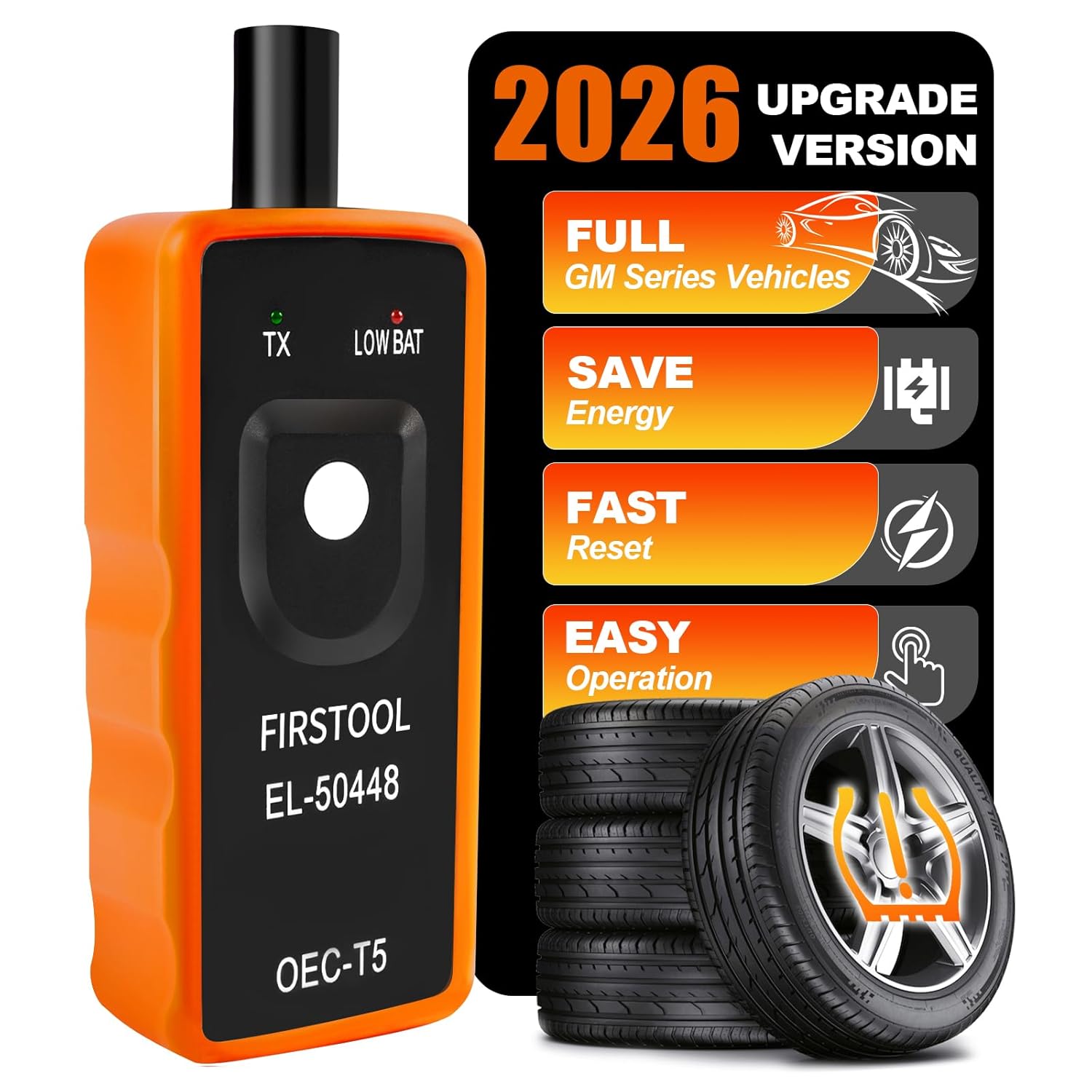
This TPMS relearn tool helps you quickly activate, match, and reset GM tire pressure sensors to keep the vehicle monitoring system working properly. It clears tire pressure alarms and dashboard warning lights after sensor replacement or tire rotation, and supports learning for common 315/433 MHz TPMS sensors. Designed for simple one-button operation, it can help you avoid unnecessary trips to repair shops.

Measure tire tread depth quickly and accurately with this LUMITECO dial gauge that reads in 1/32" increments up to 14/32". The color-coded green/yellow/red zones make it easy to judge tire wear and know when replacement is needed. A rugged, compact design with a protective pouch helps keep the gauge ready for use on cars, trucks, motorcycles, and more.

This all-in-one air compressor accessories kit includes a tire inflator with gauge for car tires and a combined air chuck setup for easier inflation. It also features a durable 1/4 inch polyurethane air hose for connecting compressors to air tools, plus a heavy-duty blow gun and industrial hose fittings for cleaning and routine projects. Ideal for keeping your air system ready for inflating, cleaning, and quick-connect tool use.
When to Add Air or Replace a Tire
Add air any time a cold tire reads below the recommended placard pressure. Do not wait until the tire is 10 or 15 psi low. Even a few psi can affect handling, tread wear, fuel economy, and braking feel.
Replace or professionally inspect the tire if you see:
- A sidewall bulge or bubble.
- Cracks, cuts, exposed cords, or sidewall damage.
- Tread depth at or below 2/32 inch.
- A puncture in the sidewall or shoulder area.
- Repeated pressure loss after top-ups.
- Uneven wear that keeps returning after inflation.
- A flapping noise or strong vibration while driving.
If you overfill a cold tire, release small amounts of air and recheck until it matches the placard pressure. If the tire is hot from driving, let it cool before making final adjustments whenever possible.
[Products Worth Considering]

Keep your tires properly inflated with this analog VONDIOR tire pressure gauge, designed for fast, easy readings without batteries. The swiveling, two-axis hose and large glow dial help you measure at any tire angle with instant visibility. Built with a protective rubber shield, it supports durable, low-maintenance use for cars and trucks.

ETENWOLF’s tire pressure gauge helps you quickly and accurately check tire PSI across cars, trucks, motorcycles, bikes, and more. It’s manually calibrated to ANSI B40.1 Grade A for reliable readings, includes a large glow dial for easy nighttime viewing, and features a 360-degree swivel chuck for use at any valve angle. The gauge also works consistently in extreme hot or cold weather.
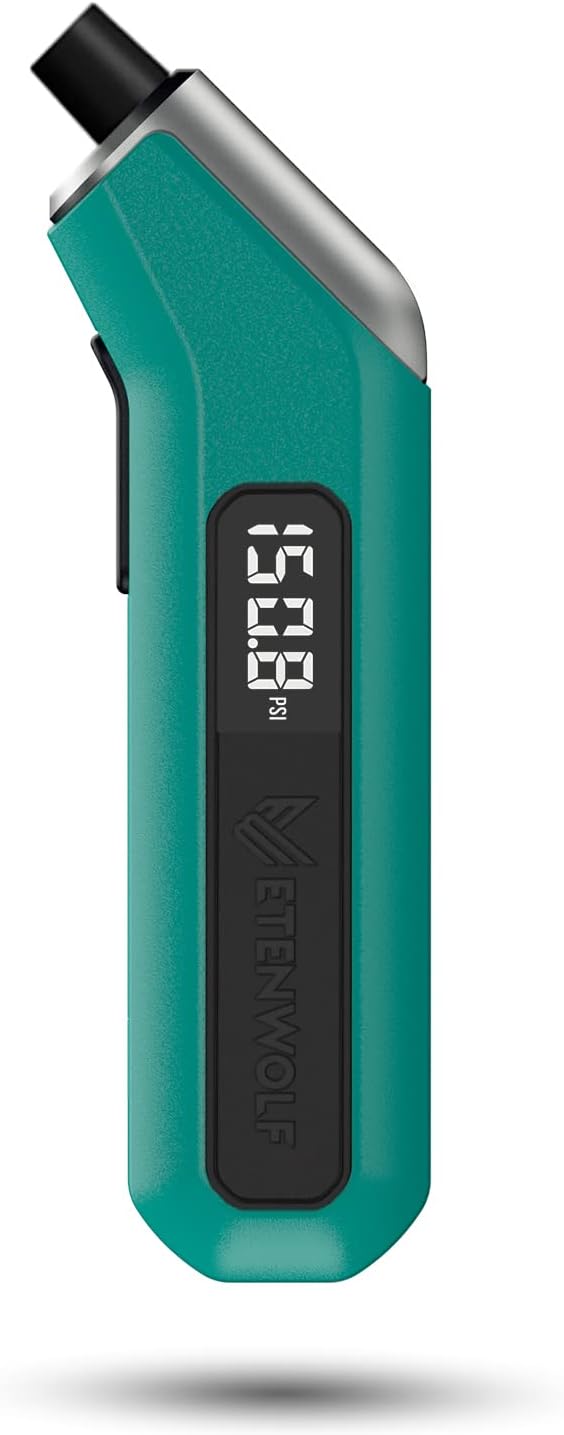
ETENWOLF T300 is a calibrated digital tire pressure gauge designed for reliable readings across low and high pressure ranges. It includes thermal compensation for stable performance in extreme cold or heat, an LED light for visibility, and an auto shut-off to help preserve battery life. Ideal for pickups, RVs, and heavy-duty vehicles, it delivers accurate PSI measurements with sturdy durability.
Can You Drive With a Low Tire?
It depends on how low the tire is and whether it is damaged. If the tire is only slightly below the placard pressure and shows no damage, you can usually drive carefully to the nearest safe air source. Keep speed low, avoid sharp turns, and recheck after filling.
Do not continue driving if the tire looks flat, has a visible sidewall bulge, makes a flapping sound, causes the vehicle to pull hard, or loses air again immediately. In those cases, stop in a safe place and use the spare tire, a tire inflator if appropriate, or roadside assistance.
When to See a Tire Technician
If your tire checks show more than a simple pressure drop, have the tire inspected. A technician can pressure-test the tire, check for punctures, inspect the valve stem, look for bead leaks, and confirm whether the wheel is bent or corroded.
See a tire technician when you notice:
- One tire repeatedly loses air.
- The vehicle pulls left or right after inflation.
- A sidewall bulge, bubble, cut, or crack appears.
- The TPMS light returns after you add air.
- The tread shows cupping, scalloping, bald spots, or heavy edge wear.
- You hit a pothole or curb and the tire starts losing pressure.
- The tire is more than slightly low and you are not sure it is safe to drive.
Professional inspection is especially important for sidewall damage. Sidewall bulges usually mean internal tire structure has been weakened, and adding air will not repair that damage.
Frequently Asked Questions
How can you tell if a tire is low?
A low tire may look flatter at the bottom, show a wider contact patch, or have a slight sidewall bulge. You may also notice pulling, sluggish steering, extra sway, a flapping noise, or uneven shoulder wear. Confirm with a tire pressure gauge because looks alone are not reliable.
Can I still drive with a low tire?
You may be able to drive slowly to a nearby air source if the tire is only slightly low and has no visible damage. Do not keep driving on a visibly flat tire, a tire with a sidewall bulge, a tire making a flapping noise, or a tire that causes severe pulling. Stop safely and use a spare, inflator, or roadside assistance.
What tire pressure should my Kia Carnival be at?
Use the cold tire pressure printed on your Kia Carnival’s driver-side door placard or in the owner’s manual for your exact model year, tire size, and load. Do not rely on a universal range or the maximum pressure on the tire sidewall.
What should my tire pressure be for a Subaru Outback?
Use the cold psi listed on your Subaru Outback’s tire placard or owner’s manual. The correct pressure can vary by model year, trim, tire size, and load, and front and rear tires may use different values.
Can a low tire look normal?
Yes. Some low tires do not look obviously flat, especially on modern vehicles with low-profile or stiff-sidewall tires. That is why a pressure gauge is the best way to confirm whether a tire is actually low.
Why does one tire keep losing air?
A tire that keeps losing air may have a nail or screw in the tread, a leaking valve stem, a bead leak, rim damage, or sidewall damage. Refill it only as a temporary step and have it inspected before the leak gets worse.
Does cold weather make tires look low?
Yes. Cold weather lowers air pressure because air contracts as temperature drops. For standard passenger tires, pressure often changes by about 1 psi for every 10°F change in outside temperature. Check and adjust tires cold when temperatures shift.
Conclusion
A low tire may look flatter at the bottom, bulge at the sidewall, or wear faster on the outer tread shoulders. It may also make the vehicle pull, steer slowly, sway, or make a flapping sound. But the most reliable answer comes from a tire pressure gauge. Check all tires cold, compare each reading with the vehicle placard, and add air any time a tire is below spec. If one tire keeps losing air, shows a bulge, or looks damaged, have it inspected instead of treating it as a simple pressure problem.
Sources
- eCFR — 49 CFR § 571.138, Tire Pressure Monitoring Systems — backs monthly cold pressure checks, placard pressure, and TPMS warning guidance.
- NHTSA TireWise — backs general tire-safety and tire-maintenance guidance.
- FuelEconomy.gov — Keeping Your Vehicle in Shape — backs fuel-economy impact and placard-pressure guidance.
- Tire Rack — How Temperature Affects Tire Pressure — backs the temperature-pressure rule of thumb.
- Bridgestone — How to Check Tire Tread Depth — backs the penny test and 2/32-inch replacement threshold.