Where to Get Free Tire Air: Stations Near You & Best Options
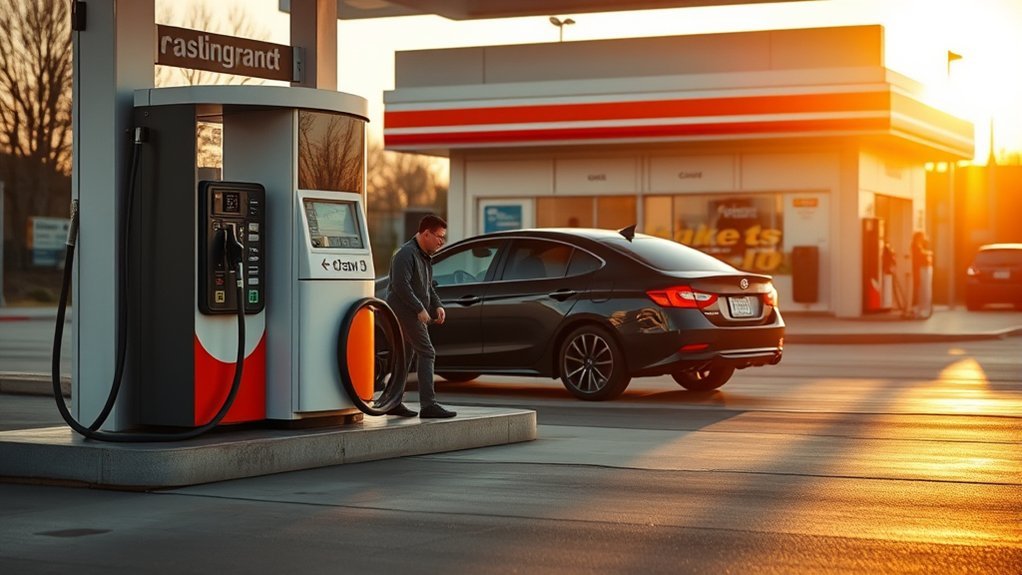
You can get free tire air at gas stations, tire shops, bike shops, warehouse clubs, and some rest areas near you. Availability depends on your state: Connecticut stations must offer it, while California often requires a fuel purchase. Costco provides free air, and some Sam’s Club, BJ’s, and Florida rest stops do too. Check tire pressure first, and consider a portable inflator for backup. You’ll find the best options and ways to locate them nearby.
Key Takeaways
- Check nearby gas stations, since some offer free air, especially in Connecticut and select Florida rest stops.
- In California, free air is often available only after a fuel purchase, so call ahead before stopping.
- Tire shops and bike shops often provide free air and can be the fastest local option.
- Warehouse clubs like Costco, Sam’s Club, and some BJ’s locations may offer free air at their gas stations.
- A portable tire inflator is the most reliable option for home use, travel, and emergencies.
Where to Get Free Tire Air Near You
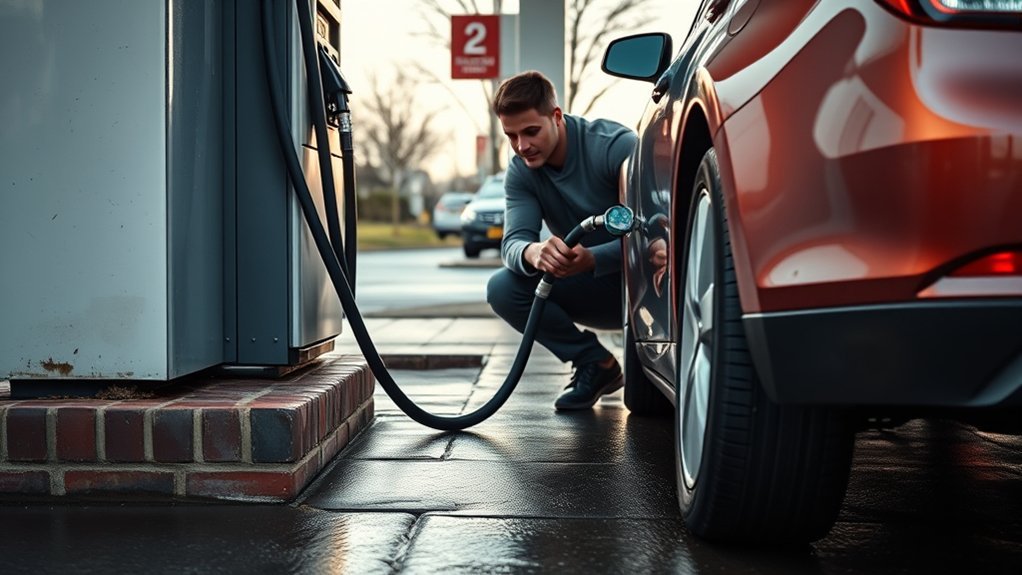
You can often find free tire air at nearby gas stations, though availability depends on where you live: Connecticut requires stations to provide it to everyone, while California typically offers it only for paying customers. You should also check tire shops and car repair stations, since they often offer free air and can save you time. If you want a quicker search, use FreeAirPump.com or similar community tools to locate free air and add new spots you discover. Don’t overlook bike shops; many keep public pumps available, and they can work for both bicycles and vehicle tires. For even more independence, carry a portable air compressor so you can inflate tires at home or while traveling. This gives you practical control instead of depending on whatever gas stations happen to offer. Remember that consistent tire pressure is crucial for maintaining optimal performance and safety. Call ahead when possible, confirm access rules, and keep a few trusted locations saved so you’re ready when pressure drops.
Gas Stations With Free Tire Air
Gas stations are one of the most common places to find free tire air, but the rules vary by location and store policy. You’ll find that some gas stations in Connecticut give you free air for tires without requiring a purchase, while many California stations only offer it after you buy fuel. Before you pull in, check whether the pump works, since some stations use coin-operated machines or charge a fee. You can save time by calling ahead or reading posted signs. If you travel often, watch for state rules too; Florida rest stops provide free air in some areas, which can support safer tire inflation on the road. When gas stations don’t work out, tire shops and car repair stations may also offer complimentary filling. The key is staying informed, choosing the option that fits your route, and keeping your tires properly inflated without unnecessary cost. Additionally, ensuring proper tire inflation can enhance fuel efficiency and extend the lifespan of your tires.
Warehouse Clubs That Offer Free Air
Warehouse clubs can be another reliable place to find free tire air, especially if you already shop there or have a membership. At Costco, you can get free air at every location, which makes it a dependable stop when you need to top off your tires. Sam’s Club also offers free air for members, usually at the club’s gas stations, so you can handle fuel and tire care in one trip. BJ’s Wholesale Club provides free air too, though it’s limited to select gas station locations, so it’s smart to check ahead. Many warehouse clubs place air pumps where you can reach them easily, saving you time and helping you keep proper tire pressure without paying extra. If you already pay for membership, these services can add value by giving you practical automotive support and more control over your vehicle’s upkeep. Additionally, maintaining proper tire pressure is crucial for ensuring your tires perform well in various conditions, such as wet roads or highway driving.
State Laws About Free Tire Air
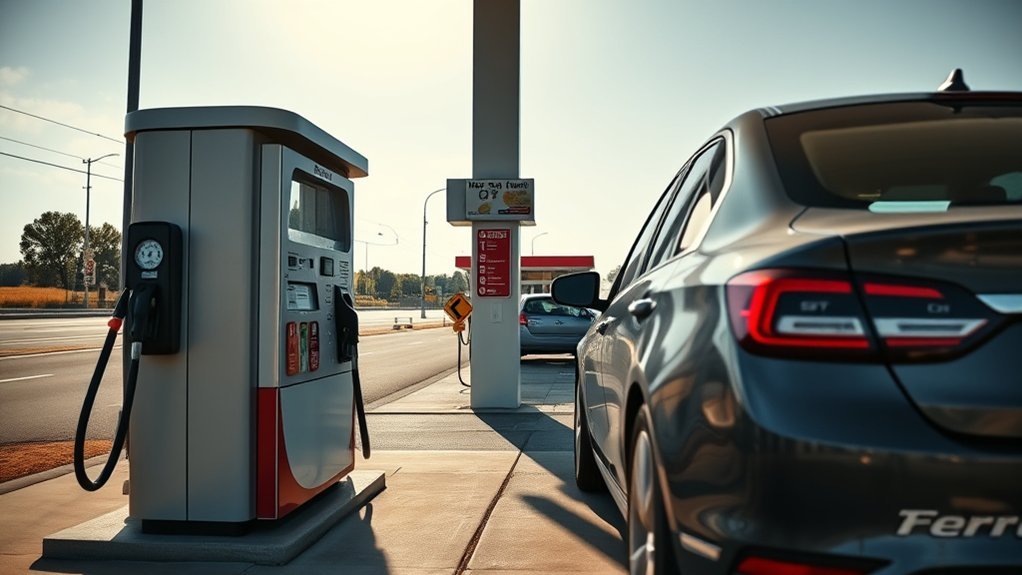
State laws can make a big difference in where you find free tire air, and the rules aren’t the same everywhere. In California, gas stations must give you free air only if you buy fuel, so you’ll want to fill up first. Connecticut takes a freer approach: all gas stations have to offer free air to anyone, even if you didn’t purchase gas. In Florida, state rest areas also provide free air, which can save you time on long drives. You may also find complimentary inflation at some car dealerships, especially when you’re there for service. Because local rules vary, don’t assume every station follows the same policy. Check your state laws before you head out, and call ahead when possible. That way, you can plan smartly, protect your tires, and get the access you deserve without wasting gas or time. Additionally, being aware of tire plug kits can help you prepare for unexpected flat tire situations when free air isn’t available.
Bike Shops and Repair Stations
You’ll often find free air at bike shops, where staff may let you use a pump for quick tire inflation. Repair stations in urban areas also commonly offer accessible air sources, and some include tire repair and maintenance services. To save time, check local listings or community maps to find the nearest bike shop or repair station with free air. Additionally, many bike shops are knowledgeable about high-density rubber tires, which can help improve your overall riding experience.
Free Air At Shops
Bike shops and repair stations often offer free air for tires, making them a practical stop for cyclists and drivers who need a quick top-off. You can usually find free air at bike repair counters, tire shops, and some car repair stations that keep compressors open for public use. Many tire shops provide this service to customers without asking for a purchase, and local bike shops may include pumps for your convenience. This setup gives you a simple, low-cost way to keep rolling with confidence. Because access can vary by region, check local listings or maps before you go. A quick search helps you locate the nearest shop, compare options, and choose a place that lets you stay mobile, independent, and ready for the road.
Repair Station Pumps
When your tires need a quick top-off, repair station pumps at bike shops can be one of the easiest free options to use. Many repair stations offer free air, so you can inflate on the spot without paying. Local bike shops often keep pumps available as part of regular service, helping you maintain safe tire pressure and keep rolling with confidence. Some repair stations also appear on user-generated maps, which can save you time when you need nearby air fast. Because availability varies by region, check local listings or maps before you head out. Using these pumps supports local bike shops and strengthens community access to practical tools, giving you more freedom to stay mobile and self-reliant.
Find Nearby Bike Shops
Need a quick source of free air? Start by checking to find nearby bike shops and repair stations in your area. Many local shops offer free air at public pumps, so you can top off your tires without paying. Some bike repair stations also appear on crowdsourced maps, making it easier to locate places that provide free inflation when you need it most. Call ahead or stop in, since shops may have air available even if they don’t advertise it clearly. You can keep your ride safe and independent by maintaining proper tire pressure with these accessible resources. Community updates help expand and refresh the list, so adding new free-air spots benefits everyone who rides.
How to Check Tire Pressure Before You Go
Before you head out, check your tire pressure with a gauge while the tires are cold so you get the most accurate reading. You’ll usually find the recommended tire pressure on a sticker inside the driver’s side door or in the owner’s manual. Compare each tire to that PSI target; most passenger vehicles call for about 30-35 PSI, but your number may differ. If the reading is low, note it before you visit free tire air stations or any other fill point. Keeping tire pressure in range helps you use less fuel and lowers the chance of a blowout, so this quick check supports safer, more independent travel. Make it a habit to check at least once a month and before long trips. That routine keeps your vehicle performing well and helps you arrive ready, not stranded. Additionally, maintaining proper tire pressure enhances safety, comfort, and efficiency year-round.
Best Portable Tire Inflators
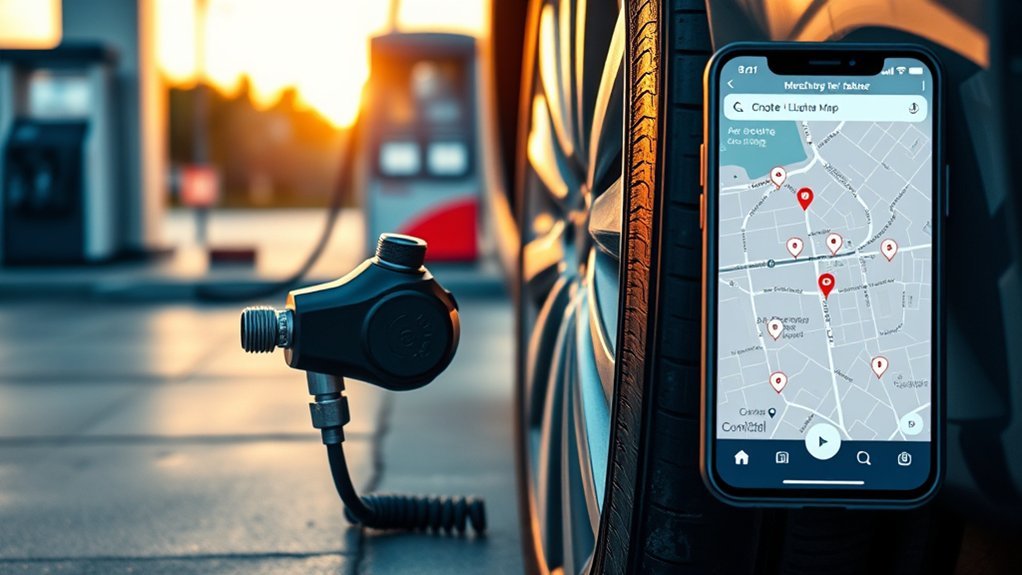
Portable tire inflators give you a convenient way to handle low tire pressure on the go, so you don’t have to depend on free tire air stations or other public air sources every time. You can choose a portable air compressor that fits your routine and keeps you moving with less dependence on places offering free air.
- DEWALT DCC020IB 20V Max Inflator: strong output, multiple power sources.
- EPAuto 12V DC Portable Air Compressor: affordable, simple, reliable.
- Battery-operated models: no outlet needed, great for emergencies.
- Compact designs: store easily in your trunk or cargo area.
If you travel often, a personal inflator can provide free air at home, on the roadside, or before a long drive. That freedom helps you avoid repeated station fees and gives you practical control over tire maintenance. Choose a model with clear pressure controls, good portability, and dependable performance, and you’ll stay ready without waiting for help. Additionally, consider options with automatic shut-off features to ensure precise inflation and prevent over-inflation.
How to Add a Free Air Spot to the Map
To add a free air spot, you can visit FreeAirPump.com and submit the location details, including the address and the type of air source, such as a gas station, tire shop, or bike repair station. Once you’ve entered the information, pin it on the map and include any relevant notes about service quality or access. Your accurate submission helps expand coverage and makes it easier for others to find reliable free air nearby. Additionally, ensuring your tires are properly inflated can help maintain their long-term performance and enhance safety on the road.
Submit Location Details
Want to add a free air spot to the map? Go to FreeAirPump.com and submit location details in the dedicated section for a free air pump. You’ll enter the address, the service type, and any useful features, so others can find reliable access fast. This community-driven approach keeps information open and practical.
- Enter the exact address.
- Choose the service type, like a gas station or bike repair station.
- Note helpful features, such as accessibility or nearby amenities.
- Send it in at no cost.
If you’re in California or Connecticut, your contribution helps widen coverage for more people. Every free submission supports a clearer, more current resource for drivers and cyclists who want independent access to air.
Pin It On Map
When you find a free air location that’s open to the public, you can pin it on the map by visiting FreeAirPump.com and using the site’s submission guidelines. You’ll provide the location name, address, and any notes about air availability so others can Find free air without delay. Confirm the spot is open to the public and doesn’t require a purchase.
| Field | What to enter |
|---|---|
| Name | Station or business |
| Address | Exact street location |
| Access | Public, no purchase |
| Notes | Hours or pump details |
| Status | Free air confirmed |
This helps keep locations that offer free air accurate and current. Check the map often for new entries and updates in your area, so you can move with more freedom and less searching.
Help Grow Coverage
If you’ve found a free tire air spot that’s open to the public, you can help expand the map by submitting it through the FreeAirPump.com form. Your contribution strengthens access and helps others find places offering free air when they need it most.
- Visit FreeAirPump.com and open the submission form.
- Enter the location name, address, and air source details.
- Add any useful notes, like hours or access limits.
- Review the map later for updates and new listings.
When you contribute, your report appears on the interactive map, making local air access easier to track and use. Check back often so the resource stays current, practical, and open to everyone seeking mobility without barriers.
Free Tire Air Tips That Save Money
Saving money on tire inflation starts with knowing where free air is available and using it before you need an emergency top-off. You can save money by checking tire pressure at home and topping off at free air stations before it drops too low. In Connecticut, many gas stations offer free air; in California, you may only get it when you buy fuel. Tire shops and bike repair stations often provide complimentary air, so keep them on your list. If you drive often, a portable air compressor can free you from coin-operated pumps and pay for itself over time. Regular pressure checks improve fuel efficiency and help tires last longer, so free air matters even more. Consider the benefits of fuel-efficient tires to maximize your savings. Plan ahead with nearby Costco or Sam’s Club locations, and you’ll avoid surprise fees while keeping control of your ride.
Frequently Asked Questions
Which Gas Stations Have Free Air for Your Tires?
Many gas stations in Connecticut offer free air, and some in California do too if you’ve paid for fuel. You’ll also find free service at Costco, Sam’s Club, and BJ’s for members, plus independent tire shops and repair stations. Check local pumps and compare air compressor types. For tire maintenance tips, inspect pressure monthly and follow tire inflation frequency guidelines. Use FreeAirPump.com to find nearby options fast and freely.
Can You Inflate Your Tires for Free?
Yes, you can inflate your tires for free, like a traveler finding an open gate after a long road. You’ll often get free air at gas stations, tire shops, and warehouse clubs, and you can use portable air compressor options at home too. Follow tire maintenance tips: check pressure monthly and before trips. Free inflation brings tire inflation benefits, like better fuel economy, safer handling, and longer tire life.
Which Gas Stations in Florida Have Free Air?
You’ll often find free air at BP, Shell, and some other Florida gas stations, especially if you buy fuel. You can also check state rest stops and local convenience stores. For practical tire maintenance tips, call ahead or use an air compressor guide app to confirm gas station amenities before you drive over. You’re freer when you keep your tires properly inflated, so verify availability and save time.
What Tire Pressure for Kia Forte?
Your Kia Forte usually likes 32 to 34 PSI, though you should confirm the exact number on the driver’s door jamb. Keep your tires comfortably inflated, not starved of air, for safer handling and better fuel economy. Use tire maintenance tips, respect pressure gauge importance, and check pressure monthly, especially before seasonal tire changes. You’ll reduce wear, avoid trouble on the road, and drive with more freedom and confidence.
Conclusion
Before you head back out, picture your tires set just right, humming smoothly over the pavement. When you know where to find free air, you can skip the guesswork, save a few dollars, and keep your vehicle safer. Check nearby gas stations, warehouse clubs, and local repair shops, and use a tire gauge before you go. A quick visit today can leave you with fuller tires, steadier handling, and one less thing to worry about.

Related Articles
How to Remove Tire Marks From Concrete: Best Cleaning Methods
Just when you think tire marks are permanent, discover the easiest cleaning methods that can restore your concrete fast.
Read More
How to Let Air Out of a Car Tire: Safe & Easy Method
Need to lower tire pressure safely? Learn the simple step-by-step method, plus the one mistake that can ruin your ride.
Read More
How to Change a Lawn Mower Tire: Step-by-Step Simple Guide
How to change a lawn mower tire safely and quickly, with simple steps that prevent mistakes and get you back mowing fast.
Read More