
Pinch Flat (Snakebite): How to Fix and Prevent It
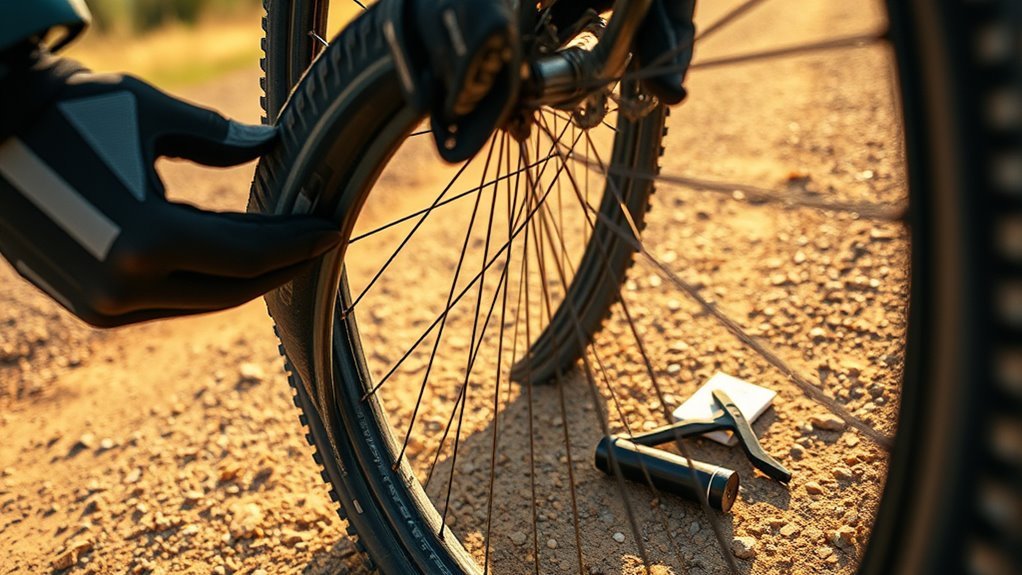
A pinch flat (snakebite) happens when your tire hits an obstacle and the tube gets crushed between the rim and the edge, leaving two close “fang” holes. It’s usually caused by low pressure, narrow tires, or a hard impact. On trail, remove the wheel, deflate, lever one bead, find and patch the paired holes, then reseat and inflate. Keep proper pressures, wider tires, or tubeless setups to reduce risk.
Quick Answer
A pinch flat leaves two small side-by-side holes in your tube after hitting a rock, curb, or pothole. To fix one mid-ride, pull the wheel, pry off one tire bead, patch both holes, reseat the tire, and inflate. To prevent them, check tire pressure before every ride, use wider tires with more air volume, and consider going tubeless.
What Is a Pinch Flat (Snakebite) and How to Spot One
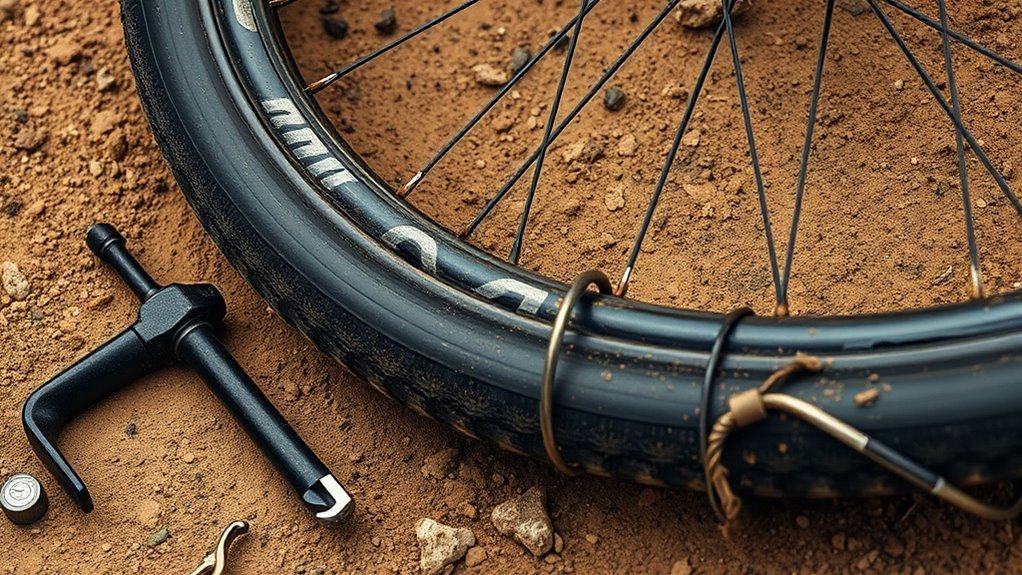
When your tire slams into a rock, curb, or pothole, the tube gets crushed between the rim and the obstacle. That’s a pinch flat, also called a snakebite. It leaves two small, closely spaced punctures that look like fang marks.
You’ll spot one by removing the wheel and checking the tube for paired holes on the side that was touching the rim. Pinch flats happen when tires are under-inflated or too narrow for the terrain, so tire maintenance matters. Keep pressures within the manufacturer’s recommended range and check them regularly. For road bikes, a common starting range is 80–130 psi, depending on tire width and rider weight.
Preventive measures include using wider tires with thicker sidewalls and adjusting your riding to avoid hard impacts and distribute weight over obstacles.
Fix a Pinch Flat: Quick On-Trail Repair (Step-by-Step)
Once you can recognize a snakebite, you’ll want a fast, reliable way to fix it on the trail. Remove the wheel, deflate fully, then pry one bead off with tire levers to get at the tube.
Inflate the tube slightly to expose the two fang-like punctures. Mark them with chalk or a pen, and dry the area. Sand or roughen the surface around each hole, then apply vulcanizing glue if you’re using a patch kit. Place your patch carefully over each puncture, press firmly, and hold per the kit’s instructions. If you prefer sealant, inject it instead.
Re-seat the tube and tire, inflate to the recommended pressure, and check for leaks. Remount the wheel and do a quick test ride before heading out again.
What Tools You Need for a Trailside Pinch Flat Repair
Carry a compact repair kit so a pinch flat doesn’t end your ride. You’ll need tire levers (two is ideal), a patch kit with vulcanizing glue and sandpaper, a spare inner tube as backup, and a portable pump or CO2 inflator. A piece of chalk or a pen helps you mark puncture locations on the tube.
If you ride tubeless, pack a tire plug kit and a small bottle of sealant for larger cuts. A multi-tool with a chain breaker is also worth having, since you’ll already have the wheel off and can address other issues while you’re stopped.
[Products Worth Considering]

This compact capsule-style tire repair kit helps you quickly fix punctures and plug flats with minimal effort. The rugged stainless steel shell protects the contents for reliable roadside use, while the simple plug assembly makes repairs fast and tool-free. Suitable for motorcycles, cars, ATVs, UTVs, and even mountain bikes.

This PXZBLG bike repair kit helps you tackle common tire and on-the-ride issues with a compact, ride-ready tool collection. It includes a mini tire pump supporting both Presta and Schrader valves, a 16-in-1 bike multitool, tire levers, glueless patches with a plastic box, plus 4mm and 5mm Allen wrenches. A convenient bike bag stores everything so you can mount it on your road bike or mountain bike for lightweight, portable preparedness.

Convert Presta bicycle valves to accept standard Schrader pump nozzles for fast, hassle-free inflation. This kit includes durable brass adapters with leak-resistant connections, plus sports inflation needles and protective valve caps for convenient use on bikes and ball sports equipment.
Why Pinch Flats Happen: Tires, Pressure, Rims, and Riding
A pinch flat happens when the tube gets squeezed between tire and rim. Your choices in tire width, pressure, rim design, and riding technique all determine how likely it is to occur.
Snakebites result from insufficient inflation or low-volume tires that let impacts compress the tire enough to trap the tube against the rim. This produces those telltale dual punctures. Narrow tires have less air volume and less shock absorption. Wider sizes (like 700x25C to 28C on road bikes) increase impact resistance.
Recommended pressures vary with rider weight and terrain. Too-low pressure is the primary culprit. Rim profile and bead seating also affect how the tire deforms on impact. Your tire selection and riding technique, including standing, shifting your weight, and anticipating obstacles, can lower your risk significantly.
Prevent Pinch Flats: Quick Checklist (Tires, Pressures, Setup)
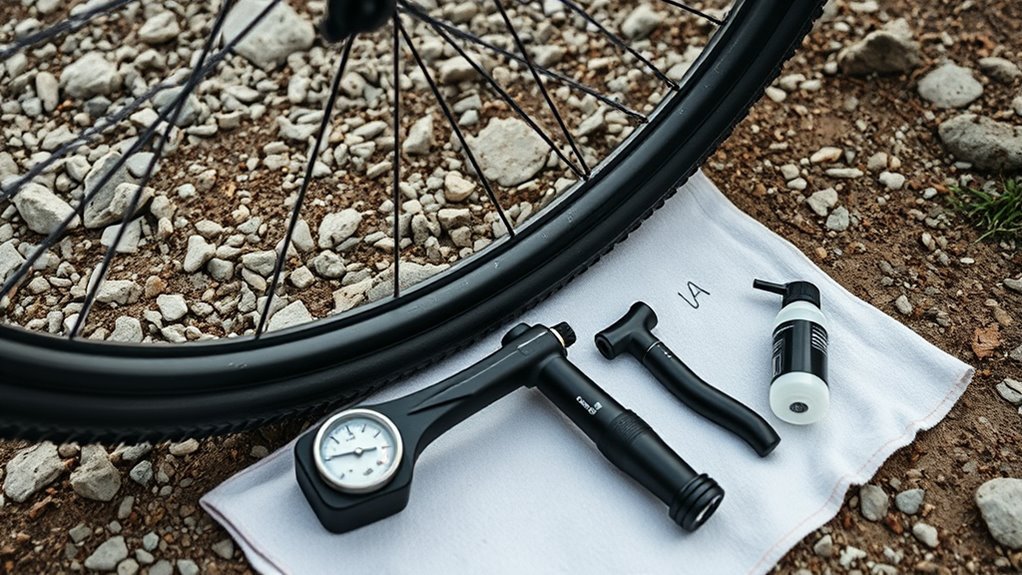
You can cut the risk of pinch flats with a few targeted setup steps that focus on tires, pressures, and protection. Start with tire maintenance: inspect for cuts, embedded debris, and tread wear. Remove sharp objects and replace worn-out tires. Use wider tires (700x25C to 28C) to increase air volume and cushioning.
- Set pressures within the manufacturer’s range and monitor them regularly. As a general starting point for road bikes, aim for roughly 90–100 psi rear and 80–90 psi front on smooth roads, then adjust based on tire width and body weight.
- Fit compatible tubeless-ready tires if you want fewer pinch flats. Use sealant per the manufacturer’s specs.
- Consider protective options like foam inserts or thicker-casing tires for rougher routes. These add some weight but improve puncture resistance.
Check pressures before every ride and make tire inspection part of your routine.
[Products Worth Considering]

Tiakia’s mini high-pressure frame pump delivers up to 260 PSI for faster, more efficient inflations with an optimized intake volume. It features a double-head valve design compatible with Schrader and Presta, plus a conversion for Donlop, making it versatile for bikes and many inflatables. The lightweight anodized aluminum build includes a mounting bracket for convenient carry, while the flexible high-pressure hose and IPX4 waterproof body support outdoor use.

This portable cordless tire inflator delivers up to 160 PSI with fast 17 L/min airflow to help you quickly top up tires and get back on the road. It features dual power mode, running on a 21V rechargeable battery or a 12V DC adapter for convenient roadside use. An automatic shut-off with digital pressure gauge helps prevent overinflation, and a built-in LED light improves visibility in low-light conditions.

PROCESS LEVEL ACCURACY: Each ETENWOLF’s digital tire pressure gauge is calibrated manually to ANSI B40.7 Grade 2A(plus-minus 1 PSI).Presta valve adapter not included, if used for bicycles, it must be purchased separately
Long-Term Pinch-Flat Solutions: Tubeless, Inserts, Tape, Tradeoffs
If you want to stop worrying about pinch flats for good, think about a system-level approach. Tubeless setups with proper rim tape and the right dose of sealant eliminate most pinch flats. Foam or engineered inserts add a protective layer that lets you run lower pressures for comfort and traction.
Convert your rims to tubeless, install correct rim tape, and check it regularly to maintain an airtight seal. Sealant handles small punctures on its own but needs topping up as part of routine tire maintenance.
Choose inserts if you need repeatable protection and lower psi. Expect roughly 150 to 300 g per wheel depending on the product, plus slightly firmer damping. Wider rims and tires also reduce pinch risk and boost ride comfort. Balance weight, maintenance complexity, and performance when picking your solution.
[Products Worth Considering]
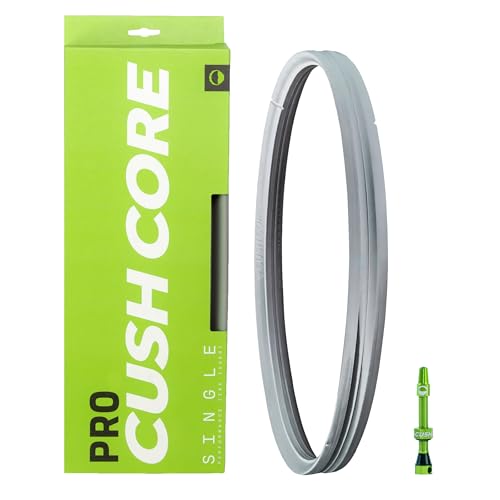
SIMPLE INSTALLATION: This set is easy to install for any rider. Included in this set is everything you’ll need to get started, follow the instructions included in the package & you’ll be back on the trails in no time. Fits a 2.1"-2.6" tire.
SIMPLE INSTALLATION: This set is easy to install for any rider. Included in this set is everything you’ll need to get started, follow the instructions included in the package & you’ll be back on the trails in no time. Fits a 2.1"-2.6" tire.

TIRE INSERT COMPATIBLE: The Max-Flow Tubeless Valve base is equipped with five (one vertical, four horizontal) pathways for air and sealant flow, your tire insert will not affect your ability to add air or sealant to your tire. No insert? No problem! The Max-Flow tubeless valve works terrific without a tire insert.
Frequently Asked Questions
Can Pinch Flats Damage Rims or Just Inner Tubes?
Yes. Pinch flats can harm both the tube and the rim. You’ll often tear or puncture the tube. Severe impacts, low pressures, or sharp rim edges can also dent, crack, or scrape the rim. Always inspect your rim after a hard hit.
Can Sealant Fix a Pinch Flat Without Tube Replacement?
Sometimes. Sealant can fix a pinch flat if the damage is minor, like a small slit or slow leak, and the tube still holds its shape. Larger tears or burst tubes usually need a full tube replacement even with sealant.
Do Pinch Flats Occur on Road Bikes or Only Mountain Bikes?
Pinch flats happen on both road bikes and mountain bikes. Any time low pressure meets a sharp impact, a snakebite is possible. You can prevent them by raising pressure, improving technique, and using tougher tires or inserts.
How Does Tire Wear Affect Pinch Flat Likelihood?
Worn tires increase pinch flat risk because thinner casings compress more on impact. Run the correct tire pressure, refine your riding technique to avoid hard hits, and replace worn or aged tires promptly.
Can Tire Liners Prevent Pinch Flats Completely?
No. Tire liners reduce punctures from sharp objects, but they won’t fully prevent pinch flats. You still need proper tire pressure and smart riding technique to avoid hard impacts, especially on rough terrain or with worn tires.
Conclusion
You now have the tools to spot, fix, and prevent pinch flats, so a snakebite won’t cut your ride short. Keep your pressures dialed in, choose tires and rims that match your riding, and carry a plug kit or spare tube for quick on-trail repairs. Tubeless setups and inserts work like armor, adding some weight but a lot of protection. Practice repairs at home so they’re second nature when you actually need them.

Related Articles
What Does THE P Stand For on a Tire? Full Meaning Explained
I’ll explain what the “P” on a tire really means and why it could change how you choose your next set.
Read More
How to Use a Tubeless Tire Repair Kit: Complete Field Guide
Learn how to fix tubeless tire punctures fast with the right kit, because one small mistake can leave you stranded on the trail.
Read More
How to Tell a Tire’s Diameter: Easy Guide to Reading Tire Size
Want to decode tire sidewall numbers and find the right diameter, but wonder what those hidden digits really mean?
Read More