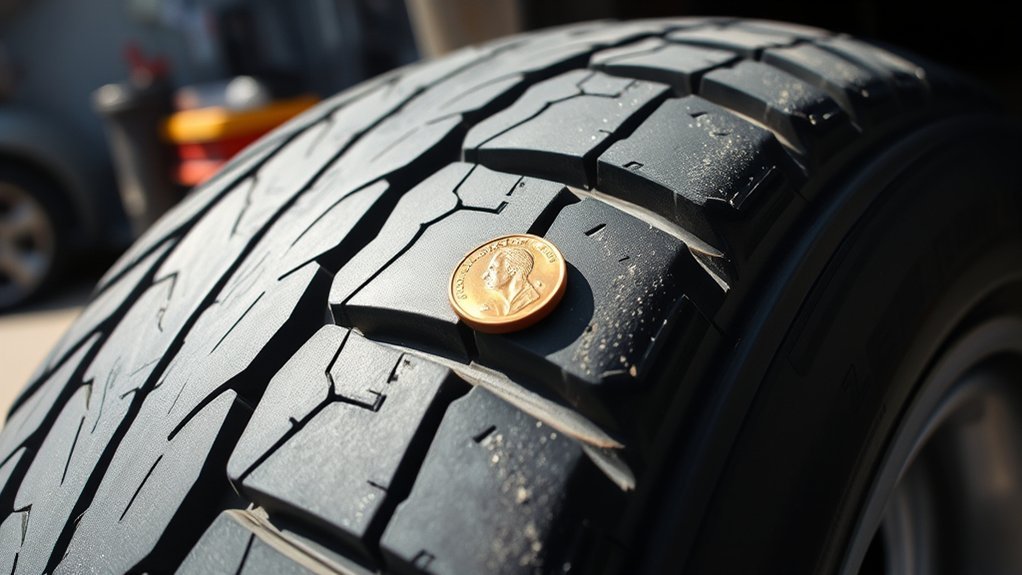
You can tell when your tires need replacing by checking tread depth, looking for visible damage, noticing changes in ride feel, and confirming the tire’s age. A tire can look “okay” at a quick glance and still be unsafe if it has low tread, sidewall damage, internal impact damage, uneven wear, or aging rubber.
Quick Answer
Replace tires immediately when tread reaches 2/32 inch, cords show, sidewalls bulge, deep cracks appear, or a tire loses air repeatedly. Consider replacement around 4/32 inch if you often drive in rain. Also check tire age: many tire makers recommend yearly professional inspections after five years and replacement by ten years.
Key Takeaways
- Use a tread-depth gauge for the best reading; the penny test is a quick backup for the 2/32-inch danger point.
- Bulges, bubbles, exposed cords, sidewall punctures, or deep cuts usually mean the tire needs immediate professional inspection or replacement.
- Uneven tread wear can point to alignment, inflation, suspension, or rotation problems.
- Check tire pressure, tread, and sidewalls once a month and before long trips.
- Do not judge tire safety by tread alone; age, damage, vibration, and air-loss problems matter too.
At a Glance
| Time Required | 10–15 minutes for all four tires |
| Difficulty | Easy DIY inspection; professional inspection needed for damage, vibration, or air loss |
| Tools Needed | Tread-depth gauge, penny or quarter, tire-pressure gauge, flashlight |
| Cost | Usually $0–$15 for basic checking tools; inspection may be free or low-cost at many tire shops |
Tread Depth: Key Indicators for Tire Replacement
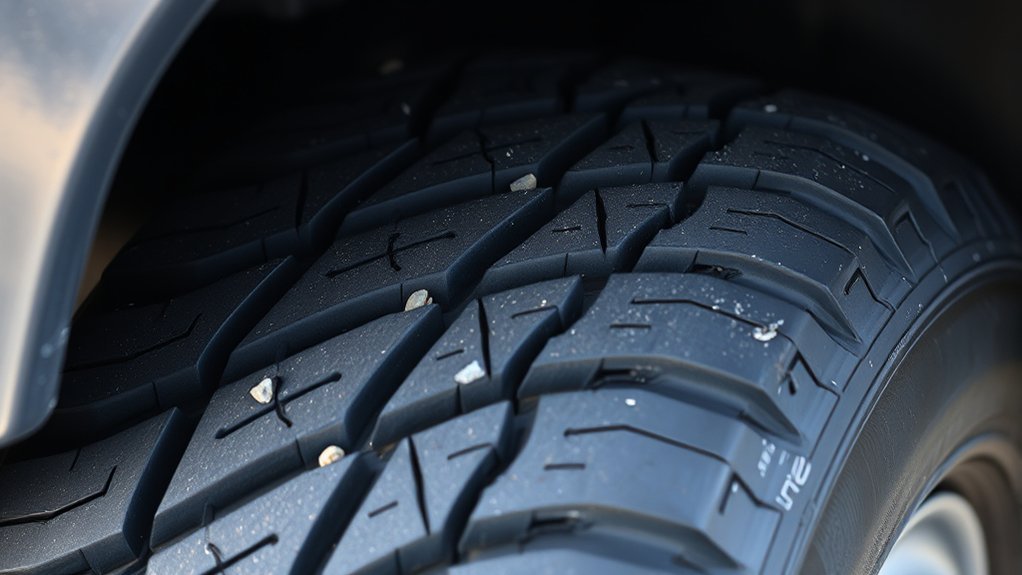
Tread depth is one of the clearest signs that a tire is near the end of its safe service life. The common U.S. replacement threshold is 2/32 inch, which is also where built-in treadwear indicator bars become even with the tread surface. At that point, replace the tire immediately.
For wet roads, do not wait until the tire reaches the bare minimum. If your tread is around 4/32 inch and you often drive in rain, start planning replacement because shallow tread cannot move water away from the contact patch as well as deeper tread.
Warning: A tire at 2/32 inch is not a “keep using it for a while” tire. It is a replace-now tire, especially before rain, highway driving, or long trips.
| Tread Depth | What It Means | Action |
|---|---|---|
| Above 4/32 inch | Usually acceptable if wear is even and there is no damage | Keep monitoring monthly |
| 3/32–4/32 inch | Reduced wet-road margin | Plan replacement soon, especially if you drive in rain |
| 2/32 inch or less | Tread is at the wear-bar danger point | Replace immediately |
How to Perform the Penny Test for Tread Depth
The penny test is a quick way to check whether your tread is near 2/32 inch. It is not as precise as a tread-depth gauge, but it helps you spot dangerously worn tires fast.
- Park on a level surface and turn the steering wheel so you can see the front tire tread clearly.
- Place a penny into a main tread groove with Lincoln’s head facing down.
- If the tread covers part of Lincoln’s head, the tire is above the basic 2/32-inch danger point.
- If you can see the top of Lincoln’s head, the tire is at or below the replacement threshold.
- Repeat the test in several grooves across the tire and on all four tires.
Pro Tip: A tread-depth gauge is more accurate than a coin and costs very little. Measure the inner, center, and outer grooves because one side of a tire can be worn out while the other side still looks acceptable.
| Penny Result | Likely Tread Condition | What to Do |
|---|---|---|
| Lincoln’s head is partly covered | Above the basic 2/32-inch threshold | Keep checking; use a gauge for a precise reading |
| Top of Lincoln’s head is visible | At or below 2/32 inch | Replace the tire immediately |
| Different results across the same tire | Uneven wear | Have alignment, inflation, rotation, and suspension checked |
How to Identify Sidewall Damage
Sidewall damage is serious because the sidewall flexes constantly while you drive. Unlike some punctures in the tread area, many sidewall problems cannot be safely repaired. Look for cuts, scrapes, cracks, bubbles, bulges, exposed cords, and areas that look swollen or distorted.
[Products Worth Considering]

Measure tire tread depth quickly and accurately with this LUMITECO dial gauge that reads in 1/32" increments up to 14/32". The color-coded green/yellow/red zones make it easy to judge tire wear and know when replacement is needed. A rugged, compact design with a protective pouch helps keep the gauge ready for use on cars, trucks, motorcycles, and more.

Monitor tire tread wear with a smart, color-coded depth gauge that shows clear condition ranges at a glance. The bar is range marked for fast, easy readings, helping you maintain safer traction and performance. Each gauge is portable with a pocket clip, and the set includes 20 units for daily use and sharing.

The SAFELIFE dial tire tread depth gauge measures tread depth in 1/32 inch increments with clear, easy-to-read 2-inch dial face. Color zones using a traffic light system help you quickly judge whether tread is low, marginal, or ample for safer driving. Built with a durable zinc cast body and a metal detect probe for precise, comfortable use across cars, motorcycles, trucks, and buses.
Common Damage Types
| Damage Type | What It Usually Means | Action Needed |
|---|---|---|
| Sidewall bulges or bubbles | Possible internal cord damage from impact | Stop using the tire and get immediate professional inspection |
| Deep cuts or exposed cords | Structural layers may be compromised | Replace if confirmed by a tire professional |
| Fine cracking or dry rot | Age, heat, ozone, or weather exposure | Inspect closely; replace if cracks are deep or spreading |
| Scrapes from curbs | Surface abrasion or hidden impact damage | Monitor light scuffs; inspect immediately if cords, bulges, or air loss appear |
Visual Inspection Tips
Inspect the sidewall in good light. Check both the outer and inner sidewall when possible because inner-side damage can hide from normal view. Look closely after hitting a pothole, curb, road debris, or a deep edge in the pavement. If the tire starts losing air after an impact, do not assume it is only a valve issue; the tire and wheel should be inspected.
When to Seek Help
Get professional help immediately if you see a bubble, bulge, exposed cords, a deep cut, sidewall puncture, or repeated air loss. If the tire is badly damaged, use a spare, roadside assistance, or towing rather than continuing to drive on it.
Warning: Do not patch a sidewall puncture or keep driving on a tire with a visible bulge. These are tire-failure warning signs, not normal wear.
How to Recognize Excessive Vibration and Its Impact on Tire Replacement
Excessive vibration can come from a simple tire balance issue, but it can also point to a bent wheel, separated belt, uneven wear, damaged suspension part, or internal tire damage. Pay attention to where you feel it: the steering wheel, seat, floorboard, or the entire vehicle.
If vibration appears suddenly after hitting a pothole or road debris, pull over when it is safe and inspect the tire for bulges, air loss, and tread separation. If vibration gets worse with speed, do not ignore it. A tire professional can check balance, runout, internal damage, wheel damage, and whether the tire should be replaced.
Uneven Tread Wear: Signs of Misalignment Issues
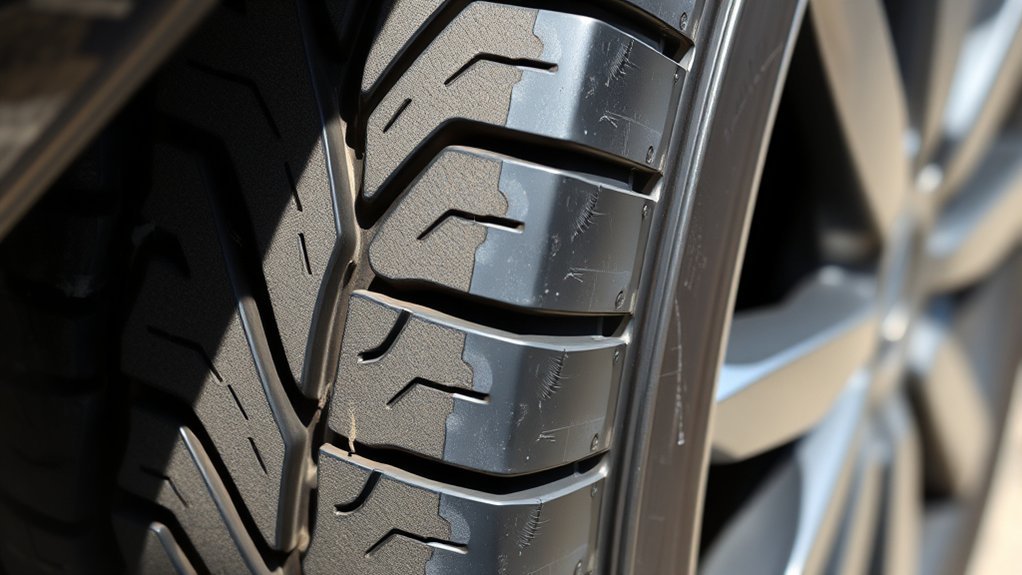
Uneven tread wear often means the tire is not meeting the road correctly. Misalignment, improper inflation, worn suspension parts, lack of rotation, and wheel-balance problems can all create abnormal wear patterns.
| Wear Pattern | Possible Cause | Next Step |
|---|---|---|
| Inside or outside edge wear | Alignment issue or worn steering/suspension parts | Schedule alignment and suspension inspection |
| Center tread wear | Possible overinflation or wrong tire/load setup | Check cold pressure against the vehicle placard |
| Both shoulders worn | Possible underinflation or repeated overloading | Correct pressure and inspect for heat damage |
| Cupping or scalloped dips | Balance, shock/strut, bearing, or suspension problem | Have the tire and suspension inspected |
If uneven wear has already taken one area down to 2/32 inch, the tire needs replacement even if the rest of the tread looks deeper.
[Products Worth Considering]

Keep your tires properly inflated with this analog VONDIOR tire pressure gauge, designed for fast, easy readings without batteries. The swiveling, two-axis hose and large glow dial help you measure at any tire angle with instant visibility. Built with a protective rubber shield, it supports durable, low-maintenance use for cars and trucks.

The TYAMATE TM8 solar-powered wireless TPMS delivers real-time tire pressure and temperature monitoring with six alarm modes for safer driving. A vibrant color LCD display shows readings clearly while windshield mounting keeps it hands-free and easy to read. With a wide 0–87 PSI range, strong 433.92 MHz signal transmission, and quick sensor pairing, it’s ideal for RV, sedan, SUV, MPV, and truck use.
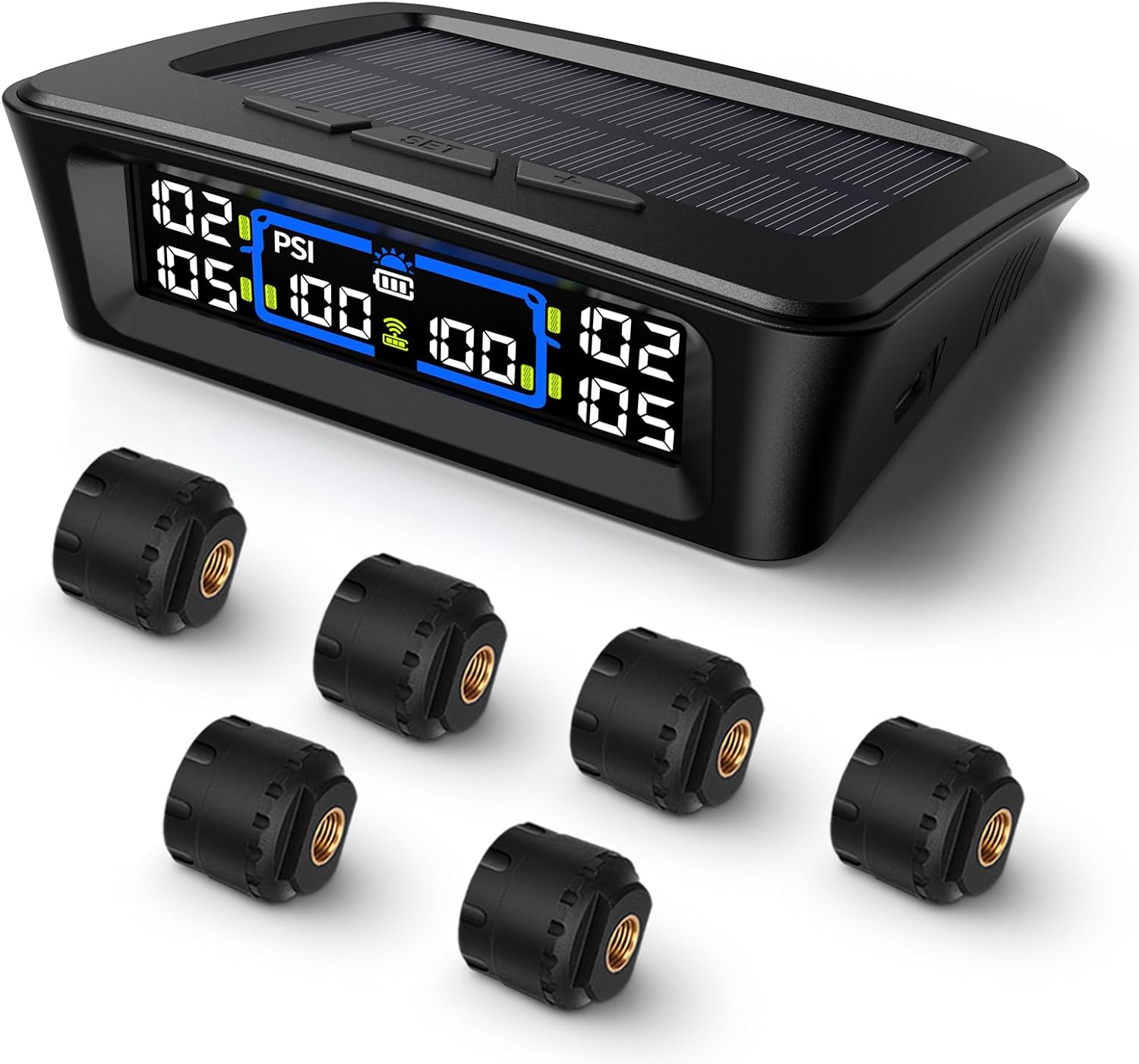
The Tymate TM12 RV TPMS delivers real-time tire pressure and temperature monitoring with a stable 433Hz display for safer long-distance driving. It supports simultaneous monitoring across vehicle and trailer zones, includes six alarm modes for pressure, temperature, leakage, battery, and signal loss, and features easy DIY installation with auto calibration. Power is supplied via USB-C charging or solar recharging, with a wide 0–144 PSI range and up to 50 ft signal coverage for RVs and towable trailers.
Why You Should Care About Tire Age
Tire age matters because rubber compounds change over time from heat, sunlight, ozone, storage conditions, loading, and normal use. A tire can have decent-looking tread and still be too old, cracked, or internally weakened.
Look for the DOT Tire Identification Number on the sidewall. For tires made in 2000 or later, the last four digits show the week and year of manufacture. For example, a code ending in 3520 means the tire was made in the 35th week of 2020.
Follow your vehicle owner’s manual and tire manufacturer guidance. Some vehicle manufacturers recommend replacement around six years, while many tire manufacturers recommend a professional inspection after five years of service and replacement by ten years from the date of manufacture, even if the tire appears usable. This also applies to spare tires.
Note: Tire age is not the only rule. Damage, low tread, repeated air loss, vibration, or exposed cords can require replacement long before a tire reaches an age limit.
Check Tire Pressure Before Judging Tire Wear
Tire pressure affects wear, handling, braking, fuel economy, and heat buildup. Check pressure when tires are cold, meaning the vehicle has been parked for at least three hours. Use the pressure listed on the driver-door placard or in the owner’s manual, not the maximum pressure printed on the tire sidewall.
Check all four tires at least once a month and before long trips. If your vehicle has a spare tire, check it too. A tire pressure monitoring system can warn you about major pressure loss, but it does not replace manual inspections for tread wear, sidewall damage, or tire age.
When to Replace One, Two, or All Four Tires
If only one tire is damaged and the other tires are nearly new, a matching single replacement may be possible. However, the new tire should match the others as closely as possible in size, type, load rating, speed rating, and tread depth.
If replacing two tires, many tire and vehicle guidance sources recommend installing the newer pair on the rear axle to help maintain stability in wet conditions. For all-wheel-drive and four-wheel-drive vehicles, always check the owner’s manual because large differences in tire circumference can stress the drivetrain.
Replace all four tires when all are worn, aged, mismatched, or damaged. Matching tires help the vehicle brake, steer, and respond predictably.
[Products Worth Considering]

Accurately measure tire tread depth with a calibrated gauge marked from 0 to 1 inch in 1/32 inch increments. The color-coded bar helps you quickly identify tread condition ranges, supporting safe driving for trucks, motorcycles, automobiles, and passenger vehicles.
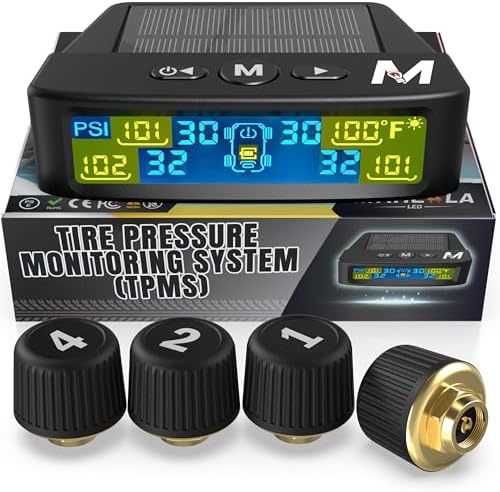
Marcala’s TPMS set of four sensors helps you monitor tire pressure and temperature in real time while driving, with updates every second. The bright color LCD uses auto-dimming for easy viewing, powered by dual solar and USB charging, and offers six alarm modes. Built for trailers, RVs, campers, trucks, and towing setups, the sensors support monitoring 1-4 wheels up to 98 PSI with IP67 waterproof protection.

Vigorder rubber cement glue delivers superior adhesion and cures quickly within about 30 seconds for seamless rubber bonding. Once cured, it helps provide a strong, durable, waterproof seal that holds up to vehicle weight, pressure, and heat. Suitable for cars, motorcycles, trucks, bicycles, and off-road tires, it’s designed for emergency patch and maintenance repairs.
Expert Tips for Tire Maintenance and Replacement
Regular Tread Depth Checks
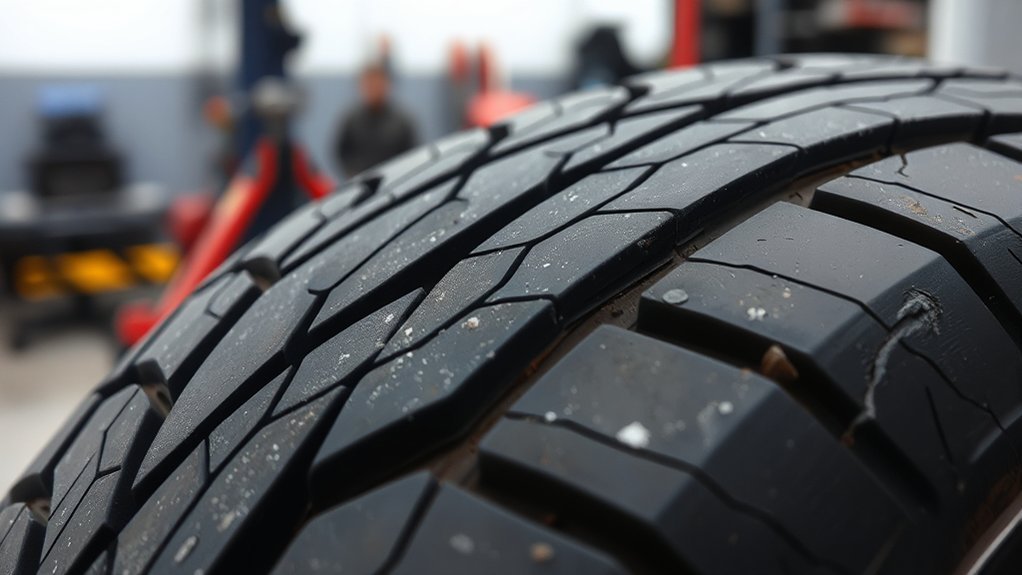
Check tread depth once a month, before long trips, and before wet or winter driving seasons. Use a gauge in multiple grooves on each tire. Also look for built-in wear bars inside the tread grooves; when those bars are level with the surrounding tread, the tire is worn to the replacement point.
Monitor Sidewall Condition
Sidewalls should be smooth and free of deep cracks, cuts, bubbles, exposed fabric, and swelling. Light cosmetic scuffs may not mean immediate failure, but any damage that exposes cords, changes shape, leaks air, or appears after a hard impact needs professional attention.
Schedule Professional Inspections
Have your tires inspected by a professional if you notice uneven wear, vibration, repeated pressure loss, impact damage, aging cracks, or tread near the replacement threshold. Also schedule inspection when tires reach five years of service, especially if the vehicle is driven very little or the tires are exposed to high heat.
Monthly Tire Safety Checklist
- Check cold tire pressure using the vehicle placard pressure.
- Measure tread depth on the inner, center, and outer grooves.
- Look for treadwear bars, nails, glass, stones, and cuts.
- Inspect sidewalls for cracks, bubbles, bulges, scrapes, and exposed cords.
- Watch for uneven wear across each tire.
- Notice new vibration, pulling, thumping, or road noise.
- Check the DOT date code on older tires and spare tires.
- Confirm the spare, jack, and lug wrench are usable before long trips.
The safest time to replace a questionable tire is before the next storm, highway trip, or emergency stop—not after the tread reaches the absolute minimum.
Frequently Asked Questions
What are the three major indicators of tire failure?
The three major warning signs are dangerously low tread, visible structural damage such as bulges or exposed cords, and performance changes such as vibration, repeated air loss, pulling, or poor wet-road grip.
Should I replace tires at 4/32 inch or 2/32 inch?
Replace at 2/32 inch immediately. At 4/32 inch, consider replacement if you often drive in rain because wet braking and hydroplaning resistance can drop as tread gets shallow.
Can sidewall damage be repaired?
Sidewall punctures, bulges, bubbles, exposed cords, and deep sidewall cuts are generally not safe repair candidates. Have the tire inspected and replace it if a professional confirms structural damage.
How old is too old for tires?
Check your owner’s manual and tire manufacturer guidance. Some vehicle manufacturers recommend replacement around six years, while many tire manufacturers recommend annual professional inspection after five years and replacement by ten years from the manufacture date.
Do spare tires need replacing too?
Yes. Spare tires age even when they are not used. Check the spare’s pressure, sidewall condition, tread, and DOT date code at least a few times per year and before long trips.
Conclusion
Knowing when your tires need replacing is not about one single test. Check tread depth, sidewalls, tire pressure, wear patterns, vibration, air loss, and age together. Replace tires immediately at 2/32 inch, after serious sidewall or structural damage, or when a tire professional says the tire is unsafe. When in doubt, get the tire inspected before your next long drive or wet-weather trip.
Sources
- National Highway Traffic Safety Administration — Summer Driving & Road Trip Tips — supports monthly inspections, cold tire pressure, penny test, tread depth, uneven wear, and tire age cautions.
- NHTSA interpretation on tire treadwear indicators — supports the 2/32-inch treadwear indicator threshold.
- U.S. Tire Manufacturers Association — Tire Facts — supports tire service-life nuance, DOT date-code reading, monthly inspections, and professional inspection guidance.
- Michelin — When to Replace Tires — supports tire-age inspection, ten-year replacement guidance, sidewall damage, vibration, and spare-tire age.
- Bridgestone Americas — Tire Replacement Guidance — supports tread-depth checking, wear bars, penny test, tire age, and replacement matching guidance.
- Tire Rack — Tire Tread Depth and Wet Braking — supports 4/32-inch wet-weather replacement guidance and wet stopping-distance concerns.