
Tire Rubbing: 7 Causes, Checks, and Safe Fixes
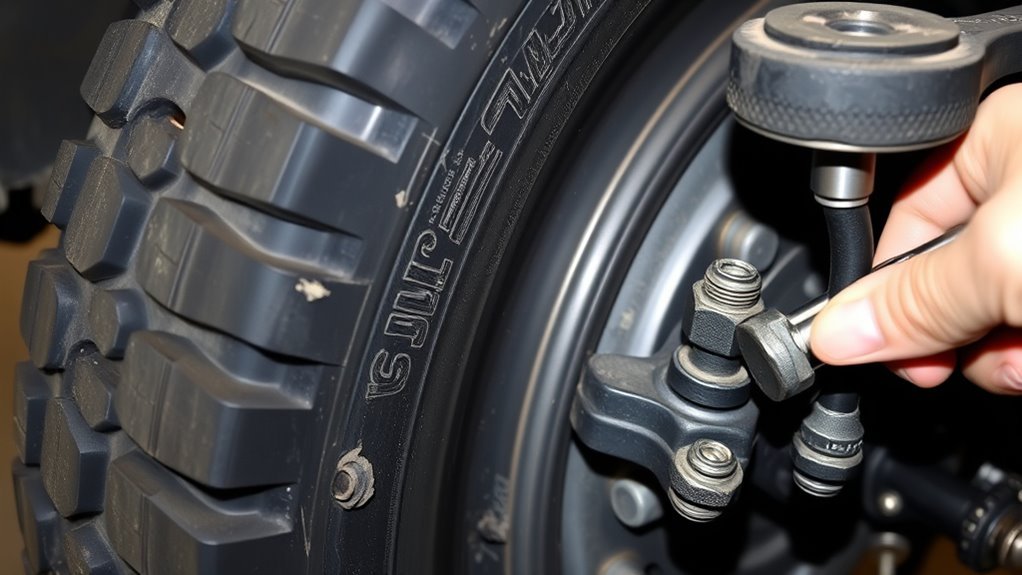
A rubbing tire can turn a small fitment issue into damaged rubber, broken liners, or unsafe steering fast. Start by checking where the tire contacts the fender, liner, or frame, then confirm tire pressure, ride height, wheel offset, and suspension condition. This guide walks you through the checks, likely causes, safe fixes, and warning signs that mean you need a qualified shop.
Quick Answer
If your tire rubs the fender or frame, check tire pressure, tire size, wheel offset, ride height, and suspension parts first. Spin the wheel slowly, look for fresh rub marks, and compare the problem side with the opposite side. If you see bent arms, damaged mounts, loose ball joints, or a tipped wheel, stop guessing and get a professional inspection.
Key Takeaways
- Check tire pressure first because a soft tire can bulge and reduce clearance.
- Look for rub marks on the fender liner, frame, tire sidewall, and suspension parts.
- Compare both sides of the vehicle to spot bent mounts, shifted arms, or uneven ride height.
- Use alignment, correct tire size, ride height repair, or small spacers only after you find the cause.
- Get professional help if rubbing comes with uneven tire wear, steering pull, vibration, or visible damage.
Quick Checklist: Find Where Your Tire Is Rubbing
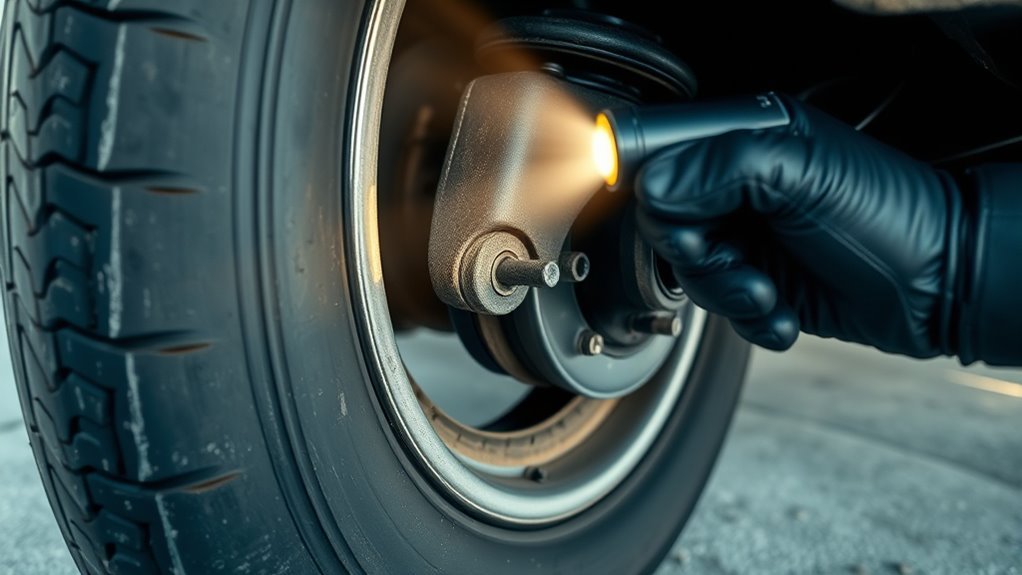
When you’ve got a tire rubbing, start by measuring the gap between the tire and fender. Many rubbing issues show up when clearance gets tight during turns, bumps, or full suspension compression.
Set tire pressure to the vehicle’s door-jamb spec before you measure anything. A soft tire lets the sidewall bulge, which narrows clearance and can create false clues.
Use this quick check before you replace parts:
- Inspect the tire sidewall and tread edge for shiny spots, cuts, or scuff marks.
- Check the fender lip, fender liner, frame, and splash shield for fresh contact marks.
- Spin the wheel slowly and watch for contact points.
- Turn the steering wheel from lock to lock and check both front tires.
- Compare the problem wheel with the opposite wheel to spot uneven position or ride height.
- Check wheel offset if the wheels are not original equipment manufacturer (OEM) parts.
Inspect sway bar end links for poor angle or wrong orientation. A bad link angle can change how the suspension moves and cause rubbing during turns.
Pro tip: Use chalk on suspected contact areas, then drive slowly over a small bump to confirm the exact rub point.
[Products Worth Considering]

This portable cordless tire inflator delivers up to 160 PSI with fast 17 L/min airflow to help you quickly top up tires and get back on the road. It features dual power mode, running on a 21V rechargeable battery or a 12V DC adapter for convenient roadside use. An automatic shut-off with digital pressure gauge helps prevent overinflation, and a built-in LED light improves visibility in low-light conditions.

EVOULTES heavy duty tire inflator with an integrated gauge delivers accurate pressure readings from 10–120 PSI, helping you inflate, deflate, and check tires in one tool. The 16.5-inch extended dual-head air chuck with swivel base reaches hard-to-access dual wheel valves on trucks and RVs. A brass trigger core and side-mounted air release valve make operation smooth, with standard 1/4" NPT threading and quick-connect compatibility for easy setup.

The JACO FlowPro Tire Inflator measures, inflates, and airs down tires up to 100 PSI with battery-free operation and ±2% accuracy after calibration. It features a glowing pressure dial for night visibility, a heavy-duty steel build with a hybrid hose, and a precision push-to-inflate thumb trigger. The patented Lightning Air Chuck locks on for a secure seal, and the kit includes quick-connect hardware for easy inline use with your air compressor.
Common Symptoms and Likely Causes of Tire Rubbing
Tire rubbing often starts in one of three places: fitment, alignment, or damaged suspension parts. The symptom usually tells you where to look first.
- Rubbing only during turns often points to tire width, wheel offset, liner contact, or steering clearance.
- Rubbing over bumps often points to low ride height, weak springs, or fender clearance.
- Rubbing on one side often points to alignment issues, bent parts, or shifted suspension mounts.
- Rubbing after new tires or wheels often points to wrong tire size, width, diameter, or offset.
- Rubbing with steering pull or vibration often points to damage, loose parts, or poor alignment.
Do not assume the tire is too large until you check the suspension. A bent arm or worn joint can move the wheel enough to cause the same symptom.
Inspect Suspension Mounts, Control Arms, Ball Joints, and Spindle
After you find obvious contact points and check wheel offset, inspect suspension mounts, control arms, ball joints, and the spindle. Damage in these parts can pull the wheel inward or outward.
Compare the suspected side with the opposite side. Match control arm angles, mount positions, ride height, and sway bar end link orientation.
Look for bent upper or lower control arm mounts. Any bend can change suspension geometry and reduce tire clearance.
Check ball joints for play, torn boots, missing fasteners, or loose hardware. A worn joint can change camber and toe while the car moves.
Inspect the spindle, especially bolt holes, for elongation or cracks. Even slight stretching can change pivot points and wheel stance.
If sway bar links sit at different angles between sides, treat that as a clue. Record each mismatch before you replace parts so you can restore predictable suspension behavior without guesswork.
Warning: Do not drive at highway speed if the tire rubs hard enough to cut the sidewall, expose cords, or pull the steering.
[Products Worth Considering]
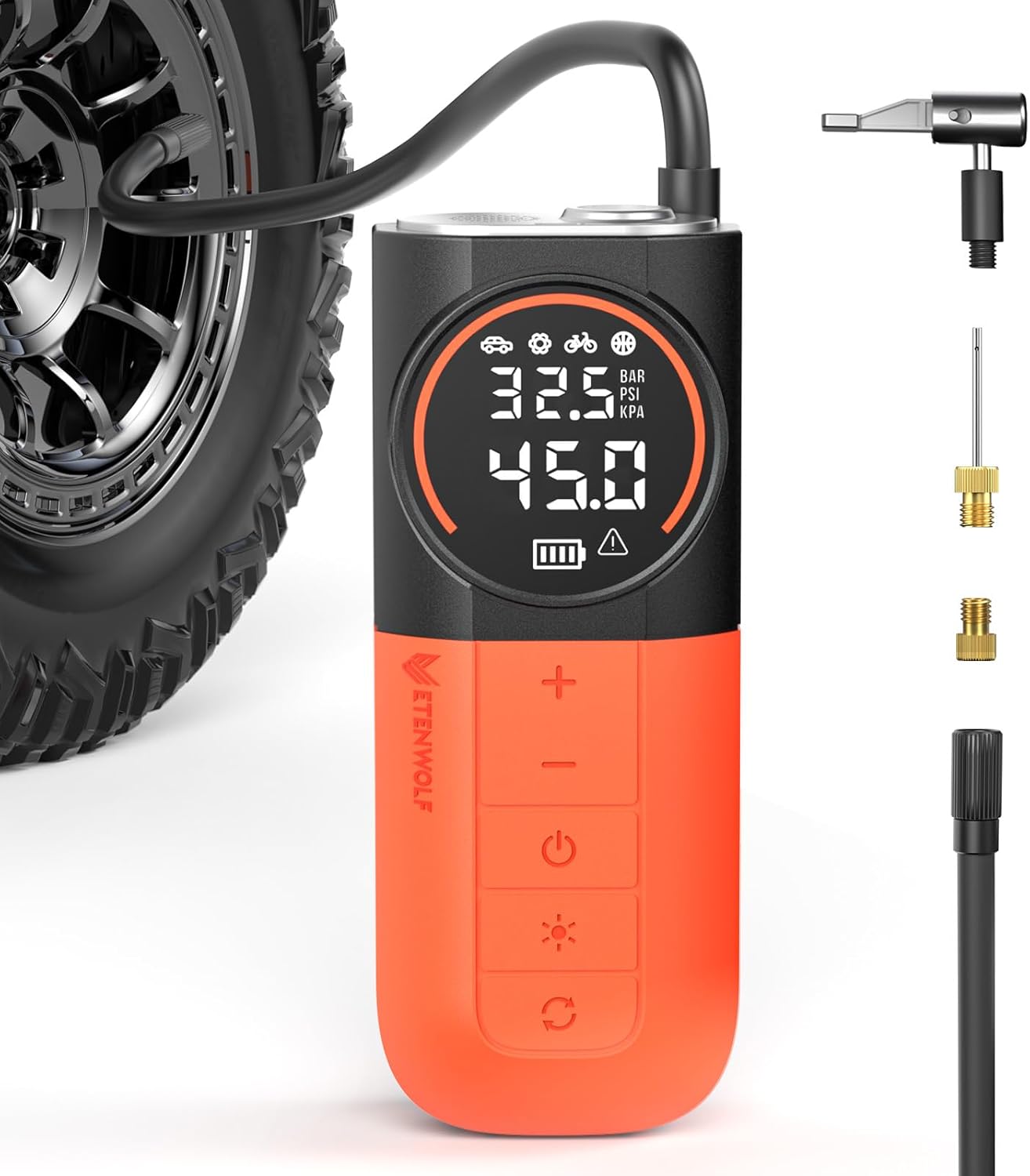
The ETENWOLF S1 cordless tire inflator delivers ultra-fast inflation with up to 160 PSI and a 20 L/min airflow for quicker tire top-offs. Its 5200mAh battery and cooling system support inflating many tires and sports balls on a single charge, while the digital pressure gauge and multi-unit display help you reach the right pressure accurately. With preset modes, pressure memory, an auto-stop feature, and an LED flashlight, it’s built for easy roadside and everyday use.

The Fanttik X10 Pro is a cordless portable tire inflator that reaches up to 150 PSI and can inflate an R15 tire in about 35 seconds for quick roadside or home top-ups. With AccuInFlate auto-stop and smart start/stop controls, it helps maintain accurate pressure and frees your hands once the target is reached. A high-visibility digital display and preset modes make it easy to set and monitor inflation for cars, motorcycles, bikes, and balls.

【Kit Includes】1x Front Left Upper Control Arm & Ball Joint Assembly, 1x Front Right Upper Control Arm & Ball Joint Assembly
DIY Fixes for Tire Rubbing: Alignment, Clearance, and Tire Swaps
Start by confirming whether the rubbing comes from alignment, clearance, or tire size. Check control arm angles, toe/camber settings, tire diameter, tire width, ride height, and wheel offset.
If alignment causes the rubbing, correct the suspension geometry and set toe and camber to spec. That helps stop edge wear and restores steady handling.
For clearance issues, fix the part that changed the clearance. Replace sagging springs, repair worn shocks, trim only damaged plastic liners where safe, or adjust ride height if your suspension allows it.
Small wheel spacers can move a tire away from inner contact points, but they can also create fender contact. Use only high-quality hub-centric spacers that fit your vehicle, and confirm proper wheel stud or bolt engagement.
When tire size causes interference, return to factory tire sizing or choose a tire with a safe width, diameter, load rating, and speed rating. After any change, inspect the tire edges and suspension parts, then road-test carefully at low speed first.
[Products Worth Considering]

FITMENT: KSP 6x139.7 spacer could fit 1999-2026 Silverado 1500, 1995-2026 Tahoe 4WD, 2007-2013 Avalanche, 2002-2006 Avalanche 1500, 2000-2014 Suburban 1500, 2003-2014 Express 1500, 1999-2026 Sierra 1500, 2000-2026 Yukon, 2003-2014 Savana 1500, 1999-2026 Escalade.
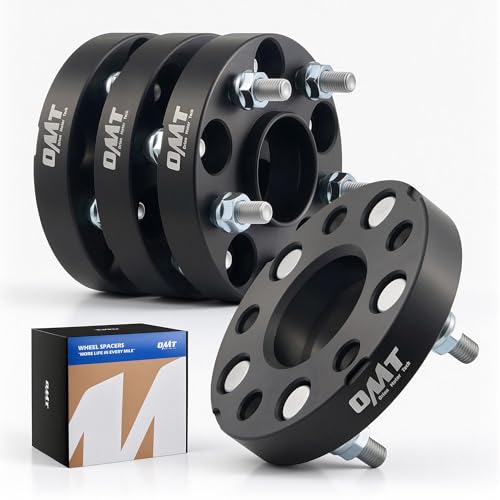
SAFE AND SECURE: This Orion Motor Tech 5x4.5 automotive wheel spacer kit improves the cornering, stability, handling, and control of your vehicle by adding 2 inches to its axle track

Specification: (shown as second photo) Vehicle Bolt Pattern: 5x115mm. Wheel Bolt Pattern: 5x115mm. Hub Bore: 71.5 mm. Thickness: 1.25 inch (31.75mm), Thread Pitch: 14x1.5 Threaded Studs
Signs It’s Structural Damage (Subframe, Control Arm, Spindle)
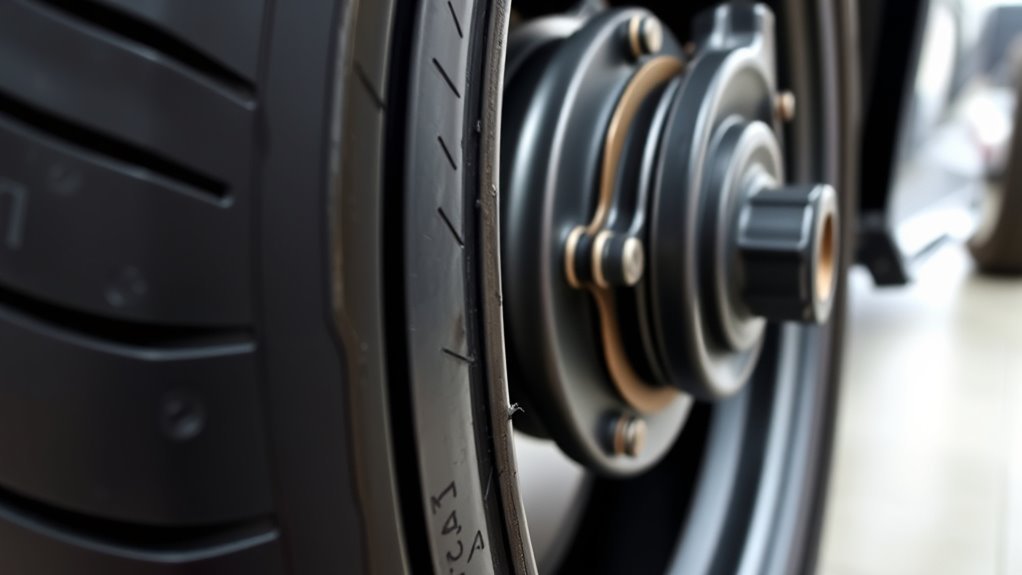
If alignment checks, clearance measurements, and tire swaps don’t stop rubbing, inspect for structural damage. The subframe, control arms, and spindle set the wheel’s baseline position.
Look for pronounced control arm misalignment that shifts camber, toe, or caster. This can cause rapid, uneven tire wear or direct contact with the fender or frame.
Check for bent upper ball joint bolts, stretched spindle bolt holes, and elongated control arm mount holes. Each one can point to past impact damage that changed wheel placement.
Look for a bent upper control arm bracket or a skewed engine cradle. Both can warp suspension geometry and reduce clearance.
Measure against factory dimensions when you can. Any repeatable offset beyond spec means simple tweaks won’t solve the root problem.
When to See a Pro : Cost, Safety, and Red Flags
When minor tweaks and alignment checks don’t stop the tire from rubbing the frame or fender, get a professional inspection. That helps you avoid tire failure, steering issues, and more expensive damage.
You need a professional assessment if you see uneven tire wear, a tipped-wheel look, stretched bolt holes, bent control arms, or frame and suspension damage. Many small shops can handle alignment, but frame or subframe damage may need a collision repair specialist.
Listen for red flags during turns or bumps:
- Unusual noises from the wheel area
- Steering vibrations or shaking
- A steady pull to one side
- A burning rubber smell
- Visible cuts, cords, or sidewall damage
Repair costs can vary widely. Simple alignment or liner repairs often cost less than major suspension work, while frame straightening or control arm replacement can exceed $1,000 depending on labor and parts.
Bring clear photos and describe when the rubbing happens. A qualified shop will measure suspension geometry and advise whether repair, replacement, or safe driving limits apply.
How to Road-Test After Fixing Tire Rubbing
After a repair, test the vehicle in a safe area before you return to normal driving. Start with slow turns in both directions, then drive over a small bump at low speed.
Stop and inspect the tire, fender liner, frame, and suspension parts again. Fresh marks mean the rubbing remains, even if you can’t hear it from the driver’s seat.
If the vehicle pulls, shakes, or makes new noise, stop the test. Recheck the repair or have a shop inspect the vehicle before you drive faster.
Frequently Asked Questions
Can Winter Tires Increase Rubbing Compared to Summer Tires?
Yes, winter tires can rub more than summer tires in some setups. Deeper tread blocks, a different shoulder shape, or a slightly larger measured diameter can reduce clearance.
Will Lowering My Car Always Cause Tire Rubbing?
No, lowering your car doesn’t always cause rubbing. You still need enough clearance through turns, bumps, and full suspension travel, so check tire width, wheel offset, camber, and ride height.
Are Aftermarket Wheels More Likely to Rub Than OEM Wheels?
Yes, aftermarket wheels can rub more often when the offset, width, or diameter differs from OEM specs. Aggressive offsets can push the tire outward toward the fender or inward toward suspension parts.
Can Tire Rubbing Damage My Alignment Over Time?
Tire rubbing usually signals a fitment or suspension problem, but repeated contact can worsen tire wear and stress nearby parts. Fix the cause early so alignment and handling stay predictable.
Is It Safe to Drive a Short Distance With Minor Rubbing?
You may drive a short distance with minor rubbing only if the tire has no cuts, cords, bulges, or heavy sidewall contact. Keep speed low, avoid sharp turns and bumps, and repair the cause as soon as possible.
Safety Disclaimer: This article is for informational purposes only and does not replace a professional vehicle inspection. Always consult a qualified mechanic before driving with tire, steering, suspension, or structural damage.
Conclusion
The safest fix starts with one clear goal: find the exact contact point before you replace parts. Check tire pressure, tire size, wheel offset, ride height, alignment, and suspension damage in that order.
Handle simple clearance and fitment issues only when you can measure them with confidence. If you find bent parts, loose joints, sidewall damage, or steering changes, get expert repair before the problem grows.
A tire should never fight the fender or frame. Fix the root cause, then road-test slowly so your vehicle tracks straight and feels stable again.

Related Articles
Tire Balancing Weights: Types, Cost, and Why You Need Them
Precisely chosen tire balancing weights reduce vibration and wear, but which type fits your wheels and what it really costs may surprise you.
Read More
Tire Repair Kits: What’s Inside and How to Use One
Get the essentials of tire repair kits, learn how each tool works, and discover the simple steps that can save your trip.
Read More
How to Get More Miles Out of Your Tires: 10 Proven Tips
Maximize tire life with 10 proven tips that save money and boost safety—discover the simple habits that can add many more miles.
Read More