Hyundai Sonata tire sizes depend on the model year, trim, powertrain, and wheel package. For the U.S.-market 2026 Hyundai Sonata, the common factory sizes are 205/65R16, 215/55R17, 235/45R18, and 245/40R19. Always confirm the exact size, load index, speed rating, and cold tire pressure on your driver-side door placard before buying replacements.
Quick Answer
Most 2026 Hyundai Sonata trims use 205/65R16, 215/55R17, 235/45R18, or 245/40R19 tires. SE and Blue Hybrid models commonly use 205/65R16, SEL Hybrid and Limited Hybrid use 215/55R17, SEL Sport uses 235/45R18, and N Line uses 245/40R19.
Key Takeaways
- Use the driver-door Tire and Loading Information Label as the final authority for your Sonata’s tire size and PSI.
- Do not replace 245/40R19 N Line tires with a random 20-inch size unless Hyundai, the wheel maker, and a tire professional confirm the fitment.
- Match or exceed the original load index and speed rating, especially if you drive at highway speeds or carry passengers and luggage.
- Check pressure monthly, inspect tread at 2/32 inch minimum, and check the DOT date code as tires age.
At a Glance
| Time Required | 5–10 minutes to check the door placard and tire sidewall; longer if comparing aftermarket sizes. |
| Difficulty | Easy for confirming stock size; moderate if upsizing, downsizing, or changing wheel diameter. |
| Tools Needed | Driver-door placard, tire sidewall, owner’s manual, tire pressure gauge, tread-depth gauge or penny. |
| Cost | Free to check fitment; replacement tire cost varies by size, brand, season, and performance category. |
2026 Hyundai Sonata Tire Sizes By Trim

The 2026 Sonata lineup is easier to shop when you separate gas, hybrid, and N Line models. The table below summarizes the common U.S. factory tire sizes. Use it as a starting point, then confirm your exact vehicle because dealer-installed wheels, regional equipment, and replacement wheels can change what is on the car.
| 2026 Sonata Trim | Common Factory Tire Size | Wheel Size | Best Use |
| SE | 205/65R16 | 16 inch | Comfort, value, and daily commuting |
| Blue Hybrid | 205/65R16 | 16 inch | Efficiency and lower replacement cost |
| SEL Hybrid | 215/55R17 | 17 inch | Balanced ride, handling, and efficiency |
| Limited Hybrid | 215/55R17 | 17 inch | Premium hybrid comfort |
| SEL Sport | 235/45R18 | 18 inch | Sharper steering with reasonable ride comfort |
| N Line | 245/40R19 | 19 inch | Sportier response and stronger grip |
Warning: Do not rely on a generic tire chart alone. Your Sonata’s driver-side door placard and owner’s manual are the final references for tire size, load rating, speed rating, and cold tire pressure.
[Products Worth Considering]

Measure tyre tread depth precisely with a digital gauge that reads in both MM and inches, helping you monitor safe driving conditions. The large LCD screen is easy to operate, and the compact tool fits for cars, trucks, and motorcycles. It provides high accuracy with a 0-25.4mm range and includes a 1-year warranty for added peace of mind.

Keep your tires properly inflated with this analog VONDIOR tire pressure gauge, designed for fast, easy readings without batteries. The swiveling, two-axis hose and large glow dial help you measure at any tire angle with instant visibility. Built with a protective rubber shield, it supports durable, low-maintenance use for cars and trucks.

Measure tire tread depth quickly and accurately with this LUMITECO dial gauge that reads in 1/32" increments up to 14/32". The color-coded green/yellow/red zones make it easy to judge tire wear and know when replacement is needed. A rugged, compact design with a protective pouch helps keep the gauge ready for use on cars, trucks, motorcycles, and more.
How To Read Your Tire Code And Ratings
A tire code such as 235/45R18 94V tells you the tire’s size and service rating. The first number, 235, is the tire width in millimeters. The second number, 45, is the aspect ratio, meaning the sidewall height is 45% of the tire width. The letter R means radial construction. The number 18 is the wheel diameter in inches.
The final service description, such as 94V, matters just as much as the size. The number is the load index, which tells you how much weight the tire can carry when properly inflated. The letter is the speed symbol, which reflects the tire’s tested speed capability. When replacing Sonata tires, choose a tire that matches or exceeds the original load index and speed rating unless Hyundai or a qualified tire professional confirms a different specification is safe.
Note: The tire sidewall also includes a DOT Tire Identification Number. The last four digits show the week and year the tire was made, which helps you judge age even when tread looks acceptable.
Upsize Vs Downsize: Hyundai Sonata Tire Tradeoffs
Upsizing can improve steering response and appearance, but it can also make the ride firmer, increase tire cost, reduce pothole protection, and create clearance problems if the width, offset, or overall diameter is wrong. Downsizing can improve ride comfort and winter tire affordability, but it may reduce steering sharpness and may not clear the brakes on every trim.
The safest replacement tire is the same size, load index, and speed rating shown on your Sonata’s door placard. Any alternate size should keep overall diameter close to stock and be checked for brake, fender, suspension, and TPMS clearance.
- Keep diameter close: A large diameter change can affect speedometer accuracy, stability control, and transmission behavior.
- Protect clearance: Wider tires can rub the fender liner or suspension during turns or over bumps.
- Mind AWD: If your SEL Sport has all-wheel drive, keep tire size, brand/model, and tread depth closely matched across all four tires.
- Match ratings: Never choose a lower load index or speed rating just to save money.
Best Tires For Your Sonata: All-Season, Performance, Winter
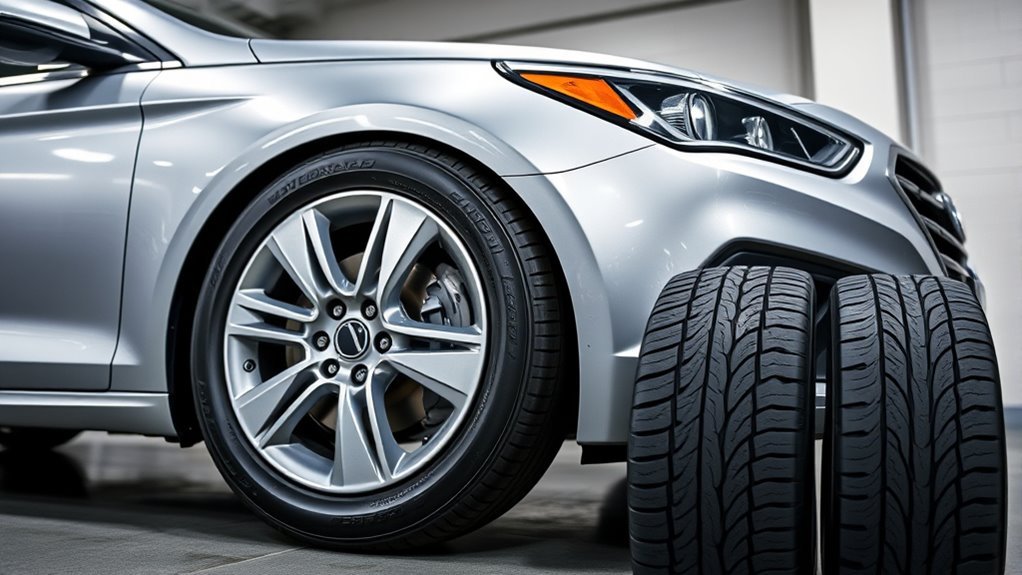
The best tire for your Sonata depends on climate, driving style, and trim. Most drivers are best served by a quality grand-touring all-season tire because it balances wet grip, comfort, noise, tread life, and light-snow capability. Hybrid drivers should also look for low rolling resistance if fuel economy is a priority.
For the SEL Sport and N Line, a performance all-season or summer performance tire can sharpen steering and cornering. The tradeoff is usually shorter tread life, more road noise, and weaker winter performance. If temperatures regularly drop near freezing or you drive in snow, a dedicated winter tire is safer than relying on a worn all-season tire.
Pro Tip: If you buy winter tires, consider a dedicated wheel-and-tire package in a manufacturer-approved size. It can make seasonal swaps easier and protect larger 18- or 19-inch wheels from winter damage.
[Products Worth Considering]

Accurately measure tire tread depth with a calibrated gauge marked from 0 to 1 inch in 1/32 inch increments. The color-coded bar helps you quickly identify tread condition ranges, supporting safe driving for trucks, motorcycles, automobiles, and passenger vehicles.

Monitor tire tread wear with a smart, color-coded depth gauge that shows clear condition ranges at a glance. The bar is range marked for fast, easy readings, helping you maintain safer traction and performance. Each gauge is portable with a pocket clip, and the set includes 20 units for daily use and sharing.

The SAFELIFE dial tire tread depth gauge measures tread depth in 1/32 inch increments with clear, easy-to-read 2-inch dial face. Color zones using a traffic light system help you quickly judge whether tread is low, marginal, or ample for safer driving. Built with a durable zinc cast body and a metal detect probe for precise, comfortable use across cars, motorcycles, trucks, and buses.
OEM Vs Aftermarket: Fitment, Warranty, And Cost
OEM-spec tires are chosen to match the Sonata’s ride, handling, load requirements, noise targets, and efficiency goals. They are the simplest choice when you want the car to feel close to factory-new. Aftermarket tires can be a smart upgrade when you want better wet traction, longer tread life, stronger winter grip, or a lower price, but they must still match the required size and ratings.
Aftermarket tires do not automatically void a vehicle warranty. However, an incorrect tire size, improper load rating, poor installation, or wheel/tire combination that causes damage may affect related warranty claims. Keep receipts, tire specifications, and alignment records, especially if you change wheel diameter or tire width.
- Choose OEM-spec if: you want factory-like ride comfort, predictable handling, and simple fitment.
- Choose aftermarket if: you need a specific benefit such as winter traction, lower noise, longer treadwear, or sportier response.
- Avoid bargain mistakes: a cheap tire with the wrong load index, speed rating, or size can cost more in poor wear, vibration, or unsafe handling.
[Products Worth Considering]

AstroAI’s heavy-duty digital tire pressure gauge delivers quick, accurate readings with 0.1 increments and a secure valve-stem seal. It features a green backlit LCD and built-in flashlight for easy use in low light, plus an ergonomic non-slip stainless-steel design. The wide 0–230 PSI range works across common vehicle tires, with unit selection and an auto shut-off to save battery.

The Milton S-693 straight foot dual head air chuck is designed for accurate tire pressure checks and quick, secure valve-core engagement with lock-on threads on both ends. With a 1/4" FNPT connection and a maximum 150 PSI rating, it’s built for use on inner duals and common vehicle tires, including trucks and RVs.

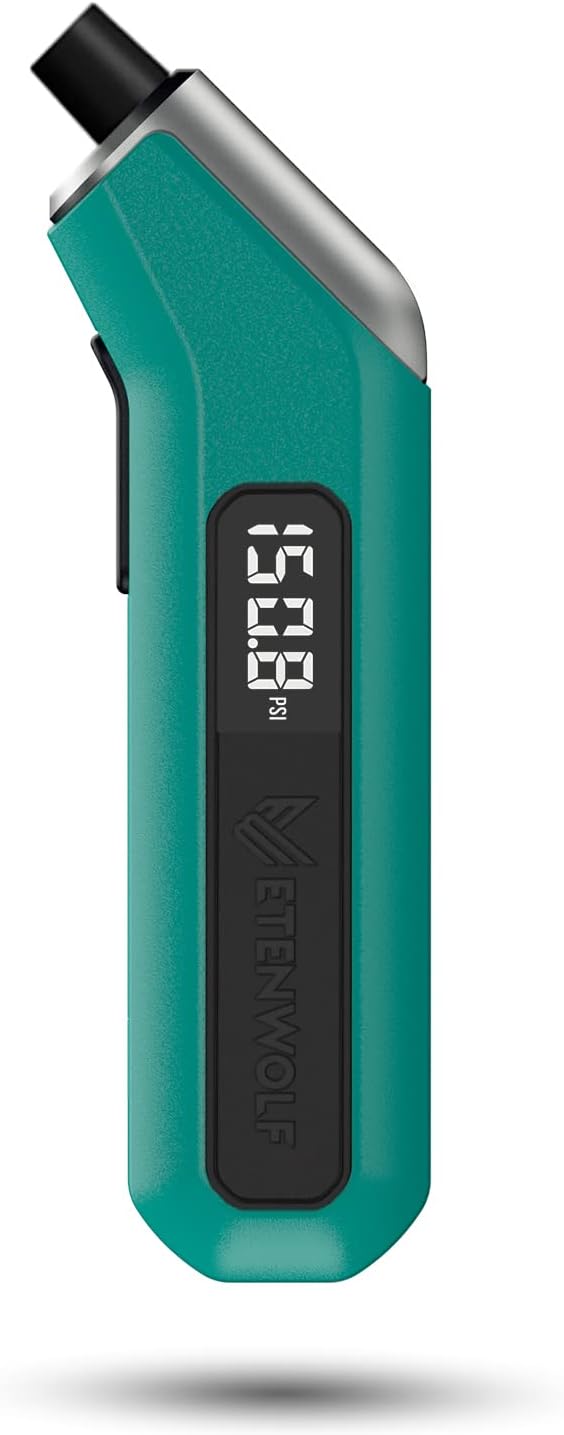
Get precise tire readings with the ETENWOLF T300 Plus digital gauge, calibrated to ANSI B40.7 Grade 2A for reliable accuracy. It measures across a wide 3–200 PSI range and includes thermal compensation for dependable performance from extreme cold to heat. The bright LED display, LED illumination, and replaceable AAA batteries make it easy to check pressures quickly, even in low light.
Tire Maintenance & When To Replace
Good tire care is simple but important. Check pressure when the tires are cold, rotate on schedule, inspect tread monthly, and replace tires when tread, damage, age, or performance says they are no longer safe.
Tire Pressure Checks
Check your Sonata’s tire pressure at least once a month and before long trips. Use the cold PSI shown on the Tire and Loading Information Label, not the maximum PSI printed on the tire sidewall. A cold tire usually means the vehicle has been parked for at least three hours or driven only a short distance at low speed.
- Find the recommended cold PSI on the driver-side door placard.
- Use a reliable tire pressure gauge on all four tires.
- Add or release air until each tire matches the placard.
- Recheck pressure after major temperature swings.
- Do not treat TPMS as a substitute for manual pressure checks.
Rotation, Tread, And Age
Rotate tires about every 5,000–7,500 miles unless your owner’s manual or tire warranty specifies a different interval. Rotation helps even out wear between front and rear tires, which is especially useful on front-wheel-drive cars that carry more steering and braking load at the front.
Replace tires when tread reaches 2/32 inch, when treadwear indicators are flush with the tread, or sooner if wet or winter traction has become poor. Also replace tires with sidewall bulges, deep cuts, exposed cords, repeated pressure loss, vibration, or uneven wear that alignment cannot correct.
Age matters even if the tread looks good. Check the DOT date code and have older tires inspected by a professional. Some vehicle and tire manufacturers recommend replacement at six to 10 years regardless of tread depth, so follow the tire maker’s and Hyundai’s guidance for your vehicle.
Frequently Asked Questions
What kind of tires does a Hyundai Sonata have?
Most Hyundai Sonata trims come with all-season passenger tires from the factory. The exact size depends on the year and trim. For the 2026 Sonata, common U.S. factory sizes include 205/65R16, 215/55R17, 235/45R18, and 245/40R19.
What is the best oil for a Hyundai Sonata?
Engine oil does not affect tire size or tire fitment. For oil type, follow the maintenance section of your owner’s manual and the oil cap under the hood. For tires, use the door placard and owner’s manual to confirm size, load rating, speed rating, and PSI.
Can I put 20-inch tires on a 2026 Hyundai Sonata?
Do not assume a 20-inch wheel or tire will fit just because a similar size appears online. The U.S. 2026 Sonata’s common factory sizes top out at 245/40R19 for the N Line. A 20-inch setup needs professional confirmation for diameter, width, offset, brake clearance, load rating, and TPMS compatibility.
Where do I find the correct tire pressure for my Sonata?
Look for the Tire and Loading Information Label on the driver-side door edge or doorjamb. Use that cold PSI value instead of the maximum pressure printed on the tire sidewall.
Do all four tires need to match?
Yes, matching all four tires by size, brand/model, load rating, speed rating, and similar tread depth is the safest approach. This is especially important on all-wheel-drive versions, where mismatched rolling diameter can stress drivetrain components.
Conclusion
The safest way to buy Hyundai Sonata tires is to start with your exact trim and then verify the tire placard. For the 2026 U.S. Sonata, expect 205/65R16 on SE and Blue Hybrid, 215/55R17 on SEL Hybrid and Limited Hybrid, 235/45R18 on SEL Sport, and 245/40R19 on N Line. Match the size, load index, speed rating, and PSI, and keep up with monthly pressure checks, tire rotations, tread inspections, and age checks.
Sources
- Hyundai USA 2026 Sonata Features & Specs — official gas Sonata trim and specification reference.
- Hyundai USA 2026 Sonata Hybrid Features & Specs — official hybrid Sonata trim and specification reference.
- MyHyundai Tire Care and Maintenance — tire pressure, TPMS, tread, and Hyundai tire-care guidance.
- NHTSA TireWise — tire pressure, tread depth, tire aging, replacement size, and tire safety guidance.
- Federal Trade Commission Auto Warranties, Routine Maintenance, and Repairs — warranty guidance for aftermarket and recycled parts.
- 49 CFR § 574.5 Tire Identification Requirements — DOT Tire Identification Number labeling requirements.