
If you are choosing wheels for a Toyota Tacoma, the offset number matters just as much as the diameter. For common third-generation Tacoma trucks, especially 2020–2023 U.S.-market examples, SR/SR5 and TRD Off-Road factory wheels are commonly around +25 mm, TRD Sport and Limited are commonly +30 mm, and TRD Pro-style 16-inch wheels are commonly +13 mm. Always verify your exact model year, wheel part number, and tire size before buying.
Quick Answer
For many 3rd-gen Toyota Tacoma trims, common factory offsets are about +25 mm for SR/SR5 and TRD Off-Road 16-inch wheels, +30 mm for TRD Sport and Limited wheels, and +13 mm for TRD Pro-style 16-inch wheels. Some TRD accessory wheels differ, so confirm the wheel part number.
Key Takeaways
- Do not treat one Tacoma offset chart as universal; model year, trim, cab/bed configuration, package, and wheel part number can change fitment.
- A lower offset pushes the wheel outward, which can improve stance but may increase rubbing at the fender liner, cab mount, or mud flap.
- Wheel diameter alone does not add ground clearance; tire outside diameter does. Smaller wheels can be better off-road because they allow more sidewall.
- For 2024+ Tacoma trucks, verify fitment separately because Toyota redesigned the Tacoma on a new platform.
Understanding Wheel Offset: What You Need to Know
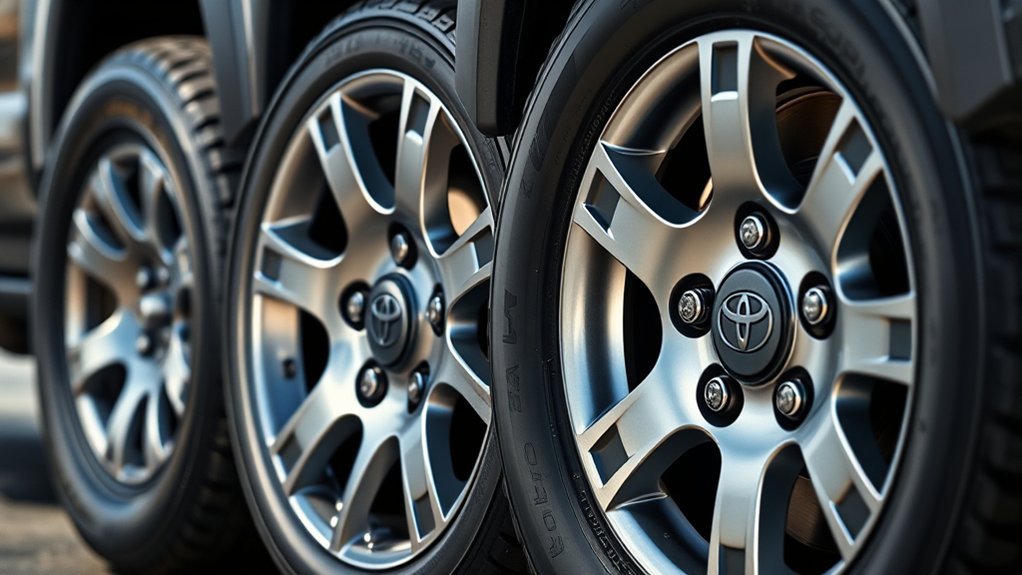
Wheel offset is the distance between the wheel’s mounting surface and the wheel’s centerline. It is measured in millimeters and is usually written as ET25, +25 mm, ET30, or +30 mm.
- Positive offset: The mounting pad is toward the outside face of the wheel, which pulls the wheel inward toward the suspension.
- Zero offset: The mounting pad is centered on the wheel.
- Negative offset: The mounting pad is toward the inside of the wheel, which pushes the wheel outward for a wider stance.
On a Tacoma, offset affects fender poke, inner suspension clearance, steering feel, rubbing, and how much room you have for wider tires. A lower offset can look more aggressive, but it is not automatically better. Too much poke can make the tire hit the fender liner or cab mount during turns and suspension compression.
Note: Offset is only one part of fitment. Wheel width, tire width, tire diameter, backspacing, lift height, upper control arm clearance, and alignment settings all affect whether a wheel-and-tire setup fits.
Factory Tacoma Wheel Offset Chart by Trim
The chart below is written for common third-generation Toyota Tacoma fitment, especially 2020–2023 U.S.-market examples. Toyota’s 2021 Tacoma brochure confirms the factory wheel and tire sizes by trim, while fitment data and Toyota parts listings help cross-check common offsets. For an exact answer, check the casting marks, part number, or stamped specs on your own wheel.
| Trim / Wheel | Common Factory Size | Common Offset | Typical Tire Size | Fitment Notes |
|---|---|---|---|---|
| SR / SR5 16-inch wheel | 16×7 | About +25 mm | 245/75R16 or 265/70R16, depending configuration | Balanced factory fitment with minimal poke. |
| TRD Off-Road 16-inch wheel | 16×7 | About +25 mm | 265/70R16 | Common factory off-road trim fitment; not the same as the TRD Pro-style +13 mm wheel. |
| TRD Sport 17-inch wheel | 17×7.5 | About +30 mm | 265/65R17 | Tucks in more than lower-offset aftermarket wheels; good factory road manners. |
| Limited 18-inch wheel | 18×7.5 | About +30 mm | 265/60R18 | More wheel, less sidewall; better suited to street comfort and appearance than rocky trails. |
| TRD Pro-style 16-inch wheel | 16×7 | About +13 mm | 265/70R16 All-Terrain | Pushes the wheel outward compared with +25 mm wheels. Toyota’s genuine TRD Pro gloss-black alloy wheel lists a 13 mm offset. |
| TRD accessory / beadlock-style wheels | Often 16×7.5, depending part number | Varies; some are around +10 mm | Varies | Do not assume accessory-wheel offset matches the factory trim wheel. Verify the Toyota or TRD part number. |
Warning: Do not buy wheels by offset alone. Confirm bolt pattern, hub bore, lug-nut seat type, brake caliper clearance, wheel load rating, and tire clearance before driving.
Exploring the Different Tacoma Trim Levels
Each Tacoma trim uses wheels that match its intended use. SR and SR5 trims are built around simple daily-driver fitment. TRD Off-Road uses a practical 16-inch wheel and taller tire sidewall for trail use. TRD Sport uses a 17-inch wheel for a sharper street look. Limited uses an 18-inch wheel for a more upscale appearance. TRD Pro-style wheels usually sit farther outward for a wider stance.
Tacoma Trim Variations
The SR5 is the balanced daily-driver trim. The TRD Off-Road is better suited to rough roads because its 16-inch wheel leaves more room for tire sidewall. The TRD Sport prioritizes a street-focused look with a 17-inch wheel. The Limited trim adds an 18-inch wheel, which looks polished but leaves less tire sidewall than the 16-inch trims. TRD Pro-style wheels are more aggressive because their lower positive offset pushes the wheel outward.
Wheel Size Differences
Tacoma wheel diameter usually ranges from 16 to 18 inches on factory third-gen trims:
- 16-inch wheels: Best factory choice for off-road use because they allow more sidewall with common all-terrain tire sizes.
- 17-inch wheels: A good middle ground for mixed street and trail driving.
- 18-inch wheels: Best for appearance and street comfort, but with less sidewall protection off-road.
Performance Upgrades Available
Changing wheels can improve stance, tire choice, and trail durability, but the upgrade should match how you use the truck. A 16-inch or 17-inch wheel with a quality all-terrain tire is usually the most useful upgrade for off-road driving. A wider, lower-offset wheel can look better, but it may need trimming or alignment changes to prevent rubbing.
Factory Wheel Offset Specifications for Each Trim Level
For common third-gen Tacoma fitment, think of the factory offsets in three broad groups: +25 mm for many 16-inch SR/SR5/TRD Off-Road wheels, +30 mm for common TRD Sport and Limited wheels, and +13 mm for TRD Pro-style 16-inch wheels. Toyota’s factory brochure confirms the wheel and tire size differences by trim, while Toyota’s parts listing confirms the 13 mm offset on the TRD Pro gloss-black alloy wheel.
A 12 mm offset change moves each wheel about 12 mm outward or inward if wheel width stays the same. Across the axle, that can change total track width by about 24 mm.
The safest way to confirm your Tacoma’s exact offset is to inspect the wheel itself. Many wheels have size and offset markings cast, stamped, or labeled on the back side. If the wheel is dirty or the markings are missing, use the Toyota part number and verify it through a dealer or reliable fitment database.
Trim Levels and Their Wheel Offset Impact on Off-Road Capability

Offset affects off-road performance mainly through tire clearance and track width. A lower positive offset, such as +13 mm compared with +25 mm, pushes the tires outward. That can improve stance and give the tire more room away from the upper control arm, but it can also make the tire contact the outer fender liner, mud flap, bumper edge, or cab mount.
Off-Road Performance Variations
- SR5: A practical street and light-trail setup. Good for stock tire sizes and mild all-terrain upgrades.
- TRD Off-Road: A strong factory trail starting point because the 16-inch wheel allows more sidewall than 17- or 18-inch wheels.
- TRD Pro-style wheel: The lower positive offset gives a wider stance and more visual aggression, but it may increase rubbing risk with larger tires.
- TRD Sport and Limited: These trims usually use higher positive offsets and larger wheels, which suit street driving but leave less sidewall for rough trails.
Optimizing Wheel Selection
For a stock or lightly lifted Tacoma, a wheel close to factory offset is the least risky choice. Moving from +25 mm to +13 mm is usually manageable with the right tire size, but going to 0 mm, -10 mm, or -12 mm pushes the tire much farther outward. That look is popular, but it often needs trimming or extra fitment work.
Pro Tip: If you want the tire nearly flush with the fender, start by comparing your current offset, wheel width, and tire size in a fitment calculator. Offset alone will not tell you the whole story.
How Wheel Size Affects Tacoma’s Off-Road Performance
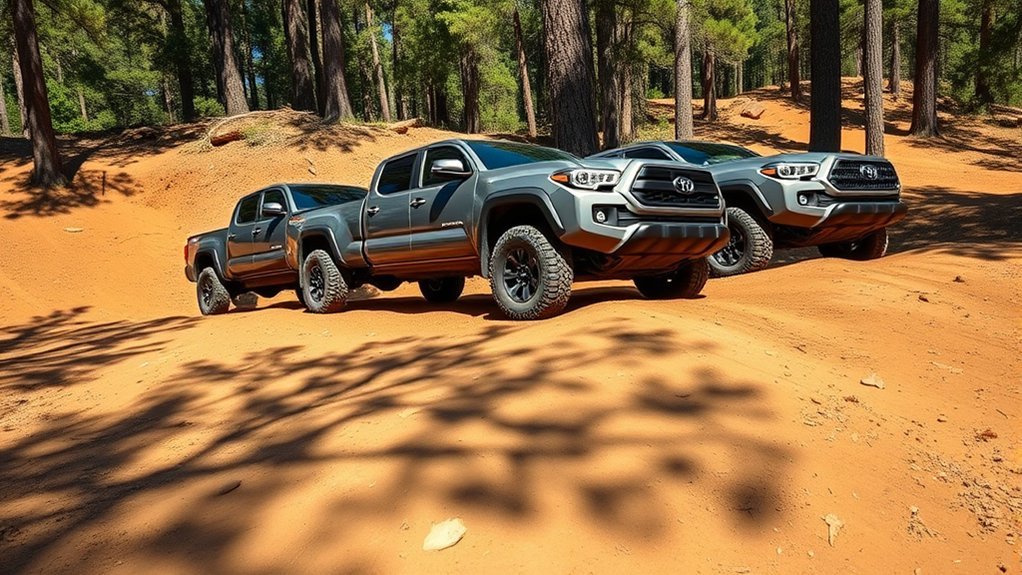
Wheel size affects sidewall height, ride feel, and tire choice. It does not automatically increase ground clearance. Ground clearance changes when the outside diameter of the tire changes. For example, a 16-inch wheel with a taller tire can have more sidewall and similar overall diameter to a larger 17- or 18-inch wheel setup.
- More sidewall: Helps absorb impacts and protects the wheel on rocks, ruts, and washboard roads.
- Less sidewall: Can sharpen steering feel on pavement, but it gives the tire less cushion off-road.
- Larger tire diameter: Can improve ground clearance, but it also increases rubbing risk and may affect gearing, speedometer accuracy, and braking feel.
For most Tacoma owners who drive trails, 16-inch and 17-inch wheels are more practical than 18-inch wheels. The tire matters more than the wheel diameter: a high-quality all-terrain tire in a sensible size will usually make a bigger difference than simply switching to a larger wheel.
Modifications Needed for Optimal Fitment
When you upgrade Tacoma wheels and tires, fitment work depends on tire size, wheel width, offset, suspension height, and alignment. Mild setups may only need no changes or small fender-liner adjustments. Aggressive setups can require trimming, mud-flap removal, cab-mount work, aftermarket upper control arms, or alignment changes.
[Products Worth Considering]

These aluminum alloy tire valve stem caps with an O-ring seal help protect valve stems from corrosion while adding a clean, stylish look to your vehicle. The universal fit works across cars, trucks, motorcycles, bicycles, and more, making them an easy upgrade for everyday driving and off-road use. Installation is quick, and the included four-pack keeps all your tires dressed and protected.

These universal tire valve stem caps help protect valve cores from dust, debris, and moisture while helping maintain stable tire pressure. The corrosion-resistant metal construction and sealed design provide reliable protection in road grime, mud, and winter conditions. Twist-on installation makes them quick to fit on cars, SUVs, trucks, and motorcycles.

Upgrade your wheels with MIKKUPPA M12x1.5 mag seat lug nuts built for secure, corrosion-resistant performance. These closed-end chrome lug nuts are a direct replacement for select Toyota models, including Camry, Corolla, RAV4, Sienna, Avalon, Highlander, Matrix, Venza, and Prius. Triple-chromium plating and cold-forged, heat-treated steel help deliver strength for daily driving and replacement needs.
Trimming Fender Liners
- Check full-lock clearance: Turn the steering wheel fully left and right and inspect where the tire gets close.
- Inspect under compression: A tire that clears in the driveway can still rub when the suspension compresses on the trail.
- Trim carefully: Start with the fender liner or mud flap area before cutting anything structural.
Modifying Cab Mounts
Large tires, especially around the 33-inch range, can contact the cab mount on some third-gen Tacoma setups. A cab mount chop can create clearance, but it involves cutting and welding near a structural area. This is not a casual cosmetic modification.
Warning: Have cab-mount modifications inspected or performed by a qualified fabricator. Poor cutting, welding, or corrosion protection can create safety and durability problems.
Adjusting Wheel Offset
Lowering the offset pushes the wheel outward. For example, if wheel width stays the same, moving from +25 mm to +13 mm pushes each wheel outward by about 12 mm. Moving from +25 mm to -12 mm pushes each wheel outward by about 37 mm. That can look great, but it also increases leverage on steering and suspension parts and can move the tire into the fender during turns.
- Near-stock offsets: Best for low-risk daily driving and minimal rubbing.
- Moderately lower offsets: Good for a wider stance, but check fender and cab-mount clearance.
- Negative offsets: Best reserved for builds where rubbing, trimming, and suspension geometry have already been planned.
How to Avoid Rubbing Issues With Different Offsets
Rubbing prevention starts before you order wheels. Check your current wheel size, offset, tire size, suspension height, and alignment. Then compare the new setup against the current setup. A wider tire on a lower-offset wheel moves outward and often swings into different parts of the wheel well during turns.
Common rubbing points on a Tacoma include:
- Front mud flaps
- Fender liner behind the front tire
- Front bumper corner or valance
- Cab mount area
- Upper control arm or spindle area, depending wheel width and offset
Common fixes include removing mud flaps, pushing or trimming fender liners, trimming bumper plastic, adjusting caster during alignment, or moving to a less aggressive wheel offset. For larger tires such as 285/70R17, expect fitment to depend heavily on wheel offset, lift height, and alignment rather than tire size alone.
[Products Worth Considering]

This professional wheel and rim brush kit makes it easy to lift brake dust, grime, and dirt from wheels and tires without scratching finishes. The brushes feature soft, metal-free wool heads and a flexible 360-degree rim brush design for reaching hard-to-clean areas. Includes multiple brush types plus accessories for thorough car, motorcycle, and general vehicle detailing.

Vigorder rubber cement glue delivers superior adhesion and cures quickly within about 30 seconds for seamless rubber bonding. Once cured, it helps provide a strong, durable, waterproof seal that holds up to vehicle weight, pressure, and heat. Suitable for cars, motorcycles, trucks, bicycles, and off-road tires, it’s designed for emergency patch and maintenance repairs.
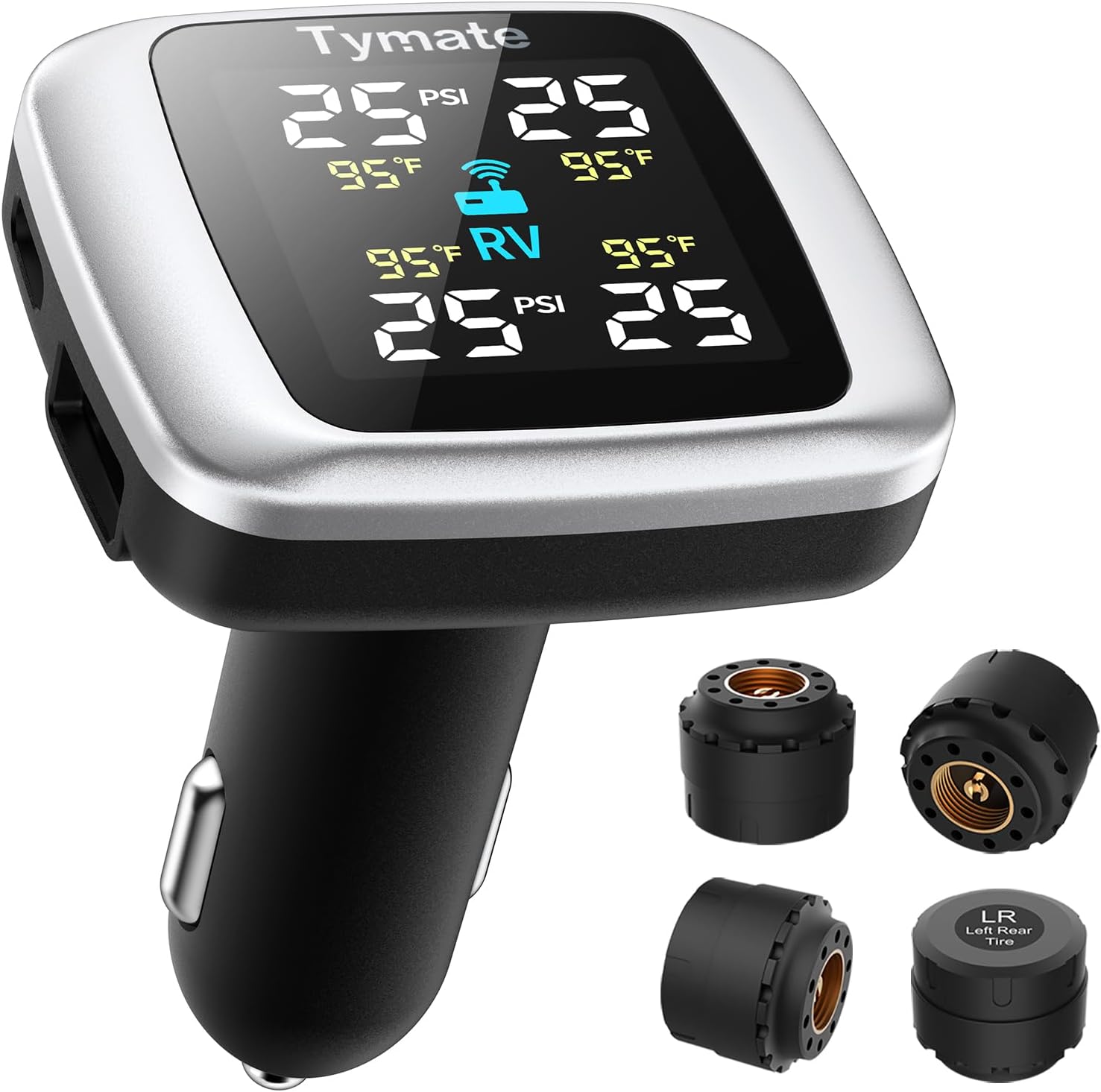
Tymate TM7 is a wireless tire pressure monitoring system that delivers real-time pressure and temperature readings for safer driving. It includes four external sensors, a bright color LCD display with adjustable backlight, and six alarm modes for high/low pressure, fast leakage, high temperature, and sensor signal or battery issues. The system covers a wide 0–144 PSI range and plugs into your vehicle’s cigarette lighter socket for quick DIY setup.
Bolt Pattern, Hub Bore, and Other Fitment Specs
Offset is important, but it does not matter if the wheel does not physically mount correctly. For common 2020–2023 Tacoma fitment, cross-check these basics before buying wheels:
- Bolt pattern: 6×139.7 mm
- Center bore: 106.1 mm on common third-gen fitment data
- Lug thread: M12x1.5 on common third-gen fitment data
- Brake clearance: Confirm with the wheel manufacturer or dealer, especially with aftermarket wheels.
- Load rating: Use wheels rated for a pickup, not just wheels that happen to share the bolt pattern.
After installing wheels, check the owner’s manual or dealer guidance for the correct lug-nut torque spec and recheck torque after driving. Also confirm that the lug nuts match the wheel’s seat type. Factory-style and aftermarket wheels may not use the same lug-nut seat.
What Changed for 2024 and Newer Tacoma Wheels?
Toyota describes the 2024 Tacoma as completely redesigned and built on the TNGA-F platform. That means a third-gen wheel-offset guide should not be applied blindly to 2024+ Tacoma trucks. Fourth-gen Tacoma trims, suspension layouts, brakes, and wheel packages can differ, so verify 2024+ wheel specs separately before buying take-offs or aftermarket wheels.
[Products Worth Considering]

Upgrade your wheels with MIKKUPPA closed-end lug nuts designed for reliable fit and corrosion resistance. The one-piece, cold-forged and heat-treated steel construction helps resist rust and stripping, while the integrated finish delivers a durable black appearance. Built to OEM standards with a conical 60-degree seat, these nuts provide a secure solution for compatible Ford, Honda, Jeep, and Chevrolet models.

These M14x1.5 closed-end chrome lug nuts are a one-piece replacement designed for secure fitment on compatible GM, Ford, and select Chrysler/Dodge models. Featuring a 60-degree conical seat and anti-rust chrome plating, they help resist corrosion and maintain a bright look for everyday driving. Built for long-term durability, they include OEM-style part references and are backed by 12 months of support.

Adam’s Pro Tire Hex Grip applicators are molded foam sponges designed for precise, even tire dressing application. The ergonomic grip helps you spread product without overapplying, reducing sling that can splash onto paint and helping keep your hands clean during wheel and trim detailing. They’re durable, washable, and reusable for repeated detailing sessions.
Why Upgrade Your Tacoma Wheels?
Upgrading your Tacoma wheels can make sense when the new setup solves a real problem. The best reasons are better tire options, stronger off-road sidewalls, improved stance, or replacing damaged factory wheels. The worst reason is copying a setup without checking whether it fits your suspension, tires, and driving style.
- Better tire selection: A 16- or 17-inch wheel often opens up strong all-terrain and off-road tire options.
- Improved stance: A modestly lower offset can make the truck look more planted.
- Trail durability: More tire sidewall can protect wheels and improve ride quality on rough surfaces.
- Personal style: Wheels change the look of a Tacoma quickly, but fitment should come before appearance.
Frequently Asked Questions
What is the best offset for a 2020 Tacoma?
For a 2020 Tacoma on stock or mild tires, staying close to factory offset is the safest choice. Many 16-inch factory setups are around +25 mm, while TRD Sport and Limited wheels are commonly around +30 mm. For a wider aftermarket stance, many owners look at offsets near +0 to -12 mm, but that can require trimming depending on tire size and lift.
What is the offset on 3rd-gen Tacoma wheels?
Common third-gen Tacoma factory offsets include about +25 mm for many SR/SR5 and TRD Off-Road 16×7 wheels, +30 mm for TRD Sport 17×7.5 wheels, +30 mm for Limited 18×7.5 wheels, and about +13 mm for TRD Pro-style 16-inch wheels. Exact specs can vary by package and part number.
Is +13 mm offset better than +25 mm for off-road driving?
Not always. A +13 mm wheel pushes the tire outward compared with +25 mm, which can help stance and inner clearance. But it can also increase rubbing on the outer fender liner, mud flap, bumper, or cab mount. The better choice depends on tire size, wheel width, suspension height, and alignment.
Will 285/70R17 tires fit a Tacoma with factory wheels?
Sometimes, but not always without rubbing. A 285/70R17 tire is wider and taller than many stock Tacoma tires. Fitment depends on offset, wheel width, lift height, caster, mud flaps, fender liners, and cab-mount clearance. Test carefully before assuming it will clear.
Can I use 2024 Tacoma wheel specs on a 2016–2023 Tacoma?
Do not assume they interchange. The 2024 Tacoma is a new generation with different engineering, and wheel packages can differ. Always verify bolt pattern, center bore, offset, brake clearance, tire size, and load rating before using fourth-gen Tacoma wheels on a third-gen truck, or vice versa.
Conclusion
The best Tacoma wheel offset is the one that fits your exact truck, tire size, and driving style. For common third-gen Tacomas, use +25 mm as the practical reference point for many 16-inch SR/SR5/TRD Off-Road wheels, +30 mm for Sport and Limited wheels, and +13 mm for TRD Pro-style 16-inch wheels. If you move to lower or negative offsets, plan for more poke, more clearance checks, and possible trimming. Measure first, verify the part number, and choose the setup that fits safely before chasing the most aggressive look.
Sources
- Toyota 2021 Tacoma eBrochure — factory wheel and tire sizes by trim.
- Toyota Genuine TRD Pro 16-inch Alloy Wheel — official Toyota listing showing 16×7 size and 13 mm offset.
- TireWheelGuide 2021 Toyota Tacoma Fitment Data — cross-check for third-gen Tacoma bolt pattern, center bore, thread size, wheel sizes, offsets, and tire sizes.
- Tire Rack Wheel Offset Guide — definition of offset, positive offset, negative offset, and backspacing.
- Toyota USA Newsroom 2024 Tacoma Release — confirms the 2024 Tacoma was completely redesigned on a new platform.