Tire speed ratings matter because SUVs and trucks are heavy, powerful vehicles that may carry passengers, cargo, trailers, or off-road gear. The speed rating is the letter at the end of the tire’s service description, and it tells you the tire’s tested speed capability when it is properly inflated, correctly loaded, and in good condition. It is not the same as load index, and it is not permission to drive faster than the law allows.
Quick Answer
For SUVs and trucks, choose tires with the same or higher speed rating than the vehicle manufacturer recommends, and never ignore the load index. You can find the rating on the tire sidewall, owner’s manual, or driver-side tire placard. Matching all four tires helps preserve handling, stability, and safety.
Key Takeaways
- The speed rating is the final letter in the tire service description, such as the H in 265/60R18 110H.
- The number before the letter is the load index; that is the rating tied to weight capacity.
- Replacement tires should generally match or exceed the original equipment speed rating and load index listed by the vehicle manufacturer.
- Higher speed ratings may improve high-speed heat resistance and response, but ride comfort, tread life, traction, and towing safety depend on the whole tire design.
- Do not mix speed ratings unless a tire professional or your vehicle manual confirms it is acceptable for your vehicle.
At a Glance
| Time Required | 5–10 minutes to check the sidewall, tire placard, and owner’s manual |
| Difficulty | Easy for checking; professional help recommended for towing, plus-sizing, LT tires, or mixed fitments |
| Tools Needed | Flashlight, phone camera, owner’s manual, and tire pressure gauge |
| Cost | Free to check; tire replacement cost depends on size, load rating, tire type, and brand |
Why Tire Speed Ratings Matter for SUVs and Trucks

A tire speed rating is a letter that shows the tire’s maximum speed capability under proper conditions. You will usually see it paired with the load index as the tire’s service description. For example, in 265/60R18 110H, 110 is the load index and H is the speed rating.
This distinction is especially important for SUVs and trucks. The load index and speed rating work together, but they do not mean the same thing. The load index is tied to how much weight the tire can carry. The speed rating is tied to the tire’s tested speed capability when properly inflated and loaded.
Using a tire with the wrong rating can affect steering response, heat buildup, braking feel, stability, and tire life. It can also reduce the vehicle’s safe operating capability if one tire is rated lower than the others. That is why replacement tires should be chosen from the vehicle manufacturer’s specifications, not from the letter alone.
Warning: A speed rating is not a safe-driving target. Road conditions, tire age, damage, inflation pressure, cargo weight, trailer tongue weight, and legal speed limits all matter. Never use a tire’s speed rating as permission to exceed posted speed limits.
Locating Your Tire Speed Rating Made Easy
Finding your tire speed rating is simple once you know where to look. Check the tire sidewall and look for the service description near the tire size. The speed rating is usually the final letter after the load index.
In a tire code such as 205/60R15 91V, the number 91 is the load index and the letter V is the speed rating.
You can also confirm the recommended tire size, load index, speed rating, and cold inflation pressure in the vehicle owner’s manual, tire information placard, or the sidewall of the tire being replaced. The placard is usually on the driver-side door jamb, though some vehicles place it in the glove box, fuel door, or manual.
When checking the sidewall, look for these details:
- Tire size: Example: 265/60R18.
- Load index: Example: 110.
- Speed rating: Example: H.
- Tire type: P-metric, Euro-metric, LT-metric, or flotation sizing.
- DOT date code: Useful for checking tire age.
- Cold inflation pressure: Use the vehicle placard, not the tire sidewall maximum, for normal inflation settings.
Pro Tip: Take a photo of the tire sidewall and the driver-side door placard before shopping. That makes it easier to compare tire size, load index, speed rating, and inflation pressure at the counter or online.
Common SUV and Truck Tire Speed Ratings
Most SUV and light-truck owners will see common speed symbols such as S, T, H, V, W, or Y. The right one depends on the vehicle, tire size, load requirement, and tire category.
| Speed Rating | Maximum Speed | Common Use |
| S | 112 mph | Some family vehicles, older SUVs, and light trucks |
| T | 118 mph | Many everyday SUVs, crossovers, sedans, and minivans |
| H | 130 mph | Touring tires and many modern crossovers or SUVs |
| V | 149 mph | Performance crossovers, sport SUVs, and higher-performance all-season tires |
| W | 168 mph | High-performance SUVs and performance tire lines |
| Y | 186 mph | Ultra-high-performance SUVs and specialty performance fitments |
These numbers are maximum speed capabilities under controlled conditions, not everyday driving recommendations. For real-world safety, your tire must also be the correct size, load index, load range, inflation pressure, and tire type for the vehicle.
[Products Worth Considering]
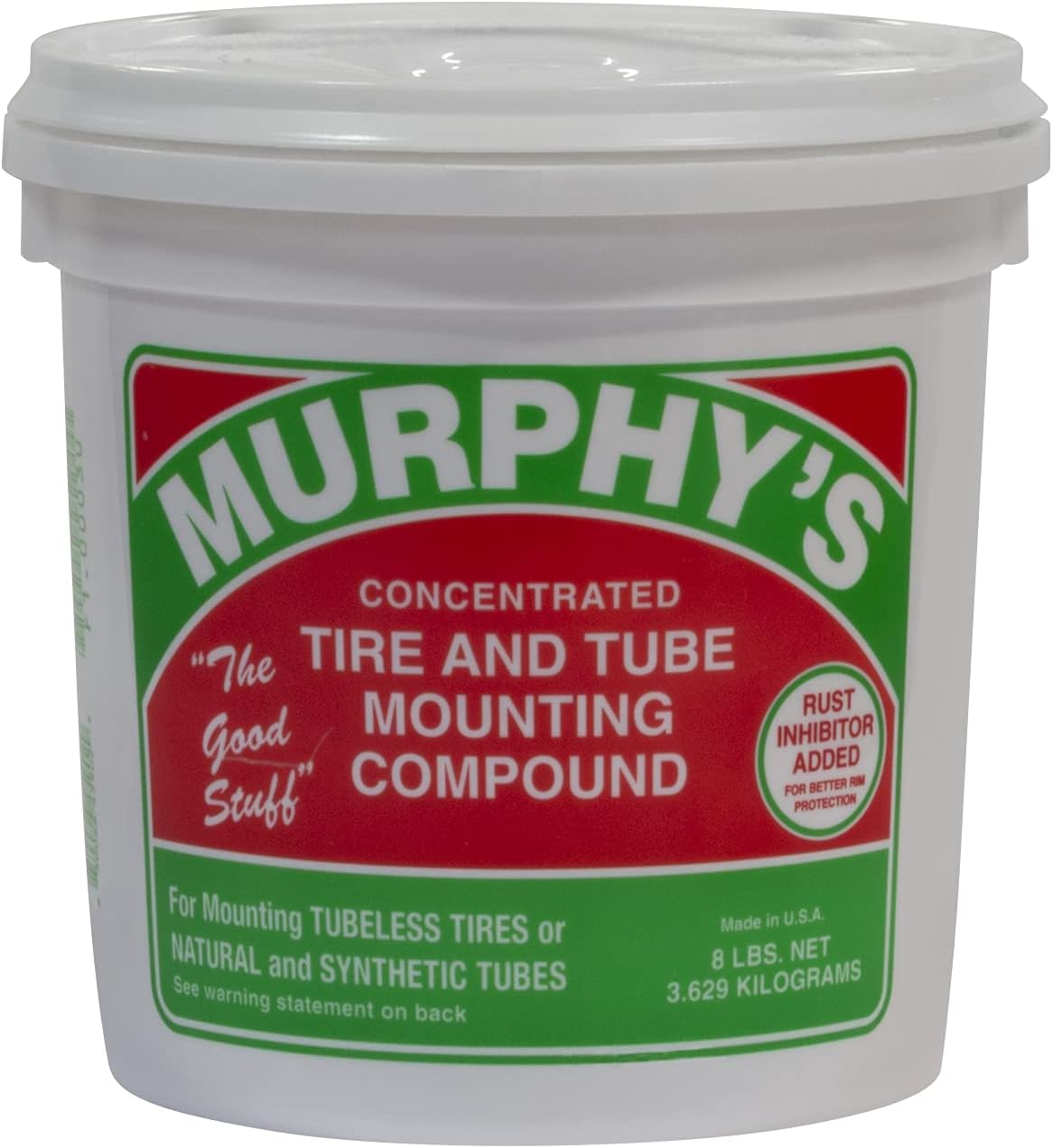
A concentrated tire and tube mounting compound designed to help simplify mounting rubber tires and tubes on passenger, semi truck, construction, and OTR applications. Its ultra-thick formula packs beads effectively and includes rust inhibitors to help protect against corrosion during use.

The ETENWOLF T600 digital tire pressure gauge delivers precise, manually calibrated readings to ANSI B40.7 Grade 2A standards with ±0.5% PSI accuracy. Its 360° rotating nozzle and display hold make it easy to check pressures from any angle, while a bleed button helps dial tires to the perfect level. With a 0–250 PSI range and support for PSI, BAR, and KPA, it’s a convenient tool for maintaining tire performance across many vehicles and seasons.

This VEVOR tire bead breaker uses a slide-hammer impact and wedge tip to separate tire beads from rims quickly and efficiently without damaging hub surfaces. The long handle and sturdy steel construction help reduce user strain while providing reliable, portable tire changing for cars, trucks, and more. Ideal for home mechanics and repair shops handling multiple vehicle tire sizes.
Picking the Right Speed Rating for Your Vehicle
Selecting the right speed rating for your SUV or truck starts with the vehicle manufacturer’s recommendation. The safest rule is simple: choose a replacement tire with a speed rating and load index that meet or exceed the original equipment tire listed in the owner’s manual or on the tire placard.
- Check the tire placard first. Look for the original tire size, cold inflation pressure, and service description.
- Match the load index. For SUVs and trucks, this is critical because passengers, cargo, roof loads, and trailers add weight.
- Match or exceed the speed rating. A lower speed rating can reduce the vehicle’s speed capability and may affect handling balance.
- Match all four tires when possible. Use the same size, load index, speed rating, tire type, tread pattern, and wear level unless your vehicle specifies a staggered setup.
- Ask a tire professional before changing tire type. Plus-sizing, switching from P-metric to LT-metric, changing load range, or using flotation sizes can affect clearance, pressure needs, ride, braking, and stability systems.
The Tire Industry Association advises consumers not to install replacement tires with a lower load index than the original equipment tire listed on the placard or in the owner’s manual. For trucks and SUVs, that warning matters just as much as the speed rating.
Note: A higher speed rating is usually acceptable when the size, load index, load range, and tire type are correct, but it may change ride comfort, road noise, price, and treadwear. The best tire is the one that matches your vehicle and driving needs, not simply the one with the highest letter.
[Products Worth Considering]

ETENWOLF’s tire pressure gauge helps you quickly and accurately check tire PSI across cars, trucks, motorcycles, bikes, and more. It’s manually calibrated to ANSI B40.1 Grade A for reliable readings, includes a large glow dial for easy nighttime viewing, and features a 360-degree swivel chuck for use at any valve angle. The gauge also works consistently in extreme hot or cold weather.

The 22800 wheel stud installer makes replacing wheel studs quick and secure, saving time and effort during tire service. It uses a ratchet or impact wrench to pull new studs firmly into place, helping when existing studs are too long. Compatible with most automotive wheels and light-duty truck wheel studs, it’s designed for easy, tool-assisted installation.

The SAFELIFE dial tire tread depth gauge measures tread depth in 1/32 inch increments with clear, easy-to-read 2-inch dial face. Color zones using a traffic light system help you quickly judge whether tread is low, marginal, or ample for safer driving. Built with a durable zinc cast body and a metal detect probe for precise, comfortable use across cars, motorcycles, trucks, and buses.
How Speed Ratings Affect Your Vehicle’s Handling
Speed ratings can affect how a tire responds to heat, steering input, and sustained highway driving. Higher-rated tires often use construction and compounds designed for greater speed capability, which may improve steering response and stability within the same tire family or performance category.
Still, speed rating is only one piece of handling. Grip and braking also depend on tread design, rubber compound, tire width, tire category, inflation pressure, road temperature, tread depth, vehicle weight, and alignment. A V-rated touring tire and a V-rated performance tire can feel very different even though the speed symbol is the same.
Goodyear explains that a tire’s speed rating tells you the tire’s maximum speed capability when properly inflated, and that choosing an equal or greater rating than the original equipment tire is generally recommended. That is the practical takeaway: use the rating to maintain the vehicle’s designed capability, not as a stand-alone performance guarantee.
- Correct rating: Helps maintain the handling and speed capability the vehicle was designed to have.
- Too low a rating: Can reduce capability and may create extra heat at highway speeds.
- Mismatched ratings: Can make the vehicle respond unevenly in braking, cornering, or emergency maneuvers.
- Wrong load index: Can be dangerous even if the speed rating looks high.
How Matching Speed Ratings Improves Performance and Safety
When you match speed ratings across all four tires, you help the vehicle respond consistently. That matters on SUVs and trucks because they often have more weight, a higher center of gravity, larger tire sizes, and more load variation than smaller passenger cars.
Using different speed ratings can limit the vehicle’s safe speed capability to the lowest-rated tire. Bridgestone notes that when a vehicle has tires with different speed ratings, the “slowest” tire dictates the vehicle’s top speed capability. Matching the tires also supports more predictable steering, braking, traction control, and stability-control behavior.
For all-wheel-drive and four-wheel-drive vehicles, tire matching can be even more important. Differences in size, tread depth, construction, and rating may affect driveline behavior or stability systems. If your SUV or truck uses staggered tire sizes from the factory, follow the exact front and rear specifications from the owner’s manual or placard.
Special Cases: Towing, Winter Tires, Off-Road Tires, and Spares
Some SUV and truck situations need extra care because speed rating is not the only rating that matters.
[Products Worth Considering]

Check tire pressure with the Milton S-925 pencil gauge built for trucks, RVs, and bicycles. It features a single-head chuck with a built-in deflator valve, and it displays readings in both PSI and kPa for convenient use. The gauge is designed for accurate, repeatable pressure checks within its working range.

The Big Rig Defense Tire Thumper is a truck tire pressure checker that lets you quickly check multiple tires by giving them a firm whack. Listen for a reassuring thump and feel the stick bounce when a tire is fully inflated, helping you get back on the road safely. It features a comfortable, glove-friendly handle and a secure wrist strap for confident use on busy routes.
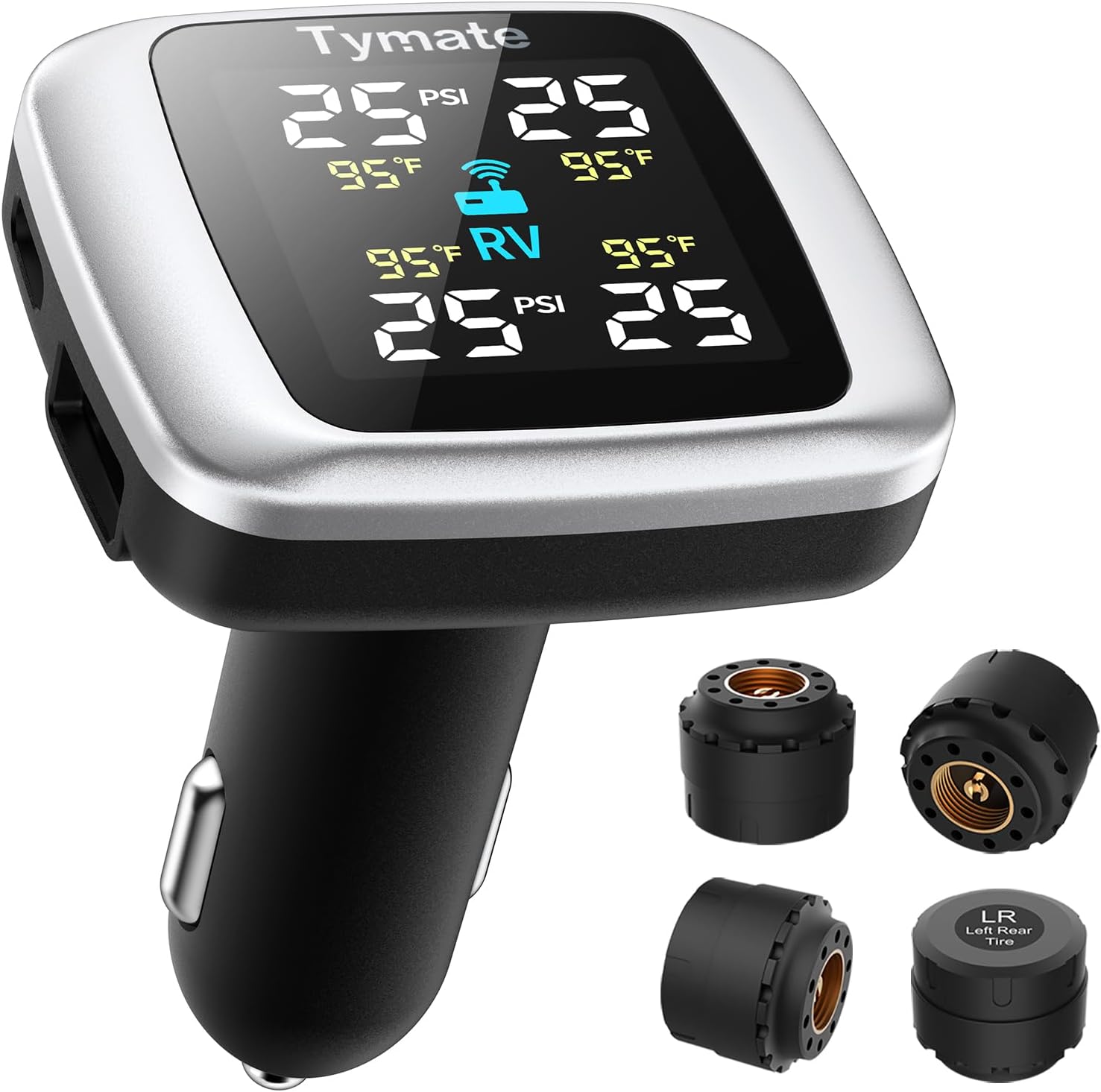
Tymate TM7 is a wireless tire pressure monitoring system that delivers real-time pressure and temperature readings for safer driving. It includes four external sensors, a bright color LCD display with adjustable backlight, and six alarm modes for high/low pressure, fast leakage, high temperature, and sensor signal or battery issues. The system covers a wide 0–144 PSI range and plugs into your vehicle’s cigarette lighter socket for quick DIY setup.
Towing and Hauling
For towing, do not choose tires by speed rating alone. Confirm the correct tire size, load index, load range, inflation pressure, and maximum load. Trailer tongue weight, passengers, tools, cargo, and accessories all add load. If your truck uses LT tires or carries heavy loads, consult the owner’s manual and a qualified tire professional before switching tire type or load range.
Winter Tires
Some winter tires have lower speed ratings than all-season or performance tires because their tread compounds and patterns are optimized for cold-weather grip. Use the winter tire rating approved by the vehicle manufacturer or tire professional, and obey the lower speed limit if a lower-rated winter tire is installed.
Off-Road and All-Terrain Tires
All-terrain, mud-terrain, and flotation-size tires may prioritize sidewall strength, traction, puncture resistance, or load capacity over high-speed response. If you upgrade tire size for off-road use, verify wheel fitment, clearance, load capacity, pressure, and speed rating before driving at highway speeds.
Temporary Spare Tires
Temporary spare tires are emergency-only tires. Many compact spares have strict speed and distance limits printed on the sidewall or in the owner’s manual. Replace the spare with a proper full-size tire as soon as possible.
Warning: Never treat a spare, mismatched tire, underinflated tire, or overloaded tire as a normal full-speed replacement. Slow down, reduce load when possible, and have the tire inspected or replaced promptly.
Frequently Asked Questions
Is speed rating T or S better?
T has a higher maximum speed rating than S: T is rated to 118 mph, while S is rated to 112 mph. But “better” depends on your vehicle. Use the rating recommended by the manufacturer, and make sure the load index is also correct.
Is V or H better on tires?
V is rated higher than H: V is rated to 149 mph, while H is rated to 130 mph. A V-rated tire may suit a performance SUV if the vehicle calls for it, but an H-rated tire may be the correct choice for many everyday SUVs and trucks. Follow the placard or owner’s manual.
Can I use a higher speed rating than my SUV or truck came with?
Usually, yes, if the tire is the correct size and has the correct load index, load range, and inflation requirements. A higher speed rating may cost more or ride firmer, so choose based on your vehicle specs and driving needs.
Can I use a lower speed rating?
Do not use a lower speed rating unless your vehicle manufacturer, tire manufacturer, or tire professional confirms it is acceptable for that use. Some winter tire setups may have approved lower speed ratings, but you must obey the lower speed capability.
Does speed rating matter if I never drive fast?
Yes. Speed rating is also related to heat resistance and the tire’s tested operating capability. Even if you never reach the rating’s maximum speed, using the correct rating helps maintain the handling and safety characteristics intended for the vehicle.
Is load index more important than speed rating for towing?
Both matter, but load index and load range are especially important for towing and hauling because they relate to how much weight the tire can carry. The safest replacement tire meets or exceeds both the original load requirement and speed rating.
What happens if my tires have different speed ratings?
The vehicle’s speed capability is limited by the lowest-rated tire, and handling can become less predictable. For best results, use matching tires on all four positions unless your vehicle specifies a different factory-approved setup.
Conclusion
Tire speed ratings help you choose tires that match your SUV or truck’s designed capability, but they should never be read alone. The safest choice is a tire that matches or exceeds the vehicle manufacturer’s recommended speed rating, load index, tire size, load range, and inflation requirements. Check the sidewall, confirm the placard, match all four tires when possible, and get professional help before towing, plus-sizing, or changing tire type.
Sources
- NHTSA Tire Safety Brochure — supports checking the tire placard, owner’s manual, and replacement tire sidewall for correct tire information.
- Michelin: Tire Load Rating & Speed Rating Explained — supports the distinction between load index and speed rating.
- Goodyear: Tire Speed Rating — supports matching or exceeding the original equipment speed rating and explains what the speed rating means.
- Tire Industry Association: Tire Replacement — supports using the placard/owner’s manual and not installing tires with a lower load index than original equipment.
- Bridgestone Americas: How to Read & Determine Tire Size — supports the guidance that mixed speed ratings limit vehicle capability to the lowest-rated tire.