
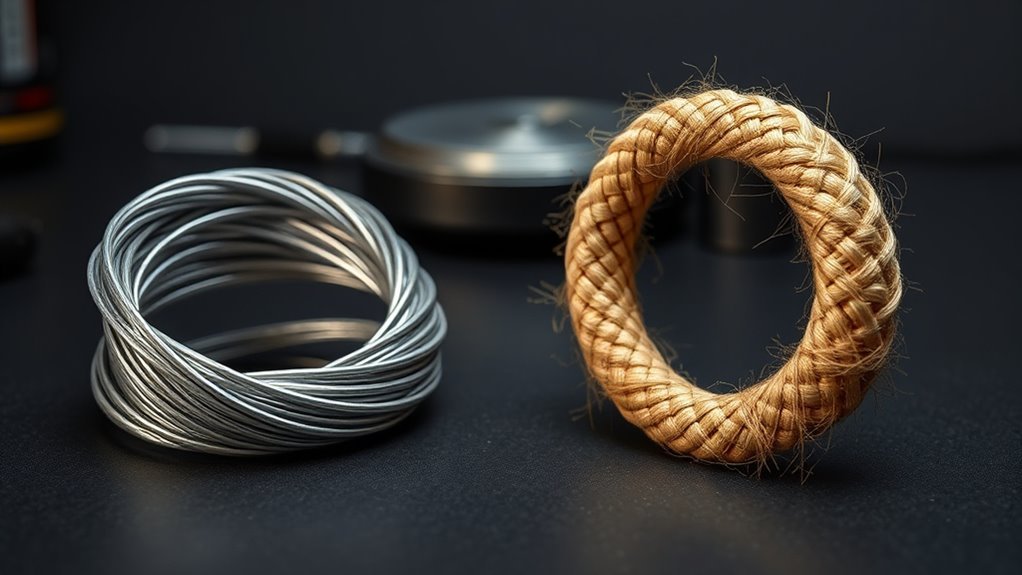
Wire and aramid beads both do the same job: they hold a bicycle tire securely on the rim. The difference is how they do it. Wire beads use steel, so they are usually cheaper, tougher, and heavier. Aramid beads, often called folding or Kevlar-style beads, replace the steel bundle with strong synthetic fibers, making the tire lighter, foldable, and easier to carry.
Quick Answer
Choose aramid beads if you want lower weight, foldability, sharper ride feel, and better performance options. Choose wire beads if you want a more affordable, durable tire for commuting, casual riding, or rough urban use. For tubeless setups, do not judge by bead material alone: use only tires and rims marked tubeless-ready.
Key Takeaways
- Wire beads are steel, non-folding, usually cheaper, and often chosen for durability and value.
- Aramid beads are foldable, lighter, and commonly found on higher-performance road, gravel, and mountain bike tires.
- Schwalbe notes that folding tires replace the wire bundle with Kevlar strands and are commonly about 50–90 g lighter, depending on tire size.
- Tubeless compatibility depends on the tire and rim design, not just whether the bead is wire or aramid.
- For commuting and budget builds, wire is practical. For racing, bikepacking, travel, and performance riding, aramid usually makes more sense.
Quick Comparison: Wire vs Aramid Beads
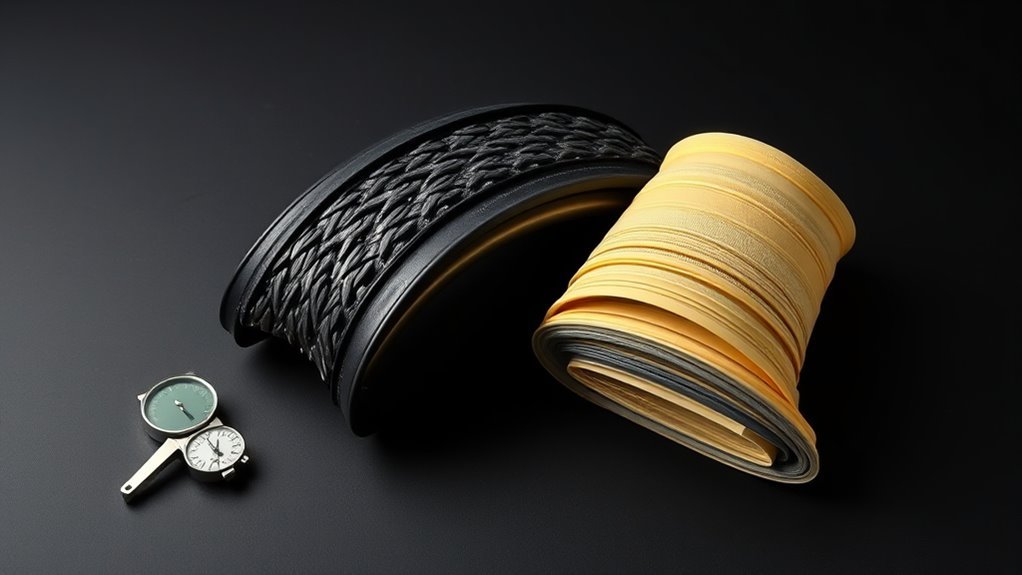
Verdict: choose wire beads if you want the most affordable and rugged option; choose aramid beads if you want lighter weight, foldability, and a more performance-focused tire.
| Feature | Wire Bead | Aramid / Folding Bead |
|---|---|---|
| Material | Steel wire bundle | Aramid fiber bundle, often described as Kevlar-style construction |
| Weight | Heavier | Usually lighter; Schwalbe lists many folding tires as about 50–90 g lighter than comparable wire versions |
| Foldability | Does not fold safely | Can be folded or packed for storage and travel |
| Typical price | Lower | Higher |
| Best for | Commuting, casual riding, utility bikes, budget replacements | Road, gravel, MTB performance, bikepacking, travel spares, racing |
| Tubeless use | Usually tube-type unless the tire maker says otherwise | Often used on tubeless-ready tires, but not always; check the tire label |
[Products Worth Considering]

The Park Tool TL-1.2 tire lever set is narrow, strong, smooth, and versatile for easy tire removal and reliable work on bike tires. It includes a spoke hook design to help when multiple levers are needed. With Park Tool’s industry-standard reputation, this set is ideal for fast flat-fix repairs.

Upgrade your ride with a 2-pack set of 26x1.95 folding mountain bike tires built for dependable traction on mud, rocks, and trail surfaces. A reinforced puncture-resistant layer helps protect against sharp debris, while included butyl inner tubes provide strong sealing and shock absorption. Ready for fast swaps with included tire levers and universal sizing for most bikes.

This Hycline 2-pack mountain bike tire set delivers durable, puncture-resistant performance with a high-grip, aggressive tread designed for traction on hard surfaces and confident handling through mud and soil. Includes matching inner tubes and tire levers for easier everyday maintenance and quicker installation after folding storage. Built for a range of riding conditions with reinforced rubber and nylon cord for wear-resistant reliability.
What the Bead Is and Why It Matters
The bead is the reinforced edge of a bicycle tire that sits inside the rim hook or bead seat. Its job is simple but critical: it keeps the tire from stretching, lifting off the rim, or blowing off under pressure.
According to Schwalbe’s tire construction guide, a bicycle tire has three basic parts: the carcass, the bead core, and the rubber tread. The bead core determines the tire diameter and helps ensure a secure seat on the rim. In standard clincher tires, that bead core is usually wire; in folding tires, the wire is replaced with aramid fibers.
Bead Material Differences
Wire and aramid beads differ mainly in material, stiffness, weight, packability, and cost.
- Wire bead: uses steel wire. It is stiff, durable, affordable, and non-folding.
- Aramid bead: uses high-strength synthetic fibers. It is lighter, flexible, foldable, and usually found on higher-end tires.
- Practical choice: wire favors value and toughness; aramid favors performance, portability, and lower rotating weight.
Note: “Aramid bead,” “folding bead,” and “Kevlar bead” are often used casually as if they mean the same thing. Technically, Kevlar is a branded para-aramid fiber, while aramid is the broader material family.
Impact on Ride Weight
The bead sits at the outer edge of the rotating wheel system, so weight savings at the tire can feel more noticeable than the same weight saved on a frame bag or bottle cage. A lighter folding tire can make acceleration and climbing feel a little snappier, especially when paired with a lighter casing and faster compound.
Still, the bead is only one part of tire weight. Casing thickness, puncture belt, tread depth, rubber compound, sidewall protection, and tire size can matter just as much. A tough aramid enduro tire can easily weigh more than a narrow wire-bead road or commuter tire.
Wire Steel Bead: Construction, Weight, and Ride Effects
Wire-bead tires use a steel wire bundle to form the tire’s fixed bead diameter. That rigid steel edge gives the tire a predictable shape and helps it sit securely on the rim, but it also makes the tire heavier and impossible to fold without damaging the bead.
Wire bead tires are the practical workhorses: inexpensive, sturdy, and reliable, but heavier and less portable than folding tires.
- Construction: a rigid steel bead holds the tire’s diameter and shape.
- Weight and feel: the added weight can slightly dull acceleration, climbing, and quick handling.
- Durability and cost: wire-bead tires are commonly used on commuter, urban, utility, and entry-level bikes because they keep prices down.
- Storage: wire tires must be stored full-size. Bending them sharply can kink or damage the bead.
When Wire Bead Tires Make Sense
Pick wire bead tires when you care more about price, everyday durability, and simple replacement than carrying a spare tire in a bag. They are a strong fit for:
- commuter bikes;
- casual city riding;
- kids’ bikes and utility bikes;
- budget tire replacements;
- training wheels or bikes that see rough storage;
- riders who use tubes and do not need tubeless compatibility.
Aramid Bead: Construction, Weight, and Ride Effects
Aramid-bead tires replace the steel wire bundle with strong synthetic fibers. Schwalbe describes a folding tire as a clincher tire where the wire bundle is replaced by Kevlar strands, allowing the tire to fold and, depending on size, saving about 50–90 g.
Lightweight Folding Advantage
The main advantage is not only lower weight. It is the combination of lower weight, easier storage, and better tire options. Many premium road, gravel, and mountain bike tires use aramid beads because brands pair them with better casings, faster rubber compounds, and more refined puncture protection.
- Acceleration: less rotating weight can make the bike respond faster.
- Portability: a folding tire can fit in luggage, a bikepacking bag, or a race kit.
- Ride quality: folding tires are often built with more supple casings, which can improve comfort and grip.
Bead Construction Materials
Aramid fibers are valued because they are strong for their weight and flexible enough to be folded without behaving like soft rubber. Tire brands use this strength to maintain bead shape while allowing the tire to pack down much smaller than a wire-bead tire.
Maxxis describes foldable beads as lighter and easier to transport, with the bead made from spun aramid fibers. WTB also distinguishes between wire-bead Comp tires, folding aramid Race tires, and tubeless-ready TCS tires with finely tuned aramid beads.
Ride Feel and Handling
Aramid beads can contribute to a lighter, more responsive tire, but the bead alone does not magically create grip or speed. Ride feel comes from the full tire system: bead, casing, tread pattern, rubber compound, air pressure, rim width, and whether the tire uses a tube or sealant.
In real riding, aramid-bead tires often feel better because they are usually part of a higher-quality tire package. Expect the biggest difference when moving from a heavy, budget wire tire to a lighter folding tire with a more supple casing.
Handling and Rolling Resistance: How Beads Change Ride Feel
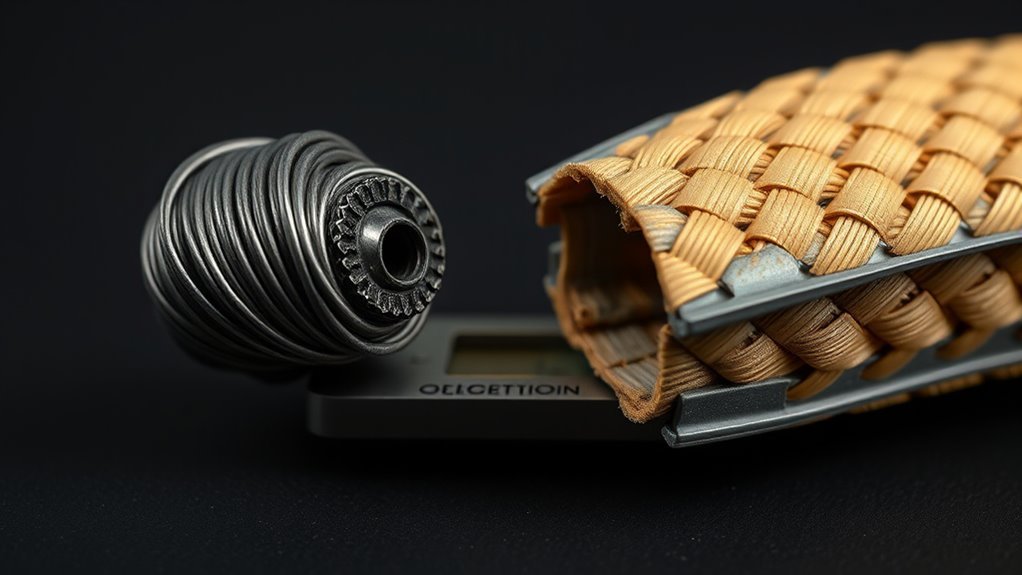
Bead construction changes ride feel mostly through weight, flexibility, and the type of tire it allows the manufacturer to build. A folding aramid tire is usually lighter and easier to pair with a high-TPI casing. A wire tire is usually heavier and built for lower cost or everyday toughness.
| Ride Metric | How Bead Choice Can Affect It |
|---|---|
| Acceleration | Aramid beads reduce tire weight, which can make the wheel feel quicker to spin up. |
| Climbing | A lighter folding tire can help on repeated climbs, though tread and casing weight also matter. |
| Comfort | Folding tires often use more supple casings, but pressure and tire volume have a bigger effect. |
| Grip | The bead helps the tire seat correctly, but rubber compound, tread, and pressure do most of the grip work. |
| Rolling resistance | Aramid tires are often lower rolling, mainly because premium folding models use faster casings and compounds. |
Pro Tip: If two tires have the same tread, size, puncture belt, and casing, the aramid version is usually the better performance pick. If the tires are completely different models, compare the full spec sheet rather than choosing by bead alone.
Tubeless, Installation, and Durability: Bead-Specific Issues
Tubeless is where bead details matter most. A tubeless tire must seal tightly against a compatible rim, hold pressure, and stay seated under riding loads. That requires the right tire, rim, tape, valve, sealant, pressure, and bead shape.
Warning: Do not set up a tire tubeless just because it has an aramid or folding bead. Use only tires and rims marked tubeless-ready or approved for tubeless use. A non-tubeless tire can leak, burp air, or come off the rim.
WTB’s tire technology guide makes this distinction clearly: some folding aramid tires still require inner tubes, while its TCS tires are the tubeless-ready line and require tubeless-ready rims, tape, and sealant.
- Tubeless compatibility: check the sidewall and manufacturer specs for “tubeless ready,” “TLE,” “TLR,” “TCS,” “TR,” or the brand’s equivalent label.
- Installation effort: aramid beads are flexible and often easier to mount by hand, but tight tubeless tolerances can still make installation difficult.
- Wire bead setup: many wire-bead tires are tube-only. Use tubes unless the tire maker specifically approves tubeless use.
- Durability: wire beads resist deformation and are good for rough daily use; aramid beads save weight but should be protected from cuts, twisting, and careless storage.
- Pressure limits: always follow the lower maximum pressure listed by the tire maker, rim maker, or wheel maker.
Installation Tips for Wire and Aramid Beads
- Start opposite the valve and finish at the valve so the bead can drop into the rim’s center channel.
- Use your hands first; use tire levers carefully to avoid pinching tubes or damaging the bead.
- For tight tires, push both beads fully into the center of the rim before lifting the final section over the rim wall.
- Inflate slowly and check that the bead line is even around the rim on both sides.
- For tubeless, shake and rotate the wheel after adding sealant, then recheck pressure after the first ride.
Which Bead to Choose by Riding Style, Goals, and Budget
The right bead depends on how you ride. Do not choose aramid only because it sounds premium, and do not choose wire only because it is cheaper. Match the bead to your real use.
[Products Worth Considering]

Switch to tubeless with this Muc-Off rim tape designed to create an airtight seal for smooth-running setups. The pressure-sensitive adhesive offers the right stretch for strength and durability, while the semi-transparent material helps you locate the valve hole quickly. It includes four seal patches for a secure finishing seal after wrapping.
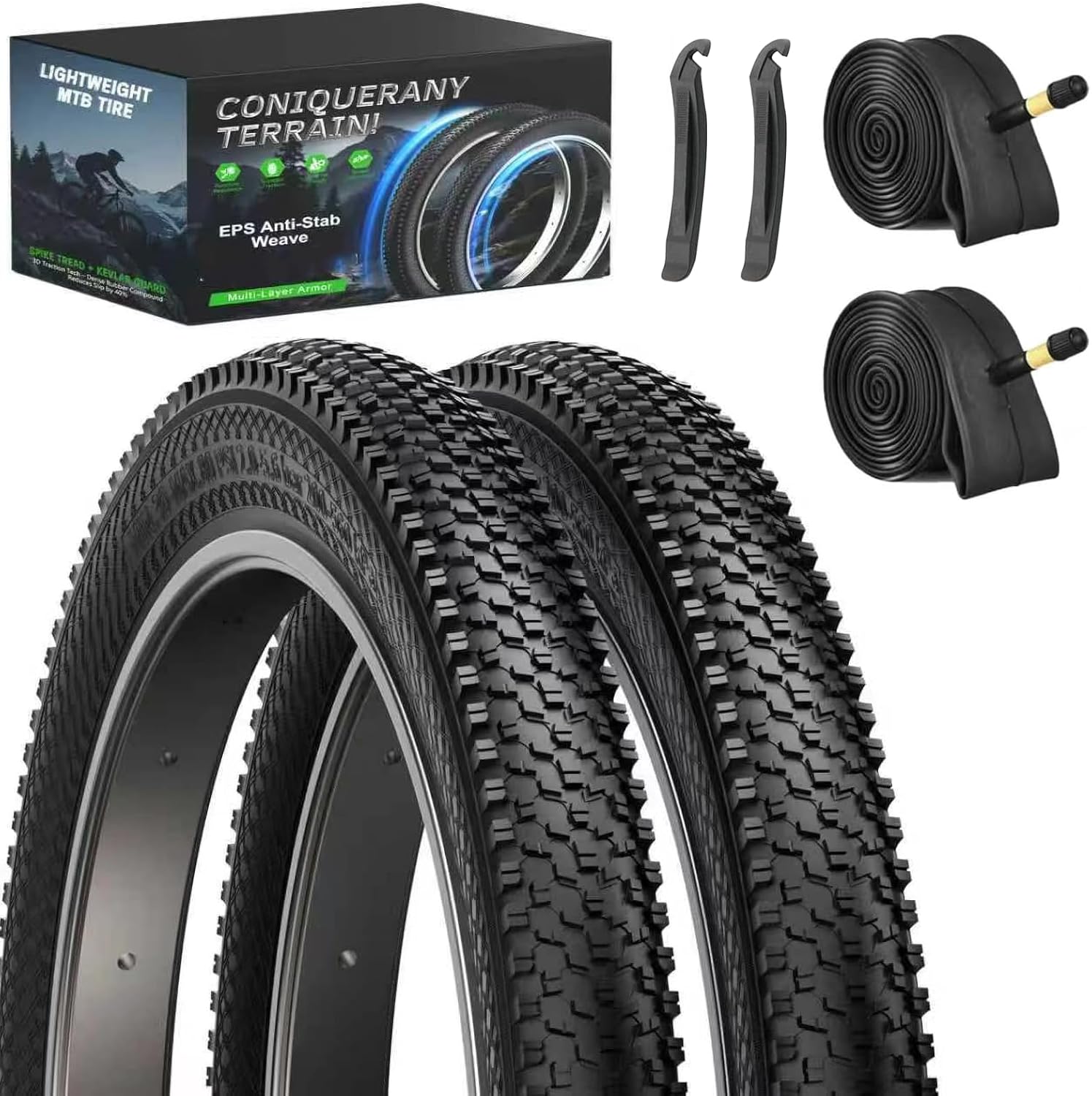
This 2-pack set includes two folding mountain bike tires, two inner tubes, and two tire levers for quick, budget-friendly replacements. The tires feature an anti-stab weave for added protection, plus strong grip and durable construction to help you stay stable across common trail and road conditions. Foldable design makes storage and travel convenient, while the included tubes provide a matched fit for smoother setup.
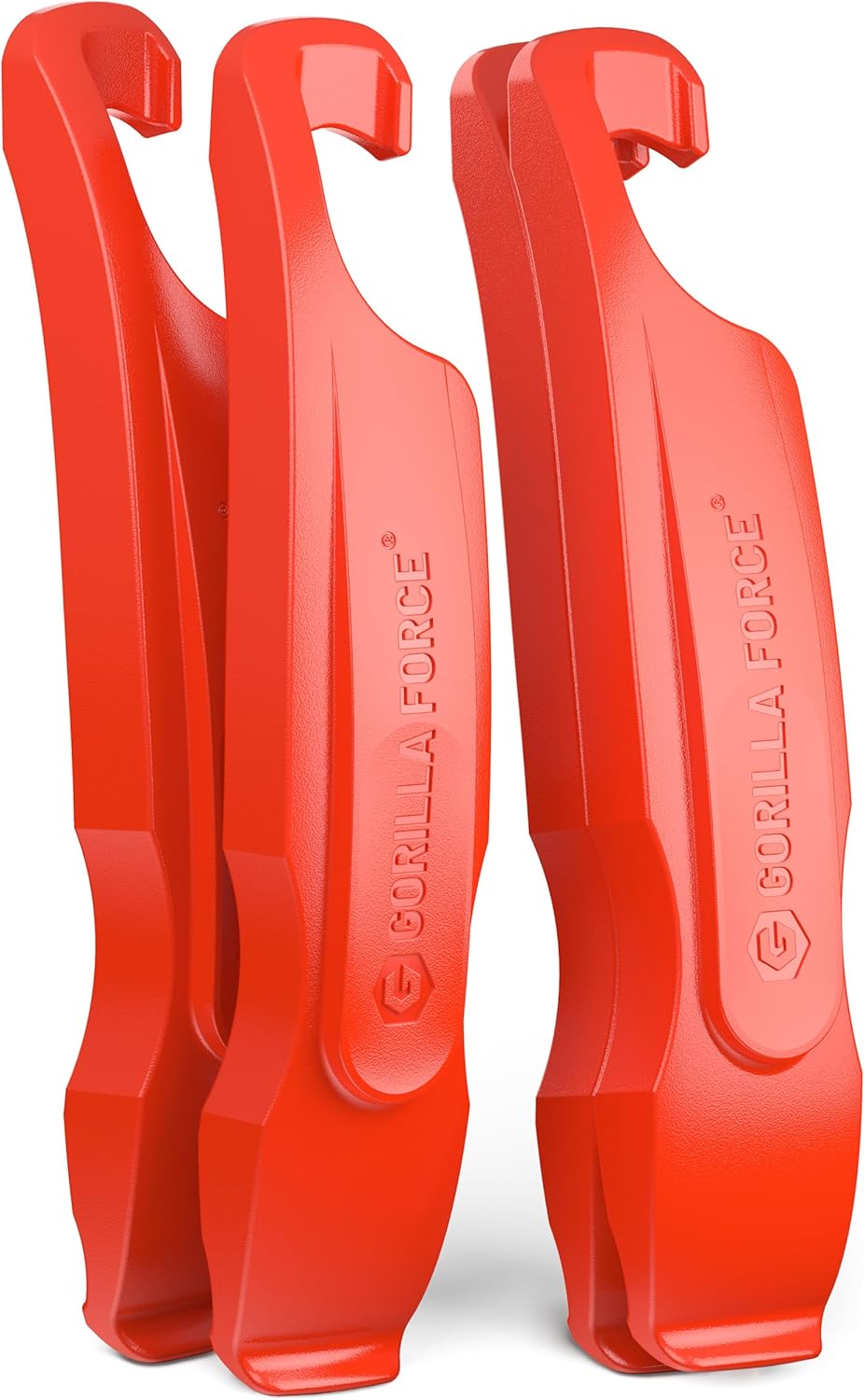
Gorilla Force tire levers make removing and installing even super-tight tires easier, using a stubby chisel tip and controlled leverage to lift the bead over the rim. Engineered, no-scratch plastic helps protect aluminum and carbon rims while providing smooth, reliable pry action. Designed for road, MTB, gravel, and e-bike tires, these compact levers clip together and include a spoke clip system for secure holding during tough changes.
Choose Wire Bead If
- you want the lowest upfront cost;
- you mostly ride with inner tubes;
- you commute, cruise, or ride casually;
- you need a tough utility tire;
- you do not need to fold or pack a spare tire;
- you care more about durability and value than saving grams.
Choose Aramid Bead If
- you want a lighter tire;
- you race, climb, ride gravel, or ride technical MTB trails;
- you need a foldable spare for touring, travel, or bikepacking;
- you want access to higher-end tire casings and compounds;
- you are building a tubeless setup with a tire specifically marked tubeless-ready;
- you are willing to pay more for performance and portability.
Model Comparison: Spec Checklist and Quick Decision Matrix
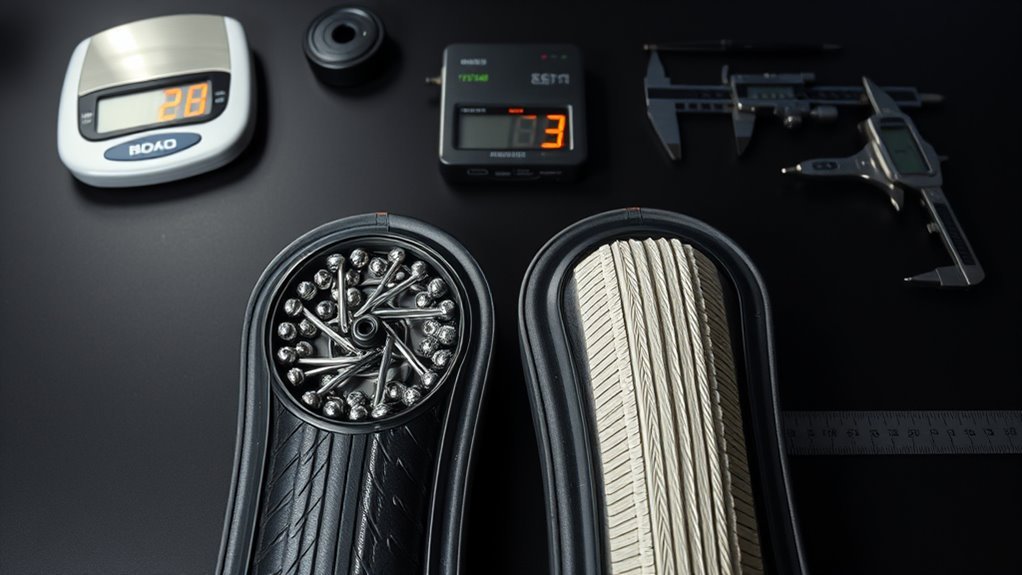
When comparing specific tire models, do not stop at “wire” or “folding.” Check the full spec list. A great tire choice depends on how all the parts work together.
[Products Worth Considering]
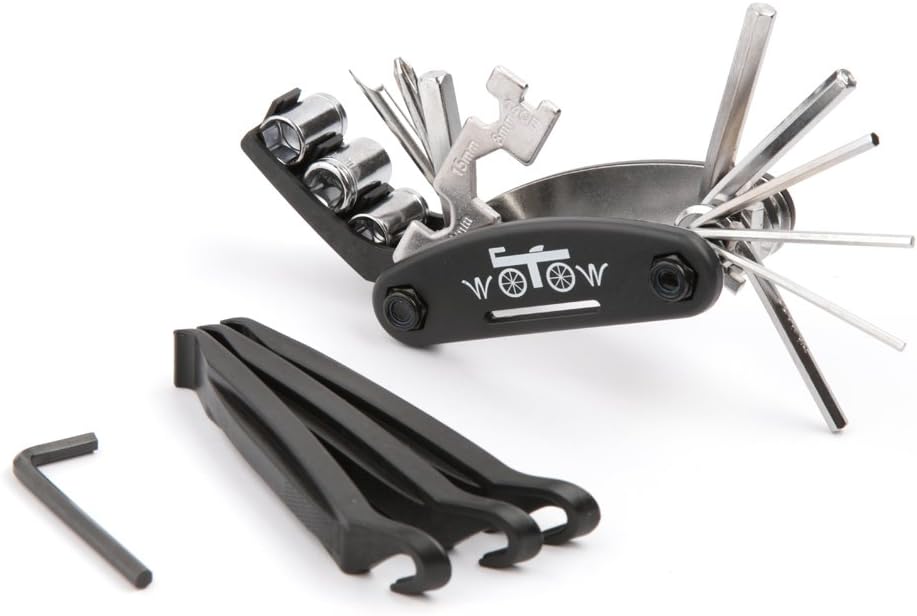
This WOTOW 16-in-1 bicycle multitool is built from corrosion-resistant chrome-vanadium steel for reliable, high-torque performance on the road or trail. It includes multiple hex sizes, a socket extension rod, flat wrench options, a spoke tool, a slot and cross screwdriver, plus three nylon tire levers to help you remove inner tubes and fix flats quickly. The compact folded design makes it easy to carry in a saddlebag or pocket, while an extra Allen wrench helps tighten or loosen stubborn hardware.

Two-pack 26" bicycle inner tubes for tires sized 1.75 to 2.125, built with a 35mm AV Schrader valve for easy compatibility. The thicker inner wall and premium butyl rubber help absorb bumps and vibrations while improving durability and air retention. Includes two upgraded tire levers for simpler installation and reduced risk of breakage.

This heavy-duty bicycle rim liner provides complete tube protection by shielding the inner tube from rim spoke holes and sharp metal burrs that can cause flats. Made from premium, wear-resistant PVC, it lays flat with optimized 18 mm width and 0.50 mm thickness for edge-to-edge coverage. Installation is quick with flexible stretch placement and a secure, non-slip fit.
Spec Checklist Before Buying
- Bead: wire, folding aramid, or tubeless-ready aramid.
- Size: match wheel diameter, tire width, and frame clearance.
- Rim compatibility: check hooked, hookless, tubeless-ready, and pressure rules from the rim maker.
- Casing: lower TPI is often tougher; higher TPI is usually lighter and more supple.
- Puncture protection: thicker belts add security but can add weight and rolling resistance.
- Tread: smooth for pavement, file tread for fast gravel, knobs for loose terrain.
- Tube or tubeless: confirm the tire’s intended setup before installation.
- Weight: compare actual listed weight for the same size, not just bead type.
- Price: decide whether the performance gain is worth the higher cost.
| Riding Goal | Best Bead Choice | Why |
|---|---|---|
| Lowest cost replacement | Wire | Affordable and widely available. |
| Daily commuting | Wire or tough aramid | Durability and puncture protection matter more than weight. |
| Road performance | Aramid | Lower weight and better high-end tire options. |
| Gravel riding | Tubeless-ready aramid | Better blend of weight, comfort, traction, and puncture sealing. |
| Mountain biking | Tubeless-ready aramid or reinforced casing | Stronger casings and tubeless compatibility matter more than bead label alone. |
| Bikepacking spare | Aramid | Folds small enough to pack. |
Common Mistakes to Avoid
- Assuming all folding tires are tubeless: some folding aramid tires still require tubes.
- Assuming all wire tires are bad: many wire-bead tires are excellent value for commuting and casual riding.
- Comparing different tire categories unfairly: a heavy downhill aramid tire is not the same as a lightweight road racing aramid tire.
- Ignoring rim compatibility: tire width, rim internal width, hookless rules, and pressure limits matter.
- Overvaluing small weight savings: tread, casing, pressure, and tire width can change ride quality more than bead material alone.
Frequently Asked Questions
Are wire bead tires better?
Wire bead tires are better for price, basic durability, and everyday utility riding. They are not better for weight, foldability, portability, or high-performance builds. For commuting and casual riding, wire is often the sensible choice. For racing, bikepacking, or premium tubeless setups, aramid usually wins.
Are wire bead tires harder to install?
They can be. Wire beads are stiffer, so they may need more hand strength or careful tire-lever use. However, installation difficulty also depends on the tire size, rim shape, tubeless tolerance, casing stiffness, and how well the bead is pushed into the rim’s center channel.
What is an aramid bead?
An aramid bead is a bicycle tire bead made from strong synthetic fibers instead of steel wire. It lets the tire fold, reduces weight, and is commonly used on higher-performance tires. Many riders call these folding beads or Kevlar-style beads.
Can aramid bead tires be used tubeless?
Only if the tire is specifically marked tubeless-ready and used with a compatible rim, valve, tape, and sealant. Aramid bead construction is common on tubeless-ready tires, but a folding aramid bead by itself does not guarantee tubeless compatibility.
Can you fold a wire bead tire?
No. A wire bead tire should not be folded tightly because the steel bead can kink or deform. Store and transport wire tires in their full round shape. If you need a tire that packs into a small bag, choose a folding aramid tire.
Conclusion
Choose the bead that matches your ride, not the one that sounds most impressive. Wire bead tires are affordable, durable, and practical for commuting, casual riding, and budget replacements. Aramid bead tires are lighter, foldable, and usually tied to better performance tire designs.
For most performance riders, aramid is worth the extra cost. For everyday riders who want value and dependable service, wire still makes perfect sense. If you are going tubeless, the safest rule is simple: use only tires and rims that the manufacturer clearly approves for tubeless setup.
Sources
- Schwalbe Tire Construction — bead core function, wire bundles, aramid fibers, tire construction basics.
- Schwalbe Tire Types — folding tire definition, Kevlar strands, typical 50–90 g weight difference, tubeless-ready cautions.
- WTB Tire Technology — wire bead, folding aramid bead, TCS tubeless-ready tire distinctions, casing and TPI guidance.
- WTB Wire Bead vs. Folding Bead Tires — rider-focused comparison of cost, durability, weight, portability, and use cases.
- Maxxis Bike Technology — foldable bead materials and tire construction terminology.
- Park Tool Tubeless Tire Compatibility — tubeless setup principles, rim and tire compatibility, and safety considerations.
