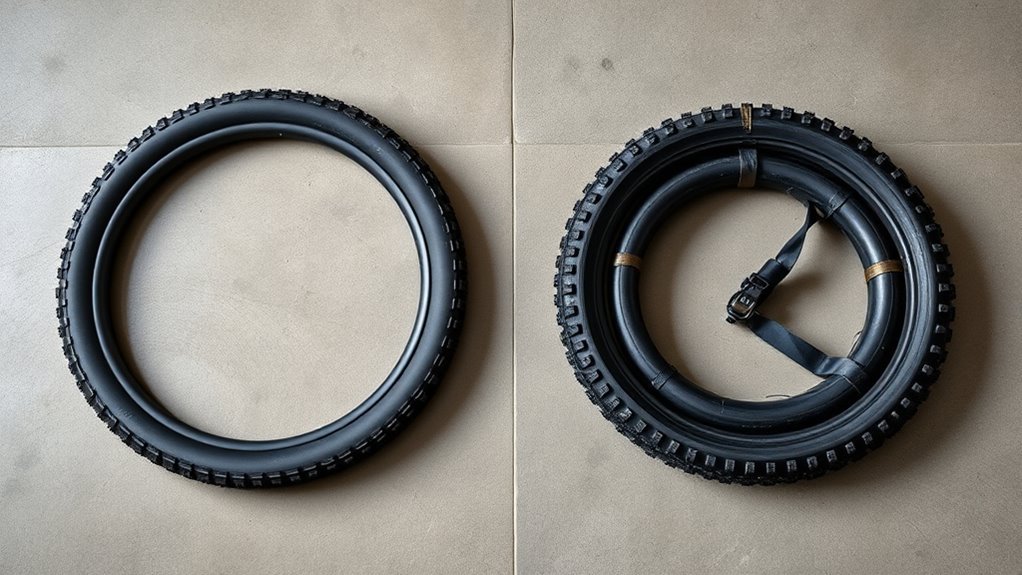
Steel vs Folding Beads: Which Bike Tire Should You Choose?
What’s in This Article
- What a Tire Bead Is and Why It Matters for Weight and Packing
- Quick Decision Guide: Should You Choose Steel Wire or Folding Beads?
- Steel vs Folding Beads: Weight, Packability, and Mounting
- How Bead Type Affects Rubber Compound, Casing, and Real-World Grip
- Tubeless, Roadside Repairs, and Touring: Which Bead Makes Life Easier?
- Choose by Use Case: Racing, Trail, Bikepacking, or Budget
- How to Maintain Bike Tire Beads
- Frequently Asked Questions
The wrong tire bead can make a good tire feel harder to mount, harder to pack, or heavier than it needs to be. You’ll notice the difference most when you travel, race, fix a flat, or fight a tight rim. This guide compares steel wire beads and folding beads so you can choose the tire that fits your riding style, budget, and repair needs.
Quick Answer
Choose folding-bead tires when low weight, compact packing, and a livelier ride matter most. Choose steel wire-bead tires when lower cost, easier mounting, and a rigid bead shape matter more. Both can work well, but your best choice depends on how you ride and how often you carry spares.
Key Takeaways
- Folding beads use flexible fibers, so they pack small and often weigh less than wire beads.
- Steel wire beads hold a firm shape, which can make mounting easier on tight rims.
- Folding tires often suit racing, travel, and bikepacking because they save space and weight.
- Wire-bead tires often suit budget builds, rough use, and riders who value simple installation.
- Rim fit, casing quality, pressure, and tread matter as much as bead type for real ride feel.
What a Tire Bead Is and Why It Matters for Weight and Packing
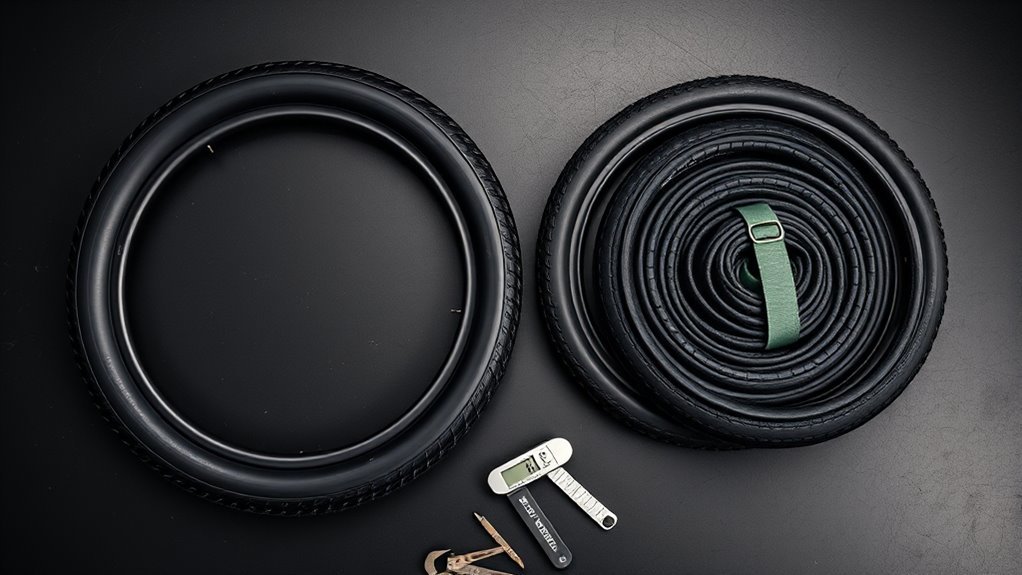
Think of the bead as the tire’s anchor. It’s the reinforced edge that locks the tire onto the rim and helps keep it seated under pressure.
Beads usually come in two common forms: steel wire or folding construction. Wire beads use steel, which gives the tire a firm hoop shape. Folding beads use flexible fibers, often aramid or Kevlar-style material, which lets the tire fold or roll for storage.
That design affects weight, packing space, mounting feel, and travel convenience. It does not decide tire quality by itself, but it shapes how the tire fits your riding needs.
Quick Decision Guide: Should You Choose Steel Wire or Folding Beads?
Choose folding beads if you want portability, lower weight, and compact spares for travel. They fold into a smaller shape, so they fit more easily in a pannier, frame bag, or luggage.
Choose steel wire beads if you want lower cost and a tire that holds its round shape during installation. That rigid shape can help when you mount a tire on a tight or stubborn rim.
Use this quick verdict when you need a fast choice: folding beads fit riders who value speed, packability, and premium tire feel. Wire beads fit riders who value price, simple handling, and dependable basic use.
| Feature | Folding Bead | Steel Wire Bead |
|---|---|---|
| Best for | Racing, travel, bikepacking, spare tires | Budget builds, simple installs, everyday riding |
| Weight | Often lighter | Often heavier |
| Packability | Folds or rolls into a compact bundle | Keeps a rigid hoop shape |
| Mounting feel | Can feel flexible on tight rims | Often easier to guide onto the rim |
| Cost | Usually higher | Usually lower |
For tire life, bead type matters less than care, pressure, terrain, and casing quality. Check pressure often, inspect cuts, rotate tires when wear looks uneven, and keep rim bead seats clean.
Steel vs Folding Beads: Weight, Packability, and Mounting
You’ll notice the clearest trade-offs in weight, packing space, and installation. Folding-bead tires often save noticeable weight at the edge of the wheel, while steel-bead tires keep a rigid hoop that resists folding.
That difference can change how a tire feels on the bike and in your hands. It can also decide whether a spare tire fits easily in your travel kit.
[Products Worth Considering]

The Park Tool TL-1.2 tire lever set is narrow, strong, smooth, and versatile for easy tire removal and reliable work on bike tires. It includes a spoke hook design to help when multiple levers are needed. With Park Tool’s industry-standard reputation, this set is ideal for fast flat-fix repairs.
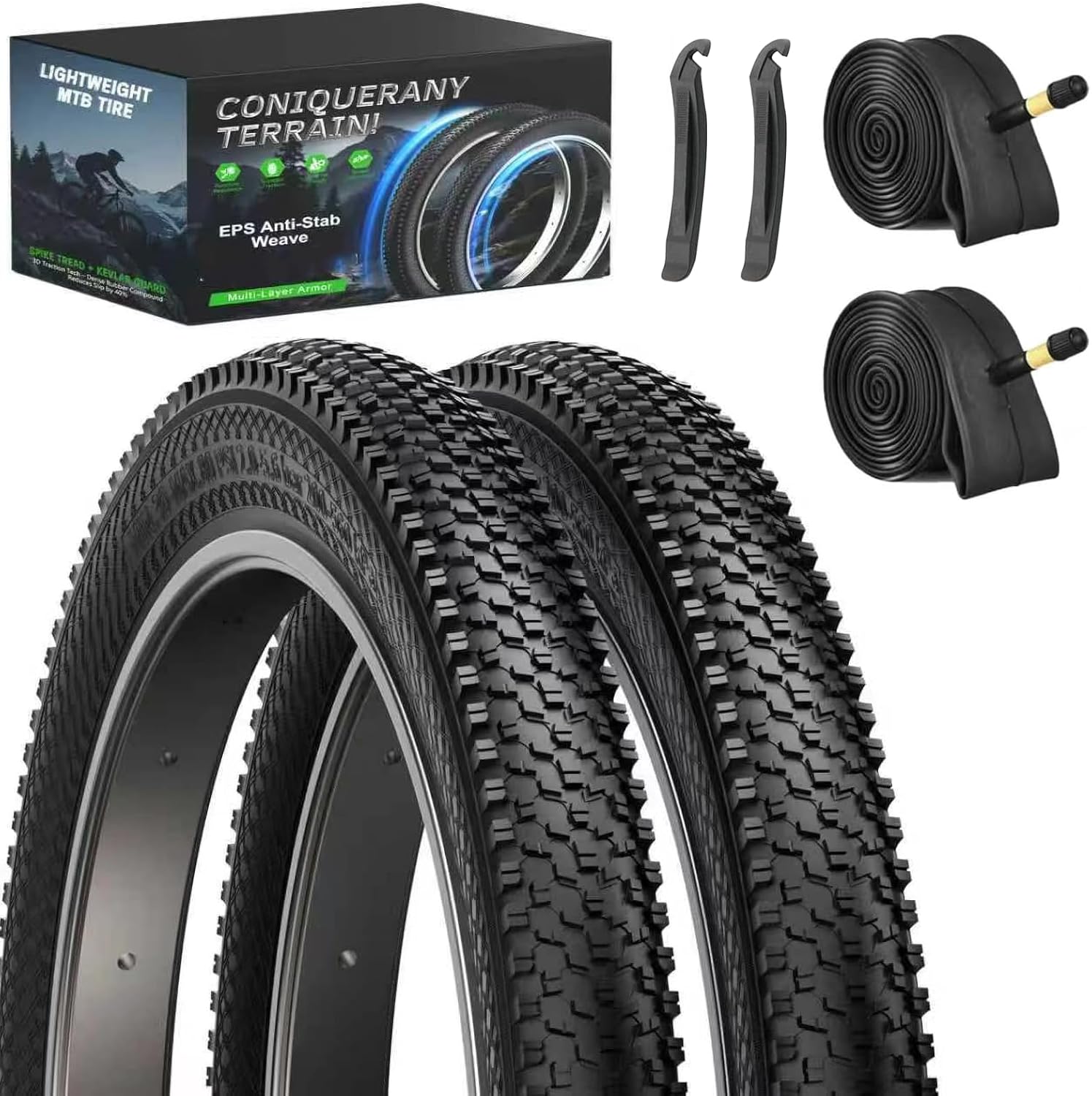
This 2-pack set includes two folding mountain bike tires, two inner tubes, and two tire levers for quick, budget-friendly replacements. The tires feature an anti-stab weave for added protection, plus strong grip and durable construction to help you stay stable across common trail and road conditions. Foldable design makes storage and travel convenient, while the included tubes provide a matched fit for smoother setup.

This PXZBLG bike repair kit helps you tackle common tire and on-the-ride issues with a compact, ride-ready tool collection. It includes a mini tire pump supporting both Presta and Schrader valves, a 16-in-1 bike multitool, tire levers, glueless patches with a plastic box, plus 4mm and 5mm Allen wrenches. A convenient bike bag stores everything so you can mount it on your road bike or mountain bike for lightweight, portable preparedness.
Weight and Rotational Mass
Folding beads often weigh less than steel wire beads. Many riders value that weight cut because tire mass sits near the outside of the wheel, where it affects acceleration and feel.
Less rotating mass can make the bike feel quicker when you sprint or climb. The gain may feel small on casual rides, but it can matter more in racing and long days with repeated accelerations.
Steel-bead tires keep more mass at the tire edge. That extra weight may dull response slightly, but it often comes with a lower price and a bead that holds its shape.
Packability for Travel
Folding-bead tires win when you need to pack a spare. You can roll or fold them into a small bundle that fits in luggage, a pannier, or a bikepacking bag.
Wire-bead tires keep their hoop shape, so they take up awkward space. You can carry one, but it usually feels bulky compared with a folding spare.
Pro tip: Pack a folding spare when your route has limited bike shops or unusual tire sizes.
Mounting Ease and Fit
Bead construction affects how the tire behaves during installation. Folding beads bend and twist more, so they may need extra care on tight or shallow rims.
Steel wire beads hold a round shape. That can help you guide the tire onto the rim and seat it evenly, especially during a field repair.
Rim shape still matters. A snug tubeless-ready rim can make either bead type feel harder to mount, so use good technique and avoid forcing the bead with sharp tools.
Warning: Don’t ride a tire until both beads sit evenly around the rim and the tire holds pressure.
How Bead Type Affects Rubber Compound, Casing, and Real-World Grip
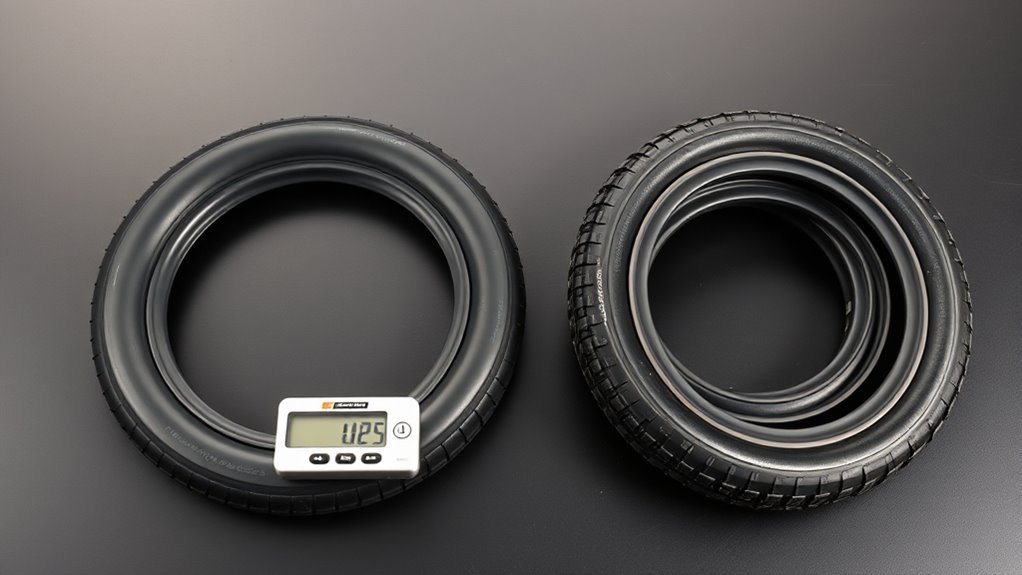
Bead type does not create grip by itself. Tread pattern, rubber compound, casing, pressure, and terrain play larger roles in how much traction you feel.
Folding-bead tires often appear in higher-end tire lines. Those tires may use lighter casings, softer rubber, or more supple sidewalls, which can improve comfort and grip.
Steel-bead tires often target value and durability. Many still grip well, but they may use simpler casings or harder rubber to keep cost and wear under control.
If you want the best real-world traction, compare the whole tire, not just the bead. Look at tread design, casing protection, rubber compound, and the surfaces you ride most often.
Tubeless, Roadside Repairs, and Touring: Which Bead Makes Life Easier?
For tubeless setups, the exact tire and rim pairing matters more than bead type alone. A compatible tubeless-ready tire should seat securely, hold air, and work with your sealant.
Folding-bead tires often suit travel because they pack small and weigh less in your repair kit. That makes them useful on tours, races, and remote bikepacking routes.
Wire-bead tires can still work well for daily use and some tubeless setups when the tire and rim allow it. They just take more space if you need to carry a full spare.
For roadside fixes, your best bead choice depends on the problem. Folding spares save space, while wire beads may feel easier to handle when your hands are tired or cold.
- Carry a folding spare when space matters.
- Choose a wire bead when simple mounting matters more than packing size.
- Check rim and tire compatibility before any tubeless setup.
- Keep sealant fresh if you ride tubeless.
- Practice mounting your tire at home before a long trip.
[Products Worth Considering]

Upgrade your ride with a 2-pack set of 26x1.95 folding mountain bike tires built for dependable traction on mud, rocks, and trail surfaces. A reinforced puncture-resistant layer helps protect against sharp debris, while included butyl inner tubes provide strong sealing and shock absorption. Ready for fast swaps with included tire levers and universal sizing for most bikes.

Get back on the road fast with this bike frame bag repair kit, featuring a 120 PSI mini pump, a 16 in 1 multi-function tool, and a glueless tire patch kit. The compact triangle bag provides 2L storage for essentials like phone, keys, and tools, while the included rasp and tire levers make quick flat repairs possible. Designed for commuting and trail riding, it supports both Presta and Schrader valves for versatile emergency inflation.

Protect your inner tube with this universal bike tire liner designed to block thorns, glass, nails, and sharp trail debris. It installs easily by measuring and trimming to fit, creating a durable barrier between tire and tube. Lightweight polyurethane construction helps reduce sudden flats for more confident rides.
Choose by Use Case: Racing, Trail, Bikepacking, or Budget
Pick the bead type that matches how and where you ride. A light racing tire, a trail tire, and a budget commuter tire solve different problems.
Choose folding beads if you race, travel often, or need a compact spare. The lower weight and smaller packed size can help when speed and storage matter.
Choose steel wire beads if you ride on a tighter budget or want a tire that keeps its shape during installation. The lower price can make sense for commuters, casual riders, and spare wheels.
For trail riding, judge the full tire before you judge the bead. Sidewall strength, casing protection, tread, and pressure will affect impact support more than bead material alone.
[Products Worth Considering]

Malco tire mounting and demounting lubricant is a ready-to-use tire lube formulated to reduce friction during tire installation for passenger cars, light trucks, farm tires, and heavy-duty equipment. It provides rust-inhibiting protection to help reduce corrosion on rims and wheels, and helps support proper tire bead seating during inflation to reduce air leakage. The silicone-free, soap-free formula is whitewall safe to help prevent discoloration on whitewall tires and sensitive sidewall markings.

Switch to tubeless with this Muc-Off rim tape designed to create an airtight seal for smooth-running setups. The pressure-sensitive adhesive offers the right stretch for strength and durability, while the semi-transparent material helps you locate the valve hole quickly. It includes four seal patches for a secure finishing seal after wrapping.

This Hycline 2-pack mountain bike tire set delivers durable, puncture-resistant performance with a high-grip, aggressive tread designed for traction on hard surfaces and confident handling through mud and soil. Includes matching inner tubes and tire levers for easier everyday maintenance and quicker installation after folding storage. Built for a range of riding conditions with reinforced rubber and nylon cord for wear-resistant reliability.
Choose Folding Beads If…
- You want a lighter tire for racing or fast rides.
- You need a spare that fits inside a bag.
- You travel with your bike and need compact gear.
- You prefer higher-end tires with more casing and compound options.
Choose Steel Wire Beads If…
- You want a lower-cost tire for everyday riding.
- You value a bead that holds its shape during mounting.
- You don’t need to pack a full spare tire.
- You want dependable utility more than small weight savings.
How to Maintain Bike Tire Beads
Good bead care helps any tire seat better and last longer. Keep the rim bead seat clean, and wipe away dried sealant, grit, or old debris before you mount a tire.
Inspect the bead when you remove a tire. Replace the tire if you see frayed fibers, bent wire, cracked rubber around the bead, or any section that will not seat evenly.
Use the pressure range printed on the tire sidewall and match it to your rim limits. Too little pressure can cause burping or pinch damage, while too much pressure can create a safety risk.
Frequently Asked Questions
Are folding tires lighter?
Yes, folding tires often weigh less than wire-bead tires in the same category. The exact difference depends on tire size, casing, tread, and rubber compound.
Are foldable bicycle tires any good?
Yes, foldable bicycle tires can be excellent. Many premium road, gravel, and mountain bike tires use folding beads because they reduce weight and pack easily.
What is the difference between rigid and folding tyres?
Rigid tyres use a steel wire bead that keeps a firm hoop shape. Folding tyres use a flexible bead, often made with aramid fibers, so the tire can fold or roll for storage.
Do folding-bead tires last as long as wire-bead tires?
They can, but bead type alone does not decide lifespan. Tread compound, casing strength, pressure, surface conditions, and maintenance have a larger effect on wear.
Are folding-bead tires harder to install?
Sometimes they can feel harder because the bead flexes while you work. A clean rim bed, correct tire size, and careful seating technique make installation easier.
Conclusion
Your best tire bead choice comes down to what you value most: weight and packability, or cost and simple handling. Choose folding beads when you want a lighter tire or a compact spare for travel. Choose steel wire beads when you want a lower price and a tire that holds its shape during mounting.
Before you buy, check your rim fit, tire size, casing, tread, and pressure needs. The right tire should match your route, repair style, and riding goals.