
Disclosure: As an Amazon Associate, we earn from qualifying purchases. If you click a link on this page and make a purchase, we may receive a small commission at no extra cost to you.
A cut in an off-road tire sidewall can end a trail ride or stop a mower far from the garage. The Sidewall Slug Tire Repair Kit gives you a compact, mechanical way to seal certain sidewall tears long enough to move an ATV, UTV, mower, golf cart, snow blower, or similar utility machine to a safer place. Its main strengths are fast installation, no adhesive cure time, and a light single-unit design. Its main limitation is just as important: this is an emergency off-road mobility tool, not an approved permanent repair for passenger-car or light-truck highway tires.
TL;DR
Quick Verdict
Rating: 8.4/10, recommended with safety caveats
Best For: Off-road riders and property owners who need a compact emergency option for small utility-tire sidewall damage
Bottom Line: The Sidewall Slug is faster and cleaner than an adhesive patch because it uses a molded mechanical clamp and has no drying time. You still need separate hand tools and an air source, and any repaired tire requires cautious, low-speed use followed by inspection or replacement.
| Specification | Detail |
|---|---|
| Brand | Sidewall Slug |
| Model | Slug, model SS-1 |
| Product type | Mechanical emergency sidewall repair plug |
| Design | Two molded cups tightened together through the damaged area |
| Item weight | 1.13 ounces |
| Package quantity | One Slug unit |
| Stated damage limit | Seller instructions describe use on sidewall tears up to 1.5 inches |
| Compatible equipment | ATVs, UTVs, off-road 4x4s, lawn mowers, zero-turn mowers, garden tractors, golf carts, snow blowers, and similar utility tires |
| Tools required | 10 mm wrench, pliers, and a portable compressor or CO2 inflation source |
| Adhesive or cure time | No chemicals and no drying time |
| Country of manufacture | Made in the USA |
| Safety note | Emergency off-road use only. Do not treat it as a permanent highway-tire repair. |
Sidewall Slug Tire Repair Kit
What Is the Sidewall Slug Tire Repair Kit?
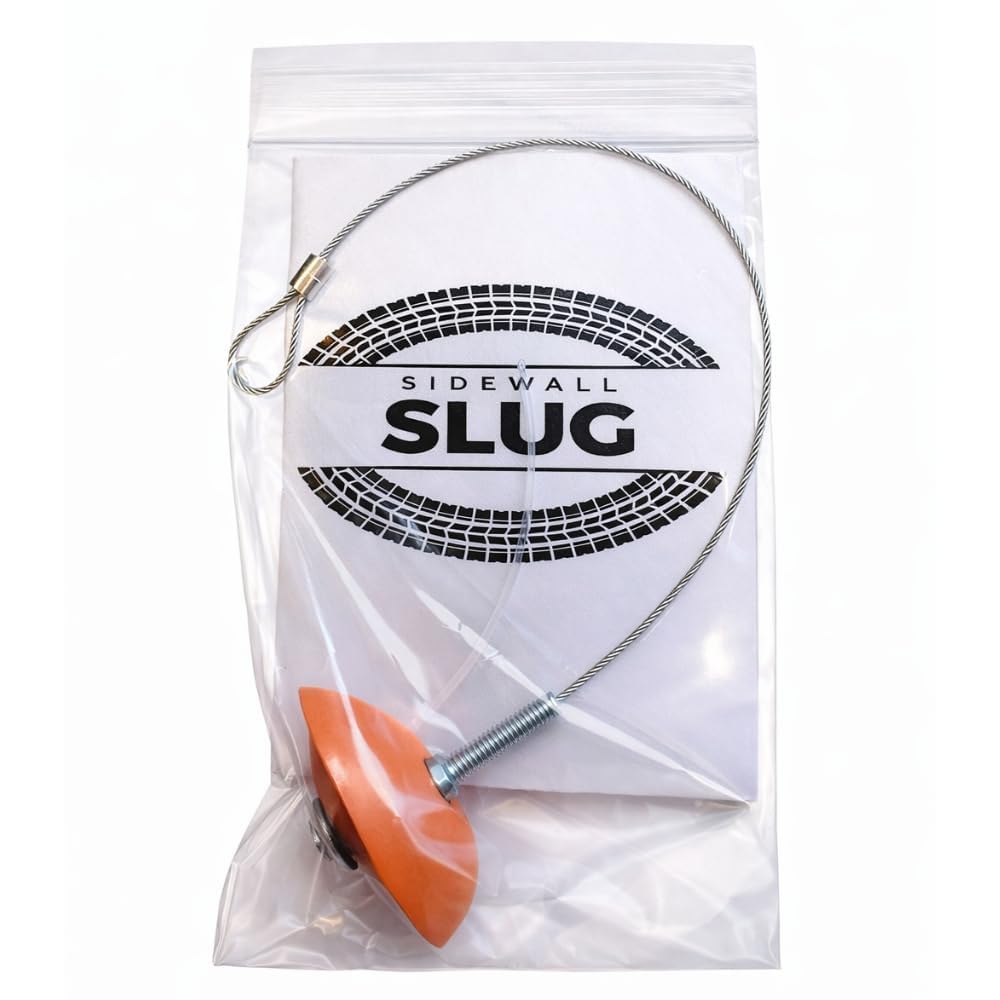
The Sidewall Slug SS-1 is a single-unit emergency repair device for off-road and small utility tires. Instead of relying on rubber cement, it uses two molded cup-shaped pieces and a hollow bolt to pinch the damaged sidewall between an inner and outer sealing surface. That mechanical design lets you attempt a field repair without removing the tire from the wheel.
The kit is aimed at damage that a normal rope-plug kit cannot address. Standard plugs are intended for small tread punctures, while the Sidewall Slug is built for certain sidewall cuts and pinch-flat tears. Seller guidance lists tears up to 1.5 inches, but the actual condition of the cords, bead, inner liner, and surrounding rubber matters more than length alone.
Who Should Buy It?
Best For
- ATV and UTV riders who travel beyond easy recovery access
- Property owners who depend on mowers, garden tractors, golf carts, or snow equipment
- Off-road 4×4 owners building a layered tire-recovery kit with tools, air, and a spare when possible
Skip If
- You need a permanent repair for a passenger-car or light-truck road tire
- The tire has exposed or severed cords, a bulge, bead damage, separation, or a large open gash
- You do not carry the required wrench, pliers, and inflation source
Before You Buy: The Amazon package lists one Slug, not a complete tire-repair tool bag. Carry a 10 mm wrench, pliers, a pressure gauge, and a compressor or CO2 system separately. A full-size spare remains the safer recovery choice when your machine can carry one.
What People Say
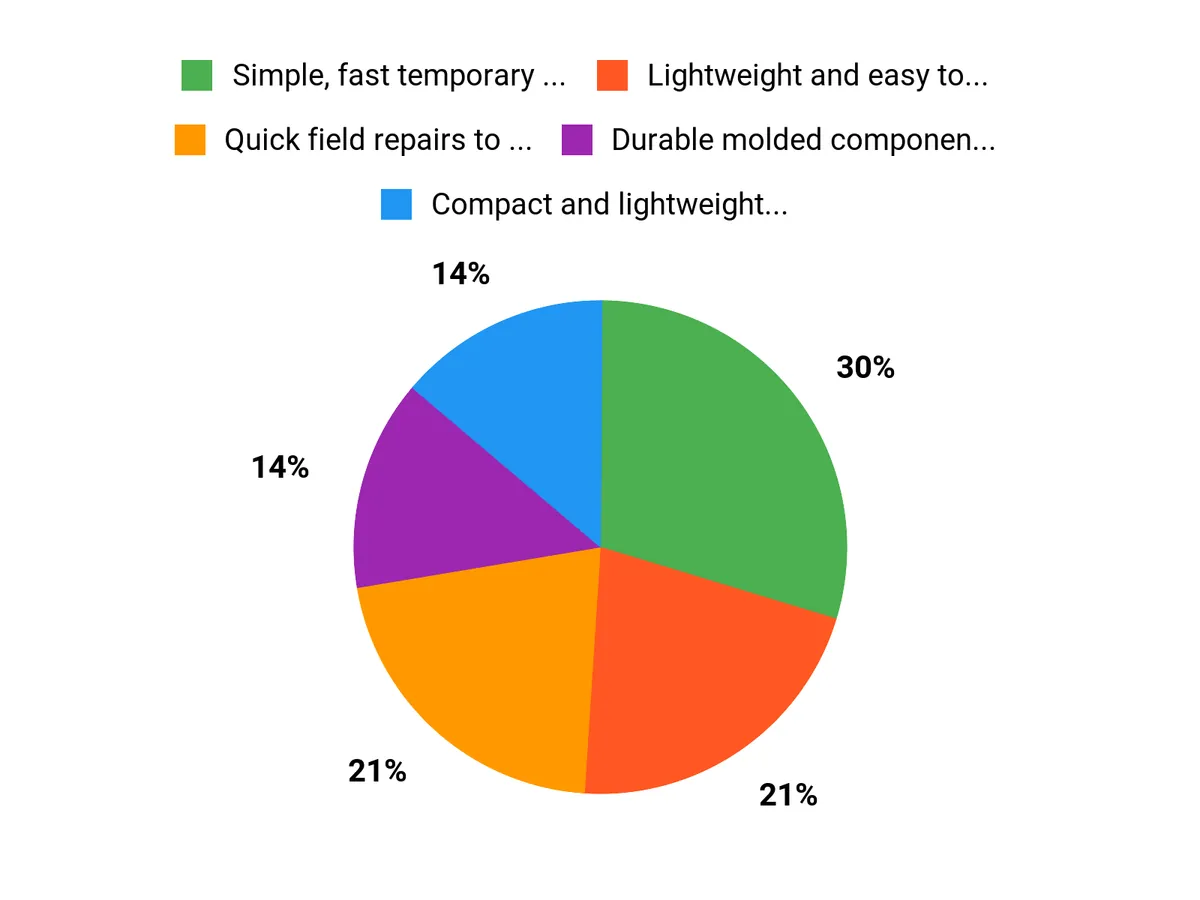
The buyer-sentiment summary included with this review is positive, with ease of use and compact storage as the recurring strengths. Separate off-road publication testing has also shown that a properly installed Slug can retain air through difficult trail use. Those examples demonstrate emergency potential, but they do not prove that every sidewall injury is safe to drive on.
Overall Sentiment: Positive

Pros and Cons
Pros
- Targets sidewall cuts that ordinary tread-plug kits cannot address
- Mechanical seal requires no adhesive, chemicals, or cure time
- At 1.13 ounces, it takes little space in a trail or property-maintenance kit
- Works across several small off-road and utility-tire applications
- Made in the USA and built around a molded clamp-style design
Cons
- Not a permanent or approved highway-tire sidewall repair
- Required hand tools and inflation equipment are not part of the single-Slug package
- Cannot restore a tire with major structural, bead, or cord damage
Design and Build Quality
The Slug uses an inner cup, an outer cup, and a through-bolt to compress the damaged area. The inner piece is guided through the tear and pulled against the inside of the sidewall, then the outer piece is fitted over the bolt and tightened. This spreads clamping pressure around the cut instead of asking a narrow rope plug to hold in a highly flexible part of the tire.
The molded exterior and simple hardware are useful in dirty trail conditions because there is no glue tube to leak and no adhesive surface that must remain clean while it cures. The tradeoff is that the repair remains a rigid object attached to a moving sidewall, so you must inspect it frequently and avoid treating it like an invisible permanent patch.
Fit and Compatibility
The Amazon listing names lawn mowers, ATVs, UTVs, off-road 4x4s, snow blowers, golf carts, and other utility vehicles. It makes the most sense on low-speed, off-road equipment where the goal is to regain mobility and reach a safe work area, trailer, camp, or service point.
Compatibility is not based on vehicle name alone. Check the tear location, tire construction, remaining sidewall material, and whether the Slug can sit flat without contacting the wheel, suspension, brake parts, or bodywork. Confirm the tire construction and equipment manufacturer’s guidance before attempting any field repair.
[Products Worth Considering]

This ETENWOLF tire plug repair kit helps you quickly fix punctures for reliable rides. It includes two plug sizes to match different damage widths, plus essential tools and lubricant for a smoother repair process. Designed for tubeless tires, it’s a convenient on-the-go solution for cars, motorcycles, ATVs, trucks, jeeps, and tractors.

Vigorder rubber cement glue delivers superior adhesion and cures quickly within about 30 seconds for seamless rubber bonding. Once cured, it helps provide a strong, durable, waterproof seal that holds up to vehicle weight, pressure, and heat. Suitable for cars, motorcycles, trucks, bicycles, and off-road tires, it’s designed for emergency patch and maintenance repairs.

Rhino USA’s 86-piece tire repair kit provides everything you need for quick, emergency flat repairs, including a reamer and plug insertion tool plus 60 reusable tire plugs. The heavy-duty, metal-handled design helps you fix punctures from nails and screws on tubeless tires for cars, trucks, motorcycles, ATVs, UTVs, and more. A high-visibility compact case stores easily for on-the-go use, with illustrated instructions to help you complete repairs with confidence.
Installation and Ease of Use
You will need a 10 mm wrench, pliers, and an air source. Stabilize the machine on firm ground, shut it down, set the parking brake, and follow the product instructions for deflating and positioning the damaged area. Use the tether to place the inner cup through the tear, seat it against the inner sidewall, install the outer cup, and tighten the assembly evenly.
After installation, inflate only to the pressure specified by the equipment or tire manufacturer. Check for leakage with soapy water, then watch the pressure before and during any short recovery movement. Stop immediately if the repair shifts, leaks, rubs another component, or the tire develops a bulge.
Pro Tip: Practice identifying the wrench size, tether direction, and inflation setup at home. A compact kit is only useful when the required tools are together and you can reach them without unloading the entire vehicle.
Compatibility and Safety
This product should be treated as an emergency mobility device for off-road and small utility tires. The U.S. Tire Manufacturers Association limits proper puncture repairs on passenger and light-truck tires to the tread repair area and calls for tire removal and internal inspection. A sidewall injury on a road tire is outside that repair area, so the Slug should not be presented as a permanent passenger-vehicle fix.
Do not attempt a field repair when cords are exposed or cut, the bead is damaged, the tire has run flat long enough to overheat, or you see a bulge, separation, or extensive tearing. Keep hands and your face away from the assembly while inflating. Never exceed the specified operating pressure, and never crawl under a vehicle supported only by a jack.
After any emergency use, have the tire removed and inspected by a qualified tire professional or replace it according to the tire and equipment manufacturer’s guidance. For road-going vehicles, use a spare, towing service, or approved mobility procedure instead of driving on a sidewall repair.
How It Performs in Real Use
Trail Riding
On an ATV or UTV, the Slug can turn a disabling pinch-flat cut into a controlled recovery. Its lack of cure time helps when the trail is muddy or cold, but you should travel slowly, choose the smoothest route, and stop often to check pressure.
Yard and Property Work
For a zero-turn mower, garden tractor, or utility cart, the kit can help you move equipment out of a field and back to a level service area. It should not be used as a reason to keep working around slopes, bystanders, or loads after the tire has suffered structural damage.
Snow Removal
A snow blower or small utility machine can be difficult to recover during a storm. The compact Slug has no adhesive to cure in low temperatures, but you still need an inflation source that works in the cold and a safe place to inspect the repair before moving.
Emergency Kit Storage
The 1.13-ounce unit is easy to carry with a conventional tread-plug kit, valve-stem tools, pressure gauge, compressor, and spare valve cores. That layered setup matters because one repair product cannot address every type of flat.
Common Mistakes to Avoid
- Assuming the Slug includes the wrench, pliers, or compressor you need
- Installing it in a tire with visible cord, bead, or separation damage
- Inflating to the maximum number molded on the sidewall instead of the equipment’s specified pressure
- Driving at normal road speed or using the repair as a permanent solution
- Skipping pressure checks after the machine begins moving
- Using it where the installed hardware can contact another vehicle component
Is It Worth the Price?
The current Amazon price can change, so the best way to judge value is to compare the kit’s cost with your recovery options. It offers strong value for riders and property owners who regularly work far from a trailer, workshop, or towing access. One successful recovery can prevent hours of delay, but the kit does not eliminate the cost of later tire inspection or replacement.
It is less compelling for buyers who remain close to a garage or already carry a mounted spare that can be changed safely. You should also budget for the required tools and air source if they are not already in your kit.
[Products Worth Considering]

The AUTOWN tire repair kit is designed to quickly fix punctures and plug flats with professional-quality steel components. It includes a T-handle and spiral probe tool for easy tire access, plus a compact storage case for convenient carry. Suitable for many vehicles including cars, motorcycles, ATVs, RVs, trailers, and trucks, it helps restore airtight performance for reliable roadside repairs.

The GRAND PITSTOP tubeless tire gun puncture repair kit quickly seals tire injuries without removing the tire, making it an easy DIY solution for flats and punctures. The mushroom plug technology grips from inside to help prevent air loss, while the portable design suits cars and motorcycles, including long-distance travel. Ideal for roadside reliability and everyday maintenance when you want fast, dependable sealing performance.

This flat tire repair kit lets you handle punctures quickly with two plug sizes for different damage, helping restore drivability on the spot. It includes T-handle insertion and spiral probe tools plus lubricant and a utility knife, all packed in a compact bag for easy carry. Universal compatibility makes it suitable for tubeless tires across cars, motorcycles, ATVs, trucks, jeeps, and more.
How It Compares to Alternatives
A conventional rope-plug kit is cheaper and useful for repairable tread punctures, but it is not designed for sidewall tears. GlueTread-style external patch kits cover a broader surface area and can suit some off-road cuts, though they rely on adhesive preparation and cure time. A mounted spare takes more space and weight, but it remains the most complete way to restore mobility when the damaged tire is not safe to use.
The Sidewall Slug makes the most sense when you want a tiny, no-cure-time backup for a specific type of off-road sidewall cut. It should complement, not replace, a tread-plug kit, inflation equipment, and a spare whenever practical.
[Products Worth Considering]

TireJect Off-Road Tire Sealant Kit provides 5-in-1 sealing to help fix tread punctures up to 3/8", sidewall punctures up to 3/8", bead leaks, slow leaks, and minor dry rot on low-speed tires. It permanently seals with liquid rubber, recycled tire particles, and Aramid fibers, making it ideal for flats caused by thorns, nails, and screws. The included dispensing cap attaches to the valve stem for a no-mess installation, along with a metal valve core remover tool and valve stem cap. This kit is for off-road use only.
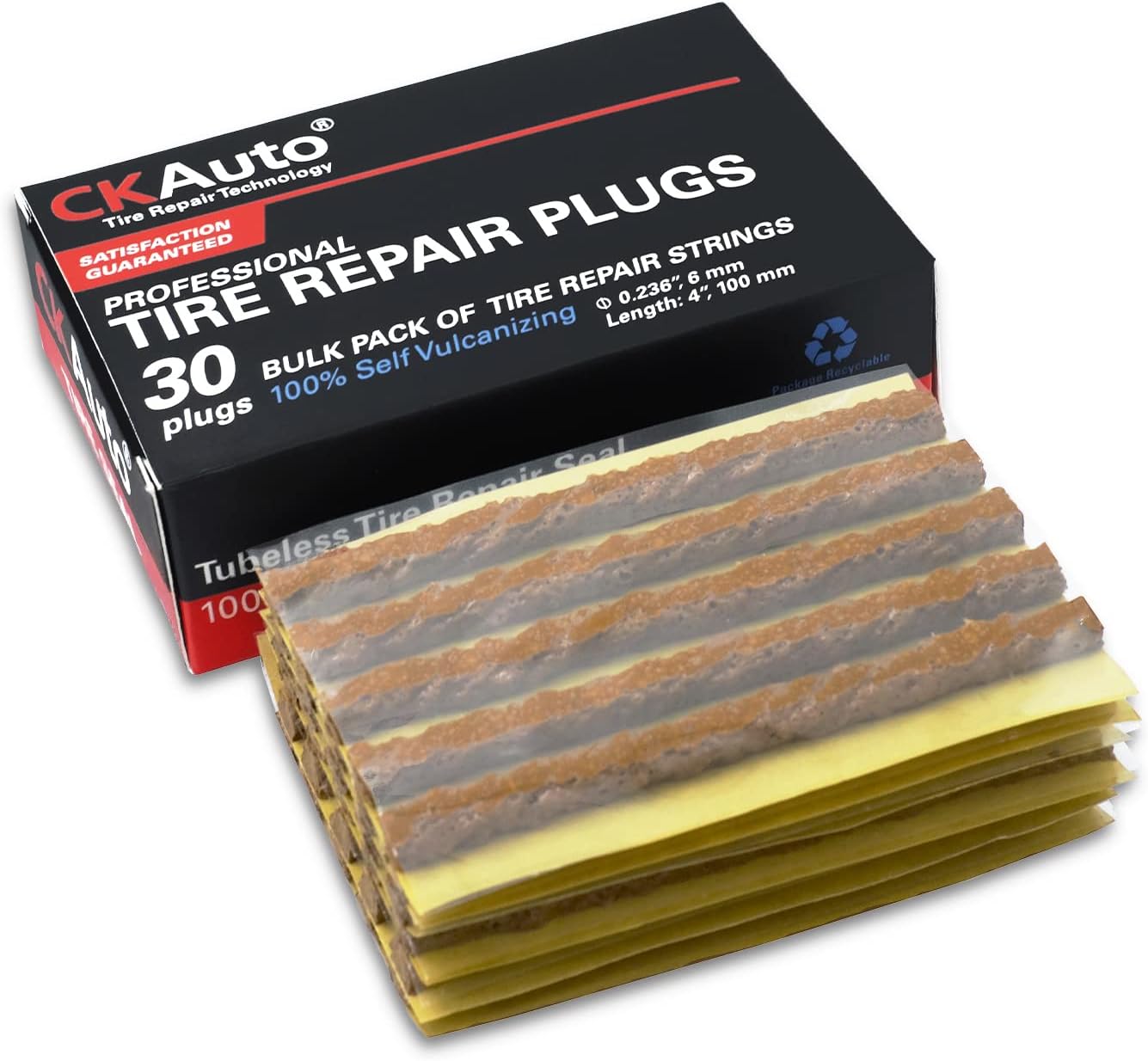
CKAuto tire repair strings provide a fast, reliable way to seal punctures in tubeless off-road tires without removing the tire from the rim. The rubber repair plugs are designed for quick roadside fixes and work across many vehicle types including cars, bikes, ATVs/UTVs, wheelbarrows, and mowers.

Mosconly tire repair glue and nail kit delivers an elastic, waterproof bond for quick sidewall puncture repairs. The adhesive cures securely to help prevent peeling, flaking, and tearing, while the included nails support a strong, seamless repair. Designed for easy roadside use, it works on car, motorcycle, bike, and other tire types, with full curing within 24 hours.
Frequently Asked Questions
Is the Sidewall Slug a permanent tire repair?
No. Treat it as an emergency off-road mobility repair that helps you reach a safe location. Replace the tire or have it professionally inspected before returning to normal service.
Can you use it on a car or highway truck tire?
Do not use it as a permanent sidewall repair on a passenger-car or light-truck road tire. Sidewall injuries fall outside the recognized tread repair area, and road tires require professional inspection and manufacturer-approved service.
What size sidewall tear can it handle?
Seller instructions describe the Slug for tears up to 1.5 inches. Size alone does not determine safety, so skip the repair if cords, bead areas, or a large section of sidewall structure are damaged.
What tools do you need to install it?
Carry a 10 mm wrench, pliers, and a portable compressor or CO2 inflation source. A pressure gauge, gloves, eye protection, and soapy water for leak checking also make the process safer and easier.
Does the kit use glue or tire sealant?
No. The design uses mechanical compression rather than chemical sealant, so there is no adhesive cure time. You still need to seat and tighten the parts correctly for the repair to hold air.
Which vehicles and machines are compatible?
The listing names ATVs, UTVs, off-road 4x4s, lawn mowers, zero-turn mowers, garden tractors, golf carts, and snow blowers. Confirm that the installed unit has clearance, the tire construction is suitable, and the damage is within the product’s intended use.
How far can you drive after installing it?
There is no universal safe distance because tire damage, load, terrain, pressure, and installation quality vary. Move only as far as needed at low speed, monitor pressure frequently, and stop if the tire or repair changes.
Why Riders Choose This Kit
You choose the Sidewall Slug for one narrow but frustrating problem: a sidewall cut on an off-road or utility tire when a standard tread plug cannot help. Its small size, mechanical seal, and lack of cure time make it a practical backup, especially when you already carry the hand tools and air supply it needs.
The Bottom Line
The Sidewall Slug SS-1 is worth carrying if you operate ATVs, UTVs, mowers, golf carts, snow equipment, or off-road 4x4s far from easy recovery. Its strongest feature is a compact, no-cure-time mechanical seal, while its biggest limitation is that it cannot make a structurally damaged tire safe or turn a sidewall injury into an approved permanent highway repair. Skip it as your only recovery plan, but consider it as a specialized addition to a complete tire kit.
Ready to Buy?
Check the latest price, seller details, and package contents before you decide.
