
Disclosure: As an Amazon Associate, we earn from qualifying purchases. If you click a link on this page and make a purchase, we may receive a small commission at no extra cost to you.
A truck tire puncture can stop a route, delay a job, or leave a service crew waiting for help. The Safety Seal Truck Deluxe Kit KTP gives you long repair material and heavy-duty hand tools in one organized case, but it is not a complete substitute for an internal tire inspection and patch. This review explains what comes in the kit, where it fits, how its tools are meant to be used, and the safety limits you need to understand before buying. Its strongest point is the truck-specific tool and repair size, while its main tradeoff is that proper commercial tire repair may require additional equipment and trained service.
Quick Verdict
Rating: 8.5/10, recommended with safety caveats
Best For: Fleet service vehicles, trained truck-tire technicians, and remote work crews that need truck-size repair supplies in a hard case
Bottom Line: The KTP is a well-equipped truck puncture kit with 30 long repairs, a 6.75-inch insertion tool, and a 4.75-inch spiral probe. Buy it for organized field readiness, but do not treat a plug-only, outside-in repair as a complete industry-standard repair for a road-going commercial tire.
Key Specifications
| Specification | Detail |
|---|---|
| Brand | Safety Seal |
| Model | KTP Truck Deluxe Kit |
| Product type | Tubeless truck tire puncture repair kit |
| Repair material | 30 self-vulcanizing rubber-fiber repairs |
| Repair length | 8 inches (20 cm) each |
| Insertion tool | 6.75-inch truck insertion tool |
| Probe | 4.75-inch spiral probe |
| Included accessories | Lube, instructions, extra needle, razor blades, hex wrench, and set screw |
| Case | Permanent hard case |
| Case dimensions | 12 × 8 × 2.5 inches |
| Listed weight | 3.7 pounds |
| Best use | Large tubeless truck tires with a straight tread-area puncture that meets the tire and repair-material maker’s limits |
Safety Seal Truck Deluxe Kit
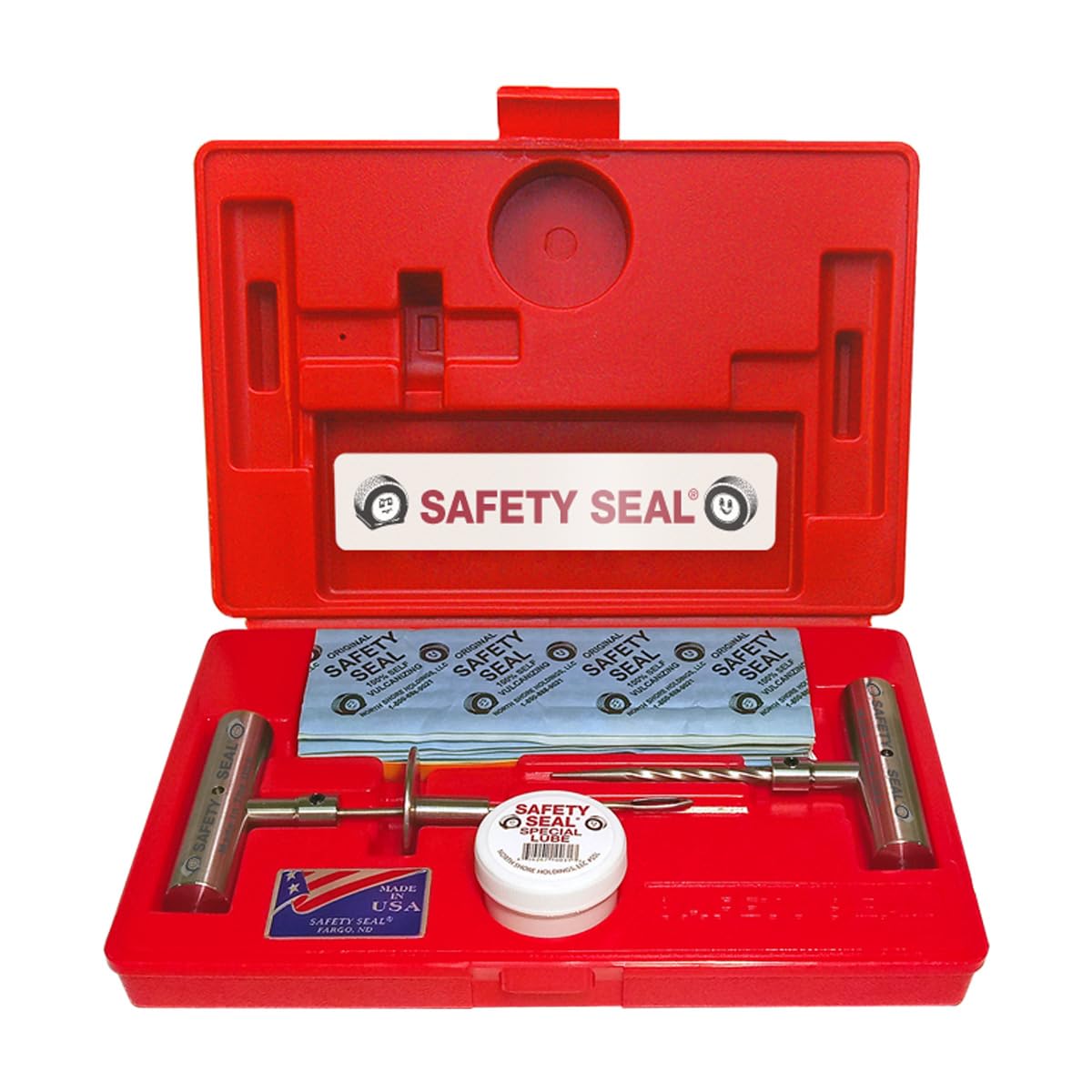
What Is the Safety Seal KTP Truck Deluxe Kit?
The KTP is Safety Seal’s hard-case kit for large tubeless truck tires. Its 30 repair strips are 8 inches long, which separates it from the brand’s Auto/LT kits that use shorter 4-inch repairs. The longer 6.75-inch insertion tool and truck-size repair material are intended to give you more reach and leverage through thick tread packages.
The kit also includes a 4.75-inch spiral probe, lube, instructions, and a small accessory pack with an extra needle, razor blades, a hex wrench, and a set screw. That makes it more complete than a refill box, but it does not include a compressor, pressure gauge, wheel-removal equipment, tire spreader, innerliner patch, or leak detector.
Before You Buy: This kit should not be used for sidewall damage, visible structural damage, a crooked puncture path, or a tire that may have been driven underinflated. Safety Seal’s instructions use a conservative 1/4-inch puncture limit, and USTMA guidance for road-going truck and bus tires calls for wheel removal, internal inspection, injury filling, and an innerliner patch rather than a plug alone.
Who Should Buy It?
Best For
- Fleet technicians who already follow a complete inspection and internal repair process
- Service trucks that need organized, truck-size puncture tools and refill material
- Remote jobsite crews that want a compact kit for controlled emergency response
Skip If
- You need a passenger-car or light-truck kit with shorter repair material
- You want a complete patch-plug repair system with internal inspection tools
- The tire has shoulder, sidewall, bead, run-flat, separation, or underinflation damage
[Products Worth Considering]

This flat tire repair kit lets you handle punctures quickly with two plug sizes for different damage, helping restore drivability on the spot. It includes T-handle insertion and spiral probe tools plus lubricant and a utility knife, all packed in a compact bag for easy carry. Universal compatibility makes it suitable for tubeless tires across cars, motorcycles, ATVs, trucks, jeeps, and more.

Get back on the road fast with this compact tire plug repair kit for tubeless tires. It includes self-vulcanizing rubber plugs, T-handle rasp and insert tools, and a storage box that fits in your glove compartment for easy access. Also included are a 4-way valve steam tool set with valve cores and caps for added roadside convenience.
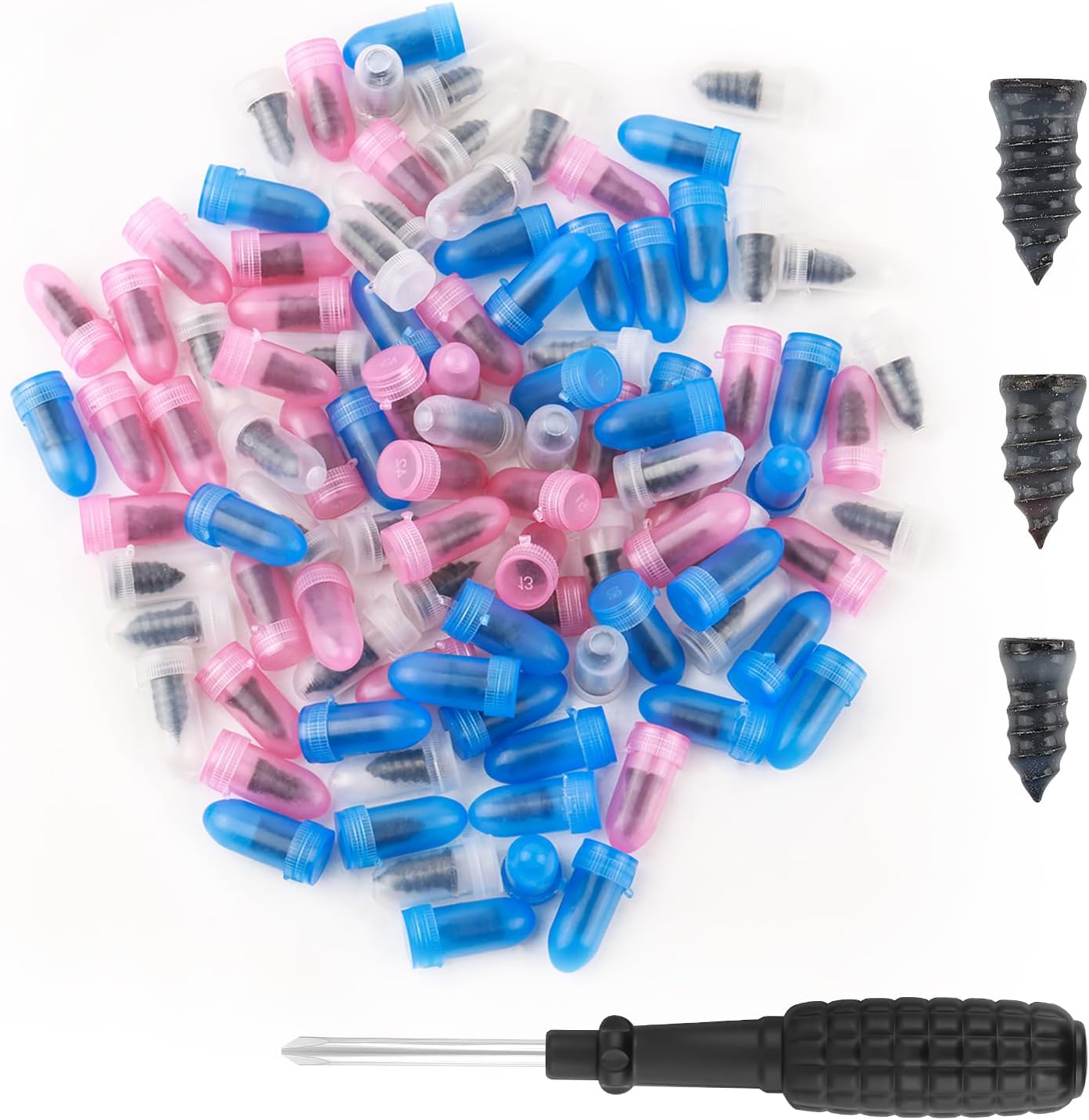
This 100-piece tire repair screw plug kit provides a fast, self-service solution for punctures on the road. Choose the correct plug size, insert it into the break, and screw it in to help seal the puncture and temporarily restore tire pressure. Thickened threads and rubber-wrapped plugs improve bite and sealing while remaining compact and easy to carry.
Build Quality and Kit Contents
The core tools are sized for truck work rather than compact automotive emergencies. The 6.75-inch insertion tool provides a longer handle path, while the spiral probe prepares a straight puncture channel without the loose, disposable handles found in many low-cost kits. An extra insertion needle and the small hardware tools make it easier to keep the main tool serviceable.
The hard case is a practical advantage for fleet use. At 12 × 8 × 2.5 inches, it can sit in a service compartment without scattering tacky repair material, blades, and hand tools. The case does not make the kit weatherproof, so store it dry, keep the repair strips in their protective paper, and replace worn or distorted tools.
Repair Material and Truck-Tire Fit
Safety Seal describes the repair material as multiple strands of synthetic yarn embedded in a vulcanized rubber compound. Each KTP strip measures 8 inches, and the manufacturer’s truck instructions say to center one full repair through the insertion needle so equal lengths sit on both sides. The original article’s suggestion to cut the strips was not supported by the verified instructions, so the safer approach is to use the material exactly as directed.
The kit is designed for large tubeless truck tires, not tube-type tires. It also should not be chosen only because a puncture looks large from the outside. A wide hole, a puncture that angles toward the shoulder, low-resistance tool insertion, or any sign of internal damage calls for professional evaluation rather than adding more repair material.
Ease of Use and Setup
The kit is mechanically simple, but heavy truck tire repair is not a beginner task. You need to locate the object and its path, assess whether the injury is repairable, use the probe without creating a new path, load the repair evenly, trim the exposed material, reinflate to the tire maker’s pressure, and check for leakage. The kit includes instructions, but safe work also requires appropriate personal protective equipment and the correct tire-service setup.
For a proper road-going commercial tire repair, USTMA guidance requires the tire to be removed from the wheel and inspected internally. The injury must be filled and the innerliner sealed with a patch. This means the KTP is best viewed as one part of a trained technician’s repair process, or as controlled field equipment that is followed by a full inspection, not as permission to repair every puncture from the outside.
Pro Tip: Before placing the kit in a service truck, add a calibrated pressure gauge, approved leak-check solution, wheel chocks, eye protection, gloves, and the tire manufacturer’s repair-policy information. The KTP supplies repair tools, but it does not supply the rest of a safe truck-tire work setup.
How It Performs in Real Use
For Fleet Service Vehicles
The hard case and 30-repair supply make the KTP easy to inventory in a fleet vehicle. The accessory pack reduces the chance that one damaged needle or missing blade makes the whole kit unusable. Fleet value is strongest when technicians track refill age, inspect the tools, and use the kit within a documented repair policy.
For Roadside or Remote Work
The kit gives a trained crew a compact way to carry truck-size repair material when mobile tire service is far away. Its limitation is equally important: a roadside environment may not allow safe wheel removal, internal inspection, or control of a high-pressure truck tire. When those conditions are missing, the safer decision is to secure the vehicle and call qualified tire service.
For Shop Backup
In a shop, the KTP works well as a stocked hand-tool and repair-material set. It does not replace the demounting equipment, inspection lighting, innerliner preparation tools, patch units, or inflation restraint equipment needed for a complete commercial repair. Buyers who already own those systems will get more value than someone starting from zero.
For Long-Term Storage
The permanent case protects the tools better than a loose bag, but the repair material still needs clean, dry storage in its protective paper. Check the lube, blades, needle, set screw, and repair strips before each trip. Refill individual consumables instead of waiting until an emergency reveals an incomplete kit.
What People Say
The original article’s buyer summary reports positive feedback about the tool strength, probe control, and usefulness on thick truck tread. Those themes fit the kit’s verified truck-specific dimensions, but they should be treated as customer opinion rather than controlled performance testing.
The sentiment chart below was supplied with the source article. Because the underlying review sample and method were not provided, use it as a directional summary, not as a verified rating or failure-rate measure.
Overall Sentiment: Positive in the source article’s dataset

Pros and Cons
Pros
- Includes 30 truck-size 8-inch repair strips
- Long 6.75-inch insertion tool suits thicker truck tread packages
- Hard case keeps tools, blades, lube, and repair material organized
- Accessory pack includes an extra needle and service hardware
- Individual repair refills are available from the manufacturer
Cons
- Does not include the innerliner patch equipment needed for a complete industry-standard truck-tire repair
- Not suitable for sidewall, shoulder, bead, structural, or underinflation damage
- Requires training, added safety equipment, and a separate inflation source
Is It Worth the Price?
The KTP sits in a professional-use value tier rather than the cheapest roadside-kit category. You are paying for truck-length repair material, full-size hand tools, a replaceable needle, service hardware, and a permanent case. That combination offers strong value for a fleet or mobile technician who will inspect the kit regularly and use refills over time.
It is less compelling for an occasional driver who lacks truck-tire training or the equipment needed for a complete inspection and internal repair. A low purchase price cannot offset the risk of using the wrong repair method, so judge value by how well the kit fits your service process, not by the number of strips alone.
[Products Worth Considering]
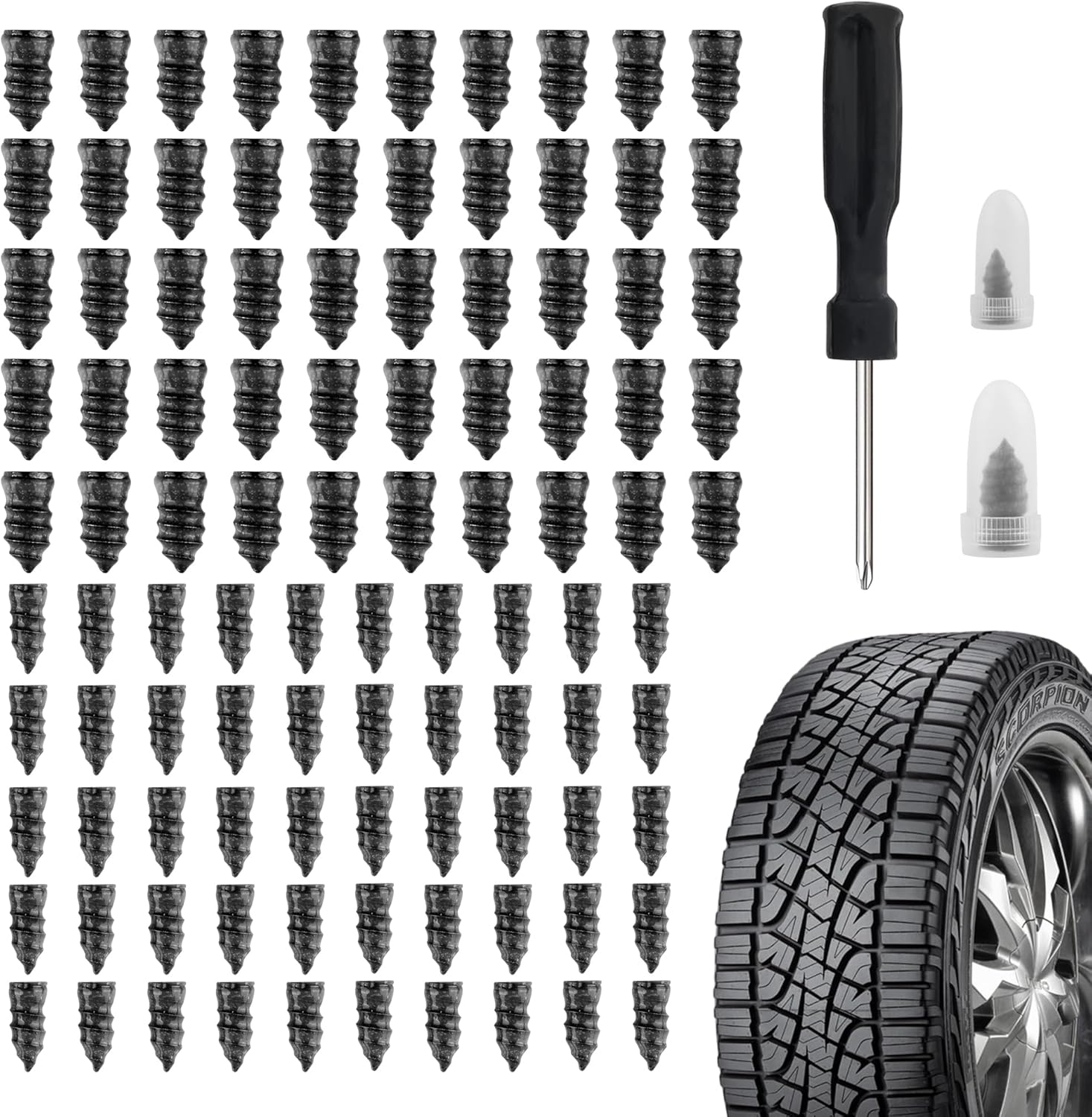
Salior’s tire plug kit provides a fast, reliable self-service fix for punctured or leaking tires without the need for flaring tools. Choose the correct plug size, then screw the nail into the puncture using the included screwdriver for an enhanced seal. The set is durable and convenient for on-the-go maintenance across multiple vehicle types.

AUTOWN’s 68-piece tire repair kit helps you fix punctures and plug flats quickly and effectively. It includes a T-handle and spiral probe tool for easy insertion, while the steel patch and plug materials are designed for strong adhesion and long-lasting airtight performance. The compact case makes it convenient for roadside repairs across a wide range of vehicles.
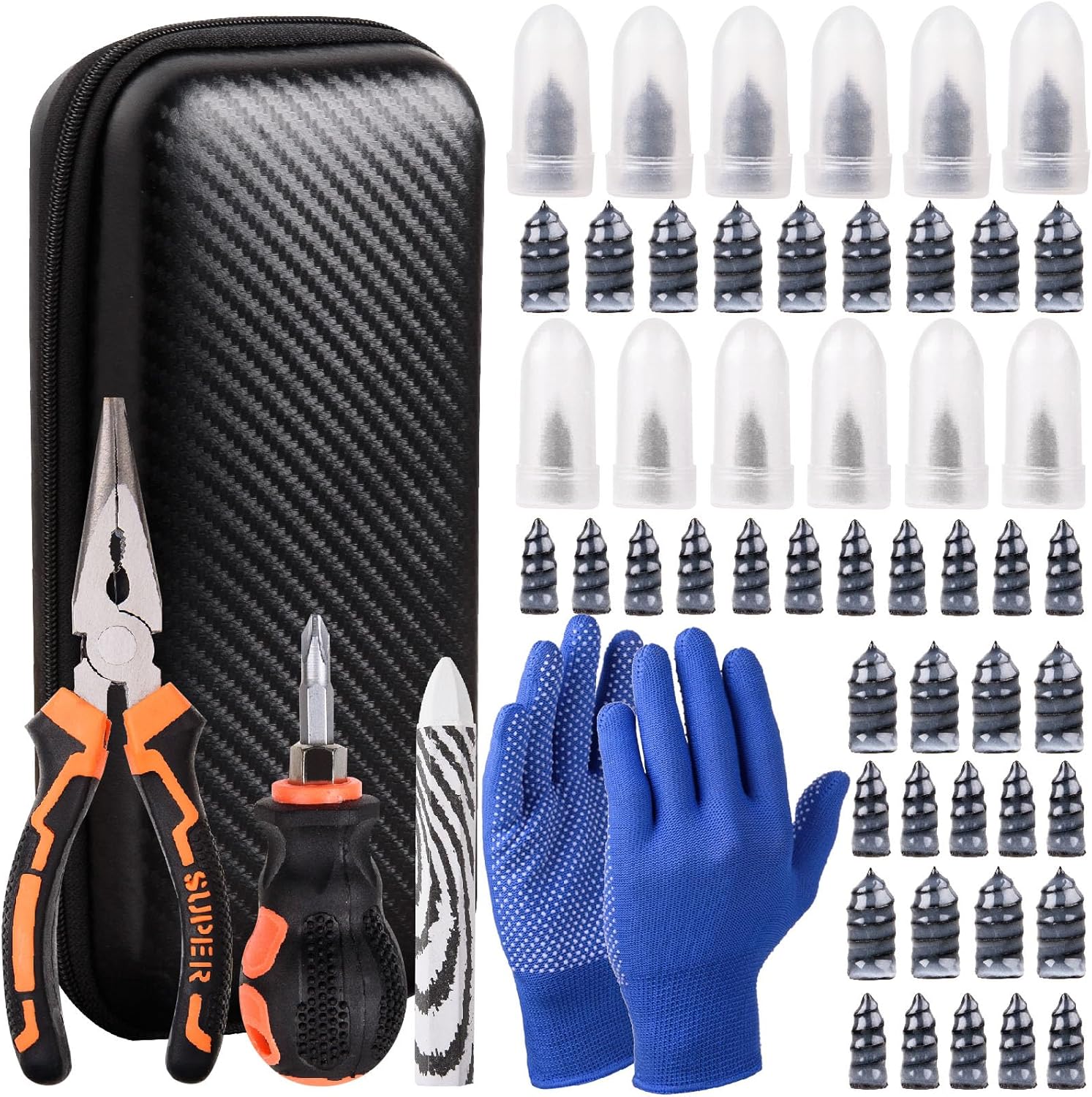
This tire sidewall puncture repair kit fixes flats fast without removing the tire, helping you get back on the road in minutes. It includes self-tapping repair nails, essential tools, gloves, and a portable storage bag for convenient roadside use. Designed for tubeless tires, it helps create a tight, leak-resistant seal for cars, motorcycles, trucks, SUVs, and ATVs.
How It Compares to Alternatives
Safety Seal’s KAP30 Auto/LT Deluxe Kit uses 30 shorter 4-inch repairs and a 5-inch insertion tool, so it is the better match for passenger and light-truck service. The KTB Truck Deluxe Bag carries the same 30 8-inch repairs and tool sizes as the KTP but uses a soft fabric case, which may suit a crew that values lower bulk over hard-case protection.
For off-road heavy equipment with much thicker tread, Safety Seal’s KHE kit moves to 16-inch repairs and a 7-inch probe. The KTP makes the most sense in the middle, where you need truck-specific material and a rigid case without stepping up to an off-road heavy-equipment kit.
[Products Worth Considering]

This tire repair kit provides fast emergency puncture repair without removing the tire from the rim, helping you get back on the road quickly. Its screw plug system is designed for punctures in both tread and sidewall and includes a complete patch plug tool set with essential accessories. A portable storage bag makes it easy to carry for cars, trucks, SUVs, motorcycles, and heavy-duty applications.

This compact capsule-style tire repair kit helps you quickly fix punctures and plug flats with minimal effort. The rugged stainless steel shell protects the contents for reliable roadside use, while the simple plug assembly makes repairs fast and tool-free. Suitable for motorcycles, cars, ATVs, UTVs, and even mountain bikes.

This ETENWOLF tire plug repair kit helps you quickly fix punctures for reliable rides. It includes two plug sizes to match different damage widths, plus essential tools and lubricant for a smoother repair process. Designed for tubeless tires, it’s a convenient on-the-go solution for cars, motorcycles, ATVs, trucks, jeeps, and tractors.
Why Customers Choose
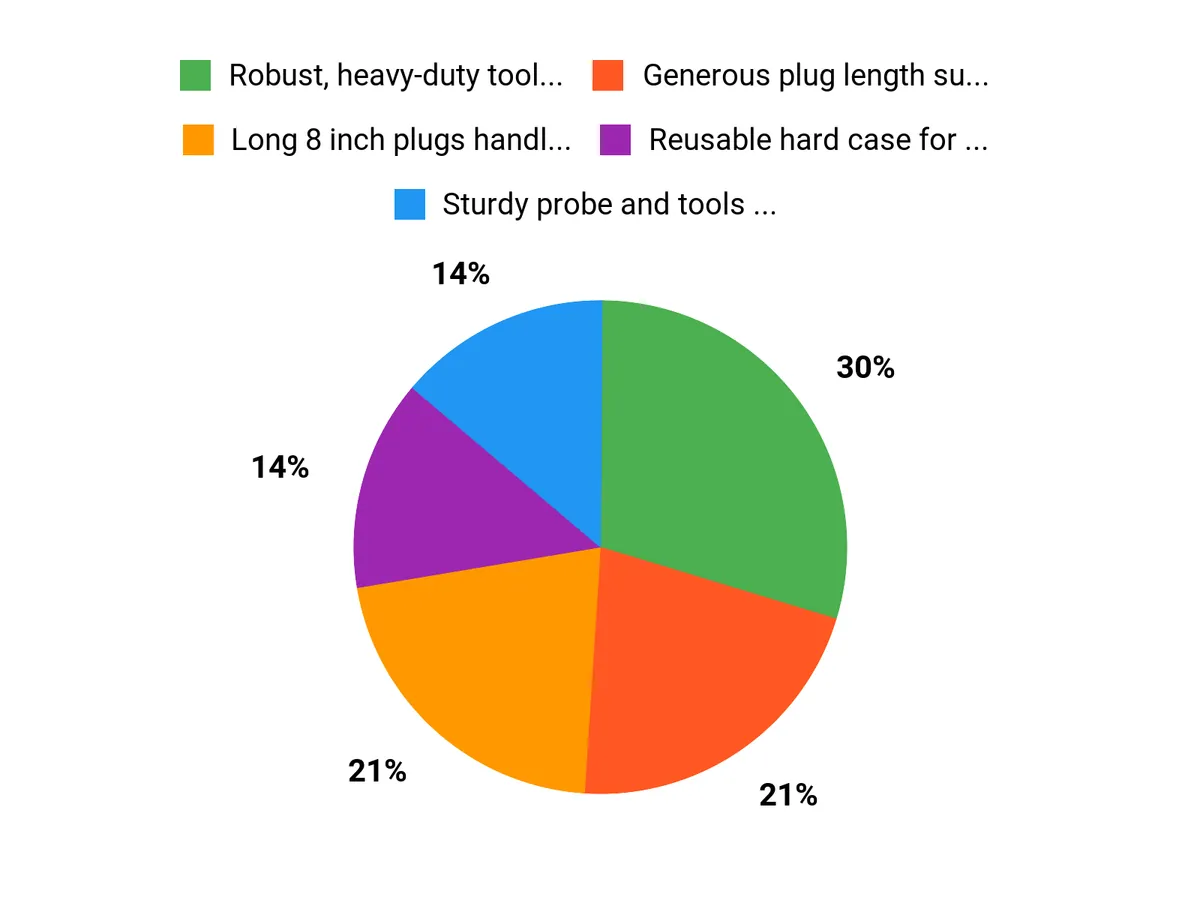
The KTP’s clearest buying reasons are its truck-specific 8-inch repairs, longer insertion tool, permanent case, and replaceable accessory parts. These features make it easier to keep a fleet or service vehicle prepared than buying loose tools and repair material separately.
The chart below came with the original article and summarizes its stated buyer priorities. Treat it as editorial visualization rather than independent product testing.
Frequently Asked Questions
Is the Safety Seal KTP made for commercial truck tires?
Yes. Safety Seal identifies the KTP as its Truck Deluxe Kit for large tubeless truck tires. It uses 8-inch repair material, a 6.75-inch insertion tool, and a 4.75-inch spiral probe.
Can this kit repair a sidewall puncture?
No. The manufacturer’s instructions specifically rule out sidewall punctures and structural damage. Shoulder, bead, separation, cracking, bubbling, or underinflation damage also needs professional evaluation.
Is a Safety Seal strip alone a complete permanent truck-tire repair?
Do not assume that it is. USTMA guidance for road-going truck and bus tires calls for wheel removal, a complete internal inspection, filling the injury, and sealing the innerliner with a patch. Follow the tire maker’s repair policy and use a trained tire professional.
What puncture size can the KTP handle?
Safety Seal’s truck instructions say not to attempt a repair when the puncture is greater than 1/4 inch in diameter. Location, puncture angle, internal damage, tire construction, load range, and the tire manufacturer’s policy can make a smaller injury nonrepairable.
Can you cut the 8-inch repair strips in half?
The verified truck instructions describe using one full 8-inch repair centered through the insertion needle. They do not instruct you to cut the material, so use each repair as supplied and follow the current manufacturer directions.
What else do you need besides this kit?
At minimum, a safe service setup may require wheel chocks, eye and hand protection, a calibrated pressure gauge, an inflation source, leak-check solution, and the equipment needed to remove and inspect the tire. A complete repair also needs approved innerliner preparation and patch materials.
How should you store the kit?
Keep the case closed in a clean, dry compartment and leave the repair material in its protective paper until use. Inspect the probe, insertion needle, lube, blades, set screw, and repair supply before long trips or scheduled fleet service.
The Bottom Line
The Safety Seal KTP is a sensible buy for trained fleet and truck-tire service users who need 30 truck-length repairs, sturdy hand tools, and a protective hard case. Skip it if you need a beginner kit, a passenger-tire setup, or a complete internal patch system. Its main strength is organized truck-specific hardware, while its main limitation is that safe, industry-standard commercial tire repair requires more inspection, equipment, and training than this case provides.
Ready to Buy?
Check the latest price, seller details, and included components before you decide.
Verification Sources
- Safety Seal KTP product specifications
- Safety Seal truck repair instructions
- U.S. Tire Manufacturers Association repair guidance