Disclosure: As an Amazon Associate, we earn from qualifying purchases. If you click a link on this page and make a purchase, we may receive a small commission at no extra cost to you.
A low tire warning often appears when you have little time to find a gas-station air pump. The RYOBI RPI18-0 gives you a cordless way to check and restore pressure with a digital gauge, preset controls, and automatic shut-off. It is especially convenient when you already own an 18V ONE+ battery. This review explains its confirmed specifications, daily performance, and the limits you should understand before buying.
Quick Verdict
Rating: 8.5/10, recommended with caveats
Best For: RYOBI ONE+ owners who need fast car-tire top-ups, bike inflation, and sports-ball inflation.
Bottom Line: The RPI18-0 combines 160 PSI maximum pressure, 16 L/min airflow, and hands-free auto shut-off in a compact tool. Its main tradeoffs are the tool-only package and limited usefulness for high-volume inflatables or heavy-duty shop work.
| Specification | Detail |
|---|---|
| Brand | RYOBI |
| Model | RPI18-0 |
| Product Type | Cordless high-pressure inflator |
| Power Platform | 18V RYOBI ONE+ |
| Maximum Pressure | 11 bar / 160 PSI |
| Maximum Airflow | 16 L/min |
| Hose Length | 60 cm |
| Controls | Digital pressure readout, pressure preset, and automatic shut-off |
| Included Accessories | Sports-ball needle, Presta valve adapter, and tapered high-pressure nozzle |
| Accessory Storage | Onboard storage |
| Package Note | Bare tool, battery and charger are not included |
| Best Uses | Car and bike tires, sports balls, and other compatible high-pressure items |
TL;DR
|
Feature |
Verdict |
|---|---|
|
Ease of Use |
Excellent. Set the target pressure on the digital controls, start the pump, and let automatic shut-off stop the tool. |
|
Portability |
Very good. The cordless body, 60 cm hose, and onboard accessory storage make it easy to keep in a garage or vehicle. |
|
Performance |
Strong for routine top-ups. RYOBI rates it at 160 PSI and 16 L/min, with a stated 42-second inflation time to 32 PSI under its test conditions. |
|
Overall Value |
Best for existing ONE+ owners. New buyers must budget for a compatible battery and charger. |
Ryobi RPI18-0 Inflator

18V ONE+ high-pressure inflator with a 160 PSI maximum, digital pressure controls, automatic shut-off, a 60 cm hose, and onboard storage for three included adapters. Battery and charger are sold separately.
View Product on Amazon →What Is the RYOBI RPI18-0?
The RPI18-0 is a compact, battery-powered high-pressure inflator in the RYOBI 18V ONE+ system. It is designed for jobs that need pressure rather than large volumes of air, including car tires, bike tires, sports balls, and compatible small inflatables.
You select a target pressure on the digital controls, connect the hose, and start the tool. The inflator stops automatically when it reaches the preset level. This hands-free setup reduces guesswork and helps you avoid repeatedly stopping to check a separate gauge.
Before You Buy: The RPI18-0 is sold as a bare tool, so the package does not include an 18V ONE+ battery or charger. It is also a high-pressure inflator, not a high-volume pump for quickly filling air mattresses, pools, or large recreational inflatables.
Who Should Buy It?
Best For
- Drivers who want a cordless inflator for routine tire-pressure checks and top-ups.
- Existing RYOBI ONE+ owners who already have compatible batteries and a charger.
- Cyclists and families who need one tool for tires, sports balls, and Presta valves.
Skip If
- You need a battery and charger included in the box.
- You regularly fill large truck, RV, or commercial tires from very low pressure.
- You mainly need fast high-volume inflation or deflation for beds, pools, and large toys.
Feature-by-Feature Review
[Products Worth Considering]

This portable cordless tire inflator delivers rapid inflation up to 150 PSI with a built-in pressure gauge for accurate readings. It offers multiple preset modes for car, bike, motorcycle, and ball inflation, plus an LED light system for visibility in dark conditions. The auto shut-off helps stop pumping when your preset pressure is reached, and it supports several pressure units for convenience.

Keep your Milwaukee M18 inflator 2848-20 and accessories protected with a custom-fit, foam-insert hard case. The weatherproof IP67 design helps guard against water, dust, and debris for jobsite durability and safer storage. Includes organized space for the inflator, multiple batteries, charger, and essential tools for quick roadside readiness.

The Powools cordless tire inflator delivers fast inflation up to 150 PSI with a built-in digital display and auto shut-off to prevent over-inflation. Powered by rechargeable batteries, it works without an external power source and includes multiple preset modes plus a custom mode for different inflatables. A set of interchangeable nozzles and a multi-mode LED light (lighting, alarm, SOS) make it useful for cars, motorcycles, bicycles, and sports balls.
Digital Controls and Automatic Shut-Off
The digital pressure readout is the RPI18-0’s most useful convenience feature. You can choose a target pressure and let the inflator stop on its own. That is easier than holding a trigger while watching an analog dial, especially when you are checking several tires.
The automatic stop is still not a reason to ignore the item you are inflating. Confirm the correct pressure first, make sure the connector is secure, and check the final result before driving or riding.
Inflation Speed and Pressure
RYOBI rates the inflator at up to 11 bar, or 160 PSI, with airflow up to 16 L/min. The manufacturer also states that it can inflate a car tire to 32 PSI in 42 seconds under its test conditions. Real time will vary with tire size, starting pressure, temperature, hose connection, and battery charge.
Those figures make the RPI18-0 well suited to normal passenger-car top-ups and bike tires. It is less suitable as a replacement for a workshop compressor when a large tire is almost empty or when you need repeated heavy-duty inflation.
Hose Reach and Included Adapters
The 60 cm hose gives you enough reach to place the inflator on the ground beside most passenger-car and bike wheels. RYOBI includes a sports-ball needle, a Presta valve adapter, and a tapered high-pressure nozzle. Each accessory has onboard storage, which reduces the chance of leaving a small adapter behind.
The supplied accessories cover common household tasks, but they do not turn the tool into a high-volume blower. Check the valve type and pressure limit of each item before use.
Battery Runtime and ONE+ Compatibility
The tool accepts RYOBI 18V ONE+ batteries. RYOBI estimates that a 2.0Ah battery can top up about 19 car tires from 25 to 32 PSI, while a 5.0Ah battery can handle about 47 under the same test method. Your results will depend on battery condition, temperature, tire volume, and starting pressure.
A smaller battery keeps the package lighter for occasional roadside use. A larger pack makes more sense when you maintain several vehicles, bikes, or equipment tires in one session.
Portability and Storage
The cordless design removes the need to reach a 12V socket or route a power cable through an open door. You can carry it from vehicle to vehicle, use it beside a bike rack, or keep it with your ONE+ tools in the garage.
For vehicle storage, protect the battery and tool from extreme heat, water, and loose cargo. Check the battery charge periodically so the inflator is ready when a warning light appears.
How It Performs in Real Use
Routine Car-Tire Top-Ups
This is the strongest use case. Set the pressure listed on your vehicle’s tire placard, attach the hose, and let the tool stop automatically. The preset system makes it practical to move around all four tires without constantly checking a handheld gauge.
Bike Tires and Sports Equipment
The Presta adapter supports many road and mountain bike valves, while the ball needle handles common sports balls. The 160 PSI ceiling gives the inflator enough pressure range for high-pressure bike applications, but you should always follow the tire or equipment maker’s limit.
Roadside Backup
The RPI18-0 can restore pressure after a slow leak or temperature-related pressure drop. It cannot repair a puncture, damaged sidewall, failed valve, or wheel problem. Treat it as an inflation tool, not a substitute for a spare tire, repair kit, or roadside assistance.
Multi-Vehicle Maintenance
ONE+ owners can use a larger battery to check several cars, bikes, trailers, or lawn-equipment tires in one session. The onboard adapters help when you switch between valve types, and the cordless layout reduces setup time.
Setup Tips and Common Mistakes
- Check the recommended cold-tire pressure on the driver’s-door placard or owner’s manual before setting the inflator.
- Do not use the maximum PSI printed on a tire’s sidewall as the normal target pressure for your vehicle.
- Seat the hose connector fully to reduce air loss and inaccurate readings.
- Inflate tires when they are cold when possible, because driving raises tire temperature and pressure.
- Stop and inspect the tire if it loses pressure again quickly. Repeated inflation does not fix a leak.
- Return each adapter to its onboard storage position after use.
Pro Tip: Keep a charged ONE+ battery with the inflator and check it at the start of each season. A cordless pump is only useful on the roadside when the battery is ready.
Compatibility and Safety
The RPI18-0 works with batteries from the 18V RYOBI ONE+ platform. It is intended for compatible high-pressure inflation jobs, including tires and sports equipment. Use the supplied adapter that matches the valve, and never exceed the maximum pressure marked on the item.
Inspect the hose, connector, tire, valve, and accessory before use. Do not leave the inflator running unattended, and keep your hands and face clear of damaged or overinflated items. For tire damage, persistent leaks, unusual bulges, or wheel problems, stop using the tire and seek professional service.
What People Say
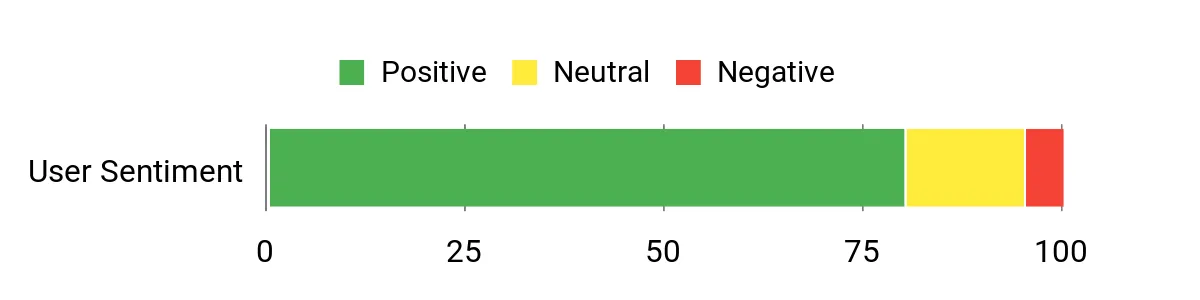
Buyer feedback commonly highlights the simple preset controls, automatic shut-off, and compact ONE+ design. The onboard adapter storage also helps owners keep the small tips organized between uses.
The most relevant limitation is the tool-only package. Buyers who do not already own a ONE+ battery must add that cost, and users with large or heavily deflated tires may prefer a heavier-duty inflator.
Overall Sentiment: Positive
Pros and Cons
Pros
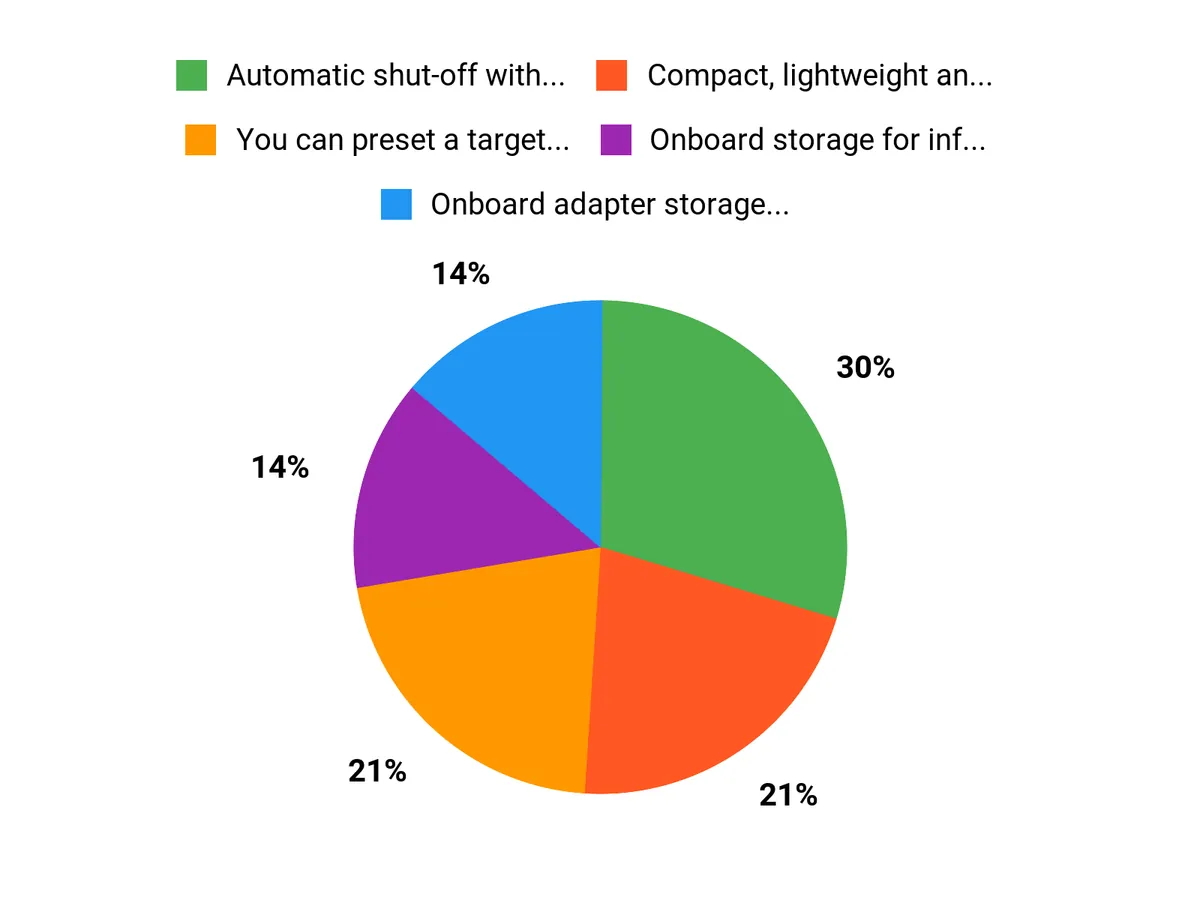
- Preset pressure and automatic shut-off support hands-free inflation.
- 160 PSI maximum and 16 L/min airflow cover common tire and sports-equipment tasks.
- 60 cm hose provides practical reach around passenger-car and bike wheels.
- Three included adapters have dedicated onboard storage.
- Works with existing 18V RYOBI ONE+ batteries.
Cons
- Battery and charger are not included.
- High-pressure design is not ideal for fast high-volume inflation.
- Large or nearly empty tires can take longer than routine top-ups.
Why People Choose It
The RPI18-0 removes several small frustrations from tire maintenance. You do not need a wall outlet or 12V cable, the digital controls let you choose a target, and automatic shut-off handles the final step. It makes the most sense when you already use the ONE+ platform and want one compact inflator for cars, bikes, and sports gear.
Is It Worth the Price?
The RPI18-0 offers strong value for existing ONE+ owners because the same battery can power this inflator and other compatible tools. Its 160 PSI rating, automatic shut-off, digital display, and included valve accessories give it a better feature set than a basic manual inflator.
Value is less clear for a first-time RYOBI buyer because the bare-tool package requires a separate battery and charger. It is worth considering when you want cordless convenience and repeatable tire top-ups, but not when your main need is high-volume inflation or commercial-duty use.
[Products Worth Considering]
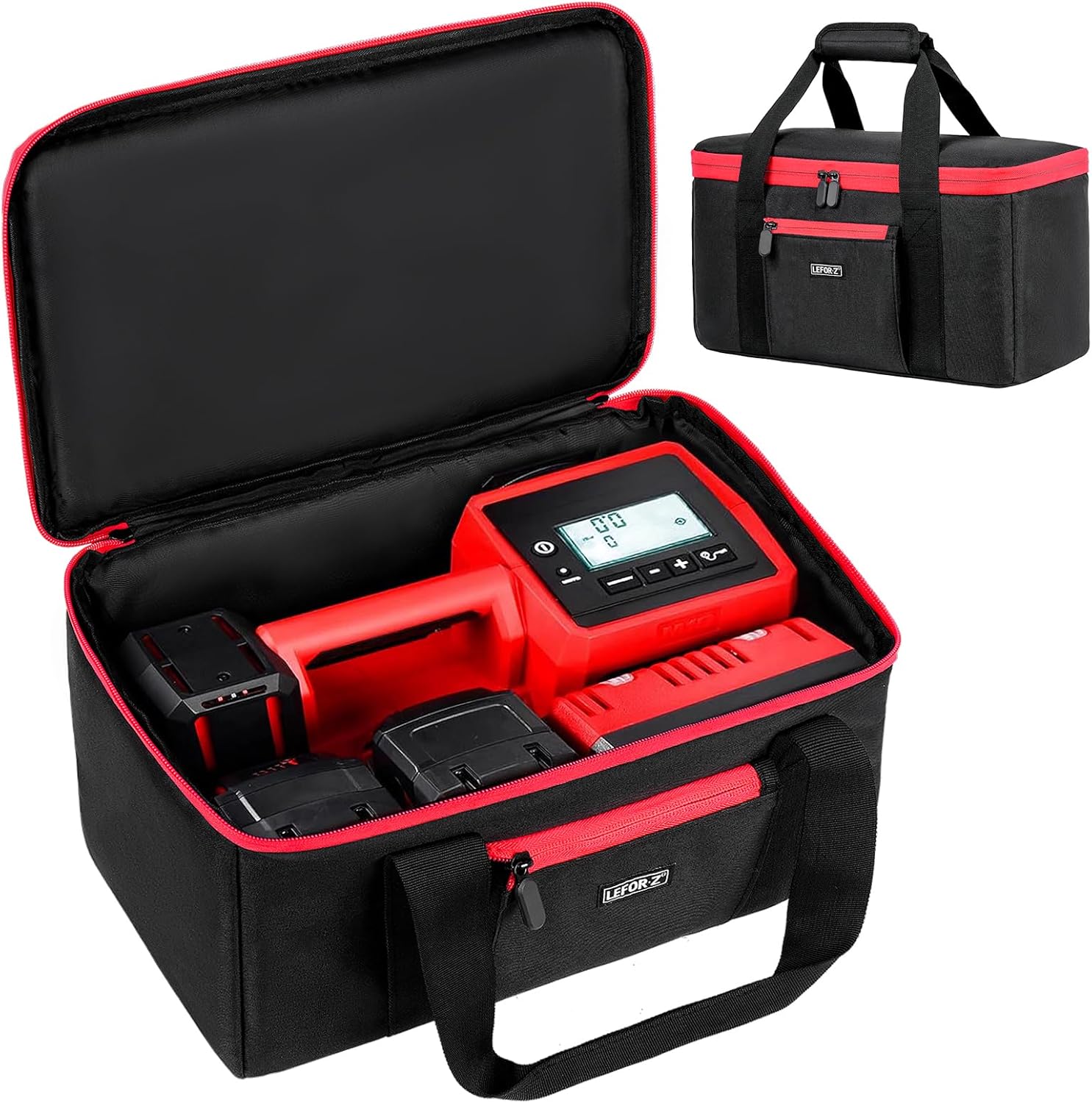
Keep your Milwaukee M18 inflator and accessories protected with this custom-fit air compressor bag. It features thick padded lining, multiple compartments for battery and charger, and a front pocket for compatible M18 tools. The durable, water-resistant design and dual zipper provide quick access and dependable everyday storage in a home or car.

The Fanttik X10 Pro is a cordless portable tire inflator that reaches up to 150 PSI and can inflate an R15 tire in about 35 seconds for quick roadside or home top-ups. With AccuInFlate auto-stop and smart start/stop controls, it helps maintain accurate pressure and frees your hands once the target is reached. A high-visibility digital display and preset modes make it easy to set and monitor inflation for cars, motorcycles, bikes, and balls.
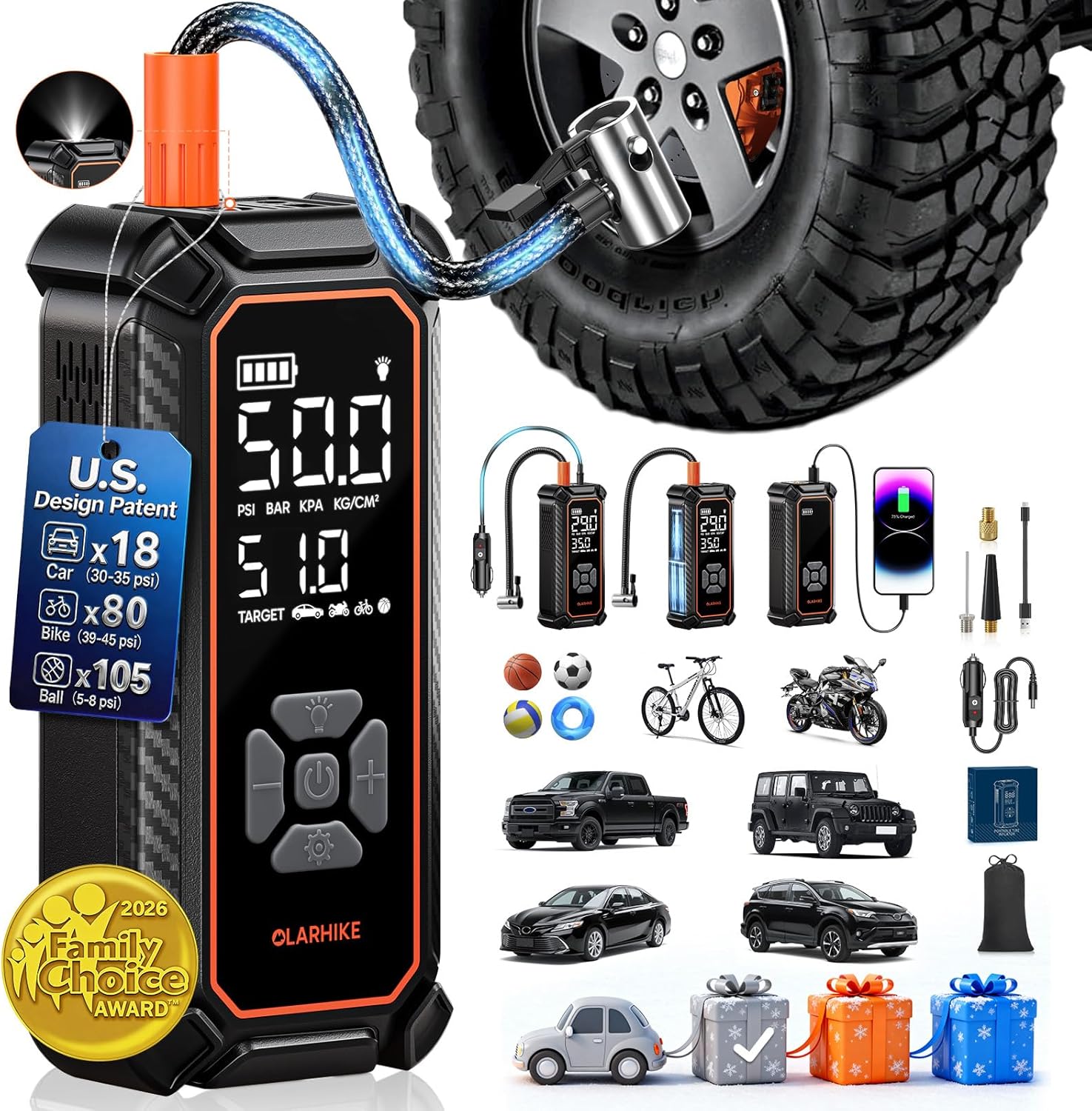
OlarHike’s portable tire inflator delivers fast, precise inflation with a dual LED display and auto shut-off at your preset PSI to help prevent over-inflation. It supports dual power with a built-in 6000mAh battery for cordless use and a 12V DC option via car cigarette-lighter power. Designed for cars, SUVs (up to 51 PSI), motorcycles, bikes, and sports balls, it includes preset modes, multi-unit switching, and an LED flashlight for roadside visibility.
How It Compares to Alternatives
The older RYOBI R18PI-0 is a simpler high-pressure option with a lower 150 PSI rating and a more basic control layout. The RYOBI RMI18-0 Multi Inflator is a better match when you need both high-pressure tire inflation and high-volume inflation or deflation for airbeds and pools.
The Milwaukee M18 Inflator is larger and aimed more toward frequent, demanding tire work, but it uses a different battery platform and usually requires a higher investment. The RPI18-0 makes the most sense when compact size, automatic shut-off, and ONE+ compatibility matter most.
[Products Worth Considering]

AstroAI AIRUN H is a compact 12V tire inflator designed for fast, convenient inflation with an easy-to-read digital pressure gauge. Set your target pressure with programmable controls and let the auto shut-off turn off the pump when the preset is reached. It also includes a backlit screen and LED flashlight for nighttime use, with a ToughUltra durability design for longer service life.

The Airmoto portable tire inflator quickly and accurately fills car, truck, SUV, motorcycle, and bicycle tires up to 120 PSI with auto shut-off when your target pressure is reached. Its large LCD, multi-unit pressure display, and digital gauge make it easy to dial in settings and verify readings, while the built-in LED flashlight helps in low light. The included polyurethane hard carrying case and storage mesh pocket keep the inflator and accessories protected and organized.

This portable cordless air pump inflates car, motorcycle, bike, and ball tires with up to 150 PSI and real-time LCD pressure monitoring. It features a built-in rechargeable battery, four unit modes (PSI/KPA/BAR/KG/CM²), and an auto shut-off to prevent over-inflation. An LED light and USB-C/USB-A ports make it useful for nighttime emergencies and charging devices.
Frequently Asked Questions
Will the RPI18-0 work with my RYOBI batteries?
Yes. It works with batteries in the 18V RYOBI ONE+ platform. The inflator is sold as a bare tool, so confirm that you already have a compatible charged battery and charger.
What is the maximum pressure?
RYOBI rates the RPI18-0 at up to 11 bar, or 160 PSI. Always use the recommended pressure for the tire or equipment instead of automatically selecting the tool’s maximum setting.
How quickly does it inflate a car tire?
RYOBI states that the tool can inflate a car tire to 32 PSI in 42 seconds under its test conditions. Actual speed changes with tire size, starting pressure, temperature, connection quality, and battery charge.
Does it stop automatically?
Yes. You can preset the target pressure, and the inflator stops when it reaches that setting. Check the final pressure and disconnect the hose carefully after inflation.
What accessories are included?
The tool includes a sports-ball needle, a Presta valve adapter, and a tapered high-pressure nozzle. All three accessories store on the inflator body.
Can it inflate air mattresses and pools?
It can work with some compatible small items, but it is primarily a high-pressure inflator. For large air mattresses, pools, and beach inflatables, a high-volume or dual-function pump such as the RYOBI RMI18-0 is a better choice.
Can it repair a flat tire?
No. The RPI18-0 only adds air. A puncture, damaged sidewall, leaking valve, or bent wheel still requires proper repair, replacement, or roadside assistance.
Who should skip this inflator?
Skip it when you need a complete kit with battery and charger, frequent commercial use, or fast inflation of large-volume items. It is better suited to household and automotive maintenance within the ONE+ system.
The Bottom Line
The RYOBI RPI18-0 is a strong choice for ONE+ owners who want fast, controlled tire top-ups without a power cord. Buy it for its 160 PSI capability, digital preset, automatic shut-off, and stored adapters, but skip it when you need a battery included, high-volume airflow, or heavy-duty shop performance.
Ready to Buy?
Check the latest price, seller details, and package contents before you decide.