
Disclosure: As an Amazon Associate, we earn from qualifying purchases. If you click a link on this page and make a purchase, we may receive a small commission at no extra cost to you.
A nail or screw in a tubeless tire can leave you choosing between a tow, a spare-tire change, or a roadside repair. The Richcat Tubeless Tire Puncture Repair Kit is a compact mushroom-plug system designed to seal small tread punctures without removing the tire from the wheel. Its 20-plug supply, handheld tool, reamer, instructions, and storage case make it practical for a glove box, motorcycle luggage, or workshop shelf. The main tradeoff is important: it can restore air pressure in an emergency, but it does not replace a professional internal inspection and combination patch-plug repair for road tires.
Quick Verdict
Rating: 8/10, recommended with safety caveats
Best For: Drivers and riders who want a compact emergency kit for small punctures in tubeless tire tread
Bottom Line: The mushroom-plug design is easier to manage than many sticky rope plugs, and the 20-plug kit is useful across several vehicles. You should still treat an on-wheel plug as an emergency measure and arrange a professional tire inspection as soon as practical.
Key Specifications
| Specification | Detail |
|---|---|
| Brand | Richcat |
| Model / part number | B043-Red 20Plugs Kit |
| ASIN | B0G524YMDS |
| Item weight | 1.32 pounds |
| Package dimensions | 8.43 x 7.68 x 2.13 inches |
| Product type | Tubeless tire puncture repair kit |
| Repair design | Mushroom-style rubber plugs inserted from outside the tire |
| Plug quantity | 20 mushroom plugs |
| Included items | Mini insertion tool, reaming tool, plugs, instructions, and plastic storage case |
| Claimed compatibility | Tubeless tires on cars, motorcycles, trucks, ATVs, and tractors |
| Best use | Small, straight punctures in the central tread area |
| Not suitable for | Tube-type tires, sidewall or shoulder damage, large holes, cuts, bulges, or tires driven while flat |
| Additional equipment needed | A suitable inflator and an accurate tire-pressure gauge |
What Is the Richcat Tubeless Tire Puncture Repair Kit?
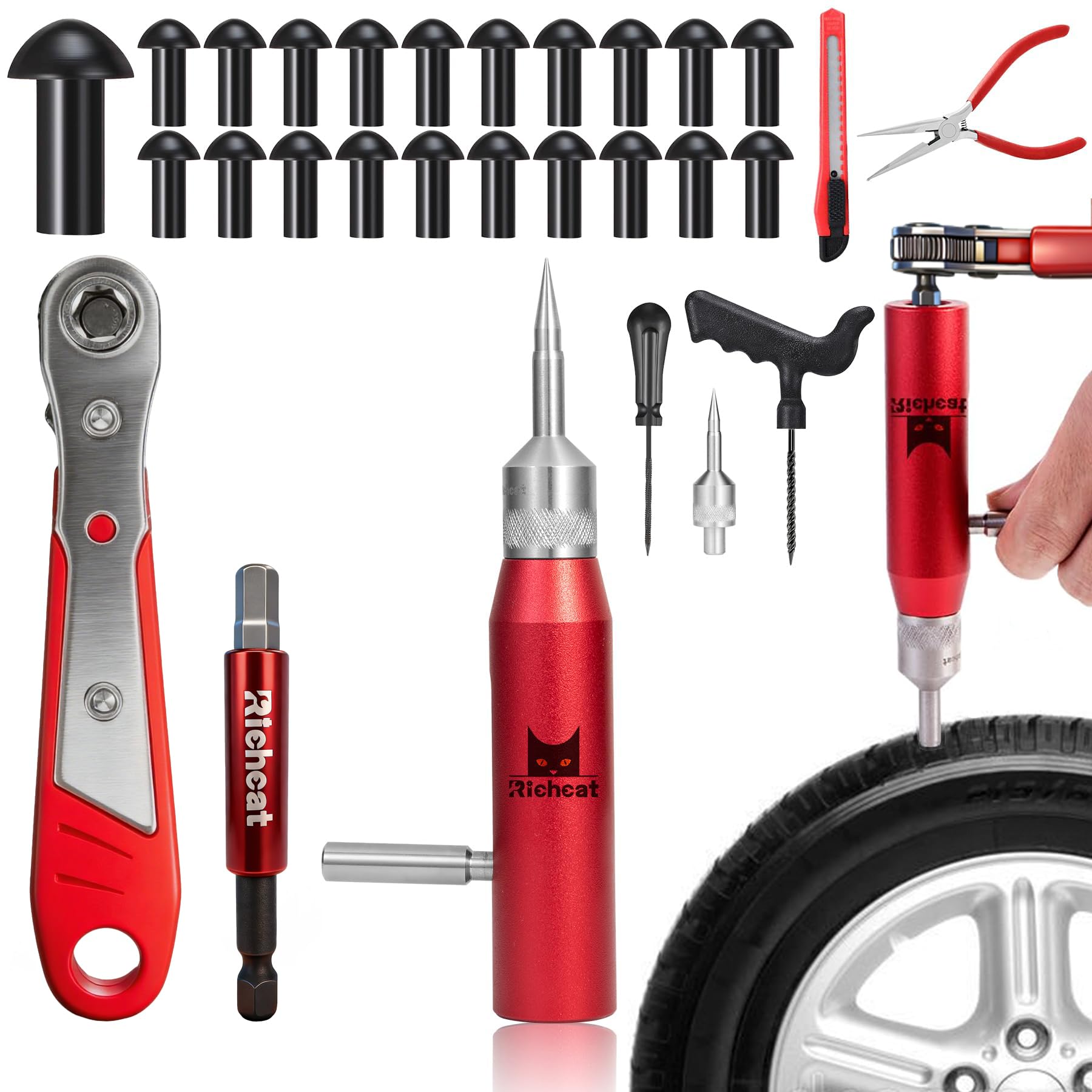
The Richcat kit is an on-wheel puncture-sealing tool for tubeless tires. Instead of pushing a sticky rope strip into the injury, you load a mushroom-shaped plug into the compact insertion tool. The plug head is intended to sit against the tire’s inner liner while the stem fills the puncture path.
The package contains 20 plugs, so you have enough material for practice and multiple emergency repairs. The plastic case keeps the small parts together, but the kit is not a complete flat-tire system by itself. You still need an inflator to restore pressure and a gauge to match the pressure shown on your vehicle’s tire-information placard or the equipment manufacturer’s guidance.
What Buyers Say
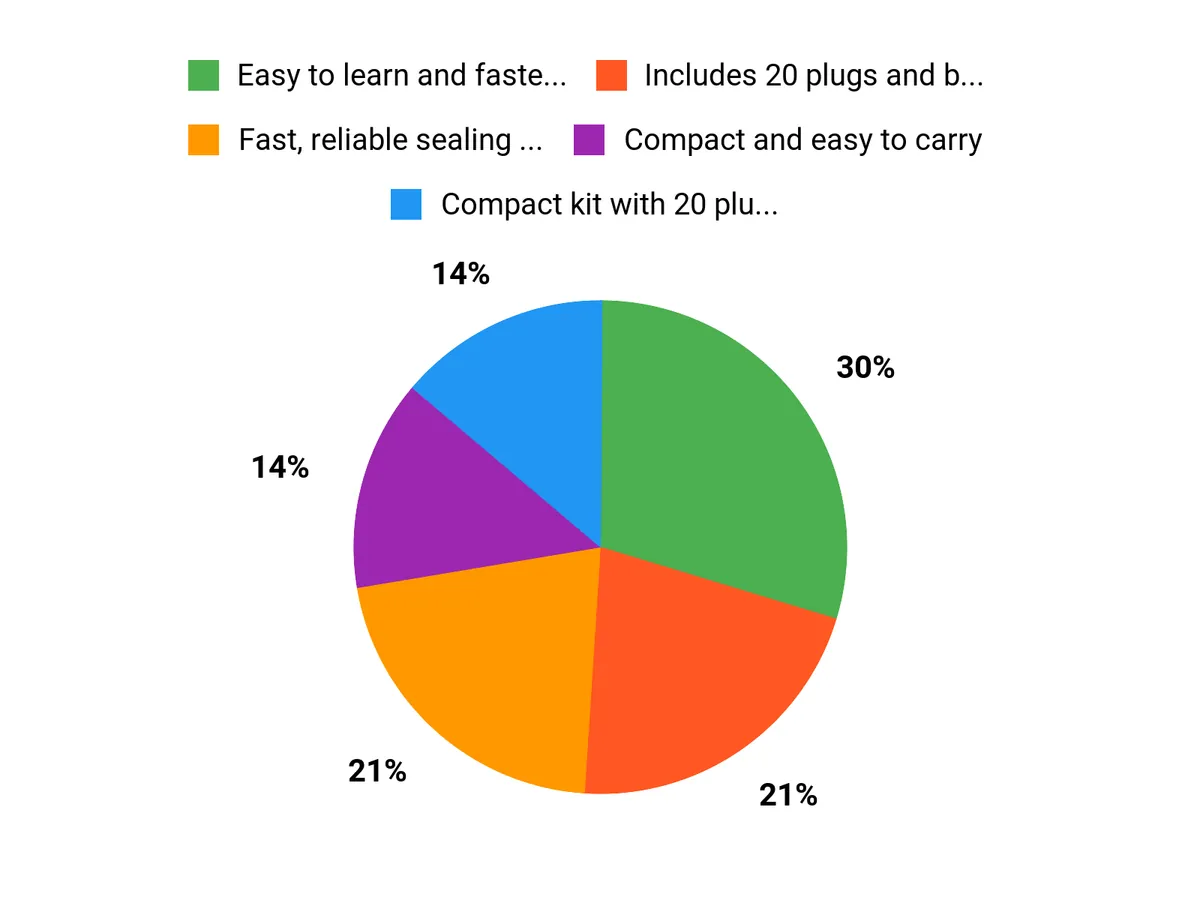
Buyer feedback is generally positive about the compact size and the mushroom plug’s cleaner insertion process. Users often compare it favorably with traditional strip plugs, especially when they want a kit that stores neatly in a vehicle or motorcycle bag.
The main concerns are more practical than cosmetic. Some buyers report a learning curve, while others question how long an external repair should remain in service. The safest buying assumption is that the kit is for roadside mobility, not a substitute for a tire shop’s internal inspection.
Overall Sentiment: Positive, with reasonable safety and instruction concerns

Pros and Cons
Pros
- Mushroom-shaped plugs are designed to seal the puncture path and sit against the inner liner.
- The kit includes 20 plugs, a mini insertion tool, a reamer, instructions, and a storage case.
- Its compact format is easier to store than a large roadside tool set.
- It can be used on many tubeless vehicle and equipment tires when the puncture is in a repairable tread area.
- You can make an emergency seal without removing the wheel or fitting a spare.
Cons
- An external plug alone is not the industry-recommended permanent repair for passenger and light-truck road tires.
- Correct loading and insertion may take practice before an emergency.
- The kit cannot address sidewall damage, shoulder injuries, cuts, bulges, tube punctures, or hidden internal damage.
Who Should Buy It?
Best For
- Drivers who want a compact backup for small tread punctures during road trips.
- Motorcyclists and ATV riders who have limited storage space and already carry an inflator.
- Homeowners who maintain tubeless mower, utility, or small tractor tires.
Skip If
- You need a permanent repair that meets passenger or light-truck tire-industry procedures.
- Your tire has sidewall, shoulder, bead, or structural damage.
- You do not carry an inflator or cannot work in a safe location away from traffic.
Before You Buy: Do not plan to use this kit on sidewalls or tire shoulders. For passenger and light-truck road tires, accepted permanent-repair guidance calls for removing the tire, inspecting the inside, filling the injury, and sealing the inner liner with a patch.
[Products Worth Considering]

The GRAND PITSTOP tubeless tire gun puncture repair kit quickly seals tire injuries without removing the tire, making it an easy DIY solution for flats and punctures. The mushroom plug technology grips from inside to help prevent air loss, while the portable design suits cars and motorcycles, including long-distance travel. Ideal for roadside reliability and everyday maintenance when you want fast, dependable sealing performance.

This tire repair kit provides fast emergency puncture repair without removing the tire from the rim, helping you get back on the road quickly. Its screw plug system is designed for punctures in both tread and sidewall and includes a complete patch plug tool set with essential accessories. A portable storage bag makes it easy to carry for cars, trucks, SUVs, motorcycles, and heavy-duty applications.

Get back on the road fast with this compact tire plug repair kit for tubeless tires. It includes self-vulcanizing rubber plugs, T-handle rasp and insert tools, and a storage box that fits in your glove compartment for easy access. Also included are a 4-way valve steam tool set with valve cores and caps for added roadside convenience.
Feature-by-Feature Review
Mushroom-Plug Design
The mushroom profile is the kit’s main advantage. Its broad head is designed to press against the inner liner while air pressure helps hold it in place, and the stem fills the puncture channel. This approach can feel more controlled than folding a rope plug through a forked insertion tool.
That design does not make every puncture repairable. The injury must be small, straight, and located in the tread area. A plug cannot restore damaged cords, repair a split sidewall, or reveal harm caused by driving on a flat tire.
Tools, Plugs, and Storage
The kit combines a mini insertion tool, a reaming tool, 20 plugs, instructions, and a plastic case. The plug count is useful because a first-time user can practice before relying on the tool during a trip. The case also keeps dirt away from the plugs and prevents loose pieces from disappearing in a trunk or tool bag.
An air compressor is not part of the repair process shown in the package list, so add one before treating this as a complete roadside setup. A valve tool, pliers, gloves, a flashlight, and soapy water can also make puncture work easier, but they are not replacements for safe lifting or roadside procedures.
Compatibility and Portability
Richcat markets the kit for tubeless tires on cars, motorcycles, trucks, ATVs, and tractors. That broad range is useful for a household with several vehicles, but tire construction and manufacturer repair policies vary. Check the tire maker’s instructions before repairing run-flat, high-speed, commercial, or specialty tires.
The compact case is a strong fit for travel because it takes less room than a spare-tire tool set. On a motorcycle, it can fit in luggage more easily than a full jack system, but you still need a safe way to stabilize the bike and reinflate the tire.
Ease of Use
The process is straightforward after you understand how to load the mushroom plug, prepare the puncture channel, and seat the head. The hardest parts are usually identifying the exact leak, keeping the tool aligned with the original puncture path, and applying enough controlled force without enlarging the injury unnecessarily.
Practice matters. A repair tool that feels simple at a workbench can be harder to use at night, in rain, or beside traffic. Read the included instructions and watch the listing’s demonstration before storing the kit for an emergency.
Pro Tip: Keep the kit in the same case as a charged inflator, pressure gauge, pliers, gloves, and a small bottle of premixed leak-check solution. A plug kit without a way to restore and verify pressure may not get you moving.
How It Performs in Real Use
Daily Commuting
For a screw or nail in the central tread, the kit can help you restore pressure without waiting for a tow. Its value is highest when the tire is still in good condition and the puncture is found before the vehicle has been driven far while underinflated.
Long Road Trips
The 20-plug supply and compact case make sense for remote travel, especially when roadside service may take time. Carry a full-size spare when your vehicle supports one, because no plug kit can handle every flat, including sidewall tears, wheel damage, or a tire that has come off the bead.
Motorcycles and Powersports
The small case suits motorcycle, ATV, and UTV storage better than many bulky kits. A successful seal may help you reach a safer location, but pressure loss on a two-wheel vehicle can affect handling quickly. Stop riding if the repair leaks, the tire feels unstable, or the puncture is near the shoulder.
Lawn, Utility, and Tractor Tires
Low-speed tubeless equipment tires are another practical use. The kit can reduce downtime after a small tread puncture, but it will not fix cracked rubber, bead leaks, valve-stem failures, or damage caused by overloading. Check the equipment manual and tire condition before deciding to plug it.
How to Use It Correctly
- Move to a safe location. Park away from traffic on firm, level ground, apply the parking brake, switch on hazard lights, and follow the vehicle or equipment manual.
- Confirm the tire is tubeless. Do not use this type of plug on an inner tube.
- Inspect the damage. Skip the repair if you see a cut, bulge, exposed cords, bead damage, or an injury in the shoulder or sidewall.
- Locate and mark the leak. Use soapy water when needed, and remove the object only when you are ready to complete the repair and reinflate the tire.
- Follow the Richcat instructions. Prepare the puncture channel with the supplied tool, load the mushroom plug correctly, and insert it along the original injury path.
- Seat and finish the plug. Make sure the plug is positioned as shown in the instructions, then trim the exposed stem only as directed.
- Reinflate and check. Inflate to the vehicle placard or equipment specification, not the maximum pressure printed on the tire sidewall. Check for bubbles and confirm pressure with a gauge.
- Monitor the tire. Drive slowly and conservatively to a service location. Stop if pressure drops, vibration starts, or handling changes.
Common Mistakes to Avoid
- Trying to plug a sidewall, shoulder, large cut, or damaged tire carcass.
- Assuming the repair is safe because the tire holds air for a few minutes.
- Using the kit without carrying an inflator and gauge.
- Ignoring evidence that the vehicle was driven while the tire was flat or severely underinflated.
- Skipping a professional inspection for a passenger or light-truck road tire.
Compatibility and Safety
For passenger and light-truck tires, U.S. tire-industry guidance limits repairable punctures to the tread area and generally to injuries no larger than 1/4 inch, or 6 mm. It also calls for removing the tire from the wheel, inspecting the interior, filling the puncture channel, and applying an internal patch. An external plug by itself does not meet that permanent-repair procedure.
Use the Richcat kit as an emergency mobility tool unless your tire manufacturer explicitly approves another procedure for your tire and service type. Replace the tire or seek professional help when the injury reaches the shoulder or sidewall, the tire has a bulge or exposed cords, the wheel is damaged, the puncture is too large, or the tire has been driven flat.
Is It Worth the Price?
The Richcat kit offers strong value for a driver or rider who wants one compact case with 20 plugs and the core insertion tools. Preventing a single tow or reducing downtime on a mower or ATV can justify keeping it available, especially when you already own an inflator.
Its value drops if you expect a permanent road-tire repair from one external step. You should budget for a professional inspection and proper repair after using it on a passenger or light-truck tire. Buyers who prefer a simpler rope-plug system may also find a traditional T-handle kit easier to understand at first.
[Products Worth Considering]

This flat tire repair kit lets you handle punctures quickly with two plug sizes for different damage, helping restore drivability on the spot. It includes T-handle insertion and spiral probe tools plus lubricant and a utility knife, all packed in a compact bag for easy carry. Universal compatibility makes it suitable for tubeless tires across cars, motorcycles, ATVs, trucks, jeeps, and more.

CKAuto Universal Tire Repair Kit provides a complete emergency solution for fixing flat tire punctures using plug-style repairs without removing the tire from the rim. The kit includes insertion/probe tools, repair plugs, lubricant, valve accessories, and a convenient carry bag for quick roadside use. Designed for tubeless tires across cars, SUVs, trucks, motorcycles, RVs, and more, it’s easy enough for anyone to perform a proper repair.

This ETENWOLF tire plug repair kit helps you quickly fix punctures for reliable rides. It includes two plug sizes to match different damage widths, plus essential tools and lubricant for a smoother repair process. Designed for tubeless tires, it’s a convenient on-the-go solution for cars, motorcycles, ATVs, trucks, jeeps, and tractors.
How It Compares to Alternatives
A Slime T-handle plug kit uses traditional rope-style plugs and may appeal to buyers who want a familiar, low-cost emergency method. A GRAND PITSTOP mushroom-plug kit is a closer alternative because it uses a similar plug shape and insertion concept. The Richcat kit makes the most sense when you want a compact mushroom-plug design with 20 refills in one case.
For a lasting passenger or light-truck tire repair, the better alternative is not another roadside kit. It is a professional internal inspection followed by an approved combination patch-plug repair when the puncture location, size, tire condition, and manufacturer policy allow it.
[Products Worth Considering]

Use this tire repair rubber screw kit for fast, self-service flat fixes on the road. Choose the matching short or long nail size and twist it into the puncture without removing the tire from the rim. Compact storage keeps the emergency set organized for cars, motorcycles, electric bikes, and bicycles, helping you seal tubeless leaks quickly and reliably.

This screw-in tire plug kit offers quick, DIY tire repairs for punctures from nails, screws, and sharp debris. Simply screw the vacuum tire mending nail into the puncture for a fast roadside fix, designed to create a strong, air-tight seal. It fits most tubeless tires for cars, trucks, motorcycles, and more, helping you avoid costly replacements until professional service is available.
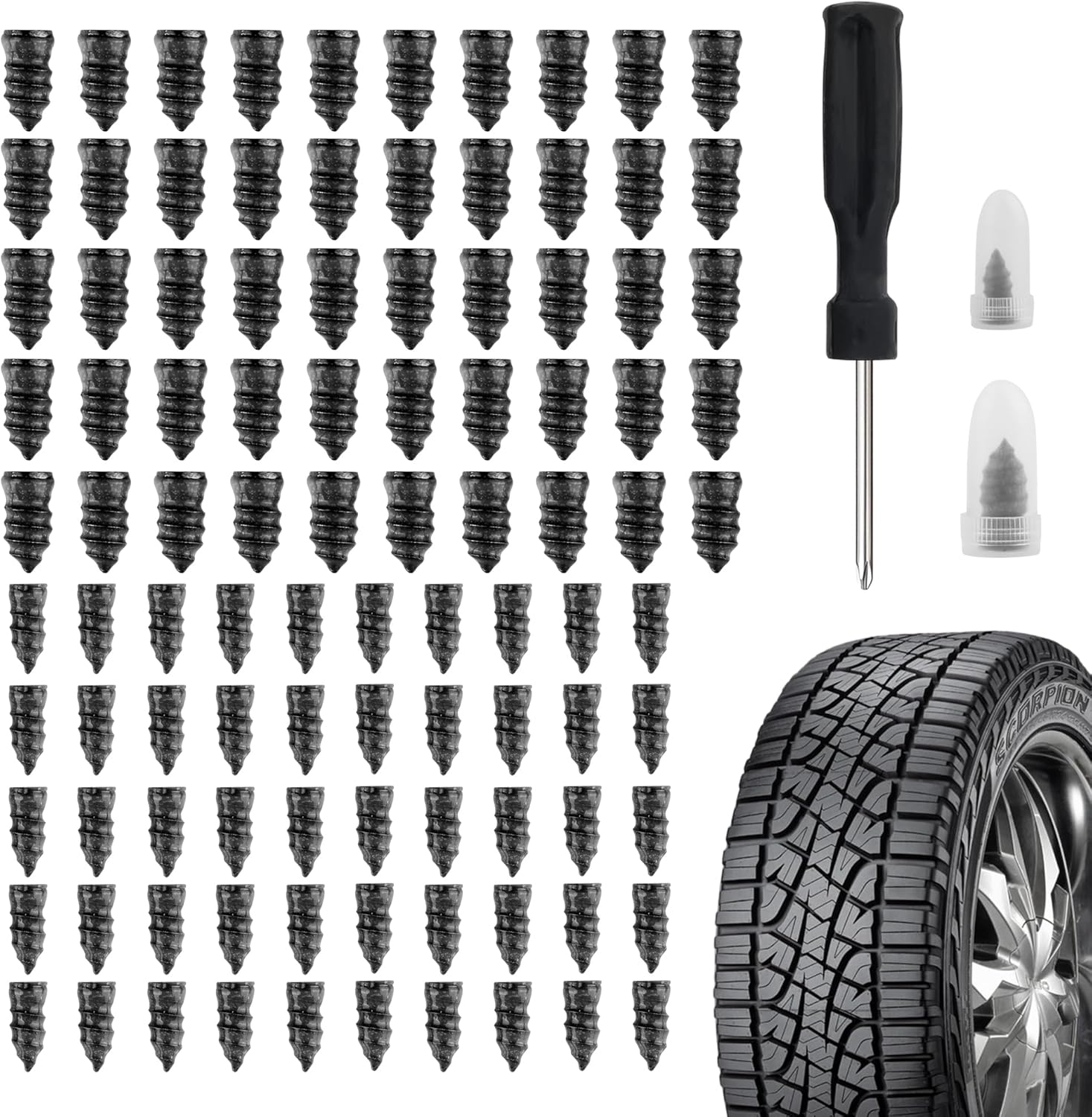
Salior’s tire plug kit provides a fast, reliable self-service fix for punctured or leaking tires without the need for flaring tools. Choose the correct plug size, then screw the nail into the puncture using the included screwdriver for an enhanced seal. The set is durable and convenient for on-the-go maintenance across multiple vehicle types.
Frequently Asked Questions
Is the Richcat mushroom plug a permanent tire repair?
Treat it as an emergency on-wheel seal for passenger and light-truck road tires. Industry guidance for a permanent repair requires removing the tire, inspecting the inside, filling the injury, and sealing the inner liner with a patch.
What types of tires can the kit repair?
Richcat lists compatibility with tubeless tires on cars, motorcycles, trucks, ATVs, and tractors. The puncture still needs to be in a repairable tread area, and the tire maker’s rules may limit repairs on run-flat, commercial, high-speed, or specialty tires.
Can you use it on a sidewall puncture?
No. Sidewall and shoulder areas flex heavily and may contain structural damage that an external plug cannot restore. Replace the tire or have it evaluated by a qualified tire professional.
Does the kit include an air compressor?
The listed package includes the mini plug kit, 20 plugs, instructions, and a storage case, but you should carry a separate inflator and pressure gauge. A repair cannot restore mobility unless you can reinflate the tire and confirm the correct pressure.
How large a puncture can be repaired?
Do not use the kit for large holes or cuts. For passenger and light-truck tires, widely used industry guidance limits repairable tread punctures to 1/4 inch, or 6 mm, and the tire manufacturer may set stricter limits.
Can you use the kit on tube-type tires?
No. A plug seals a hole in a tubeless tire carcass, while a tube-type tire loses air through the inner tube. Tube punctures require a tube repair or replacement after the wheel and tire are handled according to the equipment manual.
Should you practice before carrying it on a trip?
Yes. Learn how the plug loads into the tool and how the release action works before an emergency. Practice only on a discarded tire or training material, and keep the remaining plugs clean inside the case.
When should you stop driving after a repair?
Stop immediately if the tire loses pressure, the steering or handling changes, vibration begins, or the plug appears to move or leak. Do not continue on a visibly damaged, underinflated, or unstable tire.
Why Customers Choose Richcat
Buyers choose this kit because the mushroom-style plug offers a compact alternative to rope strips, the case includes 20 plugs, and the same setup can serve several tubeless vehicles or pieces of equipment. Its best role is as a prepared emergency tool that helps you reach a safer location or service shop, not as permission to ignore the tire after it holds air.
The Bottom Line
The Richcat Tubeless Tire Puncture Repair Kit is a sensible choice for drivers, riders, and equipment owners who want a compact 20-plug emergency kit for small tread punctures. Skip it as a repair option when damage reaches the sidewall or shoulder, the tire has been driven flat, or you need a permanent passenger or light-truck tire repair. Its main strength is fast, portable sealing; its main limitation is that an external plug cannot replace a professional internal inspection.
Ready to Buy?
Check the latest price, package details, and instructions before you decide.