Yes—Kenda is a good tire brand for drivers who want practical performance at a lower price than many premium tire brands. The best fit is usually daily commuting, light trucks, SUVs, trailers, and value-focused replacement tires. Kenda is not the top choice if you want the quietest luxury ride, max-performance handling, or severe-winter traction from every model.
Quick Answer
Kenda tires are good for budget-conscious drivers who want dependable everyday traction, useful treadwear warranties, and a broad lineup for cars, SUVs, light trucks, trailers, and off-road use. They are best judged model by model, because comfort, road noise, winter grip, and warranty coverage vary widely across the lineup.
Key Takeaways
- Kenda is a value-focused tire brand, not a direct luxury-brand replacement for Michelin or Continental.
- For daily driving, the Kenetica Touring A/S KR217 and Vezda Touring A/S KR205 are two of the easiest Kenda models to compare first.
- Some Kenda passenger and light-truck models carry 50,000- to 65,000-mile limited treadwear warranties, but coverage depends on the exact model and fitment.
- Kenda’s off-road and light-truck lineup is stronger than many shoppers expect, especially models such as the Klever H/T2 and Klever M/T2.
- Always match the tire size, load index, speed rating, climate needs, and warranty requirements before buying.
Are Kenda Tires a Good Brand?
Kenda is a good value tire brand if your priority is dependable transportation without paying premium-brand prices. The company has a long history: Kenda says it was founded in Yuanlin, Taiwan in 1962 to produce bicycle tires, and it later expanded into automotive, trailer, motorcycle, turf, and specialty tires.
For everyday drivers, Kenda’s strongest selling point is practical choice. You can find touring tires for commuting, UHP all-season tires for sportier sedans and coupes, highway tires for SUVs and light trucks, mud-terrain tires for off-road use, and trailer tires for hauling. That variety makes Kenda useful if you know exactly what your vehicle needs.
The tradeoff is refinement. Kenda tires can be a smart buy, but they usually should not be treated as premium replacements for the best Michelin, Continental, Bridgestone, or Pirelli models. Premium tires often lead in wet braking, ride isolation, tread consistency, high-speed handling, and independent test performance. Kenda’s better fit is the driver who wants fair performance, a lower purchase price, and a warranty-backed tire for normal use.
Warning: Never choose a tire by brand name alone. Match the size, load index, speed rating, vehicle type, and climate rating shown in your owner’s manual or driver-door tire placard. The wrong tire can affect braking, handling, towing stability, and tire life.
Who Should Buy Kenda Tires?
Kenda makes the most sense for drivers who want value and are realistic about performance needs. It is a good brand to consider if you drive a commuter car, family sedan, crossover, SUV, work truck, trailer, or off-road vehicle and you want a tire that balances price with practical use.
| Good Fit | Why Kenda Makes Sense |
|---|---|
| Daily commuters | Touring models focus on all-season traction, comfort, and treadwear value. |
| Budget-focused families | Several passenger models offer useful limited treadwear warranties without premium pricing. |
| SUV and light-truck owners | Klever highway, all-terrain, and mud-terrain options cover towing, highway use, and off-road driving. |
| Trailer and utility users | Kenda has a long presence in trailer and specialty tire categories. |
You may want to skip Kenda if you demand the quietest possible cabin, maximum wet braking, track-day handling, or severe-snow performance from a normal all-season tire. In those cases, compare premium models, dedicated winter tires, or category leaders tested by independent tire labs.
Which Kenda Tires Are Best for Daily Driving?
For daily driving, start with the tire category instead of the brand alone. A touring tire will feel different from an ultra-high-performance tire, and both will feel different from a light-truck highway tire.
| Model | Best For | Verified Highlights |
|---|---|---|
| Kenetica Touring A/S KR217 | Budget-minded commuting | 580 A B UTQG, M&S rating, and 60,000-mile limited treadwear warranty. |
| Vezda Touring A/S KR205 | Longer-warranty everyday touring | 620 A A UTQG, all-season touring design, and 65,000-mile limited treadwear warranty. |
| Vezda UHP A/S KR400 | Sportier sedans and coupes | 500 AA A UTQG, UHP all-season design, and 50,000-mile limited warranty; 25,000 miles for staggered front/rear fitments. |
| Klever H/T2 KR600 | SUVs, light trucks, and highway use | Designed for highway driving, with 50,000-mile coverage on LTR sizes and 60,000 miles on P-metric sizes. |
| Klever M/T2 KR629 | Mud, rocks, sand, and off-road traction | Mud-terrain design with Kenda’s Triple Threat 3-ply sidewall and chip/cut-resistant compound. |
If you mostly drive to work, school, errands, and highway trips, the Kenetica Touring A/S or Vezda Touring A/S is the more natural starting point. If you want sharper steering and own a sporty sedan or coupe, the Vezda UHP A/S is the better comparison. If you drive an SUV or truck, look at the Klever lineup instead.
Note: M&S or all-season labeling does not automatically mean a tire is ideal for harsh winter driving. For regular snow, ice, or mountain travel, look for a dedicated winter tire or a model with the Three-Peak Mountain Snowflake symbol when available.
[Products Worth Considering]

TIRESHIELD PRO RV tire covers in a set of four deliver year-round protection against UV rays, cracking, fading, water, and snow. The StormLock-System helps keep the covers securely fastened through high wind, while heavy-duty, double-stitched construction supports long-lasting performance. Designed for universal fit, they’re intended for RV, camper, truck, car, and trailer tires within the 26–28.75 inch diameter range, with easy wipe-clean care and storage in the included bag.

Protect tire valves from water, dust, and sand to help prevent leaks and support safe driving. These universal stem caps install quickly by hand and feature durable aluminum alloy construction with an inner sealing ring for better air retention. Compatible with cars, SUVs, trucks, motorcycles, and bicycles for everyday convenience.

ETENWOLF’s tire pressure gauge helps you quickly and accurately check tire PSI across cars, trucks, motorcycles, bikes, and more. It’s manually calibrated to ANSI B40.1 Grade A for reliable readings, includes a large glow dial for easy nighttime viewing, and features a 360-degree swivel chuck for use at any valve angle. The gauge also works consistently in extreme hot or cold weather.
Which Kenda Tire Models Are Worth Comparing First?
Kenda has a wide catalog, so the best model depends on your vehicle and driving conditions. Instead of chasing a single “best” Kenda tire, compare the model that matches your use case.
Best All-Season Kenda Tires for Commuting
The Kenetica Touring A/S KR217 is the value pick for normal commuting. It is designed as a T- and H-rated touring tire and carries a 60,000-mile limited treadwear warranty. The Vezda Touring A/S KR205 steps up as a grand touring all-season option with a 65,000-mile limited treadwear warranty and a stronger 620 A A UTQG rating.
- KR217: best for budget-minded drivers who still want an established warranty-backed touring tire.
- KR205: best for drivers who want a more refined touring option and longer listed treadwear coverage.
- KR400: best for drivers who want more responsive handling from an all-season performance tire.
Touring Vs Performance Kenda Tires
Touring tires usually favor comfort, treadwear, and lower road noise. Performance tires usually favor steering response, grip, and a more connected feel. That means the right Kenda tire depends on what you are willing to trade.
| If You Want… | Choose This Type | Kenda Example |
|---|---|---|
| Lower cost and everyday comfort | Touring all-season | Kenetica Touring A/S KR217 |
| Longer warranty and grand touring feel | Grand touring all-season | Vezda Touring A/S KR205 |
| Sharper steering and sportier driving | UHP all-season | Vezda UHP A/S KR400 |
Off-Road And Trailer Tires
Kenda’s off-road and specialty lineup is one of the brand’s stronger areas. The Klever M/T2 KR629 is built for mud, sand, rocks, and rugged terrain, with a 3-ply sidewall for added protection in harsh conditions. For towing and trailer use, choose by the exact trailer tire size, load range, and speed rating rather than by brand reputation alone.
- Klever M/T2: a mud-terrain choice for off-road traction and tougher sidewalls.
- Klever H/T2: a highway-focused light-truck/SUV tire for drivers who spend more time on pavement.
- Trailer tires: choose by load range, trailer weight, inflation pressure, and fitment requirements.
How Do Kenda Tires Compare to Michelin and Continental?
Kenda competes more on value than on premium refinement. Michelin and Continental often lead in independent tire tests, advanced compounds, wet braking, ride comfort, and model depth across premium categories. Kenda’s advantage is usually price-to-usefulness: you can get a capable tire for normal driving without paying for top-tier refinement you may not need.
Comfort And Ride Feel
Kenda’s touring tires are designed to be comfortable, but comfort still depends on tire size, vehicle suspension, road surface, inflation pressure, and tread design. The Vezda Touring A/S is the better Kenda model to compare if you care about comfort because it is positioned as a grand touring all-season tire. A mud-terrain tire such as the Klever M/T2 will naturally be louder and firmer than a highway or touring tire.
Durability And Puncture Resistance
Kenda has several durability-focused designs, but the claim should stay model-specific. For example, the Klever M/T2 uses a 3-ply sidewall and an off-road compound designed for chip and cut resistance. The Kenetica Touring A/S, Vezda Touring A/S, Vezda UHP A/S, and Klever H/T2 also carry model-specific limited treadwear warranties. That does not mean every Kenda tire will outlast a premium tire; it means you should compare the exact tire category and warranty.
Some Kenda passenger and light-truck models list limited treadwear warranties from 50,000 to 65,000 miles, but the real life of any tire depends on alignment, rotation, inflation pressure, load, driving style, and road conditions.
UTQG, Traction, And Speed Ratings
The Uniform Tire Quality Grading system helps shoppers compare treadwear, traction, and temperature resistance on many passenger tires. NHTSA explains that UTQG ratings are meant to help consumers compare tire treadwear, traction performance, and temperature resistance. Use UTQG as one tool, not the whole buying decision.
For example, Kenda lists the Vezda Touring A/S KR205 at 620 A A and the Vezda UHP A/S KR400 at 500 AA A. Those ratings help compare categories, but they do not replace real-world fitment, independent tire testing, or your vehicle’s required speed and load rating.
How Good Is Kenda Tire Warranty Coverage?
Kenda’s warranty coverage is good on several passenger and light-truck models, but the details matter. The warranty is not a promise that every tire will last the full mileage under every driving condition. It is limited coverage with exclusions, maintenance requirements, and prorated replacement terms.
| Model | Listed Limited Treadwear Warranty | Important Note |
|---|---|---|
| Kenetica Touring A/S KR217 | 60,000 miles | Touring all-season tire for everyday use. |
| Vezda Touring A/S KR205 | 65,000 miles | Grand touring all-season tire. |
| Vezda UHP A/S KR400 | 50,000 miles | Reduced to 25,000 miles for staggered front/rear fitments. |
| Klever H/T2 KR600 | 50,000 or 60,000 miles | 50,000 miles on LTR sizes; 60,000 miles on P-metric sizes. |
According to Kenda’s warranty statement, tire care is part of the owner’s obligation. That includes operating at the vehicle manufacturer’s recommended inflation pressure, keeping tires balanced, maintaining alignment, and rotating tires as needed. Kenda also lists exclusions for used tires, improper repairs, uneven wear, tires worn to 2/32 inch, and tires more than 72 months old from date of purchase.
Pro Tip: If buying online, check Kenda’s authorized online retailer list. Kenda says passenger and light-truck tires bought from unauthorized online sources may not qualify for its product warranty.
What Do Kenda Tire Owners Say?
Kenda owners often like the value: the tires can cost less than premium options while still feeling stable enough for everyday driving. Positive feedback usually centers on price, dry-road behavior, basic comfort, and model variety. The most common complaints are the same tradeoffs you should expect from many value-focused tires: more road noise on some models, less premium ride feel, and performance that depends heavily on choosing the right model.
Owner reviews are helpful, but they are not a substitute for fitment. A Kenda tire that works well on a commuter sedan may not be the right choice for a heavy truck, a performance coupe, a loaded trailer, or a vehicle that sees snow and ice every winter.
Where Can You Buy Kenda Tires?
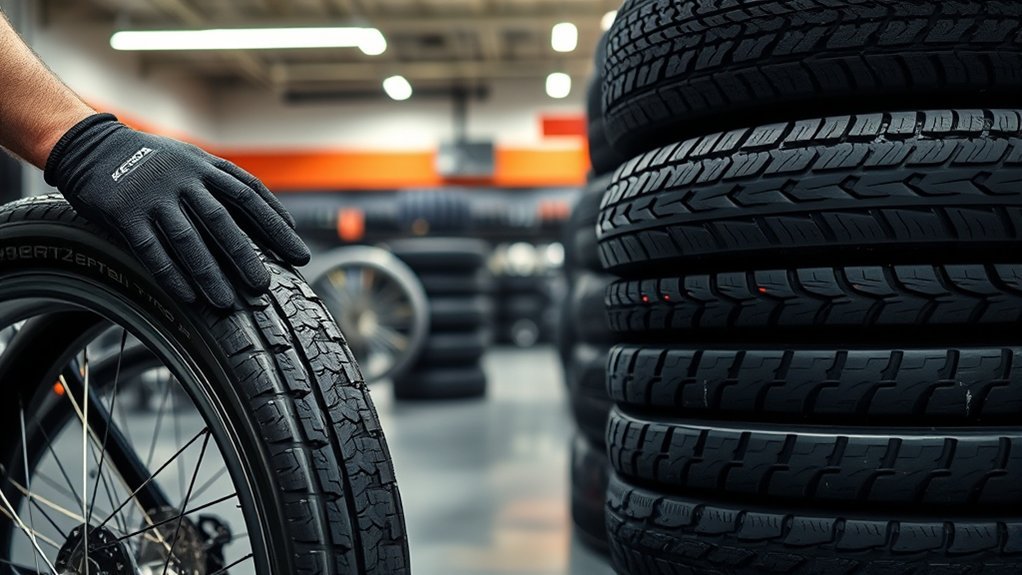
You can buy Kenda tires through tire shops, installers, and online retailers. The safest path is to start with Kenda’s own retailer resources, then confirm current price, installation options, road-hazard coverage, return policy, and warranty eligibility before checkout.
If you buy online, pay attention to the seller name, not just the marketplace. Kenda notes that sellers on large marketplaces must be individually authorized for warranty coverage. That means two listings on the same marketplace may not carry the same warranty support.
[Products Worth Considering]

Measure tire tread depth quickly and accurately with this LUMITECO dial gauge that reads in 1/32" increments up to 14/32". The color-coded green/yellow/red zones make it easy to judge tire wear and know when replacement is needed. A rugged, compact design with a protective pouch helps keep the gauge ready for use on cars, trucks, motorcycles, and more.

Secure your vehicle during transport with this 4-pack of heavy-duty tire tie down straps designed for trailers and hauling. The ratchet system with flat hooks and D-rings helps you tension the straps quickly, while the wheel-friendly design protects tires. With high break strength and corrosion-resistant hardware, these straps provide reliable, confidence-inspiring tie-down security for cars, trucks, and UTVs.

These aluminum alloy tire valve stem caps with an O-ring seal help protect valve stems from corrosion while adding a clean, stylish look to your vehicle. The universal fit works across cars, trucks, motorcycles, bicycles, and more, making them an easy upgrade for everyday driving and off-road use. Installation is quick, and the included four-pack keeps all your tires dressed and protected.
How Much Do Kenda Tires Cost?
Kenda tires generally sit in the budget-to-midrange price zone, but exact cost depends on tire size, load range, speed rating, retailer, installation, and current promotions. A small passenger-car touring size can cost much less than a large light-truck or mud-terrain size, even within the same brand.
Use current prices only after selecting your exact size. Compare:
- Tire-only price: the advertised cost before installation.
- Installed price: tire, mounting, balancing, valve stems, disposal, tax, and fees.
- Warranty support: manufacturer treadwear warranty, workmanship warranty, and road-hazard coverage if offered separately.
- Fitment: correct size, load index, speed rating, and wheel compatibility.
A cheap tire is not a good deal if it is the wrong size, lacks the correct load rating, or comes from a seller that does not support the warranty.
[Products Worth Considering]
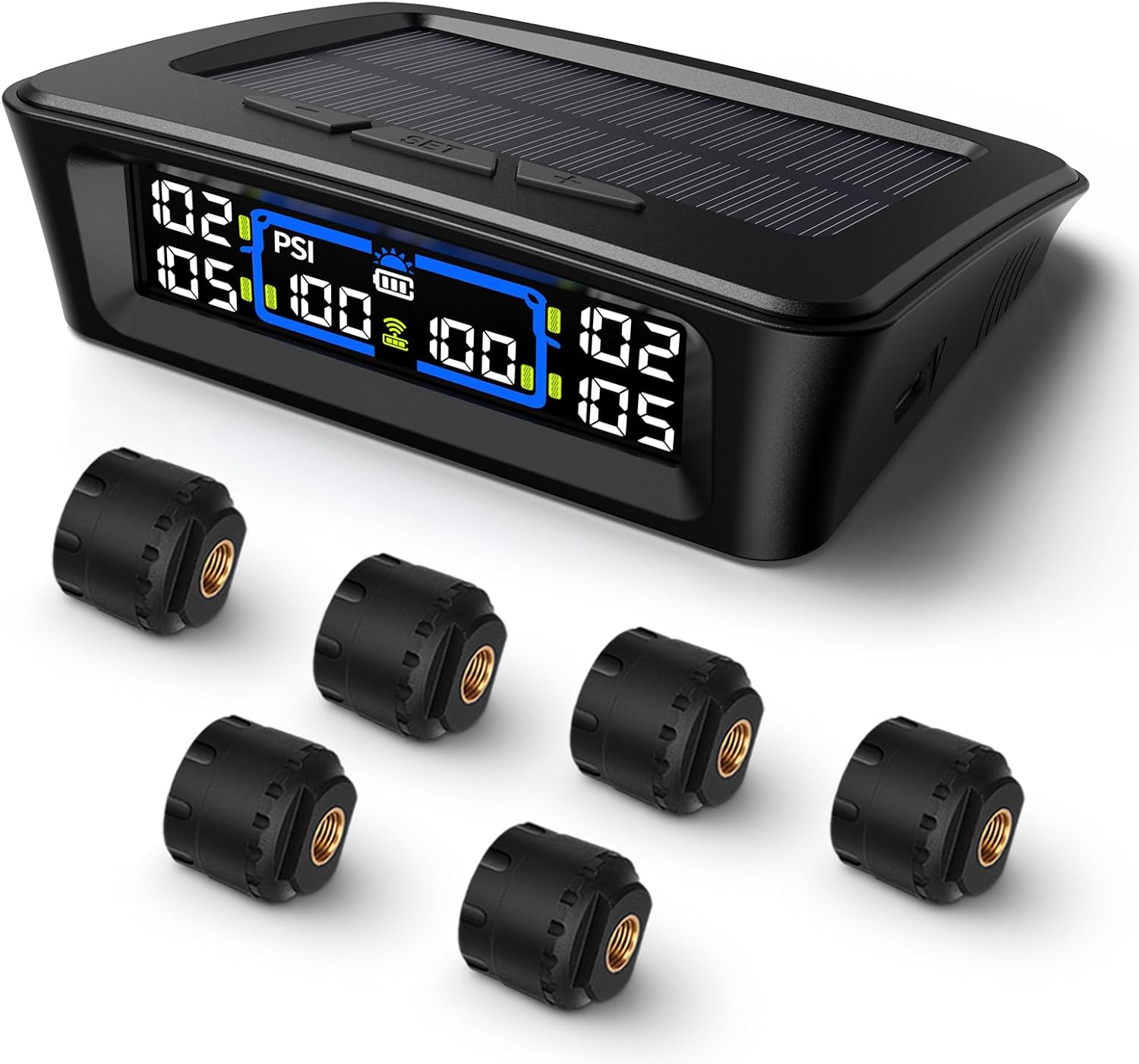
The Tymate TM12 RV TPMS delivers real-time tire pressure and temperature monitoring with a stable 433Hz display for safer long-distance driving. It supports simultaneous monitoring across vehicle and trailer zones, includes six alarm modes for pressure, temperature, leakage, battery, and signal loss, and features easy DIY installation with auto calibration. Power is supplied via USB-C charging or solar recharging, with a wide 0–144 PSI range and up to 50 ft signal coverage for RVs and towable trailers.

The TYAMATE TM8 solar-powered wireless TPMS delivers real-time tire pressure and temperature monitoring with six alarm modes for safer driving. A vibrant color LCD display shows readings clearly while windshield mounting keeps it hands-free and easy to read. With a wide 0–87 PSI range, strong 433.92 MHz signal transmission, and quick sensor pairing, it’s ideal for RV, sedan, SUV, MPV, and truck use.

The Airmoto portable tire inflator quickly and accurately fills car, truck, SUV, motorcycle, and bicycle tires up to 120 PSI with auto shut-off when your target pressure is reached. Its large LCD, multi-unit pressure display, and digital gauge make it easy to dial in settings and verify readings, while the built-in LED flashlight helps in low light. The included polyurethane hard carrying case and storage mesh pocket keep the inflator and accessories protected and organized.
How To Choose The Right Kenda Tire
Use this simple checklist before buying:
- Confirm your tire size: Check the driver-door placard and owner’s manual, not just the old tire.
- Match the load index: This is especially important for SUVs, trucks, vans, and trailers.
- Match or exceed the speed rating: Do not downgrade unless your vehicle manufacturer allows it.
- Choose the right category: Touring for comfort, UHP for response, H/T for highway trucks, A/T for mixed terrain, M/T for mud and off-road use.
- Check winter needs: If you regularly drive in snow or ice, look beyond basic all-season labeling.
- Read the warranty terms: Keep receipts, rotate tires, maintain alignment, and check pressure monthly.
- Compare installed cost: A low tire price can disappear after fees, shipping, and installation.
Frequently Asked Questions
Who are Kenda tires made by?
Kenda tires are made by Kenda Rubber Industrial Company. Kenda says it was founded in Yuanlin, Taiwan in 1962 to make bicycle tires, then expanded into automotive, trailer, motorcycle, turf, and specialty tires.
How long do Kenda tires usually last?
Some Kenda passenger and light-truck tires carry limited treadwear warranties from 50,000 to 65,000 miles, depending on the model and fitment. Real tread life depends on inflation pressure, alignment, rotation, vehicle weight, driving style, road surface, and climate.
What is the most recommended tire brand?
Michelin, Continental, Bridgestone, Goodyear, and Pirelli are often recommended in premium categories, but the best tire is model-specific. A well-matched Kenda can be a smart value choice, while a premium tire may be better for top wet braking, luxury comfort, severe winter performance, or high-performance driving.
Do Kenda tires work in muddy conditions?
Yes, but only if you choose a mud-terrain or off-road-focused model. The Kenda Klever M/T2 is built for mud, sand, rocks, and off-road traction. A touring all-season Kenda tire is not designed for the same mud performance.
Are Kenda tires good in snow?
Some Kenda all-season tires are designed for light snow, and some models carry M&S ratings. For regular snow, ice, mountain roads, or severe winter conditions, look for a dedicated winter tire or a tire with the Three-Peak Mountain Snowflake symbol.
Are Kenda tires worth buying?
Kenda tires are worth buying if the model fits your vehicle, climate, and driving style. They are strongest as value-focused tires for commuting, highway driving, light trucks, trailers, and some off-road uses. They are less ideal if you want premium ride isolation or category-leading performance.
Conclusion
So, is Kenda a good tire brand? Yes—especially if you want a value-focused tire and choose the right model for your vehicle. Kenda’s touring, UHP, highway, mud-terrain, and trailer options give shoppers plenty of practical choices, and several models include useful limited treadwear warranties.
The smart approach is to compare by model, not just by brand. For a commuter car, look at the Kenetica Touring A/S or Vezda Touring A/S. For sportier driving, compare the Vezda UHP A/S. For SUVs, trucks, and off-road use, look at the Klever lineup. Kenda can be a strong buy when the tire matches your size, load rating, climate, and expectations.
Sources
- Kenda Tire — Our Story — company history and founding information.
- Kenda Kenetica Touring A/S KR217 — product features, UTQG, and warranty details.
- Kenda Vezda Touring A/S KR205 — product features, UTQG, and warranty details.
- Kenda Vezda UHP A/S KR400 — product features, UTQG, and staggered-fitment warranty note.
- Kenda Tire Warranty Statement — warranty exclusions, owner obligations, and treadwear coverage terms.
- NHTSA TireWise — tire safety ratings, UTQG context, and tire maintenance guidance.