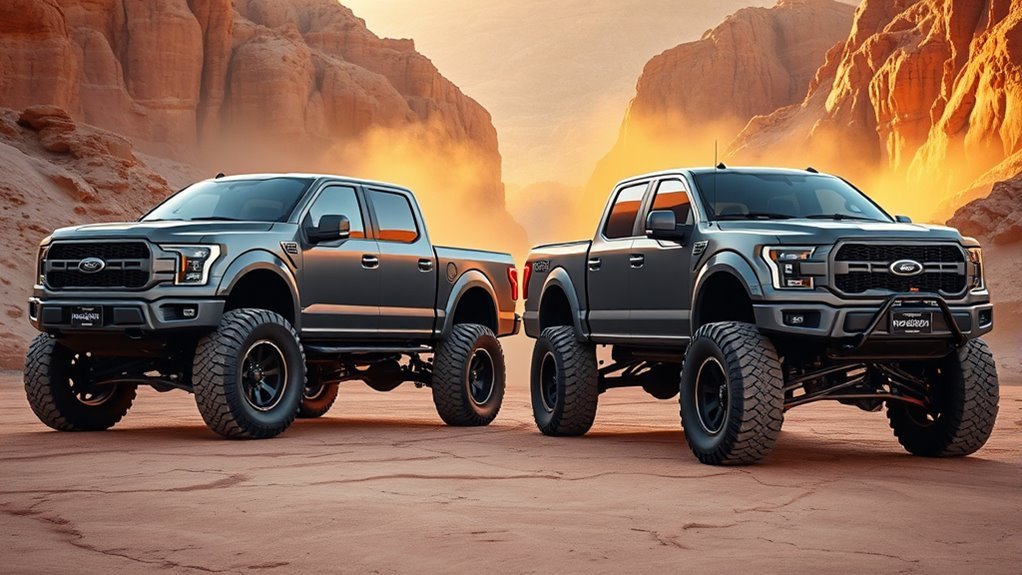
Choosing between 17-, 18-, and 20-inch wheels for an off-road truck or SUV is really a sidewall decision. A smaller wheel usually leaves more tire sidewall when the overall tire diameter stays similar, which helps the tire cushion impacts, flex over rough surfaces, and protect the rim. Bigger wheels can feel sharper on pavement, but they often give up comfort, tire choice, and trail durability.
Last updated: July 7, 2026
Quick Answer
For most off-road trucks and SUVs, 17-inch wheels are the best default because they leave more sidewall for cushioning, airing down, and rim protection. Choose 18-inch wheels when your brakes or trim require them, or when you want a balanced daily-driver setup. Choose 20-inch wheels mainly for pavement, towing stability, or appearance.
Key Takeaways
- Seventeen-inch wheels usually give you the most sidewall, the best rim protection, and the widest off-road tire selection.
- Eighteen-inch wheels make sense when you need brake clearance or want a good mix of daily-road response and trail comfort.
- Twenty-inch wheels can look sharp and feel firm on pavement, but they leave less sidewall for rough trails.
- Wheel diameter alone does not decide MPG, towing safety, or off-road traction. Tire size, load rating, weight, pressure, and fitment matter too.
- Before changing wheel size, check your owner’s manual, Tire and Loading Information Label, brake clearance, offset, and total tire diameter.
17-, 18-, and 20-Inch Wheels: Which Handles Real Trails Better?
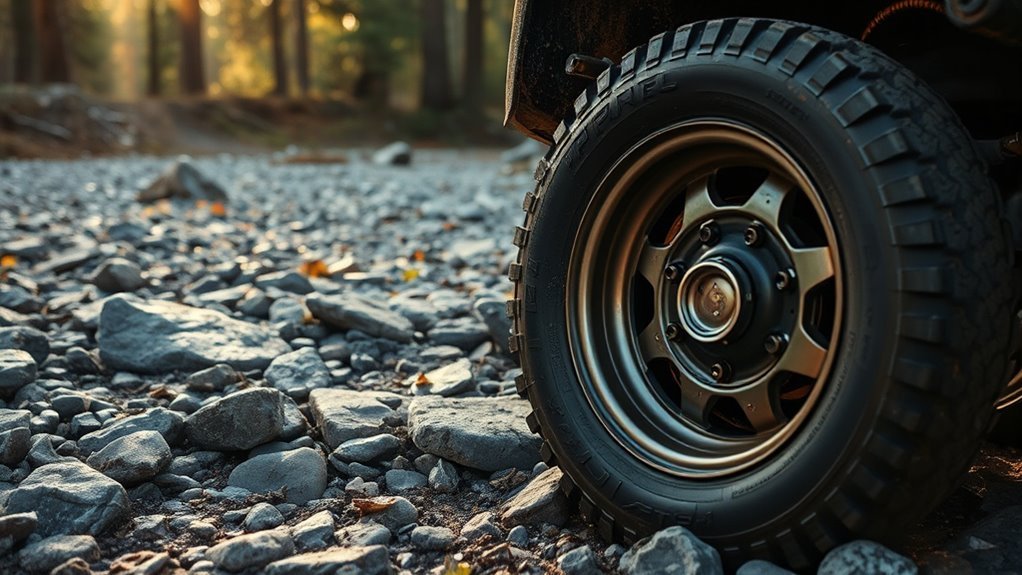
Wheel diameter matters most because it changes how much tire sidewall you can run. When you increase wheel diameter but keep a similar overall tire diameter, the tire’s sidewall must usually get shorter. That shorter sidewall can sharpen steering on smooth roads, but it gives the tire less room to flex over rocks, roots, washboard, and potholes.
For technical trails, 17-inch wheels usually give you the strongest off-road setup. The taller sidewall helps the tire conform around uneven terrain instead of bouncing across it. You also get more cushion between the rim and the obstacle, which lowers the chance of bending or cracking a wheel on a hard hit.
Eighteen-inch wheels sit in the middle. They often work well on modern trucks and SUVs because many newer trims need extra brake clearance. You give up some sidewall compared with a similar 17-inch setup, but you can still build a capable trail tire package if the tire size, load rating, and offset are right.
Twenty-inch wheels are the least forgiving off-road. They can look great and feel stable on the highway, but the lower-profile tire gives you less cushion. That means more harshness, more rim exposure, and less flexibility when you need traction on loose or uneven ground.
Quick Comparison: 17 vs 18 vs 20-Inch Wheels
| Wheel Size | Best For | Main Trade-Off |
| 17-inch | Rock crawling, overlanding, muddy trails, sand, rough forest roads, and lower tire costs. | May not clear larger brakes on some newer trucks and SUVs. |
| 18-inch | Daily driving with real trail use, newer trims with larger brakes, and balanced steering feel. | Less sidewall than a similar 17-inch setup. |
| 20-inch | Pavement-heavy driving, appearance-focused builds, and highway towing with the right load-rated tire. | Least sidewall cushion and fewer rugged tire choices. |
[Products Worth Considering]

This professional wheel and rim cleaning brush set lifts brake dust, grime, and dirt with soft, scratch-free microfiber and synthetic wool fibers. The rim brush bends up to 360 degrees for easy access to hard-to-reach areas around spokes, lips, and faces. Ideal for thorough cleaning of car, truck, motorcycle, bicycle, RV, and more wheel and tire surfaces.

This manual duck head tire changer kit makes tire installation and removal simpler by letting you embed the duck head into the tire with applied pressure. The integrated design and durable steel construction help reduce friction and improve efficiency and safety during use. Suitable for 16–21 inch wheels, it’s convenient for cars, trucks, SUVs, and ATV tires, with 24-hour after-sales support.
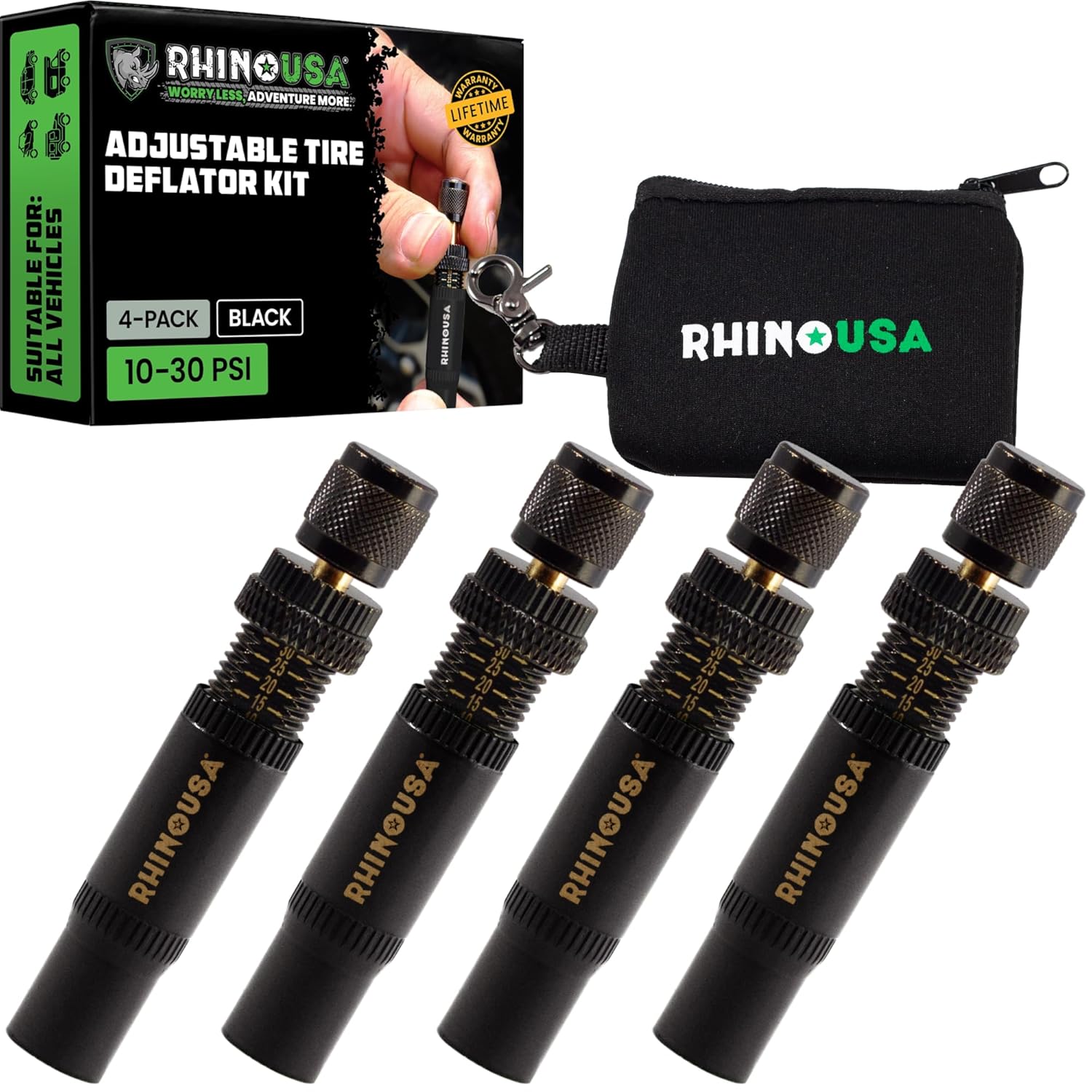
Use the Rhino USA adjustable tire deflators to air down all four tires at once by screwing one deflator onto each valve stem, letting you step away while the tires reach your preset pressure. Each deflator independently adjusts across a 10–30 PSI range with laser-etched indicators for quick setup and verification, making it ideal for beach, sand, and rocky off-road trails.
The Hidden Cost of 20-Inch Tires and Rim Repairs
Twenty-inch wheels often cost more over time because the tire choices can be narrower, especially if you want a true all-terrain or mud-terrain tire with the right load rating. Prices change by brand and size, so you should compare actual tire models before you buy. Still, many off-road shoppers find more affordable and more available rugged options in 17- and 18-inch sizes.
Rim repair risk also goes up when your tire has less sidewall. A taller sidewall acts like a buffer between the wheel and the trail. A shorter sidewall gives rocks, potholes, and ledges a shorter path to the rim. That does not mean every 20-inch wheel will fail, but it does mean you have less margin when the trail gets rough.
Replacement logistics matter too. If you travel far from major tire shops, a common 17- or 18-inch all-terrain size can be easier to source than a specialized 20-inch off-road tire. That difference matters when you cut a tire on a trip and need a same-day replacement.
Note: Do not compare wheel sizes by rim diameter alone. Compare the full tire size, load index, load range, wheel weight, offset, and overall tire diameter.
[Products Worth Considering]

This ALL-TOP auto-stop tire deflator valve kit lets you air down off-road tires quickly without watching pressure, automatically stopping when your preset PSI is reached. Each valve is individually calibrated for reliable performance with an acceptable +/- 2 PSI tolerance. The adjustable deflator range covers 10 to 30 PSI and includes four valves plus valve caps and a zipper pouch for easy setup on trucks, SUVs, RVs, UTVs, and powersports.

This 15-inch tire spoons kit makes tire removal and installation easier with added leverage, reducing time and effort for everyday repairs. It includes tire spoons, rim protectors, a valve tool, and valve cores/caps, helping protect rims and streamline deflation and re-sealing. Built with durable hardened steel and a non-slip ergonomic grip for confident use on motorcycles, dirt bikes, ATVs, and lawn equipment.
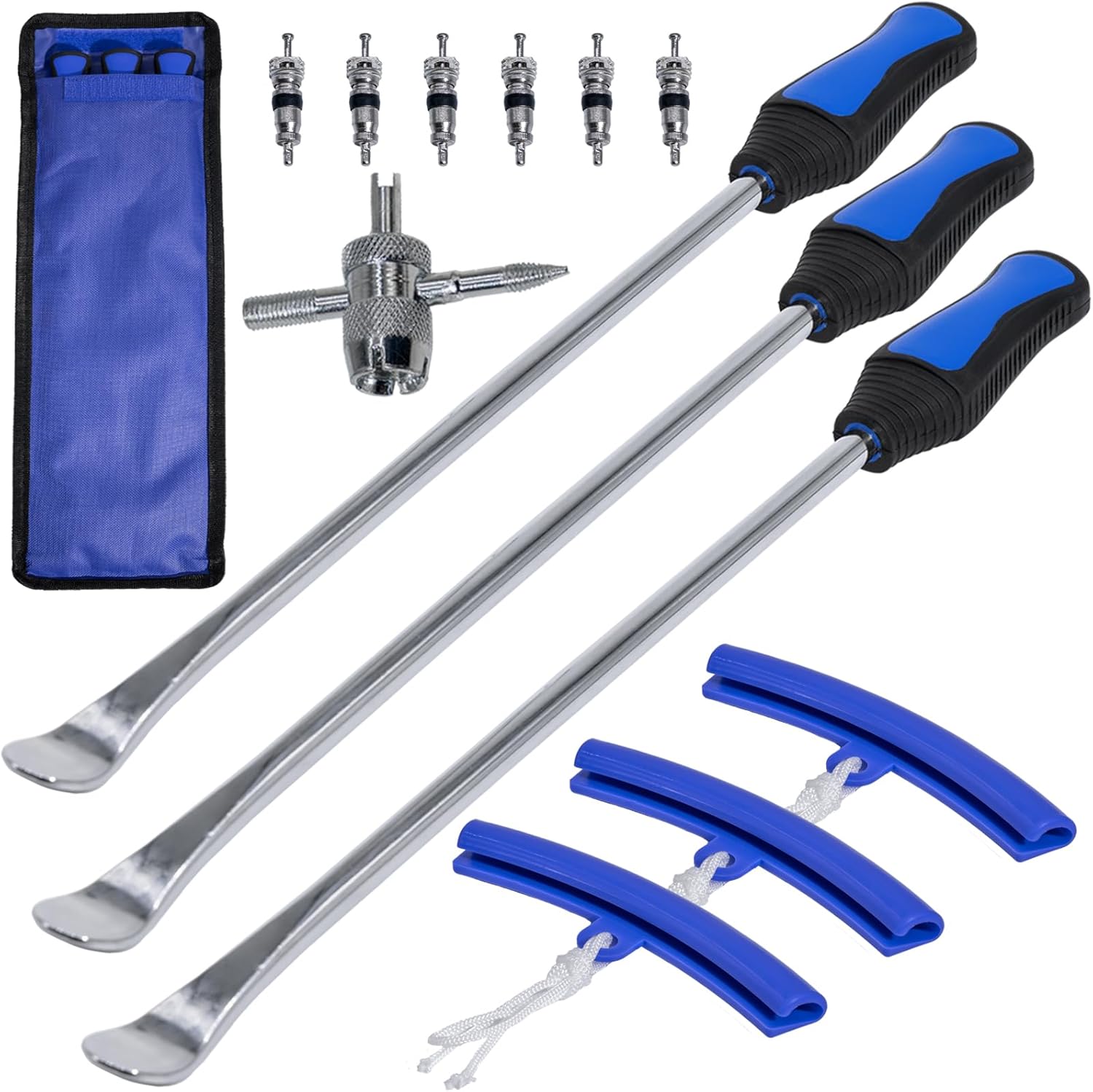
This tire spoon set helps you remove and install motorcycle, dirt bike, lawn tractor, and bicycle tires with extra leverage from a 14.5-inch spoon length. The kit includes tire removal tools, rim protectors, and a valve tool to simplify repairs and help protect rims during changing. Designed for quick, on-the-go service, it’s convenient for garage work, trails, and track-side fixes.
MPG, Handling, and the Weight Penalty Explained
Wheel size affects performance through total package weight, tire width, tire construction, tread pattern, and sidewall height. A smaller wheel is not automatically lighter once you add the tire, and a larger wheel is not automatically worse. You need to compare the complete wheel-and-tire package.
In general, a lighter setup helps your suspension react faster and can make the truck feel more responsive. A heavier setup can make acceleration feel slower because the vehicle must spin more rotating mass. An independent Car and Driver wheel-and-tire test found that larger, heavier packages hurt acceleration and fuel economy on the tested vehicle.
MPG Impact Analysis
If fuel economy matters, look beyond rim diameter. Wide all-terrain tires, aggressive tread blocks, heavy LT construction, and poor tire pressure can all reduce efficiency. A 17-inch setup can help when it lets you run a lighter wheel and a sensible tire size, but a heavy 17-inch mud tire can still use more fuel than a lighter 18-inch highway-terrain setup.
Pressure matters too. The National Highway Traffic Safety Administration says proper tire pressure affects safety, durability, and fuel consumption. Check pressure cold, and use the pressure listed by the vehicle manufacturer, not the maximum pressure printed on the tire sidewall.
Handling Dynamics Compared
On pavement, 18- and 20-inch wheels can feel more direct because shorter sidewalls flex less. That can improve steering response on smooth roads, especially with a street-focused tire. The trade-off shows up when the surface gets broken, rocky, or rutted.
Off-road, a taller sidewall helps the tire absorb sharp hits and stay in contact with uneven ground. This is why many trail-focused builds use 17-inch wheels with taller all-terrain or mud-terrain tires. You get more cushion, more compliance, and more room to air down safely within the tire and wheel limits.
Weight Penalty Breakdown
Heavier wheel-and-tire packages can affect several driving traits:
- Acceleration can feel slower because the drivetrain must spin more rotating mass.
- Braking can feel less sharp if the total package is much heavier.
- Suspension control can suffer because heavier unsprung weight is harder to manage over bumps.
- Ride comfort can drop when the sidewall gets shorter and stiffer.
- Fuel economy can decline when added weight, width, and tread aggression increase rolling resistance.
The fix is simple: compare actual weights before buying. Many wheel and tire retailers list wheel weight, tire weight, load rating, and approved rim width. Use those numbers instead of guessing from wheel diameter.
Which Wheel Size Your Truck or SUV Actually Needs
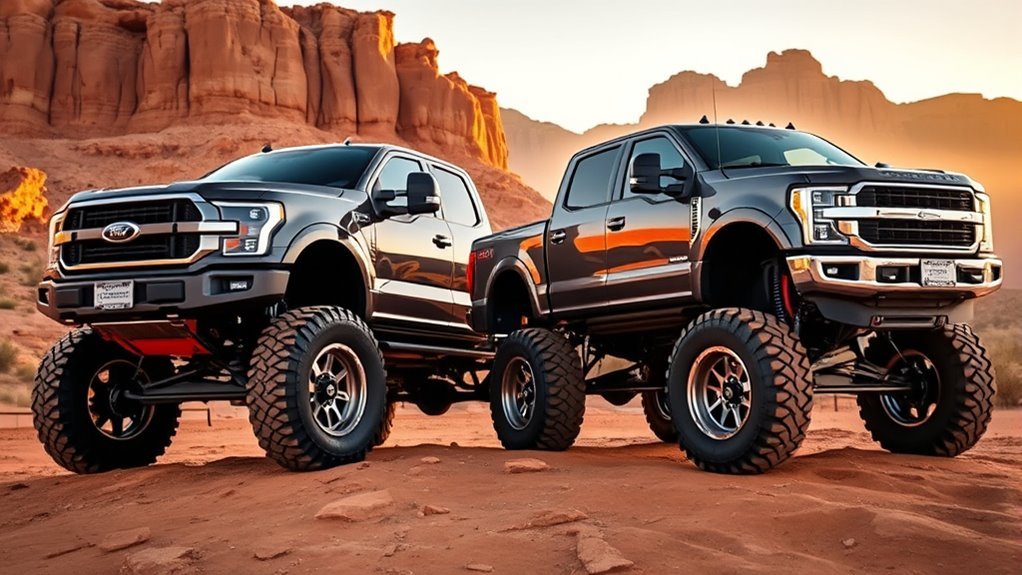
Your best wheel size depends on how you actually drive. If you spend weekends on rocks, ruts, sand, and remote trails, start with 17-inch wheels if they clear your brakes. You get more sidewall and usually a broader choice of rugged tires.
If you daily drive your truck, tow occasionally, and hit moderate trails, 18-inch wheels can be the sweet spot. They often clear newer brake packages, keep road manners clean, and still leave enough sidewall for all-terrain use when paired with the right tire.
If you spend most of your time on pavement and want the factory premium look, 20-inch wheels can work. Just be honest about the trade-off. You will have less sidewall for hard trail impacts, and you should choose a tire with the correct load rating for your truck or SUV.
What 20-Inch Owners Wish They Knew Before Buying
Many 20-inch owners like the look first, then notice the compromises after the first rough trip. The issue is not that 20-inch wheels are always wrong. The issue is that they need the right expectations.
- Off-road tire choices can be more limited than common 17- and 18-inch sizes.
- Shorter sidewalls can make washboard roads and rocky trails feel harsher.
- Rim damage risk can rise because the wheel has less tire cushion around it.
- Airing down gives you less room for error than a taller-sidewall setup.
- Replacement tires may cost more, depending on size, load rating, and brand.
If your truck came with 20-inch wheels and you rarely leave pavement, you may be fine. If you plan to run rough trails often, a 17- or 18-inch wheel package usually gives you a better balance of durability, comfort, and tire availability.
17, 18, or 20? Your 3-Minute Decision Framework
Use this quick framework before you buy wheels:
- Choose 17-inch wheels if off-road grip, sidewall cushion, tire choice, and rim protection matter most.
- Choose 18-inch wheels if you need brake clearance, drive daily, tow sometimes, and still want real trail ability.
- Choose 20-inch wheels if you mostly drive pavement, care about appearance, and accept less sidewall off-road.
Towing Stability Trade-Offs
Twenty-inch wheels can feel firm and stable on the highway because the tire sidewall flexes less. That can be helpful when you tow, but wheel diameter is not the main safety factor. Load rating, tire pressure, trailer weight, tongue weight, suspension condition, and vehicle ratings matter more.
For towing, choose tires that meet or exceed the vehicle’s required load capacity. Check the owner’s manual and the Tire and Loading Information Label before changing sizes. NHTSA recommends using a tire size approved by the vehicle manufacturer and consulting a tire dealer if you have doubts.
Off-Road Sidewall Advantage
Sidewall height gives your tire room to flex. That flex helps the tread stay planted on rocks, roots, and uneven dirt. It also gives the wheel more protection when you hit a sharp edge.
Airing down can improve comfort and traction off-road, but it is not a free pass. Too little pressure can damage the tire, unseat the bead, or make the vehicle unsafe at speed. Re-inflate to the correct cold pressure before highway driving.
Warning: Never run aired-down trail pressure on the highway. Check cold tire pressure after the trail and return to the vehicle manufacturer’s recommended pressure before driving at road speed.
Fitment and Safety Checklist Before You Buy
Before you switch wheel size, confirm the whole package fits your vehicle. A wheel that looks right can still rub, overload the tire, change handling, or interfere with brakes.
- Check the owner’s manual and Tire and Loading Information Label for approved tire sizes and pressure.
- Confirm brake caliper clearance, especially before downsizing from 20 to 18 or 17 inches.
- Match or exceed the required load index and load range for your truck or SUV.
- Keep overall tire diameter close enough to avoid major speedometer and gearing changes unless you plan to recalibrate.
- Confirm wheel width, offset, and backspacing so the tire does not rub the fender, frame, control arms, or liner.
- Check spare-tire fitment if you travel off-road.
- Make sure TPMS sensors work with the new wheels.
Pro Tip: If you are stuck between 17 and 18 inches, price out three real tire models in both sizes. Availability, load rating, and weight often make the decision clearer than rim diameter alone.
[Products Worth Considering]

Vigorder rubber cement glue delivers superior adhesion and cures quickly within about 30 seconds for seamless rubber bonding. Once cured, it helps provide a strong, durable, waterproof seal that holds up to vehicle weight, pressure, and heat. Suitable for cars, motorcycles, trucks, bicycles, and off-road tires, it’s designed for emergency patch and maintenance repairs.

Keep your tires properly inflated with this analog VONDIOR tire pressure gauge, designed for fast, easy readings without batteries. The swiveling, two-axis hose and large glow dial help you measure at any tire angle with instant visibility. Built with a protective rubber shield, it supports durable, low-maintenance use for cars and trucks.

These aluminum alloy tire valve stem caps with an O-ring seal help protect valve stems from corrosion while adding a clean, stylish look to your vehicle. The universal fit works across cars, trucks, motorcycles, bicycles, and more, making them an easy upgrade for everyday driving and off-road use. Installation is quick, and the included four-pack keeps all your tires dressed and protected.
Frequently Asked Questions
Are bigger rims better for off-road?
No, bigger rims are usually not better for off-road driving. A larger rim often leaves less sidewall when the overall tire diameter stays similar. Less sidewall means less cushioning, less rim protection, and less flexibility on rocks, sand, mud, and ruts.