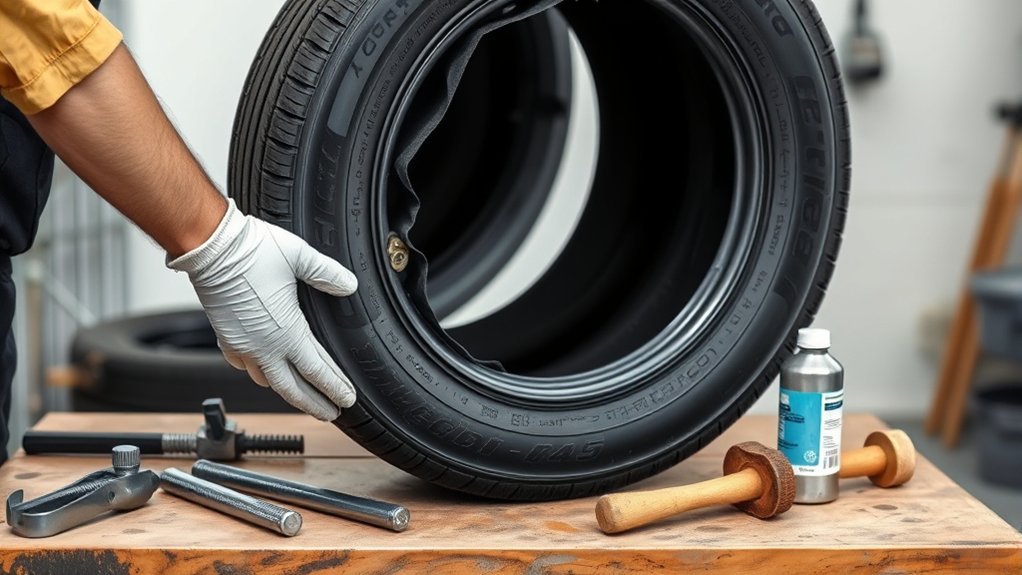
Turning a tire inside out is a hands-on DIY project most people use to make a decorative tire planter. The job is possible with the right tire, but it is not a routine tire-maintenance task. Work only on an unmounted, fully deflated tire, cut slowly, and stop if you expose steel cords or the tire feels unsafe to handle.
Quick Answer
To turn a tire inside out, choose a flexible, unmounted tire, mark an even petal or triangle pattern on one sidewall, cut along the sidewall lines, then kneel on the tread and pull the cut edge upward and toward you in small sections until the tire flips.
Key Takeaways
- Use only an unmounted, fully deflated tire in a clear, stable workspace.
- Cut the sidewall area, not the steel-belted tread, unless a specific pattern safely requires it.
- Wear eye protection, gloves, hearing protection, and a particulate respirator when cutting rubber.
- Mark equal points before cutting so the inverted tire stays balanced and clean-looking.
- Flip the tire gradually with body weight, leverage, and a helper if the tire is stiff.
At a Glance
| Time Required | About 30–90 minutes, depending on tire size, stiffness, and cutting tool |
| Difficulty | Moderate to hard; the cutting is simple, but the inversion takes force |
| Tools Needed | Wax marker, tape measure, utility knife or oscillating tool, clamps, blocks or bricks, drill, safety glasses, gloves, hearing protection, and particulate respirator |
| Cost | Usually $0–$30 if you already own the cutting tool and safety gear |
Warning: Never cut a tire while it is mounted on a rim or holding air. Use an unmounted, fully deflated tire only. Tires contain stiff steel belts under the tread and steel bead wire near the rim area, so stop if your cut exposes metal cords, grabs the blade, smokes, or feels out of control.
Gather Your Tools First
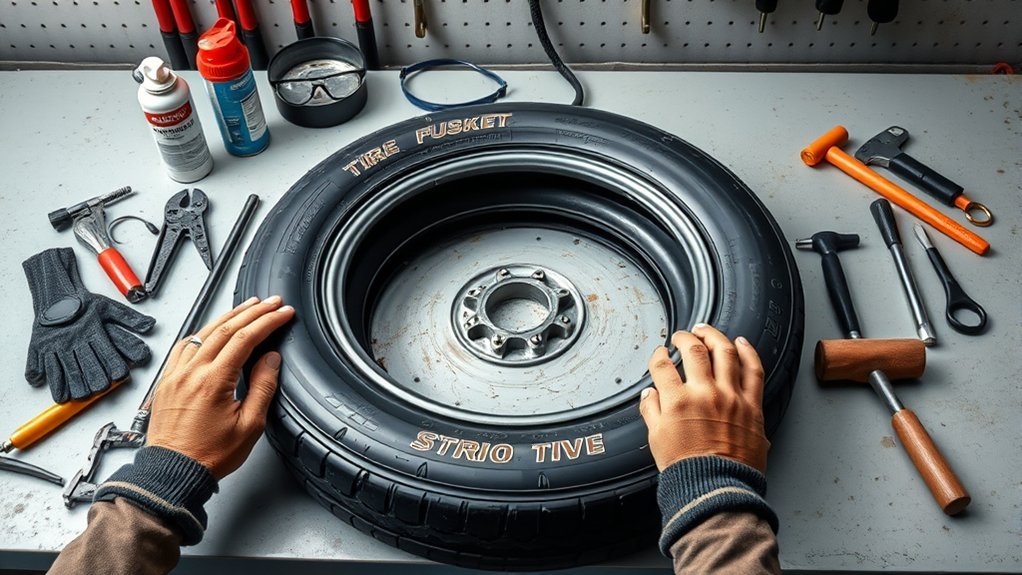
Before you start the inversion process, set up the tire and tools so you do not have to stop halfway through a cut. Use a stable outdoor work surface, such as a concrete floor, low workbench, or a pair of sturdy wooden beams. Keep children, pets, loose clothing, and extension cords away from the cutting area.
You will need a wax marker or paint marker, a tape measure, clamps, blocks or bricks, and a cutting tool. A sharp utility knife can work on some soft sidewalls, but an oscillating tool with a flexible-material blade is often easier. Dremel lists its MM430 Multi-Knife blade as a push/pull blade for flexible materials, and its tire planter project uses a Multi-Max tool with a Multi-Knife blade for this type of project.
For protection, wear safety glasses with side protection, cut-resistant work gloves, long sleeves, hearing protection if you use a power tool, and a NIOSH-approved particulate respirator when cutting creates rubber dust or odor. OSHA requires eye protection where flying-particle hazards are present, and CDC/NIOSH explains that filtering facepiece respirators are designed to filter particles such as dust, mist, and fumes.
Note: This project is for repurposing a scrap tire into a planter or garden decoration. It does not make a tire usable for driving again.
[Products Worth Considering]

Rubber Care delivers a beautiful dark black satin/matte finish on tires and other rubber or plastic surfaces, drying to the touch without oily shine. Its ceramic aircraft-grade formula helps repel dirt and brake dust residue, keeping surfaces cleaner longer. Triple nano ceramic polymer technology provides best-in-industry UV protection, restoring and protecting rubber while also working on weather stripping and de-ice boot care.

This 13-inch flat-free wheelbarrow tire uses solid polyurethane foam construction with steel rims, so it will not puncture, rot, or go flat. The anti-skid tread improves stability and maneuverability across garden, lawn, and mixed terrain. It includes pre-installed 5/8-inch bearings plus extra 3/4-inch bearings and a versatile adapter kit to fit compatible wheel sizes and cart hubs.
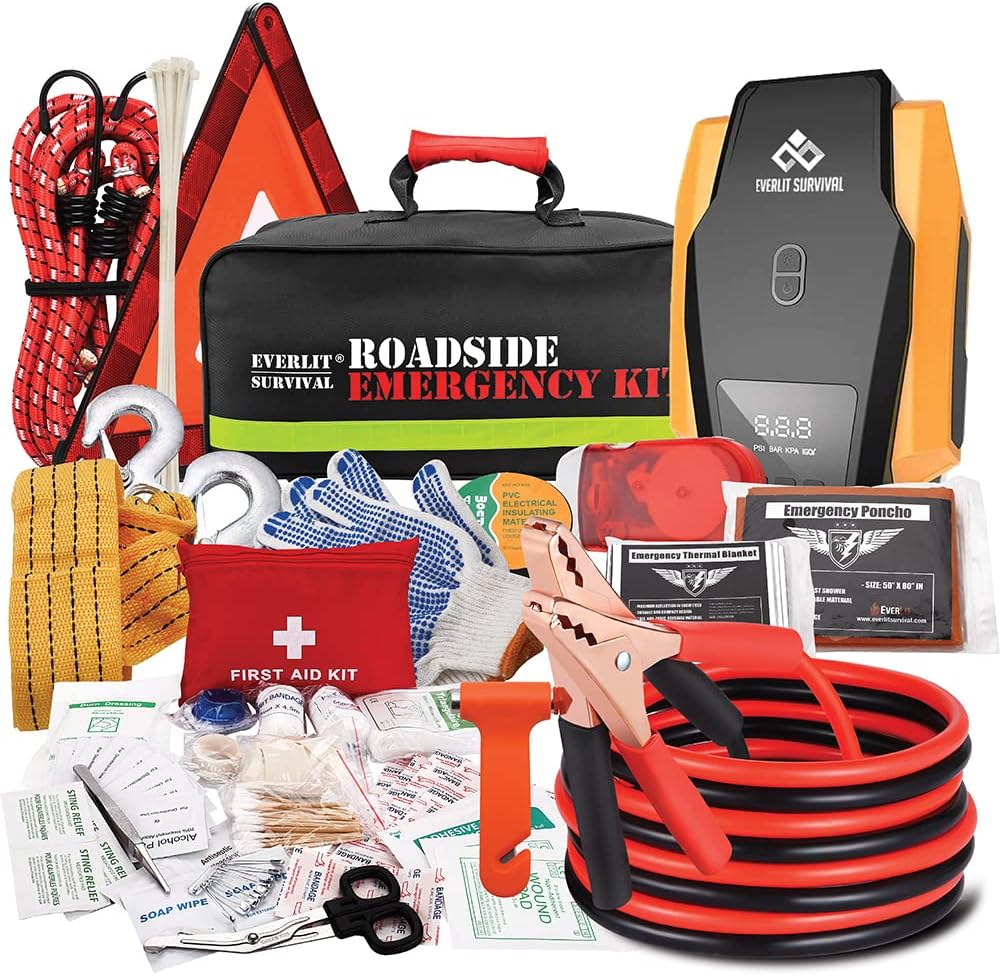
The Everlit Road Guardian emergency kit is designed for roadside breakdowns, combining essential safety gear and roadside tools in one compact bag. It includes a digital 12V auto tire inflator with preset and auto shutoff, plus 12-foot 8-gauge jumper cables to get you moving again. You also get a full 108-piece first aid kit, reflective warning tools, safety gloves, and emergency convenience items for safer travel.
Choose the Right Tire
The easiest tire to flip is a smaller passenger-car tire with flexible sidewalls and no visible damage. Avoid large truck tires, run-flat tires, tires with exposed wire, tires with cracked rubber, and tires that are oily or contaminated. If the tire is too stiff to flex by hand, it may not be worth the effort.
Inspect the sidewall and inner opening before you mark anything. Bridgestone explains that passenger tires include several parts, including rubber sidewalls, steel-cord belts under the tread, and a steel bead loop that grips the wheel. That is why this project works best when your pattern stays in the sidewall rubber and avoids the stiff tread belt and bead wire.
[Products Worth Considering]

SELEAD jumbo white tire markers deliver waterproof, quick-dry, long-lasting lettering for car tires and more. The premium non-toxic, acid-free, no-odor ink resists fading from outdoor weather and car washing. A 3-in-1 switchable jumbo tip range (3–15mm) helps you create precise or thick tire markings with smooth, even ink flow.

This professional wheel and rim brush kit makes it easy to lift brake dust, grime, and dirt from wheels and tires without scratching finishes. The brushes feature soft, metal-free wool heads and a flexible 360-degree rim brush design for reaching hard-to-clean areas. Includes multiple brush types plus accessories for thorough car, motorcycle, and general vehicle detailing.

This metal-free wheel and tire cleaning brush uses dense, fluffy synthetic wool to safely clean rims, spokes, fenders, and engine areas without worrying about damaging surfaces. Its flexible, comfortable design helps you reach detailed areas while maintaining durability, and the extra absorbent fibers work well with wheel spray cleaners for faster cleanup. Reusable and washable performance helps prevent grime and build-up for cleaner vehicles and easier maintenance at home.
Mark the Tire for Cutting
Choose a cut pattern that matches the finished look you want. A triangle or diamond-point pattern creates a flower-like planter edge, while a smooth scallop pattern gives a softer bowl shape. The goal is not to weaken the whole tire; it is to remove or open one sidewall evenly so the tire can roll over itself.
Choose a Cut Pattern
For a clean decorative planter, mark 12, 14, or 16 points around one sidewall. More points create smaller petals and a smoother edge; fewer points create larger, bolder petals. Keep the points consistent so the tire flips evenly and sits level after it is inverted.
| Pattern | Best For | Tip |
|---|---|---|
| 12 points | Fast layout | Good for small tires |
| 14 points | Balanced flower edge | Measure carefully; do not rely on repeated halving |
| 16 points | More detailed edge | Easiest to divide by halves and quarters |
Measure Tire Sections
Measure the tire’s circumference around the sidewall where your points will sit. Divide that number by the number of points you want. For example, if the measured path is 70 inches and you want 14 points, mark a point every 5 inches. Recheck the spacing before cutting, because uneven marks make the finished edge look twisted.
Mark Triangle Points
Use a wax marker to connect the points into triangles, diamonds, or scallops. Keep the lines bold and easy to follow. The cut should stay in the rubber sidewall area and should not run deep into the tread belt or the bead wire. If your pattern forces you into metal cord, change the pattern or choose another tire.
Pro Tip: Mark the full pattern first, then step back and look at the tire from above. Small spacing errors are much easier to fix with a marker than after the rubber is cut.
Cut the Sidewall Safely
Clamp the tire so it cannot jump or spin while you cut. Start at one marked point and cut slowly along the line. If you use an oscillating tool, let the blade do the work instead of forcing it. If you use a utility knife, make several shallow passes rather than one deep, risky cut.
[Products Worth Considering]

DAPAWIN white permanent paint markers deliver long-lasting, opaque coverage with a non-toxic, low-odor, quick-dry waterproof oil-based ink. These paint pens work on metal and many other surfaces including tires, wood, plastic, rocks, fabric, ceramic, canvas, rubber, and glass for outdoor and craft projects. The rounded medium tip helps create clean lines for labeling, decorating, and quick fixes, while the caps and nib guidance help reduce leaking.

Restore faded, dull tires to a rich black satin finish in minutes with a spray-on, wipe-off formula. Graphene and acrylic polymers create a durable, sling-free coating that resists water and dirt while helping prevent UV-related fading and cracking. Build your preferred look by applying additional layers for sleek satin to showroom gloss.

Upgrade your garden cart, wagon, trolley, or hand truck with solid puncture-guarded tires that help prevent flats for worry-free pushing. Textured tread improves stability, grip, and shock absorption for smoother, safer travel over outdoor surfaces. Built with strong polyurethane and durable bearing components for long-lasting performance and confident handling.
Follow the Cutting Lines
Keep the blade on the marked sidewall lines and keep your free hand away from the cut path. Work around the tire one section at a time. If the blade starts hitting wire, sparks, or heavy resistance, stop. Steel belts and bead wire can damage the blade and create sharp exposed edges.
Use a Sharp Blade
A dull blade makes this project harder and more dangerous because it encourages pushing. Change the blade if it drags, tears the rubber, or overheats. Remove loose rubber pieces as you go so they do not catch under the blade.
After you finish the pattern, remove the cut-out inner sidewall section or open the petals, depending on your design. Run a gloved hand near, not directly over, the edge to check for sharp rubber tabs or exposed wire. Trim only the rubber you can safely control.
Loosen the Sidewalls
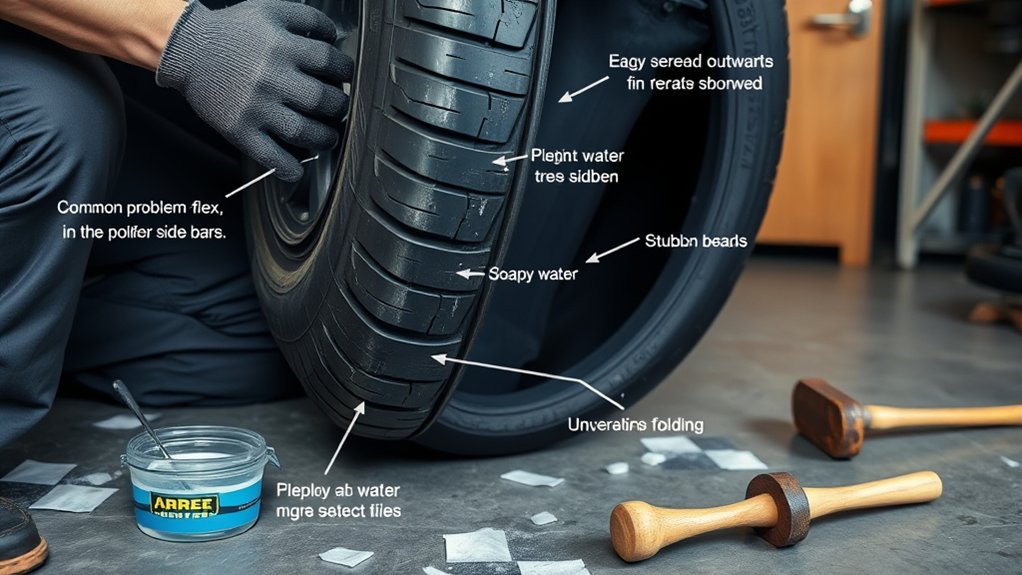
Set the tire flat with the cut side facing up. Press down on the tread with your knee or foot while pulling one cut edge upward. You are not trying to flip the whole tire at once. You are breaking the stiffness in small sections so the sidewall starts to relax.
If the rubber feels stubborn, place bricks or blocks under the tire to raise one edge. That gives your hands more room and improves leverage. A second person can hold the tire steady while you pull the cut edge toward you.
Flip the Tire Inside Out
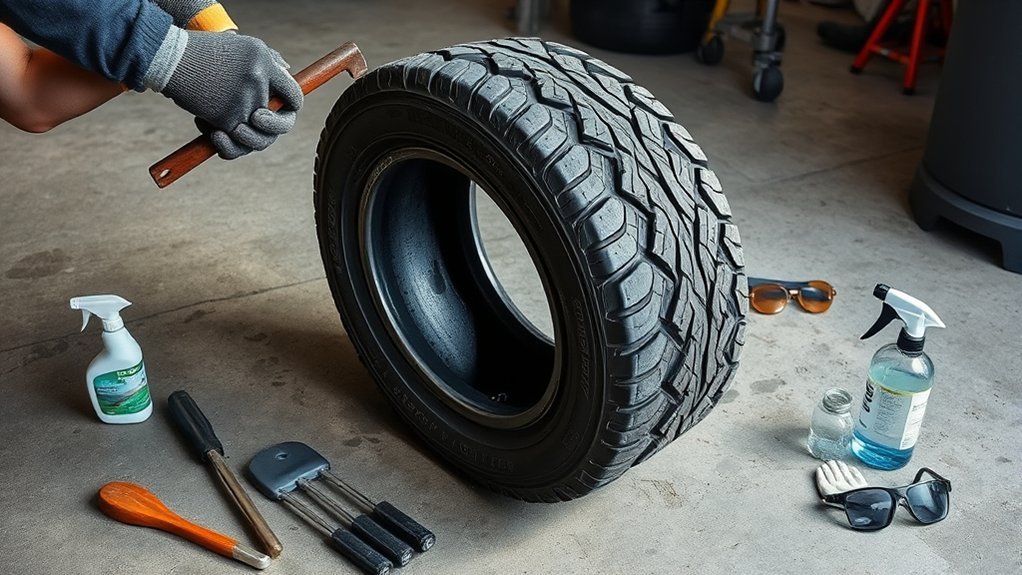
Turn the tire so the tread is against the ground. Kneel on the tread for leverage, grip the cut edge with both hands, and pull it up and toward your body. Once one section starts to roll over, shift your hands a few inches and repeat the motion.
Expect the first section to be the hardest. After the rubber begins to invert, the rest usually follows more easily. Dremel’s tire planter project notes that its example inversion took about 20 minutes, but a stiff tire can take longer. Work slowly so you do not strain your back or tear the tire unevenly.
Warning: Do not bounce, jerk, or stand inside the tire opening. Use steady force. If you feel back, wrist, or shoulder strain, stop and reset your position or get help.
Use Leverage on Stubborn Sections
When a section will not roll over, do not fight the full tire. Hold the inverted portion down with your knee, then pull the next small section over the edge. This keeps the tire from springing back and saves energy.
You can also clamp the completed section to a block or have a helper hold it. If the tire slips, place it on a rubber mat, rough concrete, or a piece of plywood with blocks around it. Keep your motions controlled: pull, shift, reset, and repeat.
Shape the Tire for a Clean Finish
Once the tire is inside out, check the full rim of the cut edge. Trim ragged rubber tabs with a sharp knife or oscillating tool. If the tire will be used as a planter, drill several drainage holes in the bottom so water cannot pool around plant roots.
Clean off rubber dust with a damp rag. If you plan to paint the tire, wash it with mild soap and water, let it dry fully, and use an outdoor paint that bonds to rubber or flexible plastic. Lighter paint colors can also help reduce heat buildup in direct sun.
Note: For food gardening, tire planters are debated. NC State Extension says there are better garden-bed options with less potential health risk, while Oklahoma State Extension documents tire modules as a researched container system. If you use a tire for edibles, consider lining it, using fresh potting mix, avoiding root crops and leafy greens, and replacing the planter if the rubber starts breaking down.
Fix Common Tire Flipping Problems
The Tire Will Not Flip
The tire may be too stiff, too large, or reinforced in a way that does not suit this project. Try raising one side on blocks, pulling smaller sections, and using a helper. If it still will not move, stop before you injure yourself.
Steel Cords Appear
Stop cutting. Exposed wire can be sharp and hard to control. Trim only loose rubber around the area if you can do so safely, then cover or discard that tire rather than leaving wire where hands, pets, or children can touch it.
The Cut Edge Looks Uneven
Small uneven spots can be trimmed after the tire is flipped. For larger errors, mark a new smoothing line with the wax marker before cutting again. Avoid chasing every tiny flaw; overcutting can weaken the shape.
The Tire Slips While Pulling
Move to a rougher surface, brace the tire with blocks, or have a helper hold the opposite side. Do not put your fingers under a section that could snap back.
Frequently Asked Questions
Can I flip any tire inside out?
No. Smaller, flexible passenger tires are the best candidates. Avoid mounted tires, inflated tires, run-flat tires, heavy truck tires, cracked tires, and any tire with visible wire or chemical contamination.
Do I cut the tread or the sidewall?
For a typical inside-out tire planter, cut the sidewall and inner opening area. The tread area is much stiffer and usually contains steel belts, so it is harder and riskier to cut.
How long does it take to turn a tire inside out?
Plan on 30–90 minutes for your first tire. A flexible tire and a sharp cutting tool may be faster, while a stiff tire can take longer or may not be worth forcing.
What is the 3 tire rule?
For garden projects, the “3 tire rule” usually means keeping stacked tire planters low and stable rather than piling too many tires high. If you stack tires, place the widest tire at the bottom, keep the stack level, and avoid tall stacks that can tip.
Is turning a tire inside out the same as rotating tires?
No. Rotating tires means moving vehicle tires to different wheel positions for even tread wear. Turning a tire inside out is a permanent DIY modification for a scrap tire, usually to make a planter.
Is this the same as workout tire flips?
No. Workout tire flips involve lifting and pushing a heavy tire for exercise. This project means cutting and permanently inverting a scrap tire. The safety setup, tools, and goal are completely different.
Conclusion
Turning a tire inside out takes patience, careful cutting, and steady leverage. The safest method is to choose a flexible, unmounted tire, mark an even sidewall pattern, avoid steel belts and bead wire, and flip the tire in small sections instead of forcing it all at once. Once it is inverted, trim rough edges, add drainage holes, clean away rubber dust, and use the finished tire as a planter or outdoor decoration with sensible garden-safety precautions.
Sources
- Bridgestone: Basic Structure of Tires — supports tire sidewall, belt, and bead construction.
- OSHA 29 CFR 1910.133 Eye and Face Protection — supports eye protection for flying-particle hazards.
- CDC/NIOSH Filtering Facepiece Respirators — supports particulate respirator guidance for dust, mist, and fumes.
- Dremel Tire Planter Project — supports the general cut-and-invert tire planter method and tool safety warning.
- Dremel MM430 Multi-Knife Blade — supports use of a flexible-material cutting blade.
- NC State Extension: Better Options Than Tires in the Garden — supports balanced caution about tire use in gardens.