

You can find the cheapest tires without treating price as the only factor. Start with the exact tire size and vehicle requirements, choose a tire type that fits your climate and driving, and then compare the same tire across several sellers using the complete installed price. A slightly higher upfront price can be cheaper over time if the tire lasts longer and includes better service or warranty coverage.
Quick Answer
To get the cheapest tires without sacrificing safety, match the size and vehicle requirements in your owner’s manual or door placard, choose the right tire type for your climate, then compare identical tires by total installed cost. Include shipping, mounting, balancing, disposal, taxes, warranty terms, tire age, and current rebates.
Key Takeaways
- Verify the correct tire size and vehicle requirements before comparing prices.
- Choose all-season, winter, summer, touring, performance, or all-terrain tires according to your actual climate and driving.
- Compare the total installed price, not only the tire’s advertised price.
- Check treadwear information, warranty terms, tire age, condition, and recall status before buying.
- Compare reputable sellers such as Tire Rack, Walmart, Amazon, Priority Tire, SimpleTire, and Discount Tire without assuming one is always cheapest.
At a Glance
| Time Required | About 15–30 minutes to verify fitment and compare several quotes |
| Difficulty | Easy |
| Tools Needed | Owner’s manual or door placard, vehicle details, retailer quotes, and a calculator |
| Cost | Comparing quotes is free; tire and installation prices vary by vehicle, size, tire type, seller, and location |
How to Choose Affordable Tires

To choose affordable tires, match the tire to your vehicle, driving habits, climate, and expected mileage before looking for the lowest price. Buying the wrong tire cheaply can cost more if it wears quickly, performs poorly in your weather, or does not meet your vehicle’s requirements.
Brands such as Falken, BFGoodrich, and Yokohama offer tires across different price and performance levels, so compare individual models rather than assuming an entire brand is a budget choice.
Use this simple process:
- Confirm fitment. Check the tire size listed in your owner’s manual or on the Tire and Loading Information Label, usually found near the driver’s door.
- Choose the correct tire category. Match all-season, winter, summer, touring, performance, or all-terrain tires to the conditions you actually drive in.
- Compare equivalent tires. Look at size, load and speed requirements, treadwear information, warranty terms, and intended use.
- Get an all-in price. Include shipping, mounting, balancing, valve or TPMS service when required, disposal fees, taxes, and any other charges.
- Check age and safety. Review the tire’s DOT date information, condition, and recall status.
- Protect your purchase. Maintain correct pressure, rotation, balance, and alignment so inexpensive tires do not wear out prematurely.
If you consider used tires, inspect tread depth, sidewalls, wear patterns, age, previous repairs, cracking, bulges, and other damage carefully. A low purchase price is poor value if the tire has little usable tread or an unknown history.
Warning: Do not buy or continue using a tire with exposed cords, bulges, serious cuts, obvious structural damage, or tread worn to 2/32 inch. NHTSA says tires are unsafe and should be replaced when tread reaches 2/32 inch.
Choose the Right Tire Type for Your Needs
Choosing the right tire type starts with how and where you drive. The cheapest suitable tire balances safety, comfort, tread life, and price instead of paying for features you do not need.
According to NHTSA TireWise, tire choice varies with location and typical weather. All-season tires handle a range of conditions, winter tires are more effective than all-season tires in deep snow, summer tires are not designed for freezing temperatures or snow and ice, and all-terrain tires balance on-road and off-road use.
All-season tires work for many drivers in moderate conditions, but your local weather should decide whether you need all-season, winter, summer, or another specialized tire.
Touring tires often emphasize ride comfort and lower road noise. Performance tires emphasize handling and grip, although price and tread life vary by model. All-terrain and mud-terrain tires are designed for drivers who regularly leave paved roads and may add cost, weight, noise, or rolling resistance that a pavement-only driver does not need.
- Drive mainly on paved roads in moderate conditions? Compare suitable all-season and touring tires.
- Regularly face deep snow or severe winter conditions? Compare dedicated winter tires.
- Want sharper dry-road handling? Consider an appropriate performance or summer tire while respecting temperature limits.
- Frequently leave pavement? Compare all-terrain or mud-terrain tires designed for that use.
- Check shipping separately; free shipping does not make an unsuitable tire a good value.
Match Tire Size, Load Rating, and Speed Requirements
Cheap tires are not a bargain if they do not fit your vehicle correctly. NHTSA advises purchasing replacement tires in the same size as the vehicle’s original tires or another size recommended by the vehicle manufacturer.
Find the factory tire size on the Tire and Loading Information Label near the driver’s door or in the owner’s manual. Also confirm that the replacement tire meets the vehicle’s required load capacity and appropriate speed-rating requirements.
If you want to change wheel or tire size, do not rely on a general percentage rule alone. Changes in overall diameter can affect clearance, speedometer readings, gearing, ABS, stability-control behavior, and other systems. Use a size approved by the vehicle or tire manufacturer or have a qualified tire professional confirm the conversion.
Compare Prices, Warranties, and Tread Life
Once you have narrowed the search to tires that fit your vehicle and driving conditions, compare the total cost of ownership instead of the sticker price alone.
Check the Uniform Tire Quality Grading information when it applies. NHTSA explains that a higher treadwear grade indicates a slower relative wear rate compared with the government control tire. However, a UTQG treadwear number is a comparative rating, not a promise that a tire will last a specific number of miles.
Read warranties carefully. A manufacturer defect warranty, mileage or treadwear warranty, and a retailer’s road-hazard plan can have different terms. Do not assume road-hazard protection is automatically included. Check eligibility, exclusions, required maintenance records, replacement terms, and whether a claim is prorated.
When comparing two tires, look at:
- Total installed price.
- Expected use and tire category.
- UTQG treadwear, traction, and temperature grades when applicable.
- Mileage or treadwear warranty terms.
- Road-hazard coverage, if offered.
- Return and exchange terms.
- Current rebates or promotions.
- Availability of replacement tires if one is damaged later.
Pro Tip: Compare the exact same brand, model, size, load specification, and speed rating at each retailer. That prevents a lower-priced but different tire from making one quote look cheaper than it really is.
[Products Worth Considering]
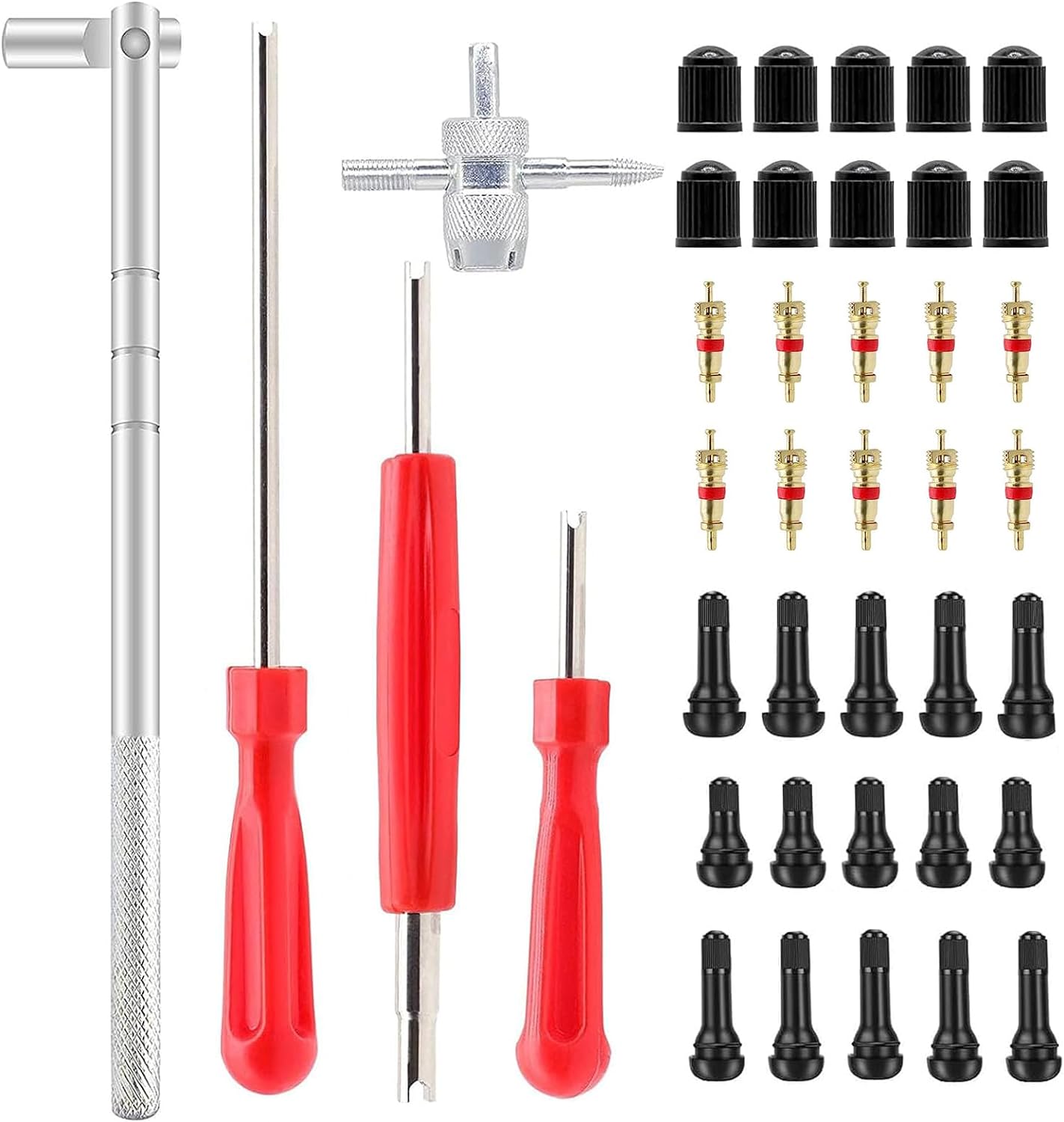
This ZHSMS valve stem puller and installer tool set makes it easy to remove and install tire valve stems without damaging wheels or valves. It uses a leverage design to save effort and includes valve stem tools plus removable valve core functionality for quick tire repairs. Compatible with tubeless tires for passenger cars, motorcycles, ATVs, off-road vehicles, and trucks.

Vigorder rubber cement glue delivers superior adhesion and cures quickly within about 30 seconds for seamless rubber bonding. Once cured, it helps provide a strong, durable, waterproof seal that holds up to vehicle weight, pressure, and heat. Suitable for cars, motorcycles, trucks, bicycles, and off-road tires, it’s designed for emergency patch and maintenance repairs.

The SAFELIFE dial tire tread depth gauge measures tread depth in 1/32 inch increments with clear, easy-to-read 2-inch dial face. Color zones using a traffic light system help you quickly judge whether tread is low, marginal, or ample for safer driving. Built with a durable zinc cast body and a metal detect probe for precise, comfortable use across cars, motorcycles, trucks, and buses.
Compare the Total Installed Tire Cost
The advertised tire price is only one part of what you may pay. Before choosing a seller, ask for the out-the-door installed total.
Depending on the seller and vehicle, your final bill may include:
- Tire price.
- Shipping or delivery.
- Mounting.
- Wheel balancing.
- Valve stems or TPMS-related service when needed.
- Old-tire disposal or recycling fees.
- Taxes and other required fees.
- Road-hazard coverage if you choose it.
- Alignment if needed and not already included.
A tire that costs slightly more online may become cheaper after installation if another seller charges more for shipping or service. The reverse can also happen.
Note: Compare current quotes on the same day when possible. Tire prices, rebates, shipping charges, and installation packages can change, so there is no retailer that is always the cheapest.
Where to Find Cheap Tires Online
When you’re shopping for cheap tires online, use several reputable sellers as quote sources rather than assuming one store always has the lowest price.
Tire Rack, Walmart.com, Amazon, Priority Tire, SimpleTire, and Discount Tire can all be included in your comparison. Availability, delivery, installation options, seller terms, and pricing vary by tire and location.
- Enter the same vehicle or exact tire size at every retailer.
- Compare the exact same tire model when possible.
- Check whether shipping is included.
- Confirm where installation will take place and what it costs.
- Compare return, exchange, warranty, and road-hazard terms.
- Look for current manufacturer rebates or retailer promotions.
- Calculate the complete installed price before choosing.
Tire Rack can be useful for researching models and comparing specifications. Walmart.com can be worth checking when local installation is available. Amazon may provide competitive listings, but seller, fitment, shipping, and installation terms should be reviewed carefully. Priority Tire and SimpleTire provide additional online quotes, while Discount Tire offers another useful price and service comparison where available.
[Products Worth Considering]

Measure tire tread depth quickly and accurately with this LUMITECO dial gauge that reads in 1/32" increments up to 14/32". The color-coded green/yellow/red zones make it easy to judge tire wear and know when replacement is needed. A rugged, compact design with a protective pouch helps keep the gauge ready for use on cars, trucks, motorcycles, and more.

Replace worn or missing TPMS sensors with a pre-programmed 4-pack designed for compatible GM vehicles. These 315MHz sensors provide real-time tire pressure monitoring and alert you if pressure is too high, too low, or if a rapid air leak occurs. Most installations are ready with minimal relearn effort after mounting, helping improve safety and driving confidence.

Monitor tire tread wear with a smart, color-coded depth gauge that shows clear condition ranges at a glance. The bar is range marked for fast, easy readings, helping you maintain safer traction and performance. Each gauge is portable with a pocket clip, and the set includes 20 units for daily use and sharing.
New vs. Used Cheap Tires
A used tire can cost less upfront, but price should be weighed against remaining tread, age, damage, repair history, and how much service life is left.
Before buying a used tire, inspect:
- Tread depth across the full width of the tire.
- Uneven or irregular wear.
- Sidewall cracking, cuts, bubbles, or bulges.
- Exposed cords or other structural damage.
- Visible puncture repairs.
- The DOT Tire Identification Number and manufacturing date.
- Whether the tire is affected by a safety recall.
Because a used tire’s complete history may be unknown, have a qualified tire professional inspect it when you are uncertain about its condition.
[Products Worth Considering]

This tire inflator with pressure gauge delivers long-lasting performance with a durable rubber-protected gauge and sturdy build. The longer hose and 360 swivel air chuck help you seal the valve securely and keep your hands free while measuring, inflating, or deflating. It’s battery-free for reliable use and provides ±2 PSI accuracy in the mid-range for most typical tires, with universal compatibility for 1/4 NPT compressor outputs.

Accurately measure tire tread depth with a calibrated gauge marked from 0 to 1 inch in 1/32 inch increments. The color-coded bar helps you quickly identify tread condition ranges, supporting safe driving for trucks, motorcycles, automobiles, and passenger vehicles.

This 100-piece set of snap-in tubeless tire valve stems is designed for standard 0.453 in (11.5 mm) rim holes and helps maintain reliable, steady tire pressure. Made with ozone-resistant rubber and brass cores, the valves are built for durability and long-term use. Easy to install by hand, they support safe driving and are suitable for cars, light trucks, trailers, and more.
Check Tire Age and Recalls Before Buying
Tread depth is not the only condition that matters. Tires also age as rubber and other materials change because of time, heat, storage, use, sunlight, and maintenance conditions.
NHTSA explains that the final four digits of the DOT Tire Identification Number show the week and year a tire was manufactured. For example, a code ending in 2325 indicates production in the 23rd week of 2025.
NHTSA also notes that some vehicle and tire manufacturers recommend replacing tires that are six to ten years old regardless of remaining tread. Follow the specific replacement guidance from your vehicle and tire manufacturers rather than treating age alone as a universal expiration date.
Before buying older inventory or a used tire, you can also check NHTSA’s recall database for tire safety recalls.
NHTSA reports that 511 people died in tire-related motor-vehicle crashes in 2024, which is a reminder that a low purchase price should never override safe fitment, condition, and maintenance.
Avoid Costly Tire Buying Mistakes
Even on a tight budget, you should not buy tires by price alone. The wrong size, specification, type, or condition can reduce safety and turn an apparent bargain into an expensive mistake.
Avoid these common problems:
- Buying the wrong size: Verify the owner’s manual or vehicle placard before ordering.
- Ignoring load requirements: Make sure the tire can safely support the vehicle’s required load.
- Choosing by brand alone: Compare specific tire models because brands sell products at many price and performance levels.
- Assuming a longer-looking warranty is automatically better: Read the conditions, exclusions, and claim terms.
- Confusing UTQG with guaranteed mileage: Use treadwear grades as a comparison tool, not an exact lifespan promise.
- Ignoring tire age: Check the DOT manufacturing date, especially on used tires or older inventory.
- Skipping recall checks: Verify safety-recall status when appropriate.
- Comparing sticker prices only: Include installation, balancing, shipping, disposal, taxes, and optional services.
- Buying from an unverified seller: Confirm return support, warranty handling, and who will install the tires.
If you are unsure about fitment or tire condition, ask a qualified installer or reputable tire retailer before driving on the tire.
Make Affordable Tires Last Longer
Regular maintenance protects both safety and the value of your tire purchase. NHTSA recommends checking tire pressure at least once a month when tires are cold, meaning the vehicle has not been driven for at least three hours.
Use the vehicle manufacturer’s recommended cold pressure from the driver’s door placard or owner’s manual, not the maximum pressure molded into the tire sidewall.
Check tread at the same time. NHTSA says tires should be replaced when tread reaches 2/32 inch. Built-in treadwear indicators can help show when the tread reaches its minimum level.
Rotation can reduce irregular wear. Follow your owner’s manual because rotation patterns and intervals vary, and some vehicles with different front and rear tire sizes may not allow normal rotation. NHTSA notes that, when recommended by the vehicle manufacturer, rotation may be performed about every 5,000 to 8,000 miles or sooner if uneven wear appears.
Balancing and wheel alignment also matter. Vibration, pulling, or unusual wear can indicate a problem that should be inspected by a qualified technician.
Frequently Asked Questions
Who Has the Best Tires for the Lowest Price?
There is no retailer that is always cheapest. Compare Tire Rack, Walmart, Amazon, Priority Tire, SimpleTire, Discount Tire, local tire shops, and other reputable sellers using the same tire model and size. Compare the final installed total after shipping, mounting, balancing, fees, taxes, rebates, and included services.
What Is the 3% Rule for Tires?
The commonly discussed 3% rule relates to limiting changes in overall tire diameter when changing tire sizes; it is not a tread-replacement rule and should not replace vehicle-manufacturer fitment guidance. NHTSA recommends using the original tire size or another size recommended by the vehicle manufacturer. For tread depth, NHTSA says tires should be replaced at 2/32 inch.
Is It Cheaper to Get Tires at Costco or Walmart?
Either can be cheaper for a particular tire and location. Compare the same tire size and model using the current installed price, including membership requirements where applicable, mounting, balancing, disposal, taxes, warranty or road-hazard benefits, and other included services. Do not assume one retailer will always have the lower total.
How Much Should 4 Good Tires Cost?
There is no reliable universal price for four good tires. Cost changes with tire size, vehicle type, load and speed requirements, tire category, brand, region, installation charges, and current promotions. Get several current quotes for the exact tire specification your vehicle requires and compare the full installed price.
Are Used Tires Worth Buying?
Used tires can cost less, but the remaining tread, age, previous repairs, damage, irregular wear, and unknown service history can reduce their value. Check the DOT date code and recall status and have the tire professionally inspected if you cannot confidently evaluate its condition.
Are All-Season Tires Always the Cheapest Choice?
No. All-season tires are practical for many drivers, but the correct choice depends on climate and use. In areas with deep snow or severe winter conditions, dedicated winter tires may provide better performance. Buying an unsuitable tire simply because it costs less can be false economy.
Conclusion
You want cheap tires, but the lowest sticker price is not automatically the cheapest long-term choice. Start with the correct tire size and vehicle requirements, choose a type that suits your climate, and compare identical tires by their full installed cost.
Then check treadwear information, warranty terms, tire age, condition, and recall status. Avoid unsupported retailer rankings and compare current quotes instead. After installation, correct tire pressure, rotation, balancing, and alignment can help protect tread life and reduce the chance that a cheap purchase becomes an expensive early replacement.
Smart tire shopping means paying as little as practical without compromising fit, condition, or safety.
Sources
- National Highway Traffic Safety Administration — TireWise — tire selection, sizing, UTQG ratings, tread depth, pressure, rotation, aging, and DOT date-code guidance.
- NHTSA Tire Buyers’ FAQ — official tire-buying guidance on tire type, size, ratings, and manufacturing date.
- NHTSA Recall Search — tire and vehicle-equipment safety recall information.
- U.S. Department of Transportation — Uniform Tire Quality Grading Standards — federal UTQG reference material.
