
Uneven Tire Wear on Toyota RAV4: 7 Fixes
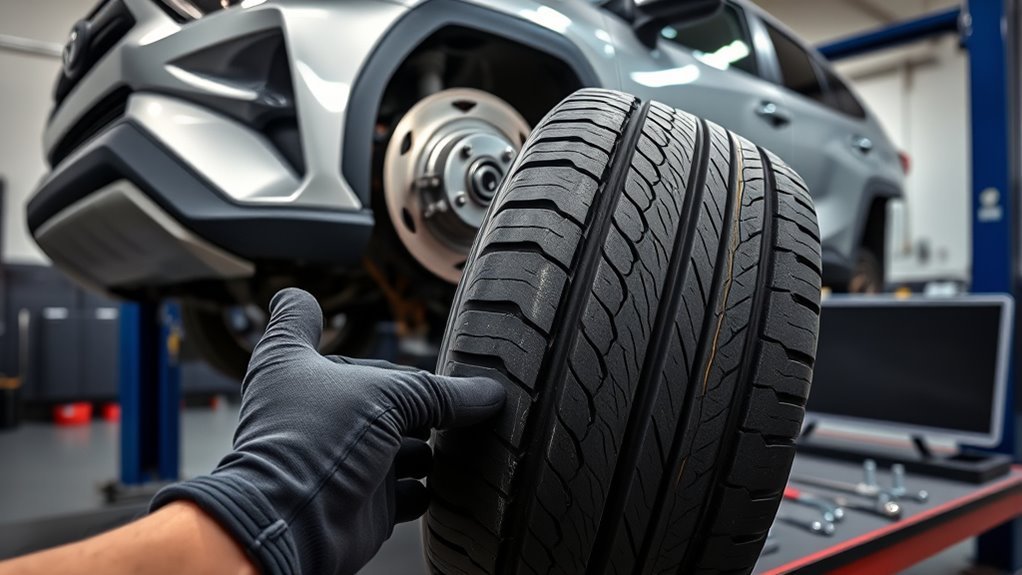
How to Fix Uneven Tire Wear on Your Toyota RAV4
Uneven tire wear can make your Toyota RAV4 feel rough, noisy, or less stable than it should. Left alone, it can shorten tire life and make steering or braking less predictable. To fix the problem, check tire pressure, rotate the tires, inspect tread patterns, and get the alignment and suspension checked when wear looks uneven.
Quick Answer
To fix uneven tire wear on your Toyota RAV4, start with the basics: set tire pressure to the level shown on the driver-side door placard, rotate the tires on schedule, and inspect tread depth. If wear appears on one edge, you feel vibration, or the vehicle pulls to one side, schedule a wheel alignment and suspension inspection.
Key Takeaways
- Check tire pressure monthly and before long trips.
- Rotate your tires every 5,000 to 7,500 miles, or follow your owner’s manual.
- Schedule an alignment check if wear appears on one edge or the RAV4 pulls while driving.
- Inspect suspension parts when uneven wear returns after rotation or alignment.
- Replace tires with exposed cords, severe bald spots, or unsafe tread depth.
Signs of Uneven Tire Wear on Your RAV4
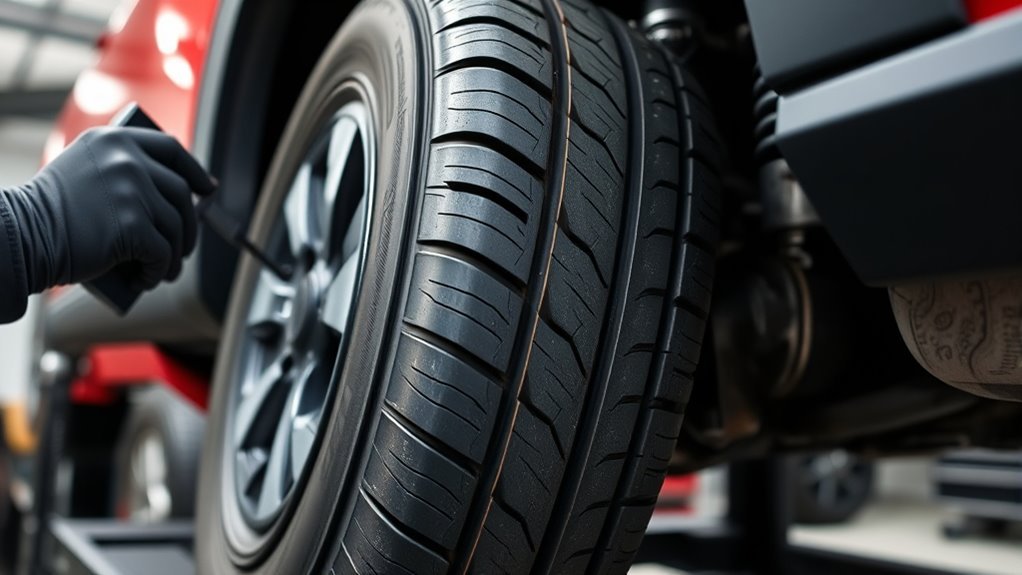
Uneven tire wear can affect your Toyota RAV4’s handling, braking, and ride comfort. Look for bald spots, feathered edges, cupping, or tread that wears faster on the inner or outer edge.
If one tire shows exposed cords or steel belts, stop driving on it and replace it as soon as you can. Vibration at highway speeds can also point to tire imbalance, uneven wear, or an alignment issue.
Inspect all four tires at least once a month. If the front passenger tire wears faster than the others, the cause may include camber, toe, tire pressure, road impact damage, or worn suspension parts.
[Products Worth Considering]

EVOULTES heavy duty tire inflator with an integrated gauge delivers accurate pressure readings from 10–120 PSI, helping you inflate, deflate, and check tires in one tool. The 16.5-inch extended dual-head air chuck with swivel base reaches hard-to-access dual wheel valves on trucks and RVs. A brass trigger core and side-mounted air release valve make operation smooth, with standard 1/4" NPT threading and quick-connect compatibility for easy setup.

This portable cordless tire inflator delivers up to 160 PSI with fast 17 L/min airflow to help you quickly top up tires and get back on the road. It features dual power mode, running on a 21V rechargeable battery or a 12V DC adapter for convenient roadside use. An automatic shut-off with digital pressure gauge helps prevent overinflation, and a built-in LED light improves visibility in low-light conditions.

The JACO FlowPro Tire Inflator measures, inflates, and airs down tires up to 100 PSI with battery-free operation and ±2% accuracy after calibration. It features a glowing pressure dial for night visibility, a heavy-duty steel build with a hybrid hose, and a precision push-to-inflate thumb trigger. The patented Lightning Air Chuck locks on for a secure seal, and the kit includes quick-connect hardware for easy inline use with your air compressor.
What Causes Uneven Tire Wear on a RAV4?
Uneven tire wear often starts when the tire does not sit flat on the road. Misalignment, poor tire pressure, worn suspension parts, and driving habits can all change how the tread contacts the pavement.
Too much toe-in or toe-out can scrub the tread as the tire rolls. Too much camber can wear one shoulder faster than the rest of the tire.
Driving can make the problem worse. Hard launches, sharp turns, potholes, curb strikes, and speed bumps can increase tread wear or knock the alignment out of spec.
Check Tire Pressure First
Checking your tire pressure gives you the fastest starting point. Use the pressure listed on the driver-side door placard, not the number molded into the tire sidewall.
Check pressure when the tires are cold. Driving heats the tires and can raise the reading, which may lead you to underinflate them by mistake.
What Tire Pressure Does to Tread Wear
Incorrect tire pressure changes the way the tread touches the road. Underinflated tires often wear more on the shoulders, while overinflated tires can wear more in the center.
| Tire Pressure Status | Effects on Performance |
|---|---|
| Underinflated | More shoulder wear and extra heat |
| Overinflated | More center wear and less road contact |
| Correct | Better handling, braking, and tread life |
Why Correct Tire Pressure Improves Safety
Correct tire pressure helps the tire keep steady contact with the road. That helps your RAV4 steer, brake, and respond as designed.
Pressure can change as outside temperatures rise or fall. Check it monthly, before long trips, and any time your tire pressure warning light turns on.
Pro tip: Keep a tire pressure gauge in the glove box so you can check pressure before long drives.
How to Align Your RAV4 to Fix Tire Wear
Wheel alignment sets the angles of the tires so they meet the road the right way. A technician checks camber, caster, and toe, then adjusts the parts that your RAV4 allows.
You should consider an alignment after hitting a pothole or curb, replacing suspension parts, installing new tires, or seeing uneven tread wear. A vehicle that pulls to one side also needs a check.
What Happens During a Proper Alignment
A shop uses alignment equipment to measure wheel angles against Toyota specifications. The technician adjusts toe first on many vehicles, then checks whether camber and caster sit within range.
Some RAV4 alignment settings may need repair parts before they can return to spec. If worn parts caused the problem, alignment alone may not stop the wear.
When to Check Alignment
Have alignment checked at least once a year, or sooner if you see uneven wear. You should also check it after tire replacement, suspension repair, or a hard road impact.
Pair alignment checks with regular tire inspections. Catching wear early can help you avoid replacing tires before their expected service life.
Why Camber and Toe Matter
Camber describes how much the tire tilts inward or outward when viewed from the front. Too much inward or outward tilt can wear one tire edge faster.
Toe describes whether the front of the tires points slightly inward or outward when viewed from above. Incorrect toe can scrub the tread quickly, even when tire pressure looks right.
How Tire Rotation Helps Maintain Even Wear
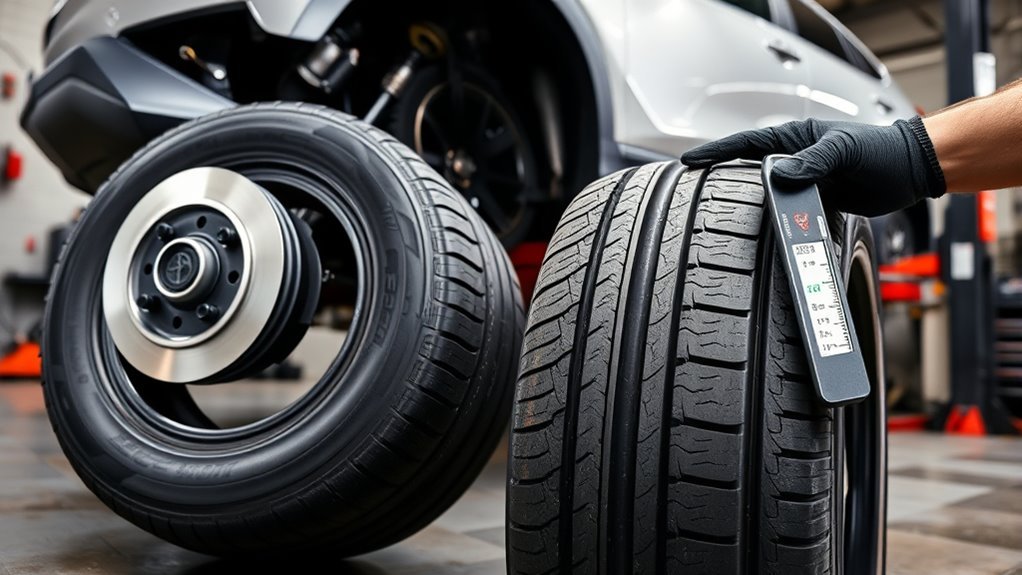
Tire rotation moves tires to different positions on the vehicle. This helps balance the different loads and steering forces each tire handles.
Rotate your RAV4 tires every 5,000 to 7,500 miles, or follow the schedule in your owner’s manual. If your tires have a directional tread pattern or different front and rear sizes, use the correct rotation pattern for that tire setup.
Regular rotation can help with:
- More even tread wear across all four tires
- Better traction on wet or slick roads
- Smoother handling and ride comfort
- Earlier detection of alignment or suspension issues
- Longer tire life when pressure and alignment stay correct
How Your Driving Habits Affect Tire Longevity
Your driving habits play a clear role in tire life. Smooth steering, gentle braking, and gradual acceleration reduce stress on the tread.
Road hazards also matter. Potholes, curbs, and rough speed bumps can damage tires or shift alignment, even when the tire looks normal from the outside.
[Products Worth Considering]

The AstroAI L7 Air Tire Inflator refills car tires quickly with up to 150PSI max pressure and a fast 1-minute inflation claim. It includes 5 preset modes for car, motorcycle, bicycle, balls, and manual use, along with an auto shutoff to help prevent overinflation. Designed for convenience, it features a digital gauge with unit switching, a top LED light with multiple modes, and USB-C/USB ports for backup power.
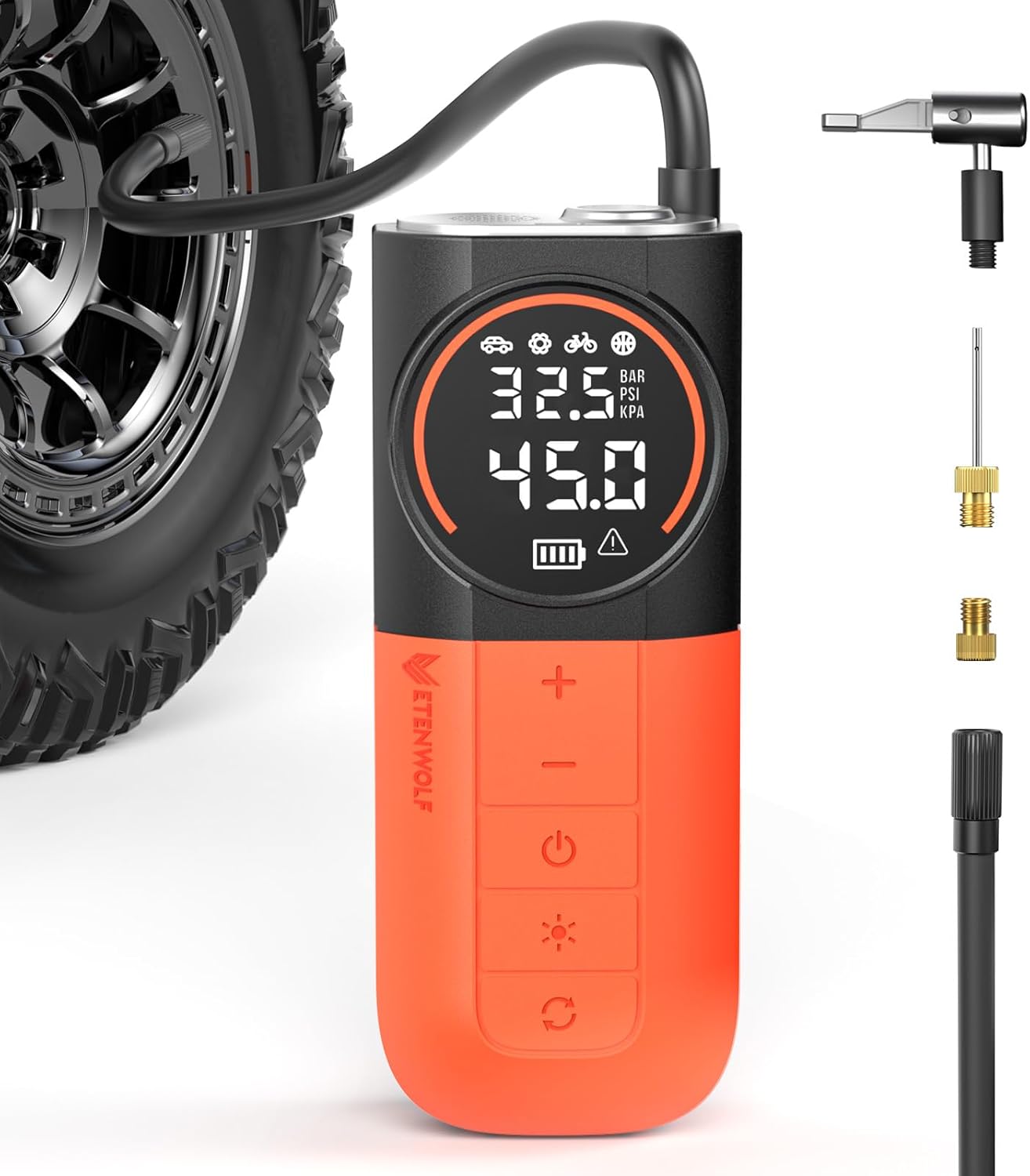
The ETENWOLF S1 cordless tire inflator delivers ultra-fast inflation with up to 160 PSI and a 20 L/min airflow for quicker tire top-offs. Its 5200mAh battery and cooling system support inflating many tires and sports balls on a single charge, while the digital pressure gauge and multi-unit display help you reach the right pressure accurately. With preset modes, pressure memory, an auto-stop feature, and an LED flashlight, it’s built for easy roadside and everyday use.
Aggressive Acceleration and Tire Wear
Hard acceleration can increase wear on the drive tires. It can also create extra heat, which speeds up tread wear over time.
To protect your tires, use smoother starts and steady throttle input. This habit helps your RAV4 feel more stable and can reduce wear on the front tires.
Cornering Techniques and Tire Wear
Sharp cornering puts extra load on the outside tire edges. High-speed turns can make that wear show up sooner.
| Driving Technique | Impact on Tire Wear | Recommended Action |
|---|---|---|
| Sharp Cornering | More outer-edge wear | Use smoother steering |
| Hard Braking | More tread stress | Brake earlier and gradually |
| Rapid Acceleration | Faster drive-tire wear | Accelerate smoothly |
| Incorrect Tire Pressure | Premature tread wear | Check pressure monthly |
| Poor Alignment | Inside or outside edge wear | Schedule an alignment check |
Small driving changes can make a real difference. Your tires last longer when you reduce harsh steering, braking, and throttle inputs.
Choosing the Right Tires for Your RAV4
Selecting the right tires for your Toyota RAV4 helps protect handling, traction, and tread life. Always match the tire size, load rating, and speed rating listed for your vehicle.
Think about where and how you drive. All-season tires suit many daily drivers, while winter tires help in cold, snowy, or icy conditions.
- Choose tires that match your RAV4’s size and load rating.
- Pick a tread pattern that fits your roads and climate.
- Use a full matching set when possible for balanced handling.
- Check tire pressure after installation and during seasonal changes.
- Schedule alignment if old tires wore unevenly before replacement.
When to Get Professional Help for Your Tires
Get professional help if one tire wears much faster than the others, or if tread wear appears on one edge. These signs often point to alignment, suspension, or tire pressure problems.
You should also visit a tire shop if your steering wheel shakes, the RAV4 pulls to one side, or you hear tire noise that gets louder with speed. A technician can inspect balance, alignment, tread depth, and suspension parts.
Warning: Do not keep driving on a tire with exposed cords, bulges, or deep sidewall damage.
DIY Inspection: What to Look For
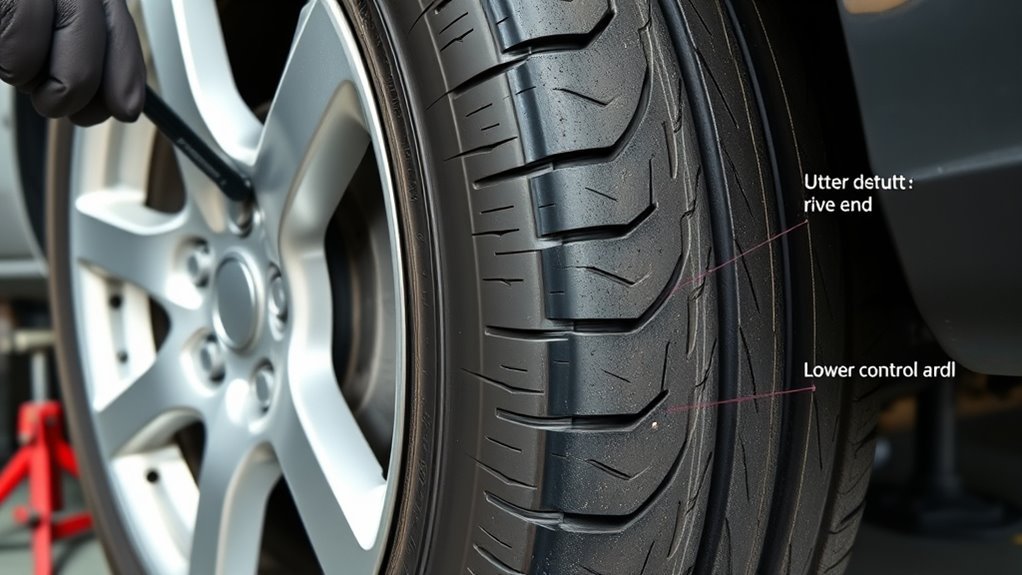
You can spot many tire problems before they become expensive. Park on level ground, turn the wheels for a better view, and inspect each tire in good light.
During your inspection, check these areas:
- Look for uneven tread patterns on all four tires.
- Check inside and outside tire edges for faster wear.
- Measure tread depth with a gauge or tread wear indicator.
- Inspect for nails, cuts, bulges, cracks, or exposed cords.
- Check tire pressure and compare it with the door placard.
- Look for worn or damaged suspension parts if you can see them safely.
If you find uneven wear, take clear photos before rotation or replacement. Photos can help a technician trace the cause.
Set a Maintenance Schedule for Your Tires
A simple tire schedule helps you prevent uneven wear before it starts. Check pressure monthly, inspect tread at the same time, and rotate tires on schedule.
Plan an alignment check at least once a year, or sooner if your RAV4 pulls, vibrates, or wears tires unevenly. Ask the shop to inspect suspension and steering parts if the wear returns after alignment.
Use this basic schedule as a starting point:
- Monthly: Check tire pressure and look for visible damage.
- Every 5,000 to 7,500 miles: Rotate tires and inspect tread depth.
- Yearly: Check alignment, especially before long road trips.
- After hard impacts: Inspect tires and alignment after pothole or curb hits.
Frequently Asked Questions
Can You Fix Uneven Tire Wear?
You can fix the cause of uneven tire wear, but you usually cannot restore tread that has already worn away. Check pressure, rotate the tires, and schedule an alignment or suspension inspection to stop the pattern from getting worse.
Can Bad Alignment Ruin New Tires?
Yes, poor alignment can wear new tires faster than expected. Fix alignment problems before or right after installing new tires so the new tread wears evenly.
Why Are My RAV4 Tires Wearing on the Inside Edge?
Inside-edge wear can come from camber, toe, worn suspension parts, or low tire pressure. A tire shop can measure the alignment and inspect parts that may no longer hold the wheel in the correct position.
How Often Should You Rotate RAV4 Tires?
Most RAV4 drivers should rotate tires every 5,000 to 7,500 miles, but your owner’s manual gives the best schedule for your model. Rotate sooner if you see uneven tread wear.
Conclusion
The best way to fix uneven tire wear on your Toyota RAV4 is to find the cause early and stop it from spreading. Start with tire pressure, tread checks, and regular rotation, then schedule alignment and suspension service when the wear pattern points to a deeper issue.
Keep a simple maintenance schedule and act when your RAV4 pulls, vibrates, or feels less stable. Your tires will last longer, and your RAV4 will feel safer and smoother on every drive.

Related Articles

Toyota RAV4 TPMS Reset: Easy Steps That Work
Unlock the secrets to resetting your Toyota RAV4's TPMS effortlessly—discover the essential steps to ensure your tires are always safe.
Read More
Toyota RAV4 Tire Rotation: DIY Steps & Pattern
Take control of your Toyota RAV4's tire maintenance with our simple DIY rotation guide—discover the best steps for optimal performance and longevity!
Read More
Mix Tire Brands on a Toyota RAV4? Expert Guide
Keeping your RAV4 safe? Learn when mixing tire brands risks traction, ABS/TCS and AWD damage — and what exact matches you must insist on.
Read More