
How Tall Is a 305 70R17 Tire? Exact Height, Width & Dimensions
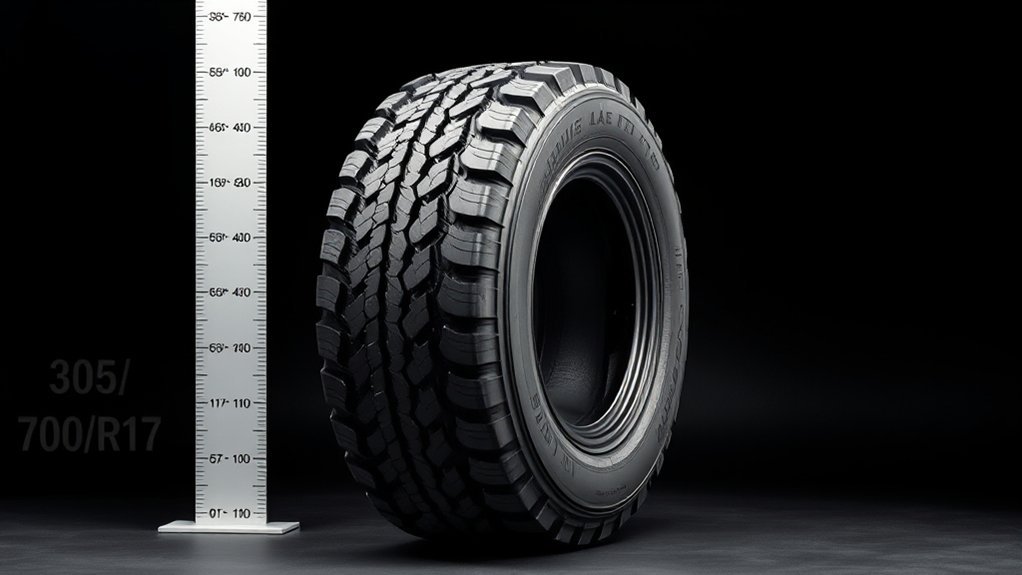
A 305/70R17 tire calculates to about 33.8 inches tall, about 12.0 inches wide, and fits a 17-inch wheel. That makes it a near-34-inch tire, not a true 35-inch tire. Use the math below for quick sizing, then confirm the exact tire model’s published diameter, rim-width range, load rating, and inflation data before you buy.
Quick Answer
A 305/70R17 tire is about 33.8 inches tall, 12.0 inches wide, and has an 8.4-inch sidewall. It is closer to a 34-inch tire than a true 35-inch tire. Actual mounted size can vary by model, so always check the tire maker’s published specs.
Key Takeaways
- A 305/70R17 tire calculates to about 33.8 inches tall overall.
- The 305 mm section width equals about 12.0 inches.
- The 70 aspect ratio gives each sidewall a height of about 8.4 inches.
- It fits a 17-inch wheel, but the approved rim-width range depends on the exact tire model.
- It is not a true 35-inch tire. A 305/75R17 or 35×12.50R17 is taller.
- Use your vehicle’s tire placard, owner’s manual, and tire load data for inflation pressure, not a generic PSI number.
What Does 305/70R17 Mean?
A 305/70R17 tire size tells you the tire’s section width, sidewall ratio, construction type, and wheel diameter. The 305 means the tire has a nominal section width of 305 millimeters. The 70 means the sidewall height equals 70% of that width. The R means radial construction. The 17 means the tire fits a 17-inch wheel.
You can use that code to estimate tire height, sidewall height, and width before you compare fitment. The number is not a perfect promise of the mounted size, though. Tire makers may publish slightly different real-world dimensions for the same labeled size because tread depth, casing shape, load range, and measuring rim width can change the final measurement.
Note: Treat the calculated size as a planning number. Before buying, check the exact tire model’s spec sheet for overall diameter, section width, approved rim width, load rating, and maximum cold inflation pressure.
How Tall and Wide Is a 305/70R17 Tire?
A 305/70R17 tire is about 33.8 inches tall by formula and about 12.0 inches wide at the section width. Each sidewall is about 8.4 inches tall. Published dimensions can still vary by tire model, so use the calculated number for comparison and the manufacturer’s spec sheet for final fitment decisions.
| Metric tire size | 305/70R17 |
| Overall diameter | About 33.8 inches by calculation |
| Section width | About 12.0 inches |
| Sidewall height | About 8.4 inches |
| Wheel diameter | 17 inches |
| Approximate circumference | About 106.2 inches |
| Approximate revolutions per mile | About 596 revs per mile |
Tire Height and Diameter
The theoretical overall diameter of a 305/70R17 tire is about 33.8 inches. You get that number by converting the sidewall height to inches, doubling it, and adding the 17-inch wheel diameter. That makes this size a near-34-inch tire, not a true 35-inch tire.
Actual mounted diameter can still vary. A mud-terrain tire with deep tread may measure differently than an all-terrain tire in the same labeled size. Rim width and inflation can also affect measured section width and mounted shape. For clearance, use the tire maker’s published overall diameter instead of relying only on the size code.
Tire Width and Fitment
The section width is 305 mm, or about 12.0 inches. That does not always equal tread width. Section width measures the tire’s widest sidewall-to-sidewall point on a specified rim, while tread width measures the tread face.
Many 305/70R17 tires are commonly listed for wheels in the 8.0 to 10.0-inch range, but you should never treat that as universal. The approved rim-width range comes from the exact tire model’s specifications and tire-industry standards, so confirm it before mounting. A wheel that is too narrow or too wide can change sidewall shape, bead seating, wear, and handling. Wheel offset also matters because a wider tire may rub the upper control arm, sway bar, fender liner, or bumper at full steering lock.
How Do You Convert 305/70R17 to Inches?
To convert 305/70R17 to inches, start with the tire width. Divide 305 mm by 25.4 to get about 12.0 inches. Then multiply 305 mm by 0.70 to get a 213.5 mm sidewall. Divide 213.5 mm by 25.4, and each sidewall is about 8.4 inches.
Now double the sidewall height and add the wheel diameter:
17 + 8.4 + 8.4 = about 33.8 inches tall.
Metric-to-Inch Formula
Use this simple formula when you want to compare 305/70R17 with another metric tire size:
- Width in inches: 305 ÷ 25.4 = about 12.0 inches.
- Sidewall height: 305 × 0.70 = 213.5 mm, then 213.5 ÷ 25.4 = about 8.4 inches.
- Overall diameter: 17 + 8.4 + 8.4 = about 33.8 inches.
- Circumference: 33.8 × 3.1416 = about 106.2 inches.
- Revolutions per mile: 63,360 ÷ 106.2 = about 596 revs per mile.
For circumference, multiply the diameter by 3.1416. A 33.8-inch tire has an estimated circumference of about 106.2 inches. Divide 63,360 inches per mile by that circumference, and you get about 596 revolutions per mile.
Pro Tip: If you are changing from a smaller stock tire to 305/70R17, use the diameter difference to estimate speedometer change before mounting. A larger tire travels farther per rotation, so your speedometer may read slower than your actual road speed.
Speedometer and Gearing Impact
A taller tire can change speedometer accuracy and effective gearing. If your original tire is smaller than 305/70R17, your vehicle may travel farther with each wheel rotation. That can make the speedometer read lower than your real speed and can make acceleration feel slightly softer.
The exact change depends on your original tire size. Compare the old and new overall diameters, then recalibrate the speedometer if your vehicle or tuner supports it. If you tow, haul, or drive steep grades, also consider how the taller tire affects gearing, braking feel, and transmission shifting.
What Vehicles Fit 305/70R17 Tires?
A 305/70R17 tire usually fits modified trucks and SUVs better than stock-height vehicles. You may see this size on builds based on vehicles such as the Ford F-150, Chevrolet Silverado, GMC Sierra, Ram 1500, Toyota Tundra, Toyota Tacoma, Jeep Wrangler, and Jeep Gladiator. Fitment is not automatic, though. Trim level, suspension height, wheel offset, fender liner shape, bumper clearance, and tire model all affect the result.
Before choosing this size, compare it with the tire sizes approved for your vehicle. The NHTSA tire safety guidance advises drivers to check the owner’s manual or Tire and Loading Information Label for the correct tire size and inflation information. If you are moving far from the factory size, ask a qualified tire dealer or suspension shop to confirm load rating, clearance, and wheel compatibility.
Warning: Do not assume a 305/70R17 tire fits because another truck runs it. Check full steering lock, suspension compression, brake clearance, spare-tire space, load rating, and the tire maker’s approved rim width before driving.
Will 305/70R17 Fit Without a Lift?
Some vehicles may clear 305/70R17 tires with the right wheel offset and minor trimming, but many stock trucks and SUVs need extra clearance. A lift alone does not guarantee fitment because rubbing often happens near the control arm, sway bar, mud flap, bumper corner, crash bar, or inner fender liner.
Before mounting this size, check these fitment points:
- Wheel width and approved rim-width range for the exact tire model.
- Wheel offset and backspacing compared with your current setup.
- Brake caliper and suspension clearance.
- Front bumper, fender liner, mud flap, and body mount clearance.
- Full steering lock in both directions.
- Suspension compression when loaded or off-road.
- Spare-tire storage space if you plan to carry a matching spare.
How Does 305/70R17 Compare to Similar Sizes?
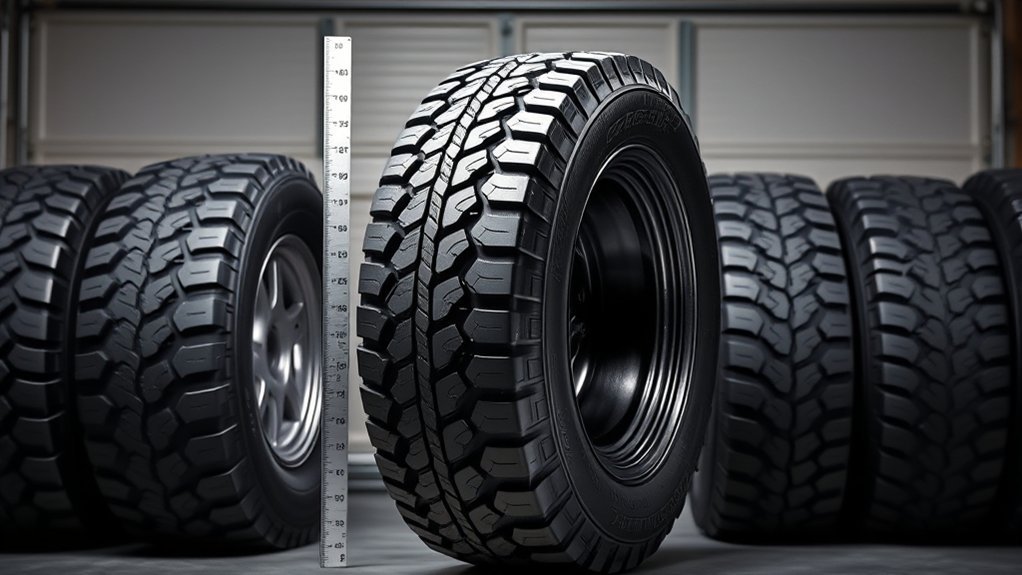
A 305/70R17 is wider than a 295/70R17 and much shorter than a 305/75R17. It is also very close in height to a 285/75R17, although the 305/70R17 is wider. If you want a near-34-inch setup with more width, 305/70R17 makes sense. If you want a true 35-inch class tire, you need a taller size.
| Size | Approx. diameter | Approx. width | Main difference |
| 295/70R17 | 33.3 in | 11.6 in | Narrower and about 0.55 in shorter |
| 285/75R17 | 33.8 in | 11.2 in | Nearly same height but narrower |
| 305/70R17 | 33.8 in | 12.0 in | Near-34-inch tire with wider stance |
| 305/75R17 | 35.0 in | 12.0 in | Same width but about 1.2 in taller |
| 35×12.50R17 | Nominal 35 in | Nominal 12.5 in | Taller and usually slightly wider |
Size Differences
Compared with a 295/70R17, the 305/70R17 is about 10 mm wider and about 0.55 inches taller by calculation. Compared with a 285/75R17, it is almost the same height but about 20 mm wider. Compared with a 305/75R17, it is about 1.2 inches shorter.
- A taller tire can change effective gearing.
- A wider tire can increase rubbing risk near suspension and fender liners.
- A larger diameter can make the speedometer read lower than actual speed.
- Actual size varies by brand, tread type, rim width, and inflation.
Fitment Considerations
Fitment depends on more than tire height. A 305/70R17 tire adds width as well as diameter, so wheel offset and backspacing matter. A wheel with less positive offset can push the tire outward and reduce control-arm contact, but it may increase fender or bumper rubbing. A wheel with more positive offset can tuck the tire inward and create suspension-side clearance problems.
Check clearance at full lock in both directions. Then check clearance with the suspension compressed, especially if you drive off-road or carry heavy loads. If your truck has mud flaps, fender liners, crash bars, aftermarket bumpers, or wheel-well trim, those parts may need adjustment before the tire clears safely.
What Tire Pressure and Fitment Tips Matter Most?
For tire pressure, do not rely on a generic 305/70R17 PSI range. Use the cold inflation pressure listed on your vehicle’s Tire and Loading Information Label or owner’s manual. NHTSA tire guidance explains that the correct pressure is the vehicle manufacturer’s cold inflation pressure, not the maximum pressure printed on the tire sidewall.
If you changed tire size, load range, or tire type, the original placard may not be enough by itself. A light-truck tire with a different load rating may need a pressure based on load and inflation tables. Ask a qualified tire dealer to match your axle weights, tire load index, and intended use. USTMA tire-care guidance also emphasizes regular checks for inflation pressure, tread wear, tire damage, rotation, alignment, and professional inspection when a tire condition looks concerning.
Use the vehicle placard for cold inflation pressure, then confirm load support when changing tire size or load range.
- Check pressure when the tires are cold.
- Confirm the tire load index meets or exceeds your vehicle’s needs.
- Verify the tire model’s approved rim-width range.
- Check rubbing at full steering lock and during suspension compression.
- Recheck speedometer accuracy after changing overall diameter.
- Re-torque wheels after installation according to your vehicle or wheel maker’s guidance.
Frequently Asked Questions
Is a 305/70R17 a 35-inch tire?
No. A 305/70R17 calculates to about 33.8 inches tall, so it is closer to a 34-inch tire. Some tire models may measure slightly differently when mounted, but this size is not a true 35-inch tire by calculation.
Is a 305 tire considered a 35?
Not by itself. The number 305 only tells you the section width in millimeters. The aspect ratio and wheel diameter decide tire height. A 305/70R17 is about 33.8 inches tall, while a 305/75R17 calculates to about 35.0 inches tall.
Is a 305/70R17 the same size as a 33?
No, not exactly. A 305/70R17 is taller than a true 33-inch tire and closer to a 34-inch tire. If your fitment limit is a strict 33-inch tire, compare the exact tire model’s published overall diameter before buying.
What is a 305/70R17 tire equivalent?
A 305/70R17 is roughly equivalent to a 34×12.0R17 tire by calculated size. It is similar in height to a 285/75R17 but wider, and it is shorter than a 305/75R17 or 35×12.50R17.
Will 305/70R17 tires fit stock suspension?
Sometimes, but you should not assume they will. Stock fitment depends on the vehicle, trim, wheel offset, actual tire model, and wheel-well shape. Many vehicles need lift, trimming, or a different wheel offset to clear this size without rubbing.
What PSI should I run in 305/70R17 tires?
Use the cold inflation pressure from your vehicle’s tire placard or owner’s manual as the starting point. If you changed tire size, load range, or tire type, have a tire professional confirm the correct pressure using the tire’s load rating and your vehicle’s axle weights.
What rim width do I need for 305/70R17 tires?
Many 305/70R17 tires are commonly listed for wheels around 8.0 to 10.0 inches wide, but the safe answer depends on the exact tire model. Always use the tire maker’s approved rim-width range before mounting.
Will 305/70R17 tires affect my speedometer?
Yes, they can if they are taller than your original tires. A larger overall diameter travels farther per wheel rotation, so your speedometer may read lower than your actual speed until the vehicle is recalibrated.
Conclusion
A 305/70R17 tire measures about 33.8 inches tall by calculation, about 12.0 inches wide, and about 8.4 inches from wheel edge to tread on each sidewall. That puts it in the near-34-inch tire range, not the true 35-inch range. It can add ground clearance and stance, but it can also create rubbing, speedometer change, and load-rating concerns if you do not plan the fitment carefully.
Before you mount this size, confirm the exact tire model’s published diameter, approved rim width, load index, and inflation guidance. Then compare those specs with your vehicle’s tire placard, owner’s manual, wheel offset, and available clearance.
Sources
- NHTSA TireWise — supports tire-size selection, tire placard guidance, cold inflation pressure, tire maintenance, TPMS, and tire-safety checks.
- The Tire and Rim Association — provides the U.S. tire, rim, valve, and allied parts standards framework used for dimensional and fitment data.
- U.S. Tire Manufacturers Association — supports tire-care guidance for pressure, tread, rotation, alignment, inspection, and professional service.

Related Articles

What Does THE P Stand For on a Tire? Full Meaning Explained
I’ll explain what the “P” on a tire really means and why it could change how you choose your next set.
Read More
How to Use a Tubeless Tire Repair Kit: Complete Field Guide
Learn how to fix tubeless tire punctures fast with the right kit, because one small mistake can leave you stranded on the trail.
Read More
How to Tell a Tire’s Diameter: Easy Guide to Reading Tire Size
Want to decode tire sidewall numbers and find the right diameter, but wonder what those hidden digits really mean?
Read More