A fat tire electric scooter battery can last anywhere from one short city ride to a full day of mixed riding, depending on the battery size and how hard the scooter has to work. Most adult fat tire or large-tire electric scooters deliver about 20 to 60+ miles per charge, while high-capacity performance models may advertise more under ideal test conditions. Battery lifespan is usually measured in charge cycles, not just years, so your charging habits, storage routine, tire pressure, rider weight, speed, terrain, and temperature all matter.
Quick Answer
A fat tire electric scooter battery usually lasts about 20 to 60+ miles per charge and roughly 2 to 4 years of regular use. Higher-capacity lithium-ion packs may last longer, but real range drops with heavy riders, high speeds, hills, soft terrain, low tire pressure, and cold weather.
Key Takeaways
- Most fat tire electric scooter batteries deliver about 20 to 60+ miles per charge, but advertised range is usually tested in ideal conditions.
- Battery lifespan is commonly around 500 to 1,000 full charge cycles, though chemistry, heat, storage, charger quality, and riding load can shorten or extend that.
- To estimate battery size, multiply voltage by amp-hours: volts × amp-hours = watt-hours. More watt-hours usually means more range.
- Fast starts, steep hills, heavy loads, low tire pressure, off-road riding, and cold weather drain the battery faster.
- For safety, use the manufacturer-approved charger, unplug after charging, and do not charge while sleeping or away from home.
At a Glance
| Time Required | 5 minutes weekly for tire pressure and visual checks; 15 minutes before long-term storage |
| Difficulty | Easy |
| Tools Needed | Manufacturer charger, tire pressure gauge, air pump, clean dry storage space, owner’s manual |
| Cost | Usually free if you already have a charger and pump; battery replacement commonly costs several hundred dollars |
How Far Can a Fat Tire Scooter Go?
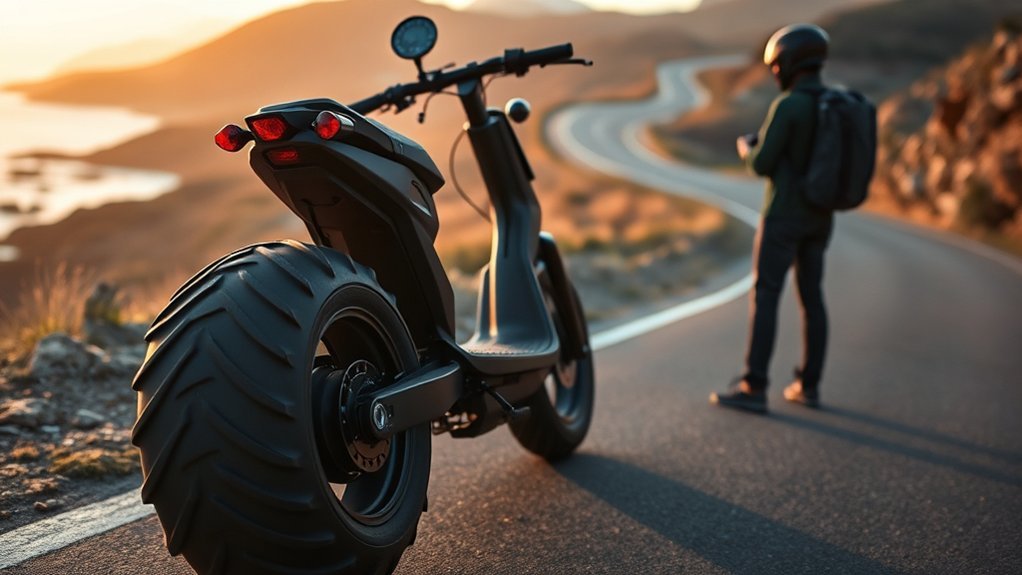
A fat tire electric scooter can usually go about 20 to 60+ miles per charge, but the number on the product page is not always the number you will see on the road. Brands often test range with a lighter rider, flat pavement, moderate speed, correct tire pressure, and mild temperatures. Real-world range is lower when you ride faster, climb hills, carry cargo, or use soft off-road surfaces.
The easiest way to compare batteries is to look at watt-hours. Use this formula:
Battery watt-hours = voltage × amp-hours. For example, a 60V 20Ah battery is about 1,200Wh.
A larger watt-hour number usually means more possible range, but it does not guarantee it. Two scooters with the same battery size can get different mileage if one has wider tires, heavier frame weight, higher motor power, aggressive acceleration, or a less efficient controller.
Rated Range vs. Real-World Range
Advertised range is best treated as a best-case estimate. A scooter rated for 50 miles may deliver much less if you ride at top speed, weigh more than the test rider, climb hills, or ride in cold weather. Segway’s battery guidance notes that battery range and performance are best around room temperature and decrease in colder conditions, which is one reason winter rides often feel shorter than summer rides.
| Condition | Battery Effect |
|---|---|
| Flat pavement and moderate speed | Best range |
| Steep hills | Higher current draw and faster drain |
| Soft dirt, sand, grass, or mud | More rolling resistance and shorter range |
| Low tire pressure | Motor works harder to maintain speed |
| Cold weather | Temporary drop in usable range and power |
Pro Tip: Track your actual range for three normal rides. If your scooter uses a display or app, note the battery percentage before and after each ride. Your own route data is more useful than a brand’s best-case range claim.
How Long Does a Fat Tire Scooter Battery Last?
A fat tire electric scooter battery typically lasts about 2 to 4 years for many riders, or roughly 500 to 1,000 full charge cycles. A full charge cycle means using 100% of the battery’s capacity. For example, using 50% today and 50% tomorrow counts as one full cycle.
Battery life is not a countdown timer. Lithium-ion packs lose capacity gradually. After enough cycles, the scooter may still work, but the range becomes shorter and voltage may sag sooner under load. Bosch eBike Systems explains that lithium-ion battery service life depends on several factors, including charging cycles and storage, and that batteries gradually lose capacity even when not used.
Battery Life Factors
The biggest battery life factors are:
- Battery capacity: Larger packs usually provide more range and may experience less stress per mile.
- Depth of discharge: Running the battery to empty often is harder on the pack than shallow use.
- Heat: High temperatures can speed up cell aging.
- Cold: Cold weather can reduce usable range during the ride.
- Charging habits: Using the wrong charger, overcharging, or charging a hot/damaged battery increases risk.
- Load: Heavy riders, cargo, and hills demand more current from the battery.
- Storage: Long storage at empty or full charge can shorten battery health, depending on the pack and manufacturer guidance.
Extending Battery Range
You can extend range by riding smoothly, using eco mode when possible, checking tire pressure, reducing unnecessary cargo, and avoiding repeated full-throttle launches. Fat tires improve comfort and grip, but they can also add rolling resistance. That makes tire pressure and terrain even more important on a fat tire scooter than on a narrow commuter model.
How Many Fat Tire Scooter Charge Cycles Should You Expect?
Most quality lithium-ion scooter batteries are designed for hundreds of full charge cycles. For many riders, 500 to 1,000 cycles is a reasonable expectation, but the exact number depends on cell quality, battery management system design, pack temperature, depth of discharge, charging current, and how often the scooter is pushed under heavy load.
Typical Cycle Counts
| Use Pattern | Likely Effect |
|---|---|
| Daily deep discharges | Faster capacity loss |
| Shallow partial charges | Usually gentler on the battery |
| Frequent high-speed riding | More heat and higher current draw |
| Cool, dry storage | Better long-term retention |
Extending Battery Cycles
To extend battery cycle life, avoid draining the battery to 0% during normal use. Recharge before it is fully empty, let the pack cool before charging after a hard ride, and unplug the charger when charging is complete. Use the charger supplied or recommended by the manufacturer because the correct voltage and current matter.
Warning: Do not charge an e-scooter battery while sleeping or while away from home. The U.S. Consumer Product Safety Commission advises riders to be present while charging micromobility products, follow manufacturer instructions, and unplug the device when charging is done.
What Drains Fat Tire Scooter Batteries Faster?
Battery drain speeds up when the motor has to work harder. On a fat tire scooter, that usually happens during fast acceleration, steep climbs, off-road riding, low tire pressure, heavy loading, and high-speed cruising. The wider tire footprint can help stability, but it also means you should pay close attention to rolling resistance.
- Hard acceleration: Demands high current from the battery.
- Top speed riding: Uses much more energy than moderate cruising.
- Hills: Sustained climbs keep the motor under load.
- Soft terrain: Sand, mud, grass, and loose dirt increase resistance.
- Heavy rider or cargo: More weight requires more torque.
- Low tire pressure: Tires deform more and waste energy.
- Cold weather: Reduces temporary battery performance.
- Poor maintenance: Dragging brakes, worn bearings, and underinflated tires all cost range.
How Can You Make a Fat Tire Scooter Battery Last Longer?
You can make a fat tire scooter battery last longer by reducing stress on the pack and charging it safely. The goal is simple: avoid heat, avoid deep discharges, avoid the wrong charger, and avoid making the motor fight unnecessary resistance.
- Use the original or manufacturer-approved charger. Do not mix chargers with different voltage or current ratings.
- Recharge before the battery is completely empty. Regular deep discharges can shorten battery life.
- Unplug when charging is complete. Follow the owner’s manual for exact charging time and indicator behavior.
- Let the battery cool before charging. After a hard ride, wait until the pack is no longer hot.
- Keep tires inflated to the recommended pressure. Check the tire sidewall and owner’s manual.
- Ride smoothly. Use gradual starts and avoid unnecessary top-speed riding.
- Store the scooter in a cool, dry place. Avoid freezing, direct sun, rain, and high humidity.
- Inspect the battery and charger. Stop using them if you notice swelling, damage, burning smell, unusual heat, or melted connectors.
Note: For long-term storage, check your owner’s manual first. In general, many lithium-ion packs store better at a partial charge in a cool, dry place than at completely empty or completely full.
How to Store a Fat Tire Scooter Battery
If you will not ride for several weeks or months, prepare the battery before storage. Clean and dry the scooter, charge the battery to a moderate level recommended by the manufacturer, and store it away from direct sunlight, rain, freezing temperatures, and heat sources. Check the charge level periodically so it does not fall into deep discharge.
Do not store a damaged battery indoors, near exits, or near anything flammable. FDNY warns that lithium-ion batteries can pose a threat if damaged, defective, or improperly used, and recommends buying listed products, using approved chargers, and keeping batteries away from heat and water.
Signs Your Scooter Battery Needs Replacement
A battery does not need replacement just because it has lost a little range. But you should inspect it more carefully if you notice any of these signs:
- Range has dropped sharply compared with your normal rides.
- The battery percentage falls suddenly under acceleration.
- The scooter shuts off on hills even when the display shows charge remaining.
- The pack takes much longer or much shorter to charge than before.
- The charger, port, or battery becomes unusually hot.
- You notice swelling, cracking, leaking, smoke, odor, or melted connectors.
Warning: Do not charge or ride with a swollen, leaking, smoking, or unusually hot battery. Move away from the device if it is safe to do so and follow local emergency guidance.
[Products Worth Considering]

Milton S-921 pencil tire pressure gauge helps you maintain optimal tire pressure for passenger cars with accurate readings in PSI and kPa. It features a built-in deflator valve for convenient pressure adjustments, plus a single chuck head and nylon indicator bar for easy use on the go. Built from durable plated brass and designed for reliable performance, it’s a practical road trip and cold-weather maintenance tool.
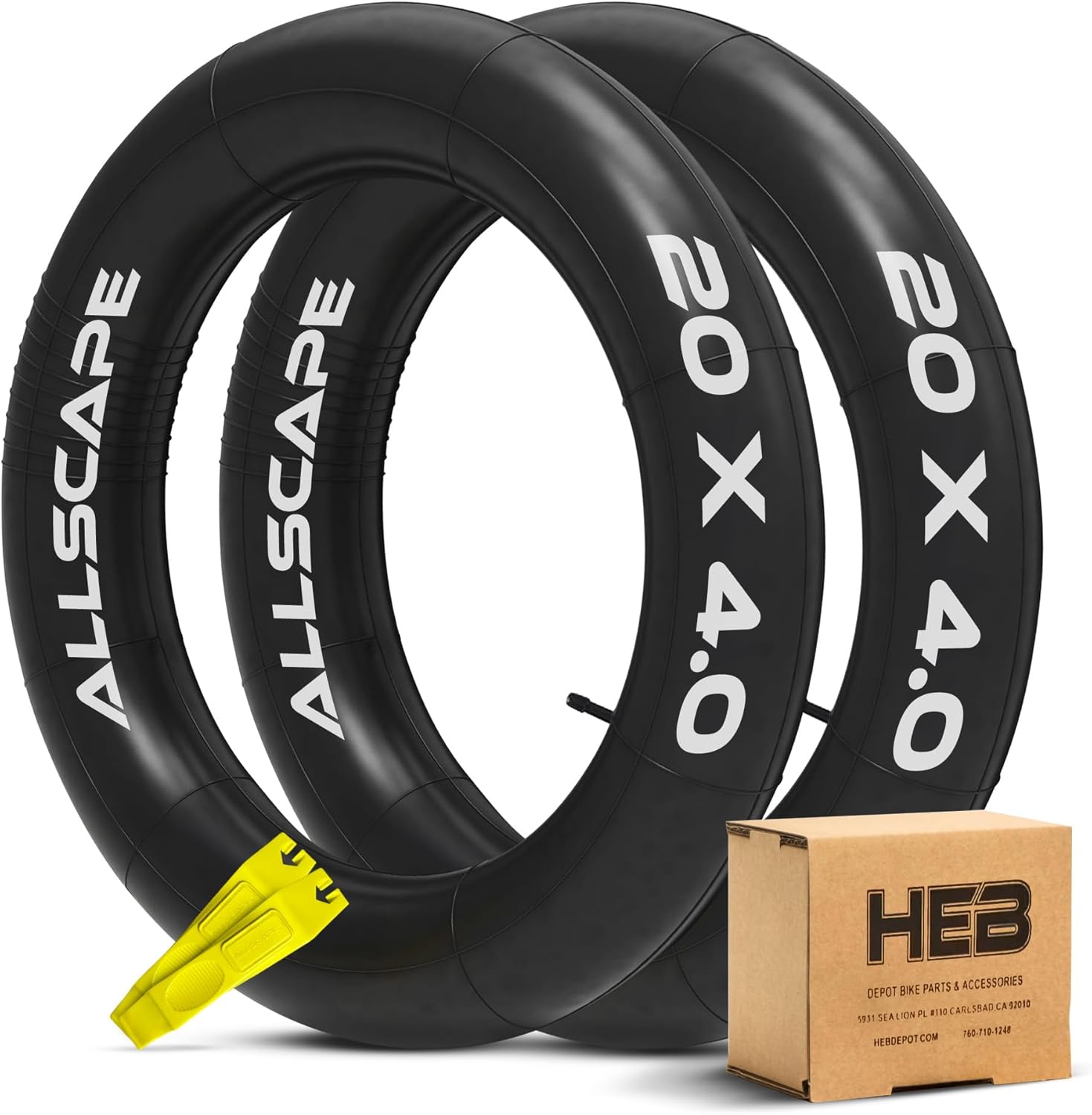
HEB heavy duty inner tubes deliver reliable puncture resistance for fat tire electric bikes and mountain bikes running 20x4 or 26x4 tires. Built for rugged backcountry trails, they help prevent flats from rocks and thorns while providing stability and traction. Choose a single tube or multi-packs for better value and keep your ride running smoothly in all seasons.

Upgrade your 20x4.0 fat tire ebike with these perfectly fitting inner tubes designed for 20-inch fat tires. The Schrader valve makes inflation easy and the premium butyl construction helps resist everyday wear. Each pack includes two tubes, making it simple to be ready for flats and keep your ride moving.
How Much Does Battery Replacement Cost?
E-scooter battery replacement often costs about $200 to $800 or more, depending on voltage, capacity, brand, cell quality, and whether the pack is built into the frame. Labor may add another cost if the battery is not designed for easy swapping. High-performance scooters with large 52V, 60V, or 72V packs usually cost more to repair than basic commuter scooters.
Before buying a replacement, confirm the exact voltage, connector type, physical size, battery management system compatibility, and charger compatibility. A wrong or low-quality replacement pack can damage the scooter or create a fire risk.
[Products Worth Considering]

Vigorder rubber cement glue delivers superior adhesion and cures quickly within about 30 seconds for seamless rubber bonding. Once cured, it helps provide a strong, durable, waterproof seal that holds up to vehicle weight, pressure, and heat. Suitable for cars, motorcycles, trucks, bicycles, and off-road tires, it’s designed for emergency patch and maintenance repairs.
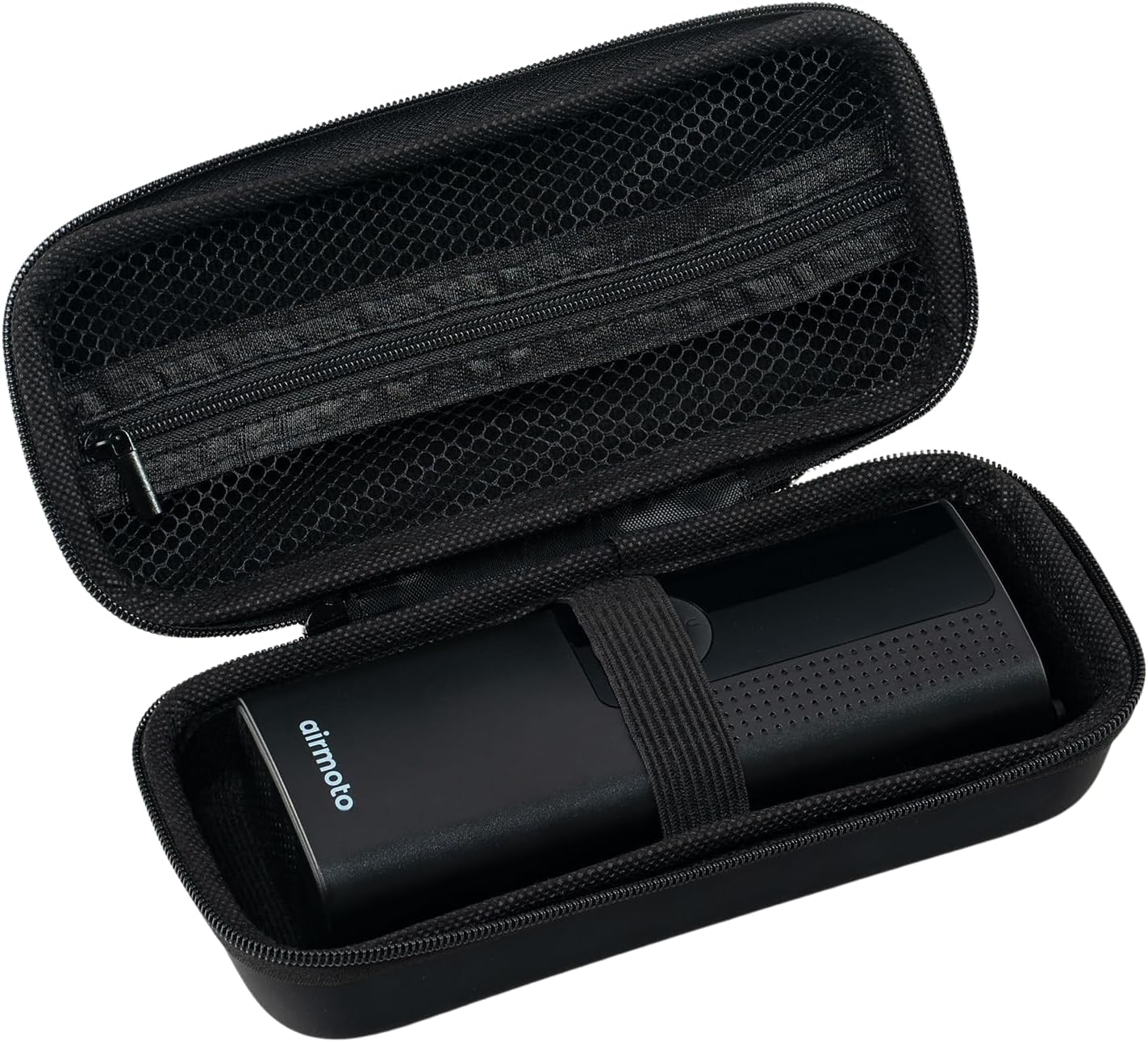
Protect and organize your Airmoto tire inflator with a purpose-designed carrying case made for a precise fit. The durable polyurethane shell and soft interior help guard against cuts, tears, and road wear, while a mesh pocket stores connectors and accessories. This travel box measures 7.5*3.5*2.8 inches and can work with most handheld portable air compressor models; this listing includes the case only.

The Big Rig Defense Tire Thumper is a truck tire pressure checker that lets you quickly check multiple tires by giving them a firm whack. Listen for a reassuring thump and feel the stick bounce when a tire is fully inflated, helping you get back on the road safely. It features a comfortable, glove-friendly handle and a secure wrist strap for confident use on busy routes.
How to Dispose of an Old Scooter Battery
Do not throw a lithium-ion scooter battery in household trash. The U.S. Environmental Protection Agency explains that used lithium-ion batteries should be collected and recycled properly because improper disposal can cause fires and endanger waste and recycling workers. Use a battery recycling program, local hazardous waste facility, retailer collection point, or manufacturer take-back option.
Does ONECNA Offer Fat Tire Scooters?
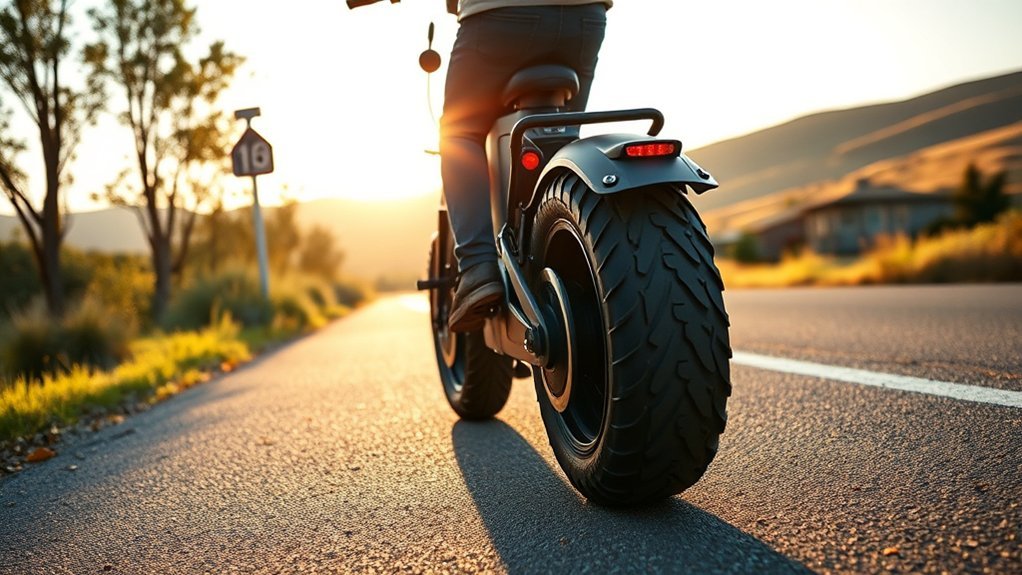
ONECNA does not appear to focus on traditional wide fat tire cruiser scooters, but it does sell large-tire, performance-focused off-road electric scooters. The current ONECNA GT9 listing describes a 12-inch adult off-road electric scooter with dual motors, a 60V 38Ah battery, and a claimed maximum range of up to 70 miles in ideal conditions. That makes it relevant for riders comparing fat tire and large-tire scooter battery performance.
The key point is that tire size alone does not determine range. A large-tire scooter with a big battery may travel farther than a smaller scooter with a small battery, but aggressive riding can still drain it quickly. When comparing ONECNA or any other brand, look at battery watt-hours, motor power, charger rating, scooter weight, tire type, stated max load, and whether the product is certified to relevant safety standards such as UL 2272 for personal e-mobility electrical systems.
[Products Worth Considering]

This compact electric tire pump inflates bikes, motorcycles, scooters, and sports balls with preset pressure control and an LED display for precise readings. It automatically stops at your target PSI and supports up to 150 PSI, with fast inflation that reaches 80–100 PSI in about 25 seconds. Designed for easy carry, it fits in a jersey pocket or bag and remembers your last two pressure settings.

The Milton S-693 straight foot dual head air chuck is designed for accurate tire pressure checks and quick, secure valve-core engagement with lock-on threads on both ends. With a 1/4" FNPT connection and a maximum 150 PSI rating, it’s built for use on inner duals and common vehicle tires, including trucks and RVs.

The Topeak SmartGauge D2 delivers precise digital tire pressure readings for bikes, motorcycles, and sports equipment up to 250 psi (17 bar). Its rotating SmartHead works with both Presta and Schrader valves, so you can check pressure quickly without adapters. The LCD display makes it easy to read results in psi, bar, or kg/cm² with an included CR2032 battery for immediate use.
Frequently Asked Questions
How much does it cost to replace an e-scooter battery?
Most e-scooter battery replacements cost about $200 to $800 or more, depending on voltage, capacity, brand, pack design, and labor. High-capacity performance scooter batteries usually cost more than basic commuter scooter batteries.
How fast do fat tire scooters go?
Many fat tire and large-tire electric scooters ride in the 15 to 30 mph range, while performance models can go faster. Speed depends on motor power, battery voltage, controller limits, rider weight, terrain, and local laws. Higher speed usually reduces battery range.
What happens if you do not move your electric scooter for 3 months?
If a scooter sits for 3 months without battery care, the pack can self-discharge, the tires can lose pressure, and connectors may collect moisture or corrosion. Store the battery at the manufacturer-recommended charge level, keep it cool and dry, and check it periodically.
Can I leave my e-scooter on charge overnight?
No. It is safer to charge while you are awake and nearby, then unplug the charger when the battery is full. Use only the charger supplied or recommended by the manufacturer, and do not charge a damaged, hot, swollen, or wet battery.
Why does my scooter battery drain so fast?
Fast battery drain usually comes from high speed, steep hills, low tire pressure, cold weather, heavy rider weight, dragging brakes, aggressive acceleration, or an aging battery. Start by checking tire pressure, brake drag, charger health, and whether the range drop happens only in cold weather.
Are fat tires bad for scooter battery range?
Fat tires are not automatically bad, but they can add rolling resistance, especially if underinflated or used on soft ground. They also improve comfort, traction, and stability. For the best range, keep them inflated to the recommended pressure and ride at moderate speeds.
Conclusion
A fat tire electric scooter battery usually lasts about 20 to 60+ miles per charge and several years of regular use, but the real answer depends on battery watt-hours, rider weight, speed, hills, surface type, tire pressure, weather, and charging habits. To get the most from your battery, ride smoothly, keep tires properly inflated, avoid deep discharges, charge with the correct charger, and store the scooter in a cool, dry place. Most importantly, treat lithium-ion battery safety seriously: never charge while sleeping, do not use damaged packs, and recycle old batteries properly.
Sources
- U.S. Consumer Product Safety Commission Micromobility Information Center — charging safety and micromobility battery precautions
- FDNY Lithium-Ion Battery Safety — lithium-ion battery fire prevention guidance
- UL 2272 Standard for Personal E-Mobility Devices — electrical system and battery safety standard context
- Bosch eBike Systems Battery Care and Maintenance — lithium-ion battery service life, charging, and storage factors
- Segway User Manual — temperature effects on battery range and performance
- U.S. EPA Lithium-Ion Battery Recycling — safe recycling and disposal guidance