
Honda Accord Tire Cupping: What It Is and How to Stop It
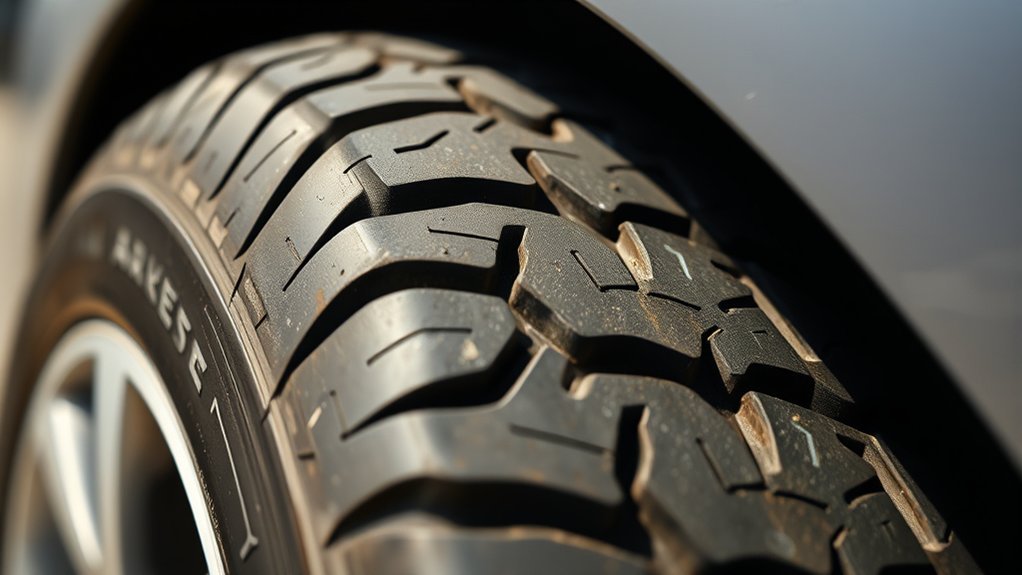
Tire cupping on your Honda Accord occurs when tread wears unevenly, leading to reduced traction and potential loss of control. The main causes include misalignment, under-inflation, and worn suspension components. You can spot cupping by looking for scalloped tread patterns or feeling vibrations while driving. To prevent this issue, rotate your tires every 5,000 to 8,000 miles, maintain proper tire pressure, and inspect your alignment regularly. Discover more about effective solutions and maintenance tips below.
Understanding Tire Cupping: The Risks and Solutions
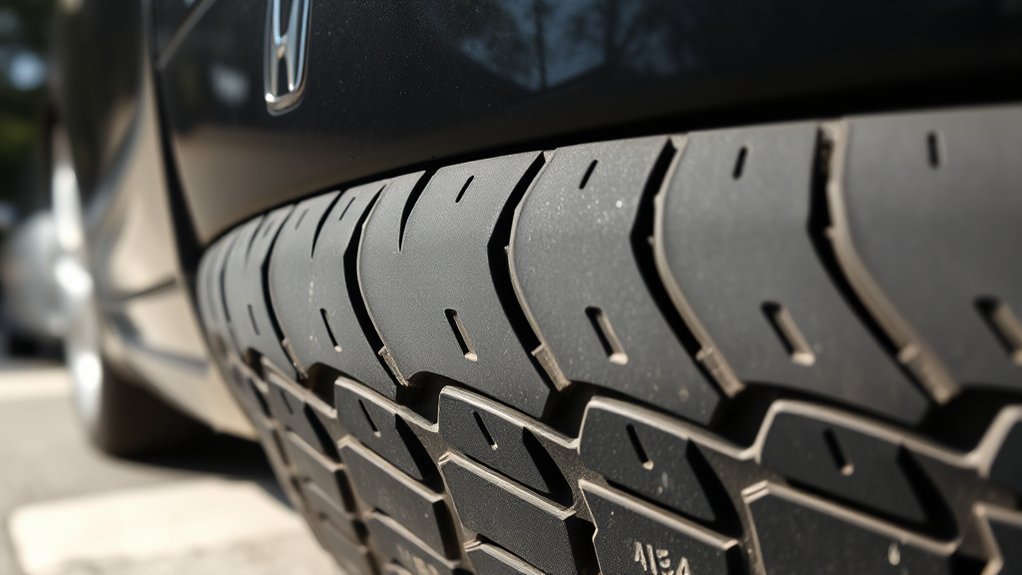
When you drive your Honda Accord, tire cupping can become a serious issue that affects both safety and performance. This condition, characterized by scooped tread patterns, leads to reduced traction and increases the risk of losing vehicle control. To mitigate these risks, regular tire rotations every 5,000 to 8,000 miles are essential, as they help prevent uneven wear and cupping.
Additionally, verify your alignment is checked, especially after installing new tires, since misalignment—particularly with high camber angles—can create uneven pressure. Maintaining proper tire inflation is equally important; under-inflation can worsen wear patterns like cupping, especially if your TPMS only tracks wheel speed rather than actual pressure.
Be proactive: if you notice vibrations or unusual noises from your tires, address them promptly. Early intervention can prevent further damage, preserving both tire performance and vehicle safety. Regularly inspecting suspension components is also crucial to ensure even tire wear and overall vehicle stability.
Main Causes of Tire Cupping in Honda Accords
Tire cupping in Honda Accords often stems from a combination of factors that compromise tire integrity. Understanding these causes can help you maintain ideal performance and extend your tire life.
- Misalignment: High camber angles, like -2.3 degrees, lead to uneven tread wear.
- Suspension Issues: Worn or bent components may go unnoticed but can considerably contribute to cupping.
- Tire Pressure: Regular checks are essential; under-inflation is a primary cause of tire cupping.
- Tire Quality: Low-quality tires or improper balancing worsen cupping, so stick with reputable tire shops.
- Neglecting Rotation: Failing to rotate tires every 5,000 miles can create uneven wear patterns. Additionally, keeping an eye on tread depth evaluation can help prevent tire issues like cupping.
Warning Signs Your Back Tires Are Cupping
How can you tell if your back tires are cupping? Start with a visual inspection; look for distinctive scalloped tread patterns that signal uneven wear. Next, pay attention to vibrations. If you feel shaking in the steering wheel or seat, it could indicate cupping or alignment issues. Noise levels are another key indicator—listen for increased growling or grinding sounds, especially at highway speeds. If your Honda Accord drifts to one side, it may be a sign of misalignment or cupping affecting rear tire performance. Finally, be aware of excessive bouncing or swaying while driving; this can suggest suspension problems contributing to tire cupping. Regular tire inspections, combined with mindful driving habits, can help you catch these warning signs early and maintain your vehicle’s performance. Proper tire pressure 30-35 PSI can also prevent issues related to tire wear. Stay vigilant, and you’ll keep your Honda Accord running smoothly.
How to Spot Tire Cupping Like a Pro
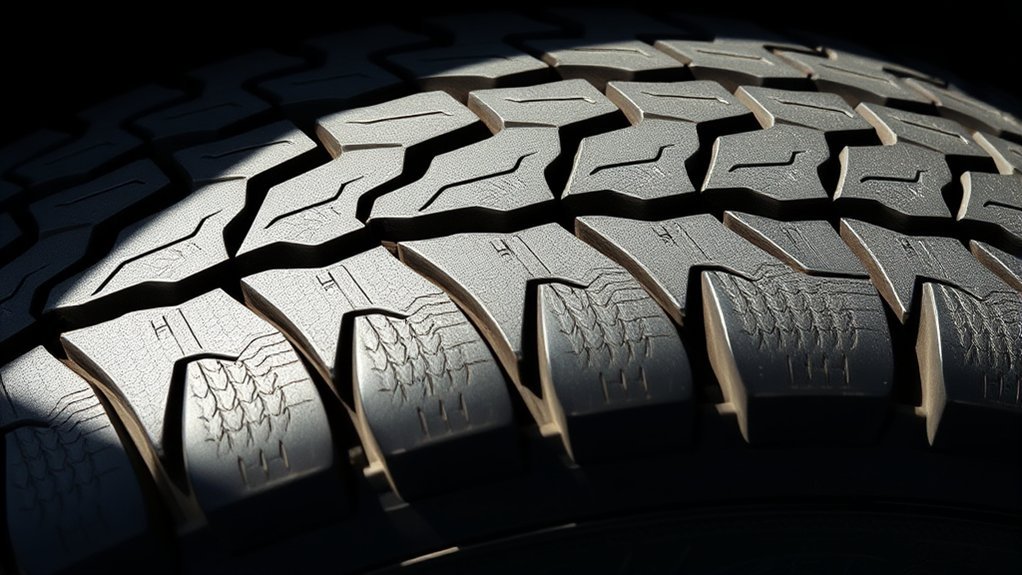
Ever wondered if your tires are suffering from cupping? Spotting this issue early can save you from costly repairs. Here’s how you can identify tire cupping like a pro:
- Inspect Tread Patterns: Look for distinct scooped-out areas every 3-4 inches.
- Check for Vibrations: Notice any vibrations in your steering wheel or seat while driving.
- Listen for Noise: Pay attention to increased tire noise, like a grinding or growling sound at highway speeds.
- Feel for Irregularities: Run your hand over the tread surface; it should feel uniform, not high and low.
- Regular Tire Diagnostics: Schedule professional inspections for precise tread analysis, including alignment and suspension checks. Additionally, ensure that you regularly check tire tread depth to maintain optimal performance.
Repair or Replace Cupped Tires?
When faced with cupped tires, you need to weigh your repair options carefully. If the damage is minor, adjustments like balancing or tire pressure might help, but severe cupping typically calls for replacement. Understanding the costs associated with repairs versus new tires is essential for making an informed decision that guarantees your safety and vehicle performance. Regular tire rotation can help prevent cupping from occurring in the first place.
Repair Options Available
While you might consider repairing cupped tires, the effectiveness of such repairs is often limited. It’s essential to first conduct a thorough tread assessment and address underlying issues like alignment or suspension problems. Here’s what you should know:
- Mild tire cupping may improve with regular driving, but this isn’t reliable.
- Professional tire shops can balance tires with mild cupping, yet deeper issues may persist.
- If tread depth is at or below 2/32 inches, immediate replacement is necessary.
- Repairing cupped tires rarely resolves the wear pattern.
- Overall tire condition considerably influences whether you should repair or replace.
Always prioritize safety and performance by consulting a professional to make the best decision for your Honda Accord.
When to Replace Tires
Deciding whether to repair or replace cupped tires often hinges on their condition and severity of wear. If your tires exhibit deep cupping or tread depth at or below 2/32 inches, you should replace them immediately to guarantee safety and peak vehicle performance. Mild cupping may be smoothed out through driving, but relying on this isn’t a dependable solution and could exacerbate damage. A professional assessment is vital to determine if cupped tires can be repaired or need replacement based on overall tire condition. Ignoring cupping signs can lead to higher repair costs and compromised handling. Regular inspections can help identify issues early, potentially extending your tire lifespan and preserving proper tread patterns.
Cost Considerations for Repairs
Understanding the cost implications of repairing or replacing cupped tires is essential for maintaining your Honda Accord’s performance. Performing a cost analysis can help with budget planning and prevent future expenses. Here are key considerations:
- Repairing mild cupping may only require rebalancing or rotation.
- Deep cupping often necessitates complete tire replacement, costing between $600 to $1,200.
- Ignoring cupped tires can lead to additional suspension repairs or alignment issues.
- Professional assessments typically range from $50 to $100, guiding your repair or replacement decision.
- Investing in high-quality tires may reduce the likelihood of cupping, saving money in the long run.
Make informed choices to keep your Accord running smoothly and economically.
Maintenance Tips to Prevent Tire Cupping
To prevent tire cupping on your Honda Accord, regular maintenance is vital. Start by rotating your tires every 5,000 to 8,000 miles to guarantee even wear and maintain ideal tread depth. Check your tire pressure monthly; under-inflation can lead to irregular wear patterns that contribute to cupping. Schedule annual wheel alignment checks, particularly after hitting potholes or curbs, to keep your tires in proper contact with the road.
Additionally, inspect your suspension components regularly. Worn shocks or struts can cause excessive bouncing, leading to uneven tire wear. Choosing high-quality tires suited for your driving conditions is also essential. Cheaper tires may be more prone to cupping and other wear issues. By following these maintenance tips, you can enhance your Honda Accord’s performance and prolong tire life, guaranteeing a smoother, safer driving experience. Regular checks for tread depth are crucial to ensure optimal traction and safety.
How Proper Alignment and Suspension Prevent Tire Cupping
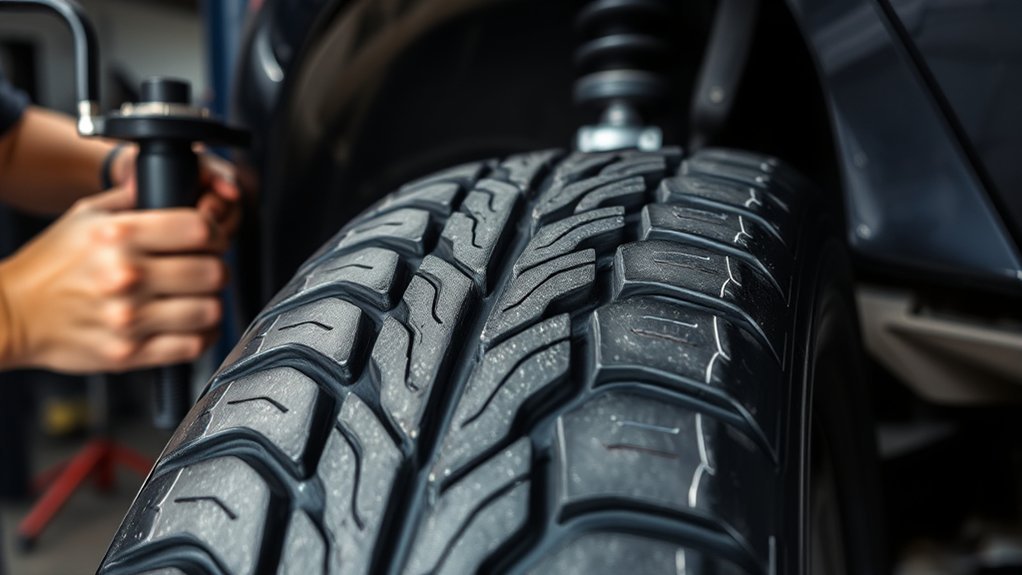
Regular maintenance is only part of the equation when it comes to preventing tire cupping on your Honda Accord. Proper alignment and suspension play vital roles. Here’s how you can guarantee your tires stay in prime shape:
- Use effective alignment techniques to maintain even contact with the road.
- Schedule regular suspension inspections to spot worn or bent components.
- Keep the camber angle within manufacturer specifications for best tire wear.
- Adjust driving habits to minimize sharp turns and sudden stops, reducing stress on the suspension.
- Perform routine checks for wheel balance, especially after tire installation or rotation.
- Regular alignment checks can help prevent excessive negative camber, which leads to uneven tire wear.
Extend Your Tire Life: Best Practices for Safety
To extend your tire life and enhance safety, regularly rotate and balance your tires every 5,000 to 8,000 miles. Keep an eye on tire pressure, checking it monthly to prevent under-inflation, which can lead to cupping. Additionally, maintain your suspension system to catch any issues early, ensuring even wear and better performance. Regular inspections can help identify signs of underinflation symptoms, allowing you to take corrective action before they lead to serious problems.
Regular Tire Rotation
Every 5,000 to 8,000 miles, rotating your tires is crucial for promoting even wear and preventing issues like tire cupping. Adhering to the recommended rotation frequency not only extends your tire life but also enhances vehicle performance. Here are some key tire rotation benefits:
- Promotes even wear across all tires
- Reduces the risk of severe wear patterns, including cupping
- Guarantees peak handling and traction
- Improves fuel efficiency by maintaining balance
- Follows the manufacturer’s recommended rotation pattern
Ignoring tire rotation can compromise safety and lead to costly replacements. By routinely rotating your tires, you empower yourself to maintain a safer, more efficient ride. Don’t underestimate the importance of this simple maintenance practice!
Proper Tire Inflation
Maintaining proper tire inflation is essential for ideal vehicle performance and safety. You should check your tire pressure at least once a month to avoid the risks associated with under-inflation, like excessive wear and cupping. The recommended tire pressure for your 2018 Honda Accord can be found on the driver’s side door jamb; sticking to this guideline prevents uneven wear. Remember, over-inflated tires can also lead to issues, such as reduced traction and longer stopping distances. Use a reliable tire pressure gauge for accurate readings, as inaccurate gauges can cause improper inflation. Regular monitoring not only extends tire life but also enhances fuel efficiency and improves overall vehicle handling, giving you the freedom to drive confidently.
Suspension System Maintenance
Proper tire inflation is just one part of the equation when it comes to tire longevity and performance. A well-maintained suspension system is essential for preventing tire cupping and extending your tire life. Here are some best practices:
- Regularly inspect and maintain suspension components.
- Schedule alignment checks annually or after impacts.
- Replace worn shocks and struts promptly.
- Monitor load capacity and avoid overloading.
- Invest in high-quality suspension upgrades for better performance.
Different shock absorber types can greatly influence ride quality and tire contact with the road. By prioritizing these maintenance tasks, you can enhance your vehicle’s safety and improve tire longevity, ensuring a smoother, more efficient driving experience.
Frequently Asked Questions
Can Tire Cupping Affect Fuel Efficiency in My Honda Accord?
Yes, tire cupping can negatively impact your fuel efficiency. Poor tire maintenance leads to uneven wear, increasing rolling resistance and fuel consumption. Regularly checking alignment and rotating tires can help maintain peak performance and efficiency.
How Often Should I Check My Tire Pressure?
You should check your tire pressure at least once a month. Regular pressure monitoring guarantees peak performance and enhances safety. Follow these tire maintenance tips to maintain proper inflation and improve fuel efficiency in your Honda Accord.
What Tools Do I Need to Inspect My Tires?
You only need a tire pressure gauge, tread depth tool, and a flashlight for effective inspection techniques. Remember, 20% of tire wear can be uneven—regular checks guarantee safety and enhance vehicle performance.
Is Tire Cupping Covered Under Warranty?
Tire cupping isn’t typically covered under tire warranty, as it often results from improper alignment or suspension issues. You should check warranty details and consider addressing the cupping causes to prevent further tire damage.
Can I Drive Safely With Cupped Tires Temporarily?
You can drive temporarily with cupped tires, but it’s not safe. Cupped tire causes, like misalignment, affect handling and braking. Prioritize getting them inspected and replaced to guarantee your safety on the road.
Conclusion
In conclusion, preventing tire cupping on your Honda Accord is essential for safety and longevity. Did you know that improperly aligned tires can reduce their lifespan by up to 30%? By regularly checking your alignment, maintaining proper tire pressure, and monitoring your suspension system, you can greatly extend your tire life. Taking these proactive steps not only enhances your driving experience but also saves you money on replacements and repairs in the long run.

Related Articles
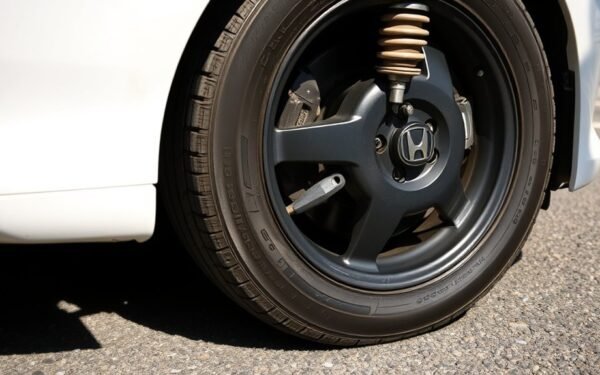
What Causes Inner Tire Wear on a Honda Accord
Prevent inner tire wear on your Honda Accord by understanding its causes—discover the surprising factors that could be affecting your tires today.
Read More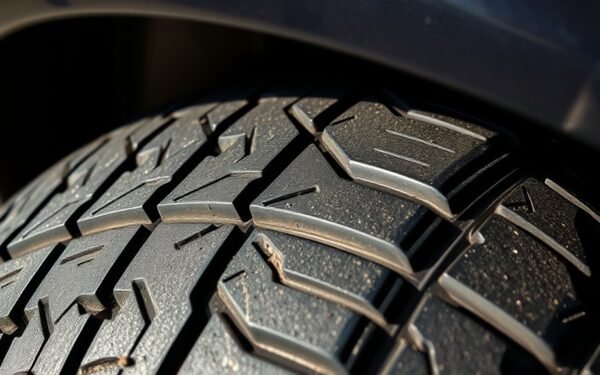
Why Honda Accord Tires Wear Out on the Outside Edge
Discover the key reasons why Honda Accord tires wear out on the outside edge and learn how simple adjustments can extend their life.
Read More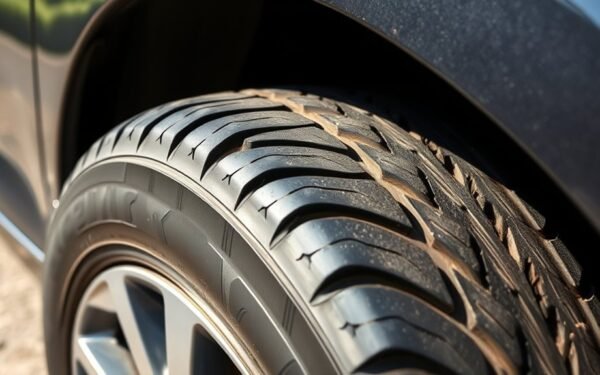
Tire Feathering on the Honda Accord: Causes and Fixes
Discover the causes of tire feathering on your Honda Accord and learn essential fixes to enhance performance—don’t let uneven wear compromise your ride.
Read More