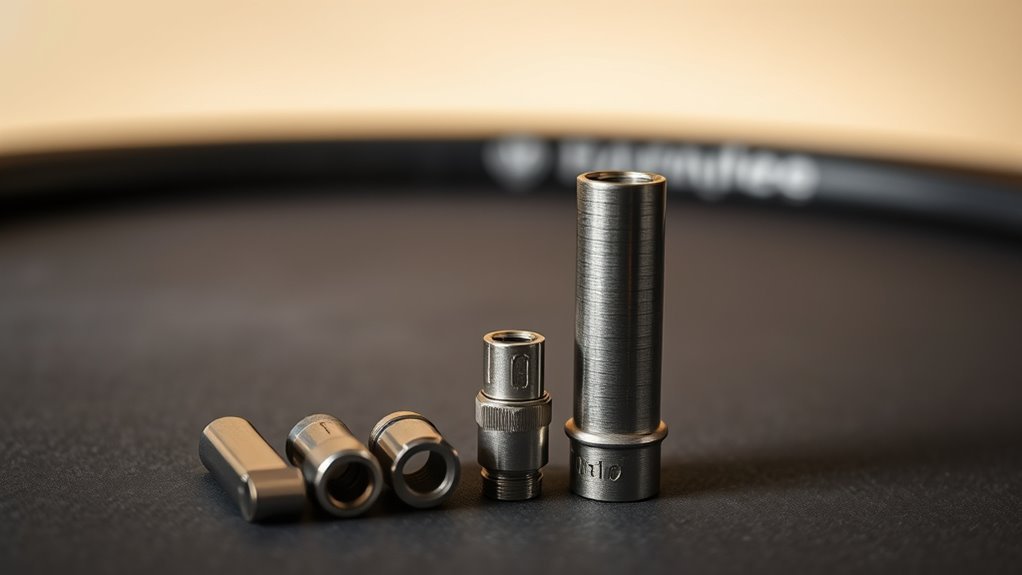
To choose the right valve length, measure your rim depth from the outer edge to the bead seat and add 15mm. Typical choices are 40mm for rims under 25mm, 60mm for 35–45mm rims, and 80mm for deep rims. You also need to match the valve diameter to your rim hole (Presta is about 6mm, and Schrader is about 8mm). For very deep rims, use metal extenders. Always choose removable-core extenders to prevent broken cores. Read on for more tips on extenders, installation, and fixing common problems.
Quick Decision: Which Valve Stem Length Should I Buy?
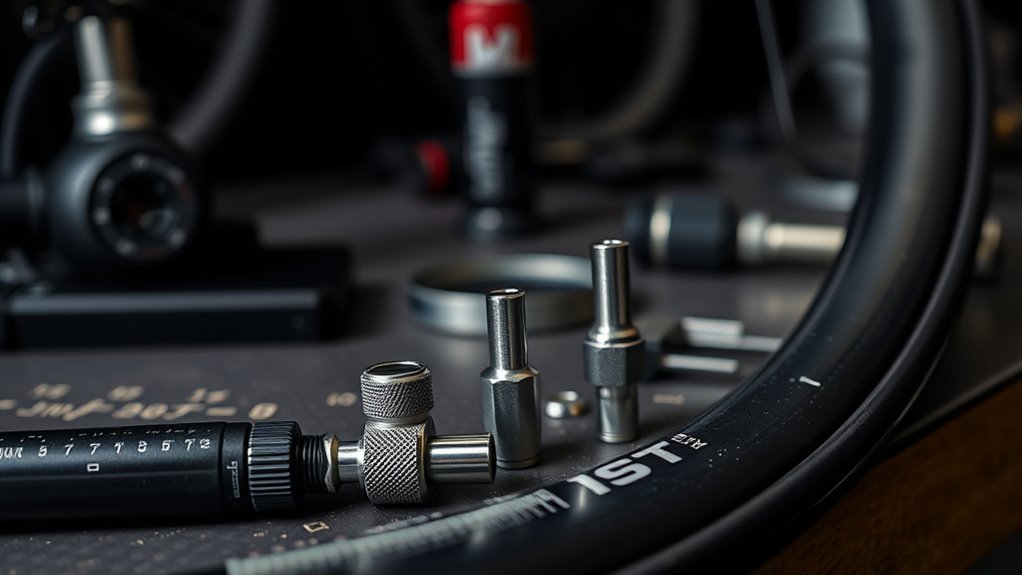
Start by measuring your rim depth. Then add 15mm to that number. This gives you the shortest stem that still allows easy pump access.
For low-profile rims up to 25mm, a 40mm valve works well. For 35–45mm rims, pick a 60mm valve. For deep rims over 50mm, go with an 80mm valve. This simple rule ensures proper inflation access and makes tire maintenance much easier.
Valve stem material matters too. Brass or aluminum cores resist corrosion and hold pressure well. Lightweight alloy stems save a few grams without losing sealing power. Always match your stem length to your rim depth. The wrong length makes inflation difficult, damages tubeless valves, and limits your options for roadside repairs. Choose your length carefully, check rim compatibility, and pick durable materials for long-term performance.
[Products Worth Considering]
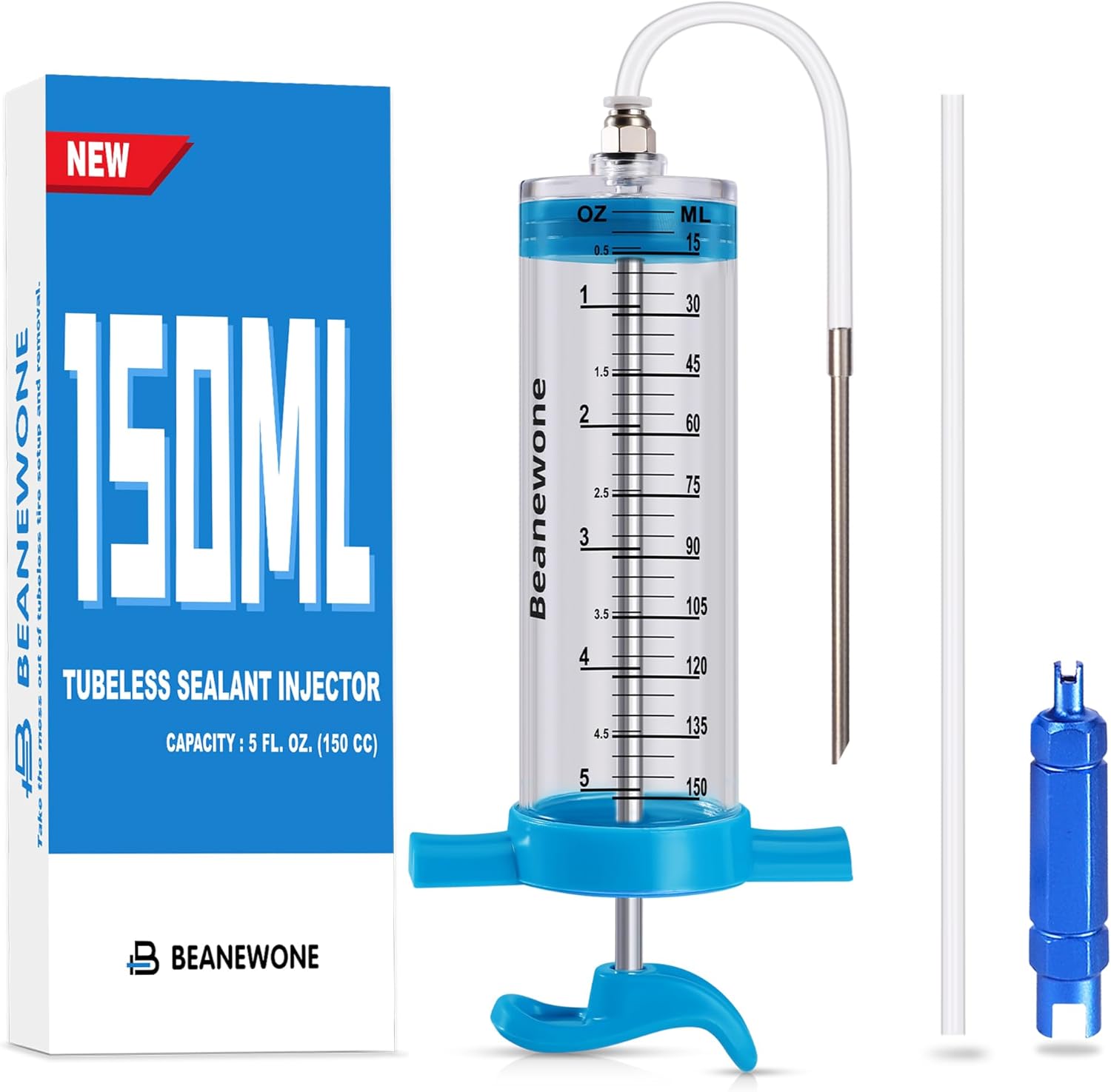
Make tubeless sealant installs faster and cleaner with this 150ml injector and clear measurement body. It connects and disconnects with a simple push-to-connector, then injects sealant directly into Schrader or Presta valve stems after removing the valve core. Includes a valve core remover tool to help you prepare and seal tires with less mess.
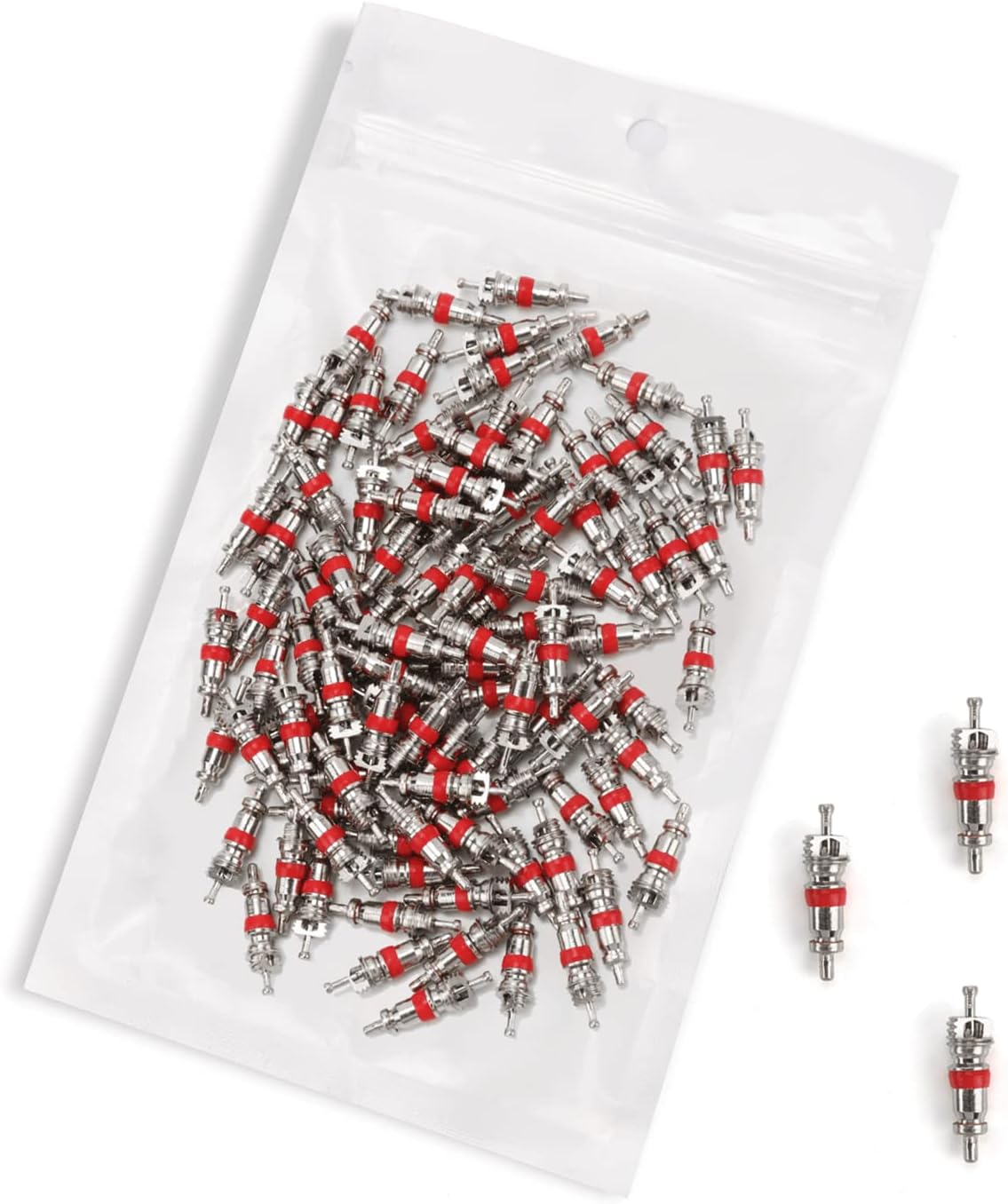
Replace worn Schrader valve cores with durable, nickel-plated replacements designed to resist rust and corrosion for a longer service life. Each core is 100% leakage tested and rated for up to 300 PSI, helping maintain a safe, reliable tire pressure system. Universal fit makes them suitable for cars, RVs, ATVs, motorcycles, bicycles, and many refrigeration/air conditioning applications.
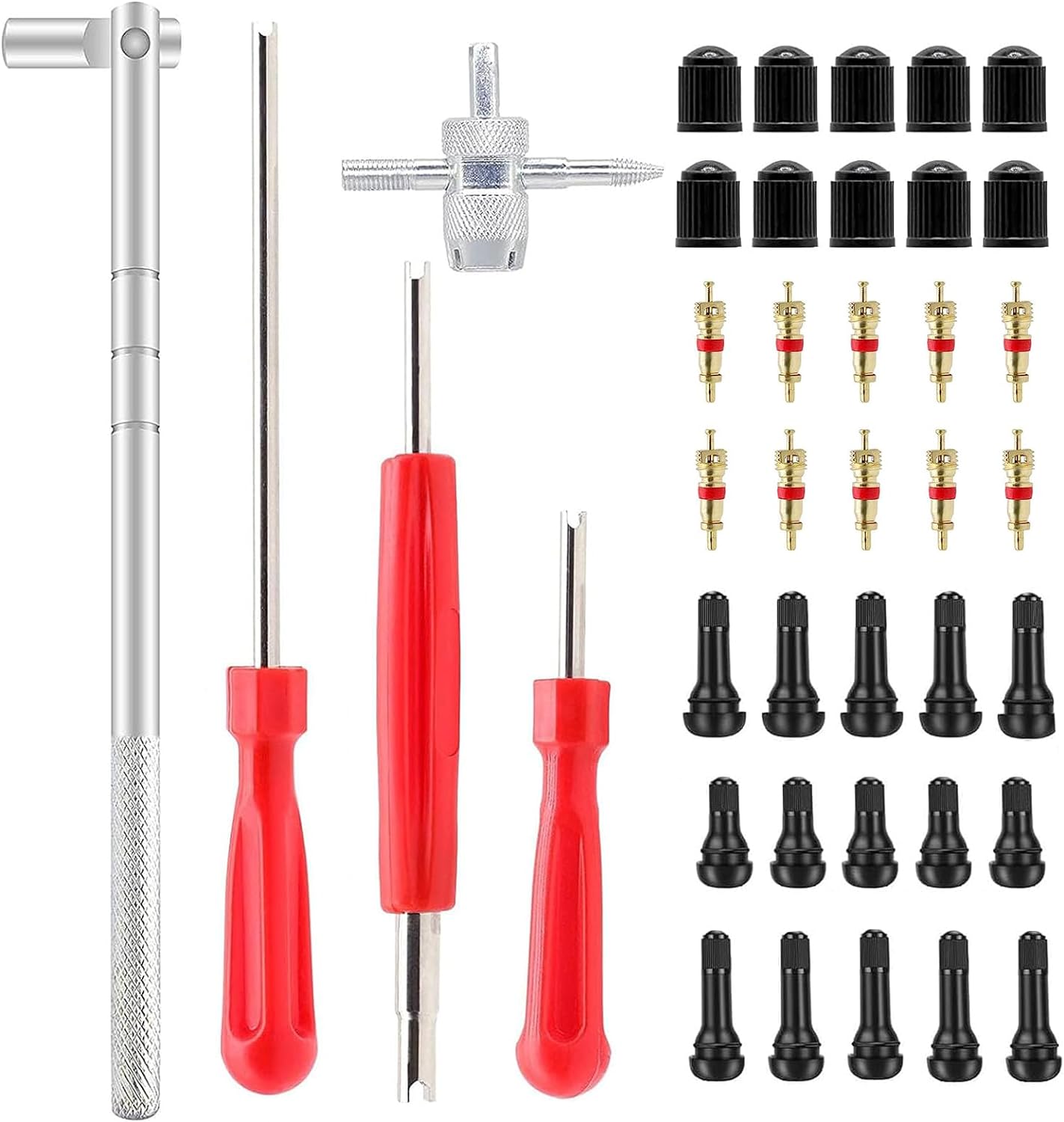
This ZHSMS valve stem puller and installer tool set makes it easy to remove and install tire valve stems without damaging wheels or valves. It uses a leverage design to save effort and includes valve stem tools plus removable valve core functionality for quick tire repairs. Compatible with tubeless tires for passenger cars, motorcycles, ATVs, off-road vehicles, and trucks.
Measure Rim Depth and Calculate Valve Length
To find the right valve stem length, you need an accurate rim depth measurement. Use calipers or a stiff ruler to measure from the outer rim edge to the inner bead seat. Write down the maximum depth and check at multiple points to account for any unevenness.
Then add 15mm to your measurement. A 30mm rim depth needs a 45mm or 48mm valve. A 35–45mm depth needs a 60mm valve. Rims over 50mm need an 80mm valve.
Keep compatibility in mind as well. If you plan to use thick tubeless valve cores or extenders, go slightly longer to be safe. Accurate measurement prevents inflation headaches and keeps your tire pressure stable.
Valve Hole Sizes: Presta, Schrader, Woods — What Fits?
Matching the valve diameter to your rim’s valve hole is crucial. The three common types are Presta (about 6mm), Schrader (about 8mm), and Woods/Dunlop. Each requires exact compatibility with your rim hole.
Presta valves fit the smaller holes found on high-end racing rims. Schrader valves need the larger openings common on mountain and utility bikes. Woods valves share the Schrader diameter but work with Presta-style pumps.
Always check your rim hole size before buying tubes or valves. Forcing the wrong valve into a hole causes poor sealing, rim damage, or inflation failure. When upgrading your wheels or tubes, keeping correct valve compatibility ensures safe and reliable performance.
When to Use Valve Extenders: Which Type to Choose
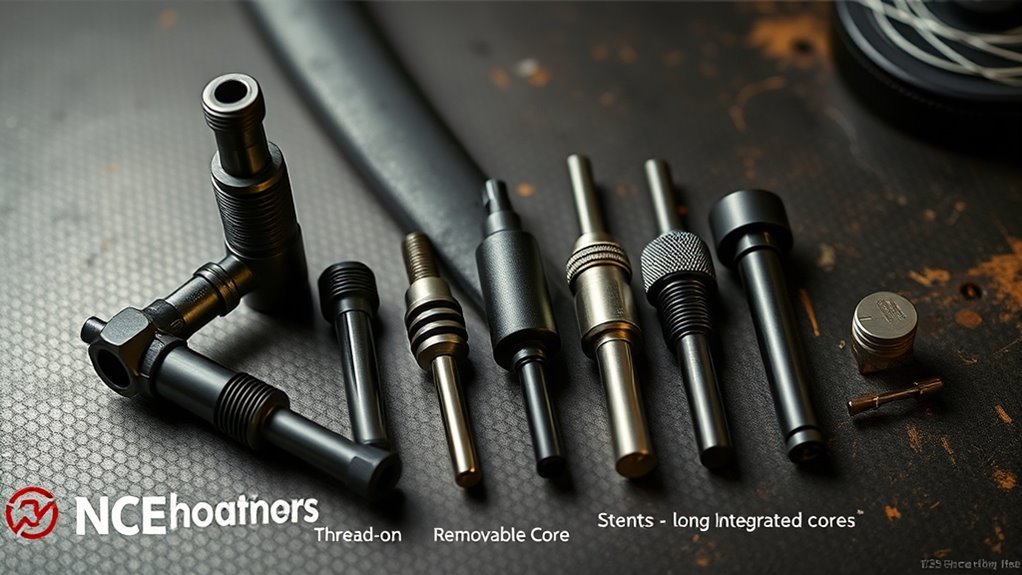
You need valve extenders when your rim depth exceeds standard valve lengths, usually above 60mm. Extenders let you inflate the tire without removing the wheel. Choose based on rim depth, durability, and whether your valve has a removable core.
If your inner tube has a non-removable core, a single screw-on extender sized to your rim depth is the right choice. These are simple and low-profile, but you cannot stack them.
For very high-profile rims, core-removal extenders are the better option. These robust metal extenders allow you to stack sections and handle more pumping stress. They require a removable valve core and a small core-removal tool, so keep one in your saddlebag. Pick an extender length that fits your rim depth precisely — not too short, and not sticking out too far.
[Products Worth Considering]
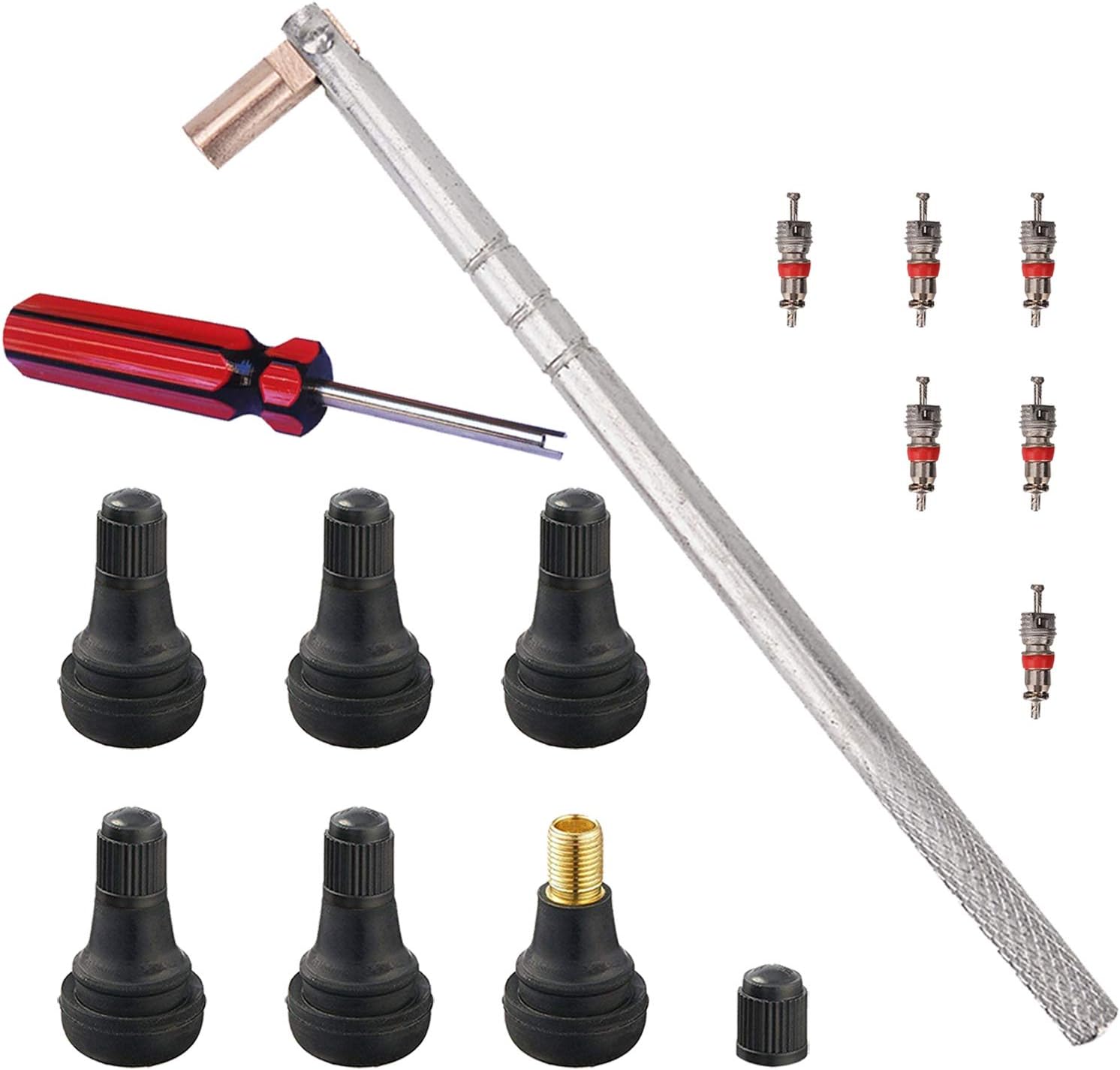
This FEBRYTOLD tire valve stem tool set makes it easy to remove and install standard 0.453 inch snap-in valve stems for tubeless tires. It includes valve stem cores and a single-head valve core remover/installer tool to help you complete repairs quickly. Designed to help avoid scratching wheels and damaging valve stems during service.

This multi-function tire valve stem removal tool set makes it fast to remove, install, bleed, and clean valve cores for easier tire maintenance. It includes valve core removers, a 4-way spool tool, replacement valve caps, and spare cores to handle replacements and repairs with confidence. Universal compatibility suits cars, trucks, motorcycles, bicycles, and more for roadside convenience.

These universal tire valve stem caps help protect your valve core from dust, debris, moisture, and corrosion, supporting more stable tire pressure. The aluminum alloy design resists long-term wear, while the sealing construction helps help prevent air leakage. They twist on easily for quick installation and help safeguard driving safety across cars, SUVs, trucks, and motorcycles.
Tubeless Valve Base Seals
In a tubeless setup, the valve stem seals directly against the rim bed with no inner tube. Tubeless valves use different rubber base shapes to create that airtight seal. Conical (cone-shaped) rubber bases are the most common and wedge tightly into standard round rim holes. Rectangular bases are designed for specific carbon rims with curved internal channels. Match the valve base shape to your wheel’s internal profile to prevent air and sealant leaks.
Installation Problems: Leaks, Broken Cores, and Pump Access Fixes
Start by checking your valve length and tightness. If the stem extends less than 15mm past the rim, the pump head will not seal properly. Use a stem that clears the rim by at least 15mm, and tighten the locknut firmly to prevent slow leaks. Use the correct length, tighten properly, and use compatible extenders to reach your pump.
Inspect your valve cores and extenders regularly for wear. Replace damaged parts before your next ride. Use core-removal extenders during maintenance to avoid broken cores and get a secure fit for your pump.
| Problem | Fix |
|---|---|
| Short stem → leak | Install longer stem ≥15mm above rim bed, torque to spec |
| Broken core risk | Use core-removal extenders; remove/install cores safely |
| Pump access difficulty | Fit threaded extenders; verify seal and recheck after inflation |
Make these steps part of your routine valve maintenance. Your wheels will hold pressure longer and give you fewer problems on the road.
[Products Worth Considering]

Tiakia’s mini high-pressure frame pump delivers up to 260 PSI for faster, more efficient inflations with an optimized intake volume. It features a double-head valve design compatible with Schrader and Presta, plus a conversion for Donlop, making it versatile for bikes and many inflatables. The lightweight anodized aluminum build includes a mounting bracket for convenient carry, while the flexible high-pressure hose and IPX4 waterproof body support outdoor use.

This Dr.Roc tire valve stem puller tools set helps install or remove snap-in tubeless valve stems safely and efficiently. It includes ozone-resistant EPDM snap-in valve stems, a valve stem installer, and a valve core remover for quick core removal or installation during tire service. Designed for reliable tubeless tire repair on motorcycles, ATVs, lawn equipment, cars, and trucks.

Protect tire valves from water, dust, and sand to help prevent leaks and support safe driving. These universal stem caps install quickly by hand and feature durable aluminum alloy construction with an inner sealing ring for better air retention. Compatible with cars, SUVs, trucks, motorcycles, and bicycles for everyday convenience.
Frequently Asked Questions
How to Choose Valve Stem Length?
Measure your rim height and add about 15mm. Pick the closest standard size (usually 40mm, 60mm, or 80mm) that meets this minimum. Make sure the valve matches your rim hole, and choose a length that gives your pump easy access.
How Long Should a Valve Stem Be?
Your valve stem should be roughly 15mm longer than your rim height. Low rims usually need 40mm. Medium rims need about 60mm. Deep rims require 80mm or more. That 15mm margin guarantees a secure fit and easy inflation.
Conclusion
Measure your rim depth, match it to the correct Presta or Schrader length, and only use extenders when the rim demands it. The stem should clear the outer rim edge by at least 15mm. Getting the length wrong can make pump access impossible.
Use the correct rubber gaskets, tighten your cores fully, and swap adapters carefully. Test your tires for leaks before any big ride. A tight, precise fit beats roadside improvisation every time.