

Yes—tire brand matters, but it is not the only thing that matters. A strong brand can signal better engineering, quality control, warranty support, and more consistent testing results. Still, the specific tire model, size, load rating, speed rating, tread design, and match to your vehicle and climate usually matter more than the name on the sidewall.
Quick Answer
Tire brands matter because better manufacturers often invest more in rubber compounds, tread design, braking performance, wet grip, and durability. But you should compare the exact tire model, not the brand alone. The safest choice is the tire that fits your vehicle specs, driving conditions, and independent test results.
Key Takeaways
- Tire brand matters, but the exact model matters more because performance can vary widely inside the same brand.
- Compare wet braking, hydroplaning resistance, tread life, ride comfort, rolling resistance, snow traction, and noise.
- Use your owner’s manual or driver-side tire placard to confirm size, load index, speed rating, and inflation pressure.
- OEM tires are tuned for the vehicle’s original ride and handling targets, while non-OEM replacements may improve one trait and reduce another.
- Avoid mixing different tire types, sizes, or construction on the same axle because it can reduce predictable handling and traction.
Do Tire Brands Really Matter?

Yes, tire brands can matter. Established manufacturers often have deeper research budgets, stronger quality control, wider warranties, and more models tested by independent organizations. That can translate into better braking, quieter ride quality, stronger wet-road control, and longer tread life.
But brand reputation is only a starting point. A premium brand can sell an entry-level tire that performs only average in the rain. A midpriced brand can sell one model that tests very well in a specific category. That is why you should compare model-level ratings, not just logos.
For example, Consumer Reports evaluates tires by category and includes performance areas such as tread life, braking, handling, hydroplaning resistance, snow traction, rolling resistance, noise, and ride comfort. Current 2026 reporting says Consumer Reports tested 129 tire models from 30 brands, while only the 18 brands with at least four tested models were included in the final brand ranking.
Note: A tire brand can be a useful shortcut, but it should never replace checking the exact tire size, category, test results, warranty, and fitment for your vehicle.
What to Compare Before You Choose a Tire
The best tire is the one that fits your vehicle and your driving conditions. Before comparing prices, check the information on your driver-side door placard or in your owner’s manual. NHTSA recommends using the owner’s manual or Tire and Loading Information Label to confirm the correct tire size.
| What to Check | Why It Matters |
|---|---|
| Size | Keeps speedometer accuracy, clearance, ride height, and handling close to the vehicle’s design. |
| Load index | Confirms the tire can safely support the vehicle and cargo weight. |
| Speed rating | Matches the vehicle’s performance requirements and heat resistance needs. |
| Tire category | All-season, all-weather, winter, summer, touring, and performance tires are built for different conditions. |
| Wet braking and hydroplaning resistance | These affect how much control you have in heavy rain and emergency stops. |
| Tread life and warranty | Longer life can lower cost per mile, but only if safety performance is still strong. |
[Products Worth Considering]

Monitor tire tread wear with a smart, color-coded depth gauge that shows clear condition ranges at a glance. The bar is range marked for fast, easy readings, helping you maintain safer traction and performance. Each gauge is portable with a pocket clip, and the set includes 20 units for daily use and sharing.

The SAFELIFE dial tire tread depth gauge measures tread depth in 1/32 inch increments with clear, easy-to-read 2-inch dial face. Color zones using a traffic light system help you quickly judge whether tread is low, marginal, or ample for safer driving. Built with a durable zinc cast body and a metal detect probe for precise, comfortable use across cars, motorcycles, trucks, and buses.

Measure tire tread depth quickly and accurately with this LUMITECO dial gauge that reads in 1/32" increments up to 14/32". The color-coded green/yellow/red zones make it easy to judge tire wear and know when replacement is needed. A rugged, compact design with a protective pouch helps keep the gauge ready for use on cars, trucks, motorcycles, and more.
How Tire Tests Work
Tire testing turns road feel into measurable data. Good tests compare braking distance, steering response, cornering stability, hydroplaning resistance, snow traction, ice braking, ride comfort, noise, rolling resistance, and tread wear. That matters because two tires that look similar can behave very differently in rain, snow, heat, or emergency braking.
Key Tire Performance Metrics
The most useful tire metrics are the ones tied to safety and long-term cost. Focus on wet braking, dry braking, hydroplaning resistance, snow or ice traction if you drive in winter, and projected tread life. Consumer Reports says its tread-life mileage figure is based on rigorous vehicle treadwear tests, with car and truck tires run for 16,000 miles.
Also check the Uniform Tire Quality Grading system, or UTQG. NHTSA’s 2024 Consumer Guide to Uniform Tire Quality Grading explains treadwear, traction, and temperature grades. UTQG is helpful, but it is not a full performance review. It does not tell you everything about noise, comfort, snow grip, steering feel, or hydroplaning resistance.
Braking And Traction Tests
Braking tests show how quickly a tire can stop under controlled conditions. Wet braking is especially important because rain reduces grip and increases stopping distance. The UTQG traction grade measures straight-line wet stopping ability on specified asphalt and concrete surfaces, but it does not measure cornering traction.
The safest tire is not always the one with the most famous brand name. It is the one that stops, turns, sheds water, and wears well in the conditions you actually drive in.
Tread depth also changes braking. In a Tire Rack wet-braking test from 60 mph, a sedan stopped in 205 feet on new tires, 270 feet at 4/32 inch of tread, and 400 feet at 2/32 inch. The exact result depends on the vehicle and tire, but the trend is clear: lower tread depth can greatly increase wet stopping distance.
Warning: Do not treat the legal minimum tread depth as the safest replacement point. If you often drive in rain, replacing tires before they reach 2/32 inch can improve wet-road safety.
Tread Life And Longevity
Tread life affects value, but it should not be judged by warranty alone. A tire with long mileage can still be a poor choice if it has weak wet braking or poor winter traction. A performance tire may wear faster but deliver sharper steering and stronger dry grip. The right tradeoff depends on your vehicle, climate, and driving style.
To compare value, estimate cost per projected mile. Divide the installed price of the tire set by the expected mileage. Then compare that number with wet braking, hydroplaning resistance, comfort, and warranty coverage. A slightly more expensive tire can be the better value if it lasts longer and performs better when roads are wet.
Why Tire Model Matters More
A tire model is a complete engineering package. The tread compound, groove pattern, sidewall stiffness, casing design, siping, and rubber chemistry all affect how the tire behaves. That is why one tire model from a respected brand can be excellent in snow, while another model from the same brand may be built mainly for long highway life.
- Choose a tire category that matches your climate.
- Compare model-level test results, not just brand rankings.
- Check size, load index, and speed rating against your vehicle placard.
- Prioritize your real needs: rain grip, winter traction, quiet ride, long tread life, or sporty handling.
- Read warranty terms and road-hazard coverage before buying.
Pro Tip: If you are choosing between two tires from the same brand, pick the one that scores better for your worst driving condition. For many drivers, that means rain, snow, or rough pavement—not perfect dry roads.
How OEM Tires Differ
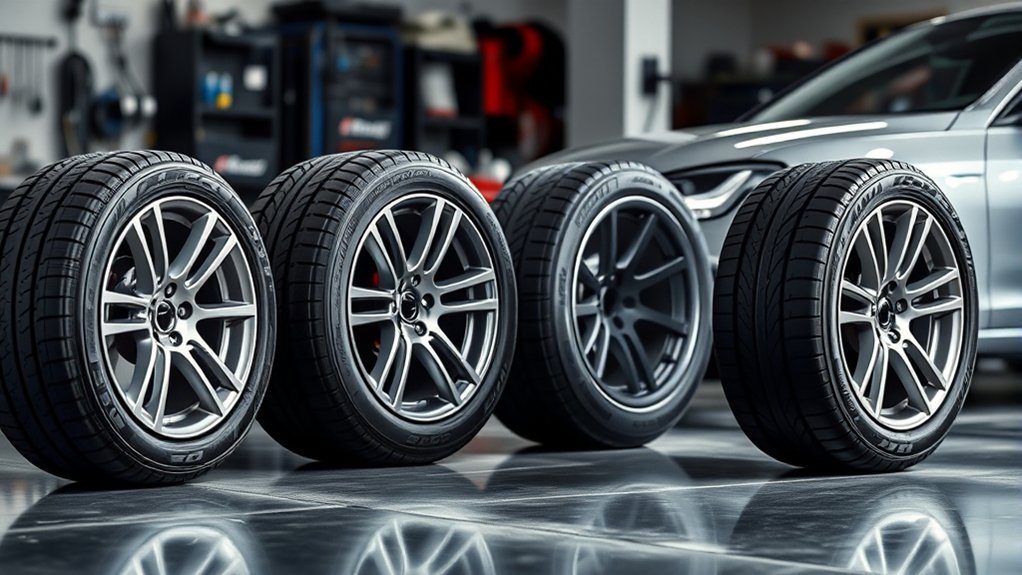
OEM tires, also called original equipment tires, are the tires installed when the vehicle leaves the factory. They are selected to support the vehicle’s intended ride, handling, noise, efficiency, and safety targets. Michelin explains that OE tires are selected and approved by the vehicle manufacturer and meet regulatory requirements as well as the manufacturer’s internal performance standards.
OEM Tire Specs
OEM tires are not just “the same size.” They may use a specific compound, tread pattern, construction, or sidewall tuning for that vehicle. Some OE tires also carry manufacturer markings that show they were developed for a specific brand or model.
Keeping the same OE tire can help preserve the original driving feel. But that does not mean the OE tire is always the best replacement for every driver. You may want better tread life, stronger snow traction, a quieter ride, or better wet braking than the original tire provided.
Non-OEM Tradeoffs
Non-OEM replacement tires can be a smart upgrade when they meet the correct size, load, speed, and fitment requirements. The key is understanding the tradeoff.
| Tire Choice | Possible Benefit | Possible Tradeoff |
|---|---|---|
| Same OEM tire | Preserves the vehicle’s original ride and handling balance | May not be the best value or best match for your climate |
| Touring tire | Quieter ride and long tread life | Less sporty steering response |
| Performance tire | Sharper handling and stronger dry grip | Shorter tread life and firmer ride |
| All-weather tire | Better winter capability than many basic all-season tires | May be noisier or less efficient than a touring all-season tire |
| Low rolling resistance tire | May improve fuel economy or EV range | May trade off wet grip, comfort, or tread life depending on the model |
When Mismatched Tires Cause Problems
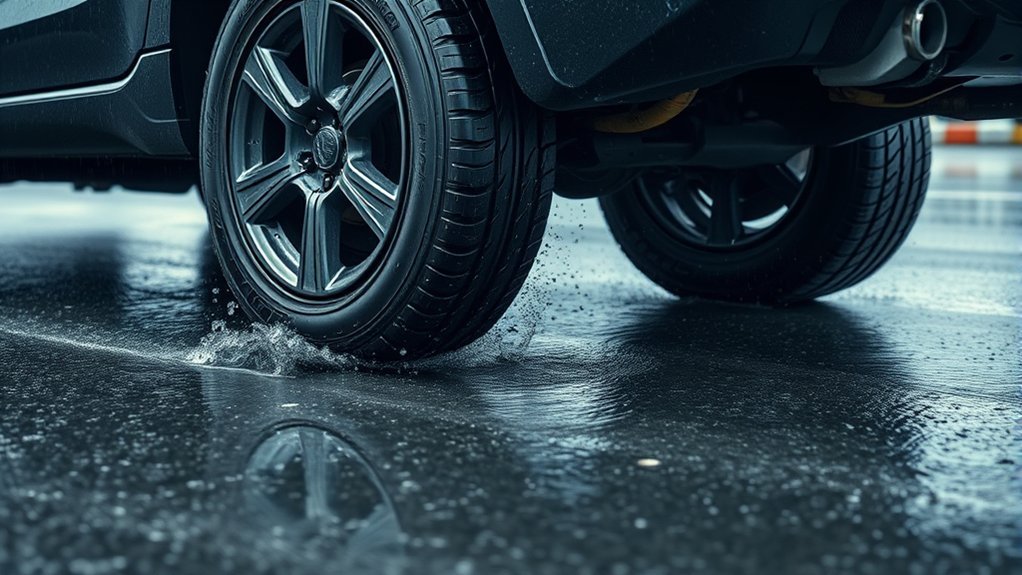
Mismatched tires can reduce predictable handling because different models may use different tread patterns, rubber compounds, sidewall stiffness, and wear levels. The risk is higher if you mix winter tires with all-season tires, combine different sizes, or use different tire construction on the same axle.
U.S. federal inspection guidance in 49 CFR 570.62 says vehicles should have tires on the same axle that are matched in construction and tire size designation. For everyday drivers, the safest rule is simple: match all four tires when possible, and at minimum match the two tires on the same axle.
Warning: AWD and 4WD vehicles can be especially sensitive to tire size and tread-depth differences. Check the owner’s manual or ask a qualified tire professional before replacing only one or two tires.
Which Tire Features Improve Safety?
The safest tire features depend on your roads and weather, but these usually matter most:
- Wet grip: Helps reduce stopping distance in rain.
- Hydroplaning resistance: Helps the tire move water away from the contact patch.
- Correct load index: Helps the tire safely carry the vehicle and passengers.
- Correct speed rating: Supports heat resistance and vehicle performance requirements.
- Winter or all-weather capability: Important if you drive in snow, slush, or freezing temperatures.
- Healthy tread depth: Shallow tread reduces water evacuation and can increase wet stopping distance.
- Proper inflation: NHTSA notes that poor tire maintenance, including underinflation, can lead to flat tires, blowouts, or tread separation.
Advanced factory replacement tires and well-tested aftermarket options can both be safe choices when they match the vehicle’s specifications. The key is not whether a tire is famous; the key is whether it performs well in the conditions you face.
[Products Worth Considering]

Accurately measure tire tread depth with a calibrated gauge marked from 0 to 1 inch in 1/32 inch increments. The color-coded bar helps you quickly identify tread condition ranges, supporting safe driving for trucks, motorcycles, automobiles, and passenger vehicles.

Add style while helping protect your tire valve stems with handmade crystal rhinestone caps and a durable plastic insert. These caps resist corrosion and help keep out rain, snow, and muddy water, extending tire life. Textured non-slip design makes them easy to grip for quick install and removal when checking tire pressure.

Keep your tires properly inflated with this analog VONDIOR tire pressure gauge, designed for fast, easy readings without batteries. The swiveling, two-axis hose and large glow dial help you measure at any tire angle with instant visibility. Built with a protective rubber shield, it supports durable, low-maintenance use for cars and trucks.
How to Judge Tire Value
To judge tire value, compare the installed price with safety, tread life, warranty, and expected performance. A cheap tire is not a bargain if it wears quickly, stops poorly in the rain, or makes the vehicle noisy and unstable. A premium tire is not automatically worth it unless the model’s test results support the price.
- Start with fitment: Confirm size, load index, speed rating, and pressure from the placard or manual.
- Choose the right category: All-season, all-weather, winter, summer, touring, performance, SUV, truck, or EV-focused.
- Compare wet performance: Wet braking and hydroplaning resistance are major safety factors.
- Check tread life: Look at projected mileage, treadwear warranties, and real test data where available.
- Calculate cost per mile: Divide installed cost by expected miles.
- Read warranty limits: Mileage warranties often require rotation records and proper maintenance.
For example, a tire that costs more up front may still be the better deal if it lasts longer and has better wet braking. On the other hand, some midpriced tires can outperform expensive tires in specific categories. That is why tire performance metrics matter more than brand reputation alone.
Signs a Tire Brand or Model Is Worth Avoiding
You do not need to avoid every budget tire, but you should be cautious when a tire model gives you little evidence to work with. Watch for these red flags:
- No clear treadwear, traction, temperature, load, or speed information.
- Few independent tests or owner reviews from reliable retailers.
- Weak wet braking or hydroplaning scores.
- Very short tread-life warranty compared with similar tires.
- Unclear warranty support or limited retailer availability.
- A size, load index, or speed rating that does not match your vehicle requirements.
- Old tire production date, even if the tire looks unused.
Reliable all-season tires, winter tires, and performance tires all exist at different prices. The safest approach is to compare the tire model’s evidence, not assume every expensive tire is good or every budget tire is bad.
How to Buy the Right Tires Without Guessing
Use this simple buying process before you order:
- Find the tire size, load index, speed rating, and recommended pressure on the driver-side door placard.
- Decide which category matches your weather: all-season, all-weather, winter, summer, touring, performance, truck, or SUV.
- List your top priorities: rain safety, snow traction, comfort, quiet ride, long tread life, fuel economy, or sporty handling.
- Compare model-level ratings for those priorities.
- Check the tire’s production date and warranty terms.
- Install matching tires whenever possible, especially on the same axle.
- Rotate, balance, align, and maintain pressure on schedule to protect tread life and safety.
If you are unsure, ask a qualified tire shop to verify fitment. This is especially important if you are changing size, replacing only two tires, driving an AWD vehicle, towing, or switching from OEM to non-OEM tires. Proper tire selection criteria can protect handling, traction, and long-term value.
[Products Worth Considering]

This VEVOR tire bead breaker uses a slide-hammer impact and wedge tip to separate tire beads from rims quickly and efficiently without damaging hub surfaces. The long handle and sturdy steel construction help reduce user strain while providing reliable, portable tire changing for cars, trucks, and more. Ideal for home mechanics and repair shops handling multiple vehicle tire sizes.

The TYAMATE TM8 solar-powered wireless TPMS delivers real-time tire pressure and temperature monitoring with six alarm modes for safer driving. A vibrant color LCD display shows readings clearly while windshield mounting keeps it hands-free and easy to read. With a wide 0–87 PSI range, strong 433.92 MHz signal transmission, and quick sensor pairing, it’s ideal for RV, sedan, SUV, MPV, and truck use.

The Continental Grand Prix 5000 is an allround road bike tire engineered for faster rolling, improved ride comfort, and enhanced puncture protection. It features a Vectran Breaker cut-protection layer, Lazer Grip micro-profile tread for confident cornering control, and Active Comfort Technology to damp vibration for smoother rides. BlackChili compound optimizes grip and speed for everyday performance and long-lasting confidence.
Frequently Asked Questions
What is the 3% tire rule?
The 3% tire rule is a common fitment guideline that says a replacement tire’s overall diameter should usually stay within about 3% of the original tire diameter. It helps protect speedometer accuracy, clearance, ABS behavior, and traction-control calibration. It is not a universal law, so always check your owner’s manual or ask a tire professional before changing tire size.
Are there any tire brands to avoid?
Be cautious with any brand or model that lacks clear specifications, independent testing, warranty support, or reliable retailer feedback. You do not need to reject every budget tire, but you should avoid models with weak wet braking, short tread life, poor fitment information, or little safety data.
What is the most reliable tire brand?
Michelin, Continental, Bridgestone, Pirelli, Goodyear, Nokian, and other major brands often perform well in independent testing, but there is no single best brand for every driver. The most reliable choice is the specific model that fits your vehicle, climate, safety needs, and budget.
Does it matter if all tires are a different brand?
Yes. Different brands and models can have different tread patterns, compounds, sidewall stiffness, and traction levels. That can make braking and handling less predictable. Ideally, use four matching tires. At minimum, keep the same size, construction, and model on the same axle.
Is it okay to replace only two tires?
Sometimes, but it depends on the vehicle and tread-depth difference. Many tire professionals recommend placing the newer pair on the rear axle for stability, but AWD and 4WD vehicles may require closer tread-depth matching. Always check the owner’s manual before replacing only two tires.
Do expensive tires always last longer?
No. Some expensive performance tires trade tread life for grip and steering response. Some midpriced touring tires can last longer. Compare projected tread life, warranty, wet braking, and independent test results before assuming a higher price means better value.
Are OEM tires always better than replacement tires?
No. OEM tires are designed to match the vehicle’s original ride and performance targets, but aftermarket replacement tires may improve wet grip, tread life, snow traction, comfort, or price. The best choice depends on what you want to improve and whether the replacement meets the correct specifications.
Conclusion
Tire brand matters, but it should not be your only decision point. The better question is whether the exact tire model fits your vehicle, your climate, your driving style, and your safety priorities. Compare test data, confirm the correct size and ratings, avoid mismatched tires, and judge value by performance and tread life—not by brand reputation alone. That is where tire safety and real value meet.
Sources
- NHTSA TireWise — tire safety ratings, tire size guidance, maintenance, and tire-related crash safety information.
- NHTSA Consumer Guide to Uniform Tire Quality Grading, July 2024 — treadwear, traction, temperature grades, and UTQG limitations.
- Consumer Reports Tire Buying Guide — tire testing categories, treadwear testing, and buying guidance.
- Michelin USA: Michelin-Developed Marked Tires — original equipment tire selection, manufacturer approval, and OE markings.
- Tire Rack: How Much Does Tire Tread Depth Affect Wet Braking? — tread depth and wet stopping distance testing.
- 49 CFR 570.62 — tire inspection guidance, including same-axle tire matching for construction and size designation.
