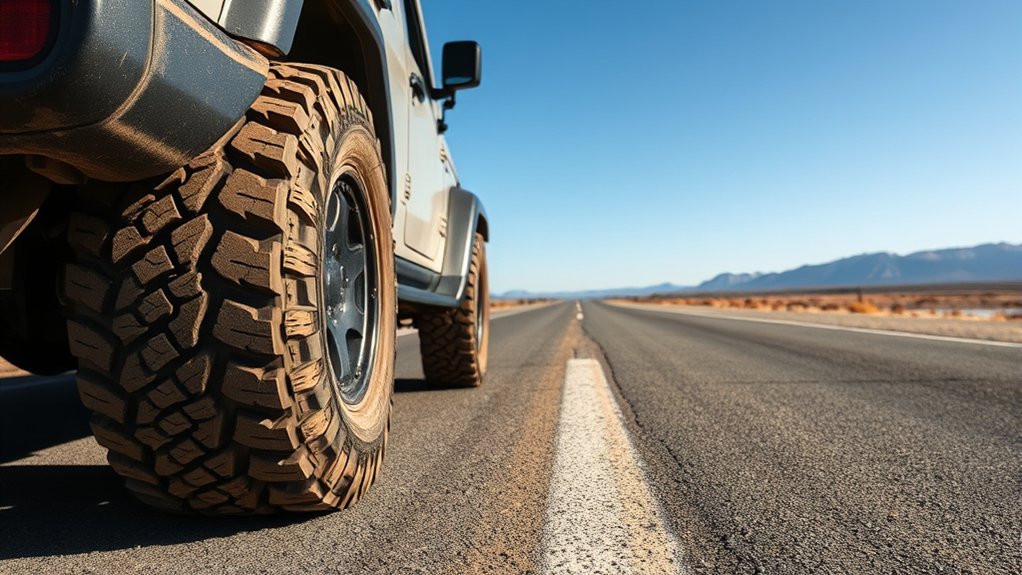
Mud-terrain tires can be driven on highways, but they usually involve clear trade-offs. Their large tread blocks, wide voids, reinforced construction, and off-road-focused compounds favor traction in mud, loose soil, rocks, and ruts. On pavement, those same features can increase tread noise, reduce ride comfort, raise rolling resistance, and make steering feel less precise than a road-focused tire.
Last reviewed for accuracy: July 2026.
Quick Answer
Mud-terrain tires are not automatically unsafe on highways, but they are usually a poor match for mostly paved driving. Compared with highway or all-terrain tires, they tend to be louder, less comfortable, less fuel-efficient, and less precise. Choose them mainly when severe off-road traction matters more than daily road manners.
Key Takeaways
- Mud-terrain tires prioritize deep-mud, loose-soil, rock, and trail traction over quiet highway comfort.
- Fuel-economy loss varies by tire size, weight, pressure, vehicle, speed, and tread design, so a universal MPG penalty is not reliable.
- Wet-road grip differs by model. Check model-specific test data, tread condition, load rating, and inflation pressure instead of judging by the “MT” label alone.
- All-terrain tires usually provide the best compromise for drivers who spend most of their time on pavement but still use moderate trails.
Why Mud-Terrain Tires Struggle on Highways
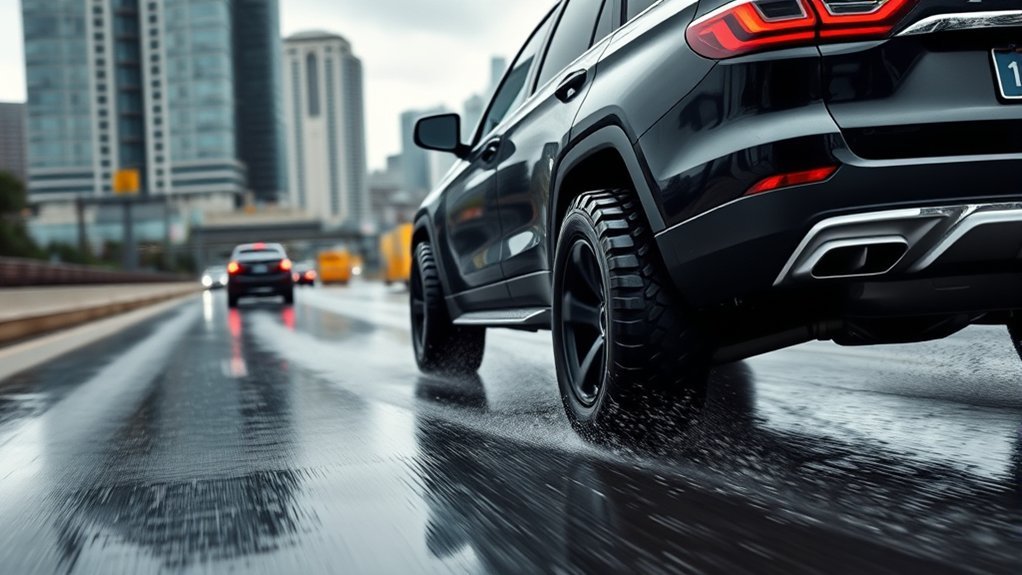
When you drive on pavement with mud-terrain tires, the biggest differences usually involve noise, comfort, steering response, and efficiency. Large tread blocks and wide voids help the tire clear mud and grip uneven ground, but they create more tread movement and air-pumping noise at highway speeds.
The result can be a firmer, louder ride with less precise cornering than you would get from a highway-terrain tire. An NHTSA tire guide describes all-terrain tires as a compromise between on-road driving and off-road capability, while BFGoodrich’s off-road tire guide notes that mud-terrain tires trade quietness and fuel efficiency for serious trail traction.
Tread life also varies widely. Vehicle weight, alignment, rotation, inflation pressure, towing, driving style, road temperature, and the exact tire compound all affect wear. Because of those variables, a single mileage range cannot accurately describe every mud-terrain tire.
How Tread Design Affects Highway Performance
Although mud-terrain tires are built for rugged ground, their tread design influences several parts of highway driving:
- Stability and handling: Large, flexible tread blocks can move under cornering and braking loads, which may make steering feel slower or less precise.
- Wet-road performance: Tread depth, compound, block design, siping, water depth, speed, and tire pressure all matter. Some MT tires manage rain better than others, so the category alone does not predict stopping distance.
- Wear and efficiency: Heavy construction, aggressive tread, and higher rolling resistance can increase energy use and accelerate irregular wear when pressure, balance, alignment, or rotation is neglected.
Warning: Use the tire size, load capacity, and cold inflation pressure approved for your vehicle. The correct pressure is listed on the driver-door placard or in the owner’s manual, not the maximum pressure molded on the tire sidewall.
Highway Handling and Braking
Mud-terrain tires can feel stable enough for normal road use when they are correctly sized, inflated, balanced, and matched to the vehicle. However, they usually do not deliver the same steering precision, braking feel, or ride control as tires engineered mainly for pavement.
Do not assume that an aggressive-looking tread automatically means poor braking, either. Compare the exact tire model, its load and speed ratings, available wet-braking tests, and manufacturer guidance. For U.S. passenger tires covered by the system, NHTSA’s traction grade reflects straight-line wet braking under controlled conditions, but it does not measure cornering performance.
Wet-Road Performance
The original concern is not that every mud-terrain tire “cannot expel water.” Wide grooves can move water and debris, but fewer small biting edges, flexible blocks, worn tread, excess speed, or incorrect pressure can still reduce wet-road confidence. NHTSA recommends slowing down and increasing following distance because every vehicle handles differently on slick roads.
Noise Levels and Ride Comfort of Mud-Terrain Tires
Despite their rugged appeal, mud-terrain tires commonly produce more road noise than highway or all-terrain tires. Air passes through the large tread voids as the tire rotates, while the tread blocks strike the pavement in a more pronounced pattern. The noise often becomes more noticeable as speed increases or as the tread wears unevenly.
The reinforced carcass and large tread blocks can also create a firmer ride and more vibration. Tire size, wheel weight, suspension setup, balancing, and inflation pressure can make the difference feel mild on one vehicle and tiring on another.
Continental’s tire-type guidance similarly describes mud-terrain tires as louder on pavement and less suitable for daily driving or long highway trips than all-terrain tires.
Pro Tip: If a mud tire becomes much louder or starts vibrating, inspect it for cupping, uneven wear, missing wheel weights, incorrect pressure, or alignment problems instead of assuming the sound is normal.
[Products Worth Considering]

Monitor tire tread wear with a smart, color-coded depth gauge that shows clear condition ranges at a glance. The bar is range marked for fast, easy readings, helping you maintain safer traction and performance. Each gauge is portable with a pocket clip, and the set includes 20 units for daily use and sharing.
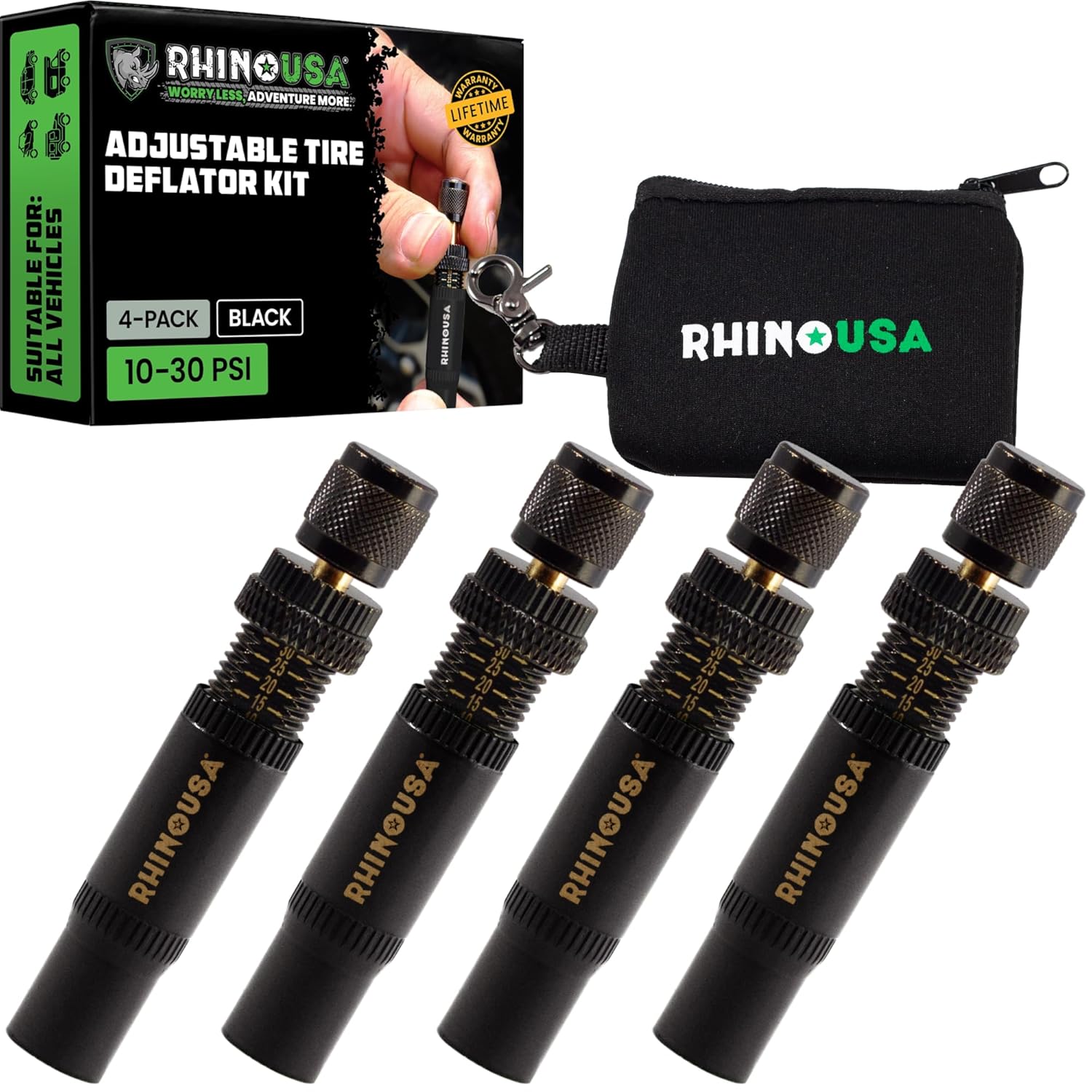
Use the Rhino USA adjustable tire deflators to air down all four tires at once by screwing one deflator onto each valve stem, letting you step away while the tires reach your preset pressure. Each deflator independently adjusts across a 10–30 PSI range with laser-etched indicators for quick setup and verification, making it ideal for beach, sand, and rocky off-road trails.

Keep your tires properly inflated with this analog VONDIOR tire pressure gauge, designed for fast, easy readings without batteries. The swiveling, two-axis hose and large glow dial help you measure at any tire angle with instant visibility. Built with a protective rubber shield, it supports durable, low-maintenance use for cars and trucks.
Do Mud-Terrain Tires Waste Fuel?
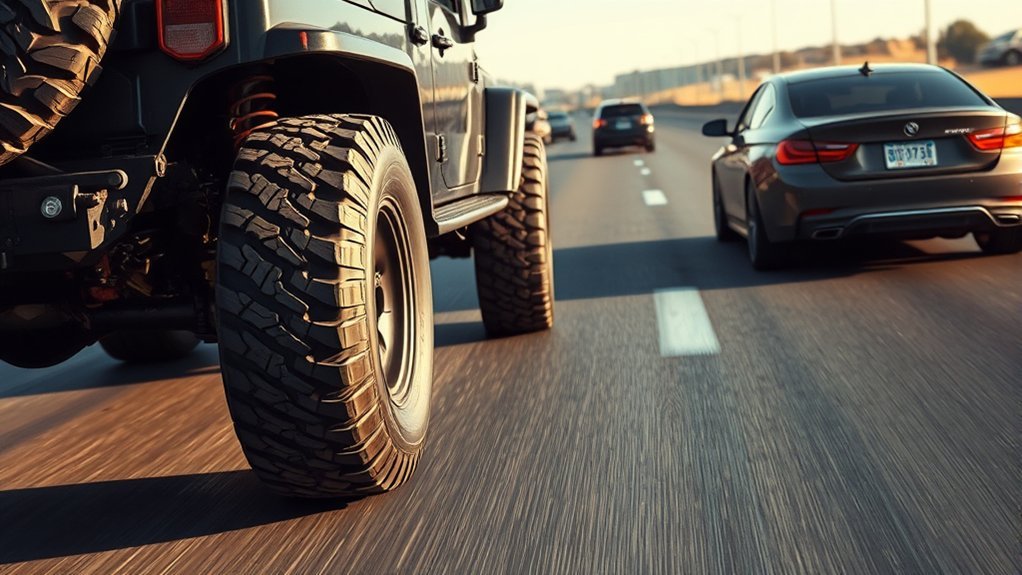
Mud-terrain tires can reduce fuel efficiency, but the loss is not a fixed number. Larger overall diameter, greater tire and wheel weight, aggressive tread, soft compounds, low pressure, and changes to gearing or aerodynamics can all affect consumption.
NHTSA explains that tire materials, construction, and tread design influence rolling resistance and fuel economy. It estimates that a 10% reduction in rolling resistance can improve vehicle fuel economy by roughly 1% to 2%, but that does not prove that every MT tire creates the same MPG loss.
Fuel Efficiency Impact
The fuel-economy change depends on the complete setup, not just the “MT” label. Consider these factors:
- Tire pressure: Underinflation increases rolling resistance and heat. Check pressure monthly when the tires are cold.
- Size and weight: Oversized tires and heavier wheels require more energy to accelerate and may alter effective gearing.
- Alignment and rotation: Poor alignment and irregular wear increase drag and shorten useful tread life.
- Driving conditions: High speed, towing, stop-and-go traffic, and roof accessories may affect fuel use as much as the tire change.
Fuel additives do not remove the rolling resistance created by a tire. Correct inflation, suitable sizing, proper alignment, and choosing a less aggressive tire are more direct solutions.
Increased Rolling Resistance
Rolling resistance is the energy lost as a tire flexes and deforms while moving. Mud-focused tread, heavy construction, and off-road compounds can increase that loss compared with a highway-focused tire. Michelin notes that tires optimized for mud, off-road use, or winter traction tend to have higher rolling resistance than highway-focused options.
That does not mean every mud-terrain tire will create the same result. A correctly inflated modern MT tire in the factory size may have a smaller effect than an oversized, underinflated tire mounted on a heavy wheel.
Other Factors That Affect Highway Performance
Tread category matters, but several setup choices can have an equal or greater effect on highway behavior:
- Load range: A very stiff light-truck tire may ride harshly on a lightly loaded vehicle.
- Speed rating: Use a tire that meets the vehicle manufacturer’s requirements. A speed rating is a test classification, not permission to exceed legal or safe speeds.
- Wheel and tire size: Oversizing can affect braking, steering, gearing, speedometer accuracy, clearance, and suspension load.
- Inflation pressure: Use the vehicle placard as the starting point and seek qualified guidance when changing tire size or load range.
- Balance and alignment: Vibration, pulling, or cupping may indicate a service issue rather than an unavoidable MT-tire trait.
Note: Recheck wheel clearance, load capacity, tire pressure, and speedometer accuracy after changing to a substantially different tire size. Consult a qualified tire professional when the new size is not listed by the vehicle manufacturer.
When to Opt for Mud-Terrain Tires
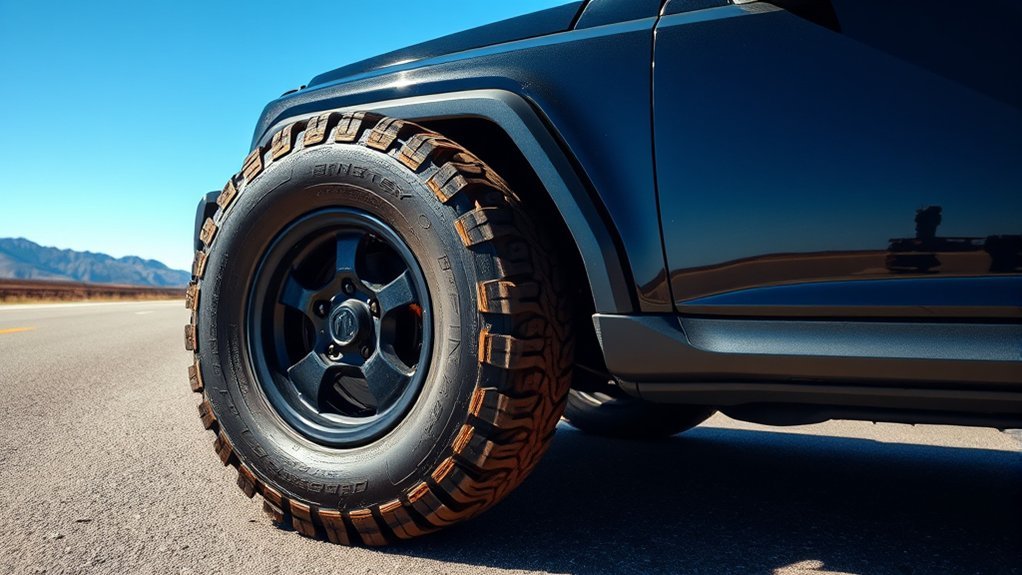
If you are considering mud-terrain tires, compare your real off-road needs with your daily driving. These tires make the most sense when severe trail traction is a regular requirement and you accept the highway compromises.
Off-Road Performance Needs
Mud-terrain tires are worth considering when you frequently encounter:
- Deep mud and loose soil: Large voids help the tread clear debris and find fresh grip.
- Rocks, ruts, and rugged trails: Reinforced construction and aggressive shoulder features can improve durability and traction.
- Frequent severe off-road use: The trade-offs in noise, comfort, wear, and efficiency are easier to justify when the vehicle regularly needs maximum trail capability.
On sand, tire pressure, vehicle weight, tread width, and driving technique matter greatly. An aggressive tire can dig down if it spins, so use manufacturer-approved off-road guidance and reinflate before returning to highway speeds.
Daily Driving Considerations
If most of your mileage is on pavement, a mud-terrain tire may create more compromise than benefit. Expect more tread noise, a firmer ride, and potentially higher fuel use. Highway wear can also vary widely based on rotation, alignment, pressure, towing, and driving style.
For commuting, family travel, or long-distance towing, prioritize wet braking, load capacity, heat resistance, comfort, and model-specific test results. An all-terrain or highway-terrain tire will usually suit those needs better.
Terrain-Specific Advantages
Mud-terrain tires remain valuable in the conditions they were designed to handle:
- Superior traction in deep mud: Wide voids help clear packed material from the tread.
- Aggressive grip on loose and uneven ground: Large blocks and shoulder lugs can bite into soil, rocks, and ruts.
- Stronger off-road protection: Many MT models use reinforced sidewalls and cut-resistant features, although construction varies by tire.
If those conditions are occasional rather than routine, an all-terrain tire may provide enough capability with fewer highway drawbacks.
How to Choose Tires for Mixed Highway and Off-Road Driving
Use your actual driving split rather than the tire’s appearance:
- Mostly highway with rare dirt roads: Choose a highway-terrain or road-focused all-season tire approved for your vehicle.
- Mostly highway with regular gravel and moderate trails: Choose an all-terrain tire with strong wet-road, noise, and treadwear performance.
- Frequent deep mud, rocks, or technical trails: Choose a mud-terrain tire that meets the correct size, load, and speed requirements.
- Dedicated trail vehicle: An MT tire may be the right primary choice, but inspect pressure and tread before every highway trip.
Compare the exact models rather than relying only on category names. Manufacturer performance charts, warranty terms, independent instrumented tests, and owner feedback from the same vehicle type can reveal meaningful differences.
[Products Worth Considering]

This ALL-TOP auto-stop tire deflator valve kit lets you air down off-road tires quickly without watching pressure, automatically stopping when your preset PSI is reached. Each valve is individually calibrated for reliable performance with an acceptable +/- 2 PSI tolerance. The adjustable deflator range covers 10 to 30 PSI and includes four valves plus valve caps and a zipper pouch for easy setup on trucks, SUVs, RVs, UTVs, and powersports.

TIRESHIELD PRO RV tire covers in a set of four deliver year-round protection against UV rays, cracking, fading, water, and snow. The StormLock-System helps keep the covers securely fastened through high wind, while heavy-duty, double-stitched construction supports long-lasting performance. Designed for universal fit, they’re intended for RV, camper, truck, car, and trailer tires within the 26–28.75 inch diameter range, with easy wipe-clean care and storage in the included bag.

The Continental Grand Prix 5000 is an allround road bike tire engineered for faster rolling, improved ride comfort, and enhanced puncture protection. It features a Vectran Breaker cut-protection layer, Lazer Grip micro-profile tread for confident cornering control, and Active Comfort Technology to damp vibration for smoother rides. BlackChili compound optimizes grip and speed for everyday performance and long-lasting confidence.
Better Options Than Mud-Terrain Tires for Highway Driving
If you frequently drive on highways but still want occasional off-road capability, all-terrain tires are usually the smarter choice. Their less aggressive tread can provide better steering response, lower noise, and a smoother ride while retaining useful traction on gravel, dirt, and moderate trails.
Highway-terrain tires go further toward road comfort, wet-road manners, tread life, and efficiency, but they give up capability in deep mud and technical terrain. The best choice depends on how often you genuinely need severe off-road traction.
| Tire Type | Best Use | Highway Comfort | Severe Off-Road Grip | Typical Trade-Off |
|---|---|---|---|---|
| Highway-terrain | Commuting, towing, long road trips | Highest | Lowest | Limited deep-mud and rock capability |
| All-terrain | Daily driving plus moderate trails | Medium to high | Medium | Less capable than MT tires in severe terrain |
| Mud-terrain | Frequent deep mud, rocks, and technical trails | Lowest | Highest | More noise, firmer ride, and often higher rolling resistance |
[Products Worth Considering]

This 62-inch extra-long car wash brush kit makes it easy to clean hard-to-reach areas on cars, trucks, SUVs, and RV roofs with lightweight, sturdy poles. It includes soft, non-scratch microfiber and bristles with protective bumpers to help prevent scratches while cleaning effectively. A rubber squeegee helps remove water stains quickly, plus a wheel/tire brush and absorbent towels for complete exterior detailing.

Vigorder rubber cement glue delivers superior adhesion and cures quickly within about 30 seconds for seamless rubber bonding. Once cured, it helps provide a strong, durable, waterproof seal that holds up to vehicle weight, pressure, and heat. Suitable for cars, motorcycles, trucks, bicycles, and off-road tires, it’s designed for emergency patch and maintenance repairs.

The Tymate TM12 RV TPMS delivers real-time tire pressure and temperature monitoring with a stable 433Hz display for safer long-distance driving. It supports simultaneous monitoring across vehicle and trailer zones, includes six alarm modes for pressure, temperature, leakage, battery, and signal loss, and features easy DIY installation with auto calibration. Power is supplied via USB-C charging or solar recharging, with a wide 0–144 PSI range and up to 50 ft signal coverage for RVs and towable trailers.
Frequently Asked Questions
What are the main disadvantages of mud tires on highways?
The common disadvantages are more tread noise, a firmer ride, less precise steering, potentially higher rolling resistance, and faster or uneven wear if the tire is oversized, underinflated, poorly aligned, or not rotated correctly.
How long do mud tires last on highways?
There is no reliable universal mileage figure. Tire model, vehicle weight, alignment, pressure, rotation, towing, road temperature, and driving style can change tread life substantially. Check the exact product warranty and measure tread depth regularly.
Do mud-terrain tires reduce gas mileage?
They can. Aggressive tread, heavy construction, oversized diameter, heavier wheels, and low pressure may increase rolling resistance or energy demand. The actual MPG change depends on the tire and vehicle, so a fixed one-MPG penalty should not be treated as universal.
Are mud-terrain tires safe in rain?
A properly rated and maintained MT tire can be used in rain, but wet braking and cornering vary by model. Keep adequate tread depth, use the correct cold pressure, slow down, and increase following distance on wet roads.
Are all-terrain tires better for daily highway driving?
Usually, yes. All-terrain tires generally offer a quieter ride, better road comfort, and more balanced handling while retaining useful traction on gravel, dirt, and moderate trails.
Conclusion
Mud-terrain tires are excellent tools for deep mud, rocks, ruts, and difficult trails, but they are usually not the best choice for a vehicle that spends most of its time on highways. You may experience more noise, a firmer ride, less precise handling, and higher fuel use. Choose an all-terrain or highway-terrain tire when road comfort and efficiency matter more than maximum off-road grip.
Whatever category you choose, match the tire to the vehicle’s approved size and load requirements, maintain the correct cold pressure, rotate it as recommended, and check model-specific wet-road and highway performance before buying.
Sources
- National Highway Traffic Safety Administration: TireWise — tire selection, wet traction grades, tread, pressure, rotation, and rolling resistance.
- National Highway Traffic Safety Administration: Driving in Severe Weather — wet-road speed and following-distance guidance.
- BFGoodrich: How to Choose the Right Off-Road Tires — differences between all-terrain and mud-terrain use.
- Continental: Tire Types — highway comfort, tread life, and off-road trade-offs.
- Michelin: Driving for Fuel Economy — pressure, rolling resistance, and fuel consumption.