Disclosure: As an Amazon Associate, we earn from qualifying purchases. If you click a link on this page and make a purchase, we may receive a small commission at no extra cost to you.
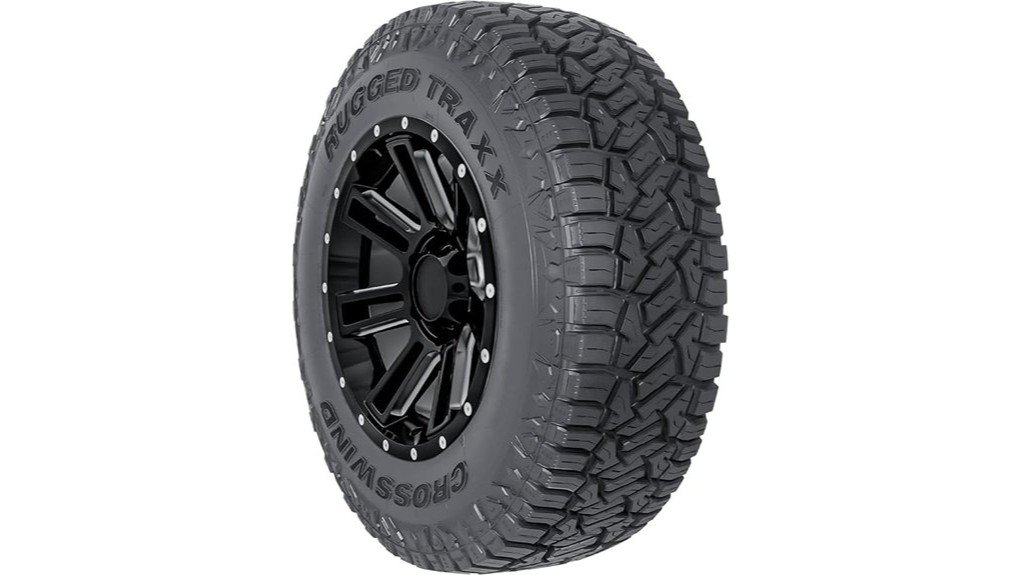
Choosing a rugged-terrain tire means balancing off-road grip, highway comfort, load capacity, winter traction, and fitment. The Crosswind Rugged Traxx LT275/70R18 125/122Q E targets truck, SUV, and Jeep owners who want a more aggressive tread than a conventional all-terrain tire without moving fully into mud-terrain territory. Its main strengths are an 18/32-inch tread depth, Load Range E construction, 3PMS winter certification, and a 50,000-mile limited treadwear warranty. Its main tradeoffs are a Q speed rating, heavier 58-pound construction, and the need to confirm vehicle clearance before buying.
Quick Verdict
Rating: 8.2/10, recommended with fitment and warranty caveats
Best For: Drivers who need LT275/70R18 Load Range E capacity and want stronger trail traction than a mild all-terrain tire
Bottom Line: The Rugged Traxx offers a useful mix of deep tread, winter certification, and rugged-terrain grip. It is less suitable for drivers who prioritize low weight, high-speed capability, or quiet highway manners above off-road traction.
Review basis: This editorial review uses the current Amazon listing, the Crosswind Rugged Traxx product sheet, and the Crosswind limited-warranty brochure. It is not presented as a hands-on road test.
Crosswind Rugged Traxx LT275/70R18 Specifications
| Specification | Detail |
|---|---|
| Brand | Crosswind |
| Model | Rugged Traxx, article number CROS-CRX72 |
| Product type | Rugged-terrain light-truck tire |
| Tire size | LT275/70R18 |
| Service description | 125/122Q |
| Load range | E, commonly described as 10-ply-rated |
| Tread depth | 18/32 inch |
| Overall diameter | 33.19 inches |
| Section width | 10.98 inches |
| Standard rim width | 8.0 inches |
| Maximum single-tire load | 3,640 pounds at 80 PSI |
| Maximum dual-tire load | 3,305 pounds at 80 PSI |
| Speed rating | Q |
| Tread direction | Non-directional |
| Sidewall | Black sidewall with two visual sidewall designs |
| Approximate shipping weight | 58 pounds per tire |
| Winter certification | Three-Peak Mountain Snowflake, 3PMS |
| Limited treadwear warranty | 50,000 miles, subject to warranty terms and exclusions |
Key Takeaways
- The Rugged Traxx is a rugged-terrain tire, positioned between a conventional all-terrain and a mud-terrain design.
- The LT275/70R18 version has an official 18/32-inch tread depth, 33.19-inch overall diameter, and Load Range E rating.
- Its crossed horned tread blocks target mud and soft-surface traction, while the compound is designed to stay flexible across varied conditions.
- The optimized pitch pattern is intended to reduce noise, but this remains a heavy, aggressive tire rather than a touring tire.
- 3PMS certification supports winter use, but it does not replace careful winter driving or guarantee ice traction.
- The 50,000-mile warranty has maintenance requirements and exclusions, so you should read the current warranty before purchase.
What Is the Crosswind Rugged Traxx?
The Crosswind Rugged Traxx is a rugged-terrain radial tire for Jeeps, SUVs, and light trucks. The manufacturer describes the line as more aggressive than a standard all-terrain tire but less specialized than a full mud-terrain tire. That middle position suits drivers who spend most of their time on pavement but still need deeper tread and stronger bite on dirt, gravel, mud, or rocky access roads.
In the LT275/70R18 size, the tire uses a 125/122Q service description and Load Range E construction. The official product sheet lists a 33.19-inch diameter, 10.98-inch section width, 8-inch standard rim, and 58-pound shipping weight. These numbers matter because the tire may be larger and heavier than the original equipment tire on some vehicles.
Who Should Buy It?
Best For
- Truck, SUV, and Jeep owners whose approved fitment includes LT275/70R18 Load Range E tires
- Drivers who split time between pavement, gravel, dirt roads, muddy access routes, and moderate winter conditions
- Buyers who want an aggressive appearance, dual sidewall styling, and deeper tread without choosing a dedicated mud tire
Skip If
- Your vehicle placard, wheel width, clearance, or load requirements do not support this exact size and service description
- You want touring-tire quietness, low rolling mass, or a speed rating above Q
- You need a dedicated ice tire or maximum mud-terrain performance
Before You Buy: Do not choose this tire by diameter alone. Confirm the exact LT275/70R18 size, 125/122Q service description, wheel-width compatibility, suspension clearance, spare-tire fit, and manufacturer-approved inflation guidance for your vehicle.
Fit and Compatibility
A tire can physically mount on an 18-inch wheel and still be wrong for the vehicle. Your door-jamb placard and owner’s manual should be the starting point. Compare the original tire size, load index, speed rating, wheel width, and recommended pressure with the Rugged Traxx specifications. Modified vehicles also need a clearance check at full steering lock and through the suspension’s range of motion.
The 33.19-inch overall diameter can affect speedometer accuracy, gearing, braking feel, and clearance when it differs from the original tire. The 58-pound weight may also increase unsprung mass. That can make steering and acceleration feel heavier, especially when replacing a lighter passenger-rated tire.
Pro Tip: Ask the installer to verify wheel load rating, valve-stem suitability, balance, clearance, and TPMS operation before mounting all four tires. A test fit can prevent expensive rubbing or fitment problems.
Build, Tread Design, and Sidewalls
The Rugged Traxx uses crossed horned tread blocks to create more biting edges on muddy and soft surfaces. Its 18/32-inch tread depth is substantial for this size and gives the pattern room to work in loose material. Large tread voids can help move dirt and mud away from the contact area, but aggressive blocks can also create more vibration and noise than tightly packed highway tread.
Crosswind also uses a dual-sidewall design. The two sides provide different visual treatments, so the installer can mount the preferred side outward. This feature changes appearance rather than core performance, and you should make the choice before installation.
Load Range E is often marketed as 10-ply-rated. That phrase describes a strength class, not necessarily ten physical body plies. The heavier casing can support demanding light-truck applications, but it may ride more firmly than a lighter passenger-rated tire when installed on a vehicle that does not need the extra capacity.
Crosswind Rugged Traxx On-Road and Off-Road Performance
On loose surfaces, the aggressive block pattern is the main reason to consider the Rugged Traxx. The tread is designed to find grip in mud, soft soil, gravel, and rocky terrain. The compound is also intended to remain flexible across changing weather, which helps the blocks conform to uneven surfaces.
On pavement, the pattern pitch is designed to reduce sound and vibration compared with a less optimized aggressive tread. That does not make the tire silent. Expect more tread feedback than you would get from a highway-terrain tire, particularly as the tread wears or if rotation, alignment, or balance is neglected.
Steering response may feel slower than with a lighter, less aggressive tire because of the 58-pound construction and taller tread blocks. The tradeoff is a stronger casing and more off-pavement capability. Drivers who spend nearly all their time on smooth highways may not benefit enough from that compromise.
Snow, Wet Roads, and Cold-Weather Use
The Three-Peak Mountain Snowflake mark means the tire meets the required performance threshold for severe-snow service testing. That makes it a more credible winter option than an all-season tire without the symbol. The deep tread and open pattern can also help clear slush and loose snow.
3PMS certification does not mean the tire matches a dedicated winter tire on ice, packed snow, or extreme cold. Braking distance still depends on temperature, road surface, tread condition, inflation, vehicle weight, and driving speed. In areas with frequent ice or prolonged severe winter conditions, a dedicated winter tire may remain the safer choice.
For rain, the open tread can help evacuate water, but an aggressive tire can still hydroplane when speed is too high for conditions. Maintain adequate tread depth, use the vehicle manufacturer’s pressure guidance, and slow down in standing water.
Road Noise and Ride Comfort
Crosswind uses an optimized tread-pitch sequence to interrupt repetitive sound frequencies. This can make the Rugged Traxx more livable on pavement than a basic aggressive tread with evenly spaced blocks. The benefit is most noticeable when the tires are properly balanced and rotated.
Noise can increase as tread blocks wear unevenly. Cupping, incorrect pressure, worn suspension parts, and poor alignment can make any rugged-terrain tire louder. The Load Range E casing may also feel firm on lighter vehicles, so do not inflate to the sidewall maximum unless that pressure is appropriate for the load and vehicle guidance.
Load Capacity and Towing Considerations
The LT275/70R18 version carries a 125/122 load index. The official product sheet lists a maximum single-tire load of 3,640 pounds at 80 PSI and a maximum dual-tire load of 3,305 pounds at 80 PSI. Those are tire limits under specified conditions, not a license to exceed the vehicle’s gross axle weight rating, wheel rating, suspension rating, or towing limits.
For towing or hauling, use the vehicle manufacturer’s cold-pressure guidance for the actual setup and load. A tire shop or qualified towing professional can help confirm load capacity and pressure. The maximum pressure molded on the tire is not automatically the correct everyday pressure.
How It Performs in Real Use
Daily Highway Driving
The optimized pitch design should keep the tire more controlled than a full mud-terrain pattern, but you should still expect some hum and a firmer ride. Daily commuters who value silence and fuel economy above trail traction may prefer a highway-terrain or milder all-terrain tire.
Gravel Roads and Trail Access
This is the Rugged Traxx’s strongest use case. The deep tread and open block design provide more edges for loose gravel, dirt, and uneven surfaces. Airing down may improve traction in some off-road situations, but pressure changes should follow safe procedures and never fall below what the wheel, tire, load, and terrain allow.
Mud and Soft Ground
The crossed horned blocks are designed for muddy and soft surfaces. They should clear loose material better than a tightly packed highway tread. However, the Rugged Traxx is not a dedicated mud-terrain tire, so deep mud specialists may still want a more open and aggressive design.
Snowy Roads
3PMS certification and deep tread support use in moderate to severe snow. The tire should be more capable in loose snow than a basic all-season model, but ice performance remains limited by the absence of a dedicated winter compound and specialized ice-focused tread features.
Installation, Rotation, and Maintenance Tips
- Use professional installation: LT tires are heavy and require proper mounting, balancing, valve hardware, and torque procedures.
- Set pressure by vehicle and load: Do not use 80 PSI as a default. Follow the vehicle maker’s guidance or a qualified professional’s load-based recommendation.
- Rotate regularly: The Crosswind warranty brochure calls for regular rotation and includes records in 5,000-mile increments. Keep receipts and service records.
- Check alignment: Uneven wear can increase noise and shorten tread life. Correct alignment or suspension problems early.
- Inspect after trail use: Look for cuts, punctures, bulges, embedded objects, and sidewall damage before returning to highway speeds.
- Recheck torque and pressure: Follow the installer’s advice after initial driving, then monitor cold pressure at least monthly and before long trips.
Safety and Warranty Notes
The 50,000-mile treadwear warranty is limited, not a guarantee that every tire will reach 50,000 miles. Coverage depends on proper installation, inflation, balance, rotation, alignment, documentation, and other terms. The current warranty also lists exclusions that include damage from road hazards, improper maintenance, overloading, racing, and off-road use.
That off-road exclusion is especially important because the tire is marketed for rugged terrain. The tire may be designed for off-pavement traction while damage or wear from off-road use is still excluded from warranty coverage. Read the current warranty and ask the seller or installer how claims are handled before buying.
Tire failure can cause loss of control, injury, or vehicle damage. Replace tires with bulges, exposed cords, severe cuts, separation, or other unsafe damage, and have uncertain damage inspected by a qualified tire professional.
Pros and Cons
Pros
- 18/32-inch tread depth and aggressive blocks for loose-surface traction
- 3PMS certification for severe-snow service
- Load Range E construction with strong single and dual load ratings
- Optimized tread pitch designed to reduce noise and vibration
- 50,000-mile limited treadwear warranty and dual-sidewall styling
Cons
- Heavy 58-pound construction may affect ride, steering feel, and efficiency
- Q speed rating and aggressive tread will not suit every highway-focused driver
- Warranty terms list off-road use among the exclusions
Is It Worth the Price?
The Crosswind Rugged Traxx is positioned as a value-focused rugged-terrain tire. It offers useful hardware for the category, including deep tread, Load Range E capacity, winter certification, dual sidewalls, and a limited mileage warranty. Buyers who regularly drive on gravel, dirt, snow, or muddy access roads are most likely to use those features.
It is less compelling for a mostly highway-driven vehicle that does not need Load Range E construction. A lighter all-terrain or highway-terrain tire may ride more smoothly, make less noise, and place less rotating mass on the vehicle. The Rugged Traxx makes the most sense when off-pavement traction matters enough to accept those tradeoffs.
How It Compares to Alternatives
The Crosswind Trail Traxx is the more conventional all-terrain option to compare when you want a less aggressive pattern from the same brand. The Thunderer Ranger ATR is another LT275/70R18 all-terrain alternative that may suit drivers who place more emphasis on highway use. The Falken Wildpeak A/T4W is a higher-profile premium comparison for buyers who are willing to pay more for a broadly established all-terrain line.
The Rugged Traxx stands out when you want a pattern between all-terrain and mud-terrain categories, plus 3PMS certification and Load Range E capacity. A full mud-terrain tire may be better for repeated deep-mud use, while a mild all-terrain is usually the better choice for quiet daily driving.
Frequently Asked Questions
What vehicles fit the Crosswind Rugged Traxx LT275/70R18?
It can fit trucks, SUVs, and Jeeps approved for LT275/70R18 tires with an appropriate load index, speed rating, wheel width, and clearance. Confirm the door-jamb placard, owner’s manual, wheel specifications, and suspension clearance before ordering.
What is the correct tread depth for this size?
The official Crosswind product sheet lists 18/32 inch for article number CROS-CRX72 in LT275/70R18. Some retailer metadata may show a different figure, so the manufacturer sheet is the stronger reference.
What is the maximum load capacity?
The official specification is 3,640 pounds per tire in single use at 80 PSI and 3,305 pounds per tire in dual use at 80 PSI. Vehicle, axle, wheel, and suspension limits still apply, and you should not exceed the lowest-rated component.
Is the Rugged Traxx a true all-terrain tire?
Crosswind labels it a rugged-terrain tire and describes it as sitting between an all-terrain and mud-terrain design. It is more aggressive than a mild all-terrain but not as specialized as a dedicated mud tire.
Is it Three-Peak Mountain Snowflake certified?
Yes. The Rugged Traxx carries the 3PMS symbol for severe-snow service. That certification supports snow use, but it does not guarantee strong ice traction or replace a dedicated winter tire in every climate.
Does the tire have a mileage warranty?
Yes, Crosswind lists a 50,000-mile limited treadwear warranty for Rugged Traxx metric and LT sizes. Eligibility depends on the current terms, proper maintenance, records, and listed exclusions.
Is off-road damage covered by the warranty?
Do not assume it is. The current Crosswind limited-warranty brochure lists off-road use among its exclusions, even though the tire is marketed for rugged terrain. Review the current policy and ask the seller how claims are handled.
Does the Amazon listing include one tire or a full set?
The product title is written in the singular, but package quantity can vary by seller or offer. Check the selected offer, quantity, seller details, and order summary before payment.
The Bottom Line
The Crosswind Rugged Traxx LT275/70R18 is worth considering when you need Load Range E capacity, 3PMS certification, and stronger loose-surface traction than a mild all-terrain tire. Skip it when your priority is touring-tire quietness, lower weight, higher speed capability, or a warranty that clearly covers off-road use. Its strongest feature is the aggressive 18/32-inch rugged-terrain tread, while its main limitation is the compromise in weight, ride refinement, and warranty coverage.
Ready to Buy?
Check the latest price, seller, quantity, and product details before you decide.