

If you want the stronger all-around performer between these two all-weather tires, the Michelin CrossClimate2 is the better fit for most drivers who prioritize dry braking, wet grip, precise steering, and ice performance. The Bridgestone WeatherPeak fights back with excellent snow capability, a softer touring feel, competitive noise levels, and a longer 70,000-mile treadwear warranty. The right choice depends especially on whether your winter driving means frequent snow or mostly wet, cold, and occasionally icy roads.
Quick Answer
Choose the Michelin CrossClimate2 if dry and wet braking, sharper steering, and ice performance matter most. Choose the Bridgestone WeatherPeak if you prioritize snow traction, a softer touring character, and a 70,000-mile warranty. Snow results vary by test, so neither tire is the automatic winner in every winter condition.
Key Takeaways
- CrossClimate2 has the clearer advantage in aggregated dry and wet braking results and usually feels more precise when steering.
- WeatherPeak is especially competitive in snow; recent testing has shown advantages in snow braking, acceleration, and handling.
- CrossClimate2 has generally performed better on ice in available direct comparisons.
- WeatherPeak offers a 70,000-mile limited mileage warranty compared with 60,000 miles for CrossClimate2.
- Both carry the Three-Peak Mountain Snowflake rating, but neither should be treated as equal to a dedicated winter tire in severe, sustained snow and ice.
Which Tire Wins Overall?
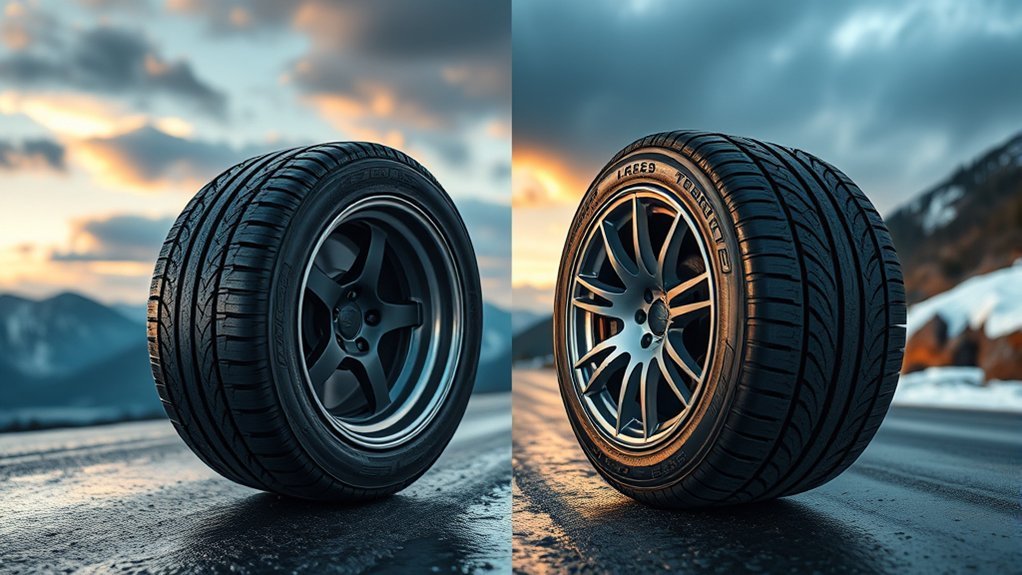
For a broad mix of dry pavement, rain, cold weather, occasional snow, and ice, the Michelin CrossClimate2 gets the overall edge. A current multi-test comparison from Tire Reviews favors Michelin in most dry, wet, and ice metrics while giving Bridgestone meaningful advantages in snow, noise, comfort, and value.
The most important point is that the result changes with the surface. CrossClimate2 is not simply “better in winter.” The WeatherPeak can be the more capable snow tire, while the Michelin tends to make up ground on ice and pulls ahead more clearly on dry and wet pavement.
| Category | CrossClimate2 | WeatherPeak | Edge |
|---|---|---|---|
| Dry braking | 37.75 m aggregate | 43.86 m aggregate | Michelin |
| Wet braking | 42.11 m aggregate | 46.10 m aggregate | Michelin |
| Snow | Strong, especially lateral grip in some tests | Often stronger in braking, acceleration, and handling | Bridgestone overall, test-dependent |
| Ice | Stronger in available comparisons | Capable but usually trails Michelin | Michelin |
| Ride/noise | More taut and precise | Generally softer; lower noise in one direct test | Bridgestone |
| Mileage warranty | 60,000 miles | 70,000 miles | Bridgestone |
Note: The aggregate braking figures above combine results from multiple independent tests using different tire sizes, vehicles, surfaces, and conditions. They are useful for identifying repeated trends, but they should not be read as one same-day head-to-head test.
[Products Worth Considering]
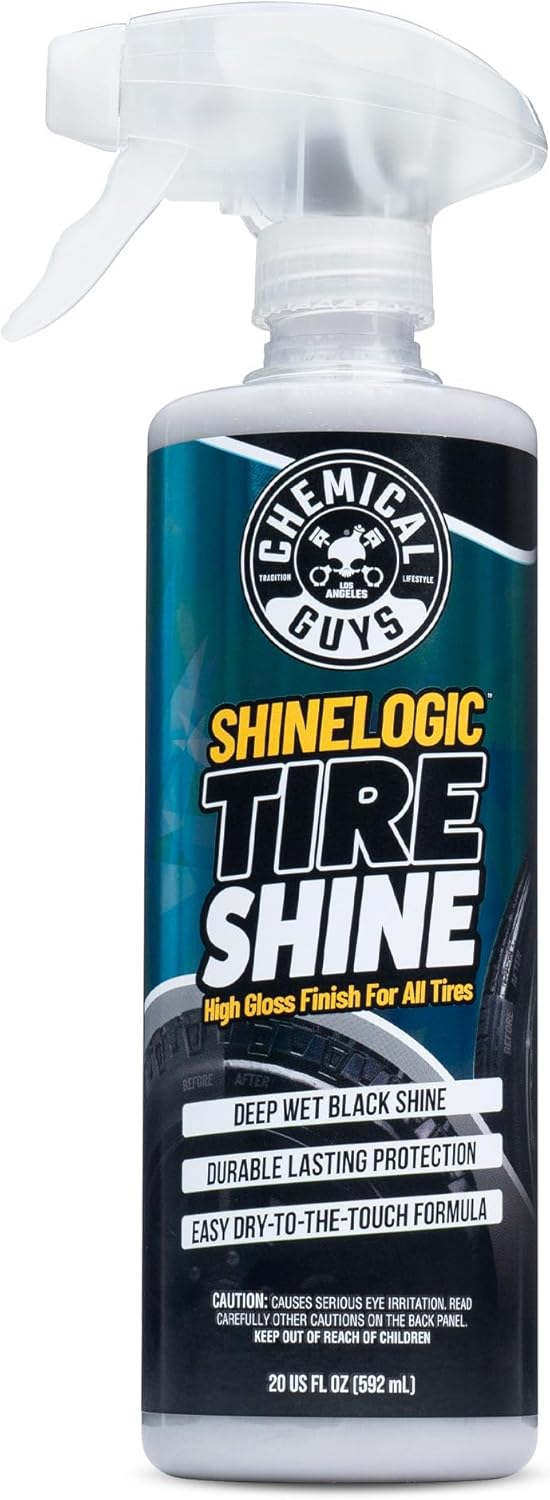
Chemical Guys ShineLogic Tire Shine delivers a deep wet black, high-shine finish for rubber tires with a sleek look. It’s designed for durable, one-step application with minimal drips, streaks, or runs, and it helps produce effortless, long-lasting shine. Choose aerosol or trigger spray for easy use on cars, trucks, motorcycles, RVs, and more.

These universal tire valve stem caps help protect valve cores from dust, debris, and moisture while helping maintain stable tire pressure. The corrosion-resistant metal construction and sealed design provide reliable protection in road grime, mud, and winter conditions. Twist-on installation makes them quick to fit on cars, SUVs, trucks, and motorcycles.

Milton S-921 pencil tire pressure gauge helps you maintain optimal tire pressure for passenger cars with accurate readings in PSI and kPa. It features a built-in deflator valve for convenient pressure adjustments, plus a single chuck head and nylon indicator bar for easy use on the go. Built from durable plated brass and designed for reliable performance, it’s a practical road trip and cold-weather maintenance tool.
CrossClimate2 vs WeatherPeak: Dry Performance
Dry pavement is where the Michelin’s advantage is easiest to explain. Across the current multi-test comparison, CrossClimate2 averages 37.75 meters in dry braking versus 43.86 meters for WeatherPeak. The reported dry-handling averages are much closer at 52.18 seconds for Michelin and 52.88 seconds for Bridgestone.
That means braking is the more meaningful separation. Handling times differ by only a small amount, but Michelin has also earned stronger subjective steering and dry-handling scores in comparative testing. Its steering tends to feel more immediate and precise, while WeatherPeak has a softer touring character.
The same pattern appeared in the 2025 Car and Driver all-weather test: CrossClimate2 stopped from the test speed in 37.2 meters, while WeatherPeak required 42.9 meters. Michelin also finished slightly ahead in dry handling.
If your driving includes emergency braking, quick lane changes, or simply a preference for more connected steering, the CrossClimate2 is the stronger dry-road choice.
CrossClimate2 vs WeatherPeak: Wet Performance
Michelin also has the clearer advantage in rain. The multi-test comparison gives CrossClimate2 an average wet braking distance of 42.11 meters versus 46.1 meters for WeatherPeak. Michelin also leads the aggregated wet-handling results.
A newer same-size test reinforces that pattern. In Tire Rack’s March 2026 all-weather versus winter-tire test, both tires were tested in 215/55R17 on a Toyota Camry in near-freezing conditions. CrossClimate2 stopped from 50 mph in 99.6 feet, while WeatherPeak needed 110.7 feet. Michelin also generated 0.69 lateral g compared with 0.67 g for Bridgestone.
WeatherPeak is not weak in the rain. It remains a capable all-weather touring tire, and one independent comparison found it better in curved aquaplaning resistance. However, Michelin has been more consistently convincing in wet braking and overall wet grip.
For most drivers, the Michelin’s strongest case is not a single headline number—it is the repeated dry- and wet-braking advantage across several independent tests.
CrossClimate2 vs WeatherPeak: Snow and Ice
Snow is where this comparison becomes more nuanced. Older aggregate data can make the tires look almost tied in snow braking, with averages around 20.36 meters for CrossClimate2 and 20.62 meters for WeatherPeak. Yet the same aggregated dataset gives Bridgestone an advantage in snow acceleration and snow handling.
Individual tests can swing even more strongly toward WeatherPeak. In the 2025 Car and Driver test, WeatherPeak delivered the best snow braking, acceleration, and handling results among the tested all-weather competitors. It stopped in 27.0 meters versus 27.7 meters for CrossClimate2 and accelerated in 7.5 seconds versus Michelin’s 8.0 seconds.
The newer 2026 Tire Rack test widened the gap. WeatherPeak stopped from 25 mph on snow in 58.6 feet and accelerated to 12 mph in 25.91 feet. CrossClimate2 needed 72.4 feet to stop and about 30 feet to accelerate to 12 mph in the same test.
Ice can reverse the advantage. In a 2024 Tire Rack comparison summarized by Tire Reviews, CrossClimate2 stopped on ice in about 46 feet versus roughly 54 feet for WeatherPeak. Other aggregated ice results also favor Michelin.
- For frequent snow: WeatherPeak deserves serious consideration and can be the stronger choice.
- For ice: CrossClimate2 has generally produced the stronger comparative results.
- For mixed cold, wet, and occasionally snowy conditions: Michelin’s broader wet and ice performance gives it a strong all-around case.
Warning: Both tires carry the Three-Peak Mountain Snowflake marking, but 3PMSF does not make an all-weather tire equivalent to a dedicated winter tire. Tire Rack’s 2026 testing showed substantially more snow and ice capability from purpose-built winter tires. If you regularly drive through prolonged snowpack, steep icy roads, or severe winter storms, dedicated winter tires remain the safer choice.
What Does the 3PMSF Rating Mean?
Both CrossClimate2 and WeatherPeak carry the Three-Peak Mountain Snowflake (3PMSF) symbol. That marking indicates the tire has met a standardized snow-traction performance requirement. It is one reason these tires are commonly described as all-weather rather than conventional all-season tires.
However, the symbol does not certify equal performance in every winter test. It does not tell you which tire brakes shorter on ice, which handles deep snow better, or whether an all-weather tire matches a dedicated winter model. Those differences require direct testing.
Comfort, Noise, and Warranty Compared
Comfort is close. In one direct comparative test, both tires received a subjective 8.5 comfort score. WeatherPeak received a 9.5 subjective noise score versus 9.0 for CrossClimate2 and measured slightly lower external noise in that test.
That fits the general personality of the two tires. CrossClimate2 tends to feel tauter and more connected to the road, while WeatherPeak usually feels softer and more touring-oriented. The latest Tire Rack test did note noticeable tread noise from both products, so neither should be considered universally silent on every pavement surface.
The warranty difference is straightforward. Michelin lists CrossClimate2 with a 60,000-mile limited mileage warranty and a 60-day satisfaction guarantee under the Michelin Promise Plan. Bridgestone lists WeatherPeak with a 70,000-mile limited mileage warranty, and WeatherPeak is also promoted with Bridgestone’s 90-Day Buy & Try program, subject to its terms.
A longer warranty does not prove that one tire will always last longer in real use. Alignment, inflation, rotation, vehicle weight, driving style, road surface, and the exact tire size all affect tread life. Michelin also publishes controlled treadwear testing in which CrossClimate2 has performed strongly despite its shorter written mileage warranty.
Price, Value, and Fitment
WeatherPeak is often the value-oriented choice in this matchup, but it is better not to use one fixed “starting price.” Tire pricing changes by diameter, width, load index, speed rating, retailer, rebates, and installation costs.
Compare prices only after confirming the exact size recommended for your vehicle. You should also match the required load index and speed rating rather than choosing a tire simply because the diameter and width look correct.
Pro Tip: When comparing value, price the same tire size at the same retailer and include installation, balancing, disposal fees, road-hazard coverage, and any current rebate. A cheaper advertised tire can become the more expensive installed set once those costs are included.
The earlier 85% versus 67% owner-review comparison also needs context. That Tire Reviews dataset was based on only six CrossClimate2 reviews and 15 WeatherPeak reviews. Michelin led that small sample, but the numbers are too limited to outweigh instrumented testing or a much larger owner-survey database.
[Products Worth Considering]

Upgrade your 2024-2026 Tesla Model 3 Highland with REEVAA all-weather mud flaps designed for seamless fit along the original body lines. The set of four delivers strong splash protection against mud, gravel, and road debris while using OEM-grade durable materials. Installation is non-destructive with original hole positions and snap-in clips, and the aerodynamic design helps minimize impact on efficiency.

This tire inflator with pressure gauge delivers long-lasting performance with a durable rubber-protected gauge and sturdy build. The longer hose and 360 swivel air chuck help you seal the valve securely and keep your hands free while measuring, inflating, or deflating. It’s battery-free for reliable use and provides ±2 PSI accuracy in the mid-range for most typical tires, with universal compatibility for 1/4 NPT compressor outputs.

This portable cordless tire inflator delivers rapid inflation up to 150 PSI with a built-in pressure gauge for accurate readings. It offers multiple preset modes for car, bike, motorcycle, and ball inflation, plus an LED light system for visibility in dark conditions. The auto shut-off helps stop pumping when your preset pressure is reached, and it supports several pressure units for convenience.
Which Tire Should You Buy?
If you’re choosing between the Michelin CrossClimate2 and Bridgestone WeatherPeak, match the tire to the conditions you actually encounter rather than looking for one winner in every category.
- Choose CrossClimate2 if dry and wet braking are your biggest priorities.
- Choose CrossClimate2 if you prefer sharper, more precise steering.
- Choose CrossClimate2 if ice performance matters more than maximizing snow acceleration and handling.
- Choose WeatherPeak if you regularly encounter snow and want a tire that has produced excellent snow braking, acceleration, and handling results.
- Choose WeatherPeak if you prefer a softer touring feel and want the longer 70,000-mile mileage warranty.
- Choose WeatherPeak if its installed price in your exact size is meaningfully lower and the Michelin’s dry/wet advantage is less important to you.
For a driver facing rain, dry pavement, cold temperatures, occasional snow, and some ice, the Michelin CrossClimate2 remains the more complete all-around choice. For a driver who sees frequent snow and values comfort and warranty coverage, the Bridgestone WeatherPeak can make more sense.
[Products Worth Considering]

MORNYRAY universal tire covers help protect RV, truck, SUV, trailer, and camper tires from sun, rain, and snow with waterproof, anti-UV fabric and a soft inner lining. Elasticized bands and windproof buckle design help keep covers securely in place for easy on and off use. The set includes a storage bag for convenient handling when not in use.

Upgrade your vehicle’s style with sparkling rhinestone valve caps that add a unique luxury look. Built with an O-ring seal and rotating thread design, they help prevent air leakage while keeping dust and road grime out. The universal fit works on standard American tire valves for cars, trucks, SUVs, and motorcycles, and installs easily without special tools.
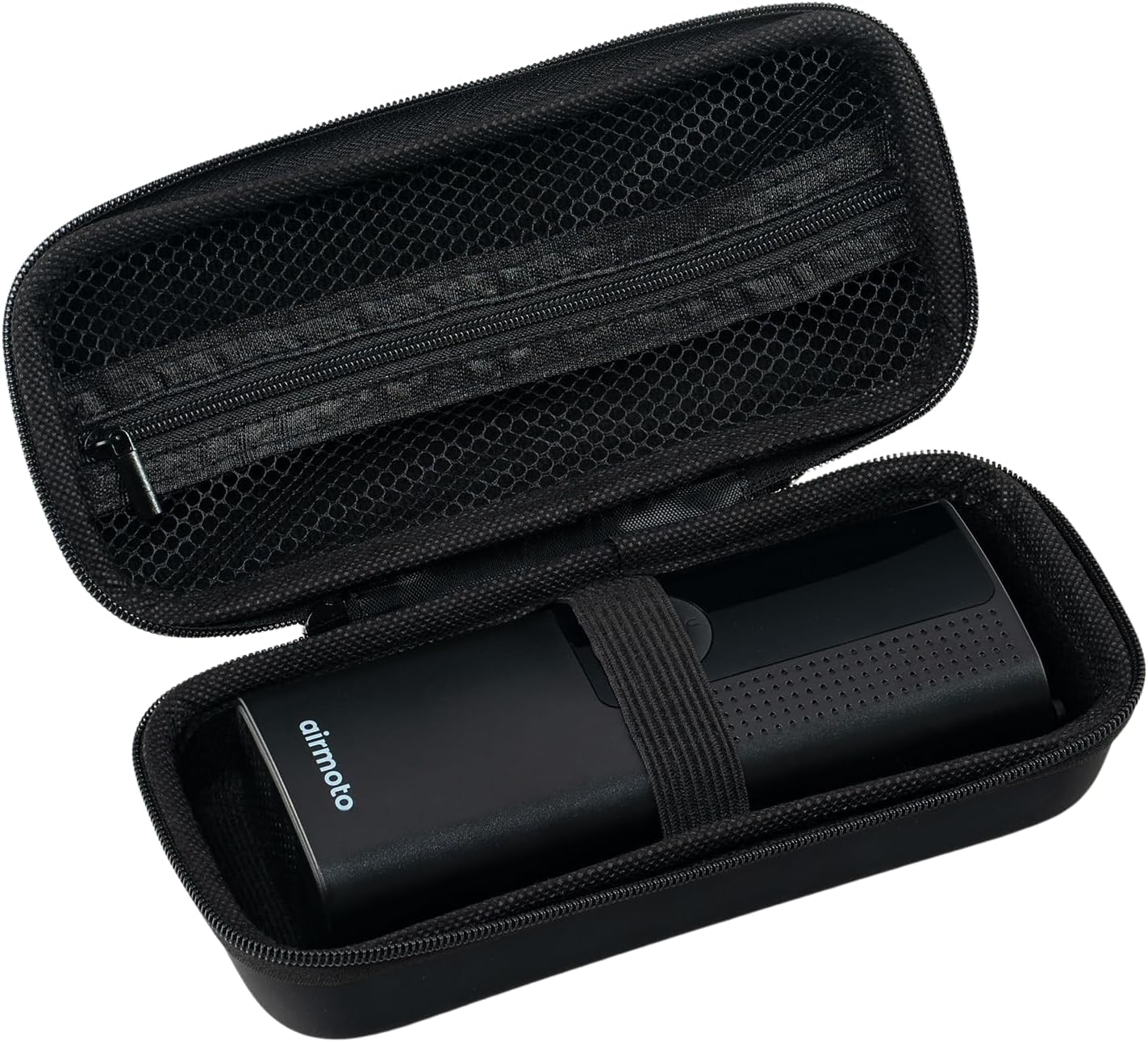
Protect and organize your Airmoto tire inflator with a purpose-designed carrying case made for a precise fit. The durable polyurethane shell and soft interior help guard against cuts, tears, and road wear, while a mesh pocket stores connectors and accessories. This travel box measures 7.5*3.5*2.8 inches and can work with most handheld portable air compressor models; this listing includes the case only.
Frequently Asked Questions
Is There a Better Tire Than Michelin CrossClimate2?
Yes, depending on your priority. CrossClimate2 is one of the leading all-weather tires, but there is no universal best model. Other tires can beat it in snow, noise, price, treadwear warranty, or individual dry and wet tests. For example, Car and Driver’s current all-weather comparison ranked the Pirelli Cinturato WeatherActive ahead of CrossClimate2 overall.
What Is the Highest-Rated All-Weather Tire?
There is no single universal rating because test organizations weight braking, handling, winter grip, comfort, price, and warranty differently. CrossClimate2 is consistently among the leading choices, but individual tests have placed models such as the Pirelli Cinturato WeatherActive ahead overall.
Are Bridgestone WeatherPeak Tires Good?
Yes. WeatherPeak is a strong all-weather touring tire, especially if you value snow capability, a softer ride, and its 70,000-mile limited mileage warranty. It generally gives up some dry and wet braking performance to CrossClimate2, but recent snow tests have shown that WeatherPeak can outperform the Michelin in important winter metrics.
Is Michelin CrossClimate2 Worth the Money?
It can be if you place a high value on braking and year-round versatility. CrossClimate2 repeatedly performs well in dry, wet, and ice comparisons and offers precise steering. WeatherPeak may be the better value if it costs substantially less in your size and you prioritize snow performance or warranty length.
Which Is Better in Snow: CrossClimate2 or WeatherPeak?
WeatherPeak often has the advantage in snow acceleration and handling, and it has won snow braking in important individual tests. CrossClimate2 remains highly capable, and some multi-test averages put its snow braking very close to or slightly ahead of WeatherPeak. Because results vary by test, WeatherPeak is the safer recommendation when snow performance is the main priority.
Do CrossClimate2 or WeatherPeak Replace Dedicated Winter Tires?
Not in severe winter conditions. Both are 3PMSF-rated all-weather tires and provide substantially more winter capability than many conventional all-season tires, but dedicated winter tires can offer much shorter stopping distances and stronger acceleration on persistent snow and ice.
Conclusion
The Michelin CrossClimate2 and Bridgestone WeatherPeak are both capable all-weather tires, but they emphasize different strengths. CrossClimate2 is the better all-around choice for drivers who prioritize dry braking, wet braking, steering precision, and ice performance. WeatherPeak makes a stronger case for drivers who regularly encounter snow, prefer a softer touring character, want a longer mileage warranty, or find it at a substantially better installed price.
The most important correction to a simple “Michelin wins” verdict is winter performance. WeatherPeak has produced excellent snow results, including clear advantages over CrossClimate2 in recent testing. If your winters involve persistent snow rather than occasional cold-weather driving, that difference deserves real weight in your decision.
Sources
- Tire Rack — All-Weather vs. Winter Tires: The Definitive Test — 2026 wet, snow, ice, road-ride, and winter-tire comparison data.
- Tire Reviews — Bridgestone WeatherPeak vs Michelin CrossClimate2 — multi-test aggregated dry, wet, snow, ice, comfort, noise, and review data.
- Michelin USA — CrossClimate2 — official 3PMSF designation, 60,000-mile warranty, and Michelin Promise Plan information.
- Bridgestone — U.S. Warranty Manual — official WeatherPeak 70,000-mile limited mileage warranty.
- Car and Driver — Best All-Weather Tires — independent all-weather tire ranking and test context.
