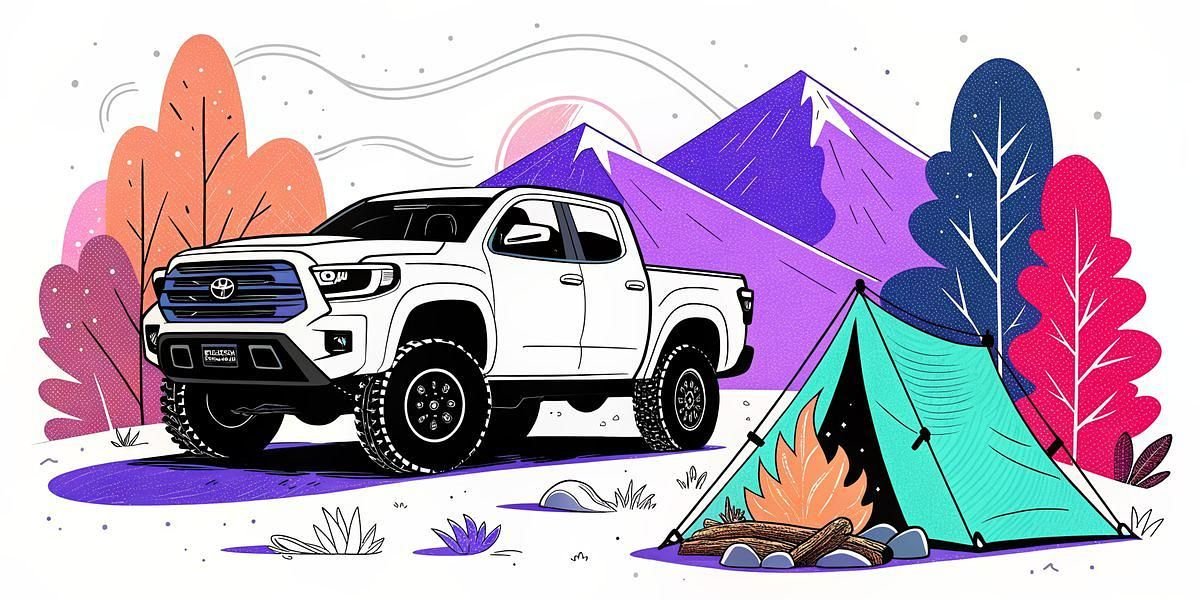
Your Toyota Tundra asks a lot from its tires: highway miles, payload, towing, gravel roads, muddy campsites, and rough access trails. The best overlanding tires for a Tundra should match your wheel size, load needs, and terrain without making everyday driving miserable.
Use the picks below to narrow the field by driving style. Choose an all-terrain tire if your truck splits time between pavement and dirt, a rugged-terrain tire if you need extra bite, and a mud-terrain tire only if deep mud is a regular part of your route. Always confirm the exact size, load index, rim width, and clearance against your Tundra before buying.
This roundup is reader-supported. When you click through links, we may earn a referral commission on qualifying purchases.
Quick Verdict
Best overall for most Tundra owners: Falken Wildpeak A/T4W LT275/65R20 because it gives you the best mix of highway manners, all-weather usefulness, gravel-road grip, and overlanding practicality.
Best balanced trail-and-road pick: Venom Terra X/T if you want an aggressive all-terrain-style option for mixed pavement, dirt, and campsite use.
Best mud-focused option: Haida Mud Champ if your routes often include soft ground, muddy trailheads, or messy access roads.
Top Picks
|
Category |
Product |
Best For |
Check Price |
|---|---|---|---|
|
🏆 Best Overall All-Weather Pick |
Falken Wildpeak A/T4W LT275/65R20 |
Mixed pavement, gravel, rain, winter conditions, and towing. |
|
|
🚙 Best Balanced All-Terrain |
Venom Terra X/T |
Drivers who want trail bite without giving up daily drivability. |
|
|
🚀 Most Rugged Traction |
Venom Terra R/T+ |
Rougher trails, loose dirt, and loaded trips where grip matters. |
|
|
🎯 Best Heavy-Duty Capacity |
Venom Terra LT275 |
Loaded overlanding, towing, and heavier-duty Tundra setups. |
|
|
🌋 Best Mud Traction |
Haida Mud Champ |
Muddy approaches and drivers who prioritize bite over refinement. |
[Products Worth Considering]

Orange Seal regular formula tubeless sealant quickly seals punctures and forms a durable bond inside your tire to help reduce flats. Made with natural latex, it adheres effectively to rubber and seals from the inside out, including the critical bead-to-rim interface for a reliable ride. It seals punctures up to 1/4 inch, slices up to 3/4 inch, and performs in temperatures as low as 11°F across MTB, road, cyclocross, gravel, and e-bike applications.

These universal tire valve stem caps help protect valve cores from dust, debris, and moisture while helping maintain stable tire pressure. The corrosion-resistant metal construction and sealed design provide reliable protection in road grime, mud, and winter conditions. Twist-on installation makes them quick to fit on cars, SUVs, trucks, and motorcycles.

Upgrade your ride with a 2-pack set of 26x1.95 folding mountain bike tires built for dependable traction on mud, rocks, and trail surfaces. A reinforced puncture-resistant layer helps protect against sharp debris, while included butyl inner tubes provide strong sealing and shock absorption. Ready for fast swaps with included tire levers and universal sizing for most bikes.
Selection Criteria
You want tires that match your Tundra’s size, load demands, and the terrain you plan to tackle. Start with the tire placard and owner’s manual, then compare load index, rim diameter, overall diameter, rim width, speed rating, and rubbing clearance before buying. For overlanding, the most important trade-off is usually road comfort versus off-road toughness.
We prioritized tires that fit the light-truck/SUV category, provide useful traction for dirt and gravel, and make sense for Tundra owners who may carry camping gear, recovery gear, rooftop tents, trailers, or heavy payloads. We also looked for clear use-case separation so you can choose by terrain instead of reading similar product descriptions.
[Products Worth Considering]

This compact tire repair kit includes a heavy-duty universal plug kit for fast roadside puncture repairs in most tubeless tires. It comes with a durable MOLLE storage pouch so you can keep the tools organized and easily store them in your UTV, ATV, truck, motorcycle, RV, or overlanding gear. Ideal for getting back on the road, trail, or job site with confidence.

The Big Rig Defense Tire Thumper is a truck tire pressure checker that lets you quickly check multiple tires by giving them a firm whack. Listen for a reassuring thump and feel the stick bounce when a tire is fully inflated, helping you get back on the road safely. It features a comfortable, glove-friendly handle and a secure wrist strap for confident use on busy routes.

Secure your vehicle during transport with this 4-pack of heavy-duty tire tie down straps designed for trailers and hauling. The ratchet system with flat hooks and D-rings helps you tension the straps quickly, while the wheel-friendly design protects tires. With high break strength and corrosion-resistant hardware, these straps provide reliable, confidence-inspiring tie-down security for cars, trucks, and UTVs.
Before You Choose a Tundra Overlanding Tire
- Check size first: Match the tire size to your wheels, lift, fender clearance, spare-tire storage, and speedometer tolerance.
- Do not ignore load index: A Tundra used for towing or overlanding gear needs tires that meet or exceed the factory load requirement.
- Pick tread by terrain: All-terrain tires are better for mixed daily driving; mud-terrain tires make sense when mud is frequent.
- Confirm LT versus P-metric: LT tires can add strength for payload and trail use, but they may ride firmer and weigh more.
- Check winter needs: If snow matters, look for severe-snow-rated tires and confirm the rating on the current product listing.
[Products Worth Considering]

Measure tyre tread depth precisely with a digital gauge that reads in both MM and inches, helping you monitor safe driving conditions. The large LCD screen is easy to operate, and the compact tool fits for cars, trucks, and motorcycles. It provides high accuracy with a 0-25.4mm range and includes a 1-year warranty for added peace of mind.

This ecocstm ratchet wrench is designed to make emergency and routine tire changes faster with a 360° rotating head and quick forward/reverse switching. The extended handle provides extra leverage to reduce effort and hand fatigue, while the adapter helps fit many scissor jacks on cars, SUVs, trucks, and vans. Built for reliable performance with durable construction, it’s a practical travel essential for on-the-road preparedness.

Keep your tires properly inflated with this analog VONDIOR tire pressure gauge, designed for fast, easy readings without batteries. The swiveling, two-axis hose and large glow dial help you measure at any tire angle with instant visibility. Built with a protective rubber shield, it supports durable, low-maintenance use for cars and trucks.
Fitment Reminder
Do not buy by product name alone. The same tire family can come in many sizes, load ranges, and speed ratings. Before ordering, confirm the exact listing size against your Tundra’s year, trim, wheel diameter, rim width, offset, lift height, and intended payload.
Venom Terra X/T

Choose the Venom Terra X/T if you want a balanced tire for a Tundra that sees both pavement and trail time. It is a sensible fit for drivers who want an aggressive tread look and useful loose-surface grip without going straight to a dedicated mud tire.
Best for mixed daily driving, gravel roads, and weekend campsites.
Check Price on Amazon ➜The Terra X/T makes the most sense for mixed-use Tundra owners: weekday driving, weekend campsites, gravel roads, and occasional loose or muddy surfaces. It is not the most specialized tire in this list, but that is the point. It gives you a useful middle ground when you want traction and toughness without making the truck feel too single-purpose.
Skip it if your routes regularly include deep mud, sharp rock, or heavy payloads that require a more clearly heavy-duty LT-focused tire.
Best Fit & Trade-Offs
This tire is best for drivers who want a tougher tread pattern than a highway tire but still need comfortable road manners. Confirm the current load index, exact size, rim width, and speed rating on the product page before matching it to your Tundra.

Situational Benefits
|
Situation |
How It Helps |
|---|---|
|
Daily Driving |
It is a better fit for commuting than a dedicated mud tire because it is aimed at mixed on-road and off-road use. |
|
Overlanding & Trails |
The tread layout is suitable for gravel, dirt, and loose campsite approaches when the size and load rating match your truck. |
|
Winter Conditions |
Use it for light winter conditions only after confirming the current winter rating and size-specific specifications. |
|
Towing & Heavy Loads |
Check the load index carefully if your Tundra carries overlanding gear, water, tools, or a trailer. |
Wet-Road Confidence
The tread channels are designed to move water away from the contact patch, but wet-weather confidence still depends on size, tread depth, tire pressure, road speed, and vehicle load.
Key Benefits
- Balanced pick for pavement, dirt, and gravel
- Aggressive tread look without going fully mud-terrain
- Good match for weekend overlanding and daily use
- Best for buyers who want one tire for several roles
Venom Terra R/T+
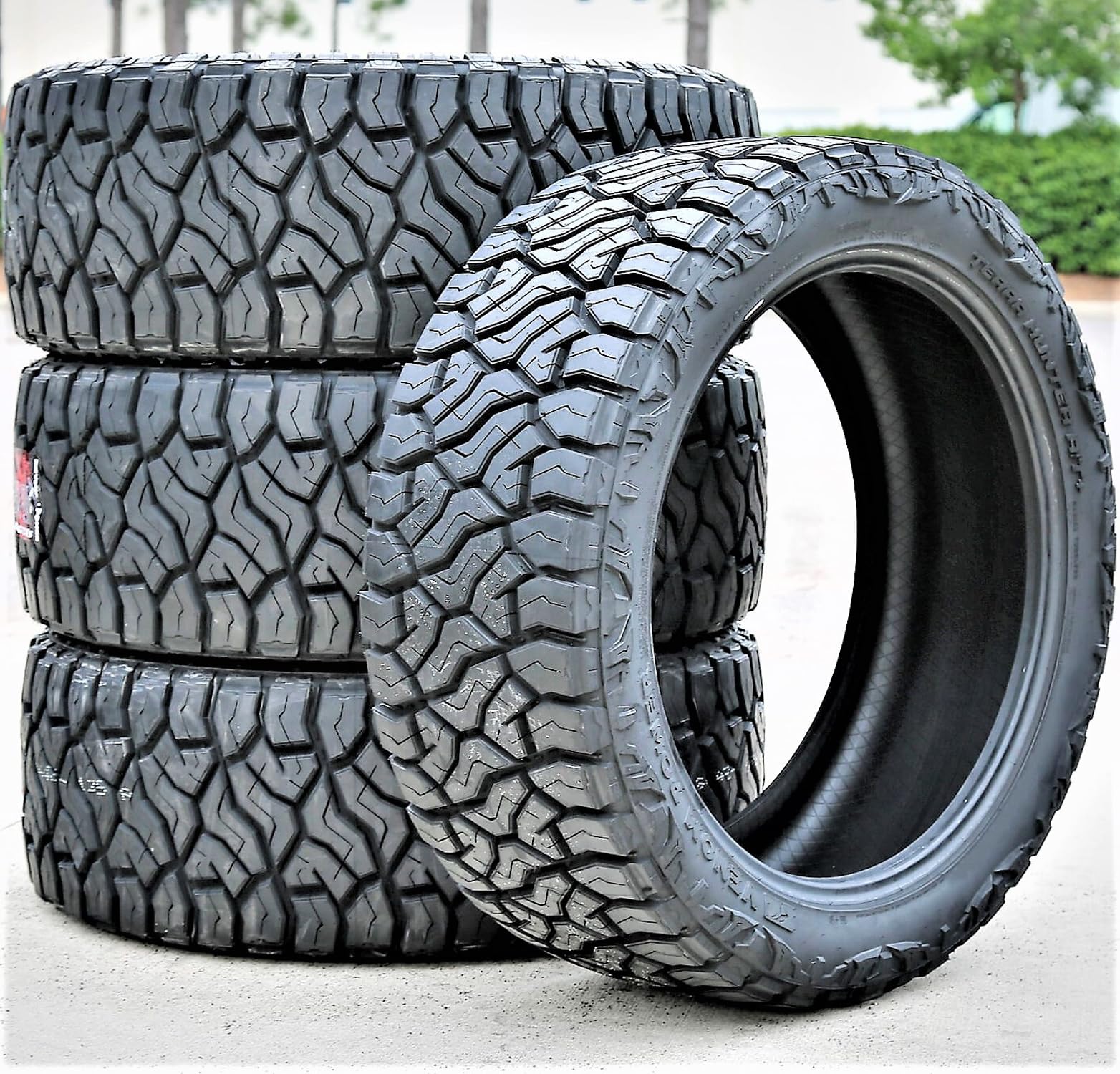
The Venom Terra R/T+ is the better Venom pick if your Tundra needs more trail grip than a mild all-terrain. It is aimed at drivers who want a rugged tread pattern for loose dirt, muddy roads, and loaded trips without jumping all the way to a harsher mud-terrain tire.
Best for rougher access roads, loaded weekend trips, and extra off-road bite.
Check Price on Amazon ➜This tire is best for a Tundra that regularly leaves pavement but still needs to drive home comfortably. It gives the article a clear rugged-terrain option between the more balanced Terra X/T and the mud-focused Haida Mud Champ.
Skip it if your priority is the quietest possible highway ride or if you rarely leave paved roads.
Best Fit & Trade-Offs
The Terra R/T+ fits buyers who want extra bite for trails and hauling days. Before buying, confirm the listing size, load index, rim width, and clearance against your Tundra setup.

Situational Benefits
|
Situation |
How It Helps |
|---|---|
|
Daily Driving |
It is still positioned as a mixed-use tire, so it makes more sense for road miles than a pure mud tire. |
|
Off-Road Trails |
The rugged tread pattern is better suited to loose dirt, rocks, and rough access roads. |
|
Winter Weather |
Confirm the current severe-snow or winter rating on the listing if snow performance is important. |
|
Towing & Cargo |
Match the load index to your trailer tongue weight, payload, and gear before buying. |
Wet-Road Confidence
Open tread channels can help in wet conditions, but hydroplaning resistance depends on tire condition, inflation, road speed, and standing water depth.
Key Benefits
- Rugged tread for improved trail bite
- Better fit for rougher routes than a mild all-terrain
- Useful middle ground between all-terrain and mud-terrain designs
- Good choice for loaded weekend overlanding
Venom Terra LT275
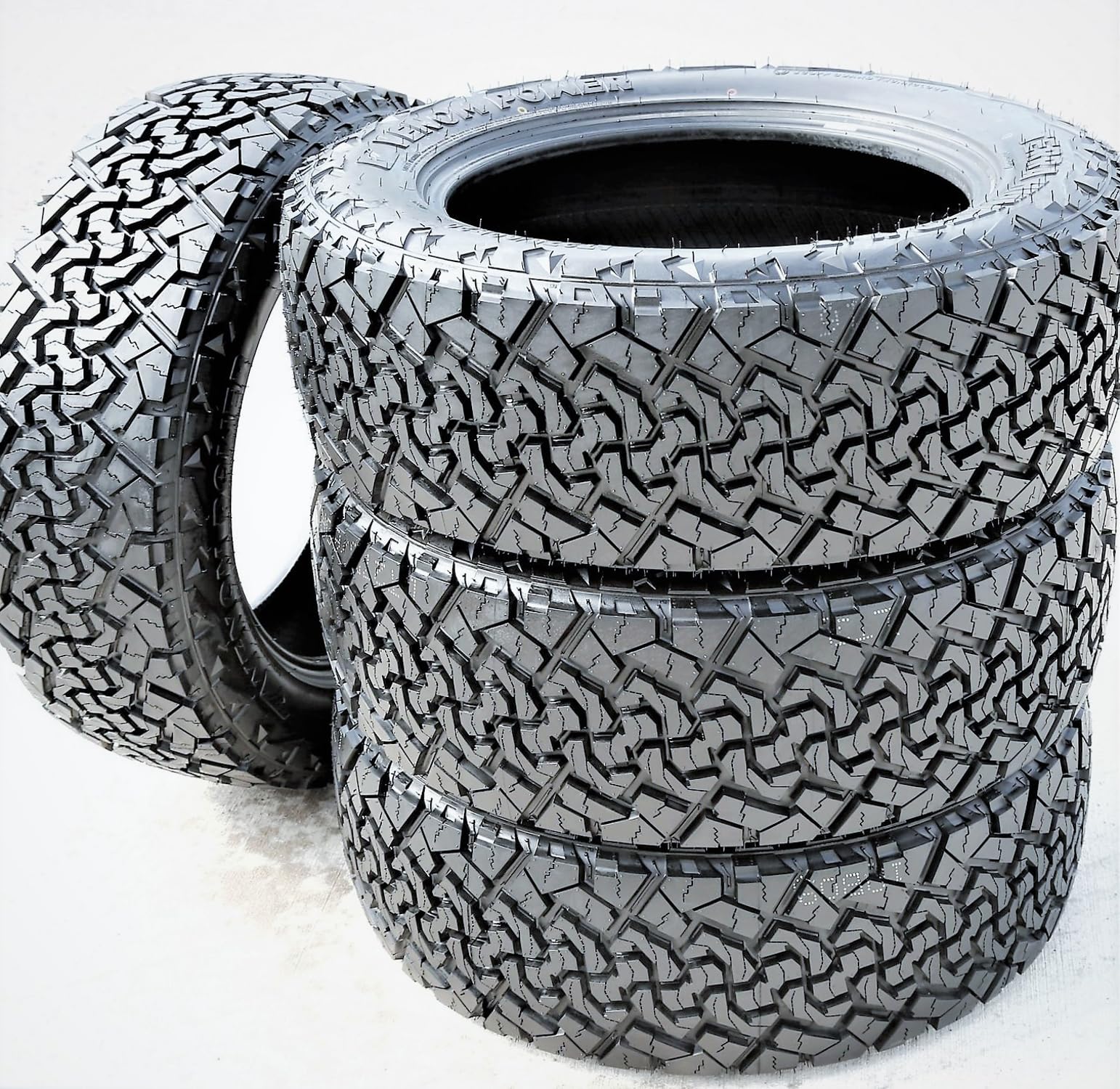
The Venom Terra LT275 is the heavy-duty Venom option in this roundup. It is the better fit if your Tundra often carries camping gear, recovery boards, water, tools, or towing equipment and you want a tire that leans toward durability and trail confidence.
Best for loaded overlanding, towing support, and heavier-duty trail use.
Check Price on Amazon ➜This is the pick to compare when your Tundra is set up for heavier overland travel instead of casual dirt-road exploring. The firmer, more serious feel may be a plus under load, but it can be less appealing if your truck is mostly a commuter.
Skip it if you want the smoothest highway ride or if you do not need a heavier-duty tire category.
Best Fit & Trade-Offs
The LT275 belongs on your shortlist if payload stability and off-road durability matter more than plush road comfort. Always check the current load range, speed rating, maximum pressure, and rim requirements before pairing it with a loaded Tundra.

Situational Benefits
|
Situation |
How It Helps |
|---|---|
|
Daily Driving |
It can feel firmer than a highway-focused tire, so it is best for drivers who accept that trade-off. |
|
Overlanding |
Useful for dirt, gravel, and rocky approaches where tire strength matters. |
|
Winter Travel |
Confirm the current winter rating if snow or ice is part of your route. |
|
Towing & Payload |
Best considered by buyers who need a stronger fitment for heavy gear or trailers. |
Wet-Road Confidence
Wet performance depends on tread condition and speed, so keep pressures and tread depth in check before long highway sections.
Key Benefits
- Best Venom pick for heavier-duty Tundra use
- Good fit for loaded trips and rougher terrain
- More trail-focused than a mild highway tire
- Useful for buyers comparing LT-style overlanding options
Falken Wildpeak A/T4W LT275/65R20

The Falken Wildpeak A/T4W is the strongest all-around recommendation in this list for many Tundra owners. It is built as an all-terrain, all-weather tire, which makes it a practical match for drivers who split time between highways, rain, gravel, dirt roads, winter conditions, and towing.
Best for one-tire versatility across pavement, gravel, rain, and light trail use.
Check Price on Amazon ➜If you want one tire to handle daily driving and realistic overlanding routes, this is the easiest tire in the article to justify. It is less extreme than a mud tire, but that makes it more useful for Tundra owners who spend plenty of time on pavement.
Best Fit & Trade-Offs
Choose this Falken if you want dependable mixed-use performance and a more established all-terrain platform. Skip it if you need maximum mud evacuation above all else.

Situational Benefits
|
Situation |
How It Helps |
|---|---|
|
Daily Driving |
It is a more comfortable daily choice than a dedicated mud-terrain tire. |
|
Light Overlanding |
Suitable for dirt roads, gravel, campsites, and moderate off-road routes. |
|
Wet & Winter |
The A/T4W is designed around all-weather use, making it a strong pick for mixed climates. |
|
Towing |
Compare LT-size load details carefully if you tow or carry a heavy camping setup. |
Wet-Road Confidence
This is one of the better picks here for wet-road confidence because it is designed for mixed weather rather than mud-only performance.
Key Benefits
- Strong all-around choice for Tundra overlanding
- Designed for all-terrain and all-weather use
- Better daily-driver fit than aggressive mud tires
- Good match for towing, gravel, rain, and light snow needs
Haida Mud Champ
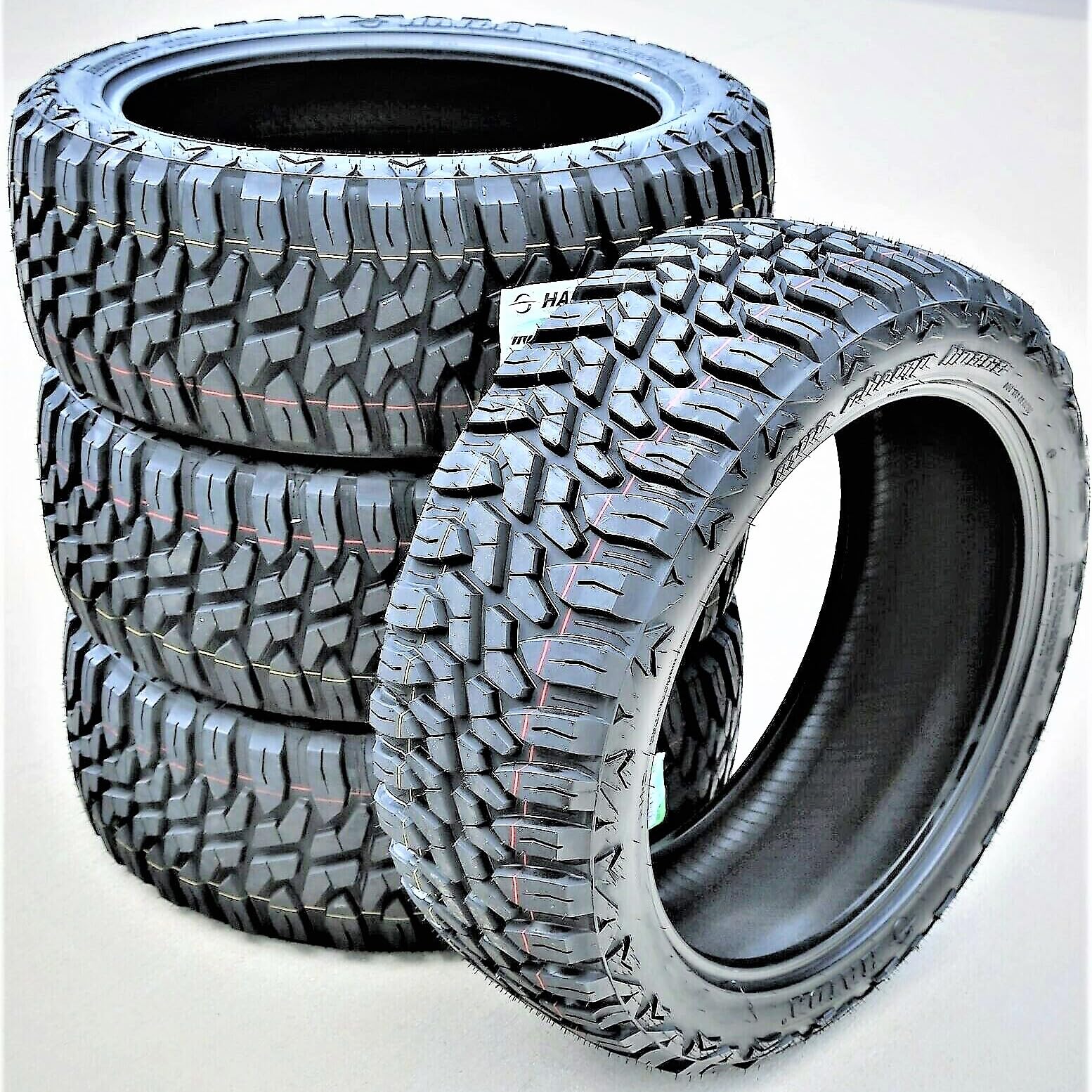
The Haida Mud Champ is the tire to consider if your Tundra regularly sees muddy trails, soft ground, and rougher access roads. It is not the most refined daily-driving choice, but it belongs in the roundup because some overlanding routes demand mud-focused traction.
Best for mud-heavy approaches, hunting roads, and soft campsite access.
Check Price on Amazon ➜Choose it when traction in messy terrain is more important than low road noise. For long highway trips, family travel, or mostly paved use, an all-terrain tire will usually be easier to live with.
Best Fit & Trade-Offs
This is the mud-first pick. It can make sense for hunting roads, wet campsites, and muddy trailheads, but it is not the best match for buyers who prioritize quiet highway manners.

Situational Benefits
|
Situation |
How It Helps |
|---|---|
|
Daily Driving |
Expect a more aggressive feel than an all-terrain tire. |
|
Mud & Trails |
The tread pattern is aimed at clearing mud and keeping bite on soft surfaces. |
|
Rocky Terrain |
Use caution on sharp rock and confirm the tire’s current load range and sidewall details. |
|
Long Overland Runs |
Best for routes where mud traction is worth the possible pavement compromise. |
Wet-Road Confidence
Open grooves can help move water, but mud-terrain-style tires still require careful speed management on wet pavement.
Key Benefits
- Best pick here for mud-heavy routes
- Good match for messy trailheads and soft ground
- More aggressive than the all-terrain options
- Useful when off-road bite matters more than refinement
FAQ
How Do I Choose The Right Tire Size And Load Rating?
Start by checking your Tundra’s tire placard and owner’s manual, then pick a tire that matches or exceeds those specs. You should choose a tire with a Load Index equal to or higher than the factory rating if you plan to carry heavy gear or tow, and confirm the rim width and overall diameter fit without rubbing.
Keep in mind larger tires can change your speedometer reading, gearing, and clearance, so check fitment for lifts or fender modifications and verify the tire’s construction, such as P-metric versus LT, suits your payload needs.
All-Terrain Or Mud-Terrain: Which Is Better For Overlanding?
For most overlanding on mixed surfaces, you’ll get the best balance from an all-terrain because it combines reasonable off-road bite with quieter, longer-wearing on-road manners. Choose a mud-terrain if you regularly face deep mud or rough access roads, but be prepared for more road noise, potentially faster wear, and a firmer ride.
If you split time between heavy loads, trails, and pavement, look for reinforced or hybrid rugged-terrain designs that aim to bridge the gap.
Are LT Tires Better For A Toyota Tundra?
LT tires can be a smart choice when your Tundra carries heavy camping gear, tows, or sees rough trails. They can also ride firmer and may weigh more than passenger-rated tires, so match the tire to your actual payload and driving habits.
Do I Need Severe-Snow-Rated Tires For Overlanding?
If you drive in mountain snow, winter storms, or cold wet conditions, look for a severe-snow-rated tire and confirm the current rating on the exact size you plan to buy. If your routes are mostly dry desert or warm-weather gravel, mud evacuation, puncture resistance, and load capacity may matter more.
What Should I Check Before Buying A Wider Tire?
Check rim width, wheel offset, fender clearance, suspension clearance, spare-tire storage, and overall tire diameter. Wider tires can improve stance and traction in some conditions, but they can also rub, add weight, affect steering feel, and reduce fuel economy.
How Should I Maintain Tires For Long Overland Trips?
Check tire pressures, tread, and sidewalls before and during trips and carry a properly rated spare and a compact repair kit. Lower pressures for soft surfaces only when appropriate, then re-inflate to highway pressures before long pavement runs. Have your tires balanced and your alignment checked after rough sections to avoid uneven wear. Keep an eye on tread depth and stone retention, rotate on schedule, and visually inspect for cuts or bulges so you catch problems early.
Wrapping Up
Choosing overlanding tires for your Tundra is about matching performance to purpose. If you spend most time on mixed roads and trails, start with an all-terrain design that balances grip, noise, wet traction, and tread life.
If you carry heavy loads or drive extreme trails, prioritize load rating, sidewall strength, and terrain-specific tread. The Falken Wildpeak A/T4W is the most practical all-around shortlist pick for mixed Tundra use, while the Haida Mud Champ is the mud-focused option and the Venom LT275 is the heavier-duty Venom choice. Before buying, confirm the exact size, load index, rim fitment, and current product details for your truck.
| Product | Listing Size Shown | Best Fit | Price |
|---|---|---|---|
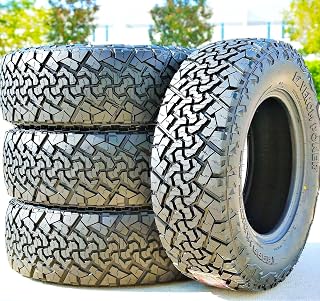 Venom Power Terra Hunter X/T |
265/65R17 | Balanced daily driving and light overlanding | Check Price |
 Venom Power Terra Hunter R/T+ |
285/55R20 | Rugged trails and loaded trips | Check Price |
 Venom Power Terra Hunter X/T Extreme |
LT275/65R20 | Heavier-duty overlanding and towing use | Check Price |
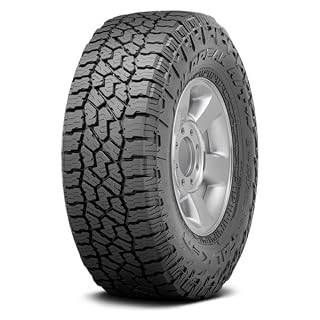 Falken Wildpeak A/T4W LT275/65R20 |
LT275/65R20 | All-weather mixed road and trail use | Check Price |
 Haida Mud Champ HD868 |
LT275/65R20 | Mud-heavy trails and rough access roads | Check Price |