
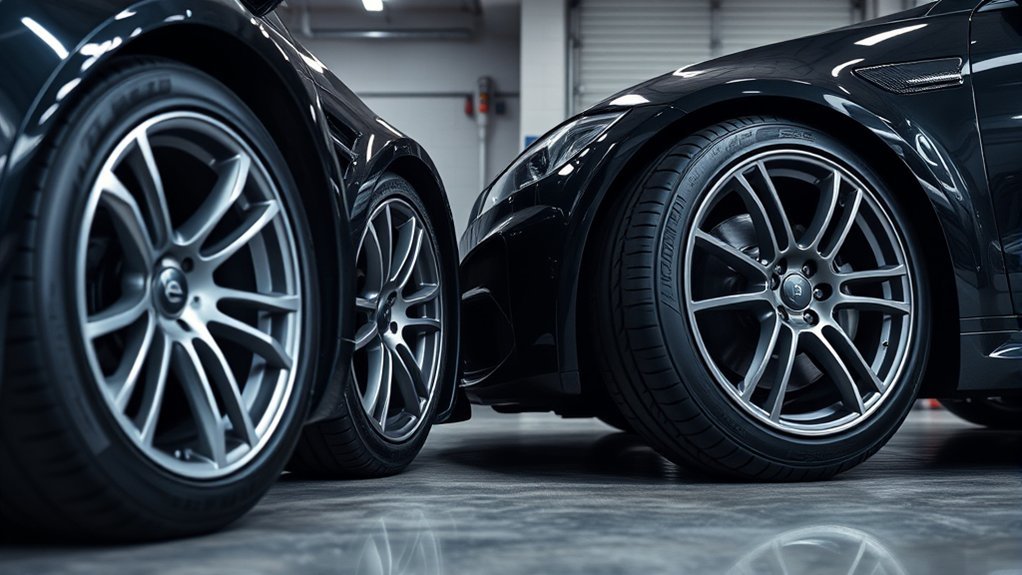
Premium tires can be worth the extra money if you want better grip, shorter braking, improved wet-weather traction, quieter rides, and longer tread life. They often use advanced rubber compounds and lower rolling resistance, which can help with fuel economy too. Budget tires still meet basic safety needs and suit low-mileage or older vehicles. Your best choice depends on how you drive, how long you keep your tires, and what matters most for your conditions.
Key Takeaways
- Premium tires offer better grip, braking, and wet-weather safety thanks to advanced compounds and tread designs.
- They usually last longer and resist punctures better, which can offset their higher upfront price.
- Lower rolling resistance can improve fuel economy by about 5–15%, saving money over time.
- Premium tires also provide quieter, more comfortable rides and more predictable handling at higher speeds.
- Budget tires can be worthwhile for low-mileage, everyday driving when upfront cost matters more than maximum performance.
What Makes Premium Tires Different
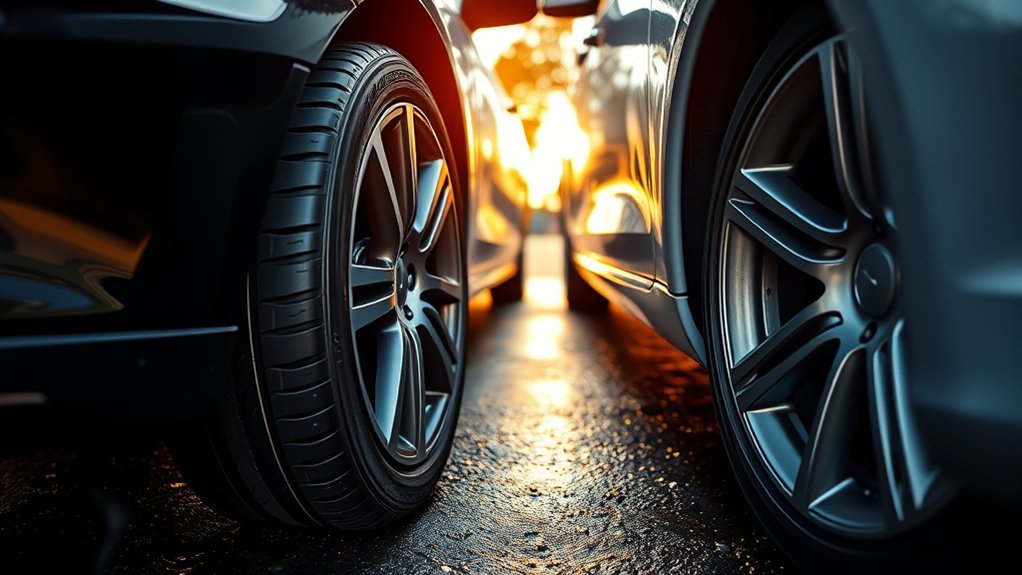
Premium tires stand apart because they’re built with advanced rubber compounds that improve grip, wear resistance, and fuel efficiency.
Premium tires use advanced compounds to enhance grip, durability, and fuel efficiency.
You’ll notice that premium tires use advanced rubber compounds and silica-infused materials to balance grip and handling with lower rolling resistance. Their tread patterns are more intricate, helping evacuate water and maintain traction in wet, dry, and mixed road conditions.
That design supports predictable steering response and steadier braking when surfaces change. Reinforced construction also adds durability, so the tire resists wear, heat, and punctures better over time.
This added strength helps preserve a superior lifespan and can support longer mileage warranties. When you combine compound quality, tread patterns, and structural reinforcement, you get overall performance that’s engineered for consistency, not just short-term grip.
In practical use, these features can also help protect fuel efficiency by reducing energy loss as the tire rolls.
Premium Tires Vs. Budget Tires
When you compare premium tires with budget tires, the gap usually shows up in performance, durability, and long-term value. You’ll usually pay 20% to 50% more for premium tires, but brands like Michelin and Goodyear use advanced rubber compounds that deliver clear performance benefits. You get enhanced traction, better fuel efficiency, and more consistent grip from their tread designs, especially when you drive often or cover long distances.
Budget tires focus on keeping the purchase price low, so they can use simpler materials and patterns that may reduce overall refinement.
Over time, premium tires often provide a longer lifespan and higher mileage warranties, which can lower cost per mile. They also tend to offer better ride comfort and less road noise, making daily driving feel smoother.
Budget tires can still work for limited use, but if you want stronger all-around value, premium tires usually justify the extra spend.
[Products Worth Considering]

Keep your tires properly inflated with this analog VONDIOR tire pressure gauge, designed for fast, easy readings without batteries. The swiveling, two-axis hose and large glow dial help you measure at any tire angle with instant visibility. Built with a protective rubber shield, it supports durable, low-maintenance use for cars and trucks.

Add style while helping protect your tire valve stems with handmade crystal rhinestone caps and a durable plastic insert. These caps resist corrosion and help keep out rain, snow, and muddy water, extending tire life. Textured non-slip design makes them easy to grip for quick install and removal when checking tire pressure.

Steelman white tire marking crayons provide high-contrast, semi-permanent marks for repairing and inspecting tires and equipment. They write on wet or dry, smooth or coarse surfaces including rubber, metal, glass, and wood, making them ideal for puncture location and damage outlining. The lead- and zinc-free crayons resist weather and fading yet wipe away when you no longer need the marks.
How Premium Tires Improve Safety
Safety is another area where premium tires often justify their higher price. When you choose premium tires, you get advanced rubber compounds that deliver superior grip and shorten stopping distances in emergencies. That extra traction supports enhanced safety across changing driving conditions, from dry pavement to sudden rain.
- Intricate tread designs move water away quickly, improving aquaplaning resistance and helping you keep control on wet roads.
- Reinforced construction adds stability, so you can handle high-speed driving with better steering response and confidence.
- Lower rolling resistance and noise reduction help you maintain peak performance and stay more alert, since a quieter cabin reduces fatigue.
These features don’t just sound technical; they affect how your vehicle reacts when conditions change. By combining traction, water evacuation, and structural support, premium tires can give you a more controlled and predictable ride without adding unnecessary complexity.
[Products Worth Considering]

Monitor tire tread wear with a smart, color-coded depth gauge that shows clear condition ranges at a glance. The bar is range marked for fast, easy readings, helping you maintain safer traction and performance. Each gauge is portable with a pocket clip, and the set includes 20 units for daily use and sharing.

This tire inflator with pressure gauge delivers long-lasting performance with a durable rubber-protected gauge and sturdy build. The longer hose and 360 swivel air chuck help you seal the valve securely and keep your hands free while measuring, inflating, or deflating. It’s battery-free for reliable use and provides ±2 PSI accuracy in the mid-range for most typical tires, with universal compatibility for 1/4 NPT compressor outputs.

The Continental Grand Prix 5000 is an allround road bike tire engineered for faster rolling, improved ride comfort, and enhanced puncture protection. It features a Vectran Breaker cut-protection layer, Lazer Grip micro-profile tread for confident cornering control, and Active Comfort Technology to damp vibration for smoother rides. BlackChili compound optimizes grip and speed for everyday performance and long-lasting confidence.
Why Premium Tires Last Longer
Built with advanced rubber compounds and reinforced construction, premium tires are designed to resist wear better than standard options, which helps them last longer under everyday driving conditions.
You get improved durability because these rubber compounds and advanced materials reduce tread breakdown and support longer tire life. Their tread designs also preserve specific performance characteristics as the tire wears, so you keep more consistent grip and water evacuation across your driving environment.
High-quality sidewall and casing materials add wear resistance and help limit punctures, cuts, and other damage that can shorten service. With regular rotation, inflation checks, and alignment, you can extend that lifespan further.
Many brands also back these tires with extensive warranties, which reflects their expected longevity and gives you added confidence.
In practice, superior performance here means you’re not just buying grip; you’re paying for construction that holds up longer and delivers improved durability over time.
[Products Worth Considering]

The Kurgo Seasonal Tire Tote helps protect your car interior, clothes, and garage from tire grime, brake dust, and residue during seasonal tire changes. Its universal design fits most passenger tires between 22" and 31" in diameter, making storage and transport simpler with less mess. Built for rugged, repeated use, it’s machine washable for easy care and comes with a lifetime warranty.
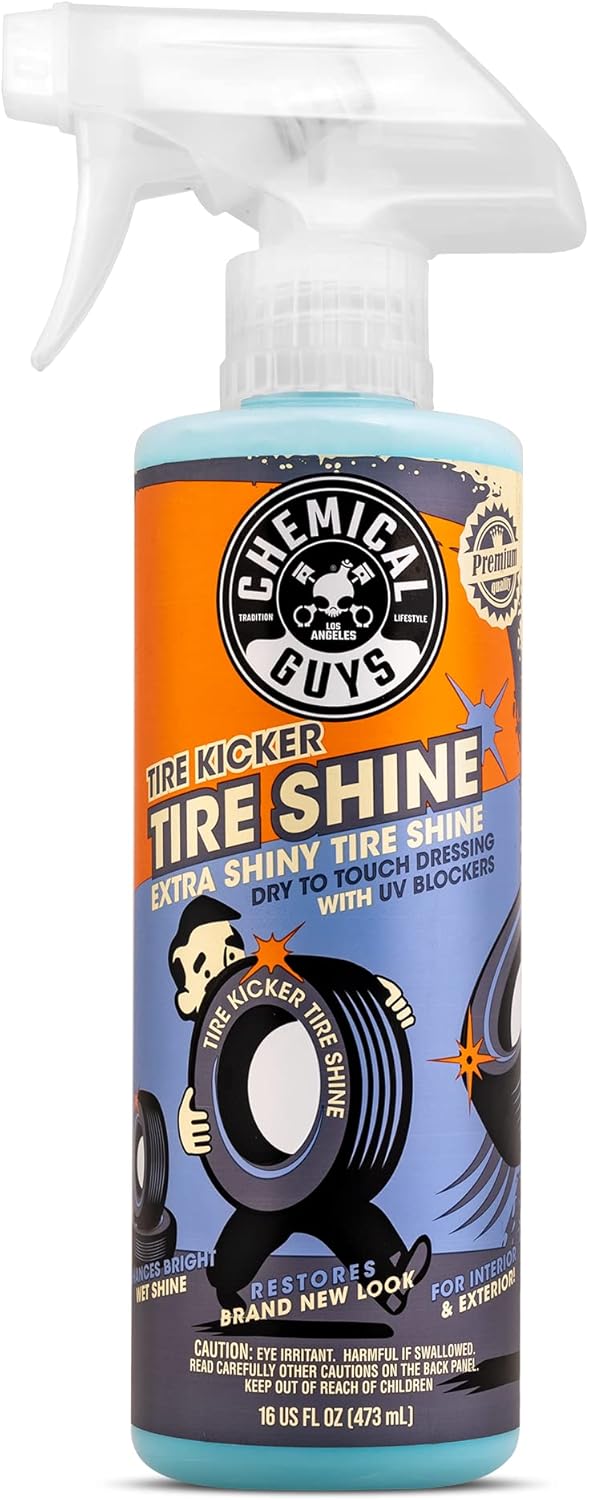
Chemical Guys Tire Kicker Sprayable Extra Glossy Tire Shine restores a deep, wet look on tires, rubber, vinyl, and plastic trim. It delivers a rich showroom shine that enhances color and luster while helping protect against fading, cracking, and discoloration. The spray application dries to the touch with a streak-free finish and no greasy sling, for fast results on cars, trucks, motorcycles, RVs, and boats.

ETENWOLF’s calibrated tire pressure gauge delivers accurate readings for cars, trucks, motorcycles, bikes, SUVs, RVs, and ATVs across a 0–75 PSI range. The large glow dial improves visibility in low light, while the 360° swivel chuck makes it easy to check valve pressure from any angle. It’s designed to stay accurate even in extreme hot or cold weather.
Do Premium Tires Save Fuel?
Premium tires can save fuel because their lower rolling resistance means your engine doesn’t have to work as hard to keep the vehicle moving.
Their advanced rubber compounds and tread designs reduce energy loss and slip, which can improve fuel economy by as much as 10% in some cases.
Over time, that efficiency can add up to measurable savings at the pump, often outweighing the higher upfront cost.
Rolling Resistance Impact
Rolling resistance is one of the key reasons premium tires can save you money at the pump. When you choose premium tires, you get lower rolling resistance, which helps improve fuel efficiency by about 5-15% versus standard tires.
Their advanced rubber compounds reduce energy loss as the tire flexes, while optimized tread patterns cut drag and support fuel savings, especially on highways. You also benefit from enhanced grip without giving up efficiency.
- Less energy lost to deformation
- Reduced drag at steady speeds
- Lower annual fuel costs, sometimes $100 or more
That combination can improve long-term value and make these tires a more environmentally friendly choice.
In practical terms, you’re paying for engineering that helps your vehicle use fuel more effectively over time.
Fuel Economy Gains
Yes—premium tires can save fuel because they’re engineered with lower rolling resistance, which reduces the energy your vehicle needs to keep moving. You may see up to 10% better fuel economy, and some studies show a 1 to 2 mpg gain in similar conditions. | Factor | Effect | Impact |
| — | — | — |
|---|---|---|
| Lower resistance | Less drag | Less fuel burned |
| Advanced rubber compounds | Better grip | Less energy loss |
| Aerodynamic tread | Smoother flow | Better everyday driving |
| Higher price | 20%-50% more | Higher initial cost |
| Long-term use | Offset savings | Stronger return |
When you match premium tires to your driving needs, premium tires might deliver reliable performance and a longer lifespan, making the investment in premium tires easier to justify.
When Premium Tires Are Worth It
If you drive in heavy rain, snow, or other demanding conditions, premium tires are often worth the extra cost because they deliver stronger grip, shorter braking distances, and more consistent handling in emergencies.
You’ll also notice better comfort and performance when your driving environment changes quickly. Their advanced technology, including specialized compounds and tread designs, helps improve safety while supporting fuel efficiency.
- You value predictable control in wet, icy, or high-speed conditions.
- You want a longer lifespan and fewer replacements, which can lower cost per mile.
- You prefer premium tires that keep delivering steady grip as the tread wears down.
For daily commuting, long highway trips, or frequent severe-weather travel, the higher upfront price can make sense.
The added durability, balanced handling, and reliable stopping power often justify the investment when you need tires that perform consistently, not just when they’re new.
When Budget Tires Make Sense
Budget tires can make sense when you drive low annual mileage, because you’re less likely to use the extra performance that premium tires provide.
If most of your driving is city commuting at moderate speeds, basic grip and safety ratings often cover your needs without the higher cost.
When you’re working within a tight budget, choosing a cheaper tire can also leave room for other maintenance that may matter just as much.
Low Mileage Driving
For drivers who log only modest annual mileage, budget tires can be a sensible choice because they provide adequate everyday performance without the higher price tag of premium models.
In low mileage driving, you may not need the advanced features that premium tires offer, especially if your trips stay routine and your roads are predictable.
- Adequate performance: Standard tires meet minimum safety requirements and handle daily driving reliably.
- Cost control: Budget-friendly options reduce the higher upfront cost, which matters if you’re focused on immediate savings.
- Practical durability: These tires often deliver satisfactory durability when you don’t face harsh conditions or heavy wear.
If you’re weighing premium tires against budget-friendly options, ask whether long-term performance benefits will actually matter for your use case.
City Commuting Needs
When most of your driving stays within city limits, budget tires can make practical sense because lower speeds and shorter trips place fewer demands on performance than highway driving.
For city commuting, you may not need premium tires if your driving environment rarely includes sustained high-speed travel or harsh conditions. Many budget tires still meet minimum safety standards and provide reliable functionality for everyday use.
Their basic tread design usually delivers adequate grip on typical urban roads and in moderate weather. Since standard options often cost 20% to 50% less than premium tires, you can reduce cost over performance without sacrificing basic safety.
If you drive limited miles each year and value practicality, budget tires can match your needs well.
Tight Budget Priorities
If keeping expenses low is your top priority, budget tires can be a sensible choice. When your budget constraints are tight, you may not need premium tires with advanced performance features. For low annual mileage, standard options often deliver enough durability and reasonable grip for daily use.
- City driving: Lower speeds and routine stops make budget tires a cost-effective solution.
- Older vehicles: Basic designs can still meet safety standards without paying for advanced tire technology.
- Affordability: You can accept frequent replacements if the upfront price stays affordable.
For you, the tradeoff is straightforward: if performance isn’t critical, budget tires can cover core needs while preserving cash for other expenses.
What Shortens Tire Lifespan?
Several common habits and conditions can shorten a tire’s lifespan, even if you’ve invested in a premium set.
Improper tire pressure is a major cause: underinflation raises rolling resistance, builds heat, and speeds uneven wear, while overinflation can reduce grip and tread life.
Aggressive driving habits such as hard braking, rapid acceleration, and sharp cornering create extra friction and heat, which wear tires faster.
A lack of regular maintenance, especially skipping rotations, lets tires on the same axle wear at different rates and cuts usable life.
Environmental factors also matter; extreme temperatures, abrasive roads, and road hazards can degrade rubber and damage the tread.
Overloading the vehicle puts excessive stress on the casing, increasing wear and the chance of blowouts.
Even with good quality of materials and road hazard protection, these conditions can still shorten tire lifespan if you don’t manage them well.
How to Make Tires Last Longer
To make your tires last longer, start with the basics: keep them properly inflated, because underinflation hurts fuel economy and speeds up wear. For vehicle owners, consistent tire pressure checks help preserve tread life and maintain performance for everyday use.
Premium tires with advanced materials can also deliver longer-lasting results than standard options.
- Rotate tires every 5,000 to 7,500 miles. Routine tire rotations spread wear evenly and help you extend tire life.
- Check wheel alignment and balancing. When both stay in spec, you reduce uneven wear and keep the tire contact patch stable.
- Adjust driving habits. Avoid aggressive acceleration and hard braking; smoother inputs can cut tire wear by as much as 25%.
If you choose premium tires, you may gain better durability and lower cost per mile.
Still, no tire can compensate for neglect. Regular inspections, correct inflation, and disciplined maintenance keep your investment working longer and better.
Frequently Asked Questions
Do More Expensive Tires Really Make a Difference?
Yes, you’ll notice real differences: premium tires usually deliver better tire longevity, performance benefits, safety features, fuel efficiency, noise reduction, and weather handling. Check warranty options, brand reputation, and consumer reviews before you buy.
What Tires Should I Stay Away From?
Avoid budget tires with weak brand reputation, poor consumer reviews, and no tire warranties. You should also skip worn-out performance tires, shallow tread patterns, and bargain all season tires or winter tires that hurt tire longevity and safety.
How Much Should 4 Good Tires Cost?
You’ll usually pay $400-$1,200 for four good tires, depending on Tire size implications and Tire technology advancements. Tire performance comparison, Budget tire options, Tire longevity factors, Seasonal tire advantages, Tire maintenance tips, Tire warranty details, Eco friendly tires matter.
What Are the Top 3 Best Tire Brands?
Michelin, Bridgestone, and Continental often lead; Michelin’s 20% durability edge stands out. You’ll get strong tire performance, brand reliability, customer reviews, warranty options, tire longevity, seasonal variations, noise reduction, fuel efficiency, and handling characteristics.
Conclusion
So, are premium tires worth the extra money? If you value safer braking, steadier handling, and longer tread life, they often are. If you drive less, stay in mild conditions, and replace tires only when needed, budget tires can make sense. Your choice depends on how you drive, where you drive, and what you expect. Buy smart, maintain them well, and you’ll get more from every mile.

