
Can Tire Sealant Damage TPMS Sensor on a Toyota Tacoma
A tire sealant can help you get out of a roadside flat, but it is not harmless just because the can says emergency repair. On a Toyota Tacoma with TPMS, use sealant only as a temporary fix, choose a product clearly marked TPMS-safe or tire sensor safe, and have the tire, valve area, and sensor cleaned and inspected soon after.
Quick Answer
Tire sealant can affect a Toyota Tacoma TPMS sensor if the wrong product is used, residue coats the sensor, or cleanup is skipped. A TPMS-safe automotive sealant lowers the risk when used exactly as labeled, but it is still a temporary emergency fix that needs professional inspection.
Key Takeaways
- Use only sealants labeled TPMS-safe, tire sensor safe, and suitable for automotive highway tires.
- Do not treat sealant as a permanent tire repair. It only buys time so you can reach a safe repair location.
- Skip sealant for sidewall damage, blowouts, cracked wheels, bead leaks, severe vibration, or fast pressure loss.
- Tell the tire shop which sealant you used so they can clean the tire, wheel, valve area, and TPMS sensor.
- If the TPMS light stays on or the pressure reading looks wrong after repair, the sensor may need cleaning, reset, relearn, testing, or replacement.
At a Glance
| Time Required | 10 to 30 minutes for emergency use, plus professional tire inspection as soon as possible. |
| Difficulty | Easy for a small tread puncture, but unsafe for large cuts, sidewall damage, wheel damage, or a tire that will not hold air. |
| Tools Needed | TPMS-safe tire sealant or inflator kit, tire pressure gauge, air source if required, gloves, and the Tacoma tire placard pressure. |
| Cost | Usually low for the emergency product, but professional repair, cleanup, valve service, or TPMS sensor replacement can add cost. |
Understanding TPMS: What It Is and Why It Matters
Your Tacoma’s Tire Pressure Monitoring System, or TPMS, helps warn you when tire pressure drops too low. The system matters because low pressure can hurt handling, increase heat inside the tire, reduce tire life, and raise the risk of tire damage.
Current 49 CFR § 571.138 says TPMS must warn drivers of significant tire underinflation. The rule includes a warning threshold when pressure is at or below 25 percent below the vehicle manufacturer’s recommended cold inflation pressure, or the listed tire-specific threshold, whichever is higher.
TPMS systems can be direct or indirect. A direct system uses pressure sensors in the wheels, while an indirect system estimates pressure from wheel-speed behavior. Many Tacoma owners focus on the dashboard warning light, but the sensor inside the wheel can also be exposed to liquid sealant during emergency tire repair.
[Products Worth Considering]
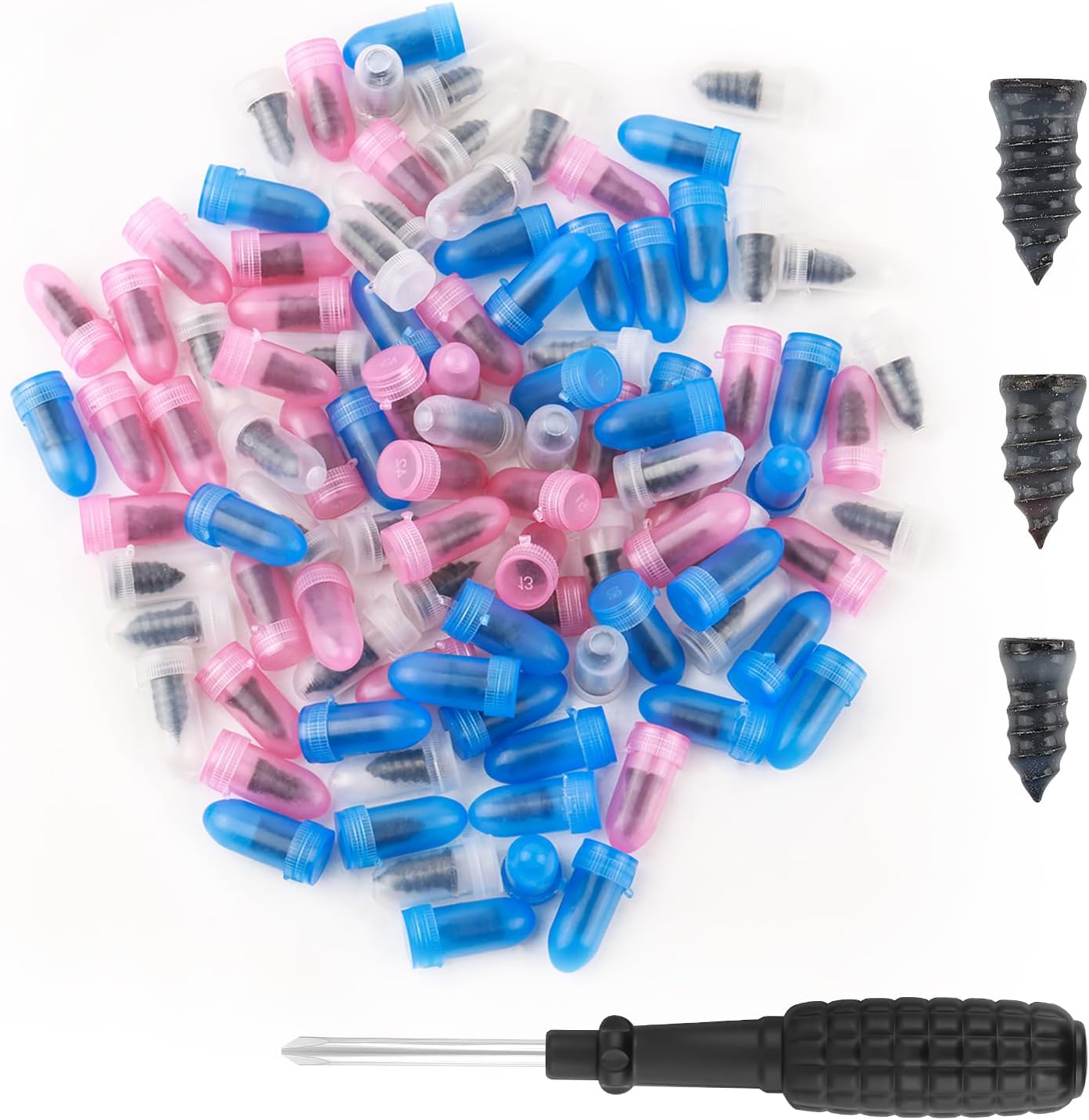
This 100-piece tire repair screw plug kit provides a fast, self-service solution for punctures on the road. Choose the correct plug size, insert it into the break, and screw it in to help seal the puncture and temporarily restore tire pressure. Thickened threads and rubber-wrapped plugs improve bite and sealing while remaining compact and easy to carry.

This AUTOWN flat tire repair kit is designed for quick, reliable puncture repairs using a plug kit and spiral probe tool to simplify installation. Built for durability and safe handling, it offers strong adhesion and flexibility to help maintain tire air tightness. With a portable storage case and a multi-vehicle approach, it’s suitable for cars, motorcycles, ATVs, tractors, lawn mowers, RVs, jeeps, and trucks.

The JACO FlowPro Tire Inflator measures, inflates, and airs down tires up to 100 PSI with battery-free operation and ±2% accuracy after calibration. It features a glowing pressure dial for night visibility, a heavy-duty steel build with a hybrid hose, and a precision push-to-inflate thumb trigger. The patented Lightning Air Chuck locks on for a secure seal, and the kit includes quick-connect hardware for easy inline use with your air compressor.
Can Tire Sealant Damage a Tacoma TPMS Sensor?
Yes, tire sealant can damage, clog, or confuse a Tacoma TPMS sensor, but the risk depends on the sealant formula, the amount used, how long it stays inside the tire, and whether the tire shop cleans the sensor after repair. The biggest concern is residue around the valve stem and sensor body.
A product labeled TPMS-safe is designed to reduce that risk, not remove every possible problem. For example, Fix-a-Flat says its product is tire sensor safe and says a qualified tire repair professional should clean the TPMS device with water after repair if sealant contacted it. That guidance applies to that product, so always follow the exact label on the sealant you carry.
Warning: Do not use tire sealant on a blowout, sidewall cut, shoulder puncture, cracked tire, damaged wheel, tire that has come off the bead, or a tire that loses air again right away. In those cases, stop driving and use the spare, roadside assistance, or towing.
What TPMS-Safe Really Means
TPMS-safe does not mean the sealant can stay in the tire forever. It means the formula is marketed as compatible with tire pressure sensors when used as directed. You still need cleanup, inspection, and repair because liquid can coat the inside of the tire and valve area.
Do not assume every emergency inflator, off-road sealant, bicycle sealant, or farm-equipment formula is safe for your Tacoma. A highway tire product should clearly state that it is made for cars, trucks, or SUVs and that it is safe for tire pressure sensors.
The Role of Tire Sealants in Emergency Situations
Tire sealants are emergency tools. They can help seal some small punctures in the tread area and add enough air to move the vehicle to a safer place or a repair shop. They should not replace a proper tire inspection.
Manufacturer instructions vary, so read the can or kit before use. Fix-a-Flat says a tire treated with its product should be inspected and repaired within 3 days or 100 miles, whichever comes first, and that the tire professional should be told the product was used. Use that as a practical reminder: sealant is temporary first aid, not a permanent repair.
Sealant can also make repair work messier. The technician may need to clean the tire, rim, valve area, and TPMS sensor before deciding whether the tire can be repaired. If you hide the fact that sealant was used, you make the repair harder and increase the chance that sensor residue gets missed.
How Sealant Affects TPMS Sensors
Sealant reaches the tire through the valve stem, then spreads inside the tire as the wheel turns. That same path can put liquid close to the TPMS sensor and valve hardware. A safe formula may clean off with water, but a non-compatible or dried product can be harder to remove.
Possible Effects on TPMS
- Wrong pressure readings: residue may affect the sensor area or valve airflow.
- Slow pressure updates: the system may take longer to report accurate pressure after repair.
- Persistent TPMS warning light: the system may need reset, relearn, cleaning, or sensor service.
- Valve or sensor contamination: dried sealant can leave buildup around the valve stem and sensor body.
- Repair complications: the tire shop must clean the inside of the tire before judging repairability.
Cleaning TPMS After Sealant Use
After sealant use, the tire should be removed from the wheel during professional repair. The technician can wipe out sealant, clean the wheel and valve area, inspect the TPMS sensor, and reset or relearn the system if needed. Fix-a-Flat’s TPMS FAQ specifically says the TPMS device should be cleaned with water after repair if sealant contacted it.
Pro Tip: Take a photo of the sealant can or kit before you throw it away. The tire shop can use the brand and formula details to choose the right cleanup method.
When Sensor Replacement May Be Needed
Cleaning may fix the issue, but it will not save every sensor. If the TPMS warning remains after the tire is repaired, the pressure is correct, and the system has been reset or relearned, the sensor may need replacement. A technician can test the sensor before replacing it.
Sealant vs Spare Tire vs Plug Kit
Sealant is not always the best option. Choose the emergency fix that matches the damage, your location, and the tools you have.
- Use TPMS-safe sealant when you have a small tread puncture, the tire still sits on the rim, the wheel is not damaged, and you need a temporary way to reach help.
- Use the spare tire when the tire has sidewall damage, a large puncture, bead separation, a blowout, or rapid air loss. A spare is often cleaner for the TPMS sensor than liquid sealant.
- Use a plug kit only if you know how to use it safely and the puncture is in a repairable tread area. A plug is still not the same as a professional internal patch-plug repair.
- Use roadside assistance or towing when the wheel is damaged, the vehicle vibrates, the tire will not hold air, or you are not in a safe place to work.
How to Choose a TPMS-Safe Tire Sealant
Do not choose a sealant only because it is cheap or easy to find. Choose one that matches your tire type and clearly says it is safe for tire pressure sensors.
- Look for TPMS-safe wording: the label should say TPMS-safe, tire sensor safe, or similar wording.
- Use an automotive highway-tire product: Fix-a-Flat says its product is designed for automotive highway tires such as cars, trucks, and SUVs, not motorcycles, ATVs, tractors, lawnmowers, bicycles, scooters, or golf carts.
- Avoid off-road-only or bicycle sealants: those formulas may not match Tacoma highway tires or TPMS hardware.
- Check cleanup instructions: water-washable formulas are easier for a tire shop to clean while still wet.
- Read the repair window: the label should tell you how soon to get professional inspection.
- Check size compatibility: some cans or kits are sized by tire type, so make sure the product can handle a Tacoma tire.
When You Should Not Use Tire Sealant
Tire sealant works best for a small puncture in the tread area. It is the wrong tool for major damage. Skip sealant and use the spare tire, roadside assistance, or towing if you see any of these problems:
- A sidewall cut, shoulder puncture, or visible crack.
- A blowout or shredded tread.
- A bent, cracked, or leaking wheel.
- A tire that has separated from the rim bead.
- A puncture that is too large for the product label.
- Strong vibration after inflation.
- Pressure that drops again within minutes.
- A tire that became very hot after being driven while flat.
[Products Worth Considering]
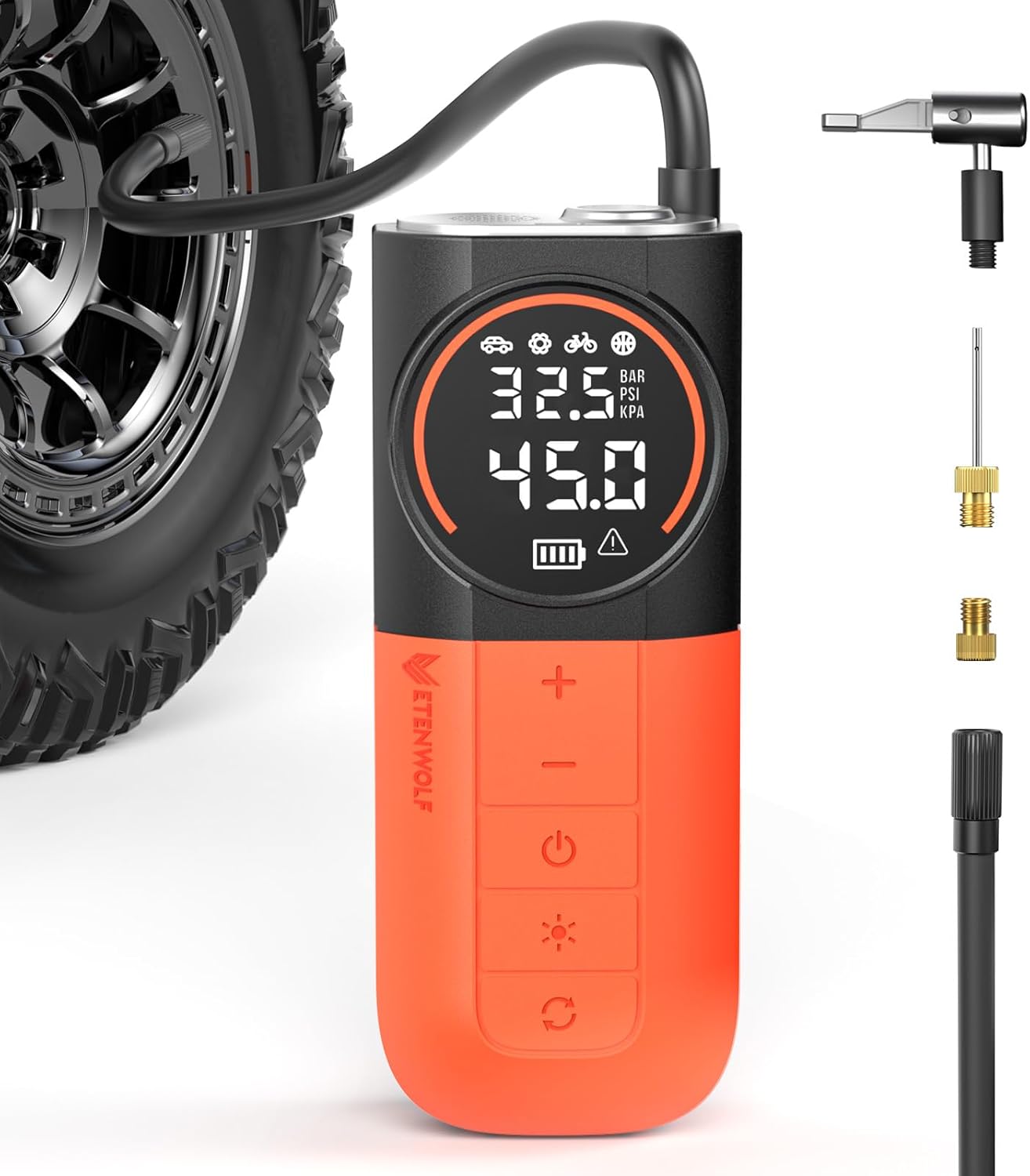
The ETENWOLF S1 cordless tire inflator delivers ultra-fast inflation with up to 160 PSI and a 20 L/min airflow for quicker tire top-offs. Its 5200mAh battery and cooling system support inflating many tires and sports balls on a single charge, while the digital pressure gauge and multi-unit display help you reach the right pressure accurately. With preset modes, pressure memory, an auto-stop feature, and an LED flashlight, it’s built for easy roadside and everyday use.

EVOULTES heavy duty tire inflator with an integrated gauge delivers accurate pressure readings from 10–120 PSI, helping you inflate, deflate, and check tires in one tool. The 16.5-inch extended dual-head air chuck with swivel base reaches hard-to-access dual wheel valves on trucks and RVs. A brass trigger core and side-mounted air release valve make operation smooth, with standard 1/4" NPT threading and quick-connect compatibility for easy setup.
Quick Decision Check Before Using Sealant
Before you attach the hose, pause for one minute and answer these questions:
- Is the damage in the tread area? If not, do not use sealant.
- Does the tire still sit properly on the rim? If not, stop and use the spare or towing.
- Does the product label say TPMS-safe? If not, use another option when possible.
- Can you check pressure with a gauge? Do not rely only on a delayed dashboard reading.
- Can you reach a tire shop soon? If not, use the spare or roadside assistance instead of extending sealant use.
How to Use Tire Sealant Safely With TPMS
Use these steps only when the tire appears repairable, the damage is in the tread area, and the product label allows use with TPMS sensors.
Step 1: Pull Over and Inspect the Tire
Move away from traffic, turn on your hazard lights, and look for obvious damage. If the tire is torn, smoking, off the rim, or badly underinflated after driving, do not add sealant. Driving on a severely damaged tire can ruin the tire and wheel.
Step 2: Confirm the Product Is TPMS-Safe
Read the label before attaching the hose. If the product does not say it is TPMS-safe or tire sensor safe, avoid it unless you have no safer option and you accept the risk of sensor cleanup or replacement.
Step 3: Follow the Label Exactly
Attach the product to the valve stem as directed. Do not exceed the tire’s maximum pressure or your Tacoma’s recommended cold tire pressure. Use a separate tire pressure gauge when possible because the TPMS reading may not update immediately.
Step 4: Drive Only If the Tire Holds Air
If the tire holds air, drive gently and follow the product’s speed and distance limits. Stop if the Tacoma pulls, vibrates, makes unusual noise, or the tire pressure warning returns quickly.
Step 5: Get Professional Repair Soon
Go to a tire shop as soon as you can. Tell the technician you used sealant, give them the product name, and ask them to clean the TPMS sensor and valve area during inspection. A proper repair may require a patch-plug repair from inside the tire, or the tire may need replacement if the damage is not repairable.
Treat tire sealant like an emergency bridge. It may get you off the roadside, but the real fix happens after the tire is removed, inspected, cleaned, and repaired by a qualified tire professional.
What to Tell the Tire Shop After Using Sealant
Clear communication protects your TPMS sensor and helps the technician make a safe repair decision. When you arrive, tell the shop:
- The brand and type of sealant you used.
- When you used it and how far you drove afterward.
- Whether the TPMS light came on before or after sealant use.
- Whether the tire lost pressure again after inflation.
- Whether you noticed vibration, pulling, noise, or heat from the tire.
Ask the shop to clean the inside of the tire, inspect the valve stem and TPMS sensor, check for sensor communication, repair the tire only if the damage is repairable, and reset or relearn the TPMS if needed.
What to Do If Your TPMS Is Affected by Sealants
If your TPMS light stays on after sealant use, do not assume the tire is fine or that the sensor is ruined. Start with the basics. Check the cold tire pressure with a reliable gauge and inflate the tire to the pressure shown on the Tacoma’s tire placard.
If the pressure is correct but the TPMS warning remains, schedule tire service. The shop can remove the tire, clean sealant residue, inspect the sensor, test sensor communication, and reset or relearn the system. If the sensor still fails after cleaning and reset, replacement may be the safest option.
Solid vs Flashing TPMS Light After Sealant
A solid TPMS warning often points to low pressure, but you should still confirm pressure with a gauge. A flashing TPMS light, or a light that flashes and then stays on, can point to a system malfunction on many vehicles. Your Tacoma’s exact behavior can vary by model year, so follow your owner’s manual and have the system checked if the light does not clear after proper inflation and service.
Note: A TPMS warning after sealant use does not always mean sensor damage. It can also mean low pressure, a puncture that did not seal, a system reset issue, or a sensor that needs relearn after service.
Frequently Asked Questions
What is the typical cause of a damaged TPMS sensor?
Common causes include impact during tire service, valve stem corrosion, dead sensor battery, incorrect valve parts, physical damage, and residue from incompatible tire sealants. Sealant is only one possible cause, so a technician should test the sensor before replacing it.
Can TPMS-safe tire sealant still cause problems?
Yes. TPMS-safe sealant lowers the risk, but residue can still create cleanup work. The sensor should be cleaned and inspected during tire repair, especially if the warning light stays on or the pressure reading seems wrong.
Is tire sealant a permanent repair?
No. Tire sealant is an emergency temporary repair. It can help you reach a safe location or tire shop, but the tire still needs professional inspection, cleanup, and repair or replacement.
Can a tire shop repair a tire after sealant is used?
Often, yes, but it depends on the puncture location, tire condition, and the sealant used. Tell the shop before service so they can clean the tire and inspect the TPMS sensor before making a repair decision.
Should I reset the TPMS after using tire sealant?
You may need a reset or relearn after the tire is repaired, cleaned, inflated correctly, and reinstalled. Do not reset the system just to hide a warning before checking the tire pressure with a gauge.
What should I use instead of sealant?
If your Tacoma has a usable spare tire, that is often cleaner for the TPMS sensor than liquid sealant. For severe tire damage, use the spare, roadside assistance, or towing rather than trying to seal the tire.
Can I drive normally after using tire sealant?
No. Drive gently, follow the product’s speed and distance limits, and go to a tire shop as soon as possible. Stop driving if the tire loses pressure, the truck vibrates, or the TPMS warning returns quickly.
Conclusion
Tire sealant can damage or confuse a Toyota Tacoma TPMS sensor when the product is not sensor safe, when residue coats the sensor, or when cleanup is skipped. A TPMS-safe automotive sealant is the better emergency choice, but it is still only a short-term fix.
Use sealant only for small tread punctures, follow the product label, check pressure with a gauge, and get professional tire service quickly. Tell the technician exactly what you used so they can clean the tire, inspect the sensor, test communication, and reset or relearn the TPMS if needed.
Sources
- eCFR 49 CFR § 571.138, Tire Pressure Monitoring Systems — backs TPMS purpose, covered vehicle context, warning threshold, and monthly cold-pressure owner’s manual language.
- Fix-a-Flat TPMS FAQ — backs tire sensor safe wording and TPMS cleaning with water after repair for that product.
- Fix-a-Flat Repair Timing FAQ — backs temporary-use guidance and the 3 days or 100 miles inspection window for that product.
- Fix-a-Flat Tire Repair FAQ — backs the need to tell the repair professional and clean the tire before repair.
- Fix-a-Flat Tire Use FAQ — backs automotive highway tire use limits for that product category.

Related Articles

How Tire Weight Affects Toyota Tacoma Performance
How does tire weight influence your Toyota Tacoma's performance and efficiency? Discover the surprising effects that could change your driving experience.
Read More
Tire Noise Levels by Tire Type on a Toyota Tacoma
A comprehensive look at how tire types affect noise levels in your Toyota Tacoma reveals surprising insights that could enhance your driving experience.
Read More
How To Choose Tires for a Dual Use Toyota Tacoma
Unlock the secrets to selecting the perfect tires for your dual-use Toyota Tacoma, ensuring optimal performance and comfort on every adventure. Discover more inside!
Read More